The budget in seven graphs: no big surprises but this may be one of the most ambitious moves to fix Australia’s finances | Greg Jericho
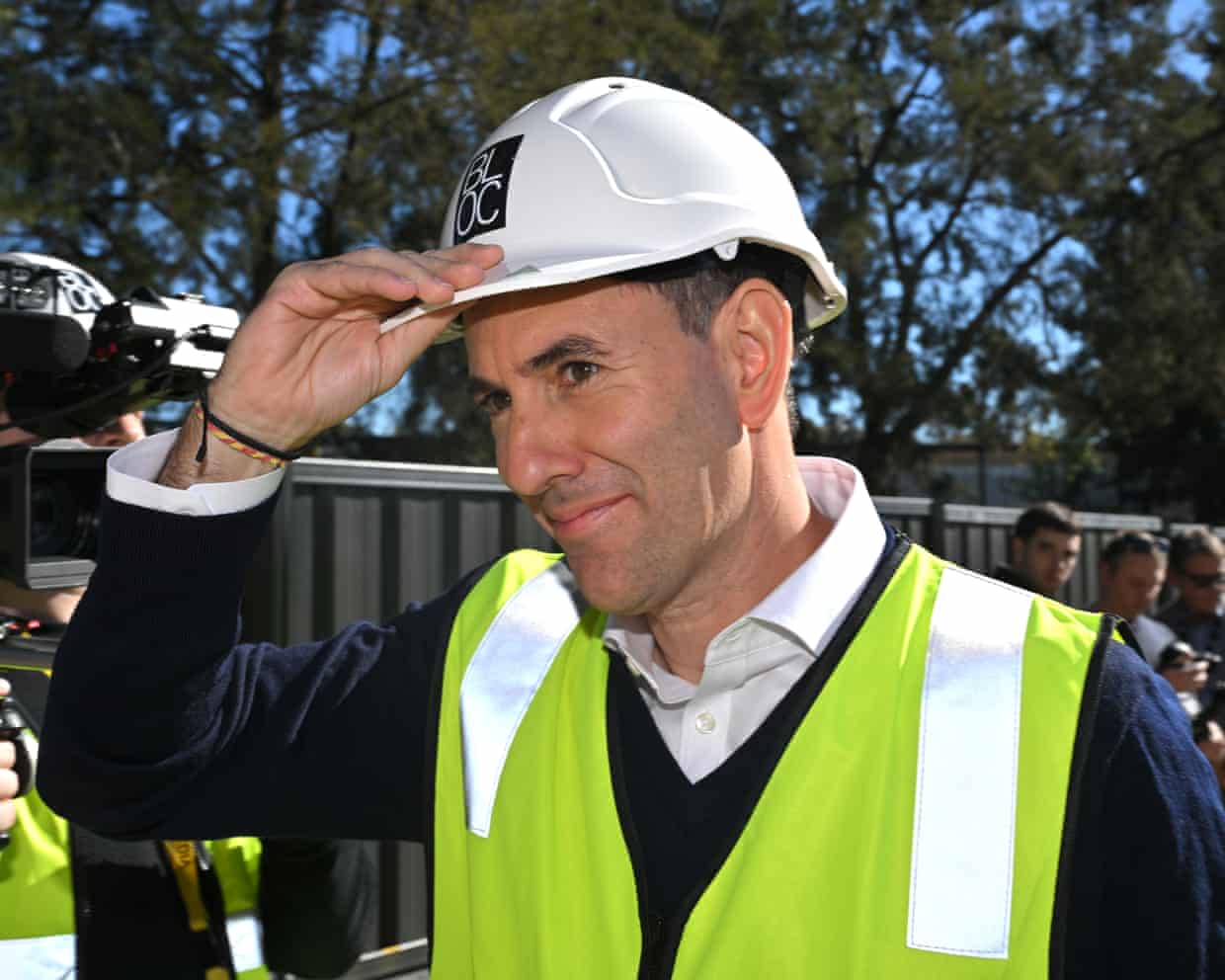
This year’s budget is an odd affair.So much had been leaked and dropped to the media that there are barely any surprises.But that does not mean it does not live up to the billing of being ambitious – basically killing off the capital gains tax 50% discount is a huge deal.The lack of changes on gas tax, an absence of increased assistance for the unemployed and renters, and cuts to the NDIS, however, show that this is still a government where ambition is not in surplus.Jim Chalmers really should send Donald Trump a big exploding cake as an up-yours present for what the US president is doing to the global economy.
Anytime you need to include a section titled “Risk of a more severe Middle East conflict” in the budget papers, you have to wonder about the forecasts and economic downgrades across the board, although the Treasury still hopes unemployment will not rise above 4.5% (let’s hope they’re right).Hopefully you don’t care about whether or not the budget is in deficit or surplus.Really you should not.But yes, the budget deficit is forecast to be smaller over the next four years than was expected in the December mid-year economic and fiscal outlook.
Some of this was due to improved economic parameters (higher oil prices and inflation, which leads to better tax receipts) and a lot – at least in 2029-30 – is due to policy changes (cutting the NDIS, changing the CGT discount – more on these later).If this graph does not display, click here.A false narrative from conservative media and politicians is that government spending is driving inflation.It is not.Just last week the governor of the Reserve Bank, Michele Bullock, told us that the three interest rate rises this year would not “do anything for inflation over the next six months”.
That makes it clear that inflation at the moment is driven by international factors – ie, the conflict in the Middle East.If it was being driven by government spending, then the interest rate rises would affect it.We already have evidence that any increase in government spending in the last part of last year was driven by the states and territories and by defence spending.If this graph does not display, click hereIn today’s budget, the forecast for public-sector demand growth is similarly benign.The growth in public demand is well below what we saw in the years up to and during the pandemic lockdowns, and not that much faster than what happened in the late 1990s when Peter Costello was slashing things to get to a surplus.
If this graph does not display, click hereThe one absolute truth about budgets is that they are about choices.Remember my budget commandment: “Everything is affordable if the government chooses to care about it.”This budget, the government has chosen not to care about a lot of things – jobseeker, for example, remains 42% below the poverty line ($291 a week below the line if you want to get really specific).It has also decided that caring about the national disability insurance scheme means not caring quite so much as it once did.The changes will cut $36.
2bn over the next four years all under the title of “Securing the NDIS for future generations”.Bless.NDIS spending will flatline in nominal terms and fall rather drastically in real terms – by 2029-30 the level of NDIS funding will be 10% less in real terms than it is now.If this graph does not display, click hereThe thing is, voters like government services.They consistently vote for them; they consistently hate privatisations.
Maybe the government could think about that fact, rather than worry about what media organisations that hate government spending think.In the run-up to the election, the No 1 topic was a tax on gas exports.Pity the poor work experience kids monitoring the PM’s social media accounts.Because, regardless of what he posted, the first 100 comments were “Tax the gas”.The estimated $17bn revenue that could have been raised from a 25% gas export tax (and, as always, my acknowledgment that I was involved in the research used by the Australian Council of Trade Unions in its policy proposal of the 25% gas export tax) would have transformed the budget – and not left government MPs with questions of “You cut back NDIS and didn’t raise jobseeker or offer free childcare because tough choices had to be made, couldn’t those choices have been largely solved by a 25% tax on gas?”Instead, the government relies on the petroleum resource rent tax.
Because oil prices have gone up the PRRT has been revised up slightly from the Myefo.But not by much.If this graph does not display, click hereBut here’s the thing: this involves a US$100-a-barrel oil price – which required a war in Iran and the strait of Hormuz to close.This is as good as it gets.It certainly makes a mockery of all the gas companies in the Senate gas tax inquiry saying that a boom in PRRT would happen by the end of the decade – not to mention the ALP and LNP senators who believed them.
The PRRT will still raise much less revenue than the beer excise.If this graph does not display, click hereSo sorry, Santos, Woodside and Anthony Albanese, but I suspect David Pocock will keep running his “beer raises more revenue than the PRRT” ads.A year ago, I let out a fair bit of frustration over the state of housing policy.Twenty-five years of policy-enabled price-turbocharging of housing demand and doing nothing to address the great inequality and distortion in the system brought about by John Howard introducing the 50% capital gains tax discount was sending me to despair.In this budget – as loudly telegraphed – the government is ending the discount and going back to the old way of taxing capital gains and also bringing in a minimum 30% tax rate.
Excellent news,It is also limiting negative gearing to new builds,(Though only through grandfathering, but to be honest, negative gearing has always been less important than getting rid of the CGT discount),This is not going to solve housing affordability overnight – remember we have 26 years of bad policy to undo – all of which began with the CGT discount:If this graph does not display, click hereThese changes will not raise a huge amount of revenue – the government forecasts $2,3bn more tax in 2029-30.
But it is a vital move to shift away from treating housing as something to speculate on and back to it being about having a place to live.In any other year, this would be huge news.The government has smartly leaked out the news of this slowly and steadily such that it became a fait accompli.While it might not be a shock, the government deserves big credit for doing this.Similarly, as I foreshadowed last week, the government has moved to address the gross abuse of the family discretionary trust system to avoid paying tax.
The government will introduce a 30% minimum tax rate for all income in those trusts, up from 16% minimum.This is expected to raise $4.4bn by the time it is fully up and running in 2029-30.There will be a lot of talk about all of this affecting “aspiration”.Just remember 90% of people who earn less than $100,000 don’t have trusts, while half of those earning more than $500,000 do.
But it does redress some of the inequality in the tax system, which is a heck of a lot more important than whether or not the budget deficit is bigger or smaller.I suspect this will be welcomed by voters and I would not be shocked if the opposition folds – unless it wants to go to the next election promising tax cuts for landlords and millionaires using trusts to pay less tax.All in all it’s an unsurprising budget but with enough things that matter to make it one of the most important budgets for good (CGT changes) or bad (cuts to the NDIS).
What I saw at the Musk-OpenAI trial: petty billionaires, protests and a stern judge
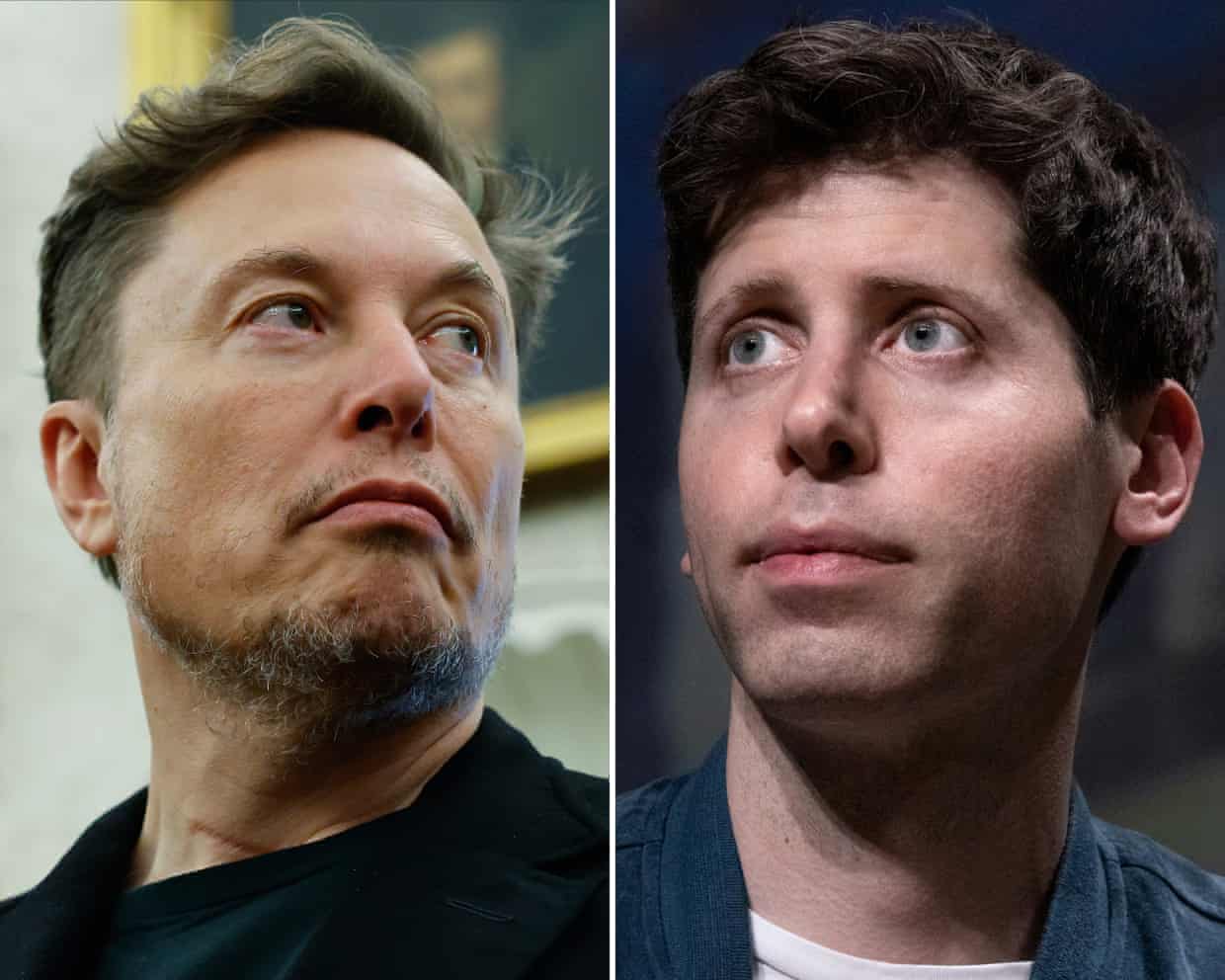
For the past couple of weeks, on the fourth floor of a courthouse on a quiet street in downtown Oakland, the world’s richest man and one of the world’s most valuable startups have been at war over the future of artificial intelligence.Being one of the reporters in the room has felt like watching an updated, opposite-coast version of Tom Wolfe’s The Bonfire of the Vanities – ambition, ego, greed and the spectrum of social class on full display. The supporting cast has included Elon Musk fanboys, a stern judge and a who’s who of Silicon Valley’s most influential people.All courtroom battles are theatre, but this one has proved to be a unique spectacle, with the judge chastising the lawyers for leading the witness, raising meritless objections and even too much coughing. With Musk on the stand, he griped that an opposing attorney had asked a leading question, to which the judge told him to “tell the jury you’re not a lawyer”
Who is Louis Mosley, the man tasked with defending Palantir against its critics?
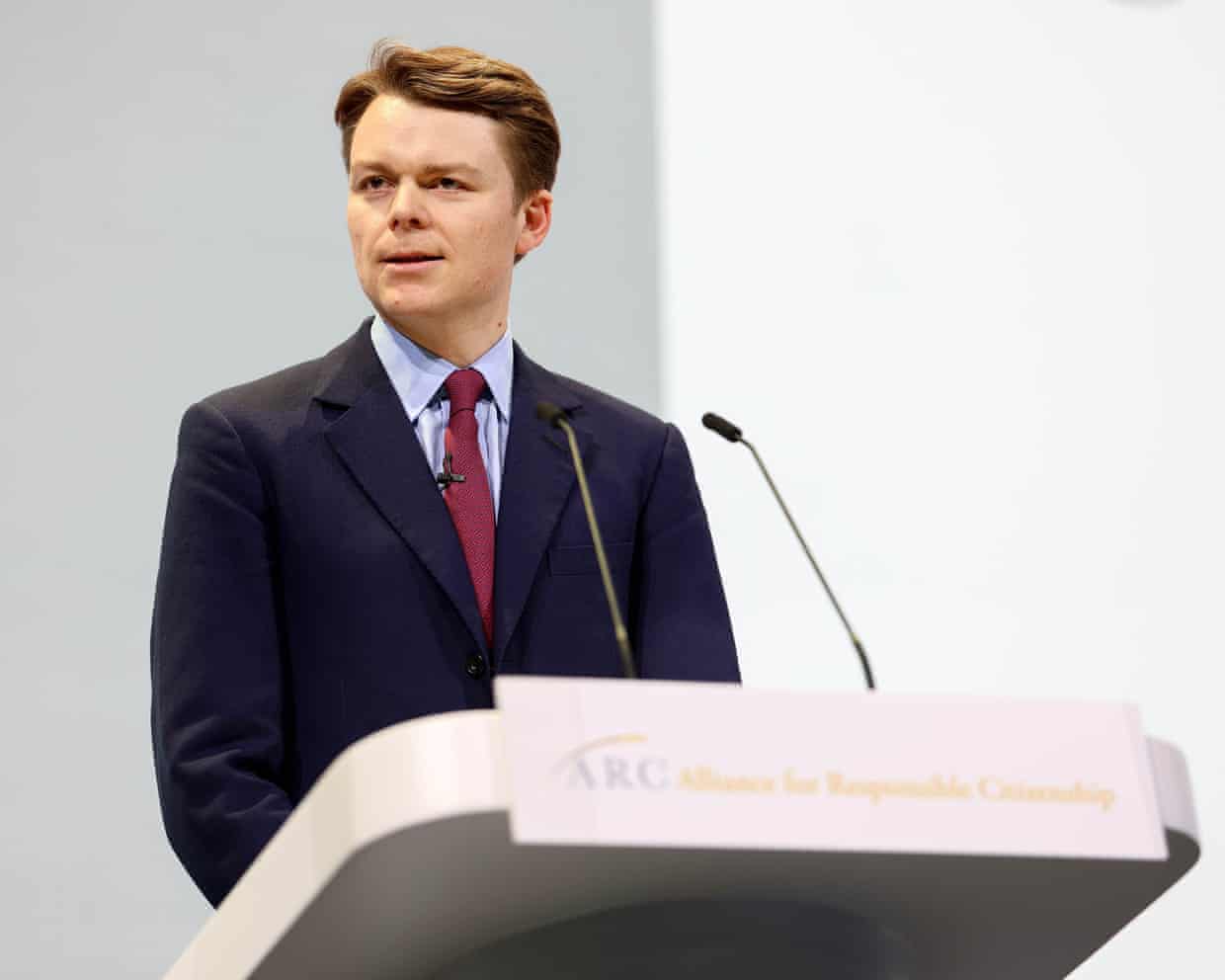
The hall was packed with rightwing radicals when Louis Mosley heralded a coming revolution. Just as Oliver Cromwell – that “crusader for Christ and liberty” – routed King Charles I’s royalists, “a similar revolution is brewing today”, said the UK and Europe boss of Palantir. Globalism’s “twilight” was upon us, he said in a speech dotted with admiring mentions of the podcaster Joe Rogan and “Elon’s Doge”.It was not a typical peroration for a big UK government contractor with more than £600m in deals with the NHS, the Ministry of Defence and police. But Palantir, the world’s most controversial tech company, is no typical contractor
AI-powered surveillance company Palantir created a chore coat. Great, now I have no choice but to burn mine | Van Badham
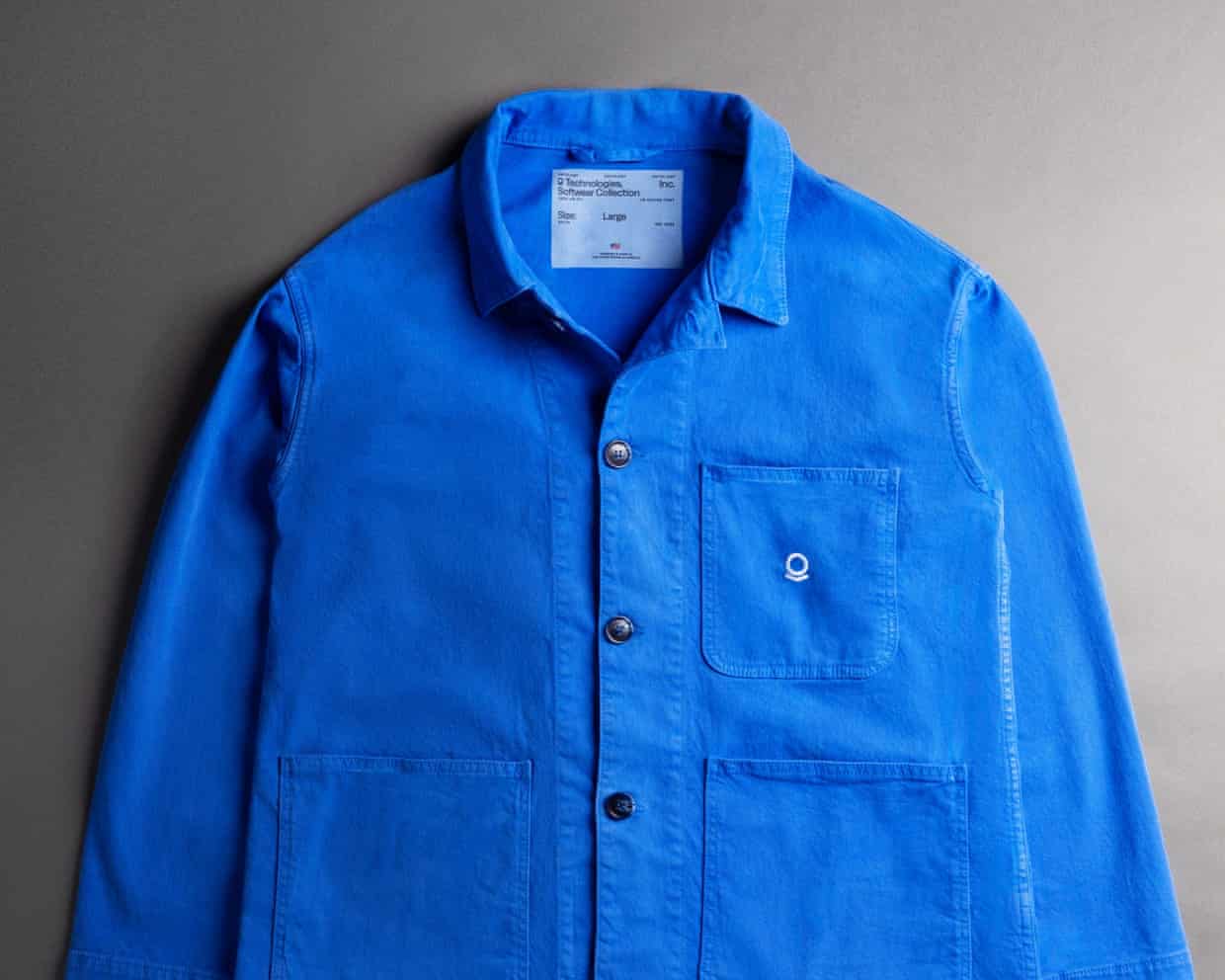
It’s taken me years to find a chore coat with a cut that flatters my big tits but, now that I finally own one, I want to incinerate it.Such is the power of brand contamination; infamous data surveillance megacorp Palantir has decided to bang a logo on a chore coat to sell as corporate merch.Chore coats are the traditional short denim or twill jacket of the 19th-century French working class. Palantir, however, is a company whose public words and commercial-in-confidence activities are inspiring local calls to have its contracts cancelled and its business banned.The gentle French garment is now as cursed as whatever “Marie Amazonette” will ever wear to the Met Gala
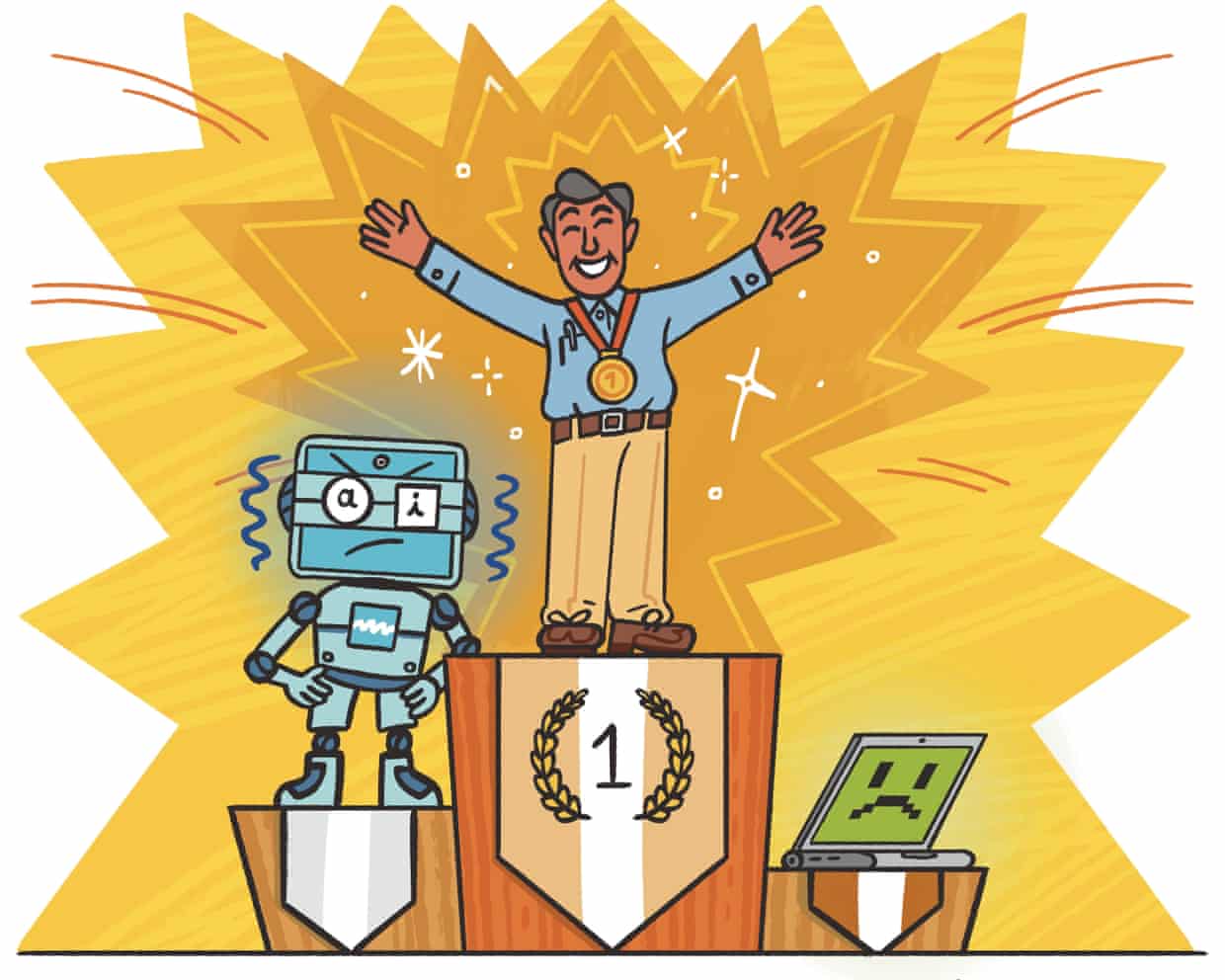
‘Being human helps’: despite rise of AI is there still hope for Europe’s translators?
In February 2022, while he was plugging away at rendering the US writer Dana Spiotta’s novel Wayward into French, the literary translator Yoann Gentric decided he needed a bit of light relief. He would test whether AI could put him out of work.Gentric had been grappling with a short non-verbal sentence that described the book’s protagonist’s feelings upon opening a window: “Bright, sharp night air, bracing.” He put the prompt into DeepL, a neural-network-powered machine translation engine that regularly outperforms Google Translate in accuracy assessments.The proposed translation was reassuring, with his job security in mind: L’air de la nuit, vif et vif, était vivifiant (The night air, lively and lively, was enlivening

UK schools should remove pupils’ online photos as AI blackmail threat grows, say experts
UK schools should remove pictures of pupils’ faces from their websites and social media accounts because blackmailers are using them to create sexually explicit images, experts have said.Child safety experts and the UK’s National Crime Agency (NCA) warn that criminals are using AI to manipulate photos of children and then demand cash not to publish them.They are recommending educational institutions remove identifiable pictures of children from their websites and social media accounts – or consider not using them at all.The Internet Watch Foundation (IWF) said an unnamed UK secondary school had recently been subjected to a blackmail attempt after criminals used the institution’s website or social media accounts to take photos of schoolchildren and then, using AI tools, turned them into child sexual abuse material (CSAM). The blackmailers sent the images to the school and threatened to publish them online if they did not receive money

Europe’s AI translation industry told it risks reputation by partnering with US firms
AI companies in Europe risk losing their world-leading status in the field of machine translation, industry figures have said, after the decision by one of the continent’s leading startups to partner with Amazon’s cloud computing division provoked alarm.While businesses in the EU have generally lagged behind the US and China in AI adoption, a small group of European companies have cornered the global market for high-quality machine translations for professional use.The biggest success story is Cologne-headquartered DeepL, an online translator that regularly outperforms Google Translate in accuracy assessments. Used by governments, courts and half of the Fortune 500 list of highest-earning US companies, last year it was reported to have recorded revenues of $185.2m
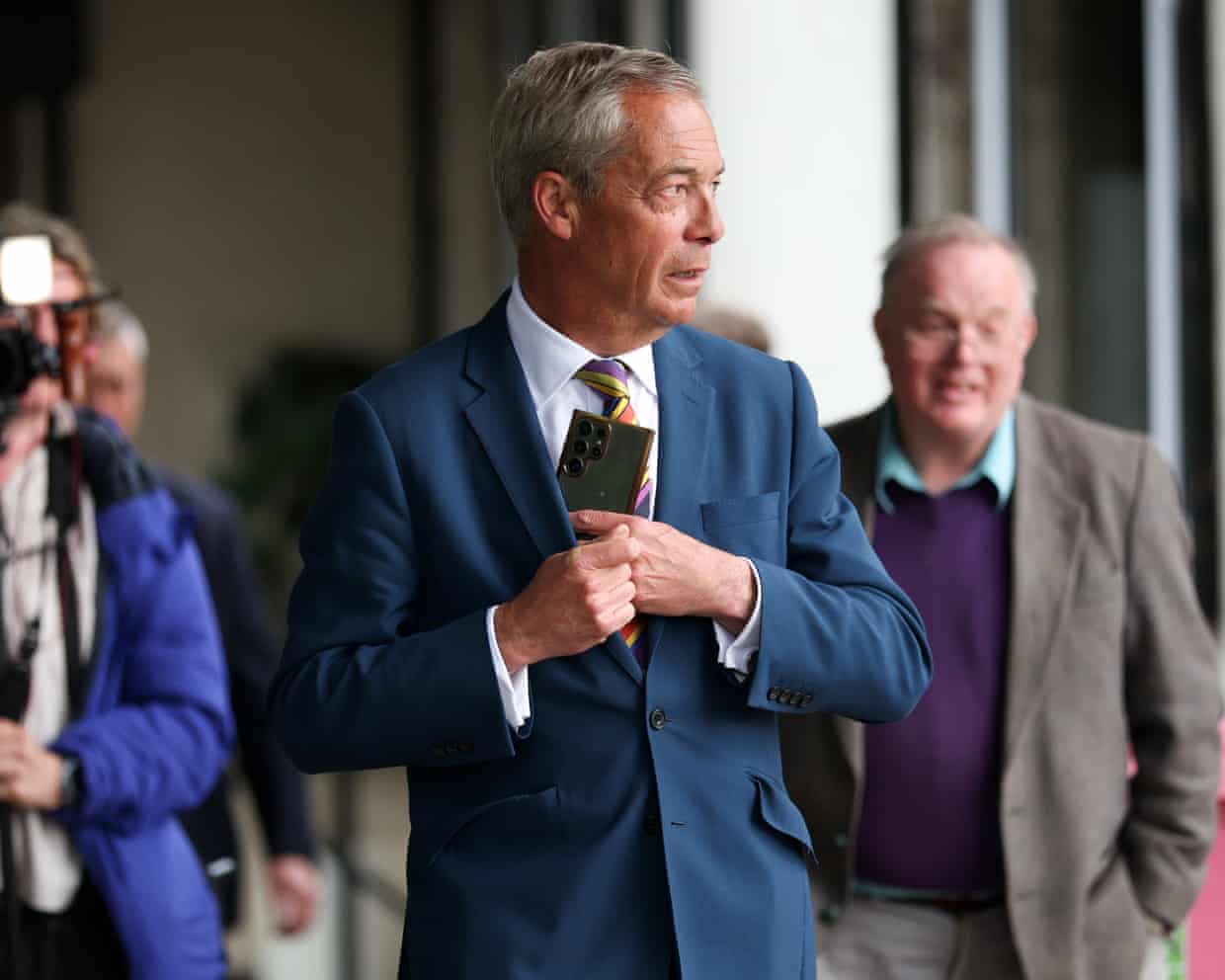
Farage faces questions over failure to declare use of donor’s helicopter
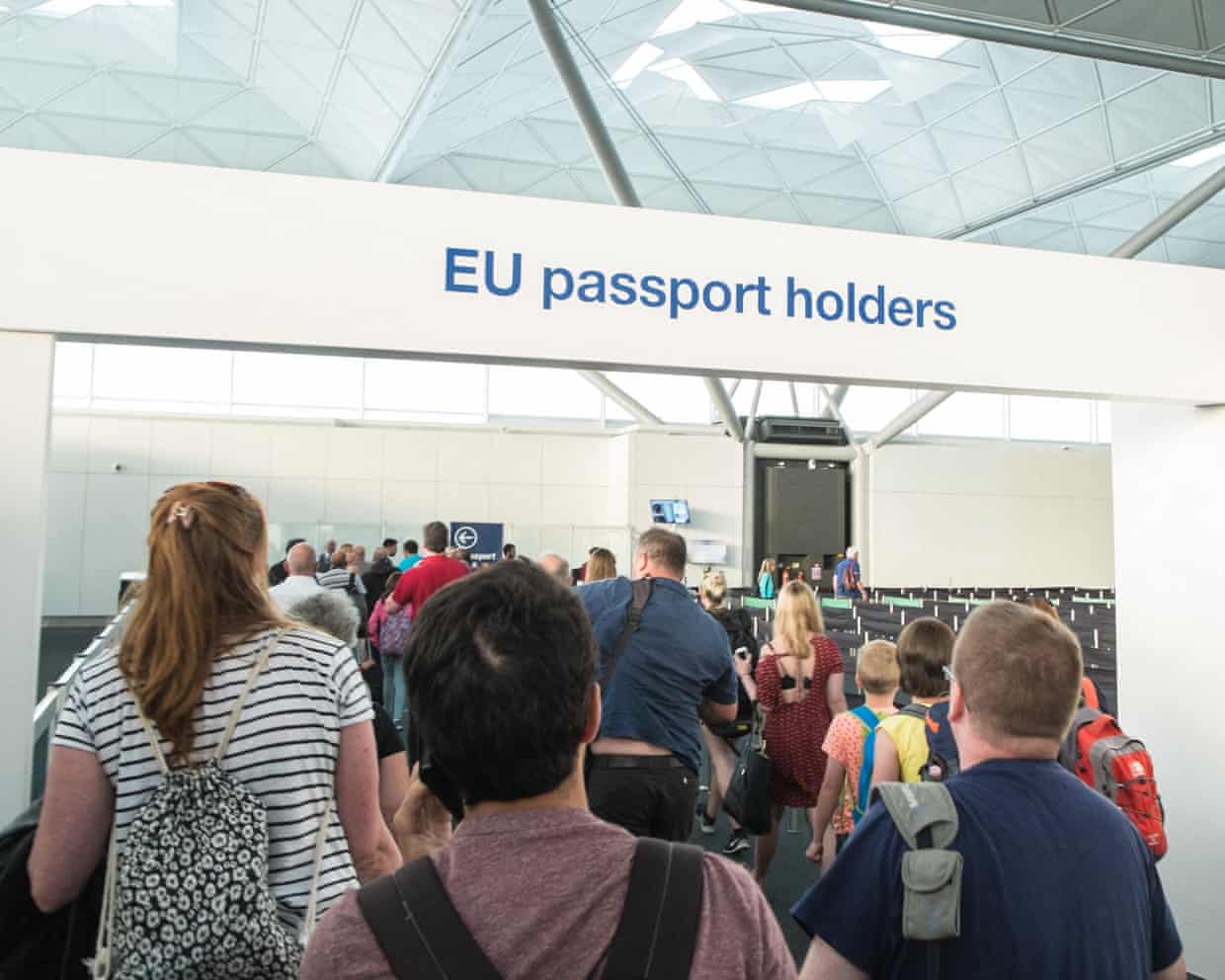
Youth mobility scheme disagreement hampering reset of UK-EU relations

Tax cuts and cost of living help proposed by Labour-linked groups allied to Streeting and Burnham
Minister resigns from Starmer government with call for PM to quit

Greens’ Zack Polanski admits failing to pay correct council tax on houseboat
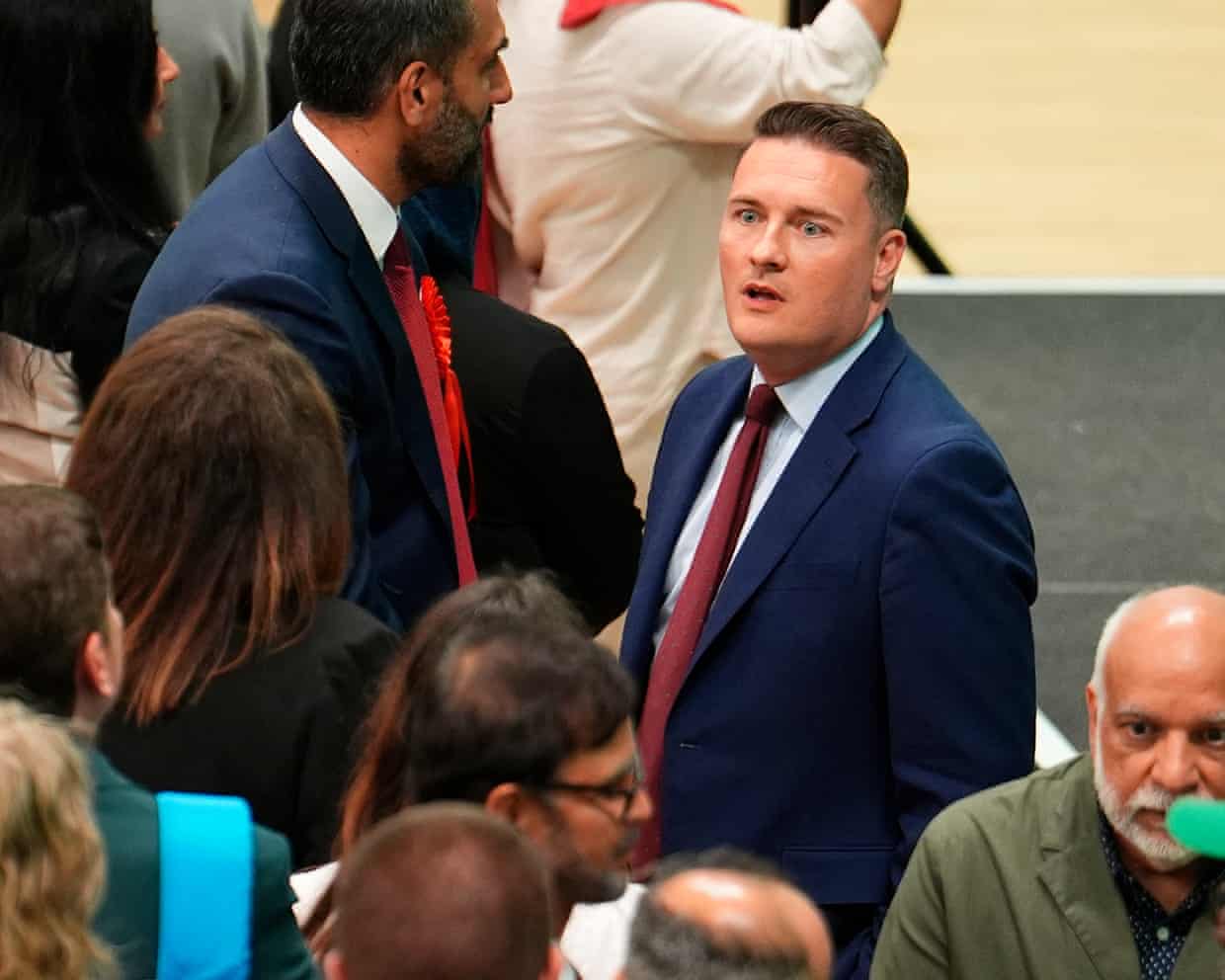
Wes Streeting faces narrow road to Labour members’ favour