Cut UK speed limits to reduce Iran war impact on consumers, thinktank urges
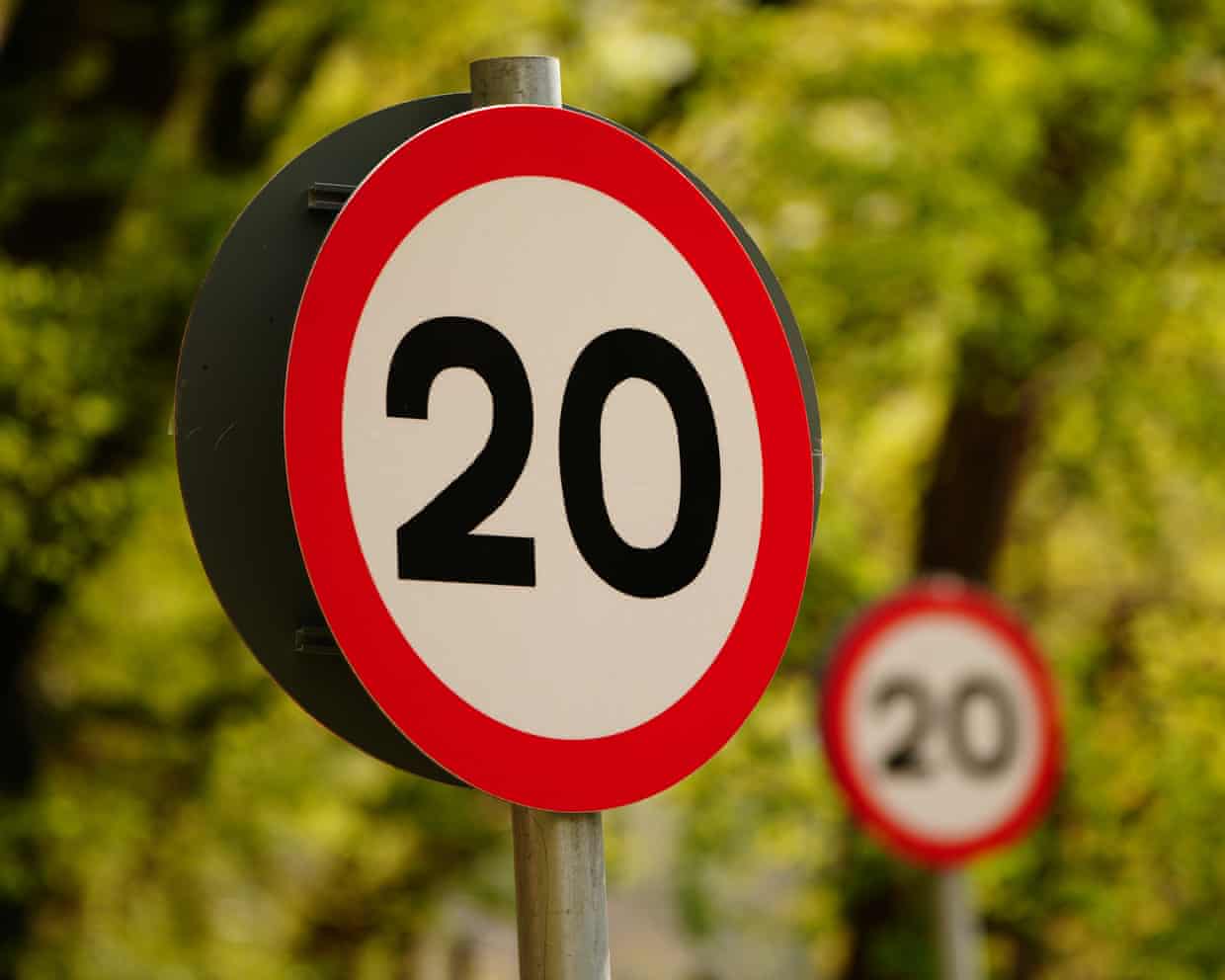
Britain should lower speed limits for drivers as part of a package of measures to reduce the impact of the Iran war on consumers, a thinktank has said.Capping legal speeds at 20mph in towns and cities and 60mph on motorways would help reduce fuel demand and combat soaring oil prices triggered by conflict, according to the Institute for Public Policy Research (IPPR).The institute said ministers should also temporarily cut fuel duty by 10p and bring in a new energy price cap of £2,000 a year to support consumers, while warning that inflation could peak as high as 5.8% if nothing is done to prevent it.“The UK cannot afford to sit back and let another energy shock drive up inflation and damage the economy,” said William Ellis, a senior economist at the IPPR.
“The UK economy and public finances are expected to take a significant hit from the Iran conflict, regardless of whether the government intervenes.”Lowering speeds would be “a dual win”, the thinktank wrote, “lowering fuel demand, while safer streets support swapping short trips to walking and cycling.This should be packaged with advice on how to drive more efficiently alongside recommendations for increased home working and carpooling.”Such a measure would probably prove controversial.Wales reduced its default speed limit to 20mph in 2023 and a BBC poll this year found that more than half of people in the country opposed it, despite a more than 10% fall in road casualties in the subsequent 18 months.
The International Energy Agency has already advised its member countries, including the UK, to consider lowering road speeds and limiting when cars can drive as part of a number of Covid-style emergency measures in response to the Middle East conflict,The researchers estimated that the Treasury could lose up to £8bn a year from higher debt payments and lower tax revenues resulting from lower economic growth without a support package,The fuel duty cut would apply until spring 2027, the institute said, while the price cap would sit above the current quarterly cap set by the energy regulator for Great Britain, Ofgem, of £1,641 but would trigger automatically if the regulator’s quarterly estimates crossed that threshold,Gas and electricity bills could hit almost £2,000 a year for average households from July,Researchers said that while the policies would cost up to £5bn a year, that was far less than Liz Truss’s response to the 2022 energy crisis, which cost about £76bn.
The chancellor, Rachel Reeves, has already said any support this year will be targeted at those most in need.It would also reduce peak inflation by up to two percentage points, the researchers estimated, and potentially avert the need for the Bank of England to raise interest rates – its main weapon to fight price rises – which many analysts expect to happen later this year.The Bank left rates unchanged at 3.75% last week but warned that the UK may need to brace for increases later in the year.Andrew Bailey, the Bank’s governor, said last week: “The longer this problem goes on and the longer the disruption to energy supplies goes on, the more difficult the scenario we’re in.
”Ellis said: “The government can act now where the Bank can’t, with a well-designed policy that acts to cap prices only in the most damaging scenarios.At worst, this would save about as much as it costs – but if permanent damage or sharp interest rate rises are avoided, this could end up saving money.”
Lacunar strokes caused by widening of arteries in brain, study suggests
The cause of a type of stroke that affects about 35,000 people across the UK each year has been uncovered by researchers and may explain why some medications are ineffective as treatment.Lacunar strokes, which account for a quarter of all strokes in the UK, had been linked to the blockage of arteries in the brain by fatty deposits.However, a study published on Wednesday suggests they are not caused by blocked arteries but by the enlargement and widening of arteries in the brain.This would help to explain why aspirin and other blood thinners, commonly used to prevent ischaemic strokes, are not as effective in preventing lacunar stroke.The research by academics at the University of Edinburgh and the UK Dementia Research Institute analysed 229 patients who had experienced either a lacunar or mild non-lacunar stroke
Attempts to stop prison drone drug deliveries hampered by crumbling Victorian walls
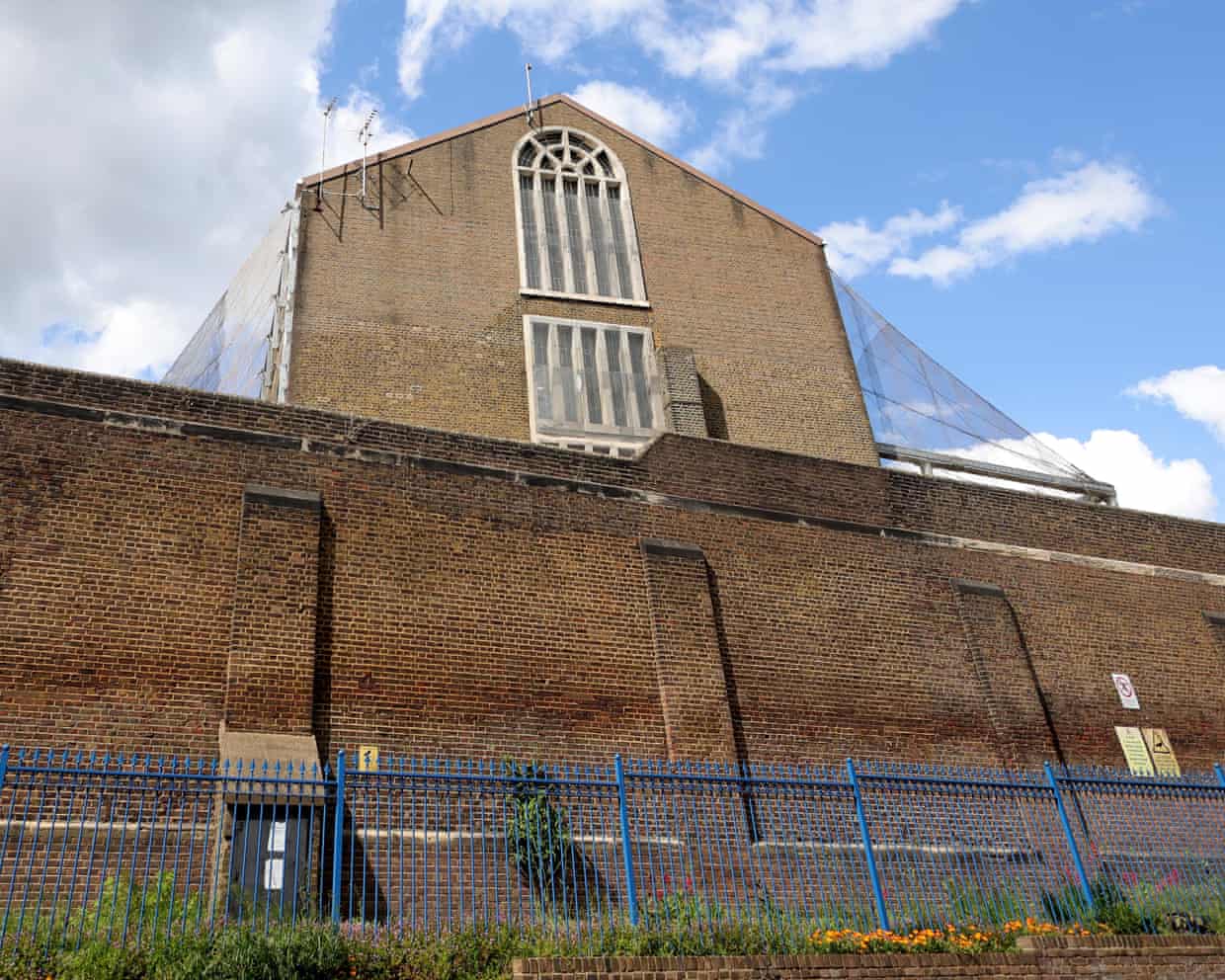
Weak and crumbling walls in Victorian prisons are hampering attempts to halt drones from delivering drugs and weapons to inmates.Plans to install tougher netting and window grilles to stop drones from entering have been hampered because the walls have been unable to take the extra weight, prison governors said.Recent attempts to fix anti-drone netting at HMP Pentonville, the Victorian prison in north London, were stalled after they found that the bricks were too soft, sources have said.Charlie Taylor, the chief inspector of prisons for England and Wales, said last month that the Prison Service had “ceded the airspace above many of our prisons to serious organised crime”, resulting in a “national security threat”.The number of incidents at prisons involving drones has risen by more than 1,000% over four years, with gang members able to fly packages carried by drones direct to cell windows
MPs v the manosphere: ministers battle misogyny as they take a different message to men and boys across Australia
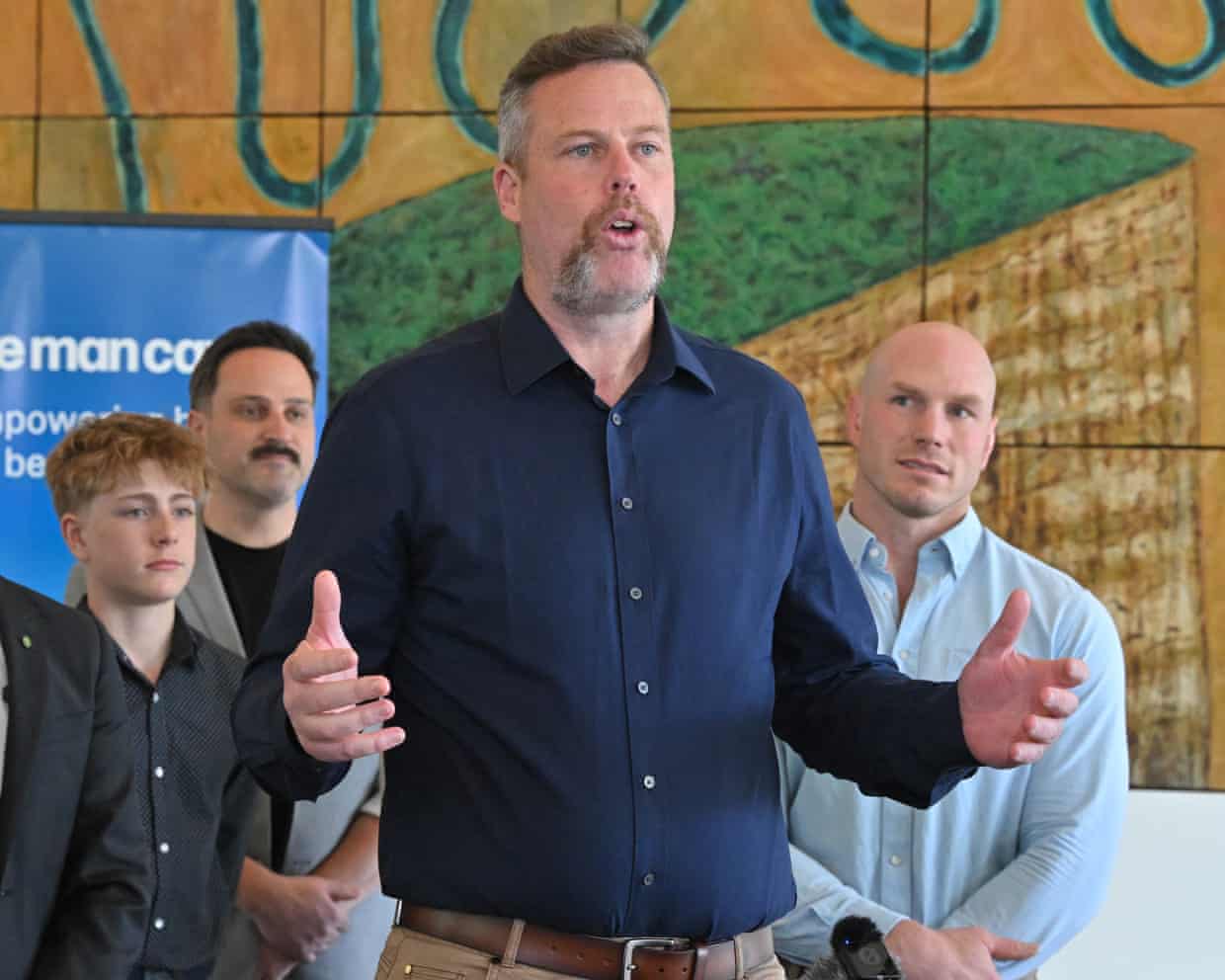
“Gender equality isn’t women versus men or a zero-sum game,” Ged Kearney says.“It delivers better outcomes for everyone. It’s important that, as we engage with men and boys, we make that really clear.”But as the assistant minister for the prevention of family violence sets off on a national listening tour with the special envoy for men’s health, Dan Repacholi, they are up against a pervasive and very different conception of how men and women relate, fostered by the loud voices of the manosphere and men’s rights activists.For decades, those activists have called for Australia to have a minister for men
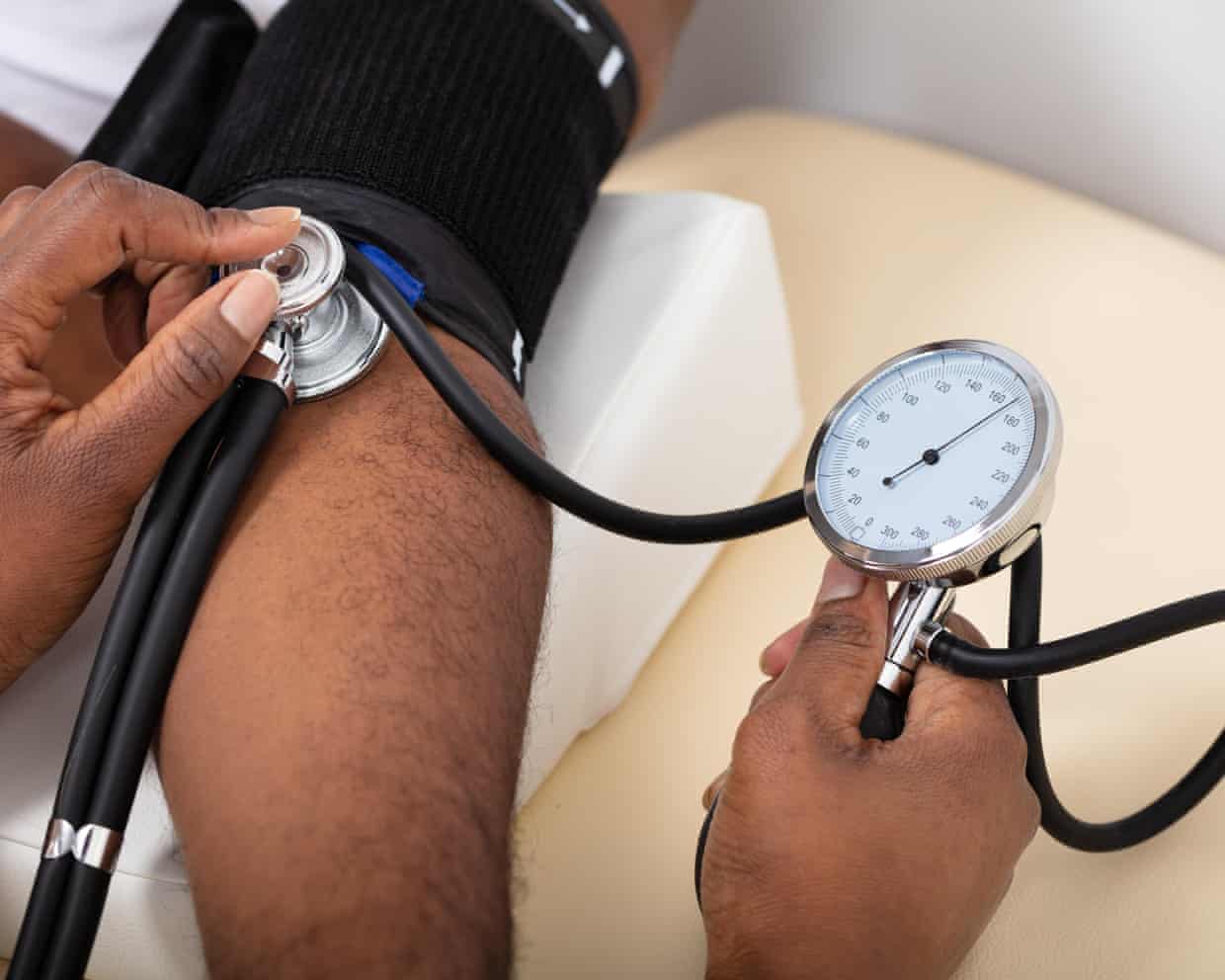
Black people in England twice as likely to suffer stroke as white counterparts
People from black backgrounds in England are twice as likely to experience strokes as their white counterparts, while also being less likely to receive timely care, according to the largest study of its kind.The study, conducted by researchers at King’s College London and presented at the European Stroke Organisation conference, analysed 30 years of stroke incidents from the South London Stroke Register, one of the longest-running population-based stroke registers in the world.The register is unique due to the fact that unlike clinical trials, it recruits every single person who has had a stroke in a defined area.Within a population of 333,000 people, according to the analysis, 7,726 strokes occurred. And while stroke incidence fell by 34% between 1995-99 and 2010-14, the rate rose again by 13% between 2020 and 2024

Prosecutors to ‘fast-track’ hate crime cases in England and Wales after spate of attacks
Prosecutors in England and Wales have been told to “fast-track” hate crime prosecutions after a spate of antisemitic attacks that the prime minister on Tuesday called a “crisis for all of us”.Stephen Parkinson, the director of public prosecutions, issued guidance to his staff on Tuesday telling them to bring forward prosecutions against any sort of hate crime as quickly as they could, rather than waiting until they had gathered all possible evidence.Keir Starmer urged groups including universities, arts groups and charities to do more to tackle antisemitism during a summit in Downing Street.As well as imposing new reporting requirements on universities and the Arts Council, the prime minister threatened “consequences” against Iran if it was found to have been behind last week’s stabbing in Golders Green, north London.Parkinson said in a statement on Tuesday: “The acts of extreme violence and criminal damage that we have seen against the Jewish community in recent months have been deplorable
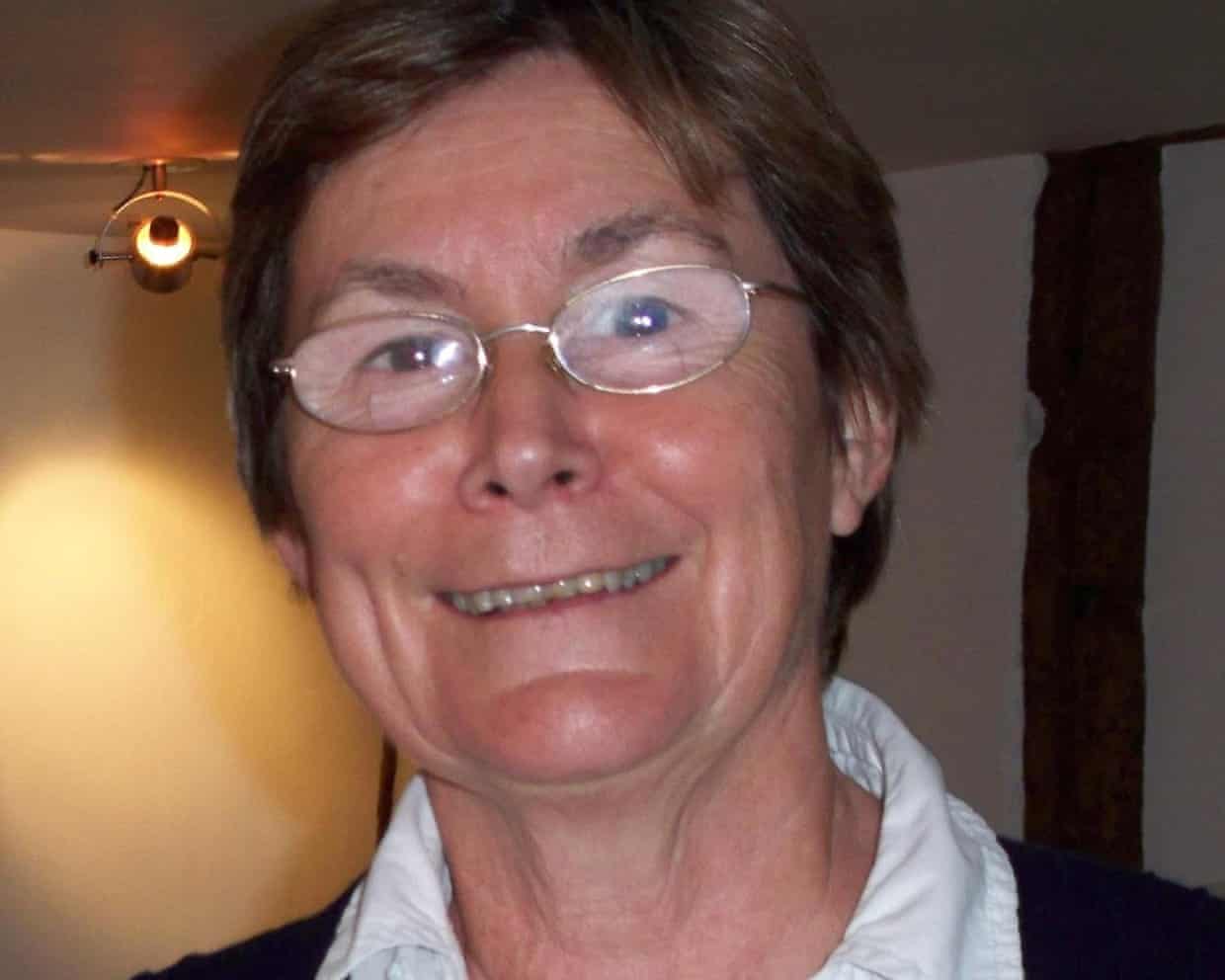
Ann Barrett obituary
In 1968, when Ann Barrett qualified in medicine, the fast-changing specialty of oncology was a magnet for young doctors as new drugs and technology were beginning to nudge up survival rates. In her distinguished 40-year oncology career, Barrett, who has died aged 83, played a key part in improving cancer outcomes, particularly for children, becoming a world authority on paediatric radiotherapy.As chair of radiation oncology first at the University of Glasgow and then at the University of East Anglia, she was highly influential in the profession with more than 150 published academic papers. She had a significant impact on student education and was a leading contributor to several textbooks that are still “go-to” classics, including Practical Radiotherapy Planning (1985, now in its fifth edition, 2023), and Cancer in Children: Clinical Management (1975, now in its seventh edition, as the Oxford Textbook of Cancer in Children, 2020).After training at St Bartholomew’s hospital in London and various junior doctor posts, in 1977 Barrett became a consultant at the Royal Marsden hospital, a world leader in cancer research; Barrett specialised in brain tumours in children and in irradiating the central nervous system (the brain and spine)

Fertiliser shortages to have dramatic effect on food prices, says Duke of Westminster’s firm

JD Sports says Iran war could hit consumer spending and raise prices
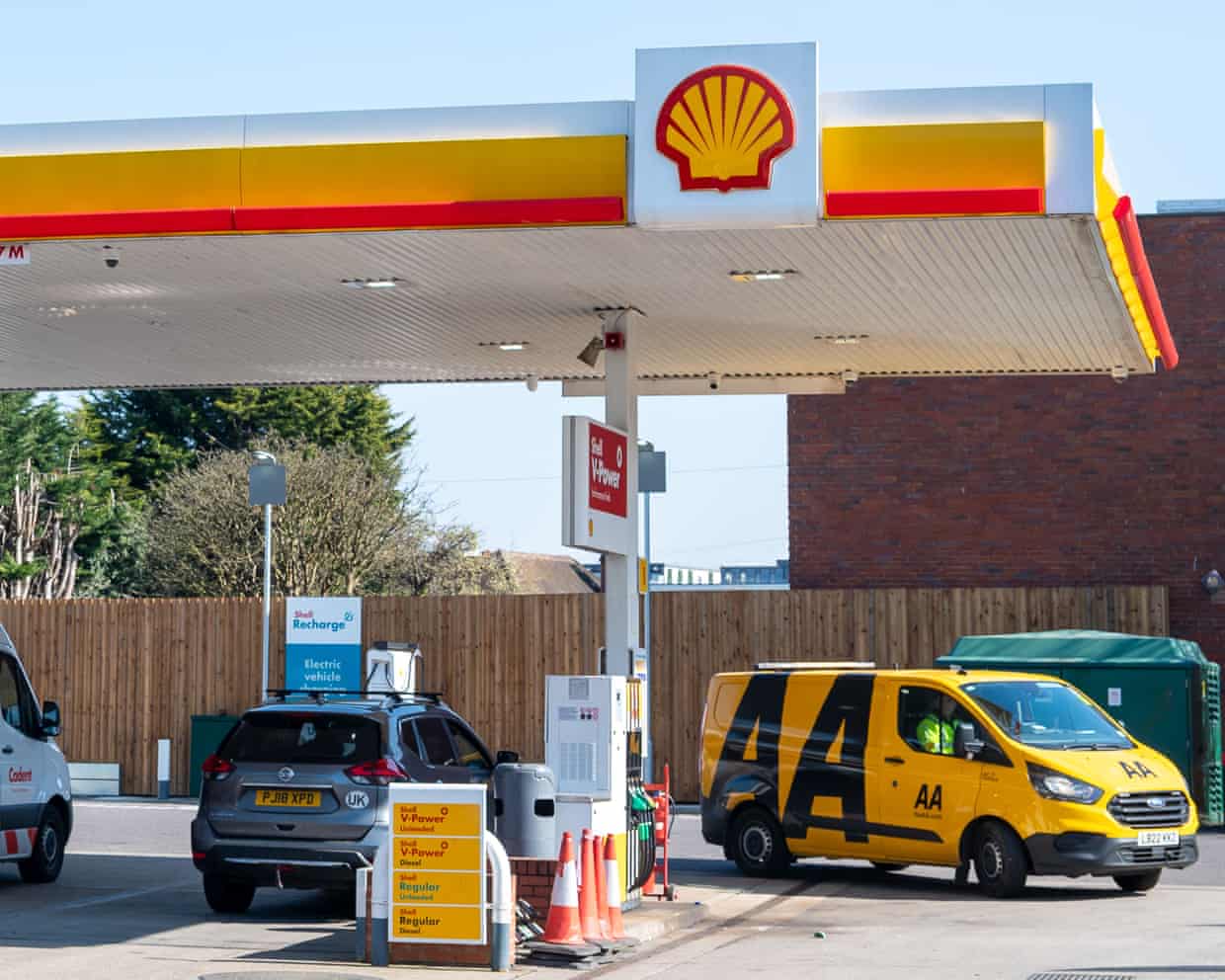
Climate campaigners attack Shell over ‘windfall’ profits from Iran war
Cut UK speed limits to reduce Iran war impact on consumers, thinktank urges

Oil prices fall as Trump says strait of Hormuz ‘open to all’ if Iran accepts deal
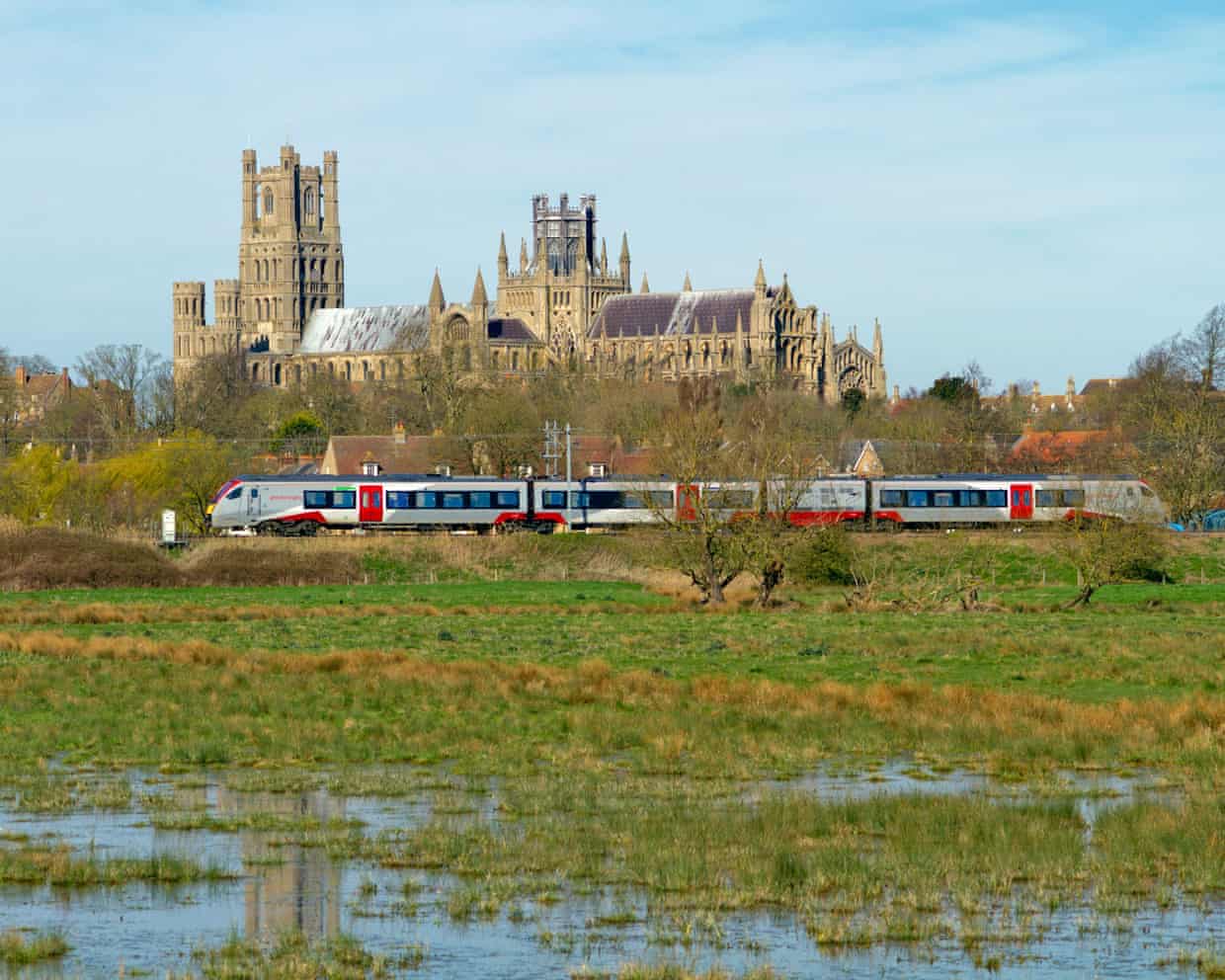
Trainline says Middle East tensions hitting European rail bookings