Global finance watchdog warns over private credit industry fuelling AI boom

The private credit industry’s role in fuelling the AI boom could backfire, with a sharp correction leading to “sizeable” losses, the Financial Stability Board has warned.A new report on private credit by the global watchdog, which monitors financial authorities including central banks in 24 countries, found that the healthcare, services, and tech sectors have become the biggest borrowers of private credit.That includes AI companies, which have increasingly turned to private lenders to fund datacentres and other infrastructure.The AI industry accounted for more than a third of private credit deals in 2025, up from 17% over the previous five years.“This focus on specific sectors may leave private credit funds exposed to idiosyncratic risks … [and] increase exposure to region or industry-specific shocks,” the report said.
On AI loans, the FSB warned that a “sharp correction in asset valuations, which have increased rapidly, could lead to sizeable credit losses to private credit investors”.The FSB said: “This could be triggered by any significant shortfall in the supply of electricity, a critical factor in the construction and operation of datacentres, which could lead to delays or cancellations of projects.”Meanwhile, AI company valuations could be hit if investments lead to an oversupply of datacentres, which eventually outpaces demand for AI, leading to lower-than-expected returns for investors.The FSB report adds to concerns over potentially risky loans arranged by private credit firms, which lend to companies using investor money – rather than customer deposits or loans backed by those deposits – outside the traditional regulated banking system.Those anxieties recently led to a multibillion-pound surge in withdrawals from some private credit funds, forcing some to cap the amount of money that clients can pull out.
While advocates have said private credit lenders are better equipped to monitor risks and provide bespoke loan arrangements, the FSB said private credit borrowers typically had lower credit scores and larger debts than those turning to traditional banks for loans.However, traditional banks are increasingly exposed to the private credit sector, either by lending directly to private credit funds, financing riskier fund portfolios or lending to firms that are simultaneously borrowing from private credit firms.Meanwhile, a growing number of banks are agreeing to partner with asset managers on private credit deals.That has exposed banks to an opaque sector where lenders “may have only partial information about borrowers, as illustrated by recent corporate bankruptcies and failings”, the FSB said.The global watchdog pointed to last year’s collapse of two private credit-backed US automotive companies, Tricolor and First Brands.
Both firms have since been hit with fraud allegations, raising concerns over whether private credit lenders may have been too lenient in deciding whether companies were worth lending to.Banks including JP Morgan and Barclays suffered losses on the back of Tricolor’s collapse, while others such as UBS and Jefferies reported significant exposures to the failures.The FSB report added that Tricolor and First Brands’ failures together proved “how tightly integrated banks can be in the intricate web of exposures in corporate credit”.
Reform and Plaid Cymru likely to benefit from polarisation of Welsh politics
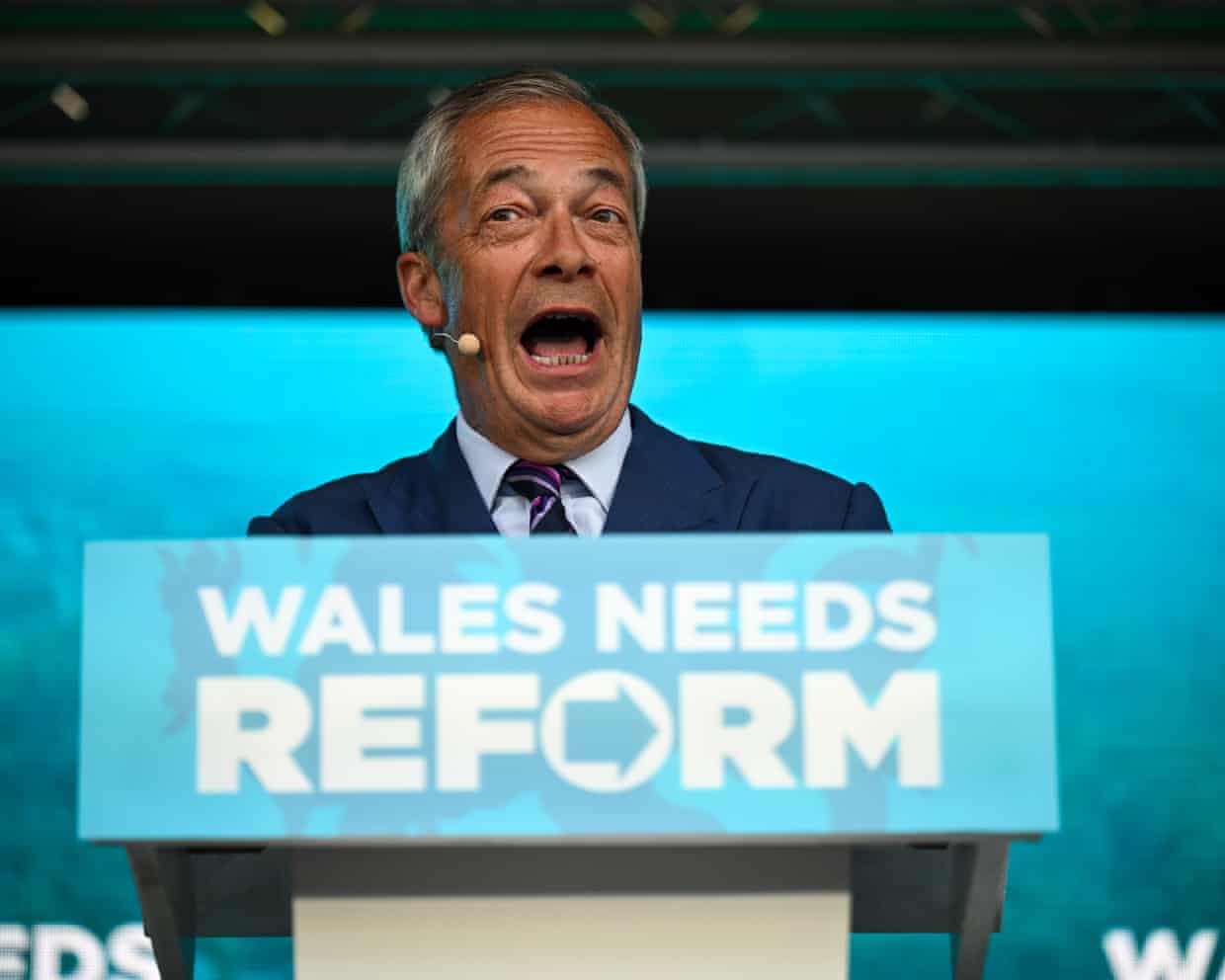
On a sunny but cold evening in a shopping centre car park on the outskirts of Merthyr Tydfil, Reform UK supporters enjoyed free pizza and loud music as they waited for what the party leader, Nigel Farage, said was his last big speech before Thursday’s Welsh Senedd, Scottish parliament and English local elections.Reform could win the most seats under Wales’s new more proportional voting system but it is unlikely to be able to form a government, as other parties have ruled out going into coalition with it. Yet Farage’s outfit is the first rightwing party with a shot at winning in Wales since the 1850s. The surge in support for a party that got 1% of the vote in the last Senedd election is impossible to ignore.“A coalition of losers blocking the biggest party [Reform] will backfire, if that’s what happens,” the party’s Welsh leader, Dan Thomas, told the Guardian
Zack Polanski says he was wrong to call himself a Red Cross spokesperson
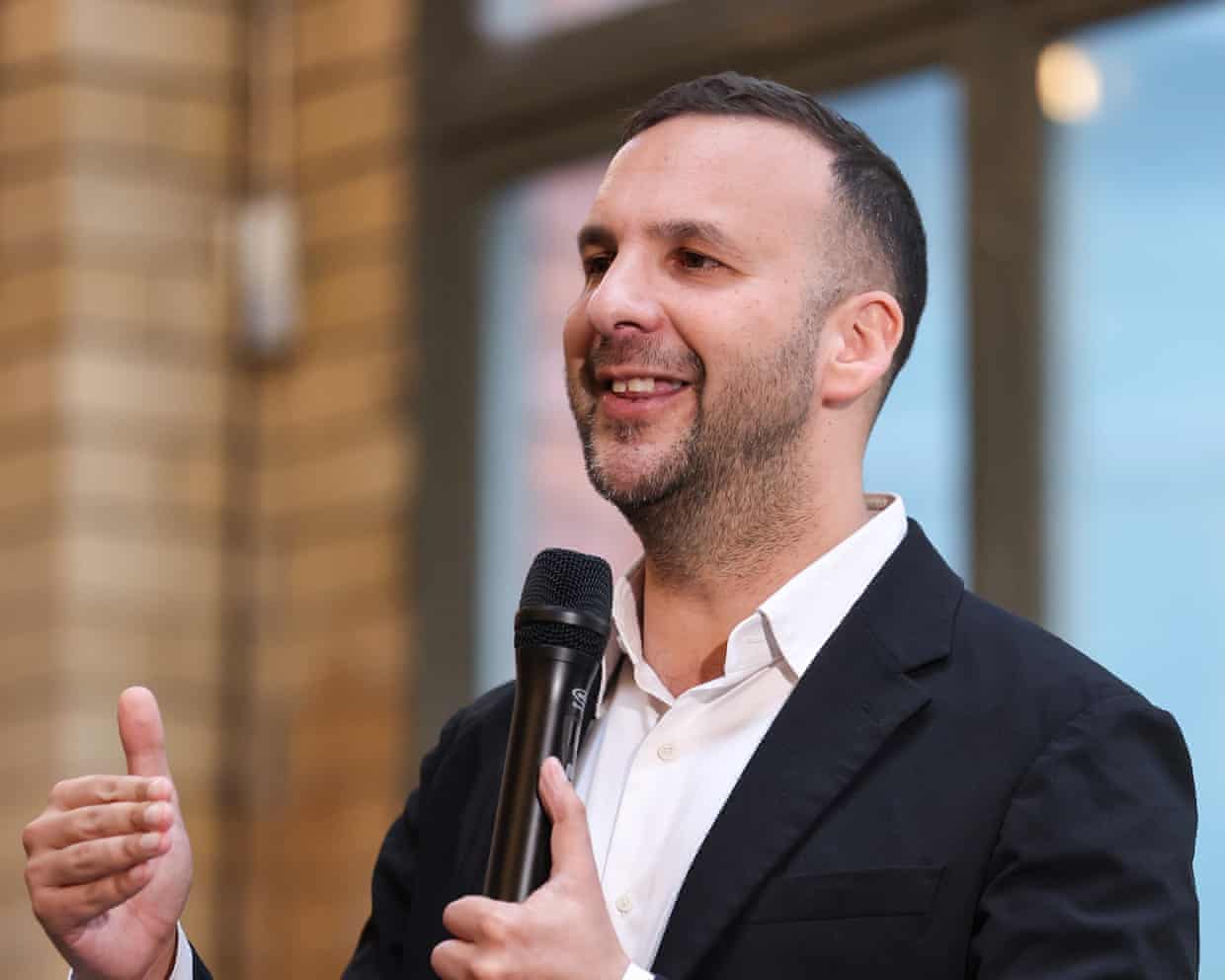
Zack Polanski has said he was wrong to describe himself as a British Red Cross spokesperson, and that intensified media scrutiny of the Green party reflected fears of its rising popularity and support for wealth taxes.Polanski described himself as a British Red Cross spokesperson while campaigning for the party leadership, the Times revealed. The claim was also mentioned on his personal website in 2020 when he said he was “really proud of the work we do”.The British Red Cross said Polanski had not been a spokesperson for the charity, and that it had raised the issue with the Greens.Polanski also hit back at what he characterised as politically motivated attacks on his party, accusing rightwing media owners with wealthy interests of fearing the party’s growing support

Mapped: the elections that could deliver ‘unprecedented’ losses for Labour
Labour is on track for its worst local election performance next Thursday, data analysed by the Guardian shows, in a blow that will pile further pressure on Keir Starmer’s leadership.Barring a drastic change in fortunes, Labour’s vote-share could fall to historic lows across elections for councils in England and devolved parliaments in Wales and Scotland on 7 May, with big gains for Reform, the Greens and nationalist parties, according to recent polling.The collapse in support is particularly existential in the race for the Welsh parliament, the Senedd, which Labour has dominated since its creation in 1999.Polling shows Labour’s vote share falling by more than half in Wales, enough to push the party into third place, with Reform and Plaid Cymru vying for first.Labour’s long-term decline in Scotland is expected to continue, with the Scottish National party likely to remain in power in Holyrood and Reform headed for second place
Apps, activists and an ‘air war’: Essex campaign is test of Reform UK’s professionalisation
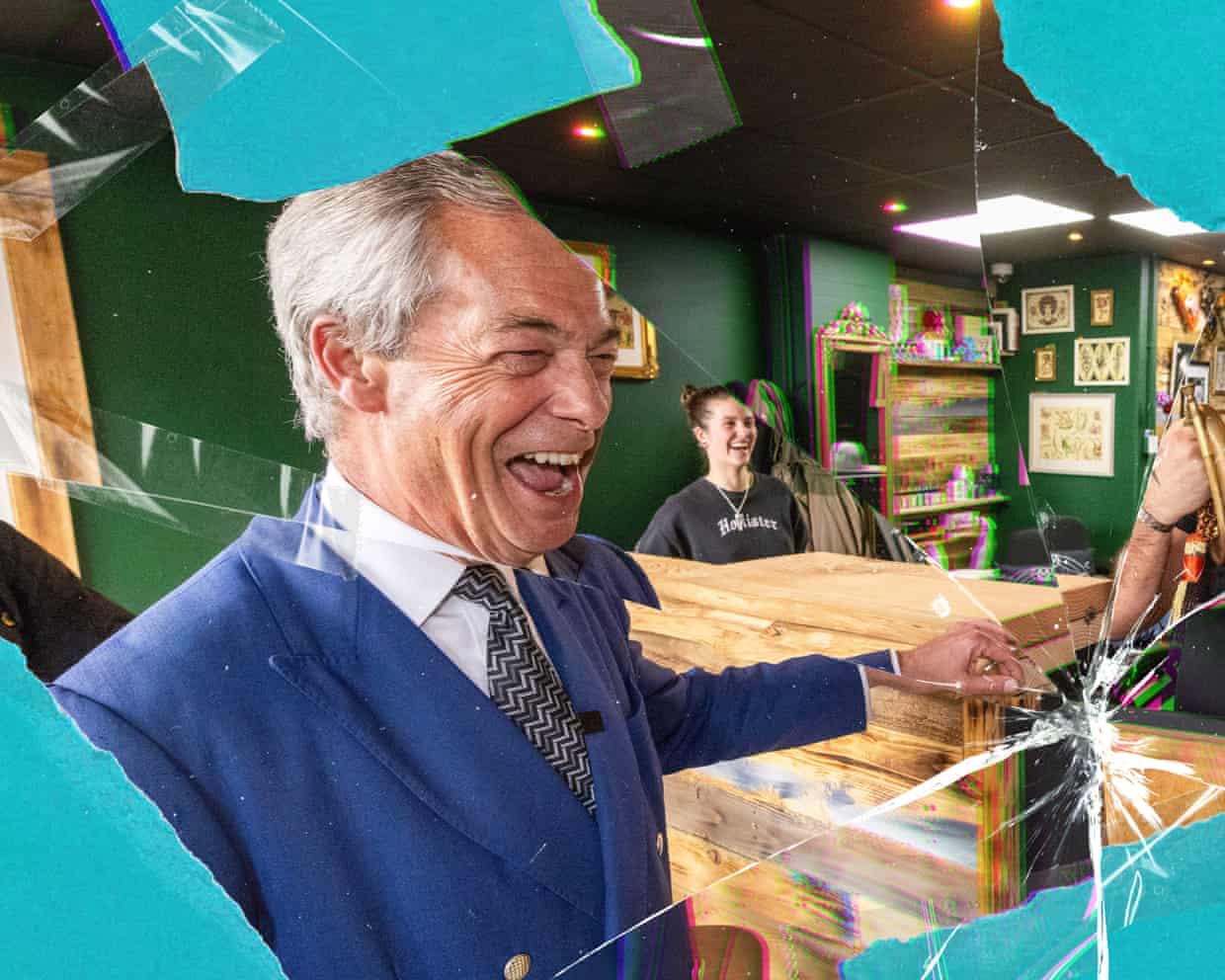
Nigel Farage was midway through his walkabout of Waltham Abbey when a hunting horn loudly sounded on the Essex market town’s pedestrianised high street. “Oi oiii!” exclaimed the owner of Ouch Tattoos, Rob Chillingworth, putting down the instrument and reaching out a welcoming hand to the approaching Reform UK leader.For Farage, this was the latest stop in a midweek tour of half a dozen towns in Essex, where more than 1m county council votes are up for grabs. Barring breakthroughs in Wales and Scotland, going from having a single councillor here to taking power would be one of Reform’s biggest achievements in Thursday’s polls.While encounters such as the one between Chillingworth and Farage reflect warmth towards Reform among many here, the campaign in Essex is also a demonstration and a test of Reform’s self-professed professionalisation when it comes to ensuring the party gets its vote out more broadly
May elections: What’s at stake across England, Wales and Scotland?
The Scottish, Welsh, and local English elections on Thursday 7 May are a huge test for all the main political parties – and may be existential for Keir Starmer as prime minister and Labour leader.The elections, two years into a Labour government, will see more than 30 million people across England, Wales and Scotland vote in the devolved administrations, in six mayoral races, and for more than 4,500 councillors in city and county councils.Polls predict a dire night for Labour, which is defending the majority of the councils. The party could face losses of more than 1,800 councillors, which would be almost three-quarters of the seats being defended. Significant losses are also expected for the Conservative party
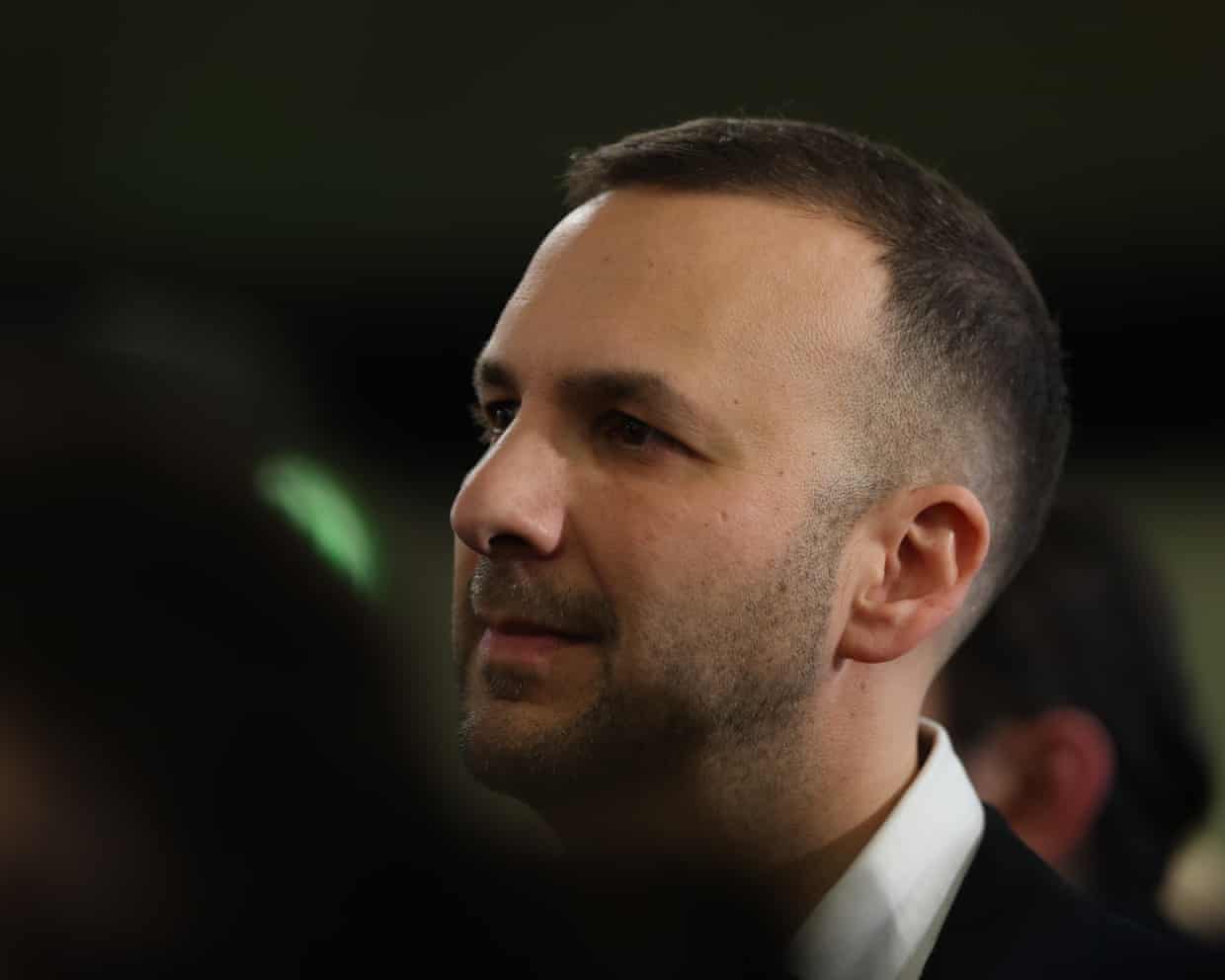
Zack Polanski falsely claimed to be British Red Cross spokesperson, charity says
Zack Polanski falsely claimed to be a spokesperson for the British Red Cross while campaigning for the Green party leadership, the charity has said.The claim was also mentioned on his personal website in 2020, where he said he was “really proud of the work we do”.The British Red Cross told the Times that Polanski “has not been a spokesperson” for the charity, and said it had raised the issue with the Greens.Polanski posted several examples on X of him hosting fundraisers for the organisation. “I’ve always admired the work of the British Red Cross

Norwegian government attacked over decision to reopen North Sea gasfields

In this budget, all eyes are on CGT. But Labor’s rumoured family trust tweaks might also help fight tax inequality | Greg Jericho
‘Your craft is obsolete’: WiseTech staff in limbo as AI touted as better than humans
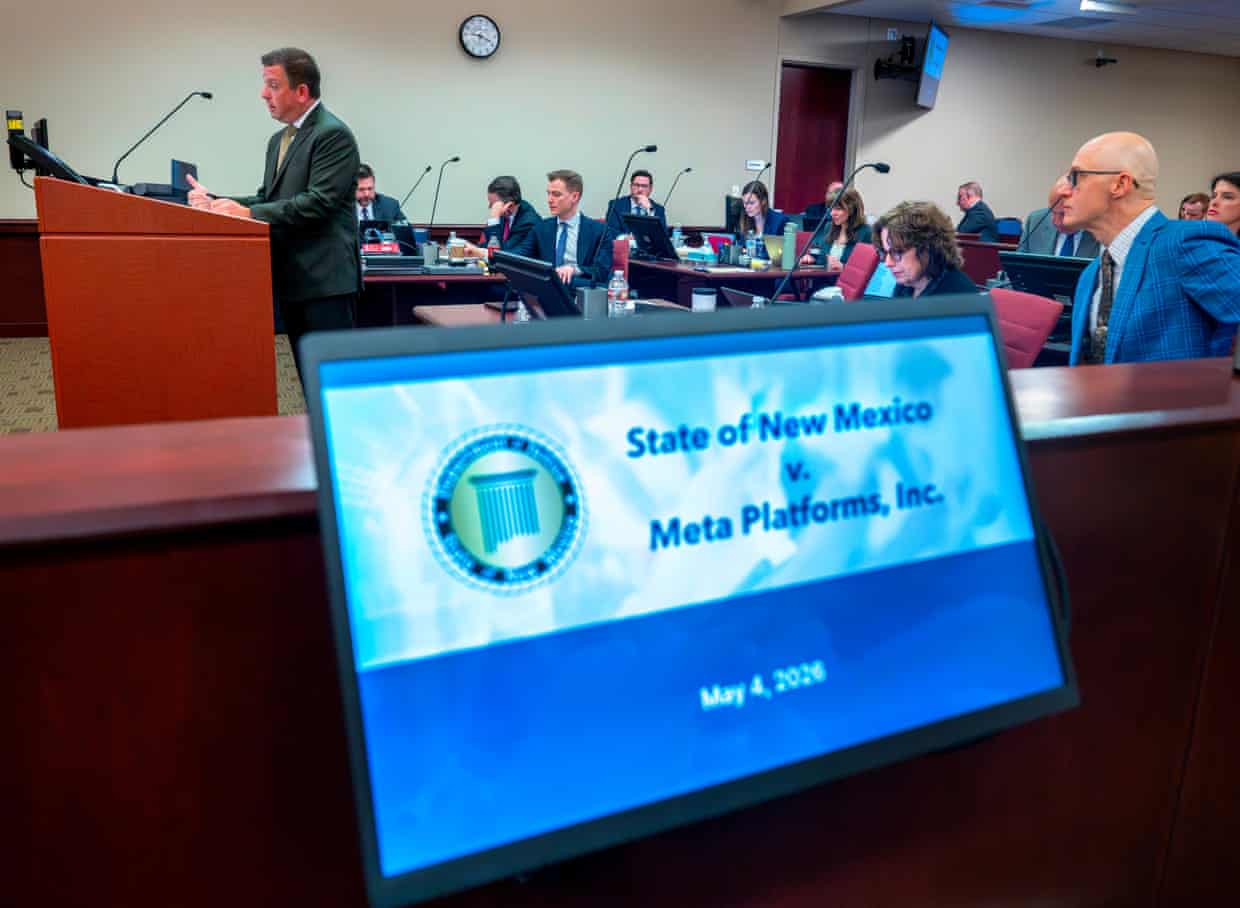
New Mexico proposes $3.7bn fine for Meta and sweeping changes to its social platforms

Rugby union’s Pacific heartlands threatened by NRL spree after Moana Pasifika’s collapse

‘I’m getting my mama a new house’: what happens when a huge pay boost changes WNBA players’ lives?