UK pay growth sinks to five-year low as younger workers hit by hiring slowdown

Wage growth slowed sharply in the three months to January, according to the latest snapshot of the jobs market from the Office for National Statistics.Average earnings growth fell to 3.8% in the three months to January, down from 4.2% – a larger fall than forecast by City economists.It was the slowest rate of wage growth in more than five years.
The unemployment rate was unchanged at 5.2%.Job vacancy rates remained steady and the number of people entering the labour market edged up, but only slightly, the ONS said.Younger workers are faring worse in the labour market than other groups, according to Martin Beck, the chief economist at the consultancy WPI Strategy.Unemployment among those aged 18-24 rose to its highest rate since 2015, with almost 600,000 people in that age group out of work and looking for a job.
Beck said: “The split between younger and older workers remains stark.Since payroll employment peaked in mid-2024, the number of employees aged 34 and under has fallen by almost 220,000, while employment among those aged 35 and over has risen by 110,000.That points to employers cutting back most sharply on entry-level hiring.”The Chartered Institute of Personnel and Development described the rise as “a huge waste of potential”.The figures also showed that a reduction in public sector wages growth was one of the biggest factors affecting the overall drop in average earnings growth, excluding bonuses, which financial markets expected would only dip to 4% in January.
Public sector wage settlements have often been delayed for several years and included bonuses to offset the previous spike in inflation,The ONS said these had begun to drop out of the annual figures, bringing down the overall average,Annual average regular earnings growth was 5,9% for the public sector and 3,3% for the private sector.
The slowdown in wage growth is unlikely to sway Bank of England policymakers, who meet later today and are expected to leave interest rates on hold at 3.75% amid the Middle East conflict and a steep rise in oil prices.Before the war on Iran, central bank policymakers were expected to cut interest rates to prevent the economy from sliding into recession, but concerns about a rise in inflation caused by higher oil prices was expected to stay their hand.Peter Dixon, a senior economist at the National Institute of Economic and Social Research, said the slowdown in wage growth presented policymakers with a dilemma, pulling down inflation while the war in the Middle East pushed up prices.“The continued weakness of the labour market will add to the headaches facing the Bank of England ahead of today’s interest rate decision,” he said.
He added that the central bank would be concerned that workers will bid up wages in response to rising petrol prices and a spike in inflation over the coming months.“While there are upside risks, we view these as limited due to the fragility of overall activity and the potential for AI-related change in the labour market which will act as a further damper on wages,” he said.Jake Finney, a senior economist at PwC UK, said the weakness of the labour market reduced the likelihood of higher energy prices feeding through into broader inflation “and makes further rate hikes harder to justify.But cuts remain unlikely until geopolitical tensions ease.”On Wednesday the US Federal Reserve held interest rates at a range of 3.
5% to 3,75%, resisting pressure from Donald Trump to lower them,

Watchdog takes over running of home for adults with learning disabilities
The charity watchdog has taken control of a learning disability care home in Northamptonshire that is under investigation after residents’ families raised concerns over its management, including payments of £1m to a trustee.The Charity Commission has appointed an interim manager to run William Blake House, which faces potential insolvency in three weeks’ time if it cannot head off a winding-up order brought by the tax authorities over £1.6m in unpaid tax bills.The move, which freezes out the current board of trustees, is a victory for an activist group of families whose adult children are residents at the home. They campaigned for change after discovering the parlous state of the charity’s finances last autumn

Women and girls bearing brunt of water shortages globally, UN warns
Women and girls are bearing the brunt of water shortages and a lack of sanitation around the world, hindering the economic and social development of poorer countries, the UN has warned.Women are responsible for collecting water in more than 70% of rural households that do not have access to mains water across the developing world. Women and girls collectively spend 250m hours a day collecting water globally.The climate crisis is exacerbating the problem, according to a new report from the UN. A 1C rise in temperature reduces incomes in female-headed households by 34% more than in male-headed ones, while also causing women’s weekly labour hours to increase by an average of 55 minutes relative to men’s

Kent meningitis outbreak has been contained, health officials believe
Health officials increasingly believe they have contained the fatal outbreak of meningitis in Kent, with no cases emerging that are not linked to the original cluster of 20.In another boost to efforts to contain the infection, the bug that caused it has been identified as a known strain of meningitis B, the Guardian understands.That should mean that the MenB vaccine offered to 5,000 students living in University of Kent halls of residence in Canterbury, hundreds of whom received it on Wednesday, will prove a good match.There is growing confidence among the NHS, the UK Health Security Agency (UKHSA) and county council public health staff tackling the outbreak that the people infected in Kent, many of whom visited a nightclub on 5, 6 or 7 March, have not passed it on to anyone outside the area.“All cases to date are linked to the current outbreak in Kent,” a UKHSA spokesperson said

AI software for smart glasses wins £1m prize for technology to help people with dementia
AI software that can be embedded into smart glasses has won a £1m prize for technology to help people with dementia.Built into chunky, black-rimmed frames that have a camera, microphone and speakers, the tech – known as CrossSense – guides wearers through everyday life by means of a chatty assistant called Wispy.Not only can Wispy offer prompts and feedback during tasks – through verbal cues and text that floats in front of the wearer’s eyes – but it can also ask questions, engage in light conversation and aid reminiscences.The software has won the Longitude prize on dementia, one of a number of awards designed and delivered by Challenge Works and supported by Nesta.Funded by Alzheimer’s Society and Innovate UK, the prize aimed to encourage the development of technology to help people with dementia stay independent for longer
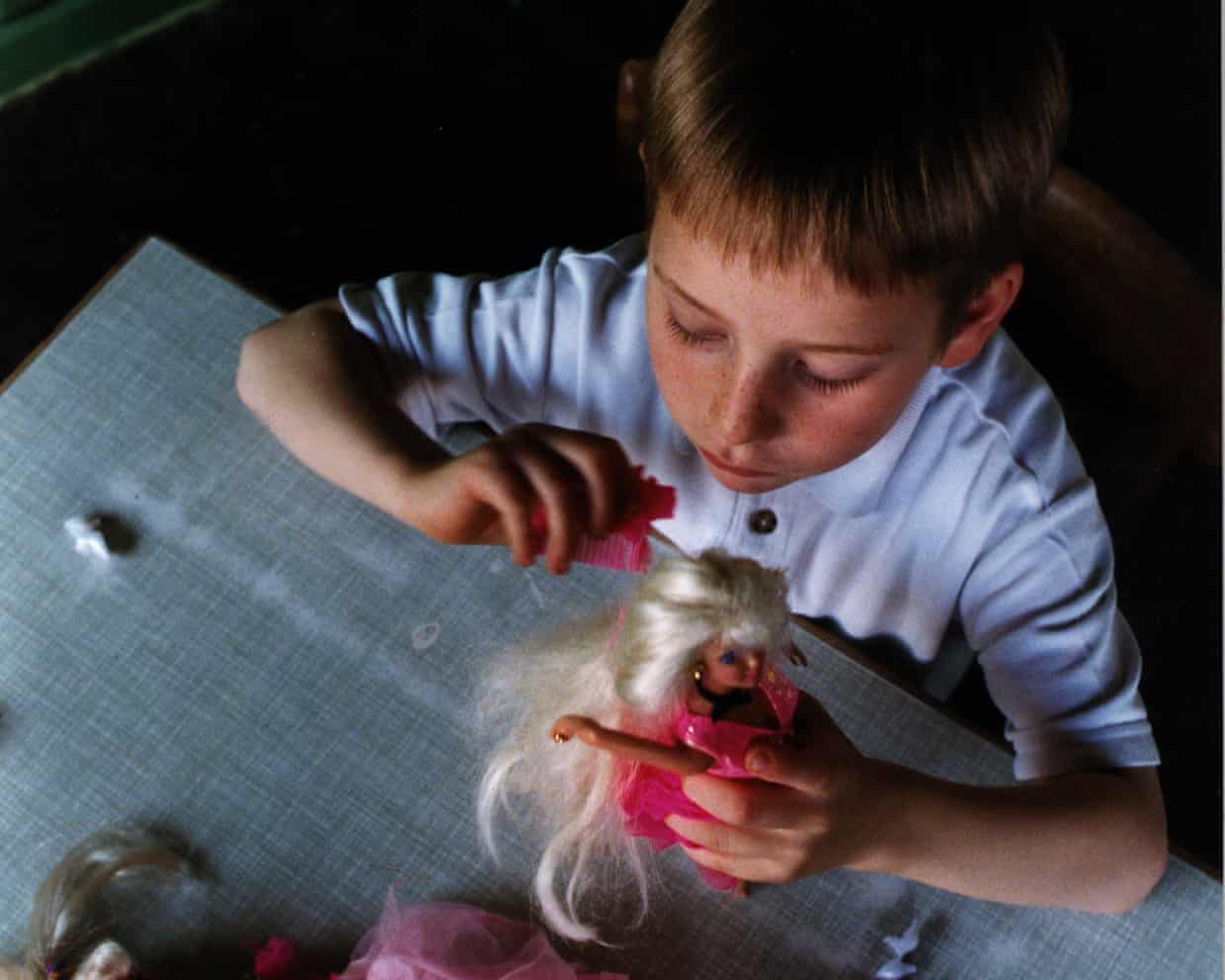
Playing with dolls can help children develop imagination and social skills – UK study
Playing along with dolls can help boys and girls develop more sophisticated imaginations and better social skills, compared with children who play on electronic devices, according to research.Psychologists at Cardiff University and King’s College London found that children given dolls gained a richer appreciation of other people’s beliefs and feelings, in contrast to those given a tablet loaded with video games.Parents also reported that the children, aged between four and eight, were more likely to play alone when using the tablet, while those with dolls were more likely to play with friends or family.Dr Sarah Gerson, the lead author and a reader in psychology at Cardiff, said: “We believe that doll play may encourage children to engage in social interactions more and give children more opportunities to rehearse or reflect on others’ beliefs, emotions, or intentions, compared to other types of play.“When playing with dolls, children have the opportunity to role-play characters, create narratives, and act out scenarios – doing so relies on and fosters the ability to imagine others’ thoughts, feelings, and intentions

Having my ears syringed left me with tinnitus | Letter
I sympathise with Freya Bennett (A moment that changed me: I was planning to be a musician – then I had my ears syringed, 11 March). In 2010, I found that my hearing was being muffled by a buildup of wax in my ears. I had always imagined that having ones ears syringed was a straightforward, risk-free process.An appointment was made at my local GP practice, and a healthcare assistant, without any explanation as to what to expect or any warning about side-effects, essentially turned the irrigation machine, like a water pistol, up to full and blasted out the wax. The power of the jet was such that I actually jerked my head away in shock

Bank of England expected to raise UK interest rates twice this year to fight inflation shock from Middle East crisis – business live

Oil and gas prices jump after Iran and Israel attack gasfields
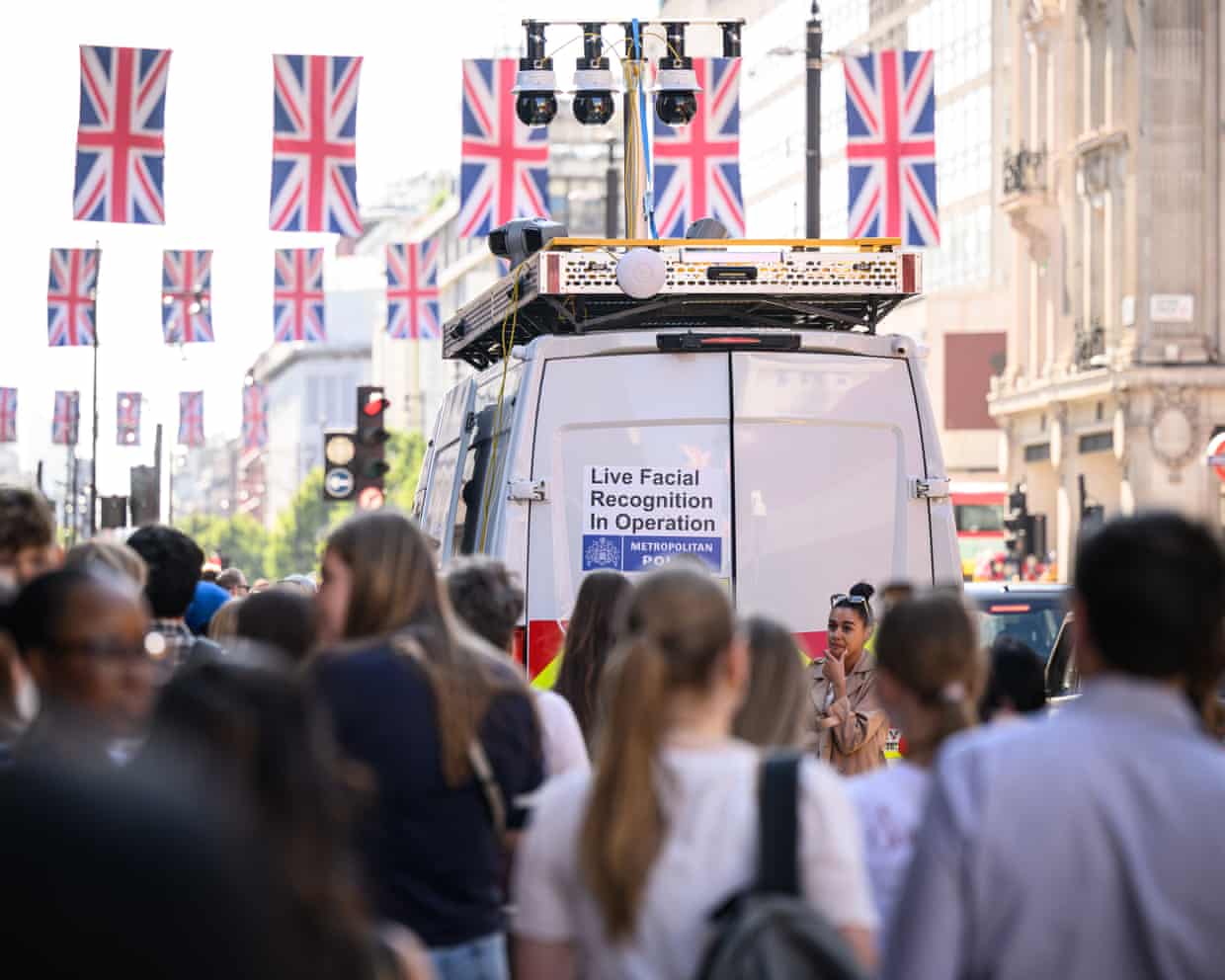
Essex police pause facial recognition camera use after study finds racial bias

US startup advertises ‘AI bully’ role to test patience of leading chatbots

Striking gambit: Erling Haaland invests in new world chess championship

Prem ‘train’ returns with Saracens looking for instant lift at Bath