Essex police pause facial recognition camera use after study finds racial bias
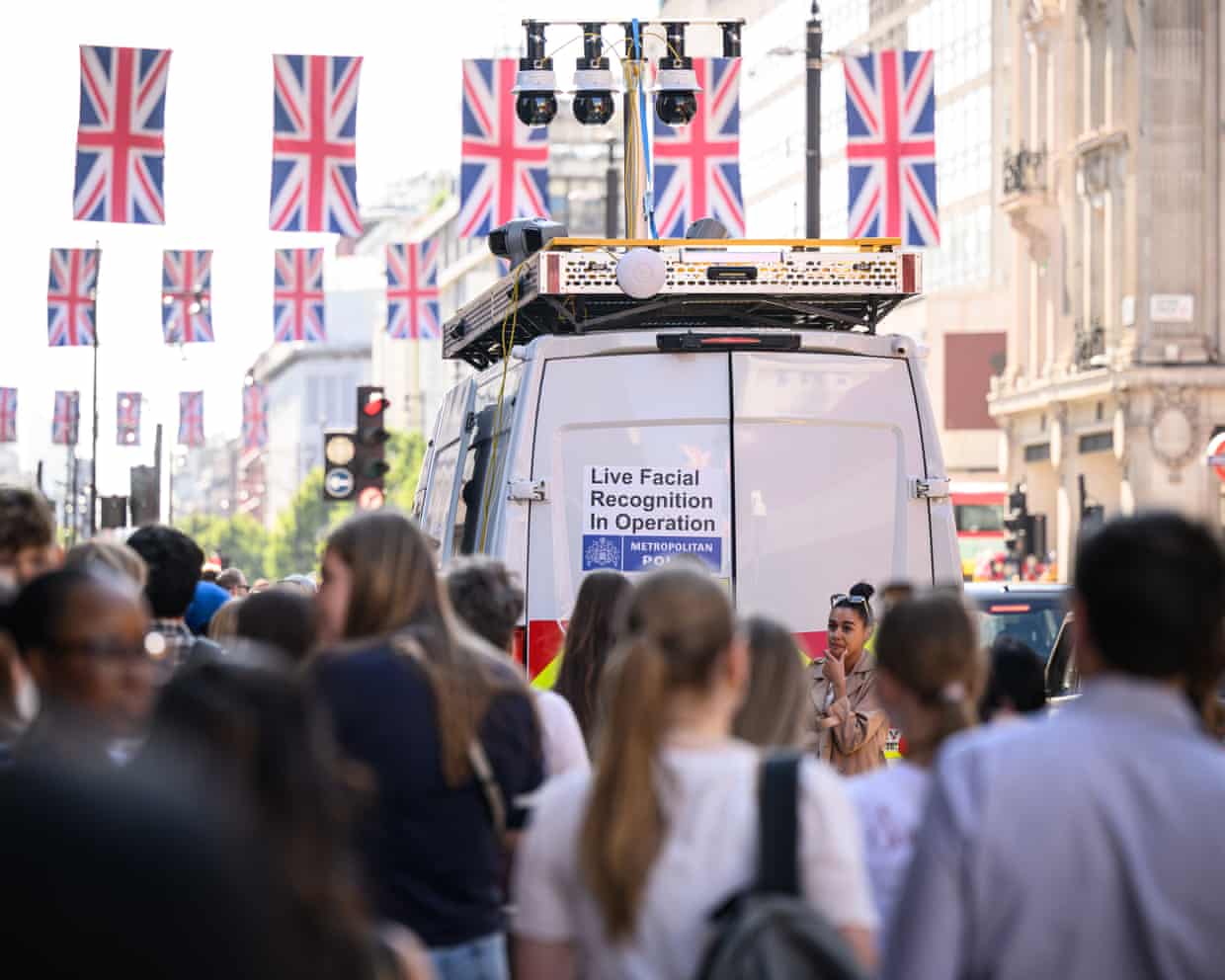
Essex police have paused the use of live facial recognition (LFR) technology after a study found cameras were significantly more likely to target black people than people of other ethnicities,The move to suspend use of the AI-enabled systems was revealed by the Information Commissioner’s Office (ICO), which regulates the use of the technology deployed so far by at least 13 police forces in London, south and north Wales, Leicestershire, Northamptonshire, Hampshire, Bedfordshire, Suffolk, Greater Manchester, West Yorkshire, Surrey and Sussex,The ICO said Essex police had paused LFR deployments “after identifying potential accuracy and bias risks” and warned other forces to have mitigations in place,LFR systems are either mounted to fixed locations or deployed in vans,In January, the home secretary, Shabana Mahmood, announced the number of LFR vans would increase five-fold, with 50 available to every police force in England and Wales.
Essex commissioned University of Cambridge academics to conduct a study, which involved 188 actors walking past cameras being actively deployed from marked police vans in Chelmsford.The results were published last week and showed about half of the people on a watchlist were correctly identified and incorrect identifications were extremely rare, but the system was more likely to correctly identify men than women and it was “statistically significantly more likely to correctly identify black participants than participants from other ethnic groups”.This “raises questions about fairness that require continued monitoring”, the report concluded.One of its authors, Dr Matt Bland, a criminologist, told the Guardian and Liberty Investigates: “If you’re an offender passing facial recognition cameras which are set up as they have been in Essex, the chances of being identified as being on a police watchlist are greater if you’re black.To me, that warrants further investigation.
”The problem differs from the more common public concern about the technology which is that it identifies innocent people.Last month it emerged that police arrested a man for a burglary in a city he had never visited 100 miles away after retrospective face scanning software confused him with another person of south Asian heritage.Possible reasons for the latest issue with LFR include overtraining of the algorithm on the faces of black people.Experts believe it could be rectified by adjusting system settings.A separate study of the same technology by the government’s National Physical Laboratory found black men were most likely to be correctly matched by the system and white men least likely, but the effect was not statistically significant.
The Home Office has said LFR cameras deployed in London from January 2024 to September 2025, led to more than 1,300 arrests of people wanted for crimes including rape, domestic abuse, burglary and grievous bodily harm,But opponents of facial recognition technology said the latest research showed warnings about bias in LFR technology were being borne out,“Police across the country must take note of this fiasco,” said Jake Hurfurt, the head of research and investigations at Big Brother Watch,“AI surveillance that is experimental, untested, inaccurate or potentially biased has no place on our streets,”Essex police were contacted for comment.
Jack Draper adds new string to his bow as he rebuilds his game
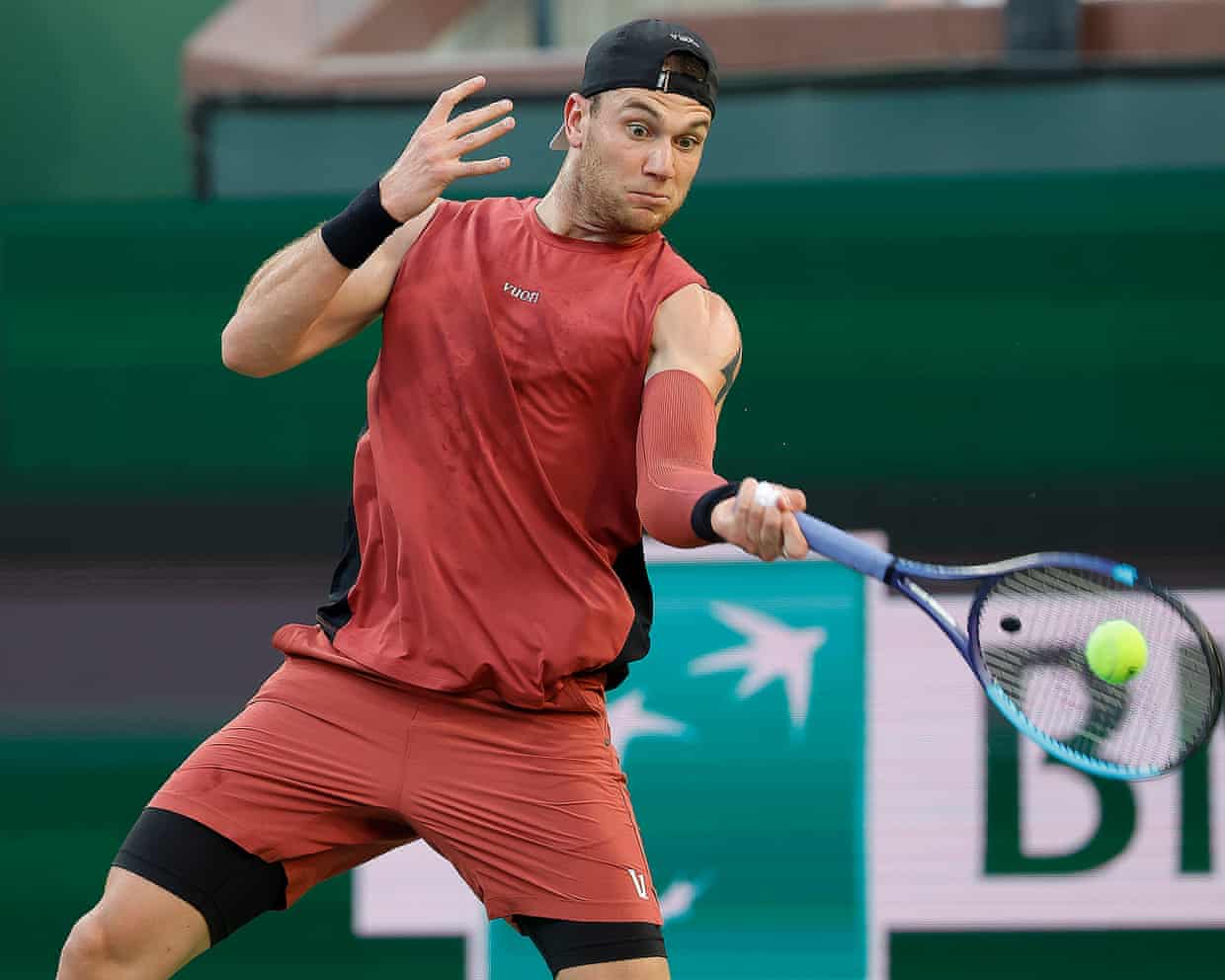
Two and a half hours into one of the most unforgettable battles of his career, Jack Draper resolved to attack without hesitation, regardless of the outcome. On two pivotal points in his Indian Wells fourth-round match against Novak Djokovic, at 4-4 in the tie-break and then on match point at 6-5, Draper forced himself inside the baseline and unleashed two backhands, those shots driving him to victory.It would have been understandable for Draper to have played passive tennis in those decisive moments. Not only did Indian Wells mark his second ATP tournament back after sustaining a bone bruise to his left arm that forced him off the tour for seven months, the injury has forced him to make dramatic changes to his game.Draper returns to the circuit using natural gut strings in a hybrid string setup
Judge in rugby brain injury lawsuit tells legal teams to hurry up as cases drag on
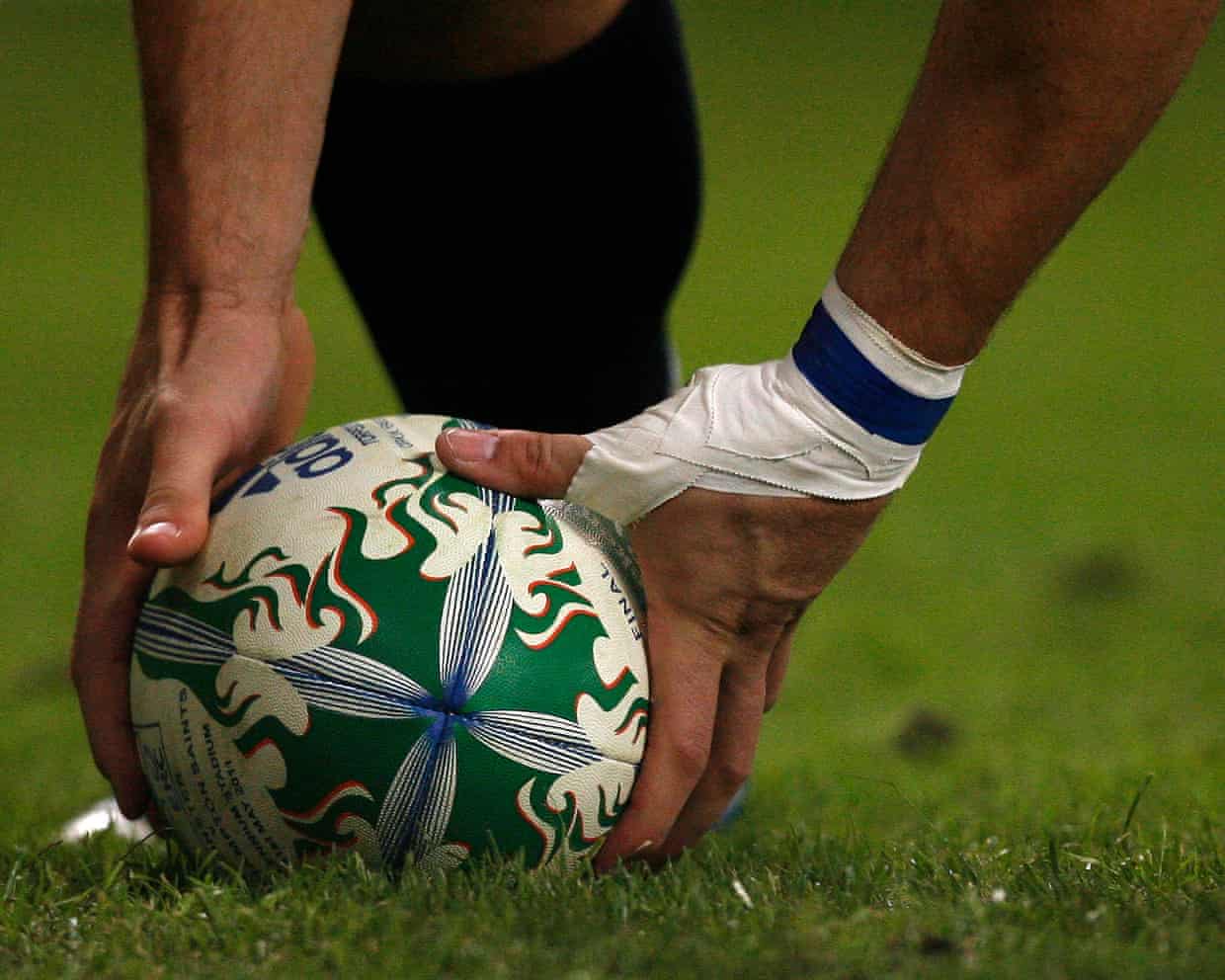
The judge overseeing the pretrial phase of the two landmark litigation cases about brain injuries in rugby has issued another rebuke to the legal teams on both sides over their lack of progress.Senior Master Jeremy Cook started the latest round of case management hearings by reminding both the defendants and the claimants that “it won’t have escaped anybody’s notice that some of these claims are now over five years old, and we haven’t made much progress”.Since the cases involve claims of degenerative brain diseases, Cook said, time is at a premium. He has told both sides to provide him with written updates between now and a scheduled case management hearing in October, when both sides will be required to have identified their lists of 28 lead claimants from among the hundreds involved.The idea is these 28 will then be whittled down into a smaller group, who will represent the entire cohort
The WNBA’s new labor deal explained: what it means for pay, power and the league’s future
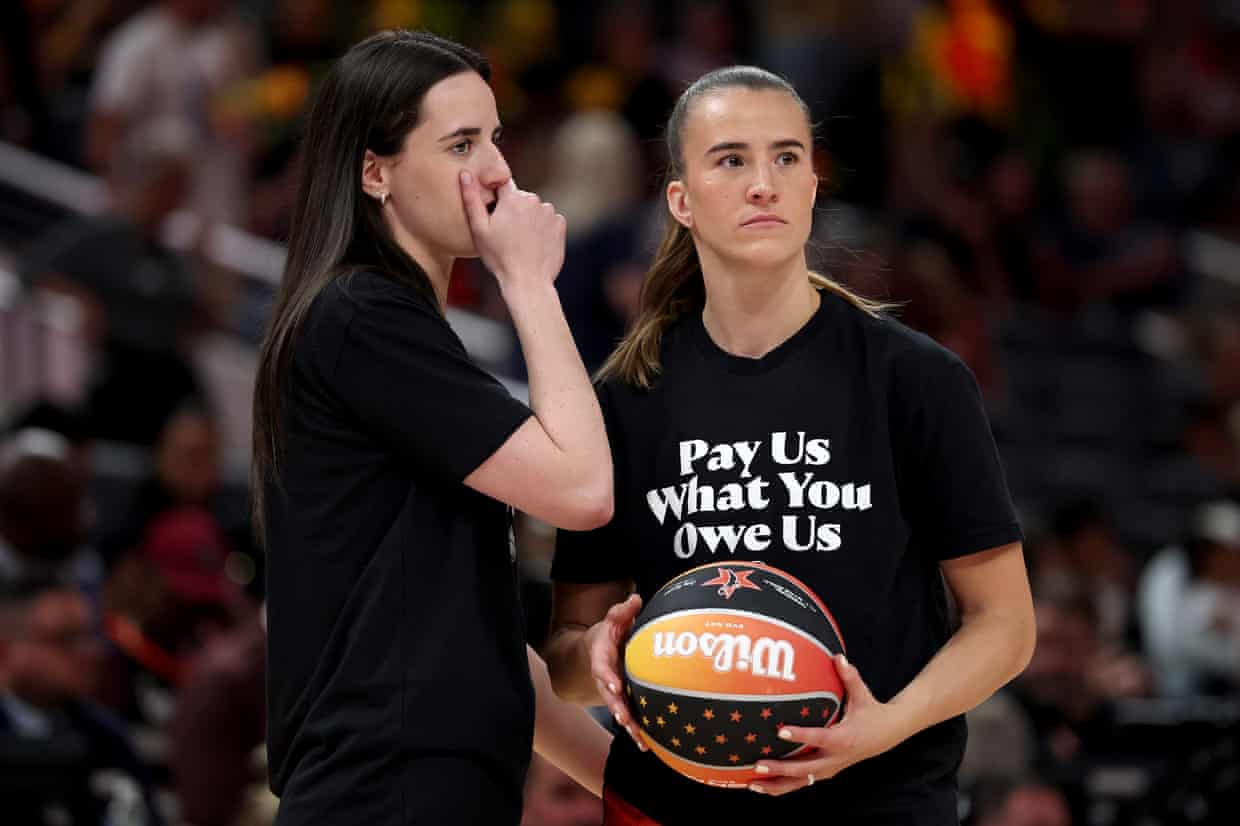
The WNBA and its players’ union (WNBPA) have reached a verbal agreement on a new collective bargaining agreement, ending 17 months of negotiations after players opted out of the previous deal and averting mounting fears of a strike.The agreement would be the sixth in league history and is being framed by both sides as a major step forward for player empowerment and the league’s growth.Commissioner Cathy Engelbert said Wednesday the two sides have “aligned on key elements”, though a formal term sheet still needs to be finalized. Union leaders echoed that sentiment, calling the deal a reflection of players using their collective voice.Full details have not yet been released, and the agreement must still be ratified
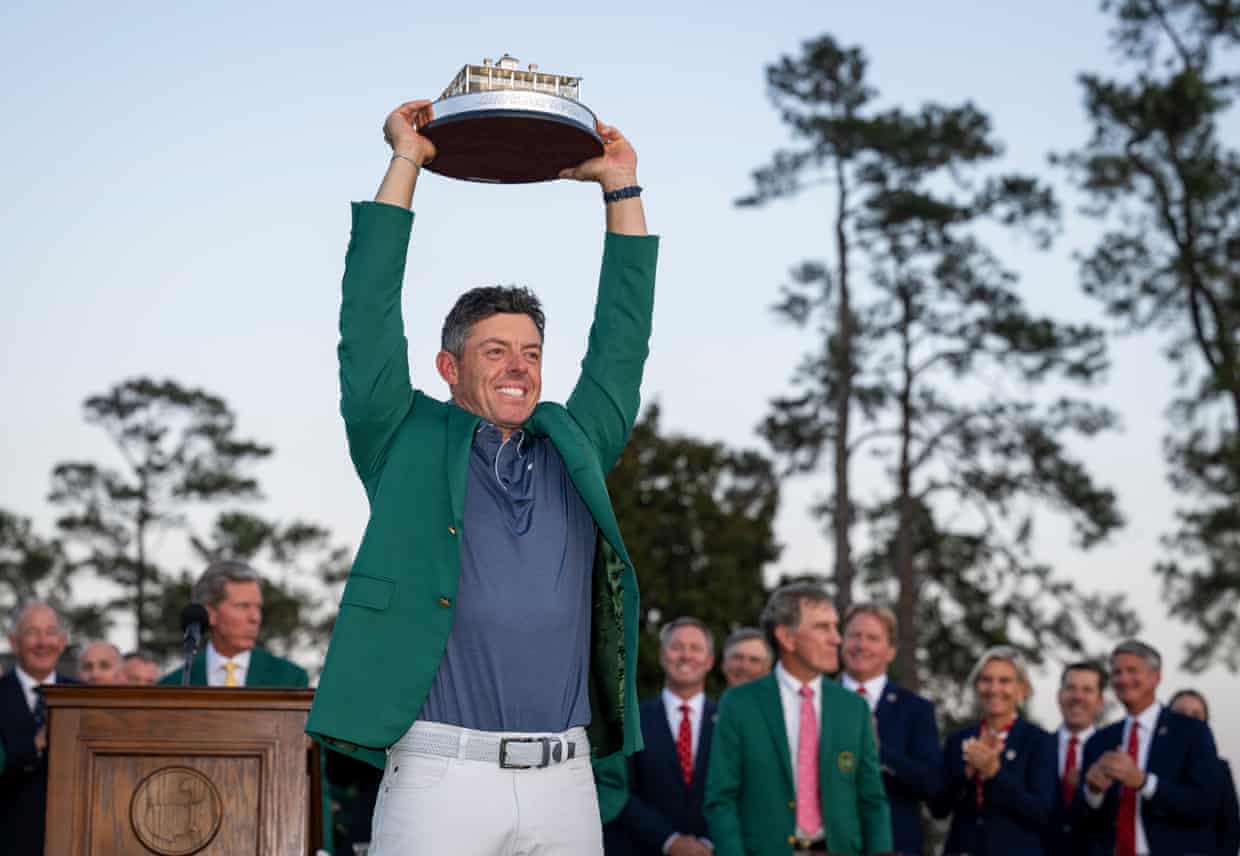
Oh deer! Rory McIlroy puts elk on the Masters champions dinner menu
Elk as the key to Masters success: who had any i-deer? Rory McIlroy will serve starters made from the meat of the North American animal at Augusta National next month in tribute to his food of choice before winning the Masters last year.The wine McIlroy drank to toast victory, food that conjures memories of his childhood in Belfast and a dish made by his mother, Rosie, also feature in the Masters champion’s dinner for 2026. In a nod to the venue’s attention to detail, McIlroy revealed that chefs from Augusta made a special visit to a New York restaurant to replicate his favourite tuna recipe.McIlroy will begin his Masters defence from 9 April. Two days earlier, he hosts fellow past winners in the annual gathering in the Augusta clubhouse
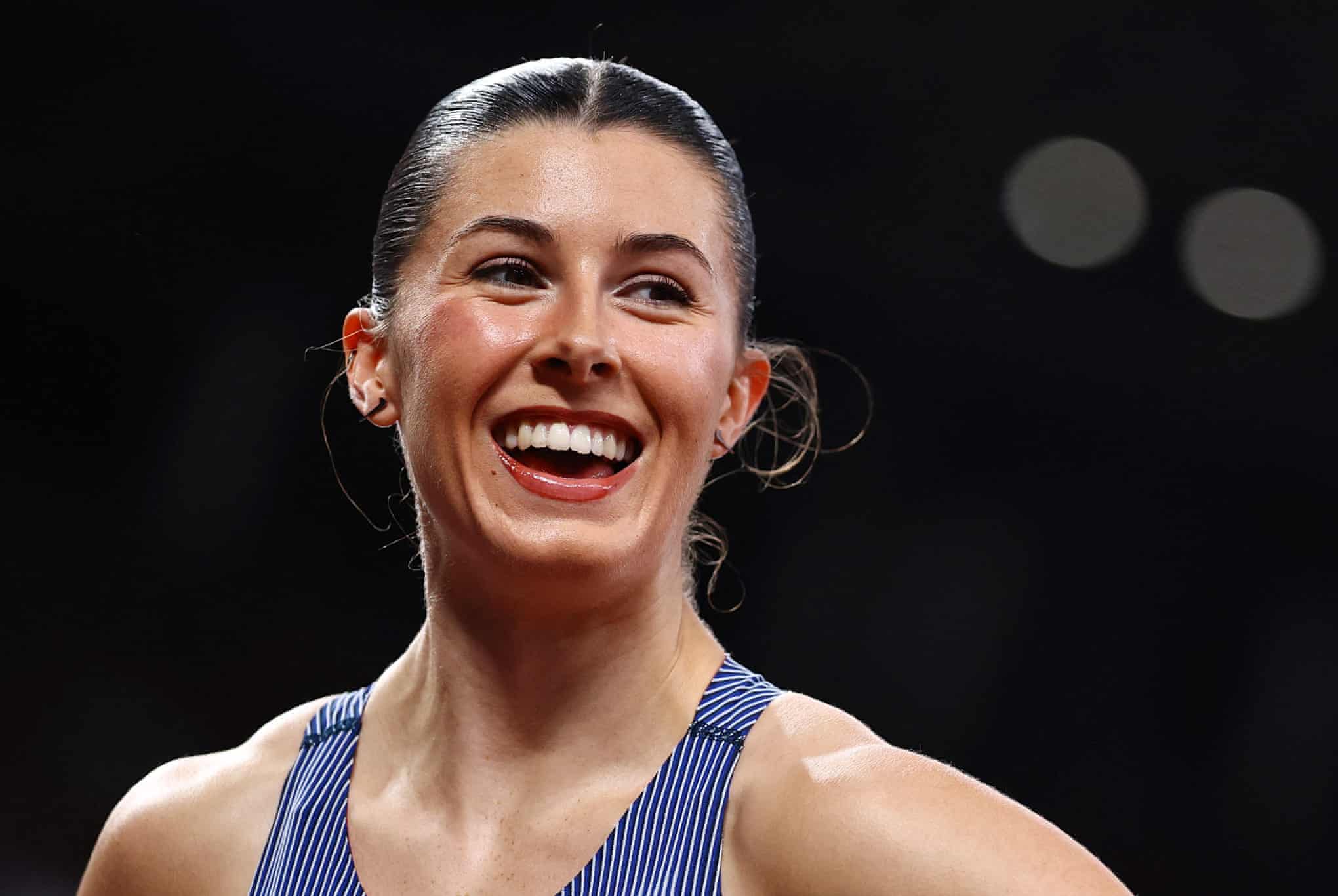
‘People will always hate but my opinion is all that matters’: GB sprinter Amy Hunt on fame, abuse and becoming ‘an icon’
The 23-year-old who went viral last year has plenty of targets for 2026, starting with the World Indoor Championships in PolandAmy Hunt’s mind is flashing back to the moment she unwittingly went viral last September. As untrammelled joy charged through her body, the BBC asked about her unusual journey from an English degree at Cambridge to a shock 200m world championship silver medal. Hunt’s response quickly became a cri du coeur to young girls everywhere: “You can be an academic badass and a track goddess.”As the 23-year-old prepares for the World Indoor Championships in Poland that start on Friday, she reveals her remark was entirely spontaneous. “As soon as I said it, I was like: ‘Oh my gosh, I’m on the BBC, can I even say that? Are they going to bleep that out?’” she says, smiling
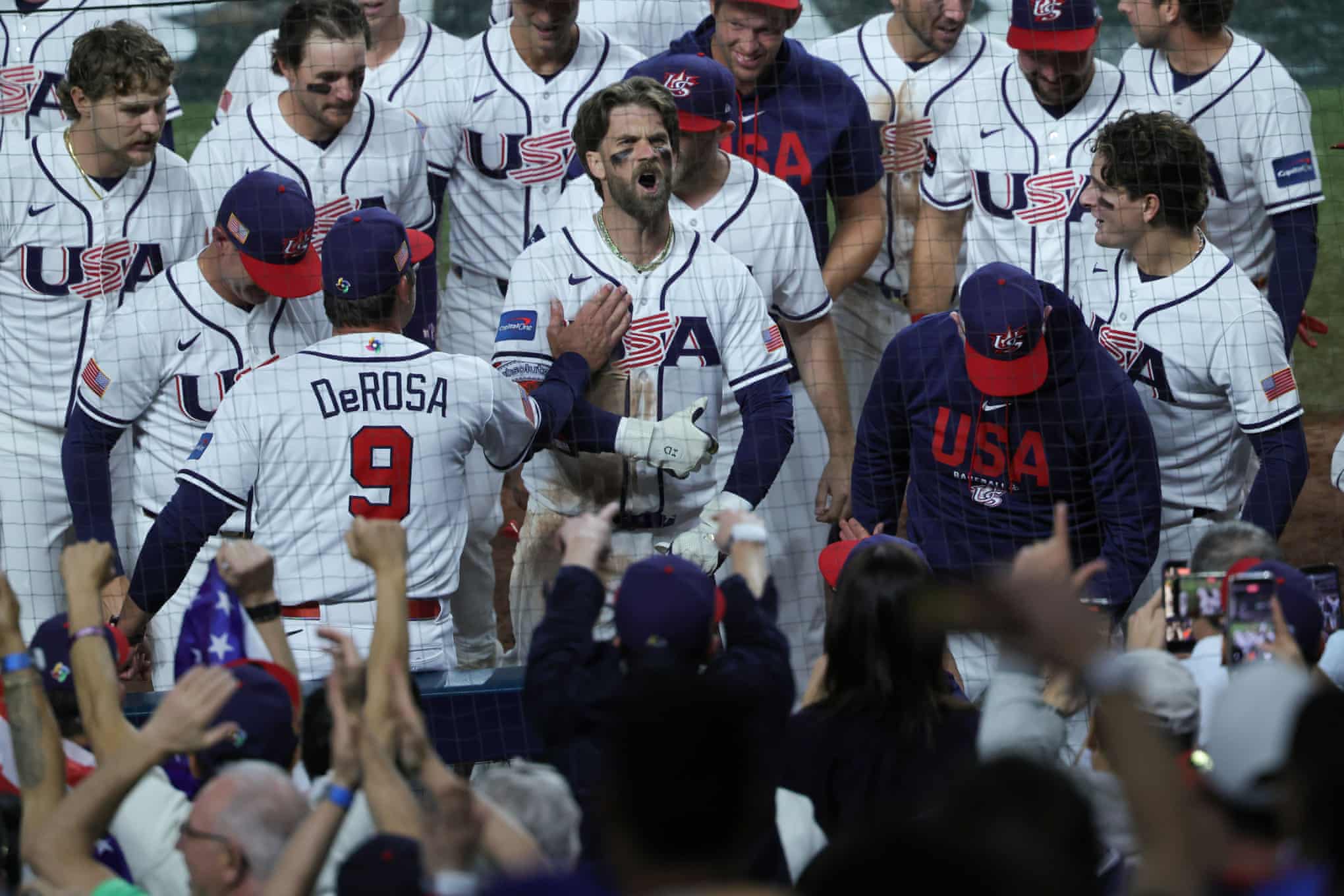
Other nations danced for joy at the World Baseball Classic. Team USA played toy soldiers
On the morning of the World Baseball Classic final between the United States and Venezuela, the headline of the New York Times daily briefing read, “America, alone,” in reference to the unwillingness of the country’s traditional allies to join the war with Iran. The revived rhetoric of America First, once a restoration of the isolationist, often Nazi-sympathetic sentiments of the 1930s, has coalesced into current policy, status, attitude: America by itself, making its own rules, intent on largely playing alone by them.Venezuela won the final, thrillingly, 3-2 over Team USA, but not before the hosts extended that isolationism with a sourness that produced a comically vapid extension of American bravado, and nearly undermined a tournament that in its 20th year is at last becoming one of baseball’s great successes.The WBC was a two-week block party. Canada, fresh off the Toronto Blue Jays’ American League pennant, reached the quarter-finals for the first time

BoE delivers message Britons don’t want to hear as inflation – and rates – look set to rise

Bank of England holds interest rates at 3.75% and signals rise is possible within months

PwC partners who fail to embrace AI have no future at firm, US CEO warns

BP to sell German oil refinery as part of $20bn cost-cutting plan

UK pay growth sinks to five-year low as younger workers hit by hiring slowdown

UK to double steel tariffs to 50% to save plants from collapse