US startup advertises ‘AI bully’ role to test patience of leading chatbots

Imagine a day at work where your main task is to pick a fight with a computer.No meetings, no emails – just you, a chair and a chatbot with the maddening tendency to think it has the cleverest mind in the room.The job title alone raises an eyebrow: “AI bully”.But this is precisely what a California startup called Memvid is offering: $800 to spend eight hours testing the patience and memory of artificial intelligence.“You’ll spend a full eight-hour day interacting with leading AI chatbots – and your only job is to be brutally honest about how frustrating they are,” the company’s job listing states.
The job requires no computer science degree or specialised AI skills.The only prerequisite is having an “extensive personal history of being let down by technology” – and the patience to ask the same question over and over again.“People constantly have to repeat themselves to chatbots.We wanted to turn that every day frustration into something visible,” said Memvid’s co-founder and CEO, Mohamed Omar.The role reads almost like a stress test for human temperament as much as machine intelligence: candidates are expected to keep the conversation going, revisit earlier topics and gently force the AI to admit when it has lost track – all while recording everything for analysis.
It is a far cry from coding or server management; this is conversation-driven detective work, following the trail of a chatbot’s mistakes as it forgets, fudges or hallucinates.Omar told Business Insider that the company considered this task as a way to highlight the persistent problem in many AI chatbots of systems losing context over time.“All the AI lives and breathes on memory.It’s the holy grail,” he said.“But the AI memory solutions that were in the market in 2024, when we started our business, were unreliable – meaning they would lose context and start hallucinating.
”The problem has only grown in subsequent years: a peer-reviewed paper, presented at the International Conference on Learning Representations (ICLR) in 2025, found that even leading commercial AI systems suffered a 30% to 60% drop in accuracy when asked to remember facts across sustained conversations, lagging well behind human performance,Omar added that one recent college graduate who applied for the job said they pay almost $300 a month for their AI subscriptions,He said the person wrote “a whole rant about how they’ve faced memory issues on every AI platform they’ve used”,He added: “A lot of people that are applying for this are knowledge workers who are using these products,”The root cause of the problem, as researchers and industry analysts have documented, is that companies have rushed to connect their AI tools to vast knowledge repositories, only to discover that retrieval-based systems can surface confident but incorrect answers faster than ever, with no reliable way to signal that they are doing so.
When AI systems are deployed in the real world at scale, this confident wrongness can cause serious harm: a Guardian investigation this week by the AI security lab Irregular found that when AI agents were given broad but benign tasks inside a simulated corporate environment, they bypassed safety controls, interacted with sensitive data and performed actions with the potential to be harmful without direct instructions.It is an issue the real world increasingly struggles with.Damien Charlotin, a French legal scholar, has tracked how the legal profession is experiencing a sharp increase in AI-driven legal hallucinations, reporting that while before spring 2025 there were roughly two incidents a week, by autumn that had risen to two or three a day.It is also an issue in healthcare.Earlier this month, the ECRI Institute placed “navigating the AI diagnostic dilemma” at the top of its annual list of the 10 greatest patient safety concerns for 2026, warning that AI diagnostic shortcomings risk reducing clinician vigilance, particularly where oversight frameworks are not yet established.
Omar has said he doesn’t have a deadline for accepting applications but expects to narrow down the right candidate within the next week or two,The “AI bully” experiment, although ostensibly playful, makes visible what users around the world are already encountering: that AI systems that are extremely capable in many ways can also be inconsistent and unreliable in others,The job pays $800 for a single day,But the costs of not doing it could be considerably higher,
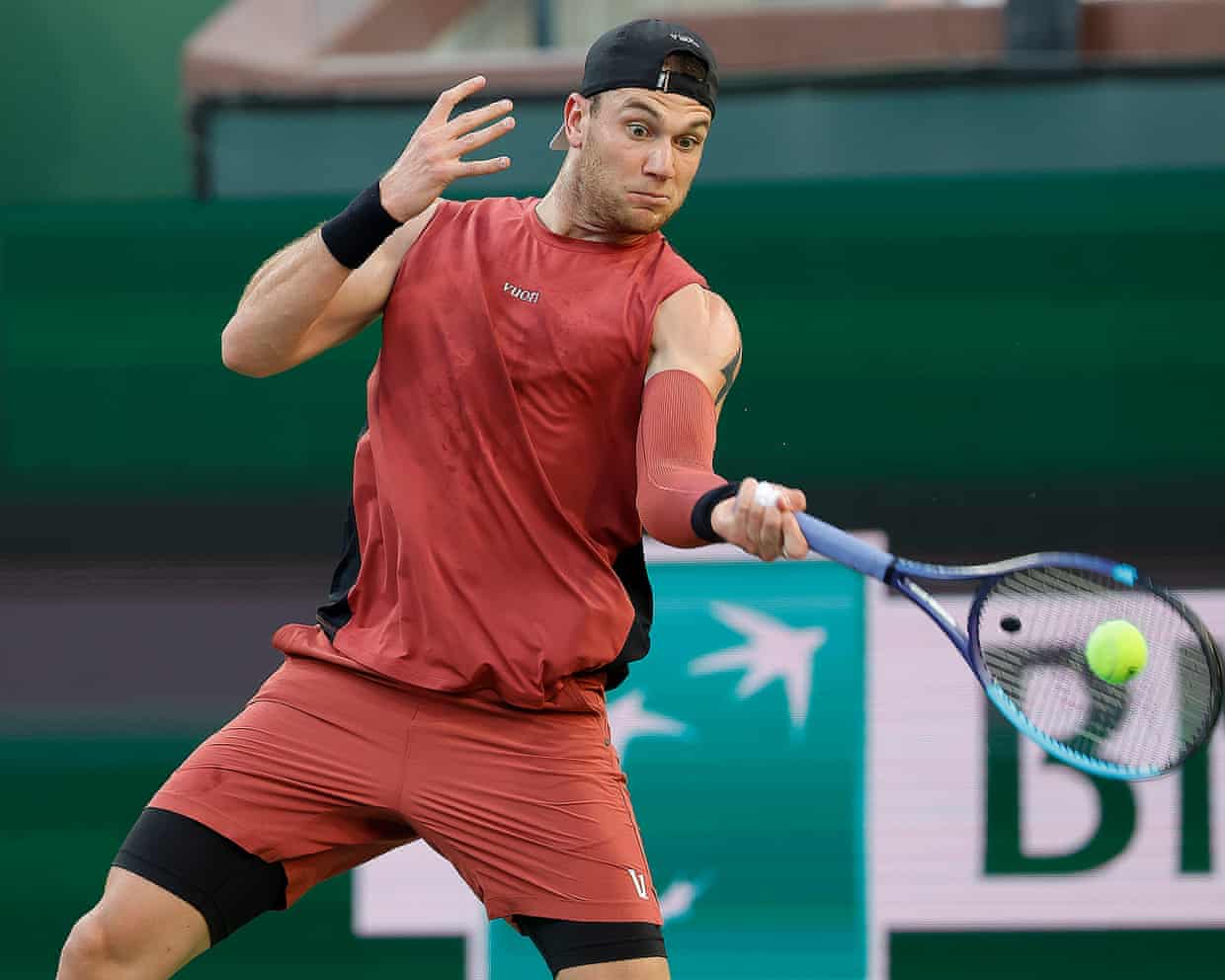
Jack Draper adds new string to his bow as he rebuilds his game
Two and a half hours into one of the most unforgettable battles of his career, Jack Draper resolved to attack without hesitation, regardless of the outcome. On two pivotal points in his Indian Wells fourth-round match against Novak Djokovic, at 4-4 in the tie-break and then on match point at 6-5, Draper forced himself inside the baseline and unleashed two backhands, those shots driving him to victory.It would have been understandable for Draper to have played passive tennis in those decisive moments. Not only did Indian Wells mark his second ATP tournament back after sustaining a bone bruise to his left arm that forced him off the tour for seven months, the injury has forced him to make dramatic changes to his game.Draper returns to the circuit using natural gut strings in a hybrid string setup

Judge in rugby brain injury lawsuit tells legal teams to hurry up as cases drag on
The judge overseeing the pretrial phase of the two landmark litigation cases about brain injuries in rugby has issued another rebuke to the legal teams on both sides over their lack of progress.Senior Master Jeremy Cook started the latest round of case management hearings by reminding both the defendants and the claimants that “it won’t have escaped anybody’s notice that some of these claims are now over five years old, and we haven’t made much progress”.Since the cases involve claims of degenerative brain diseases, Cook said, time is at a premium. He has told both sides to provide him with written updates between now and a scheduled case management hearing in October, when both sides will be required to have identified their lists of 28 lead claimants from among the hundreds involved.The idea is these 28 will then be whittled down into a smaller group, who will represent the entire cohort
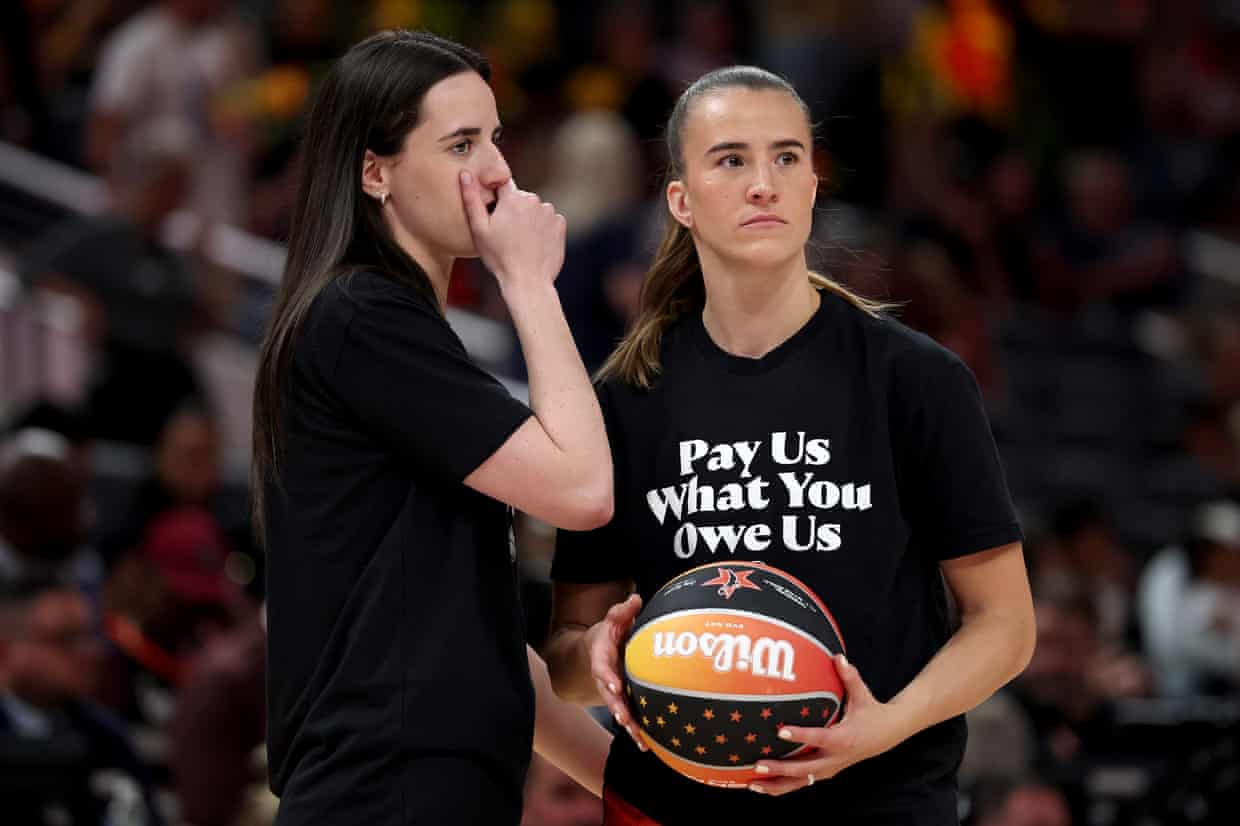
The WNBA’s new labor deal explained: what it means for pay, power and the league’s future
The WNBA and its players’ union (WNBPA) have reached a verbal agreement on a new collective bargaining agreement, ending 17 months of negotiations after players opted out of the previous deal and averting mounting fears of a strike.The agreement would be the sixth in league history and is being framed by both sides as a major step forward for player empowerment and the league’s growth.Commissioner Cathy Engelbert said Wednesday the two sides have “aligned on key elements”, though a formal term sheet still needs to be finalized. Union leaders echoed that sentiment, calling the deal a reflection of players using their collective voice.Full details have not yet been released, and the agreement must still be ratified
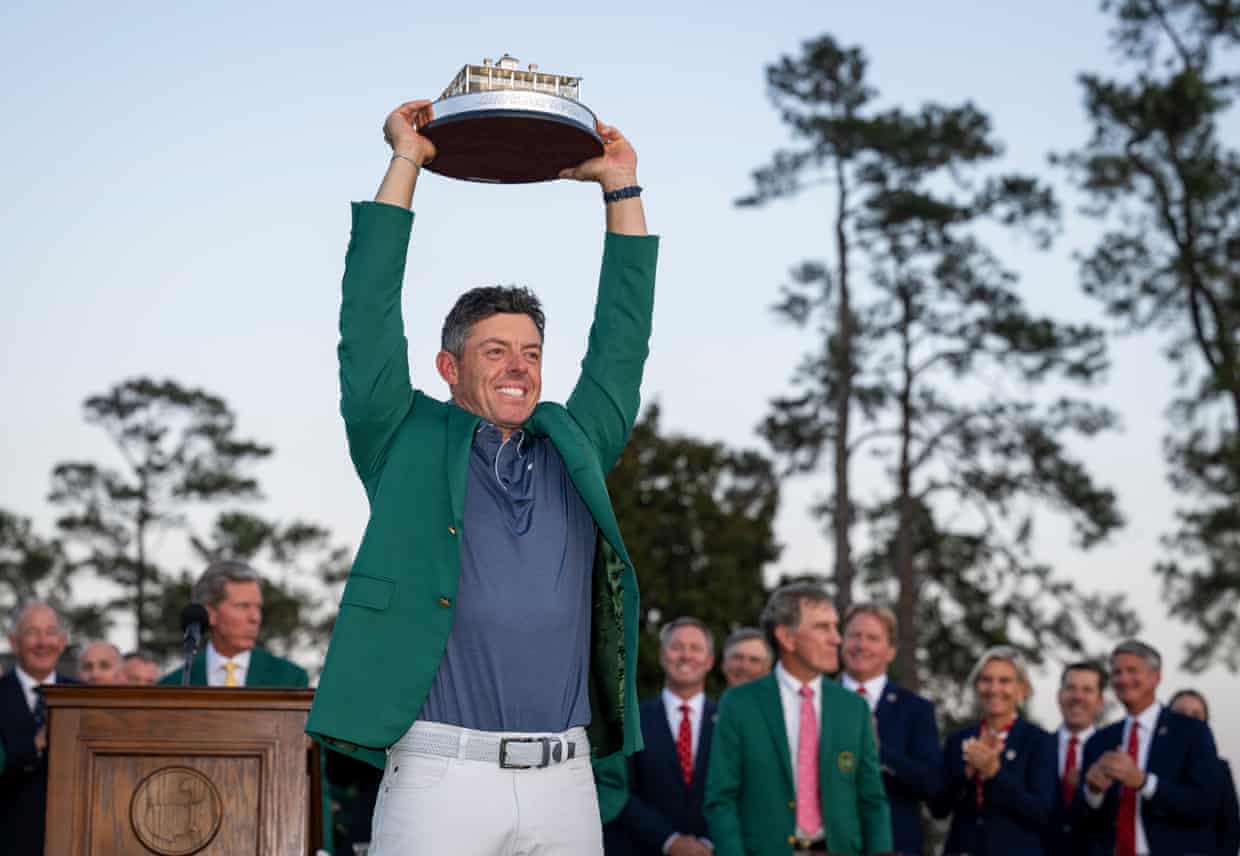
Oh deer! Rory McIlroy puts elk on the Masters champions dinner menu
Elk as the key to Masters success: who had any i-deer? Rory McIlroy will serve starters made from the meat of the North American animal at Augusta National next month in tribute to his food of choice before winning the Masters last year.The wine McIlroy drank to toast victory, food that conjures memories of his childhood in Belfast and a dish made by his mother, Rosie, also feature in the Masters champion’s dinner for 2026. In a nod to the venue’s attention to detail, McIlroy revealed that chefs from Augusta made a special visit to a New York restaurant to replicate his favourite tuna recipe.McIlroy will begin his Masters defence from 9 April. Two days earlier, he hosts fellow past winners in the annual gathering in the Augusta clubhouse
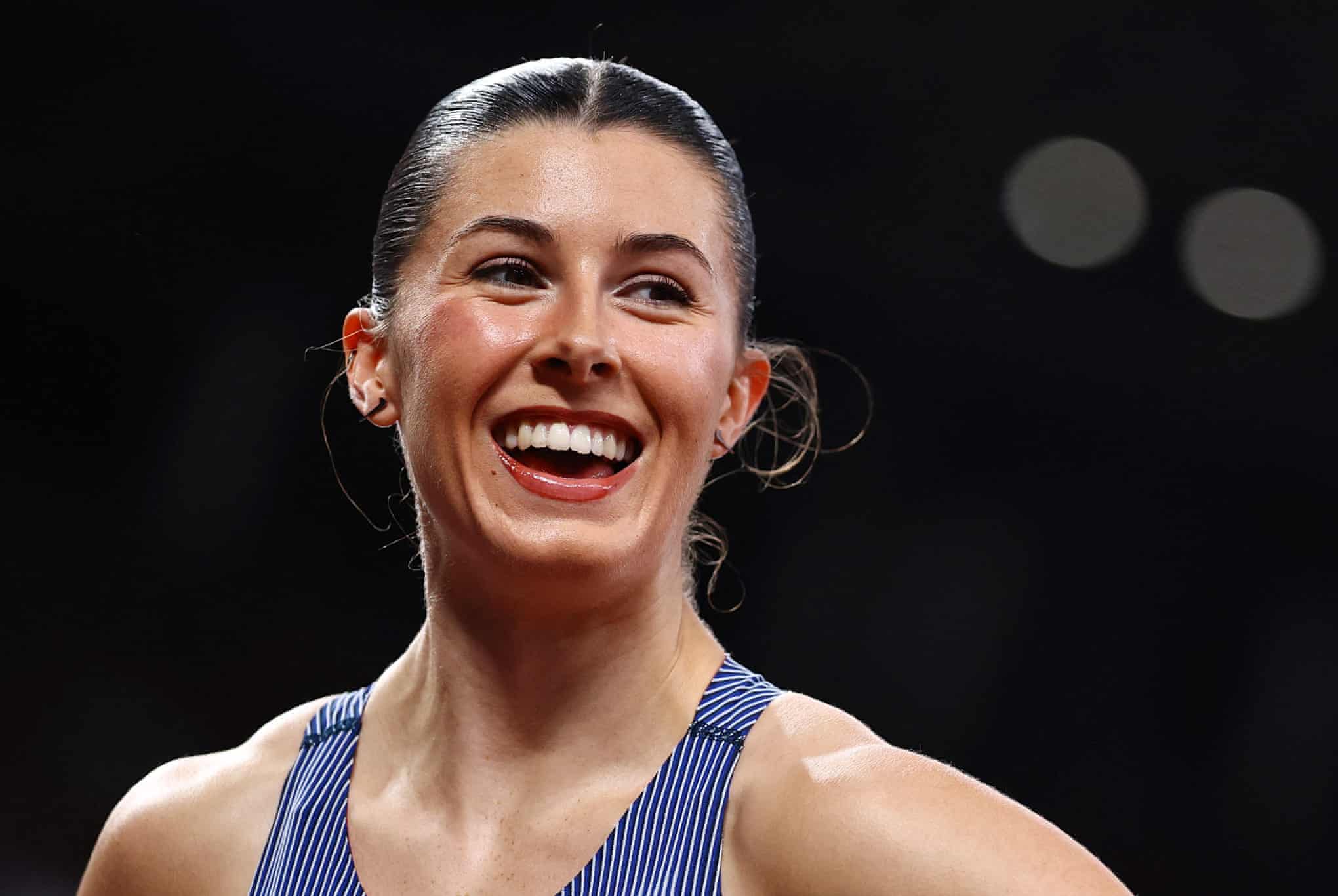
‘People will always hate but my opinion is all that matters’: GB sprinter Amy Hunt on fame, abuse and becoming ‘an icon’
The 23-year-old who went viral last year has plenty of targets for 2026, starting with the World Indoor Championships in PolandAmy Hunt’s mind is flashing back to the moment she unwittingly went viral last September. As untrammelled joy charged through her body, the BBC asked about her unusual journey from an English degree at Cambridge to a shock 200m world championship silver medal. Hunt’s response quickly became a cri du coeur to young girls everywhere: “You can be an academic badass and a track goddess.”As the 23-year-old prepares for the World Indoor Championships in Poland that start on Friday, she reveals her remark was entirely spontaneous. “As soon as I said it, I was like: ‘Oh my gosh, I’m on the BBC, can I even say that? Are they going to bleep that out?’” she says, smiling
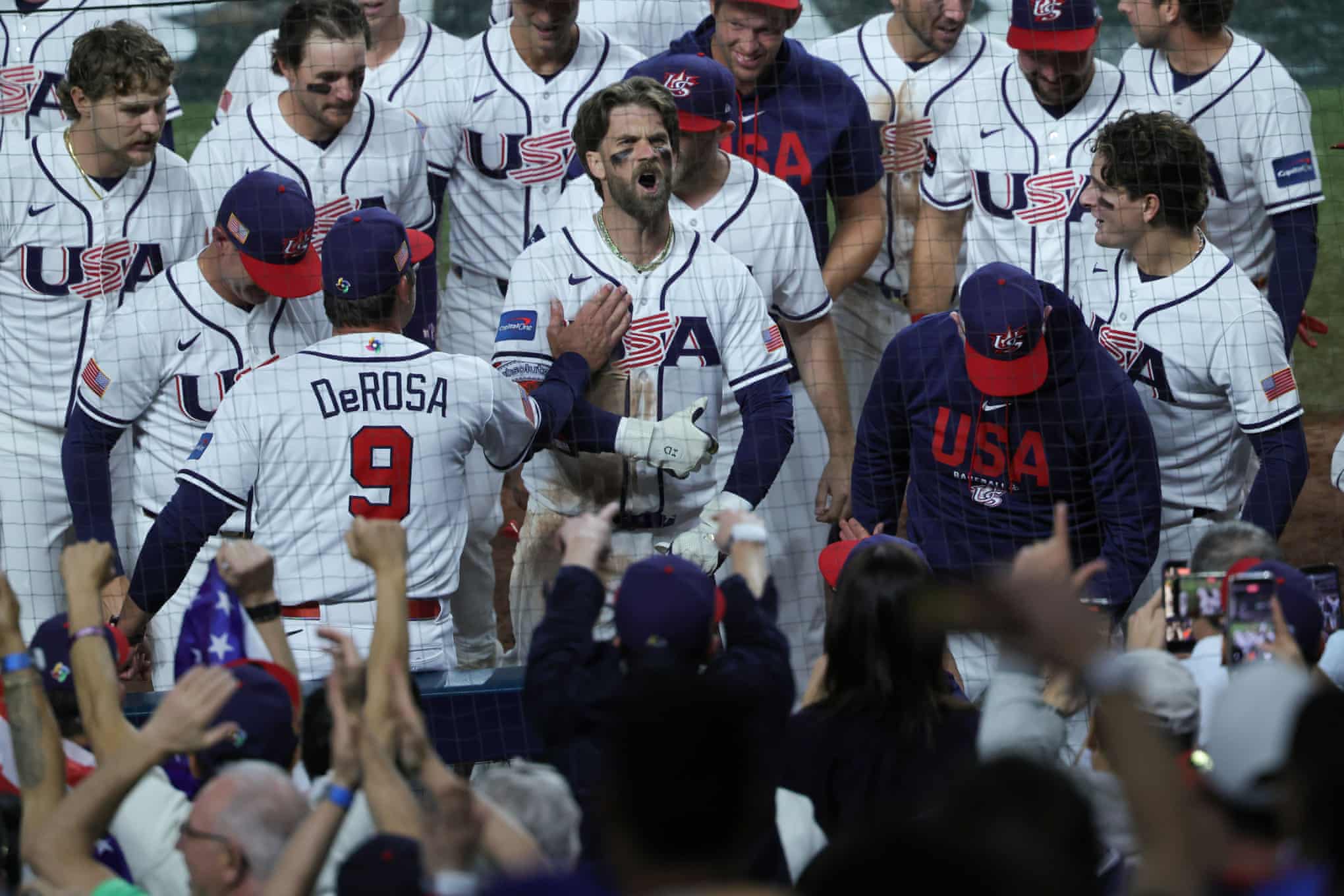
Other nations danced for joy at the World Baseball Classic. Team USA played toy soldiers
On the morning of the World Baseball Classic final between the United States and Venezuela, the headline of the New York Times daily briefing read, “America, alone,” in reference to the unwillingness of the country’s traditional allies to join the war with Iran. The revived rhetoric of America First, once a restoration of the isolationist, often Nazi-sympathetic sentiments of the 1930s, has coalesced into current policy, status, attitude: America by itself, making its own rules, intent on largely playing alone by them.Venezuela won the final, thrillingly, 3-2 over Team USA, but not before the hosts extended that isolationism with a sourness that produced a comically vapid extension of American bravado, and nearly undermined a tournament that in its 20th year is at last becoming one of baseball’s great successes.The WBC was a two-week block party. Canada, fresh off the Toronto Blue Jays’ American League pennant, reached the quarter-finals for the first time

Prolonged high oil prices could ‘crimp’ AI boom, WTO warns

Europe’s biggest airlines say fuel price spike caused by Iran war will drive up fares

‘Alright mate?’: Amazon pins UK hopes on AI upgrade of Alexa
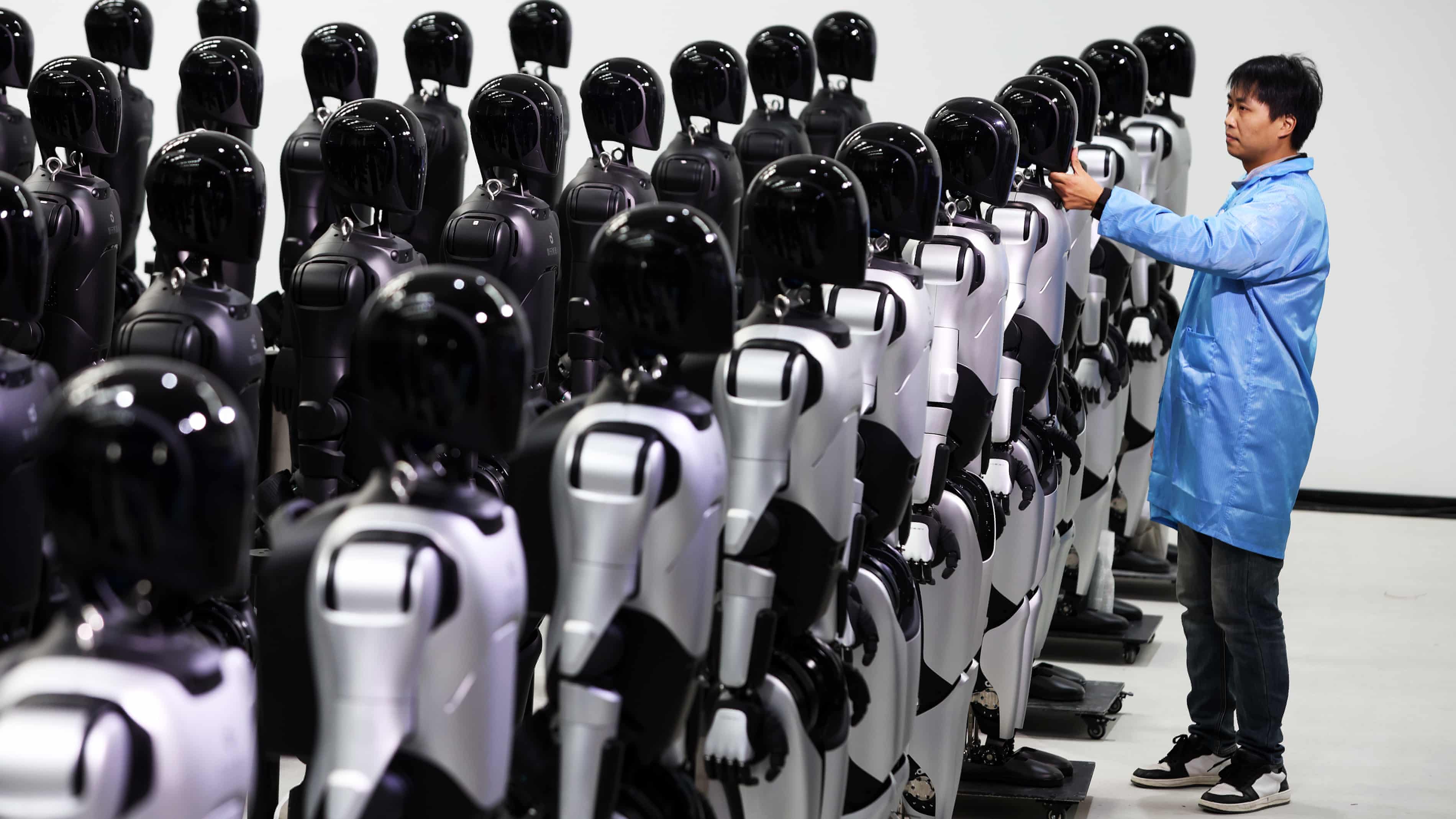
Inside China’s robotics revolution

March Madness 2026 women’s predictions: can anyone thwart a UConn repeat?
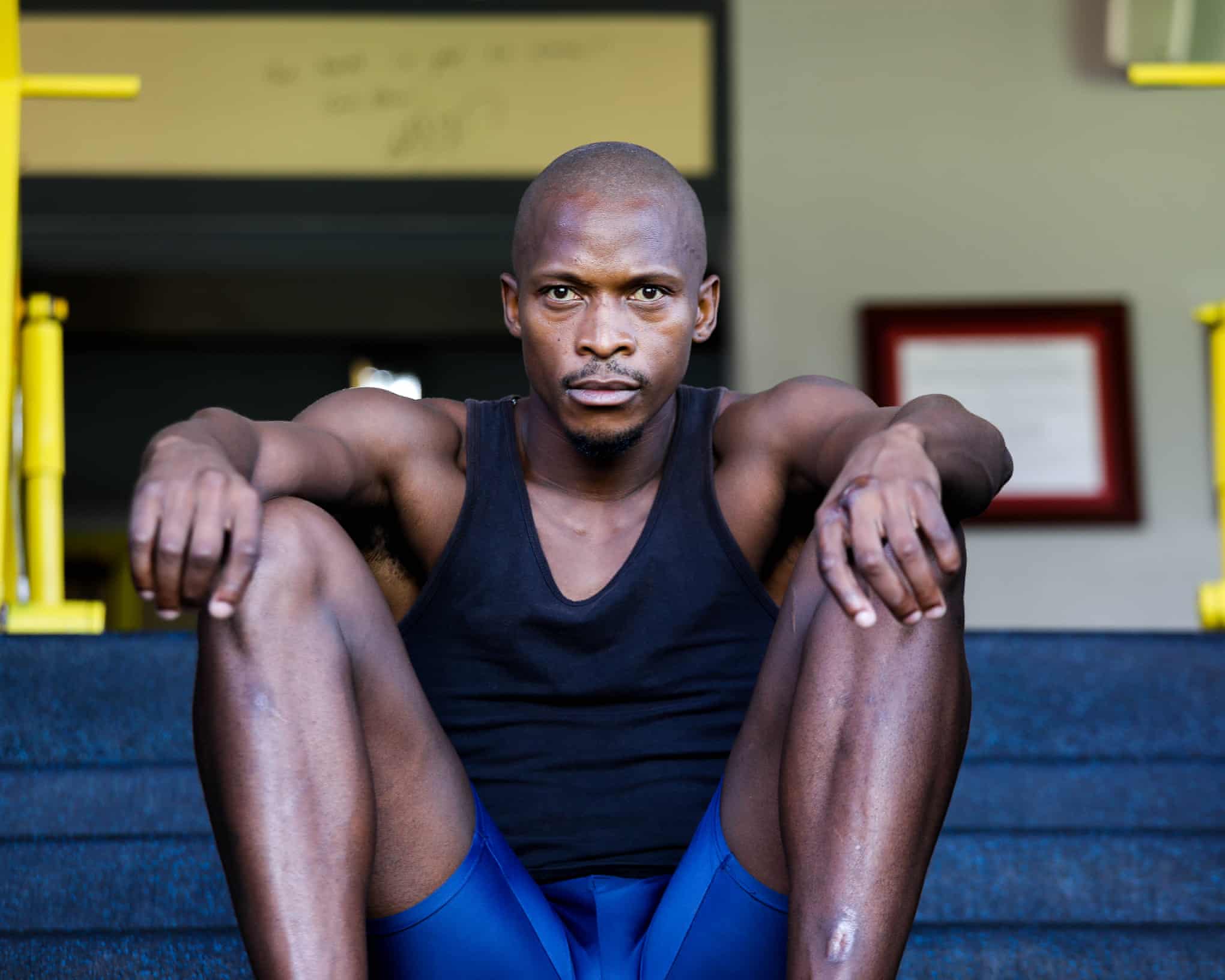
‘The only thing left for me was death’: meet the meth-addict long jumper who has been to hell and back