Rate rises, helium shortages, EV sales spikes: how is the disruption in Iran’s strait of Hormuz affecting Australia?
The Middle East conflict is causing huge disruptions to energy supplies, with knock-on effects reaching far beyond petrol prices.While the initial US-Israeli strikes on Iran drew a muted response from global markets due to expectations it would be a short conflict, there are now questions over whether the US has a clean exit strategy that would guarantee a stable resumption of trade through the crucial strait of Hormuz.Here are five ways the “largest supply disruption in history” in global oil markets is affecting Australia, from the cost of crucial imported goods to the purchasing decisions made by consumers.There was already a strong shift to electrified vehicles before the war on Iran disrupted energy markets, with new battery vehicles selling at nearly double the rate from a year ago, according to February automotive data.James Voortman, chief executive of the Australian Automotive Dealer Association, says car yards have been selling even more EVs since petrol prices started to rise.
“Most of the dealers think they will have a very big March in terms of EV sales,” says Voortman.He says the rise in petrol prices was enough to convince some prospective buyers to make a purchase decision.“There were a lot of fence-sitters who are now coming off the fence,” he says.The Tesla Model Y and BYD Sealion 7 are the two strongest selling EVs in Australia.About one-third of new cars sold in Australia are now hybrids or EVs.
Given that oil prices are the single biggest contributor to global inflation – they add costs to almost all goods and services – interest rates are now expected to rise faster than previously forecast.The ASX’s rate tracker indicates there is a 66% chance of a hike on Tuesday.A week ago, when it looked more likely that the Iran war would be short, the probability of a March increase was just 22%.Australia’s big four banks all predict a rate rise on Tuesday, followed by another one in May.If the bank forecasts prove correct, mortgage holders with an $800,000 debt will be paying $363 more in monthly repayments by May than they were at the start of the year, according to Canstar analysis.
Canstar’s data insights director, Sally Tindall, points out the longer-term rate outlook is unclear, given an escalation in the conflict could prove so damaging to the Australian economy that rates will need to eventually fall.“The cash rate could well rise in coming weeks, but the fallout from the war, if it hits the Australian economy and jobs market hard, could also push the RBA into reverting back to cuts in the not too distant future,” Tindall says.Almost all forms of travel and freight are becoming more expensive, with costs ultimately passed on to consumers, affecting everything from air fares to parcel deliveries.Customers are already seeing line items on their invoices noting additional charges.Geelong-based D&D Worldwide Logistics says Australian businesses need to prepare for a new wave of freight cost increases.
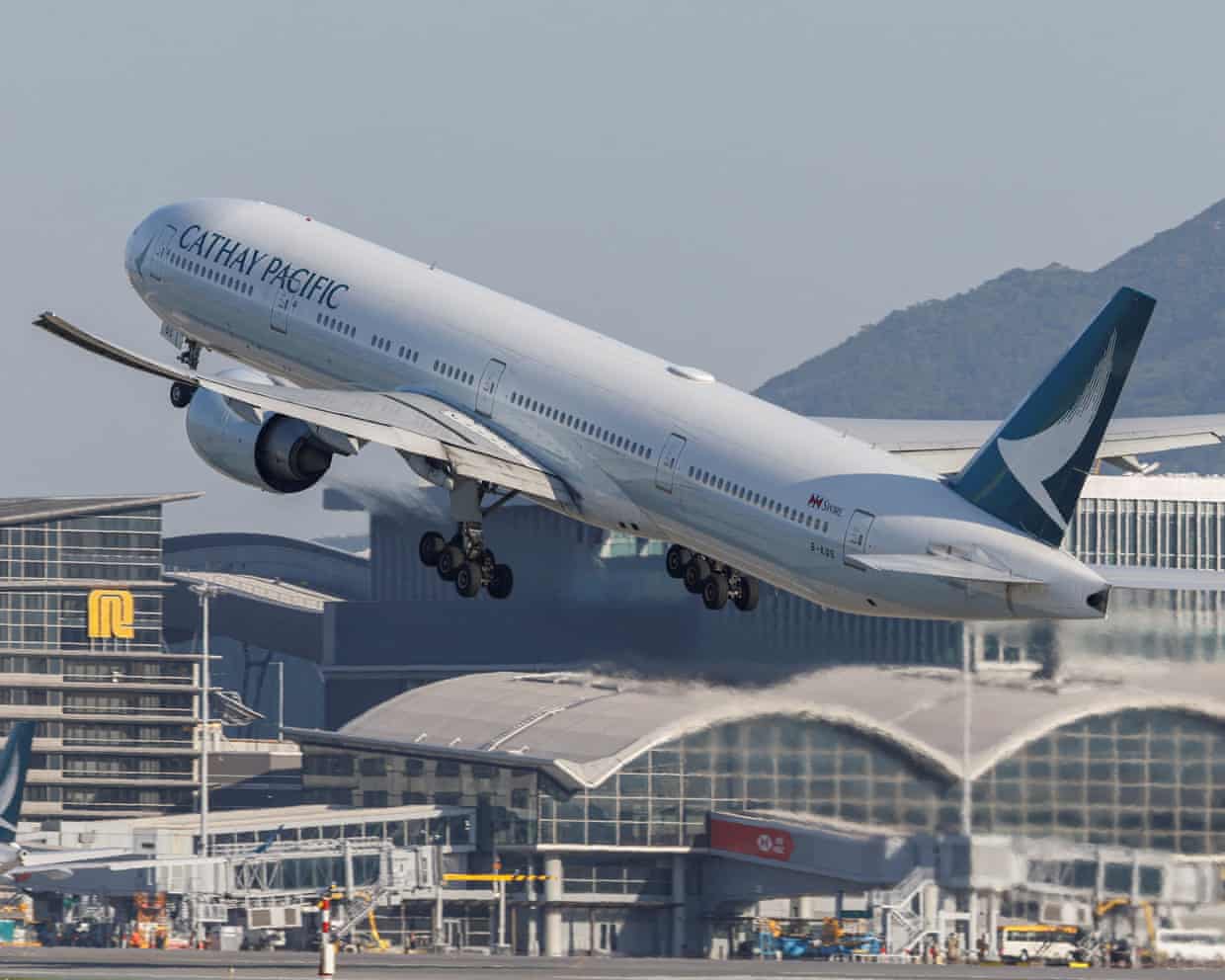
“Road transport operators have confirmed fuel levy increases, and more carriers across ocean and air freight are expected to follow as global diesel and jet fuel prices continue to spike, driven directly by the ongoing Middle East conflict,” the logistics company says.Cathay Pacific, AirAsia and Thai Airways have now joined Qantas, Air New Zealand and others in hiking air fares as travellers flock to stopover destinations in Asia, rather than the Middle East.Jet fuel prices have now increased to levels not seen since early 2022 when Russia invaded Ukraine.If the war is protracted, rising fuel and fertiliser costs will be passed on to consumers through higher food prices.Australian farmers are facing soaring prices for the essential fertiliser ingredient urea, which has increased in price by more than 30% in the past month, according to commodities website Trading Economics.
The Middle East is a major urea producer and prices have spiked over the past two weeks.The nitrogen fertiliser is used widely in Australia for vegetables, canola and cereal crops such as wheat and barley.The cost of plastic is intrinsically linked to rising global crude prices, as the resins used to create packaging materials are oil derivatives.Given that Australia imports over 90% of its plastic as either resins or finished packaging, a persistent disruption in the oil market will inevitably lead to manufacturers passing these higher input costs on to food producers and retailers.According to Roelof Vogel, a circular economy researcher with experience in the global packaging industry, this market disruption could make recycled plastic a more appealing alternative for Australian businesses.
The industry now considers it to be prohibitively expensive, with the Australian council of recycling saying producing recycled plastic here can be 50% more expensive than imported virgin plastic.“[If] there is a really sustained long-term increase where the price of oil does not come down for whatever reason, then all of a sudden recycled plastics start to look much more attractive and that the cost difference is no longer 50%,” Vogel says.Australia imports its helium, an industrial gas used to power MRI machines and other critical medical, research and manufacturing technology, including from Qatar.The gulf nation produces roughly a third of the world’s helium, as a byproduct from liquefied natural gas.But Qatar has halted production after an Iranian strike on the Ras Laffan Industrial City – the gas hub where the country’s helium facilities are located.
Qatar’s state-run energy firm has reportedly halted liquefied natural gas production after the Iranian attacks.The government has said it is not aware of any immediate risk to helium supply or availability in Australia but will monitor for any potential supply chain disruption.Australian party-goers not being able to blow up balloons would be the least concerning issue arising from a shortage of helium, says Prof Dongke Zhang, the director of the University of Western Australia’s Centre for Energy.“Hospitals, across the nation, literally all of them use it to service MRI and other advanced diagnoses, and for running major research facilities in physics, in chemistry and, in my case, advanced energy technology,” he says.Australia’s only helium plant, based in Darwin, closed in 2023.
A new company, Natural Helium Tasmania, was recently granted exploration licences and expects to be operating in 18 months’ time.“Balloons are the crudest and rudest form of helium,” says the company’s commercial executive, Simon Talbot.“[It’s in] literally every part of your day: when you pick up your phone, helium’s been used in your phone manufacturing.”

AI could give us our lives back – if we don’t blow it
The other day I pulled into the parking lot of a client’s offices and in the spot next to me was a woman sitting in her car blasting music. She caught me looking and rolled down her window and said, “I’ll be inside in a minute … Just enjoying my last few moments of freedom!”Is this way we want to live? No, it’s not.Elon Musk recently predicted work will be optional. “It’ll be like playing sports or a video game or something like that,” he said. Sounds nice

‘Cruel hoax’ or ‘work-life balance nirvana’: whatever happened to the four-day work week?
It has been years since the four-day work week was floated as a solution to everything from traffic congestion to burnout. So why aren’t we all doing it now?Get our weekend culture and lifestyle emailDuring the global soul-searching that followed the rupture of Covid-19 lockdowns, one idea for how we might live better suddenly seemed plausible: the four-day work week.The model is simple but somewhat counterintuitive. Employees work fewer hours for the same salary while getting the same amount of (or even more) work done. Advocates say this is made possible by reducing meeting times, streamlining workflows and prioritising work more efficiently

Meta and Google trial: are infinite scroll and autoplay creating addicts?
It was as “easy as ABC”, claimed the lawyer prosecuting a landmark social media harm case against Meta and Google which heard closing arguments this week. The defendants were guilty, said Mark Lanier, of “addicting the brains of children”. Not true, replied the tech companies. Meta insisted providing young people with a “safer, healthier experience has always been core to our work”.Features such as autoplay videos, infinite scrolling and constantly chirruping alerts woven into the fabric of online platforms were central to the six-week trial in Los Angeles, which has been compared to the cases against tobacco companies in the 1990s

New study raises concerns about AI chatbots fueling delusional thinking
A new scientific review raises concerns about how chatbots powered by artificial intelligence may encourage delusional thinking, especially in vulnerable people.A summary of existing evidence on artificial intelligence-induced psychosis was published last week in the Lancet Psychiatry, highlighting how chatbots can encourage delusional thinking – though possibly only in people who are already vulnerable to psychotic symptoms. The authors advocate for clinical testing of AI chatbots in conjunction with trained mental health professionals.For his paper, Dr Hamilton Morrin, a psychiatrist and researcher at King’s College in London, analyzed 20 media reports on so-called “AI psychosis”, which describes current theories as to how chatbots might induce or exacerbate delusions.“Emerging evidence indicates that agential AI might validate or amplify delusional or grandiose content, particularly in users already vulnerable to psychosis, although it is not clear whether these interactions can result in the emergence of de novo psychosis in the absence of pre-existing vulnerability,” he wrote

Britain to raise Winter Paralympic targets after finishing Games with solitary medal
UK Sport is set to raise performance targets for the next Winter Paralympics after Great Britain returned from Milano-Cortina with only a single silver medal.ParalympicsGB failed to hit a reduced target of two to five medals in Italy, with only Neil Simpson making the podium following a second-placed finish in the men’s visually impaired alpine combination skiing. On Sunday Simpson did not finish either of his runs in the VI slalom, putting a final end to hopes of further success.UK Sport determines public funding for Olympic and Paralympic sport and their director of performance, Dr Kate Baker, said there was pride to be taken from many performances at the Games. However, she said questions would also have to be asked over the future direction of the British winter Paralympic programme

Grounds for optimism at North Melbourne as emerging talents give glimpse of rosy future | Jonathan Horn
For most of his tenure at North Melbourne, Alastair Clarkson’s eyebrows have been arched in a kind of perma-frown. The bigger the deficit, the steeper the arch.It’s not as though his team has been completely hopeless. Most of the time, they’ve tried their guts out. They’ve just been incredibly frustrating

Stout clobber? Guinness tie-up features £1,295 ‘pub carpet’ jumper

Relief for some of Britain’s poorest lands at right moment to cushion Iran aftershocks | Heather Stewart
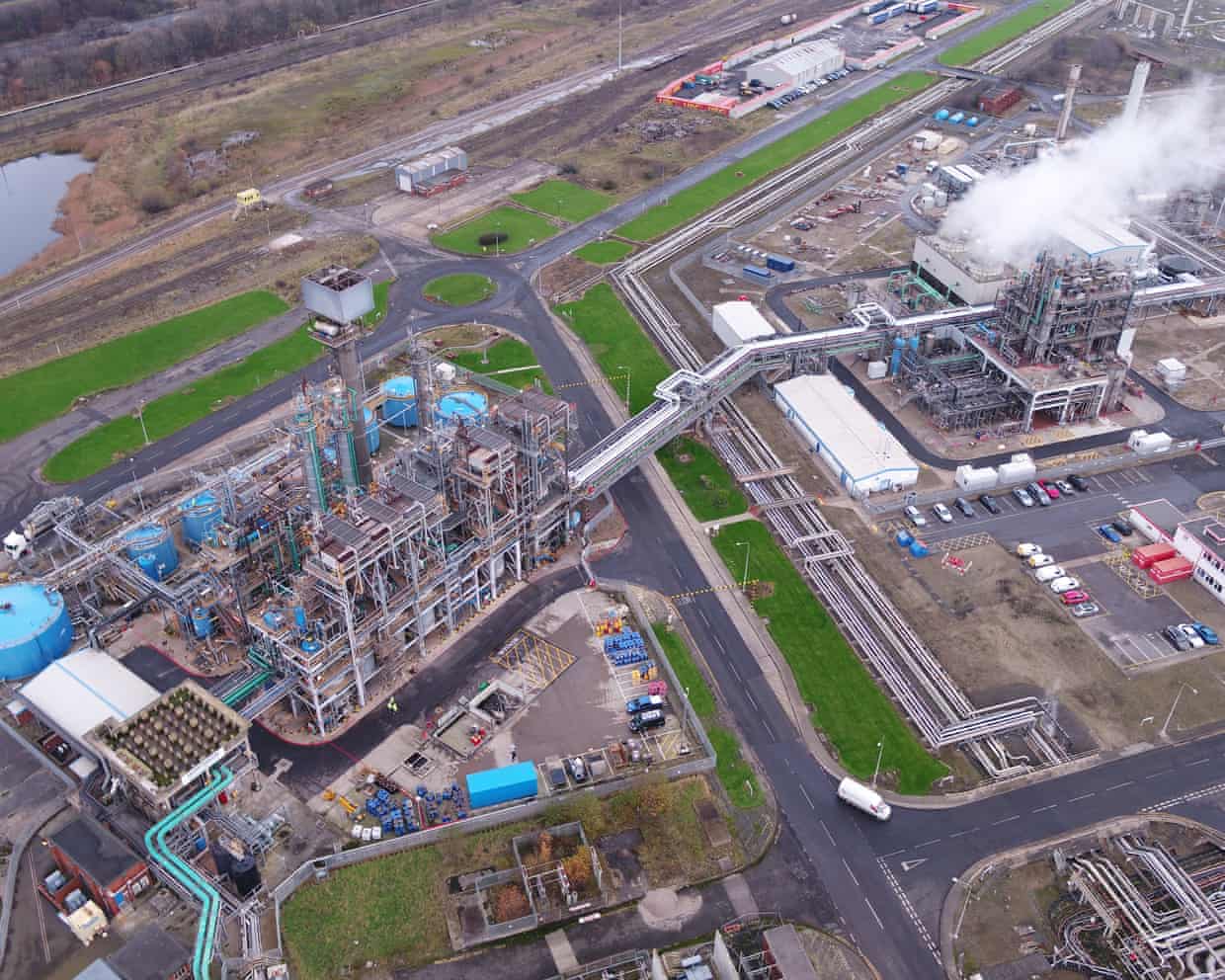
One of Britain’s last major chemical plants at risk as energy prices surge

‘The chef is a metre away from you’: the cosy allure of micro-restaurants
Rate rises, helium shortages, EV sales spikes: how is the disruption in Iran’s strait of Hormuz affecting Australia?
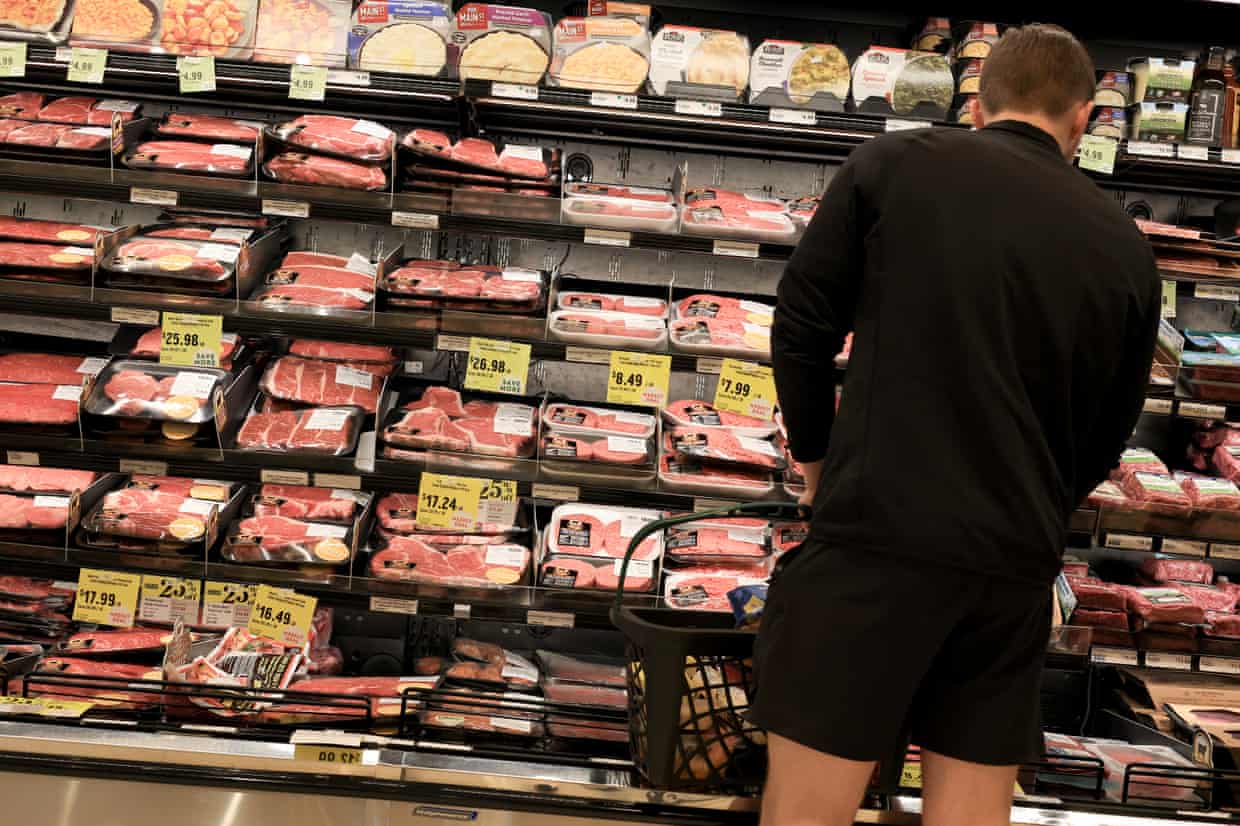
‘Everything is going up’: Americans struggle with affordability despite Trump’s claims