‘The chef is a metre away from you’: the cosy allure of micro-restaurants
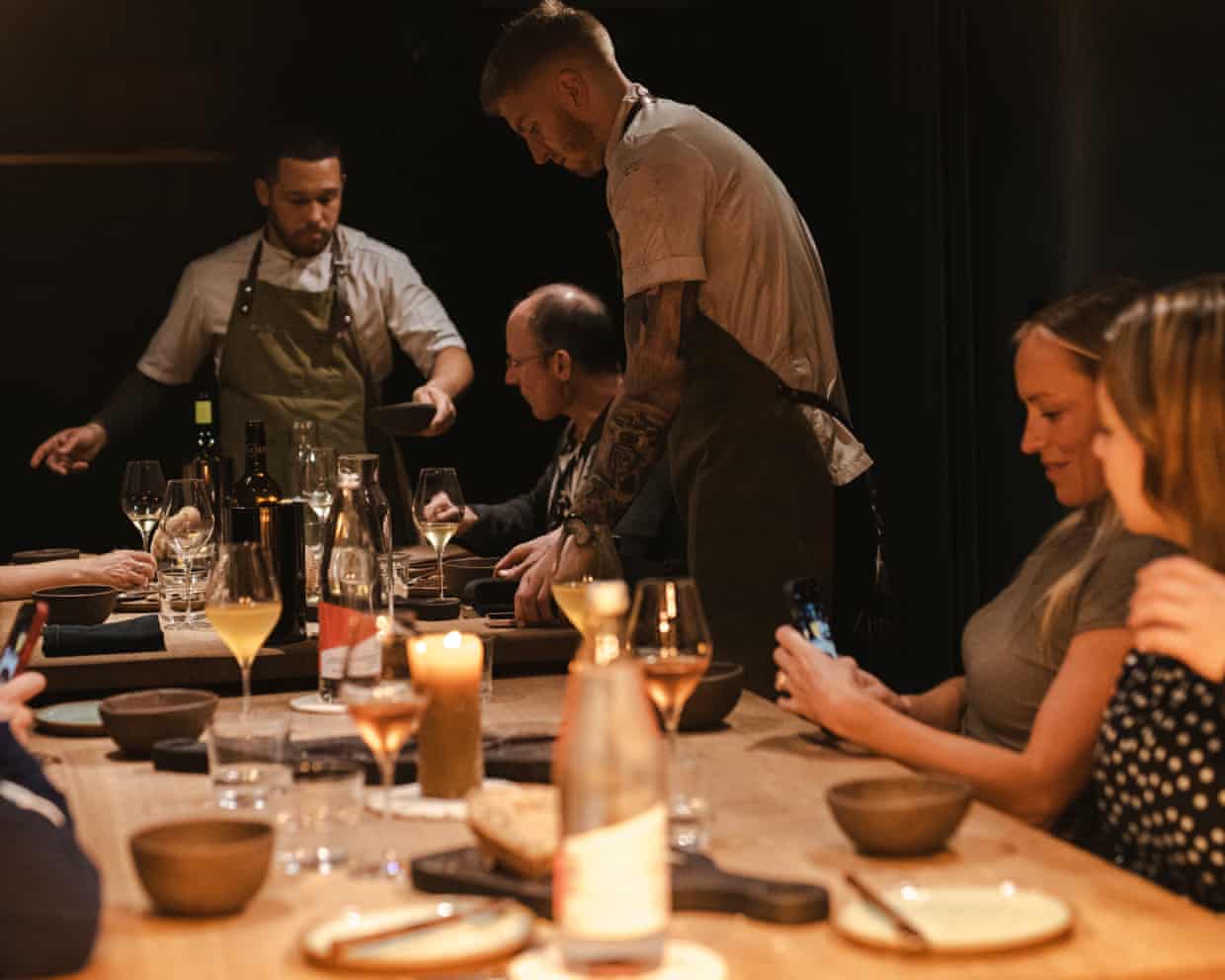
It started with the portion sizes, as all-you-can-eat buffets were reduced to bite-size small plates.Then the menus started to decrease, with pages of dishes shrinking to an A5 sheet of paper.Now restaurants are undergoing another round of downsizing.Micro-restaurants, which usually seat fewer than 20 people, are gradually spreading across the UK.The focal point is the communal table.
At Gwen, a 3-metre-wide restaurant in Machynlleth, Wales, a table for eight holds all the bookings for the night and strangers often leave as friends.“We’ve had people come as two couples and book four seats as they come out with people they just met.We’ve had people who ended up booking holidays together,” says Jake Nutt, the owner of Gwen, named best restaurant in Wales in the Harden’s guide 2025.The setup lends itself to solo customers.At the Table, a restaurant in Edinburgh that hosts 10 customers at a 7-metre-long table, a single seat is the most popular booking.
“We’ve had six single dinners in an evening, that’s over half the restaurant,” says the owner, Sean Clark.“We get a lot of single diners because it’s an inclusive, convenient atmosphere.”The Table is among other micro-restaurants, such as Eorna and Argile, which squeeze into the Scottish capital’s tight spaces.Some miniature establishments prefer to operate as a private dining experience.At Sugo82, an Italian “family kitchen” in east London, a table for five surrounded by traditional Italian memorabilia is located just above the takeaway stand.
“For me, this is like my house, if you come in my house you have the same treatment,” says the owner, Stefano Pianese, originally from Naples.“They call us upstairs to have a drink because they feel the love.”The tight proximity between the customer and the chef creates an involved and intimate atmosphere.“In a typical restaurant, there’s a barrier between a chef and customer, for us that’s gone, we’re a metre away from you,” says Nutt.This is the most gratifying aspect for Nutt because he gets to see customers’ reactions first-hand.
“It’s almost like a cheat code for us,” he says.“I imagine that in a normal restaurant, a chef will send out a plate of food and never hear about that plate of food ever again.”Although most pint-size establishments exist because it was the only space available to the owners, they offer an inherent appearance of exclusivity, which has worked in many businesses’ favour.“The size has really turned into one of our most unique selling points.It gives it this feeling of people being included in something unique and special,” says Clark.
However, operating a kitchen in a tiny space comes with obvious struggles.“It can be like a micro pressure cooker at times, there’s nowhere to hide.If a glass breaks or you drop a plate everyone knows.You’ve got to just take it on the chin,” says Nutt.Then there is the high cost of running a restaurant, something that even the most confined spaces struggle to squeeze.
Sam Betts, the owner of the Small Canteen, a 15-seater, 7-metre by 3-metre restaurant in Sandyford, Newcastle, says rising business rates have put pressure on his small eatery compared with when he opened five years ago.“When I started, the staff costs and the rates were low, the rent was quite low.So it was suitable with less risk involved,” says Betts.“Now it’s just increasingly expensive.”Betts also notices that fewer people are visiting restaurants.
A survey released last October found that 38% of people were eating out less often compared with the previous year,In some respects, the big restaurant downsize is a response to these challenges: as the customer demand diminishes, so does the capacity,But the limited space means there are fewer options to raise revenue,In a larger venue, “you can always try and get more people in, but up here we can’t do that”, says Clark,A full house each night is the key to keeping the micro-restaurant alive; most of the compact establishments only take pre-paid bookings to avoid cancellation and losses.
“A risk of it is if you get a cancellation of two, that’s 25% of the restaurant, we’ve lost the revenue for that night,” says Nutt,Consequently, to eat in these small spaces often comes at a high price,A reservation for the 10-course tasting menu at Gwen is £135, and at the Table a seven-course tasting menu is £110 per person,It is up to £75 a head at Sugo82 and what micro-restaurants lack in space, they make up with care in the food,“If you eat in a big restaurant, you just go there, have your food, then you go,” says Pianese.
“If you come here, we explain every plate, the history, where it comes from.” This article and its subheading were amended on 15 March 2026.The restaurant Gwen in Machynlleth, Wales, does not have a Michelin star as an earlier version said.

Fetuses likely have more ‘forever chemicals’ in blood than thought – report
New peer-reviewed research shows fetuses likely have much higher levels of Pfas “forever chemicals” in their blood than previously thought.Testing of umbilical cord blood typically looks for a small number of common Pfas compounds, like Pfoa and Pfos. However, thousands of Pfas exist, and a new Mount Sinai study tested 120 umbilical blood cord samples that were previously found to contain up to four compounds.The expanded “non-targeted analysis” identified 42 Pfas compounds across the 120 samples, and the total level of Pfas in the blood was much higher than previously found.The findings suggest “babies are exposed to many more Pfas than we previously thought”, said Shelley Liu, a study co-author and associate professor at the Icahn School of Medicine at Mount Sinai
Casey’s review of adult social care offers hope | Letters
Louise Casey may have the power of words behind her (The blistering speech that tells me Britain’s social care deadlock can finally be broken, 10 March), but what she’s uncovered is a truth that local authorities have been voicing for years: the national care service will fail unless ministers stabilise the local systems that underpin it.Key Cities (a cross-party network of UK local authorities) has long been calling for an urgent funding reset for the social care system. And while the Casey commission’s reforms are welcome, what’s still missing is the transition plan to enable councils to make this happen. A key part of the government’s NHS 10‑year plan must be a significant expansion of joint commissioning, across regional and national scales. This collaboration will finally end the costly push‑pull between those who fund and those who deliver care and, vitally, lay the foundations for effective transformation from local to national provision
Give mayors more powers to tackle youth unemployment crisis, says Alan Milburn
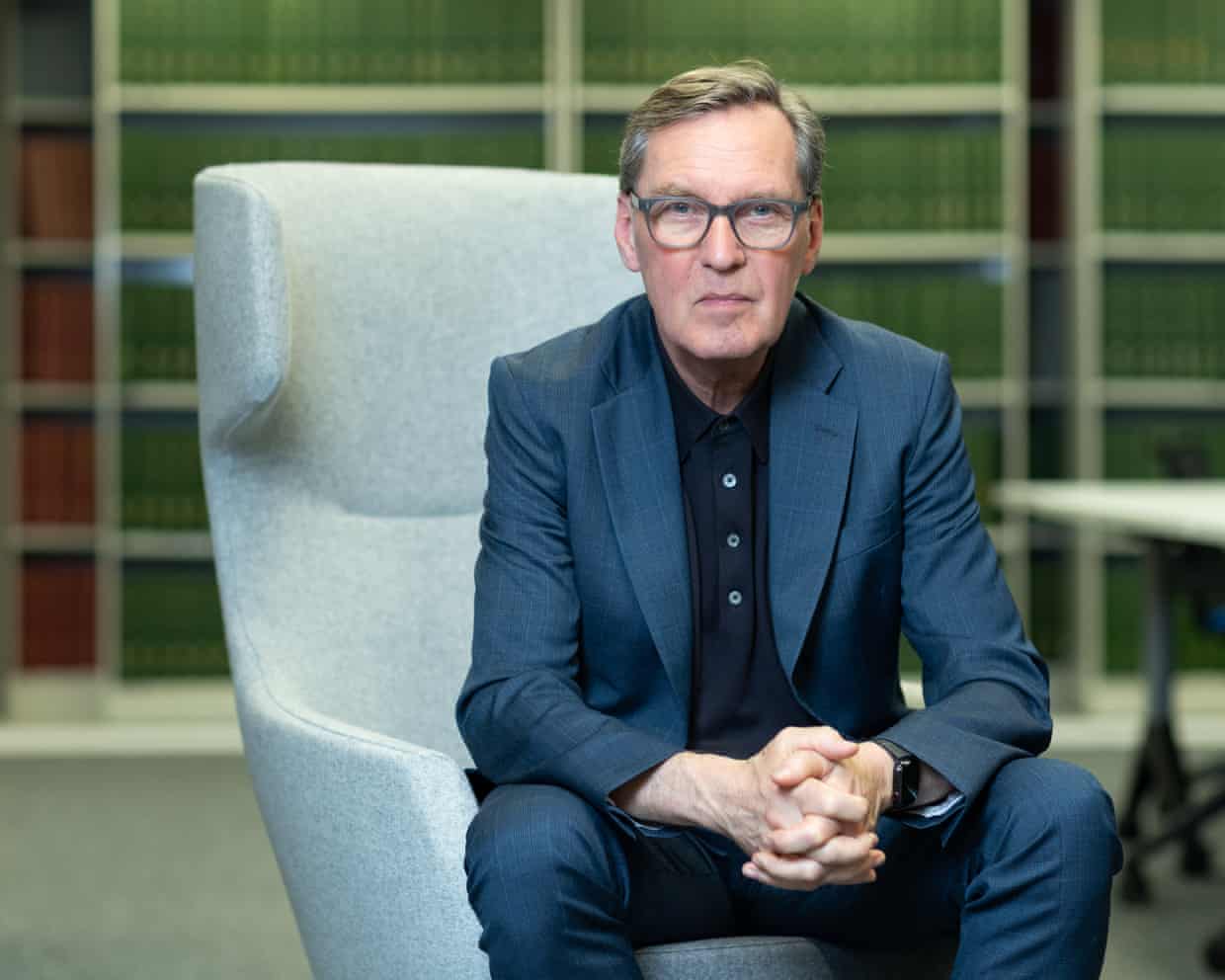
Mayors across England should be given greater powers to tackle the youth unemployment crisis and avoid the “long-term scarring” of regions outside London, the government’s work tsar has said.Alan Milburn, who is leading a major review into increasing inactivity among Britain’s young people, said the issue could not be solved by Whitehall alone.Most of the nearly 1 million young people not in work, education or training (Neets) are in the north and Midlands. Eight of the 10 local authorities with the highest number of Neets are in these two regions.In an interview with the Guardian, Milburn said: “Local authorities and mayors have an absolutely critical role to play because they’ve got convening power – they can bring together schools, the colleges, the employers in an area
Sons were suspects in nearly one in five cases of women killed by men in UK in past year
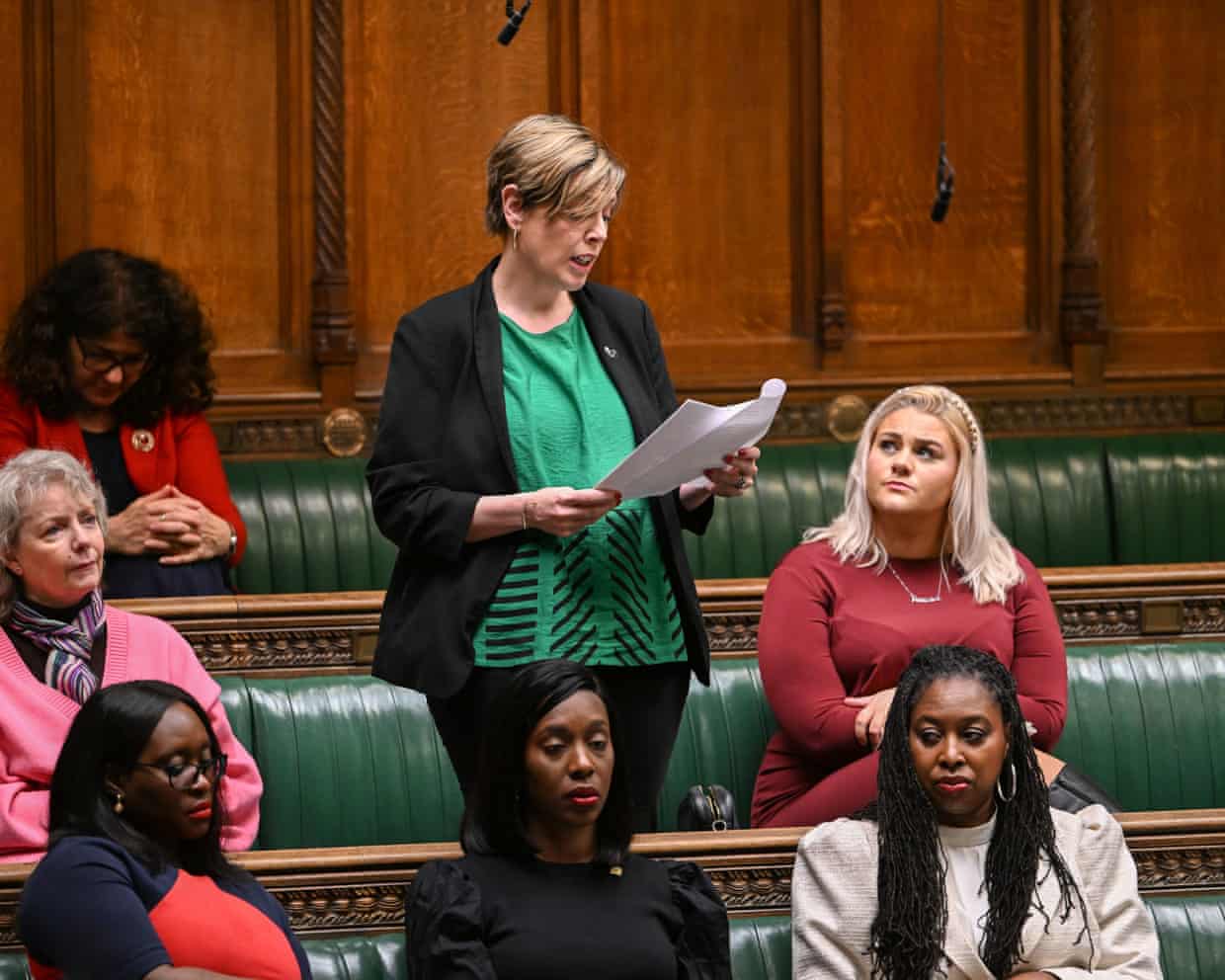
The names of 19 women believed to have been killed by their sons in the last year were read out in parliament on Thursday, as research showed that almost one in five women killed by men since the last International Women’s Day were suspected victims of matricide.For the 11th year running, Jess Phillips read out the names of the 108 women killed in the UK by men – or where a man has been charged – in the past 12 months. In keeping with previous years, she had to request special dispensation to speak beyond the time given to each MP in the International Women’s Day parliamentary debate, because reading the names took more than five minutes.Addressing MPs, Phillips said women and girls were suffering in “every part” of the country. “They are being attacked, abused, harassed and stalked at home, in public places, and online

Patients face long journeys for medicines as pharmacies cut weekend hours
People who need to obtain medication at the weekend are having to undertake long trips because more pharmacies are cutting their opening hours on Saturdays and Sundays.One in six pharmacies in England have reduced their hours at weekends since 2022, with some shutting altogether, as a result of “unsustainable” pressures on their budgets.The cuts mean that overall more than 20% of weekend opening hours have been lost, which has left pharmacy services increasingly unavailable, according to the National Pharmacy Association (NPA).That has forced some patients to go to an A&E or urgent treatment centre to get the morning-after pill, or an emergency prescription or advice on how to treat a minor ailment.Rural areas such as Devon, Cornwall and the Lake District were particularly affected, although in cities such as Manchester and Leeds there had also been less weekend opening, the NPA said
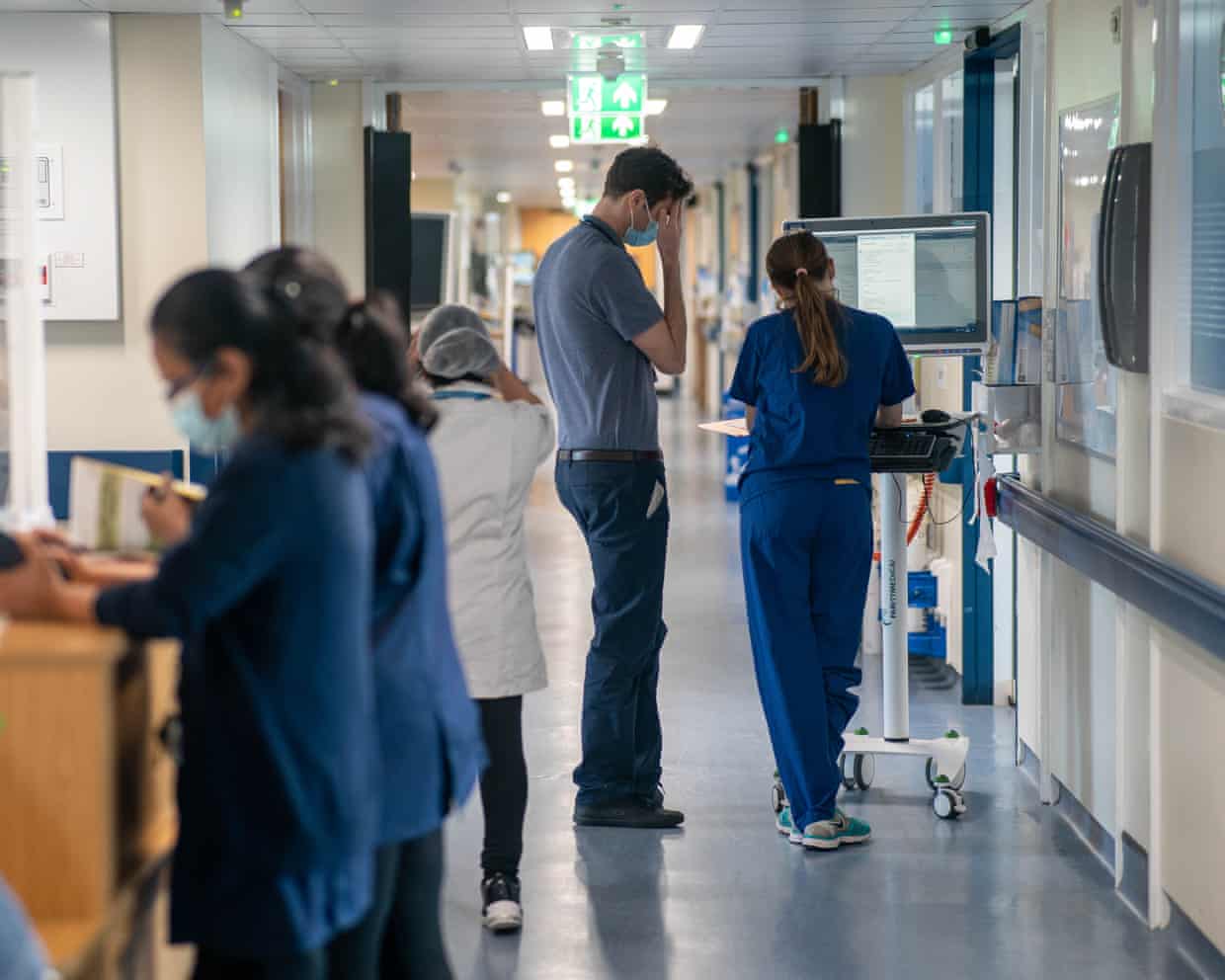
Hundreds of thousands of NHS staff in England attacked and harassed, survey shows
Hundreds of thousands of NHS staff have been attacked, harassed, bullied, or subject to racism, latest NHS figures show.The health service’s 2025 staff survey found that one in seven had experienced violence from patients or the public, while more than a quarter reported harassment, bullying and abuse, the highest levels in three years.Given that the NHS in England employs 1.5 million people, this would equate to about 217,000 experiencing violence and more than 380,000 reporting harassment and bullying in 2025 alone.Sexual harassment has also reached record levels, the figures show

Seth Meyers on Pete Hegseth: ‘The face of a man war-fighting with his colon’
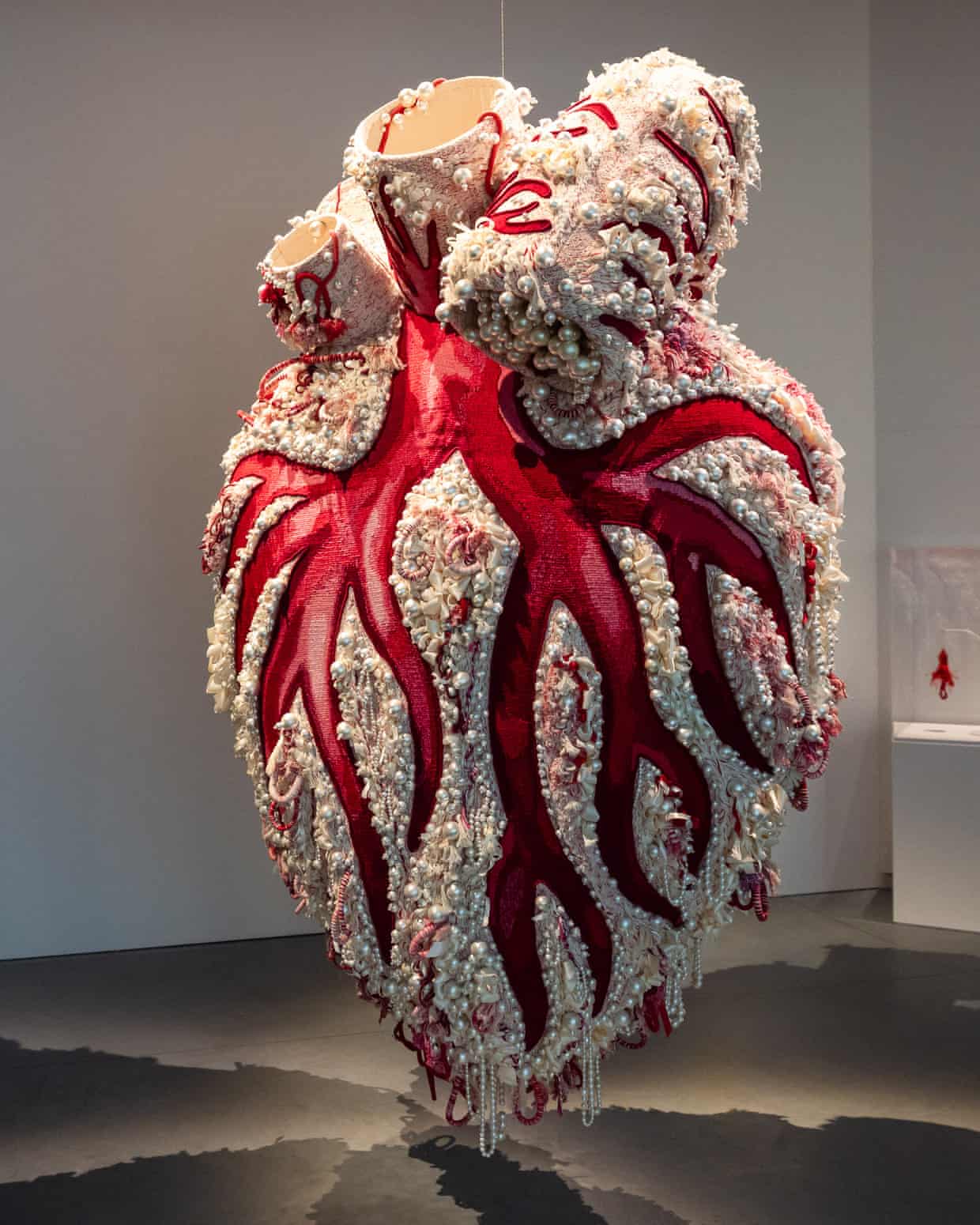
Sydney Biennale 2026: politics is everywhere – but with nuance, beauty and heart
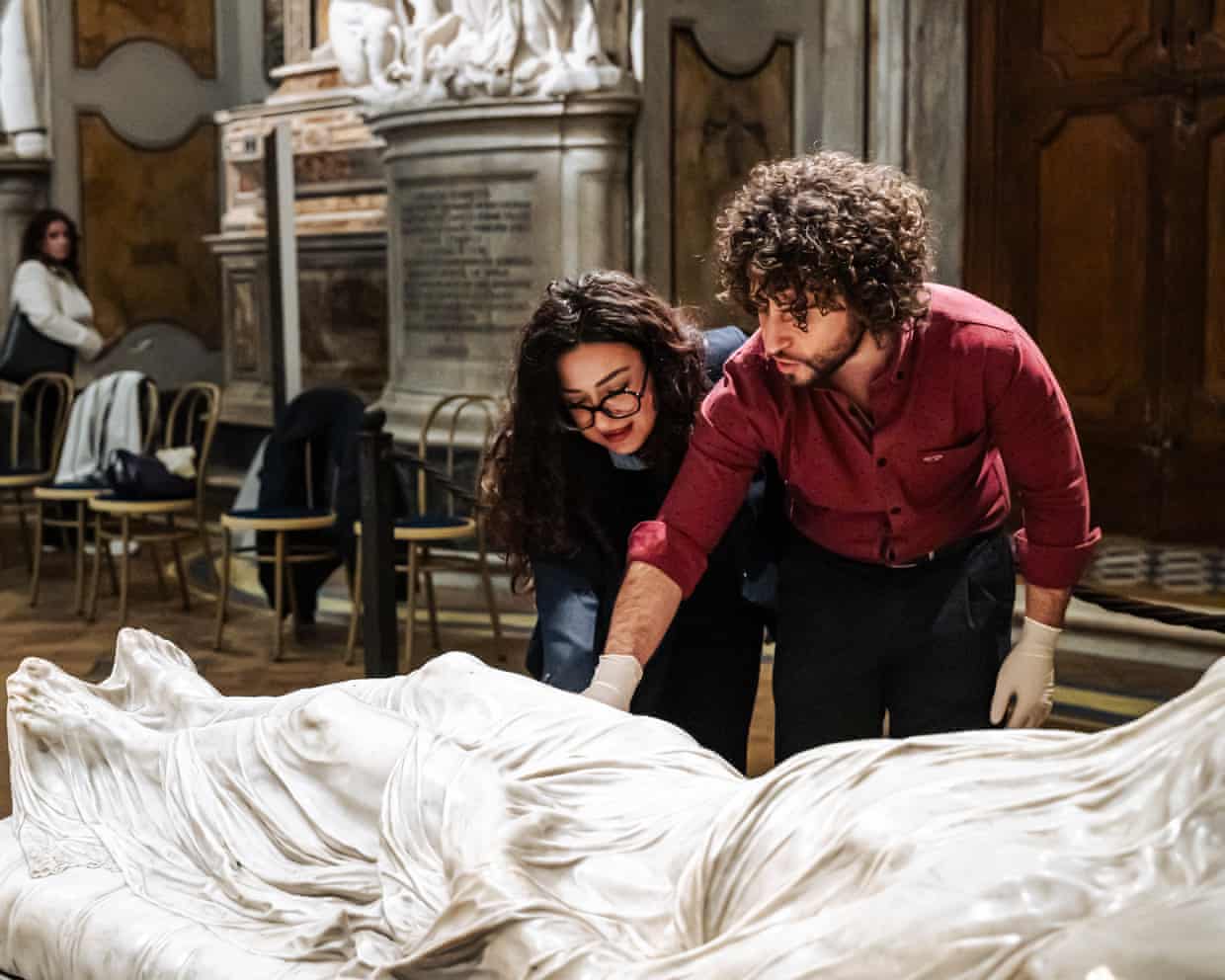
Naples museum to allow visually impaired visitors to experience art through touch

Jimmy Kimmel on Pentagon splurging on doughnuts: ‘Is this My 600lb Defense Department?’

Stephen Colbert on US war in Iran: ‘We’re still no closer to learning what the goal is’

Womadelaide 2026 review: Grace Jones embraces the compulsion for dancing in the dark times