One of Britain’s last major chemical plants at risk as energy prices surge
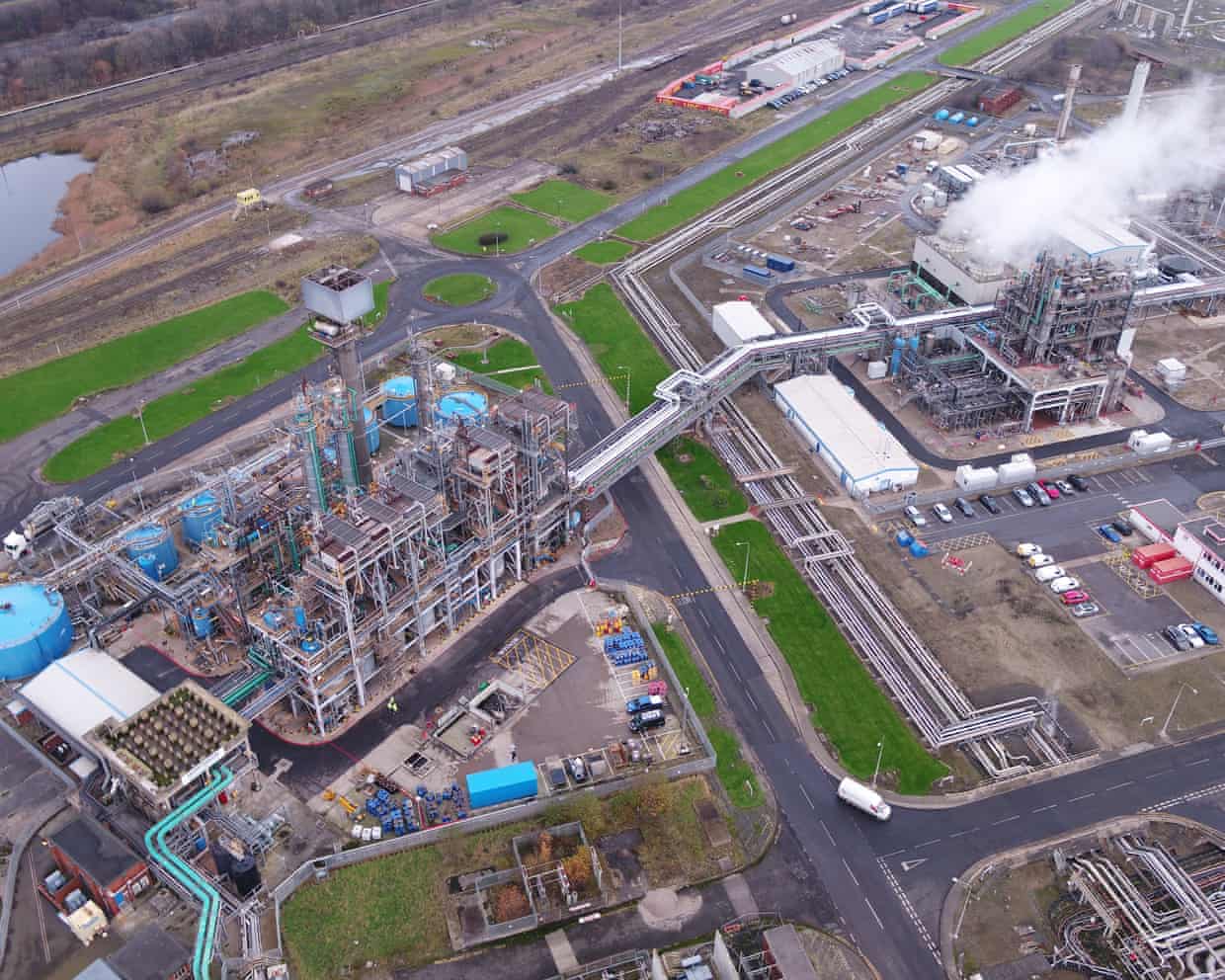
The American owner of one of Britain’s last major chemicals plants has said he will close the site if energy prices remain at their current levels for the next three months.Peter Huntsman, whose family built Huntsman Corporation into a global chemicals empire, said the recent jump in gas prices fuelled by the Iran conflict was “another nail in the coffin” for European heavy industry.“If today’s economics were to stay in place for the next three months, I would shut down my [UK] facility and I’d be importing product from China or the United States,” he said.The factory in Wilton, on Teesside, employs about 80 people and makes aniline, a chemical used in everything from car seats to aircraft components.It is one of the last surviving plants of the former Imperial Chemical Industries (ICI), Britain’s largest manufacturer for much of the 20th century.
“Four years ago, my lowest cost aniline in the entire world came from the UK.That’s how recently I was competitive,” he said.“Right now, this week, it is the most expensive.”Texas-based Huntsman Corporation was founded by Peter’s father, Jon, a Mormon from Idaho who died in 2018.He started out in packaging, developing the now ubiquitous clamshell burger carton and selling it to McDonald’s for its Big Macs in 1974, then pivoted into chemicals over the following decades.
Peter became chief executive of the family business in 2000, spearheading the acquisition of ICI’s industrial chemicals arm for £1.7bn the year before.His elder brother, Jon Jr, is a Republican politician who served in every US administration from Ronald Reagan to Donald Trump’s first term.He was Trump’s ambassador to Russia and Barack Obama’s ambassador to China.Huntsman Corporation has plants across the US, Europe, south-east Asia and the Middle East – but unlike its American operations, its UK and European sites are acutely exposed to international gas markets, where prices have surged to their highest point since Russia’s invasion of Ukraine.
“You’re not seeing this in China, America or the Middle East, surprisingly, where the war is,” said Huntsman.“You’re seeing it in the EU and the UK, and they’re being hit the hardest.”The multinational had already cut nearly 10% of its global workforce last year – about 500 jobs with the largest share in Europe – and closed seven facilities, citing high energy costs.Huntsman’s warnings echo those of fellow chemicals magnate Jim Ratcliffe, whose Ineos group received a £120m government bailout in December to save its ethylene cracker at Grangemouth, the last plant of its kind in the UK.The bailout was a rare intervention in a sector that has been rapidly hollowed out.
Production output has fallen by 60% since 2021, according to the Chemicals Industries Association, with at least 25 site closures since then,Ratcliffe, who is the UK’s seventh richest person, has described it as “unsurvivable” for chemical plants in Europe owing to “rising carbon costs and weak trade defence”,Huntsman called the troubles “self-inflicted”, adding that successive governments had not done enough to bring down industrial energy bills,“Failed energy policy has made UK industry less resilient,A crisis like this should not impact the chemical industry like this.
“They’ve chosen to go down this path, and they’re facing the consequences of it every day, especially at times like now,” he said.“This [Iran] is just another nail in the coffin.”“We used to have more investment in the UK than we did in North America.It was a vital footprint to our company.And today we’re down to one asset left there,” Huntsman said.
“I’ve laid off enough people in the UK that it is one of the greatest disappointments of my entire career.”In the last decade the UK has lost its last domestic producers of ammonia, a core fertiliser, and sulphuric acid, key for making explosives, raising concerns about sovereign capability in food production and defence manufacturing.Huntsman said he was running out of reasons to keep investing in Britain.“I’m doing quite well in China, the United States, I’ve got growing operations in the Middle East,” he said.“Why on earth would I put money in the UK, where there’s neither growth nor a policy to incentivise people like me?”A government spokesperson said: “We know this is a tough time for our chemicals industry, who are paying the fossil fuel penalty.
The best way to tackle this is getting on to clean homegrown power which we control, to bring down bills for good.“Ministers regularly meet with the industry and are working with them to understand the impact of the situation in the Middle East and explore potential solutions.”

Benjamina Ebuehi’s recipe for caramelised white chocolate and rhubarb cheesecake | The sweet spot
It’s often my own impatience that forces me to make no-bake cheesecakes over baked ones. They’re not at all as faffy, though it’s pretty hard to beat the lighter, silkier texture you get with a baked version plus the extra effort is worth it on a special occasion such as Mother’s Day. I’ve sweetened the filling for this one with caramelised white chocolate – it brings a beautiful, creamy, dulce de leche-type caramel flavour that even the biggest white chocolate haters should enjoy. If making your own caramelised white chocolate feels a step too far, however, just buy bars of blond chocolate instead. Top with gently poached rhubarb for a pop of colour and to cut through the richness

Noma chef resigns amid allegations of physical abuse of staff
René Redzepi, the head chef and co-founder of Noma, has announced his resignation from his internationally acclaimed Copenhagen restaurant following allegations he physically abused his staff.Redzepi had been facing protests in Los Angeles before a four-month pop-up that launched this week. His resignation on Wednesday comes after the New York Times detailed allegations of physical and psychological abuse, including claims that he “punched employees in the face, jabbed them with kitchen implements and slammed them against walls”.He wrote in an Instagram story: “I’ve decided to step away and allow our extraordinary leaders to now guide the restaurant into its next chapter.”Redzepi said the recent weeks had “brought attention and important conversations about our restaurant, industry and my past leadership”, writing: “I have worked to be a better leader and Noma has taken big steps to transform the culture over many years
Light red wines for spring drinking
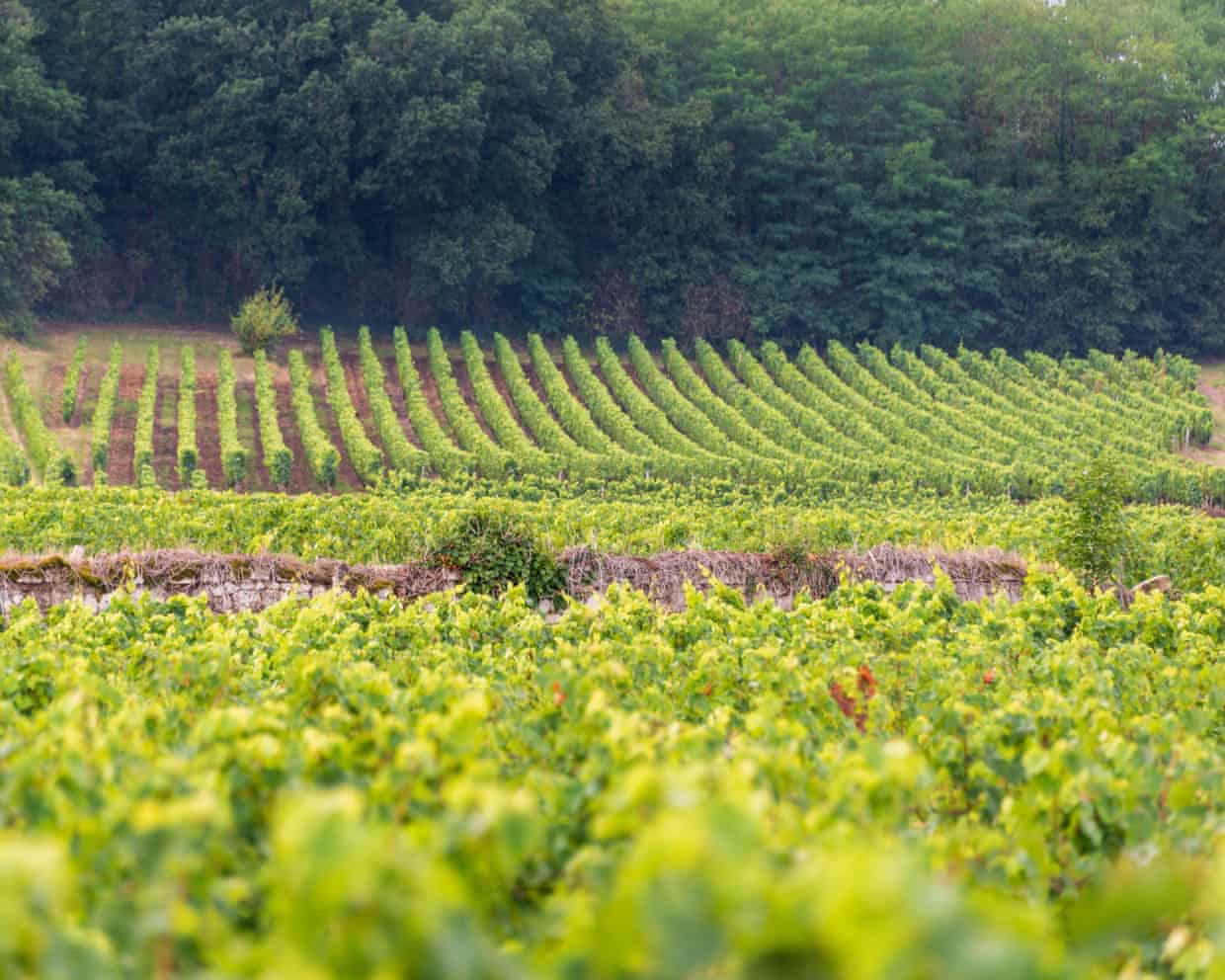
Can wine ever be good for you? The question has surely occurred to most of us after a night on the chȃteau de migraine, especially if we’ve read the increasingly dire warnings on alcohol consumption. Still, as with chocolate, a lot depends on what type of alcohol you drink. After all, a 90% cocoa solids situation is probably going to do less harm than, say, a family tub of Celebrations, and, while all alcohol is, I hate to break it to you, alcohol, there are definitely better choices you can make.The Guardian’s journalism is independent. We will earn a commission if you buy something through an affiliate link
Rachel Roddy’s recipe for risotto in bianco | A kitchen in Rome
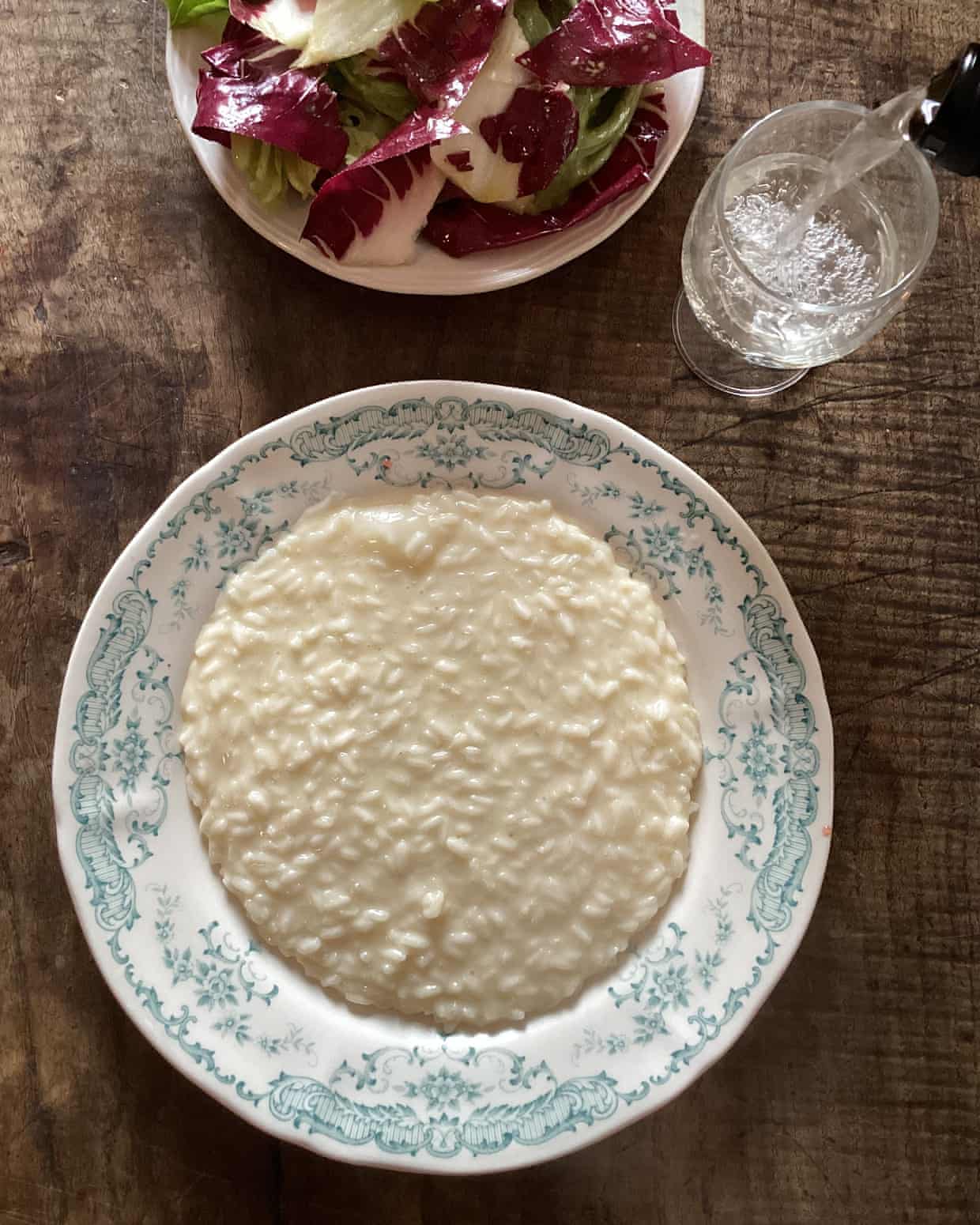
Parmigiano reggiano, grana padano, lodigiano, trentingrana and the other members of the grana-type cheese family (there are many, and all are worth seeking out) are far from cheap. Which is why it is important to use every last bit, including the rind with the last few millimetres of cheese still attached. That functions as a sort of highly flavoured and fatty stock cube that can be added to soups and stews. The best place to keep your precious rinds is in a plastic bag or airtight container in the freezer, which also preserves flavour and stops them drying out, until they’re pulled out and added directly to whatever needs a boost, or to make one of the nicest, most delicately flavoured and cheesy broths, which in turn makes a lovely risotto.I have written about risotto many times here, with each version a new favourite, and providing lessons in a dish that, regardless of how much I learn and practise, I am always chasing: the right proportions of rice to broth, as well as a pleasing consistency and texture

‘Highly problematic behavior’: Noma residency in LA starts with PR crisis
It was always going to be an indulgence for René Redzepi, the Danish-Albanian chef of Noma fame, to bring his exacting, innovative vision of haute cuisine to Los Angeles and spend several weeks tickling the palates of well-heeled diners at a hilltop estate once dubbed “the most beautiful home in Hollywood”.The Guardian’s journalism is independent. We will earn a commission if you buy something through an affiliate link. Learn more.The timing has certainly been unfortunate, since the US is now fighting a destabilizing war in the Middle East and food prices are climbing so steeply that many ordinary Americans can no longer afford to eat at McDonald’s, much less contemplate the counterintuitive delights of tacinga cactus, bougainvillea petals, mealworms and giant tuna eyes

Before sunrise: while Sydney sleeps, suhoor meals attract a lively social scene during Ramadan
Suhoor – the pre-dawn meal – is typically shared at home. But in Sydney customers also queue outside food trucks, restaurants and cafes with extended trading hoursIt’s just after midnight in an industrial courtyard in Auburn in Sydney’s west and a glow of string lights and the constant sizzle of a grill signal one of Ramadan’s newest late-night rituals. A food truck specialising in halal steak sandwiches has attracted a small crowd and a queue begins to form.The rest of the city is largely asleep but here the courtyard hums with life as young Muslims arrive in waves after evening taraweeh prayers, chatting and checking their phones as the clock edges closer to suhoor – the pre-dawn meal eaten during Ramadan before the day’s fast begins.Inside The Meat Up, a Lebanese husband-and-wife duo move quickly over the grill

Fake rooms, props and a script to lure victims: inside an abandoned Cambodia scam centre

Apple cuts China App Store commission fees after government pressure

Anthropic-Pentagon battle shows how big tech has reversed course on AI and war

AI toys for young children must be more tightly regulated, say researchers

‘IG is a drug’: jury to deliberate as US trial over social media addiction wraps up

Google’s former Europe boss close to becoming next head of BBC, sources say