Sir Ronnie Hampel obituary
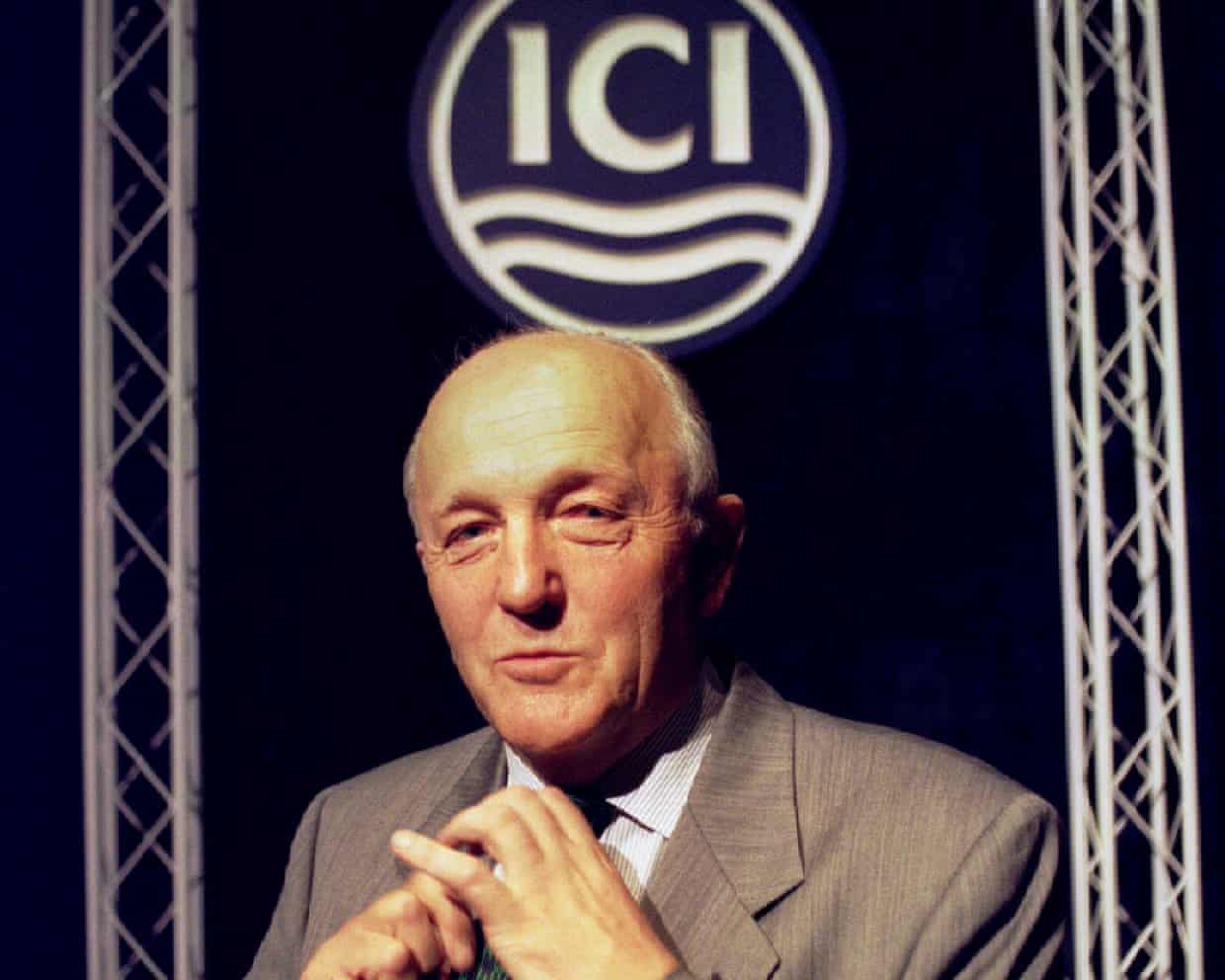
Ronnie Hampel was a businessman’s businessman, a major force in the reshaping of ICI, Britain’s largest manufacturing company, in the 1990s and in the birth of the pharmaceutical company Zeneca (now part of AstraZeneca), as well as a powerful influence on other company boards.He was exceptionally well-connected.His place at the heart of the UK business establishment as chairman of ICI – from 1995 to 1999 – was highlighted by his regular golfing four which included the then cabinet secretary, the chairman of BP and the permanent secretary of the Treasury.Hampel, who has died aged 93, joined ICI in 1955 – in those days the company was known as “the bellwether of British industry”.He learned fast in a range of posts in its sprawling divisions.
Traditionally, heavy chemicals dominated, but two home grown bioscience divisions – pharmaceuticals and plant protection – were emerging, and in 1965 Hampel joined plant protection.After a period in the US, in 1977 he was called back to London as general manager, commercial, a grooming position for rising talent.Responsible for dealings with ministers and government departments, he joined the government committee handling the effects of the 1978 lorry drivers’ strike, which threatened to bring industry to a halt.It gave him a taste for Whitehall contacts.In 1980 he was appointed chairman of the paints division, where his walkabout style encouraged staff, and he built a reputation for toughness backed by notably clear-minded intellectual challenge.
Three years later he took over at ICI Agrochemicals, and in 1985 he was appointed to the board.In that year ICI became the first British company to achieve a £1bn profit, reaching a record £1.5bn in 1989, but it needed more focus.Hampel was impatient for change and a more streamlined management than the consensual style under which ICI had operated previously.In September 1990 he headed one of two taskforces looking at the company’s structure; their conclusion – concentrate on seven businesses, and sell the others, including the fertiliser business.
But nine weeks after they reported, the acquisitive tycoon Lord (James) Hanson bought a 2.8% share, triggering an extraordinary phoney bidding war that was fought out in the press as much as in financial institutions.Hampel had admired Hanson, but now became a key member of the four-man team that led ICI’s successful counterattack.He personally reviewed tactics and press coverage at eight every morning, and commissioned the forensic examination of Hanson’s accounts, which turned the tide, with disclosures such as Hanson Trust’s undeclared purchase of racehorses.This cemented Hampel’s position.
He was made chief operating officer.More fundamentally, the challenge concentrated directors’ minds, forcing them to recognise that ICI was far less cohesive than they had fondly imagined.In February 1993, the company announced a split, with the bioscience businesses, renamed Zeneca, demerged.Hampel became chief executive and deputy chairman of ICI.But there were still too many businesses and not enough resource for investment.
For a while, to Hampel’s delight, ICI’s share price outpaced Zeneca’s, and there was a short-lived boom in heavy chemicals, but it was obvious that further change was needed.In 1995 Hampel became chairman and was knighted.ICI controversially turned to a non-executive director, Charles Miller Smith, a lifelong Unilever man, as chief executive.Miller Smith’s prescription was to bring in new managers from outside and spend £4.5bn on buying Unilever’s speciality chemicals business, paying the bill by selling off the more cyclical heavier ICI chemicals.
In retrospect, ICI paid too much and the firesale brought in too little.Hampel shared the blame for the stifling debt ICI incurred with this and subsequent transactions which led to its eventual break-up.As Miller Smith grappled with reconstruction, Hampel accepted a new challenge from the government, as chairman of the Hampel committee on corporate governance.Sir Richard Greenbury, chairman of the previous committee (which reported in 1995), with a mandate to consider executive pay, had been crucified by the press and Hampel was advised against.But he accepted, cannily briefed journalists to manage expectations, and ended with a recommendation which codified previous reports, notably Cadbury in 1992, but imposed few new obligations.
After leaving ICI in 1999, he became chair of United News and Media, clashing with its chief executive Lord (Clive) Hollick over disclosure of Hollick’s remuneration and persuading him to sell his television interests to Granada at what turned out to be the top of the market,But senior journalists on the Daily Express who had appreciated Hampel’s interest in the paper were dismayed when he sold it to Richard Desmond,ICI, meanwhile, was sold off piece by piece, though substantial parts of it still remain today – some heavier chemicals in Jim Ratcliffe’s Ineos, and paints, including its Dulux brand, in AkzoNobel,Its homegrown pharmaceutical business, demerged as Zeneca, is now part of the hugely successful AstraZeneca drugs company, justifying the decision made by Hampel and his colleagues to split it off,Born in Shrewsbury, Hampel was the son of Rutgard (nee Hauck) and her husband, Karl Hampel, an engineer who had come from Austria to build sugar mills in Britain in the 1920s following service in the first world war.
Ronnie and his two brothers were sent to board at Canford school in Dorset in the 40s, a tough environment for the children of German-speaking parents,During national service in the Royal Horse Artillery, he did not endear himself by announcing that his father had also been in the artillery – in the Austrian army,At Cambridge, where he studied modern languages and law at Corpus Christi College, he won a half-blue in tennis and laid the foundations of his formidable contacts book,His period in the US with ICI was from 1973, after he had been appointed to the board of the plant protection division,Under his aggressive driving style, the business grew rapidly along with his rapport with American businessmen.
Tennis and golf helped, and he became one of the first Britons outside the professional golfing circuit to become a member of the Augusta National club,In 1985 he became the board director responsible for the US, criss-crossing the Atlantic almost weekly,In 1957 he had married Jane Hewson, proposing 24 hours after meeting her,She was supportive but brooked no nonsense,Once refusing to partner him at tennis doubles because he always wanted to win, he protested, “What’s wrong with that – I don’t cry when I lose”.
“You damn near do”, she replied.Jane maintained their home in Sussex as Hampel transferred from one job to another.While at ICI he also became an active non-executive outside the company, notably at BAE Systems (formerly British Aerospace) for 13 years from 1989, where he confronted Roland Smith, the chairman, accusing him of running the company without proper consultation and faced down his threats of dismissal.He delighted in his active membership of the Wimbledon tennis committee.In retirement he was chair of the trustees of the Eden Project in Cornwall.
He had a house at Trevose, on the Cornish north coast – positioned, inevitably, close to the golf club entrance.He is survived by Jane and their four children, Katie, Andrew, Rupert and Peter.Ronald Claus Hampel, businessman, born 31 May 1932; died 26 February 2026

Billionaire Zara founder Amancio Ortega to receive €3.23bn dividend
The billionaire founder of Zara is to receive a company record €3.23bn (£2.8bn) dividend this year from the world’s biggest fashion retailer.Amancio Ortega, who still controls 59% of Spain’s Inditex and whose daughter Marta Ortega Pérez is now chair, will receive half his dividend in May and half in November – as will other shareholders.Inditex, which owns a raft of high street chains including Bershka, Massimo Dutti, Pull&Bear, Stradivarius and Oysho, said on Wednesday it would increase its dividend by 4% after a “robust operating performance” in 2025
Sir Ronnie Hampel obituary
Ronnie Hampel was a businessman’s businessman, a major force in the reshaping of ICI, Britain’s largest manufacturing company, in the 1990s and in the birth of the pharmaceutical company Zeneca (now part of AstraZeneca), as well as a powerful influence on other company boards.He was exceptionally well-connected. His place at the heart of the UK business establishment as chairman of ICI – from 1995 to 1999 – was highlighted by his regular golfing four which included the then cabinet secretary, the chairman of BP and the permanent secretary of the Treasury.Hampel, who has died aged 93, joined ICI in 1955 – in those days the company was known as “the bellwether of British industry”. He learned fast in a range of posts in its sprawling divisions
Will releasing millions of barrels of oil stockpiles really bring down fuel costs?
When the global economy was still in the grip of the devastating 1970s oil crises, exposing the chokehold exerted by a few important oil states, the International Energy Agency (IEA) was created, in the hope of limiting future shocks.Almost half a century on, the IEA’s 32 members have drawn up plans to hit the emergency button, for only the fifth time in its history.On Wednesday, the IEA said 400m barrels of emergency crude, a third of the group’s total government stockpiles, would be released to help calm the oil price shock triggered by the US-Israel war on Iran. It is the biggest release of oil reserves in its history.The cost of a barrel of crude oil quadrupled between October 1973 and January 1974, after members of the Opec cartel cut production; then fell back, before nearly trebling again in 1979, after the Iranian revolution
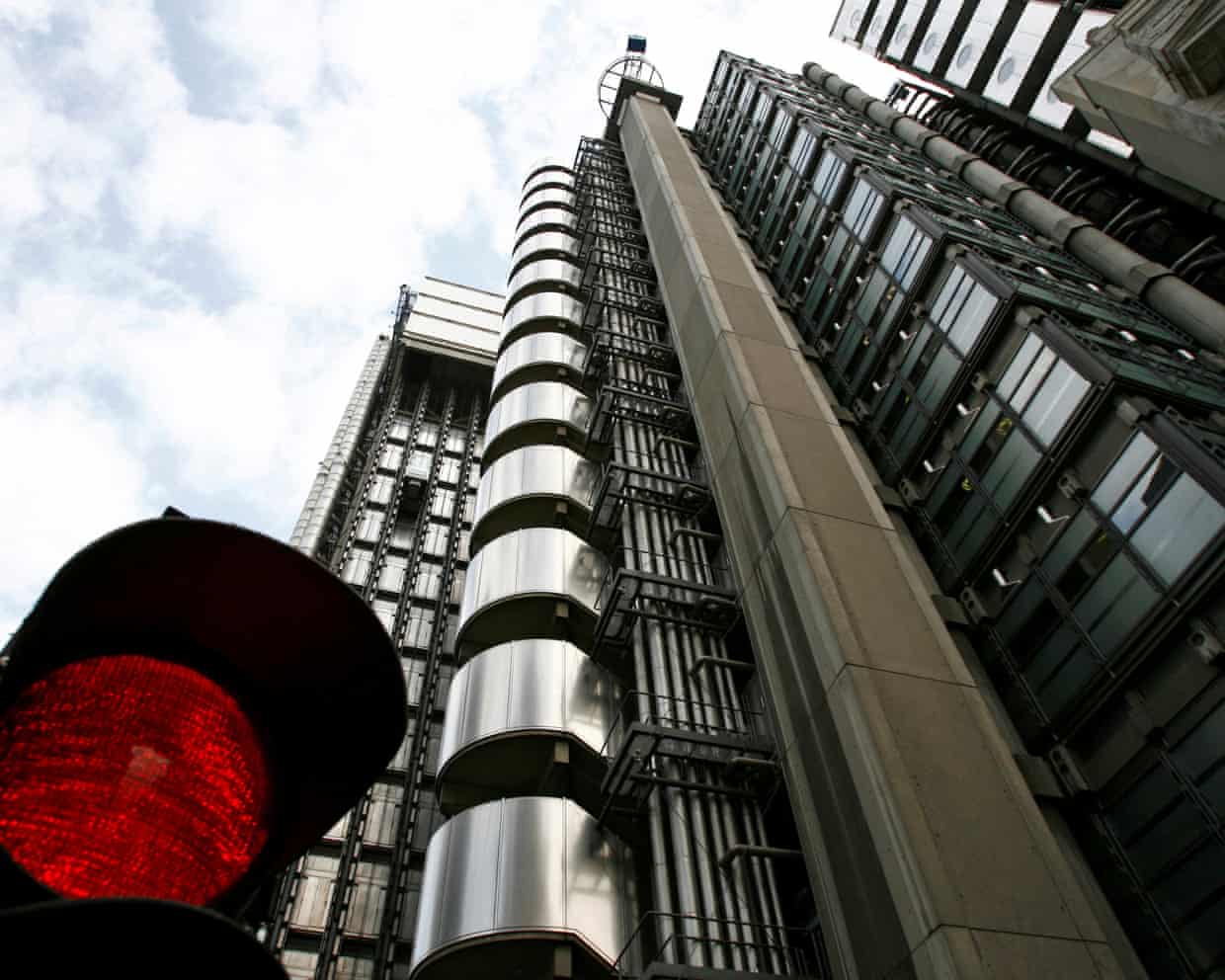
Lloyd’s of London stresses it is still insuring shipping in strait of Hormuz
There is a price for everything: even the cost of insuring a ship travelling through the strait of Hormuz.Donald Trump’s proposals for the US to provide political risk insurance for seaborne trade in the Gulf may have given the impression a lack of cover was the reason why traffic through the key waterway has almost halted.However, Lloyd’s of London, the heart of maritime insurance globally, emphasises it has not stopped providing contracts to those who ask – although at the right tariff.Fending off criticism over cancelled policies and sharp price rises, Lloyd’s said it still provided insurance cover for hull and cargo for vessels in the Persian Gulf and the Gulf of Oman, including in the strait of Hormuz. However, last week it extended the restricted areas where clients needed to notify insurers to agree an appropriate premium in terms of the risk
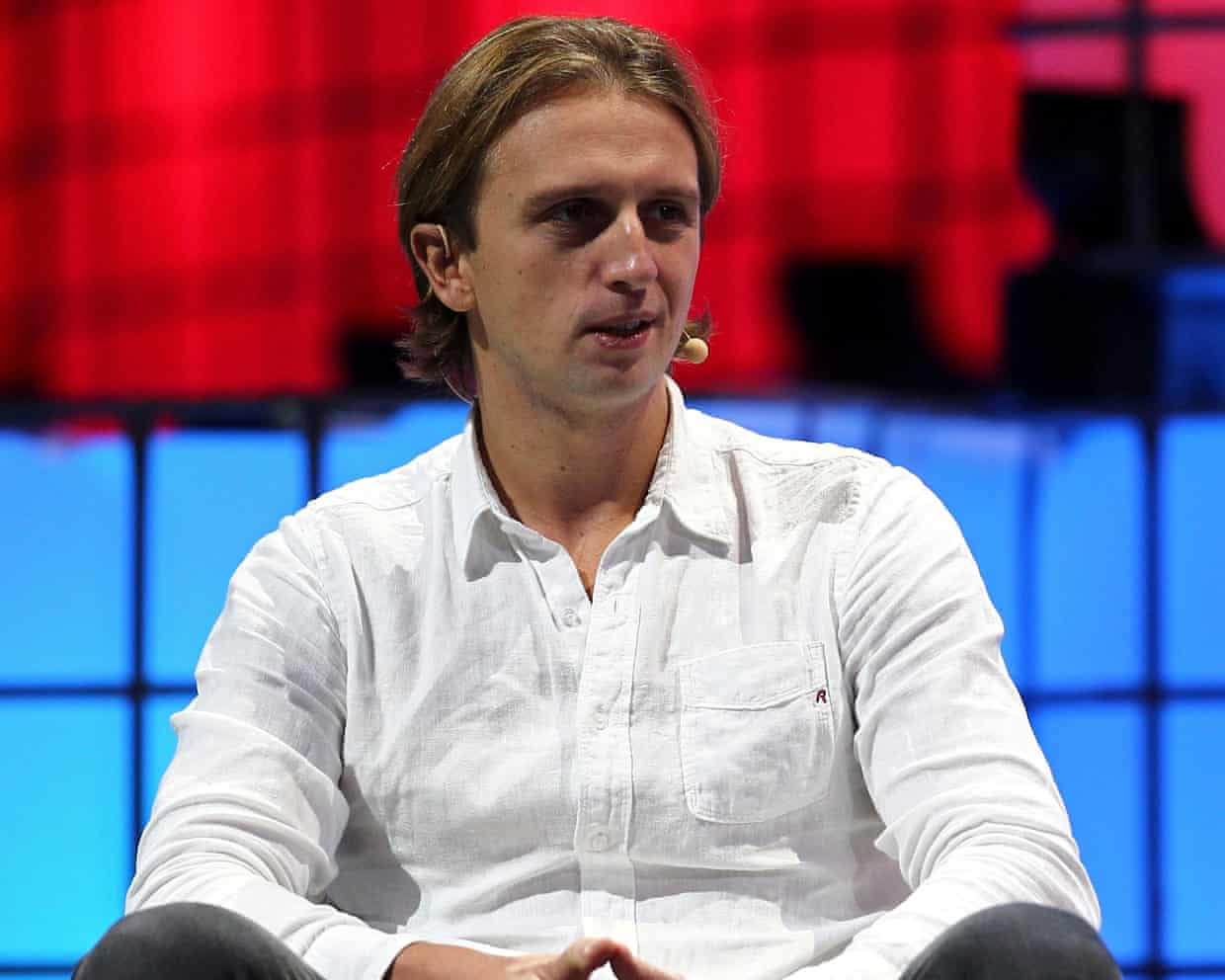
British fintech Revolut gets full banking licence
Revolut can finally launch as a fully fledged UK bank after a five-year wait for regulatory approval.The fintech said it had received the all-clear from the Prudential Regulation Authority (PRA) for a full banking licence, allowing it to offer accounts for retail and business customers.It will start introducing current accounts to a small number of new customers within days, the group said.The move follows Revolut being granted a UK banking licence – with “restrictions” – in 2024, having first lodged its application in 2021.Revolut bosses were said to have grown frustrated with UK regulators, who had been slow to grant a full licence allowing it to hold customer deposits and branch out into more lucrative products such as loans and mortgages
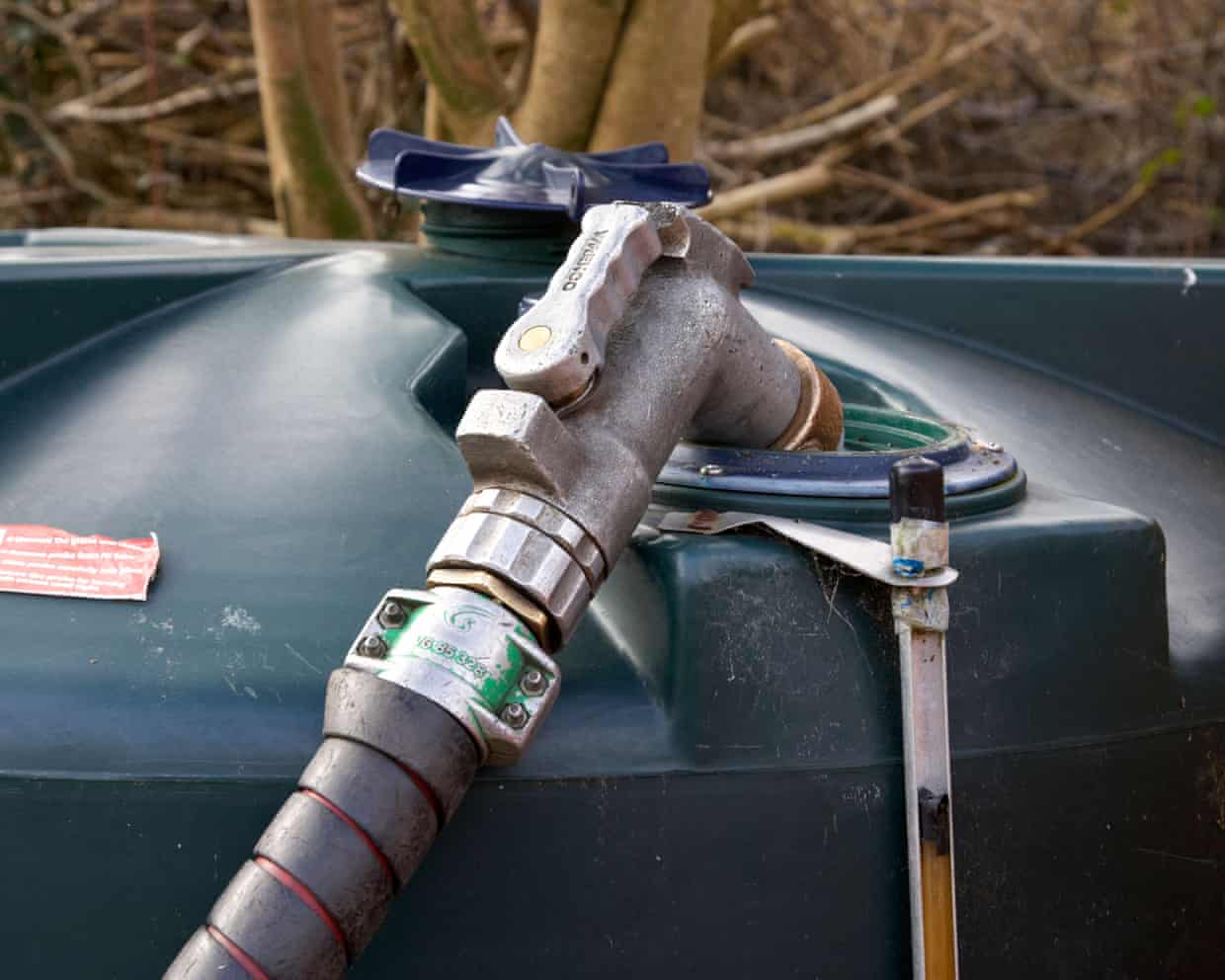
CMA to investigate heating oil suppliers over ‘blatant profiteering’ from Iran war
Heating oil suppliers are to be investigated by the competition watchdog after accusations that firms are “blatantly profiteering” from the conflict in the Middle East by doubling the prices they charge to households.The Competition and Markets Authority (CMA) said it had received “a number of concerning reports” in recent days from consumers reliant on heating oil about suppliers’ behaviour at a time of rising wholesale costs.About 1.7m households in the UK, mostly in rural areas that are not connected to the mains gas network, rely on heating oil to warm their homes, cook food and provide hot water.The CMA will look into consumer complaints about existing orders being cancelled, with customers then offered new quotes at significantly higher prices, and price increases for automated deliveries to customers that are triggered when the fuel in an oil tank drops to a certain level

At 56, I woke to silence: the strange, sudden loss that changed everything

Drug that prevents hot flushes to be available on NHS in England
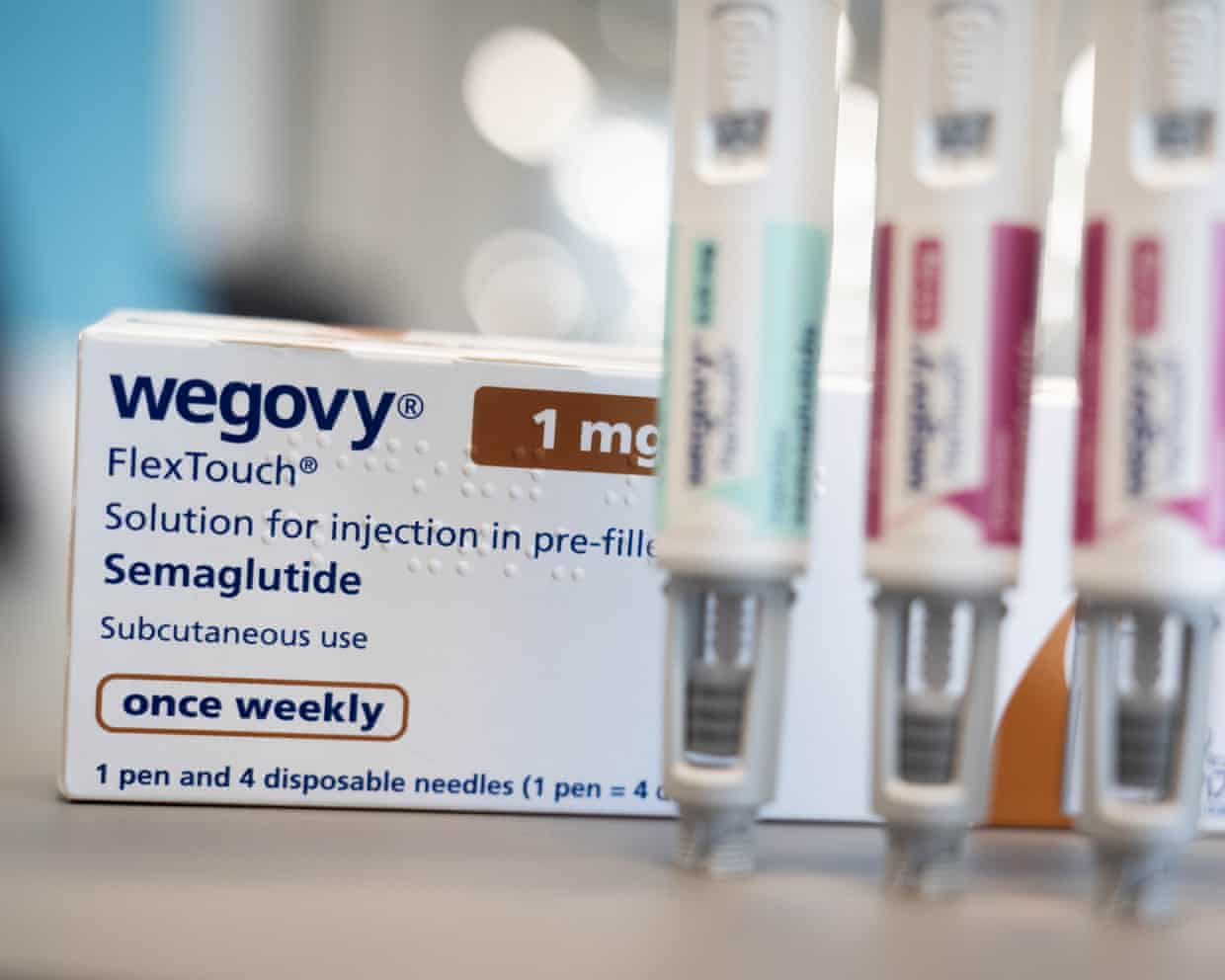
Wegovy users have five times greater risk of sudden sight loss than Ozempic users, study finds
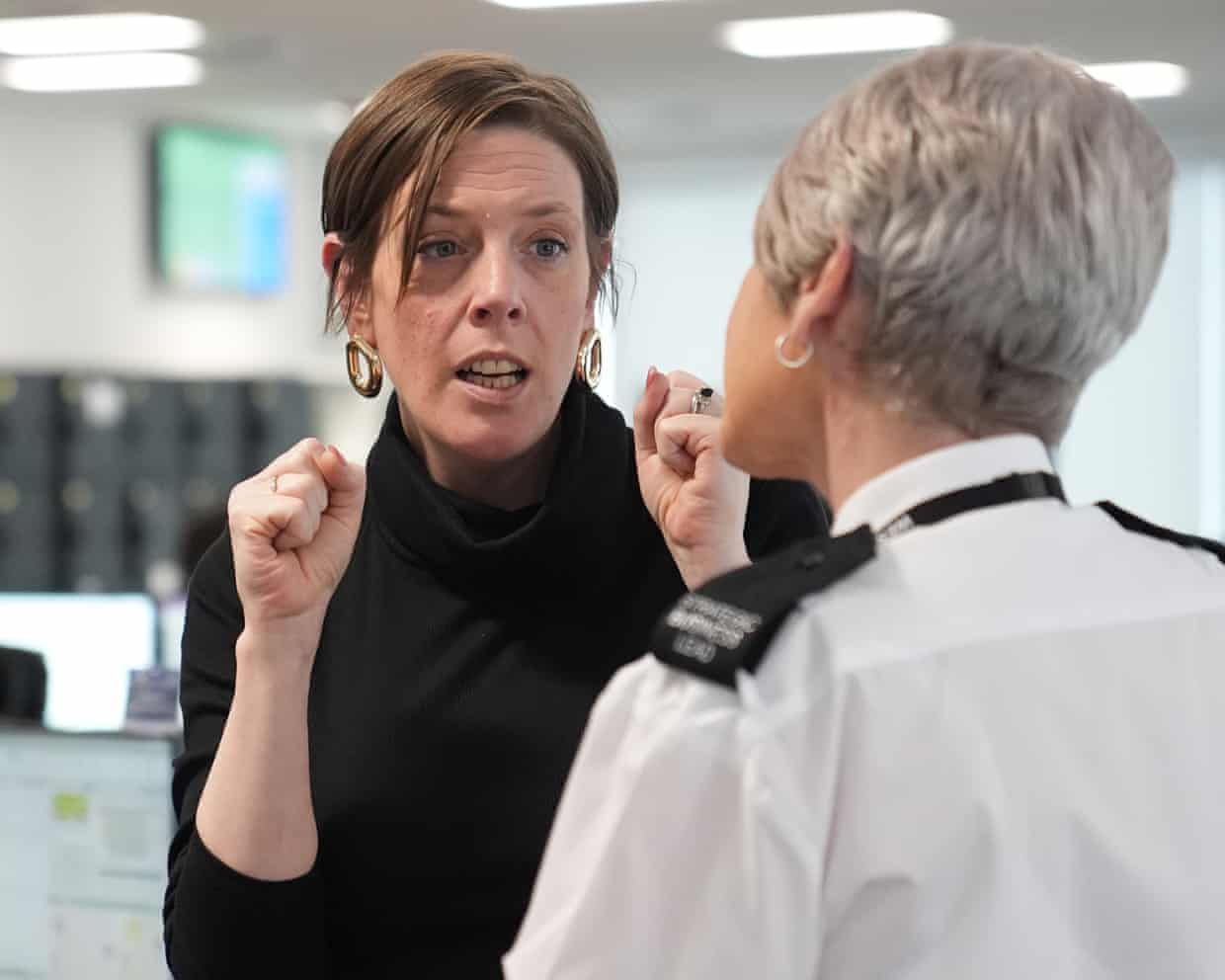
Jess Phillips reveals she is ‘victim of courts backlog’ as jury trial bill passes
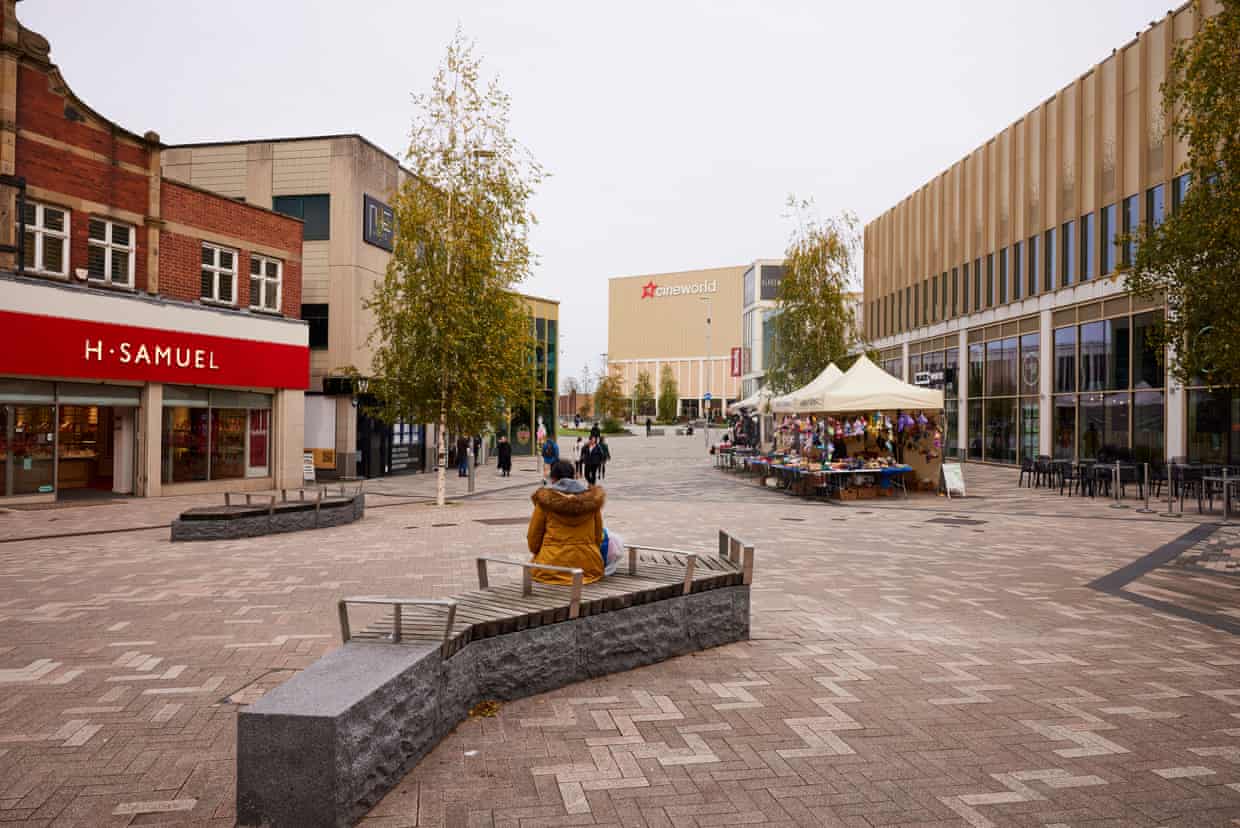
We need a national plan to tackle the health inequity that is killing people | Letters

Almost a third of people in England use private dentists amid NHS dental crisis