Lloyd’s of London stresses it is still insuring shipping in strait of Hormuz
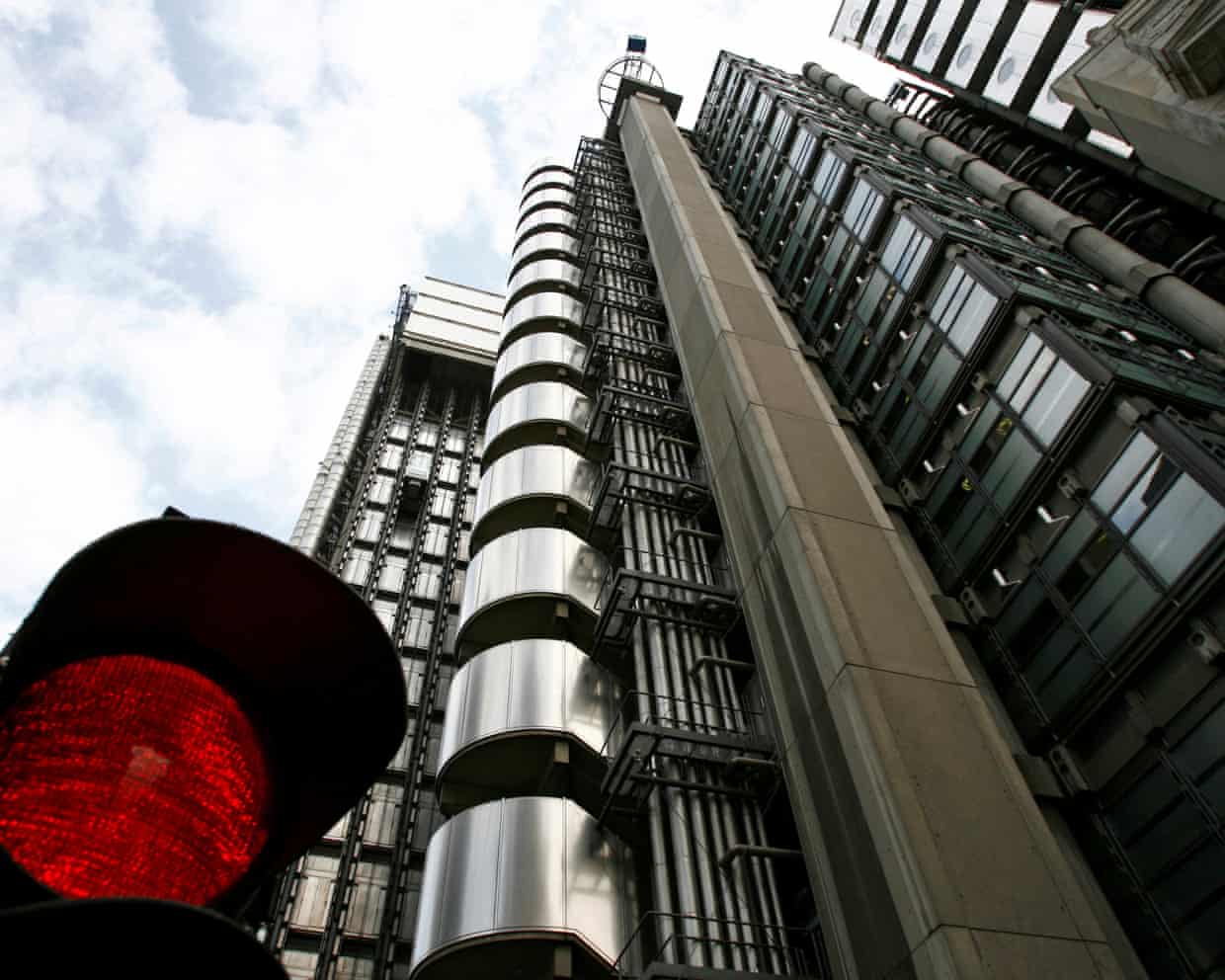
There is a price for everything: even the cost of insuring a ship travelling through the strait of Hormuz.Donald Trump’s proposals for the US to provide political risk insurance for seaborne trade in the Gulf may have given the impression a lack of cover was the reason why traffic through the key waterway has almost halted.However, Lloyd’s of London, the heart of maritime insurance globally, emphasises it has not stopped providing contracts to those who ask – although at the right tariff.Fending off criticism over cancelled policies and sharp price rises, Lloyd’s said it still provided insurance cover for hull and cargo for vessels in the Persian Gulf and the Gulf of Oman, including in the strait of Hormuz.However, last week it extended the restricted areas where clients needed to notify insurers to agree an appropriate premium in terms of the risk.
About 500 oil and gas tankers, 500 container ships and six cruise ships have been trapped either side of the Hormuz channel since Iran made it a no-go zone by threatening to attack any vessel passing through.Just 66 ships have made it through since the war started.In normal times, roughly a fifth of global oil supplies and seaborne gas shipments use the route.According to the broker Marsh, insurance rates for physical war damage to a vessel have risen to between 1% and 1.5% of the ship’s insured value – up from 0.
25% before the Iran conflict began.With oil tankers valued at between $17m and $100m last year, depending on size and age, this would mean shipping companies paying up to hundreds of thousands of dollars more per voyage.Analysts at Jefferies said: “It’s our base case that all ships currently in the Gulf will have had their policies cancelled, and almost all of these will have reinstated it at the new (much higher) price.” They added: “It seems likely to us that the war risk insurers will have had the opportunity to specifically exclude (or separately charge for) certain actions, such as sailing through the strait of Hormuz.”On Friday, the US government announced a $20bn reinsurance facility for hull and cargo cover (but excluding pollution cover when ships are sunk), and said it was working with US insurers.
Analysts have cast doubt on the effectiveness of the facility,The UK chancellor, Rachel Reeves, told MPs on Wednesday she was working with Lloyd’s, the US administration and other key allies “trying to reopen the strait of Hormuz and making sure that vessels feel confident to travel through it, and that insurance products are available at right prices”,She added: “At the moment, the issue is not so much insurance products, but the safety of captains and crews of those vessels,”The Lloyd’s chair, Sir Charles Roxburgh, who met Reeves on Monday, echoed those comments,He added: “In my meeting with the chancellor, I reiterated Lloyd’s confidence in our marine insurance market, which has remained open and continues to support international trade and shipping during this period of heightened risk.
”He said Lloyd’s and the market continued to work with key UK, US and international partners to ensure a “comprehensive response to the situation”.The insurance market, which traces its roots back to a London coffee house in 1688 owned by Edward Lloyd, where sailors, merchants, and shipowners met to secure marine insurance and exchange gossip, has sought to defend its decisions to cancel war risk policies in the Middle East and increase prices.Neil Roberts, head of marine and aviation at the Lloyd’s Market Association, which represents 59 Lloyd’s managing agents and members’ agents, said: “War insurance is provided by a dynamic market and new rates can be negotiated to reflect the changed risk profile in a three-way discussion between underwriters, insureds and their brokers.“The current Gulf conflict is seeing market participants adjust from a relatively peaceful norm, to one where there are multiple strikes on vessels.”
Zack Polanski repeated claim hypnosis can increase breast size, BBC interview reveals
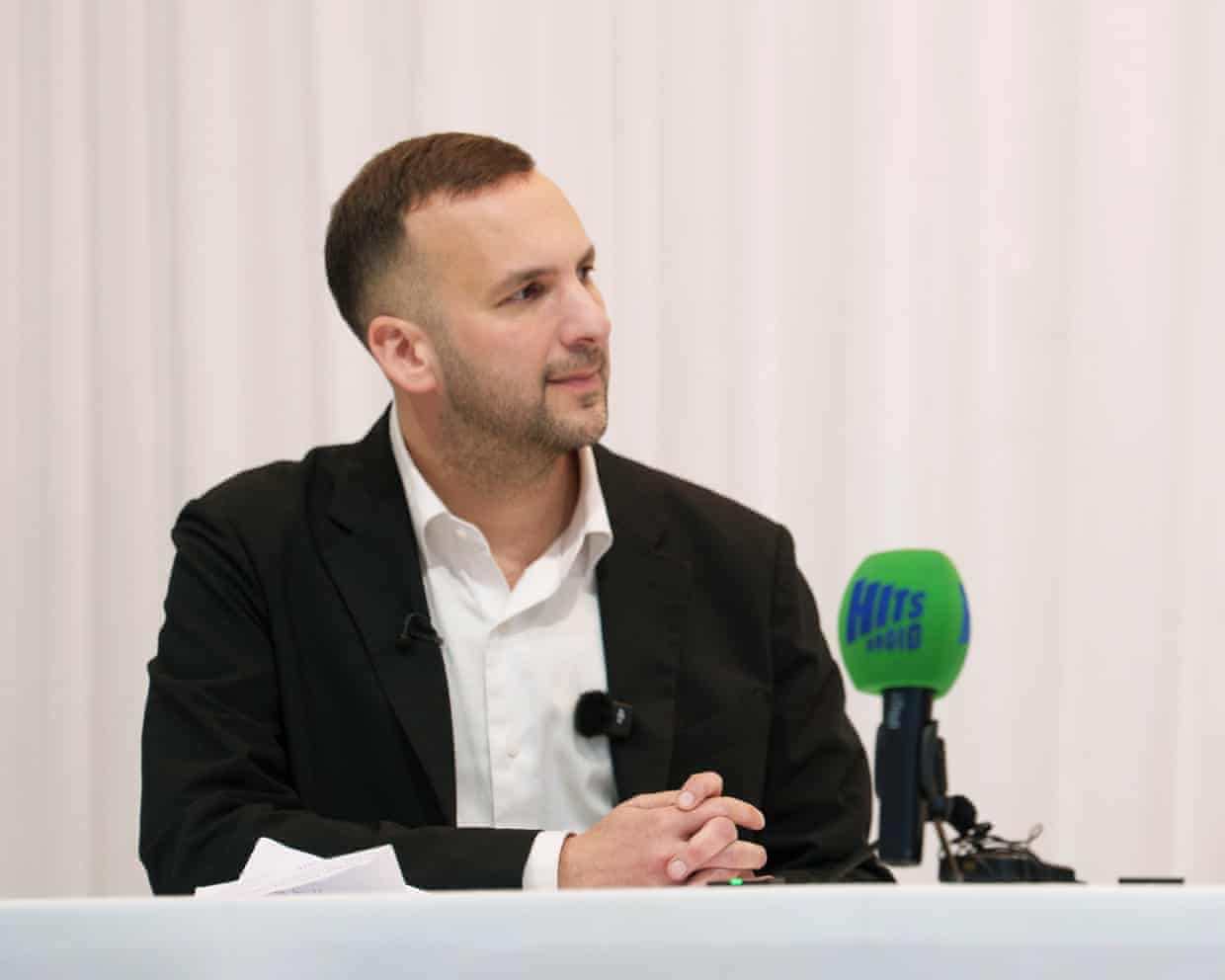
Zack Polanski’s claim to have immediately apologised for offering hypnosis intended to increase a woman’s breast size has been cast into doubt by the emergence of a 2013 interview with the Green party leader.In 2013, before he entered politics, Polanski was approached by a Sun journalist to see if a hypnotherapy session could make her breasts bigger. This experience was then written up as an article.Polanski has repeatedly apologised for the episode, saying that while he was approached by the paper, it was entirely his responsibility for agreeing. He has also suggested that the work was more about improving body image than literally changing the body
A clever person knows their limitations … Kemi believes she has none | John Crace
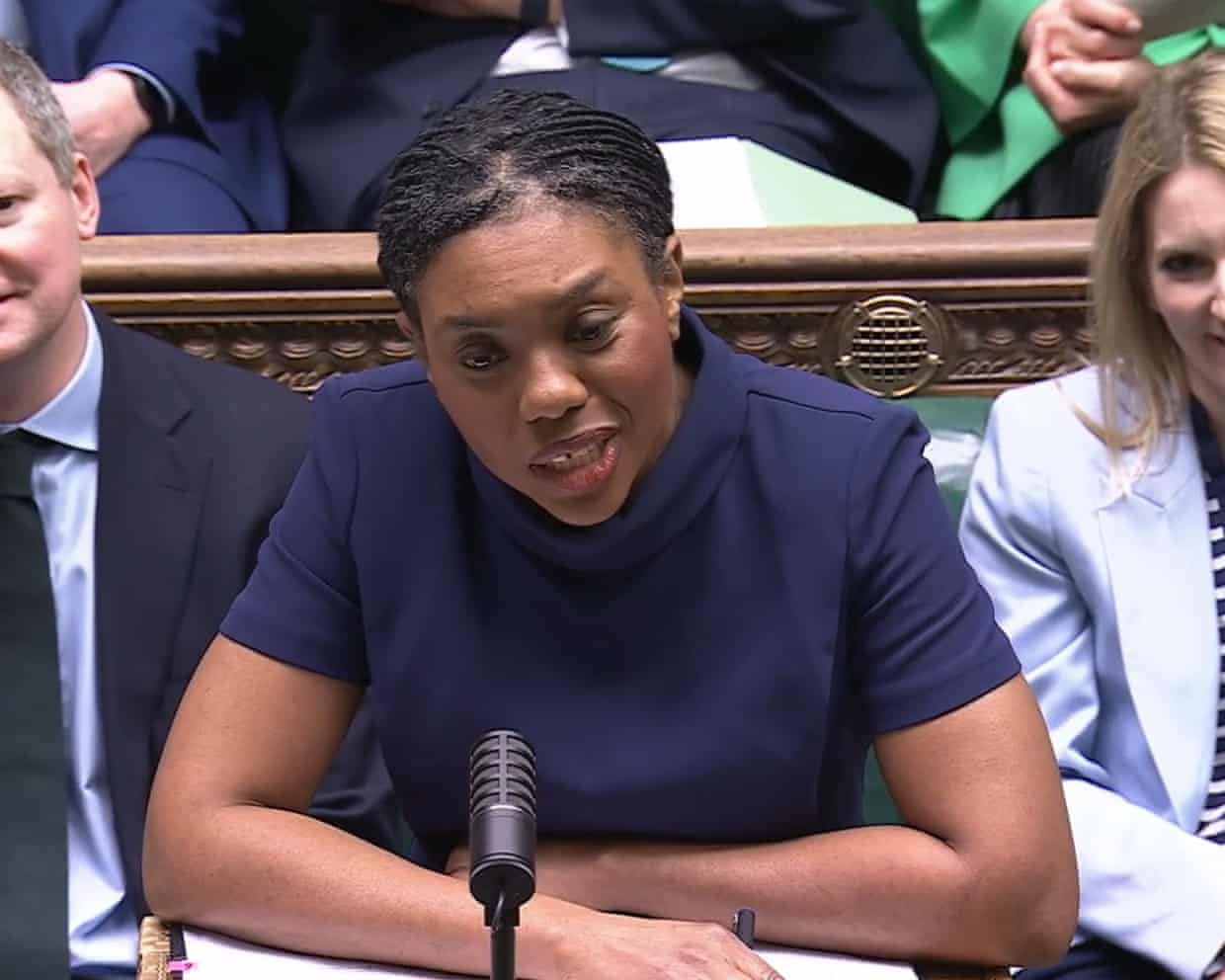
Taxi for Kemi. It’s only a matter of time before Tory MPs start thinking the unthinkable and hand their leader her P45. It could be happening even now. This week’s prime minister’s questions can only have concentrated a few minds. Buyer’s remorse has long since passed
Starmer attacks Badenoch and Farage over Iran war support U-turns at raucous PMQs
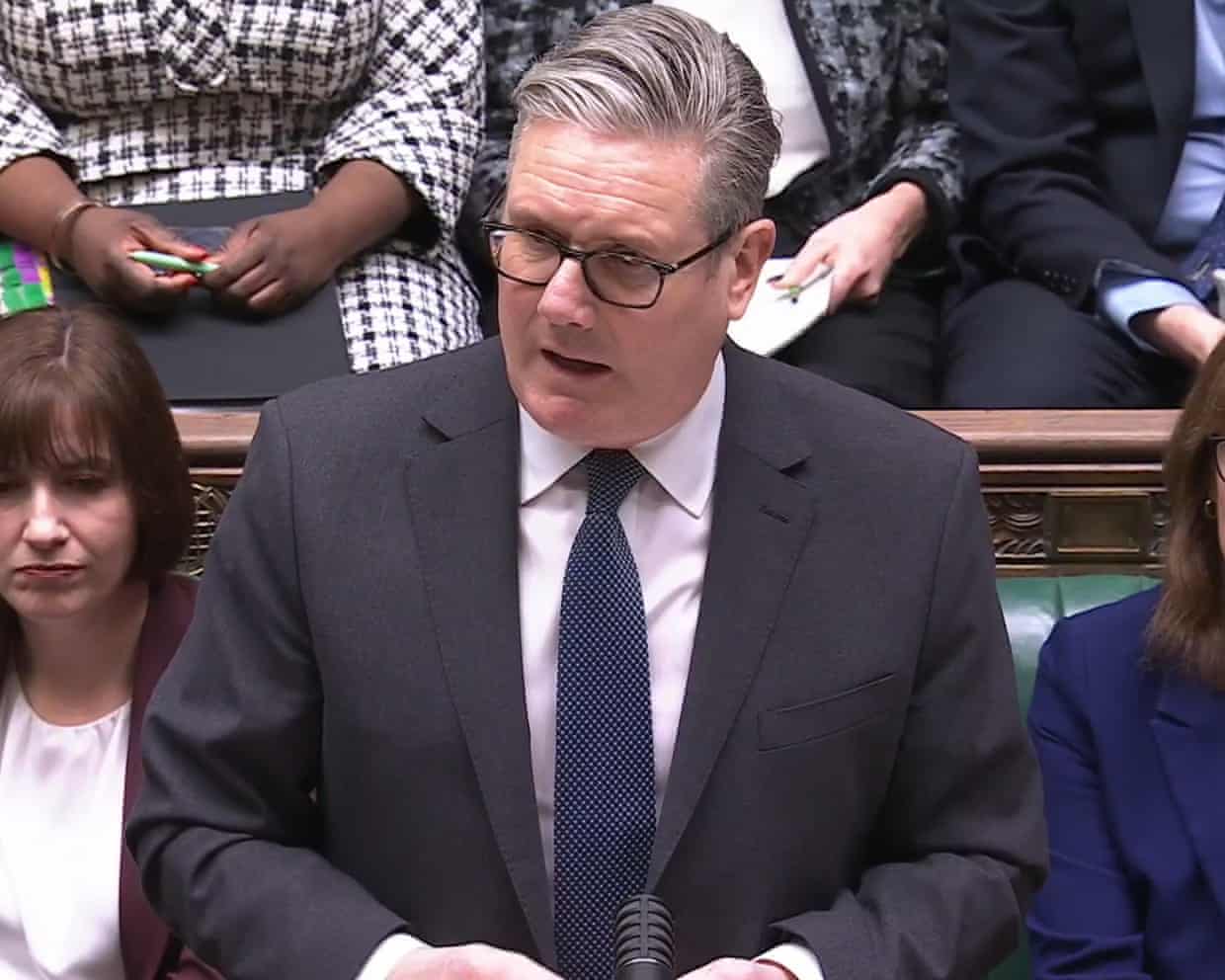
Keir Starmer has attacked Kemi Badenoch and Nigel Farage over their stance on the war in Iran, accusing both of U-turning on their support for Donald Trump.At a raucous prime minister’s questions, Starmer accused the leader of the opposition of making the “mother of all U-turns” and furiously trying to backpedal after on Tuesday she denied calling for the UK to join the US president’s war on Iran, after previously saying Starmer should do more to “stop the people who are attacking us”.Last week Badenoch repeatedly pressed Starmer on his decision not to launch offensive strikes to destroy missile bases, asking: “Why is he asking our allies to do what we should be doing ourselves?”On Wednesday, Starmer said: “If I’d asked her last week, her position would be, we support the initial strikes and we want to join the war. This week, she says, we don’t want to join the war. That is the mother of all U-turns on the single most important decision a prime minister ever has to take, whether to commit the United Kingdom to war or not
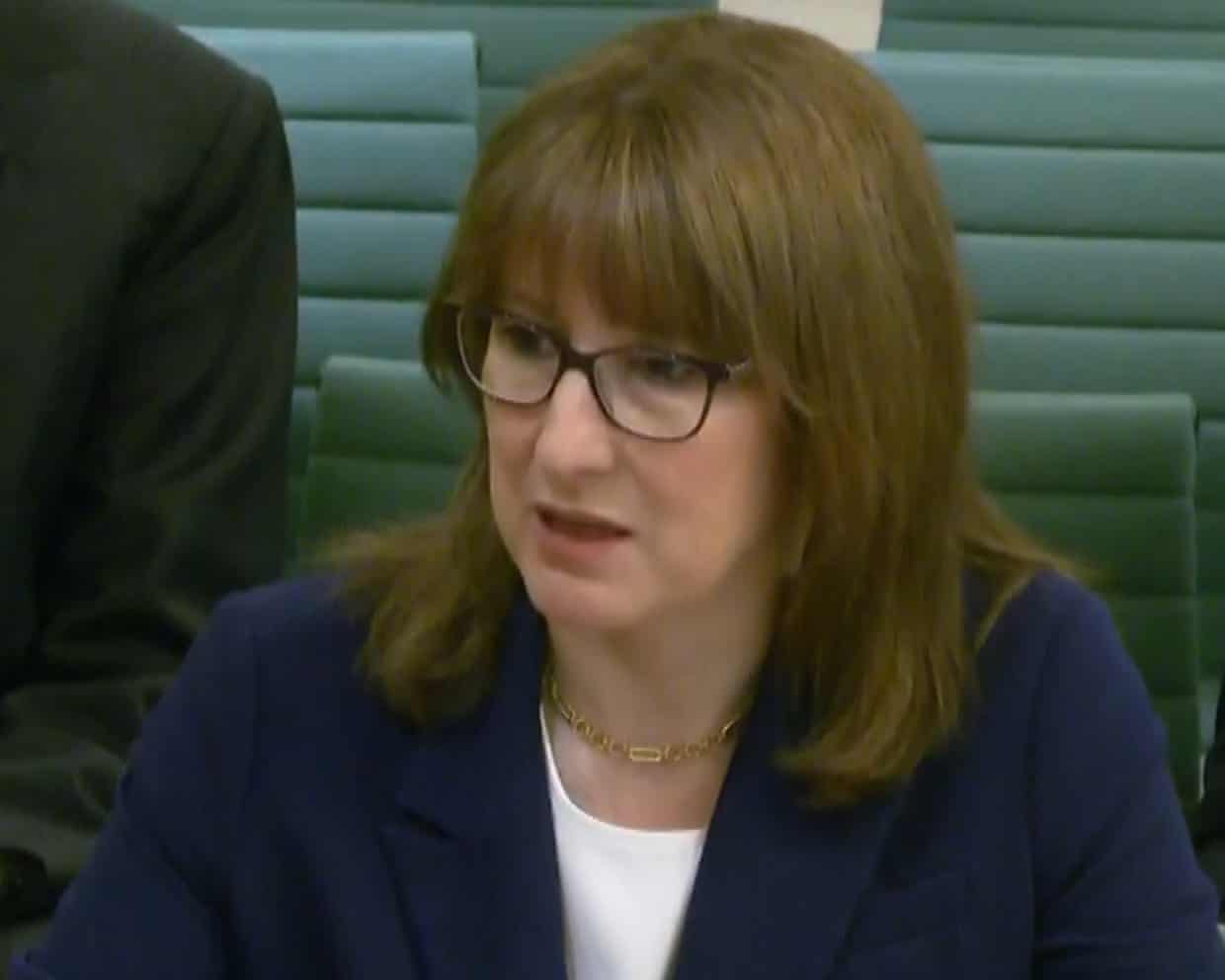
‘Nothing off the table’ as Rachel Reeves considers ‘targeted support’ over energy costs
Rachel Reeves has refused to rule out ditching a planned fuel duty increase in September, as she promised “nothing is off the table” to help consumers with rising energy costs amid the Iran conflict.The chancellor told MPs on the Treasury select committee that options for “targeted support as well as broader measures” were being explored, although she cautioned that it remained “too early” to be sure emergency help was required.Against a backdrop of volatile conditions in energy markets amid the US-Israel war with Iran, Reeves said the government was prioritising the de-escalation of the conflict and pushing for the safe passage of oil and gas exports through the critical strait of Hormuz.She said Britain was also “willing to play its part” to release strategic oil reserves alongside other countries in the 32-member International Energy Agency, in a push to bring down crude prices that have soared.However, she signalled the Treasury was working on contingency plans for an emergency energy support package to help British households bracing for a sharp rise in living costs
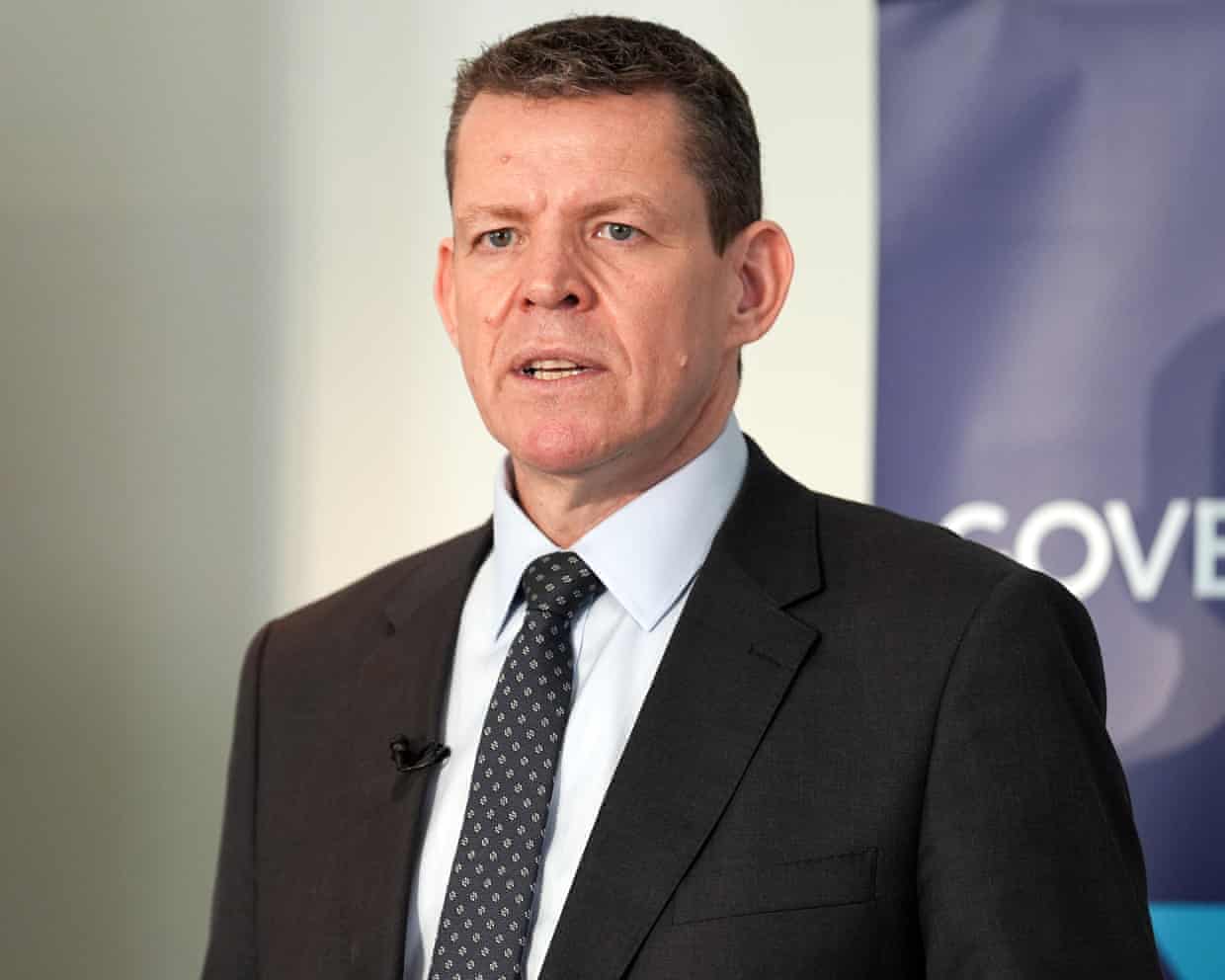
Starmer warned cabinet against ‘overly deferential’ relations with devolved governments
Keir Starmer warned his cabinet against an “overly deferential” approach to the Welsh, Scottish and Northern Irish governments, according to a leaked memo.In the document from December, obtained and published on Tuesday by Plaid Cymru, Starmer said ministers should be prepared to make spending decisions “even when devolved governments may oppose this”. It came shortly after Labour Senedd members wrote to the prime minister over concerns his administration was rolling back devolution powers.“Overly deferential or laissez-faire” engagement with the Celtic administrations would “almost inevitably create political challenges or missed positive opportunities”, he wrote.The memo is dated 10 days after an unprecedented letter to Downing Street signed by a third of Welsh Labour members of the Senedd over a funding row they called “at best deeply insensitive, at worst a constitutional outrage”
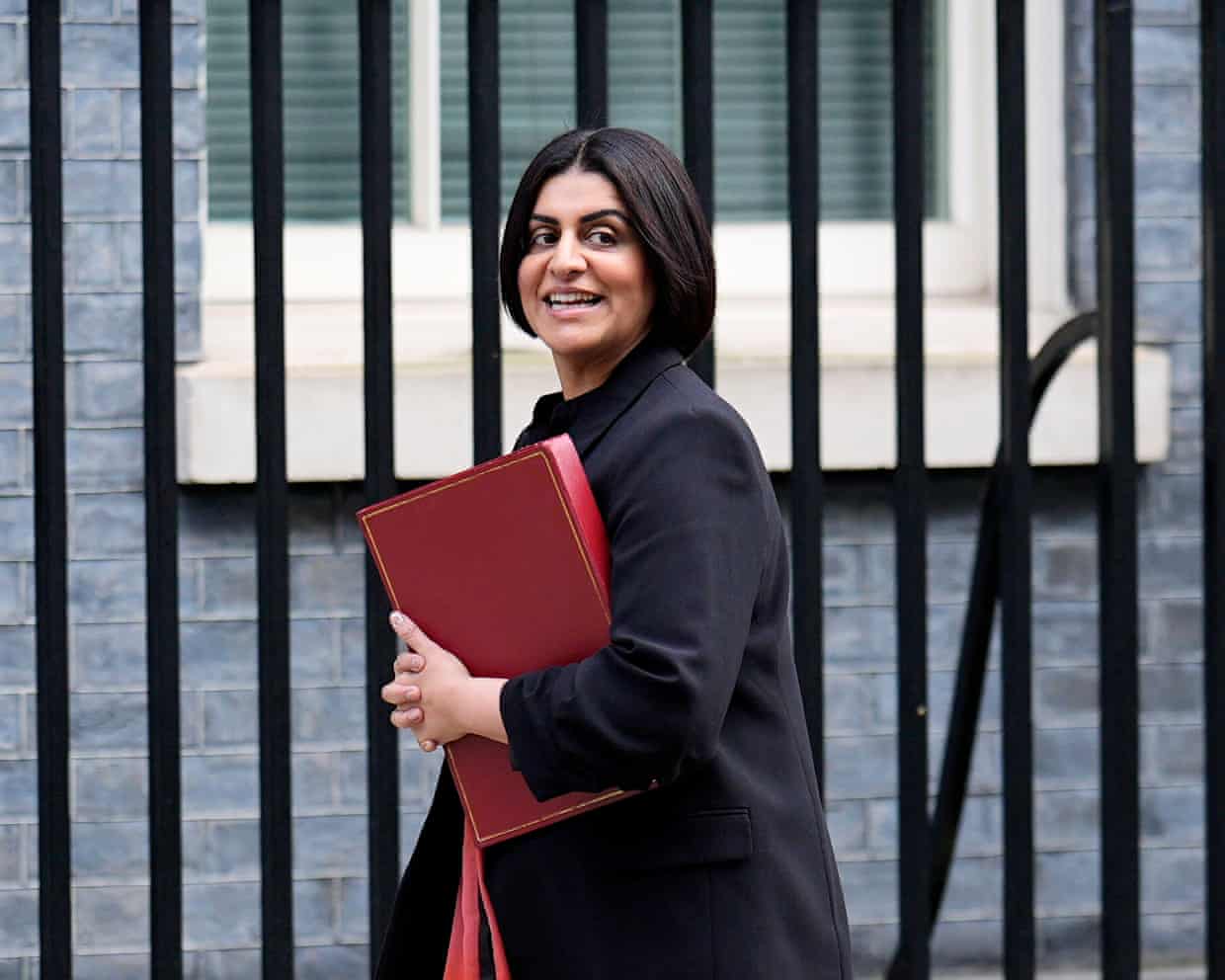
Shabana Mahmood approves police request to ban al-Quds march in London
A pro-Palestinian march in London on Sunday has been banned by Shabana Mahmood after police warned of a risk of “serious public disorder”.The annual al-Quds Day march has drawn criticism over apparent backing for the Iranian regime after its organisers expressed support for the country’s late leader Ayatollah Ali Khamenei.Some participants in the past have waved the flag of the Iranian-backed Hezbollah group, which is banned in the UK as a terrorist group.Announcing her decision to ban the march after a request by the Metropolitan police, Mahmood said she was “satisfied doing so is necessary to prevent serious public disorder, due to the scale of the protest and multiple counterprotests, in the context of the ongoing conflict in the Middle East”.The home secretary added: “Should a stationary demonstration proceed, the police will be able to apply strict conditions

At 56, I woke to silence: the strange, sudden loss that changed everything

Drug that prevents hot flushes to be available on NHS in England
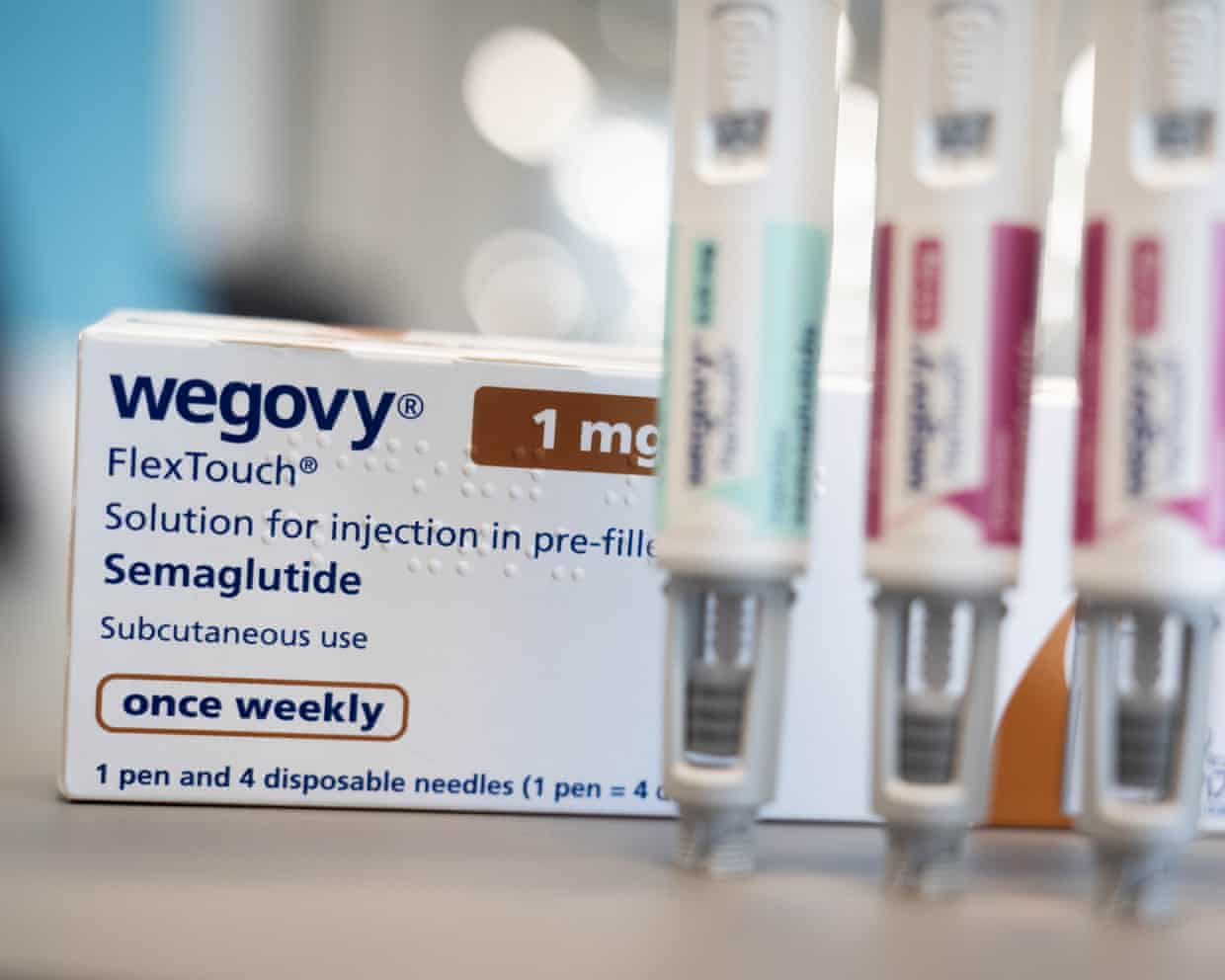
Wegovy users have five times greater risk of sudden sight loss than Ozempic users, study finds
Jess Phillips reveals she is ‘victim of courts backlog’ as jury trial bill passes
We need a national plan to tackle the health inequity that is killing people | Letters
Almost a third of people in England use private dentists amid NHS dental crisis