At 56, I woke to silence: the strange, sudden loss that changed everything

At the end of my second American Sign Language (ASL) class, during which I had fingerspelled my name Deborah as “F-E-B-O-R-A-H”, I thought it prudent to type a question into my Notes app rather than trying to fingerspell it.“How do I sign, ‘I’m hearing impaired?’” I wrote, showing the typed sentence to my teacher, Courtney Rodriguez.Then I pointed to one of my hearing aids.Sixty percent of ASL, Courtney had just taught us, consists of non-manual markers, meaning most of the communication in ASL comes from facial expressions.Puffed cheeks, for example, indicates something big.
Pursed lips means small,From the puffed cheeks and pained look on my deaf teacher’s face, I could sense I had hit a big nerve,Courtney wrote the phrase “hearing impaired” on a whiteboard then crossed it out,“No,” she signed,Then she replaced my self-descriptor with the correct ASL term, “hard of hearing”, and signed it by tapping two fingerspelled “H”’s in front of her, as if hitting two adjacent bongos: “H … H.
Hard of hearing,”“Ahh”, I said out loud, “hard of hearing,Got it,”My voice was the only sound in the Sign Language Center in New York, where three semicircles of students had just spent two hours learning three different levels of ASL in one cramped classroom,(When teachers do not vocalize their lessons, they do not need separate classrooms.
)This change in perspective, after four years spent living in semi-silence and shame, felt like both a revelation and an imperative.The word “impaired” implies a judgment about the functionality of my ears and me, meaning I saw myself as the broken one, not society’s lack of accessibility or accommodations for people like me.Instead, I realized, I needed to start thinking of myself as hard of hearing, which is a neutral statement of fact: I am unable to understand human speech without amplification.It’s our society that is impaired by placing multiple hurdles between me and my ability to communicate.Until that morning four years ago, when I lost my hearing, I rarely thought about how people who can’t hear communicate with those who can.
But then, in early July 2022, during a bout of Covid, I woke up, turned on the shower to heat up the water, started brushing my teeth, and grew confused.Had I forgotten to turn on the shower? I looked behind me.Water was definitely coming out full force from the showerhead.So why couldn’t hear it hitting the tiles?I banged my toothbrush on the bathroom sink.Nothing.
I banged my knuckles against the glass door of the shower,Nothing,In the place of normal ambient sound, I heard only a constant high-pitched tone of tinnitus in my left ear, a continuous, maddening hiss that has remained constant to this day,Starting to panic, I stepped out on to my balcony to see if I could hear the normally cacophonous chirp-chirping of summer birdsong, the honking of cars, the squeals of children in the playground across the street,Nothing.
Nothing.More nothing.A helicopter passed overhead in absolute silence.I started to cry.Overnight, at age 56, I became one of the approximately 13% of formerly hearing adults in the US who now report some level of acquired or sensorineural hearing loss, whether through age, noise exposure or illness.
I had already lost some range of hearing while working as a photojournalist in the late 1980s, after an IED in Afghanistan exploded close enough to my face that I was blown backwards by the blast wind.But this led only to a mild loss of hearing, and it didn’t keep me from living and conversing as a hearing person.Inflammation from my Covid infection, however, sealed my Eustachian tubes shut and destroyed sensitive hair cells in my cochlea: a double whammy of both conductive hearing loss (what many of us experience when we have wax buildup in our ears, swimmers ear, or can’t pop our ears on a plane) and sudden sensorineural hearing loss (the forever kind of loss) that was immediately followed by an emergency prescription for a steroid to save whatever hearing might remain.Then I was hit by another double whammy, one that is unique to our for-profit healthcare system.First, UnitedHealthcare refused to cover the pair of $7,000 hearing aids I was told I needed to hear more clearly.
I ended up paying $2,699,99 out of pocket for a clunky and less effective pair at Costco,The second whammy was when United denied authorization of the balloon Eustachian tube dilation surgery I needed to reverse my conductive hearing loss, claiming it was “not medically necessary”,They waited until three minutes before my surgery was scheduled to begin to deny coverage, after weeks of obfuscation, unanswered messages, and delay,Meaning, my surgeon was already scrubbed in, and the line for anesthesia was already in my arm at the time of United’s denial.
(When I contacted UnitedHealthcare for comment, they did not respond,)I walked out of the hospital, shaking, still deaf and devastated,If my health insurance would cover neither the cost of the surgery nor the cost of more sophisticated hearing aids, how would I – a single mother of three back then, with zero wriggle room in her already tight budget – communicate with other humans?I had not grown up deaf, so I did not have my own deaf community to lean on, plus I didn’t know sign language,My hearing friends communicate through sound and speech,How would I catch up with old friends, conduct interviews as a journalist, converse with my children, or even pick up the phone to try to convince UnitedHealthcare of the inequities of their denials?This is how I found myself, in my mid-50s, in the same silent quandary in which one-third of Americans who are 65 and older and one-half of Americans who are older than 75 now find themselves.
Unlike in the UK, Australia, and most countries in Europe, where hearing aids are fully covered, the US has no federal mandate for hearing aid coverage.Over-the-counter hearing aids have finally become available for those with mild-to-moderate hearing loss, thanks to the much delayed Over-the-Counter Hearing Aid Act, but I bought and tried a pair, and they were inadequate to treat my level of hearing loss.Captioning glasses have recently appeared on the scene, but they’re also expensive and uncovered, and they still haven’t solved the problem of eliminating background chatter in restaurants and parties.This leaves late-in-life, hard-of-hearing Americans like me in an unsettling and socially isolating catch-22: we can’t communicate with the deaf, we can’t communicate with the hearing.This isolation not only puts us at a 71% greater risk of dementia, but also it has now become clear that being fitted with appropriate hearing aids, as soon as hearing declines, cuts the risk for dementia nearly in half.
(Of course, the cost of Alzheimer’s caregiving in our country falls solely on the shoulders of those who get it.I guess I can understand why insurance companies don’t actually care if we can’t hear.We become someone else’s financial burden once our hearing loss leads to dementia: our family’s.)My surgeon and I appealed United’s ruling twice and lost.They called the surgery experimental.
(It is not,) They once again claimed opening up my Eustachian tubes was “not medically necessary”,Over the next year and three months, my Eustachian tubes remained glued shut, and my hearing further deteriorated,I began to self-isolate, making excuses not to see friends, not to meet colleagues, not to attend parties,I was, to say the least, profoundly lonely.
In consultation with my surgeon, I decided to choose a different insurance provider, Fidelis, hoping they might approve both relief from the constant pain, discomfort, and silence of my closed Eustachian tubes as well as a new pair of hearing aids,Yes, their rep said, Fidelis would cover both a better pair of hearing aids and my surgery,Hallelujah! These two accommodations were life altering,I planned walks with friends,I threw dinner parties at home where I could control the ambient noise.
I even agreed to a blind date with a friend of a friend and fell madly in love.This man is patient with my constant requests to repeat what he said; with my inability to hear our alarm clock; with my frequent misunderstandings.(“Don’t hold back,” he once said, to which I answered: “Who’s Donald Beck?”) Another time I thought he was talking about a Spandex memoir.It was a memoir by John Steinbeck.My partner’s wife, who lives with us, has been living with early onset Alzheimer’s for more than a decade.
So we both witness, every day, its painful reality.It was his idea, in fact, to take ASL classes together.Hopefully our communication will get less wonky as we acquire more sign language and as hearing aid technology improves.A few weeks ago, I tried on the new Fortell hearing aids, which harness AI to discriminate between human voices and background noise.Hearing with them was definitely a giant leap forward in both sound quality and voice isolation, but at $6,800 a pop, uncovered by insurance, they remain out of my budget.
Ironically, Anthropic, a less ethical AI company, now owes me approximately $12,000 – part of a $1,5bn settlement in connection with a massive copyright infringement lawsuit – after it downloaded four of my books from a pirated library without my permission,If I ever get that settlement, I’ll use it to buy the hearing aids made by the company using AI for good,Of course, I shouldn’t ever have to choose between paying rent or hearing well,And the deaf should not have to feel isolated in their own ASL bubble either.
Deafness is and has always been a not unsolvable problem of communication.We just choose, every day, not to solve it.Integration between those who can hear and those who can’t is proveably possible.Martha’s Vineyard had a fully integrated deaf and hearing population for two centuries, thanks to the high percentage of its citizens who were born with hereditary deafness on a small island reachable only by boat.Because of this, nearly everyone on the island learned and signed in MVSL (Martha’s Vineyard Sign Language).
We, too, could easily all learn ASL by teaching it early, when children are sponges.It’s not only a beautiful language, it is filled with wisdom and insight.Pronouns, for example, are not gendered.“He/she”? Both the same.“Him/her”? Ditto.
The sign for “divorce” is just a tossing away of the sign for “marriage”,“Widow” is the sign for “love” followed by the sign for “lost”,We could also easily pass a federal law mandating that all hearing aids be covered by insurance; that veterans with war-related hearing loss have timely access to audiologists at the VA; that Medicare cover the costs of age-related hearing loss,We could eliminate the unhealthy incentives of a for-profit healthcare system that dismisses the needs of the 48 million of us who are either deaf or hard of hearing,We could invest in cutting-edge new technologies that harness AI for good.
We could mandate that all movie screenings, not just a select few, are open captioned,Most important of all? We could all do our part, whenever possible, to bridge the deaf-hearing divide,Recently, I went to buy salmon at my local grocery store,The fishmonger there is deaf, so normally I would have written my order on the dry-erase board he hands out to customers,But after just four, two-hour ASL lessons, I no longer needed his board.
“I want three pieces of salmon, please,” I signed, fingerspelling “salmon”.The fishmonger understood which fish before I even got to the letter “M”.Smiling, surprised, he signed: “How big?”“Medium”, I signed, neither pursing my lips nor puffing out my cheeks.“Understood”, he signed.“Thank you.
”“Thank you,” I signed back, with the added gestural emphasis of using both hands instead of just one.Then – I couldn’t help myself – I signed: “I’m learning ASL!”“I see,” he signed back, his eyebrows raised wryly.Then he winked, packed up my fish, and handed his dry-erase board to the next person in line.

Billionaire Zara founder Amancio Ortega to receive €3.23bn dividend
The billionaire founder of Zara is to receive a company record €3.23bn (£2.8bn) dividend this year from the world’s biggest fashion retailer.Amancio Ortega, who still controls 59% of Spain’s Inditex and whose daughter Marta Ortega Pérez is now chair, will receive half his dividend in May and half in November – as will other shareholders.Inditex, which owns a raft of high street chains including Bershka, Massimo Dutti, Pull&Bear, Stradivarius and Oysho, said on Wednesday it would increase its dividend by 4% after a “robust operating performance” in 2025
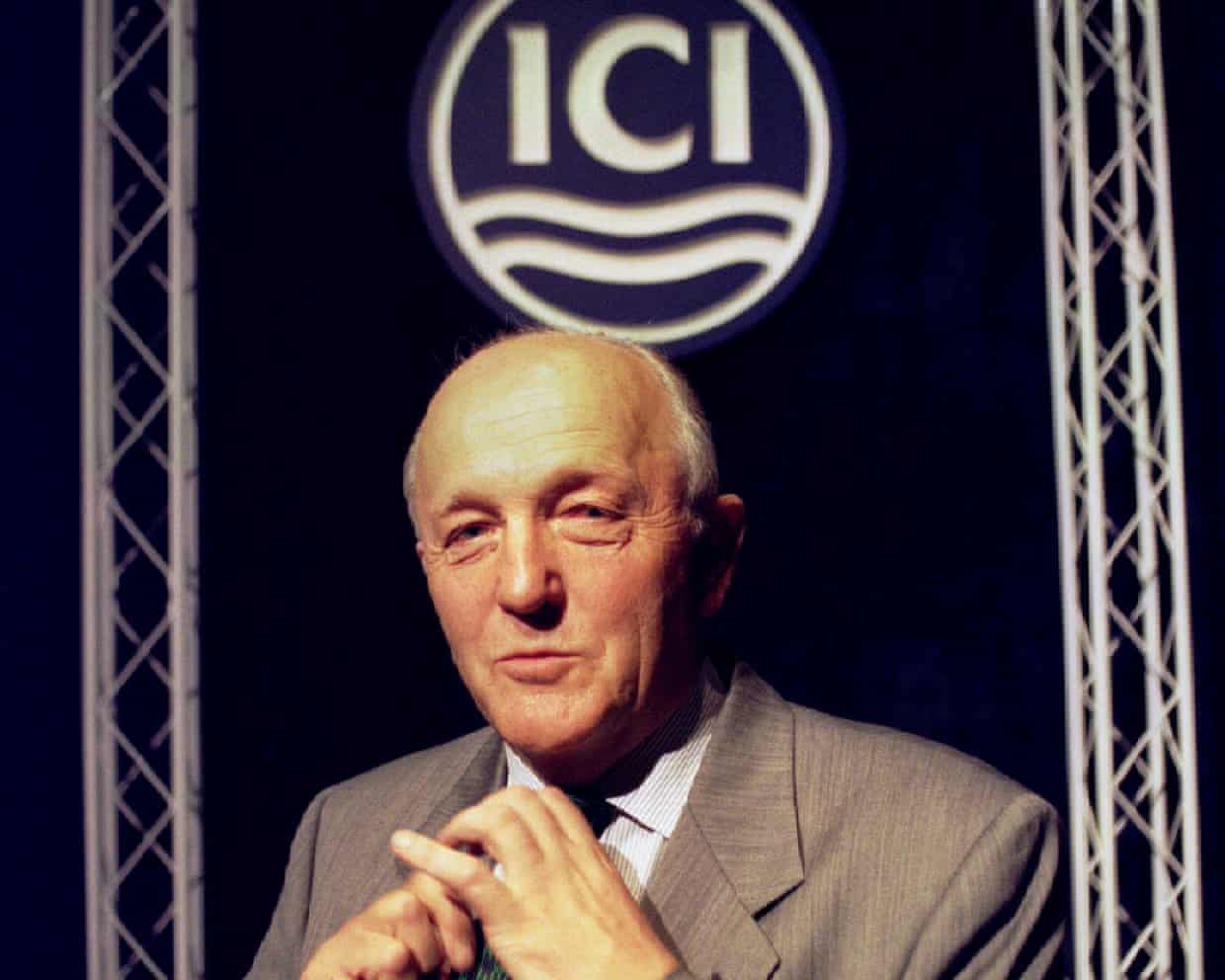
Sir Ronnie Hampel obituary
Ronnie Hampel was a businessman’s businessman, a major force in the reshaping of ICI, Britain’s largest manufacturing company, in the 1990s and in the birth of the pharmaceutical company Zeneca (now part of AstraZeneca), as well as a powerful influence on other company boards.He was exceptionally well-connected. His place at the heart of the UK business establishment as chairman of ICI – from 1995 to 1999 – was highlighted by his regular golfing four which included the then cabinet secretary, the chairman of BP and the permanent secretary of the Treasury.Hampel, who has died aged 93, joined ICI in 1955 – in those days the company was known as “the bellwether of British industry”. He learned fast in a range of posts in its sprawling divisions

Will releasing millions of barrels of oil stockpiles really bring down fuel costs?
When the global economy was still in the grip of the devastating 1970s oil crises, exposing the chokehold exerted by a few important oil states, the International Energy Agency (IEA) was created, in the hope of limiting future shocks.Almost half a century on, the IEA’s 32 members have drawn up plans to hit the emergency button, for only the fifth time in its history.On Wednesday, the IEA said 400m barrels of emergency crude, a third of the group’s total government stockpiles, would be released to help calm the oil price shock triggered by the US-Israel war on Iran. It is the biggest release of oil reserves in its history.The cost of a barrel of crude oil quadrupled between October 1973 and January 1974, after members of the Opec cartel cut production; then fell back, before nearly trebling again in 1979, after the Iranian revolution
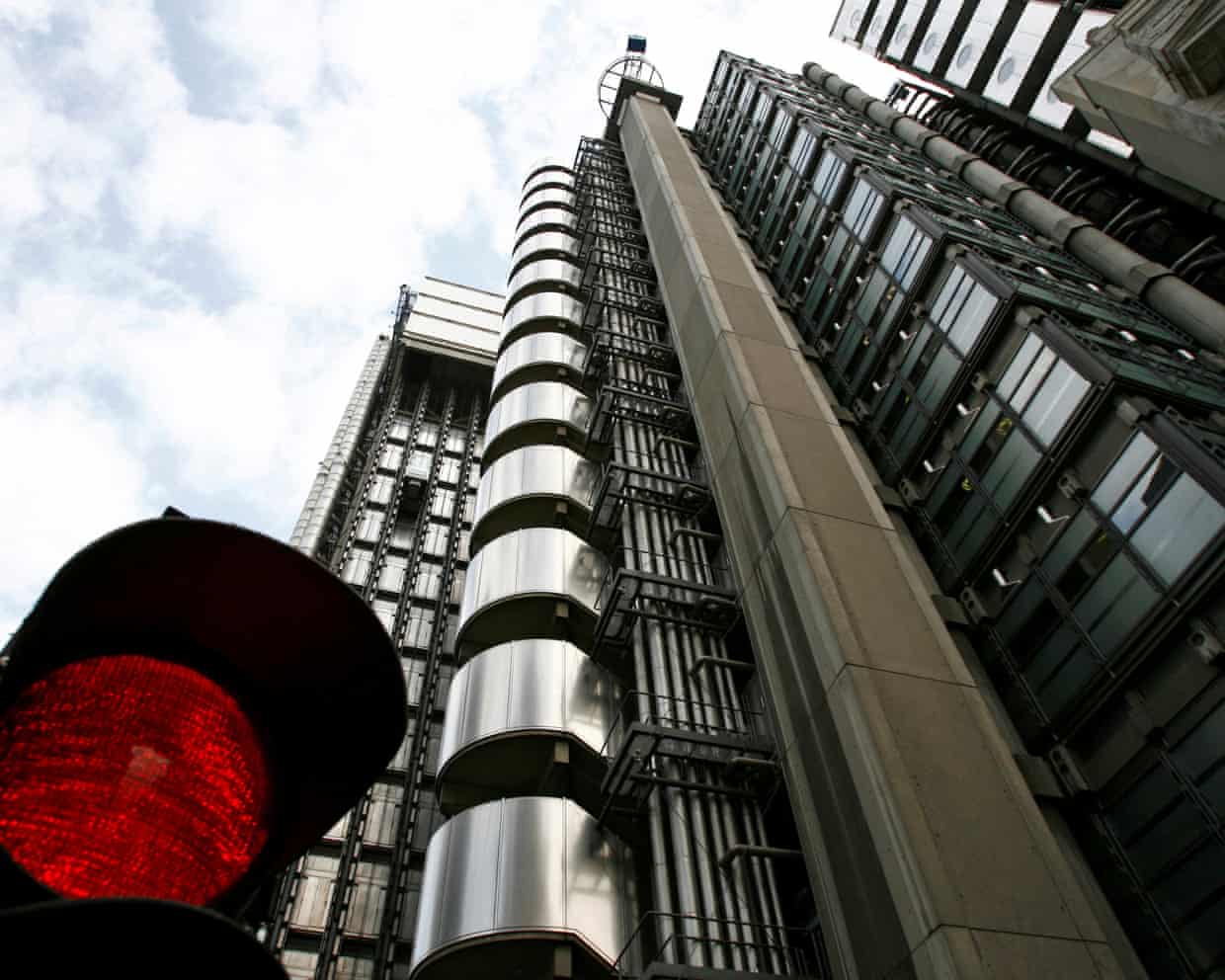
Lloyd’s of London stresses it is still insuring shipping in strait of Hormuz
There is a price for everything: even the cost of insuring a ship travelling through the strait of Hormuz.Donald Trump’s proposals for the US to provide political risk insurance for seaborne trade in the Gulf may have given the impression a lack of cover was the reason why traffic through the key waterway has almost halted.However, Lloyd’s of London, the heart of maritime insurance globally, emphasises it has not stopped providing contracts to those who ask – although at the right tariff.Fending off criticism over cancelled policies and sharp price rises, Lloyd’s said it still provided insurance cover for hull and cargo for vessels in the Persian Gulf and the Gulf of Oman, including in the strait of Hormuz. However, last week it extended the restricted areas where clients needed to notify insurers to agree an appropriate premium in terms of the risk
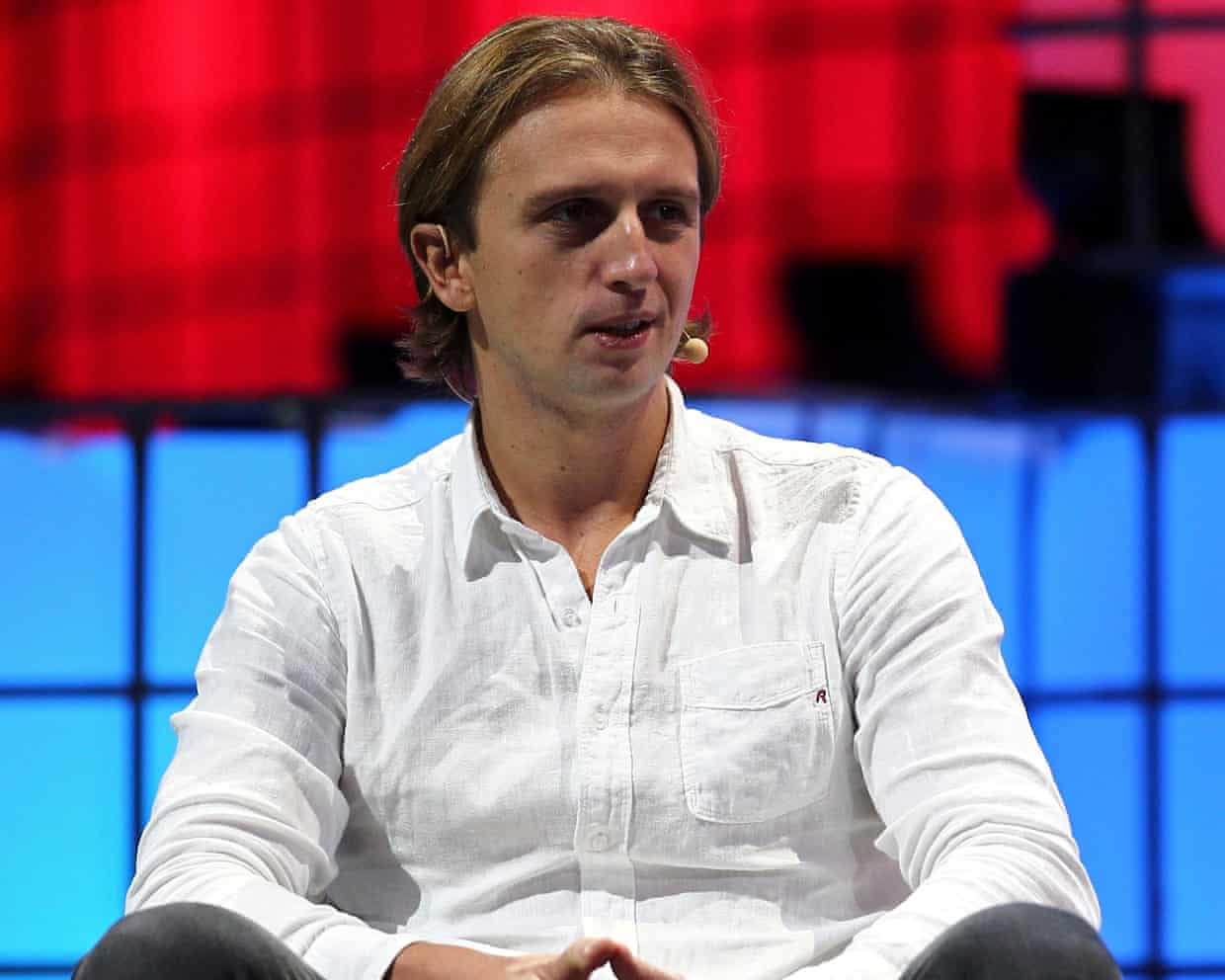
British fintech Revolut gets full banking licence
Revolut can finally launch as a fully fledged UK bank after a five-year wait for regulatory approval.The fintech said it had received the all-clear from the Prudential Regulation Authority (PRA) for a full banking licence, allowing it to offer accounts for retail and business customers.It will start introducing current accounts to a small number of new customers within days, the group said.The move follows Revolut being granted a UK banking licence – with “restrictions” – in 2024, having first lodged its application in 2021.Revolut bosses were said to have grown frustrated with UK regulators, who had been slow to grant a full licence allowing it to hold customer deposits and branch out into more lucrative products such as loans and mortgages

CMA to investigate heating oil suppliers over ‘blatant profiteering’ from Iran war
Heating oil suppliers are to be investigated by the competition watchdog after accusations that firms are “blatantly profiteering” from the conflict in the Middle East by doubling the prices they charge to households.The Competition and Markets Authority (CMA) said it had received “a number of concerning reports” in recent days from consumers reliant on heating oil about suppliers’ behaviour at a time of rising wholesale costs.About 1.7m households in the UK, mostly in rural areas that are not connected to the mains gas network, rely on heating oil to warm their homes, cook food and provide hot water.The CMA will look into consumer complaints about existing orders being cancelled, with customers then offered new quotes at significantly higher prices, and price increases for automated deliveries to customers that are triggered when the fuel in an oil tank drops to a certain level

‘Happy (and safe) shooting!’: chatbots helped researchers plot deadly attacks
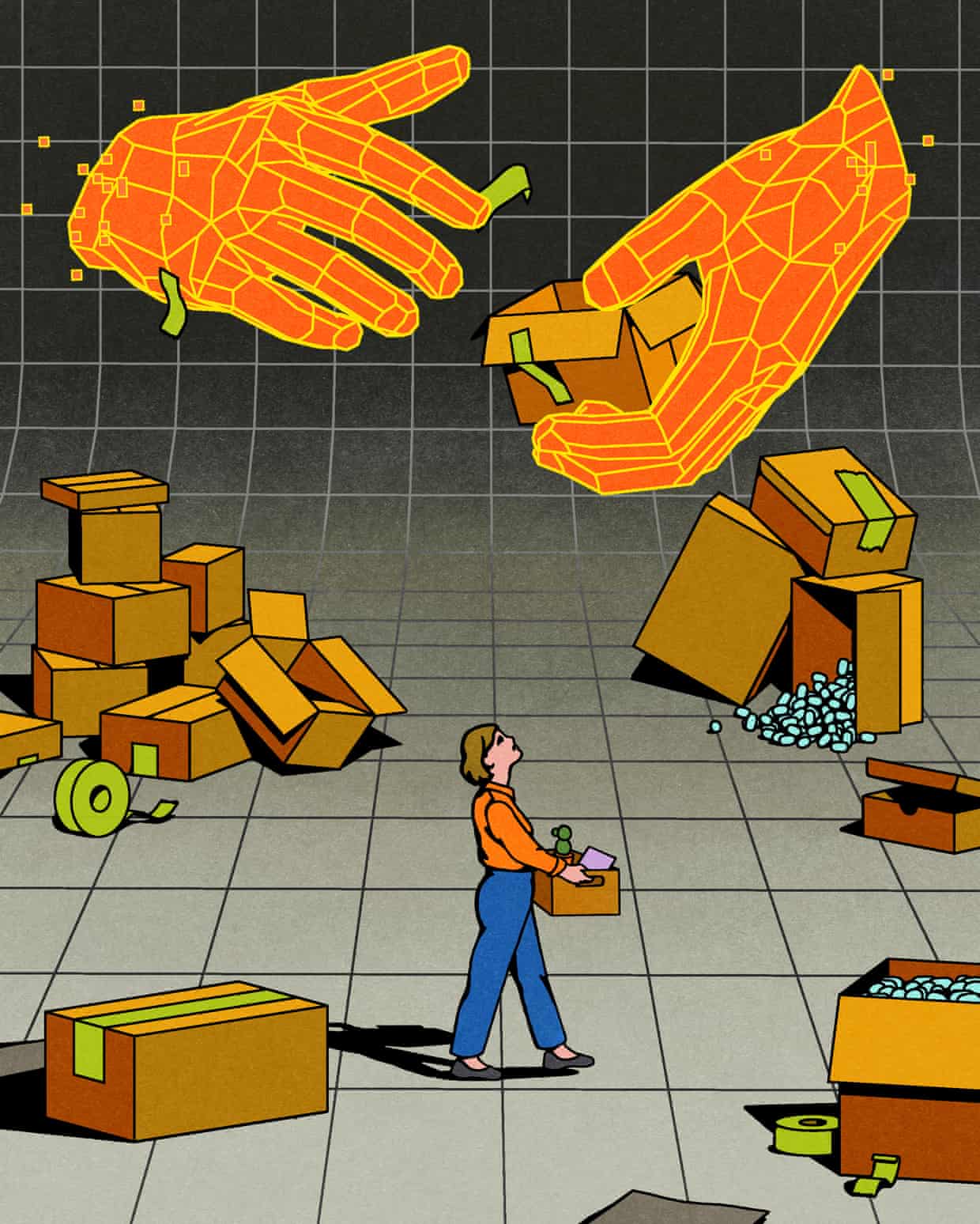
Amazon is determined to use AI for everything – even when it slows down work
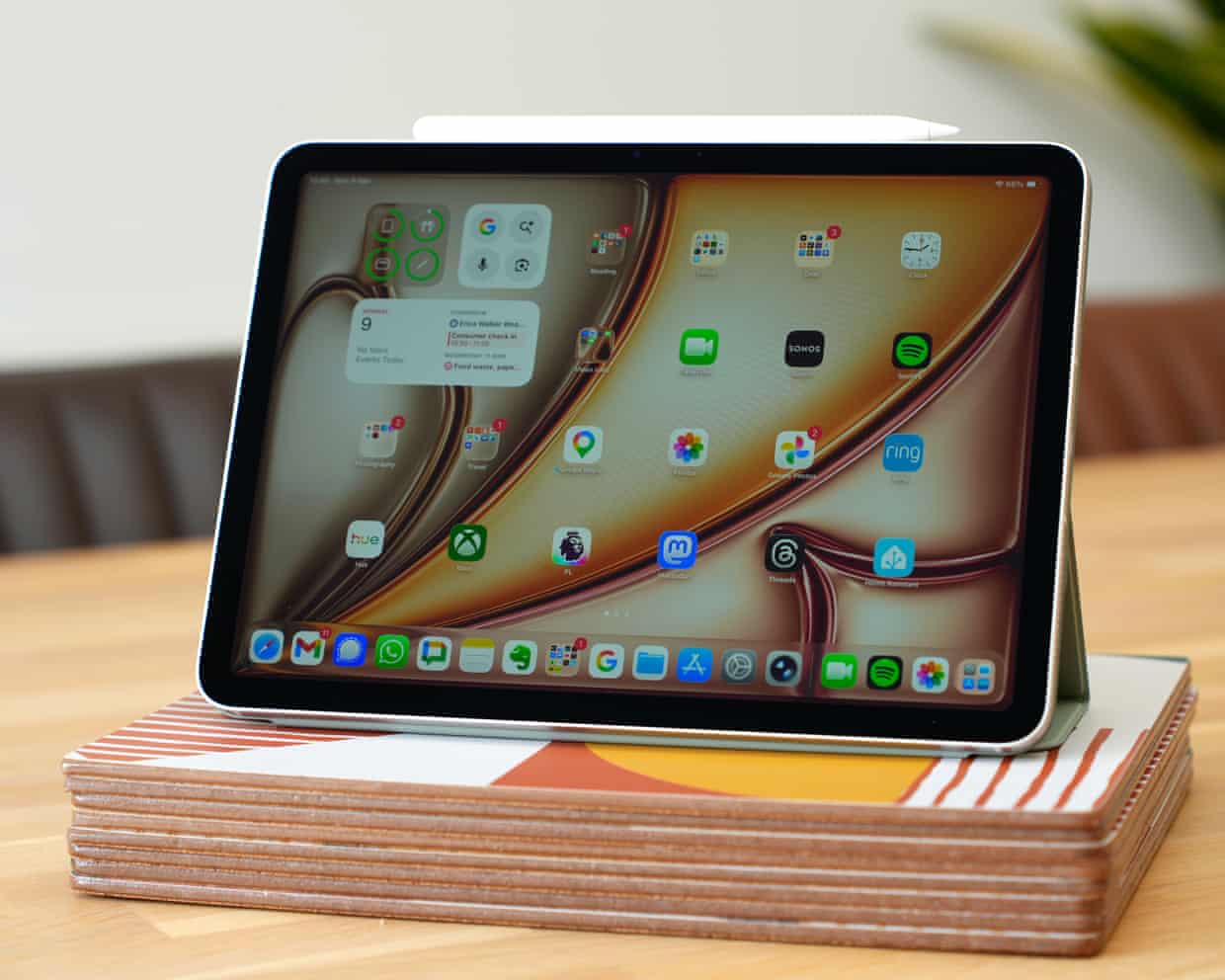
Apple iPad Air M4 review: still the premium tablet to beat
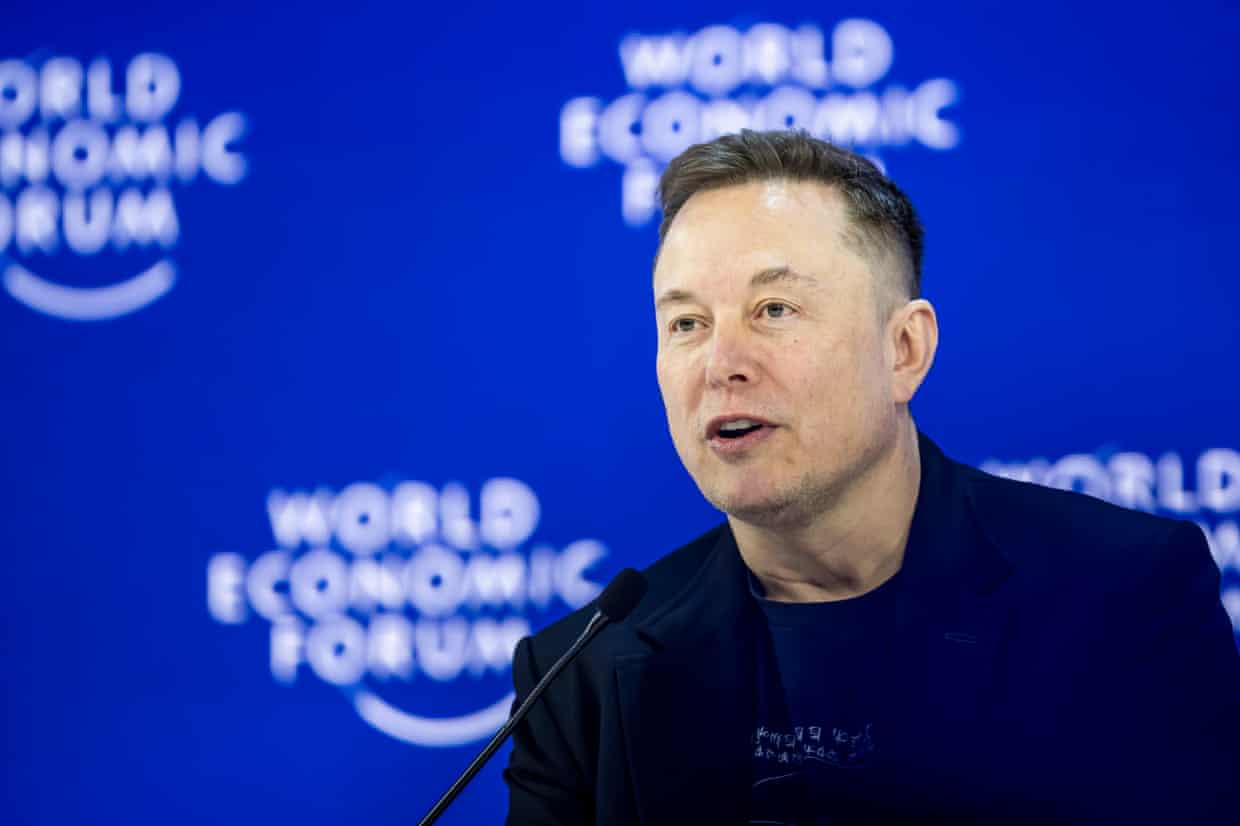
Musk’s xAI wins permit for datacenter’s makeshift power plant despite backlash

UK Society of Authors launches logo to identify books written by humans not AI

Datacenters are becoming a target in warfare for the first time