‘Nothing off the table’ as Rachel Reeves considers ‘targeted support’ over energy costs
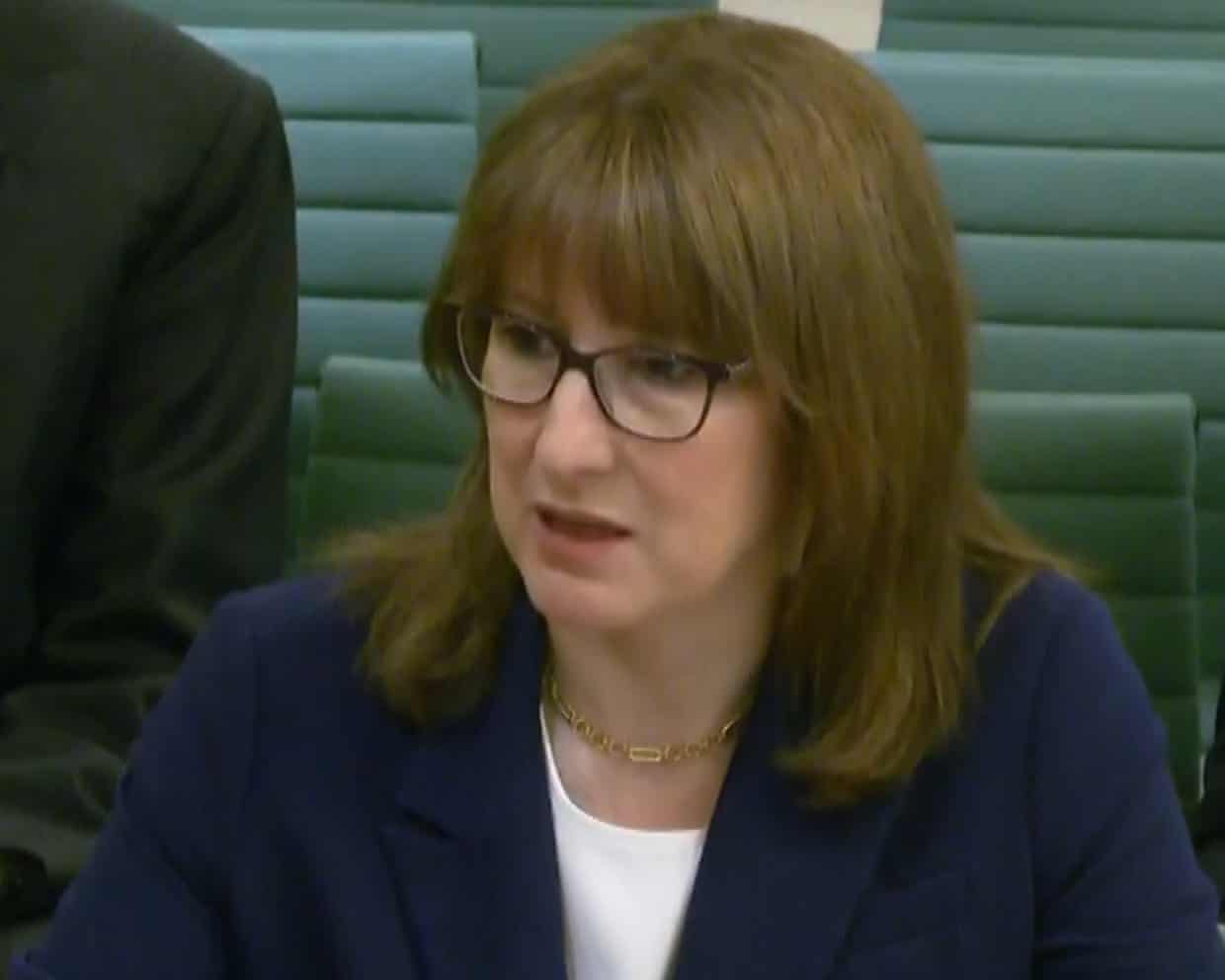
Rachel Reeves has refused to rule out ditching a planned fuel duty increase in September, as she promised “nothing is off the table” to help consumers with rising energy costs amid the Iran conflict,The chancellor told MPs on the Treasury select committee that options for “targeted support as well as broader measures” were being explored, although she cautioned that it remained “too early” to be sure emergency help was required,Against a backdrop of volatile conditions in energy markets amid the US-Israel war with Iran, Reeves said the government was prioritising the de-escalation of the conflict and pushing for the safe passage of oil and gas exports through the critical strait of Hormuz,She said Britain was also “willing to play its part” to release strategic oil reserves alongside other countries in the 32-member International Energy Agency, in a push to bring down crude prices that have soared,However, she signalled the Treasury was working on contingency plans for an emergency energy support package to help British households bracing for a sharp rise in living costs.
“Nothing is off the table at this stage.We are looking at targeted support as well as broader measures but it is just too early to say what is needed.”Asked by Conservative MPs whether she would rule out addressing a planned increase in fuel duty from September – when a 5p cut made after Russia’s invasion of Ukraine in 2022 is scheduled to be phased out – she said all options were being kept open.“We always keep all taxes under review.But it is much too early when those changes are not due to come into effect until September to guess where petrol prices will be then,” she said.
Separately, Keir Starmer told the Commons on Wednesday: “Fuel duty is frozen.It’s going to remain frozen until September, and we will keep the situation under review in light of what’s happening in Iran.”Reeves and Starmer have come under mounting pressure from opposition MPs, as the Tories, Reform UK and the Liberal Democrats push for the chancellor to drop the planned rise in the rate of tax on petrol and diesel.Fuel prices have risen sharply at filling stations amid concerns the conflict in the Middle East could cause disruption to supplies while driving wholesale prices close to record levels.Global energy prices have fluctuated wildly in recent days, with the price of a barrel of oil briefly jumping as high as $119.
50 on Monday, which took it to levels not seen since 2022.Reeves said the government would focus on preventing fuel retailers from profiteering from the situation, before a meeting with industry leaders and the Competition and Markets Authority on Thursday.“I am very loth to spend government money on something the market should be doing itself.And that is why greater competition and greater transparency about pricing is so important,” she said.“I would rather we had a properly functioning market where customers have decent information about prices at different petrol forecourts rather than subsidising the money which often goes to the retailer.
”Her comments come after the Office for Budget Responsibility warned that UK inflation could end the year higher than previously expected, at 3%, because of the US-Israel war in Iran.Headline inflation in the UK is running at 3%, down from a peak of 3.8% last year, and had been expected to drop close to 2% this year.The Treasury watchdog also warned that the chancellor could face limited room within her self-imposed fiscal rules to provide an emergency package of financial support for rising energy bills.The previous government stepped in to tackle high energy bills in 2022.
However, Reeves insisted there was “scope for interventions in the short term”, after measures to tackle elevated levels of borrowing and debt,She said the UK was also in a stronger position to respond because investment in green energy had helped to reduce Britain’s exposure to volatile global oil and gas prices,“Over the next few years we will be even more insulated as more of that renewable energy comes online and as we build the infrastructure to better connect it to the grid,”
Drug that prevents hot flushes to be available on NHS in England
More than 500,000 women in England are to be offered a drug on the NHS that prevents hot flushes.The green light for Veoza, also known as fezolinetant, comes after the medicines watchdog, the National Institute for Health and Care Excellence, on Wednesday authorised it for use.Hot flushes, also called vasomotor symptoms, affect about 70% of women going through menopause. Women can suddenly and overwhelmingly feel hot, which often has an impact on their quality of life, exercise, sleep and productivity.Despite the enormous numbers of women affected, for decades there have been few safe and effective treatment options
Wegovy users have five times greater risk of sudden sight loss than Ozempic users, study finds
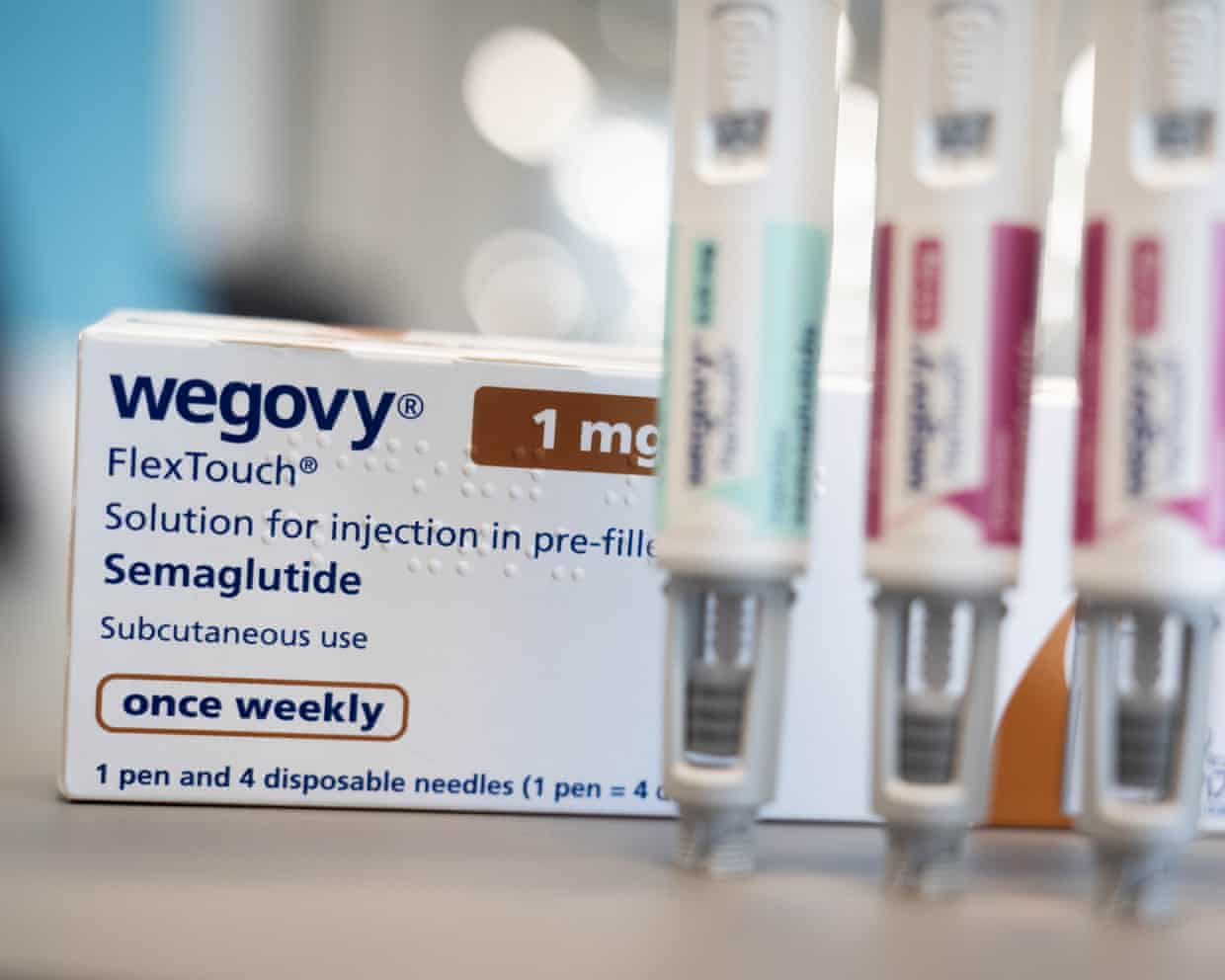
Patients taking Wegovy have nearly five times the risk of sudden sight loss of those on Ozempic, a large-scale study has found.Glucagon-like peptide-1 receptor agonist (GLP-1 RA) medicines such as semaglutide (sold as Wegovy, Ozempic and Rybelsus) and tirzepetide (sold as Mounjaro) help reduce blood sugar levels, slow digestion and reduce appetite, and have been linked to reduced risks of heart attack, fewer drug overdoses and other health benefits.But a study, published in the British Journal of Ophthalmology, found that patients taking Wegovy for weight loss had a fivefold greater chance of developing non-arteritic anterior ischemic optic neuropathy (Naion) than the diabetes drug Ozempic, while men had a three times greater risk than women.These “eye strokes” cause sudden and usually permanent vision loss (pdf) due to reduced blood flow to the optic nerve.Although rare, affecting around one in 10,000 people who take semaglutide, there was “a potential dose-dependent safety concern” for the drug, the study found
Jess Phillips reveals she is ‘victim of courts backlog’ as jury trial bill passes
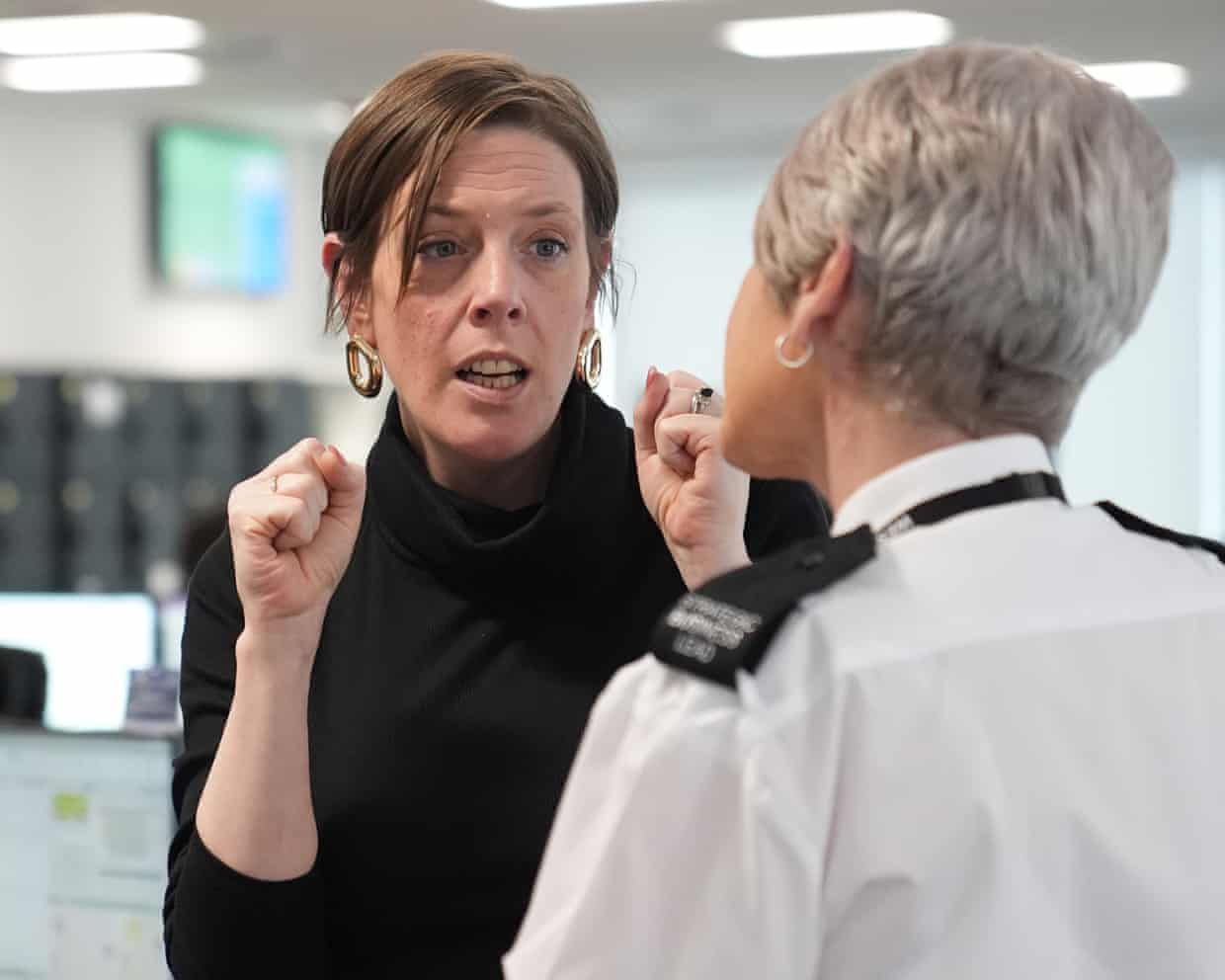
A man accused of breaching a restraining order related to Jess Phillips will not have his case heard in the crown court until 2028, the Labour minister has revealed, as MPs voted in favour of controversial plans to scrap some jury trials.During an emotive day in the House of Commons, the Labour MP for Warrington North, Charlotte Nichols, said she had been raped after an event she attended as a member of parliament but did not support the bill and felt that ministers had weaponised victims.Her statement came after hours of debate during which concerns were raised about an “attack” on a fundamental principle of the justice system in England and Wales.MPs voted 304 to 203 in favour of the courts and tribunals bill, which passed its second reading in the Commons. It includes measures to scrap some jury trials, remove the automatic right of appeal from magistrates courts and introduce a new criminal court
Martyn Butler obituary
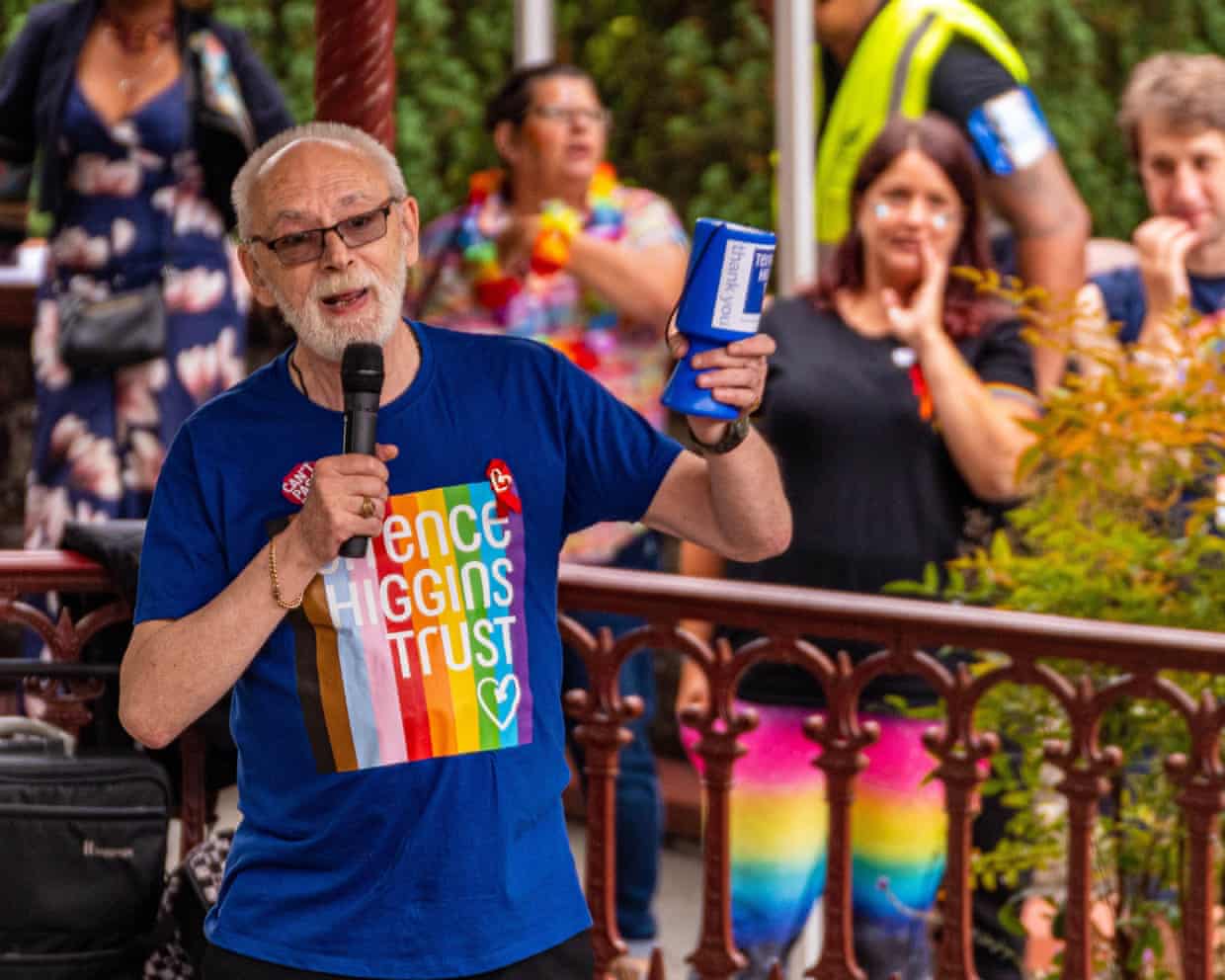
In 1982, Martyn Butler co-founded the Terrence Higgins Trust, the first organisation in Europe to respond to the health crisis caused by HIV/Aids, and now Britain’s leading HIV charity. It was the death in July that year of his friend, Terry Higgins – one of the first named people to die of an Aids-related illness in the UK – that spurred Martyn, along with Terry’s partner, Rupert Whitaker, to act.Martyn, who has died aged 71, and Rupert launched the trust with the help of friends to raise money for medical research, but the sums required were huge and would have to be provided by governments and the pharmaceutical industry.However, there was a need for a community response to the new disease. London Lesbian and Gay Switchboard was swamped with calls from worried people, so in 1983 it joined with the Gay Medical Association and the fledgling Terrence Higgins Trust to call a conference at Conway Hall in London, the first on Aids in the UK
We need a national plan to tackle the health inequity that is killing people | Letters
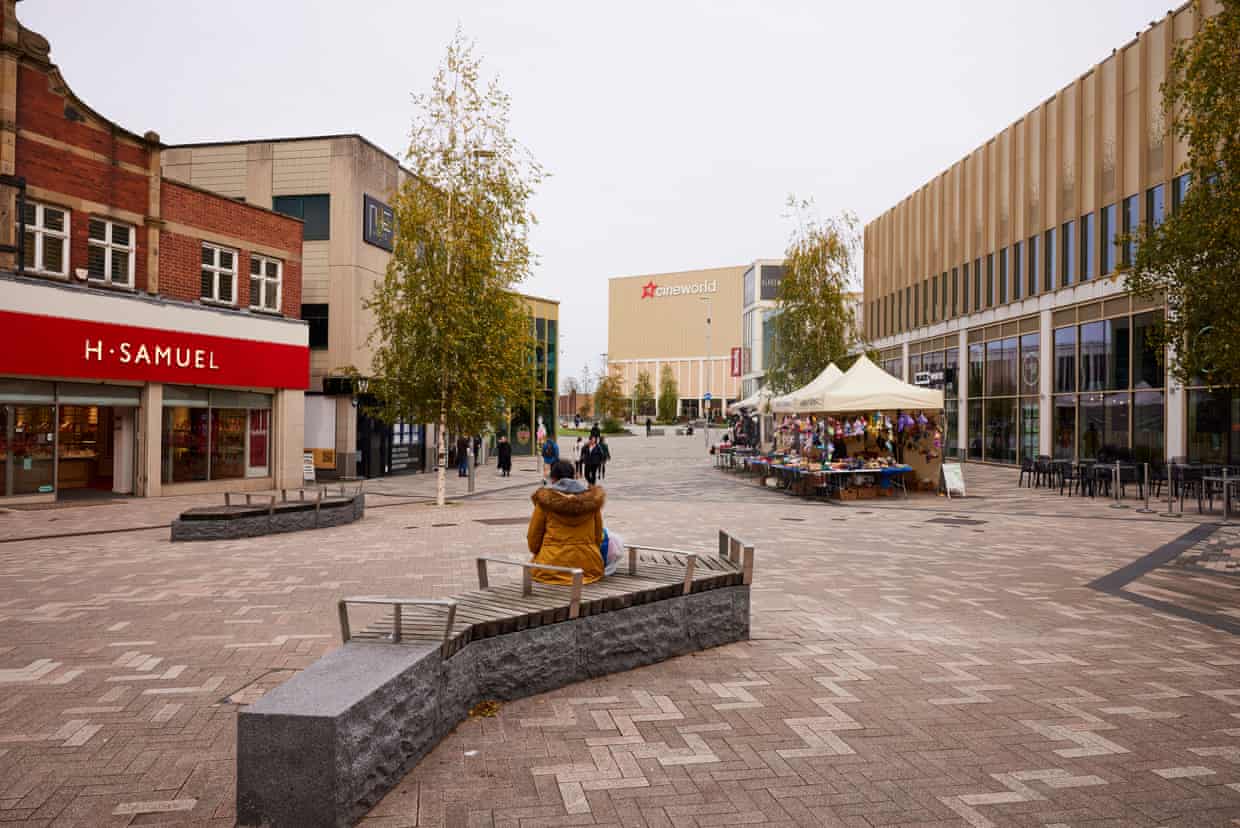
How could I fault Aditya Chakrabortty’s account of the failure to prioritise the nation’s health as he cites me as its inspiration (This is a life and death story for the UK – so why is it being brushed under the carpet?, 6 March). However, it is important to emphasise that the government is well aware of the gross health inequities that scar our nation and limit lives as well as economic prosperity, but chooses not to prioritise them. The ministerial response last month to the House of Lords report on ageing contains this shocking statistic: a girl born in Barnsley can expect an average of 53 years of good health, whereas one born in Wokingham can look forward to 71 healthy years – an extra 18 years.Throughout the country deprivation accelerates ageing, which for many means an unnecessary premature exit from the labour market and premature need for social care. But the main focus of health policy is the manifesto commitment to reduce NHS waiting times, a target that has very little impact on health inequity
Almost a third of people in England use private dentists amid NHS dental crisis
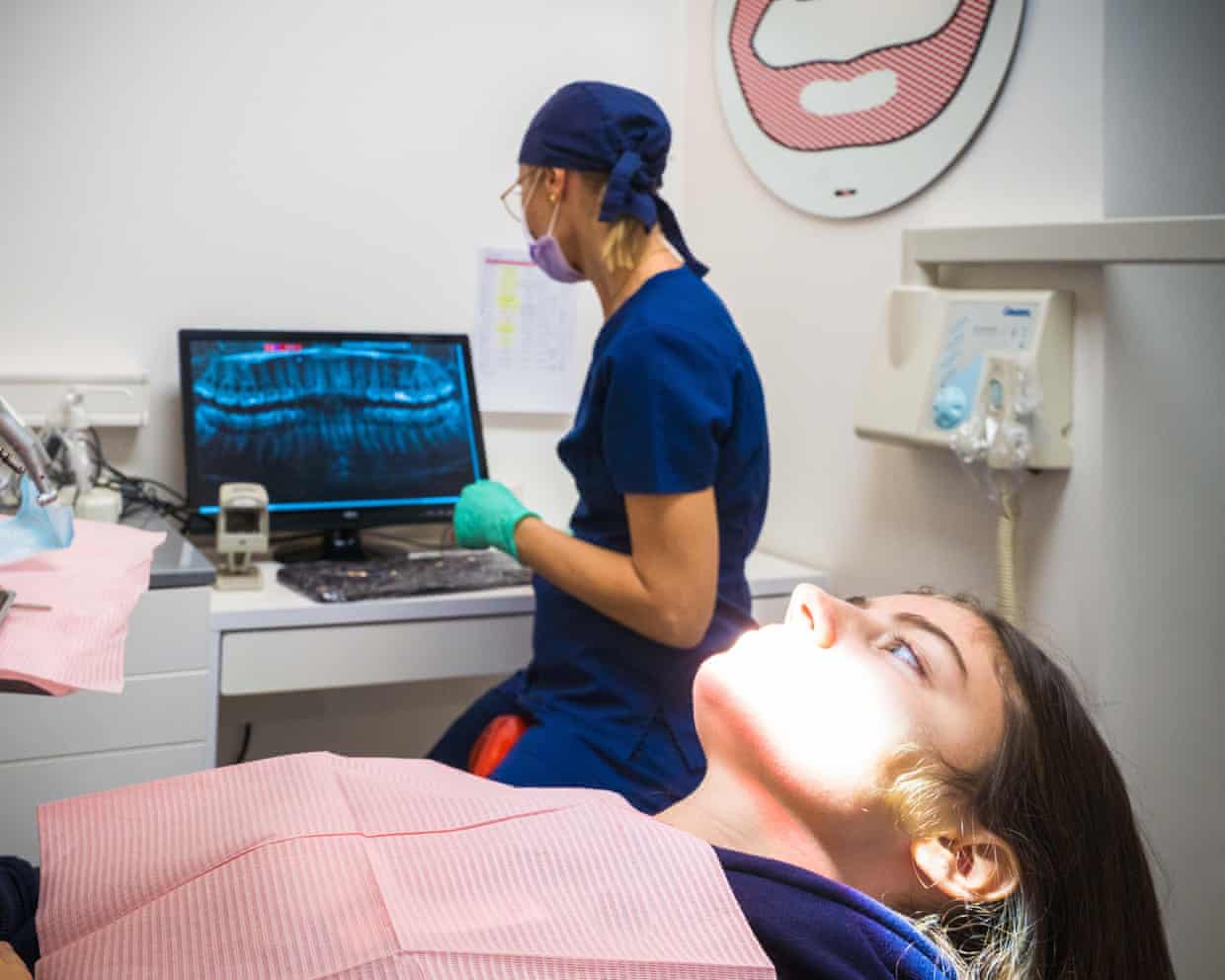
Almost a third of people in England now use private dentistry, with a sharp rise in the number of poorer households forced to pay for fillings and extractions.The scarcity of NHS care means the proportion of people turning to private dental services jumped from 22% in 2023 to 32% late last year, the health service’s patient watchdog found.The reliance on paid-for treatment is so significant that dental care is becoming a costly “one tier” – private-only – service for more and more people, Healthwatch England is warning.It is concerned that the percentage of people who describe themselves as struggling financially that have used private dentistry has almost doubled in recent years from 14% to 27%.Those who do are hit with a “double penalty”, the watchdog added
Billionaire Zara founder Amancio Ortega to receive €3.23bn dividend
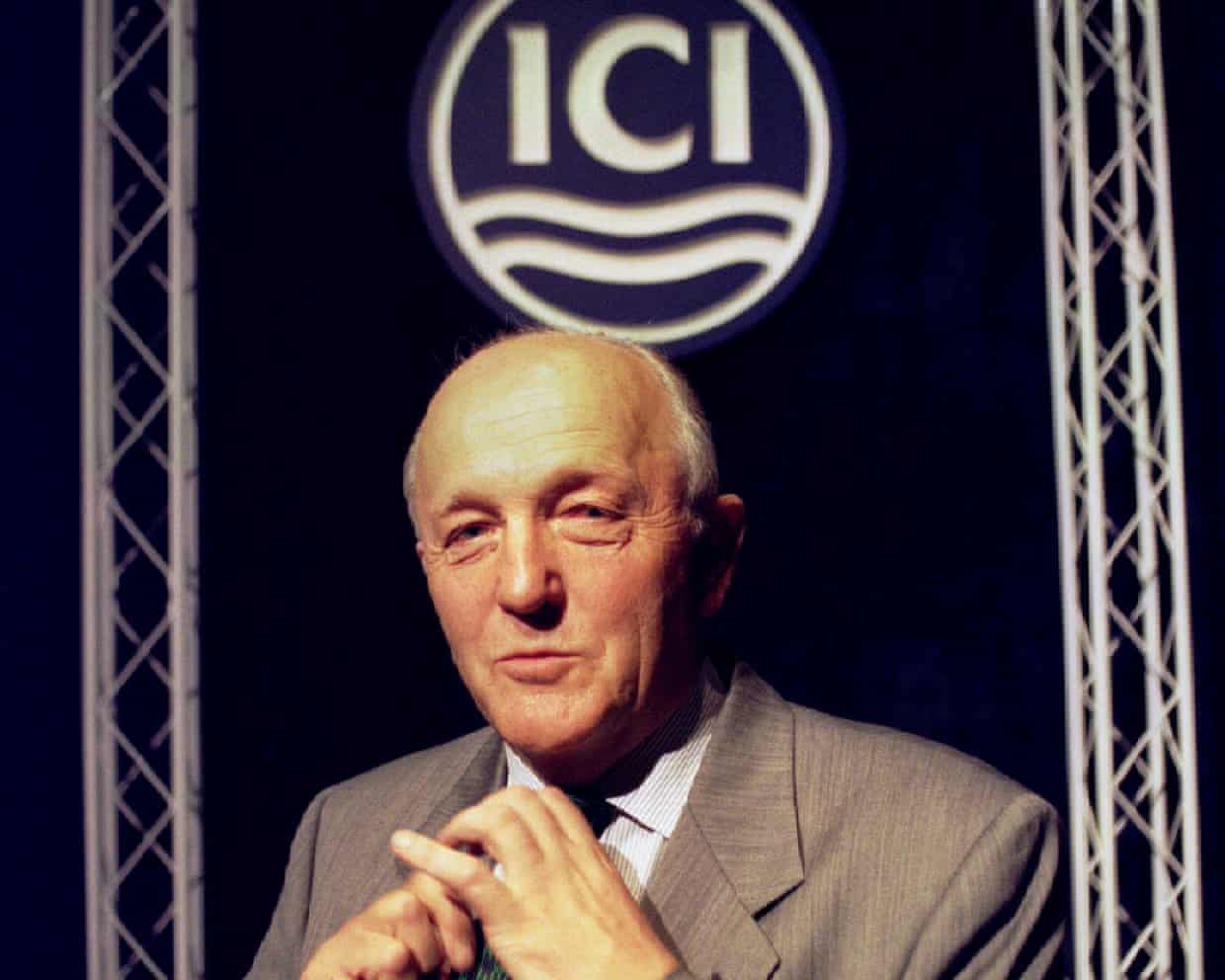
Sir Ronnie Hampel obituary
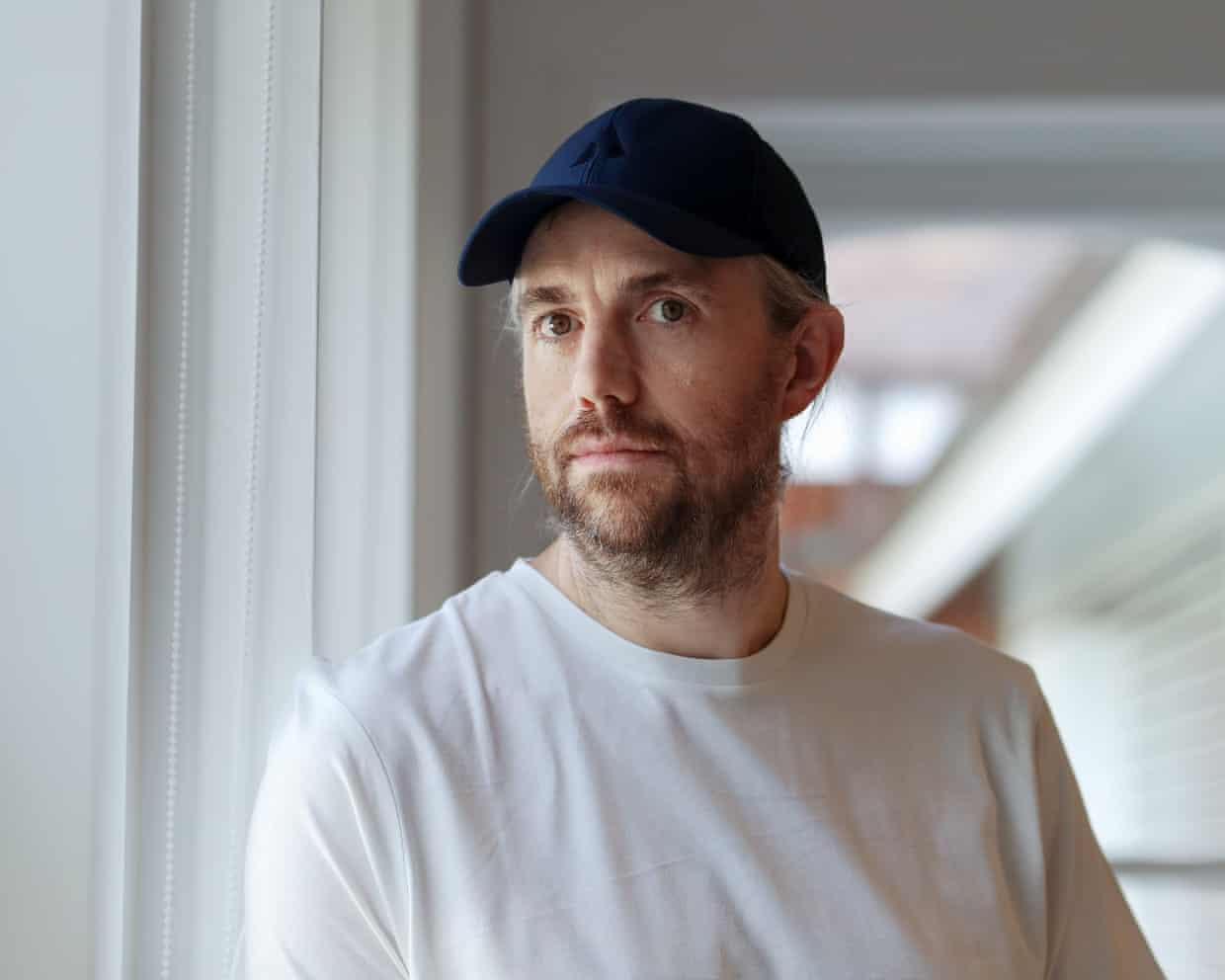
Atlassian lays off 1,600 workers ahead of AI push

Binance sues Wall Street Journal over reporting on Iranian sanctions
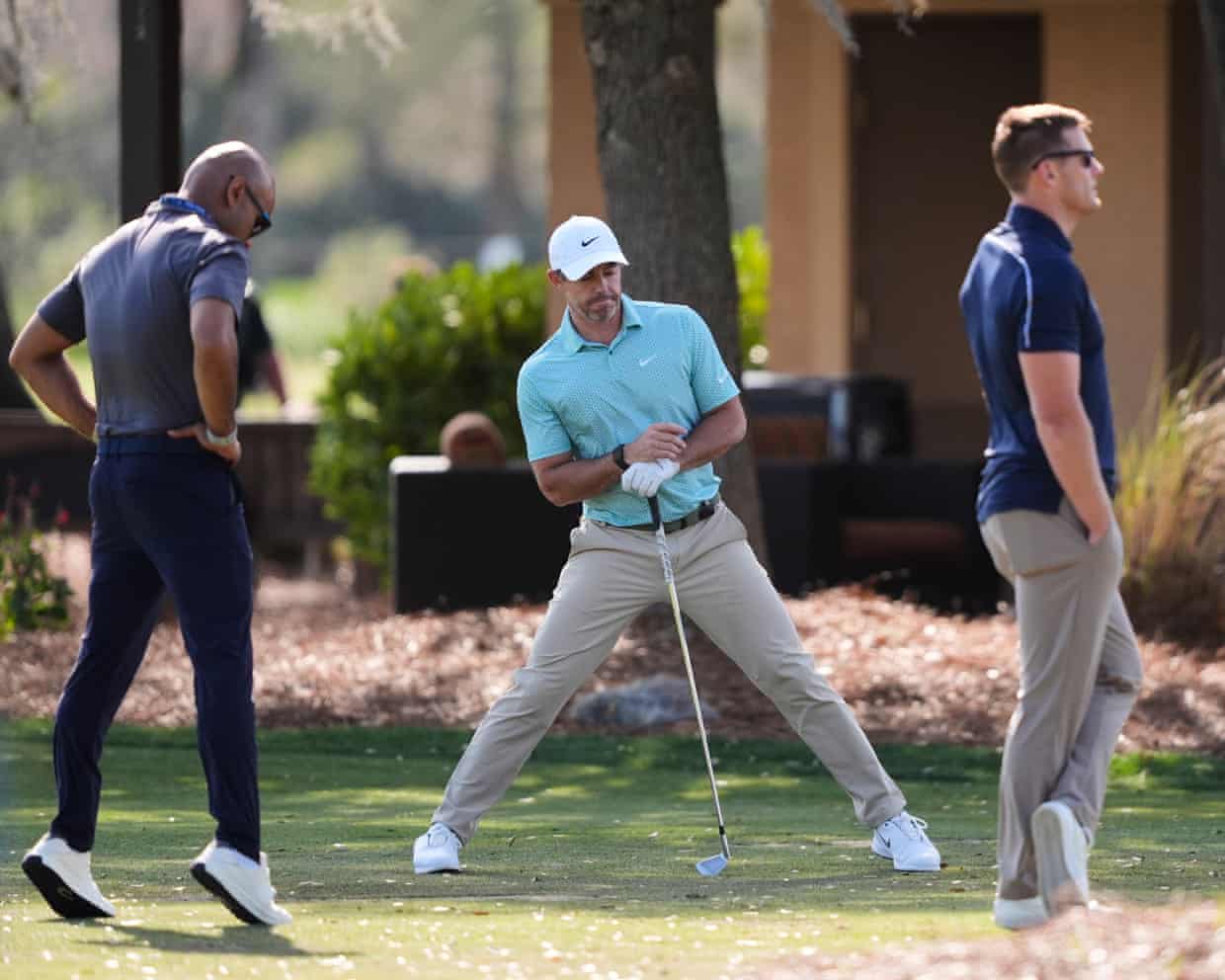
Rory McIlroy hopes to defend Players Championship despite back injury
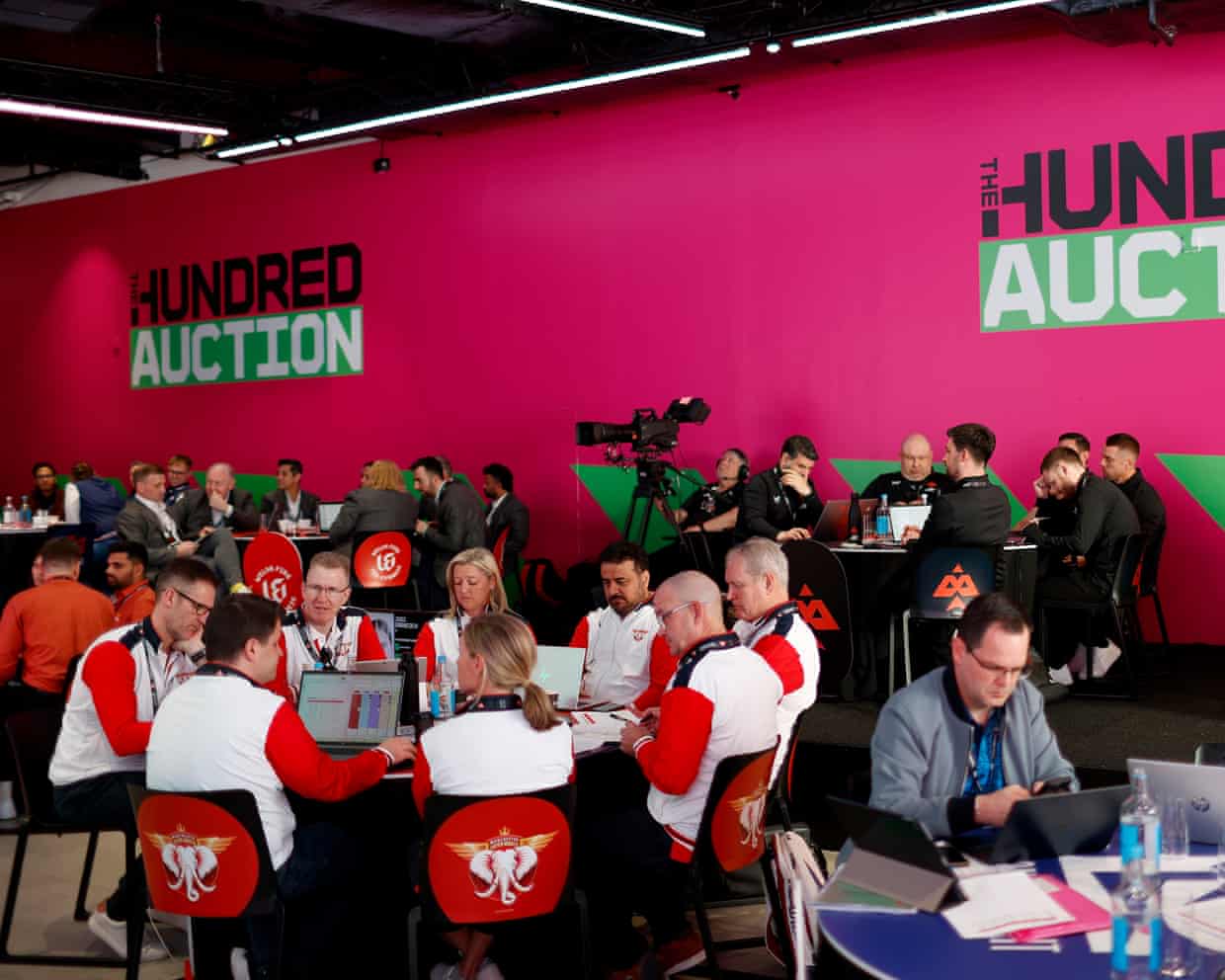
A historic day at Hundred auction but barely any women were there to see it