‘Vicious cycle’: panic buying is biggest risk to Australia’s petrol supplies, experts say
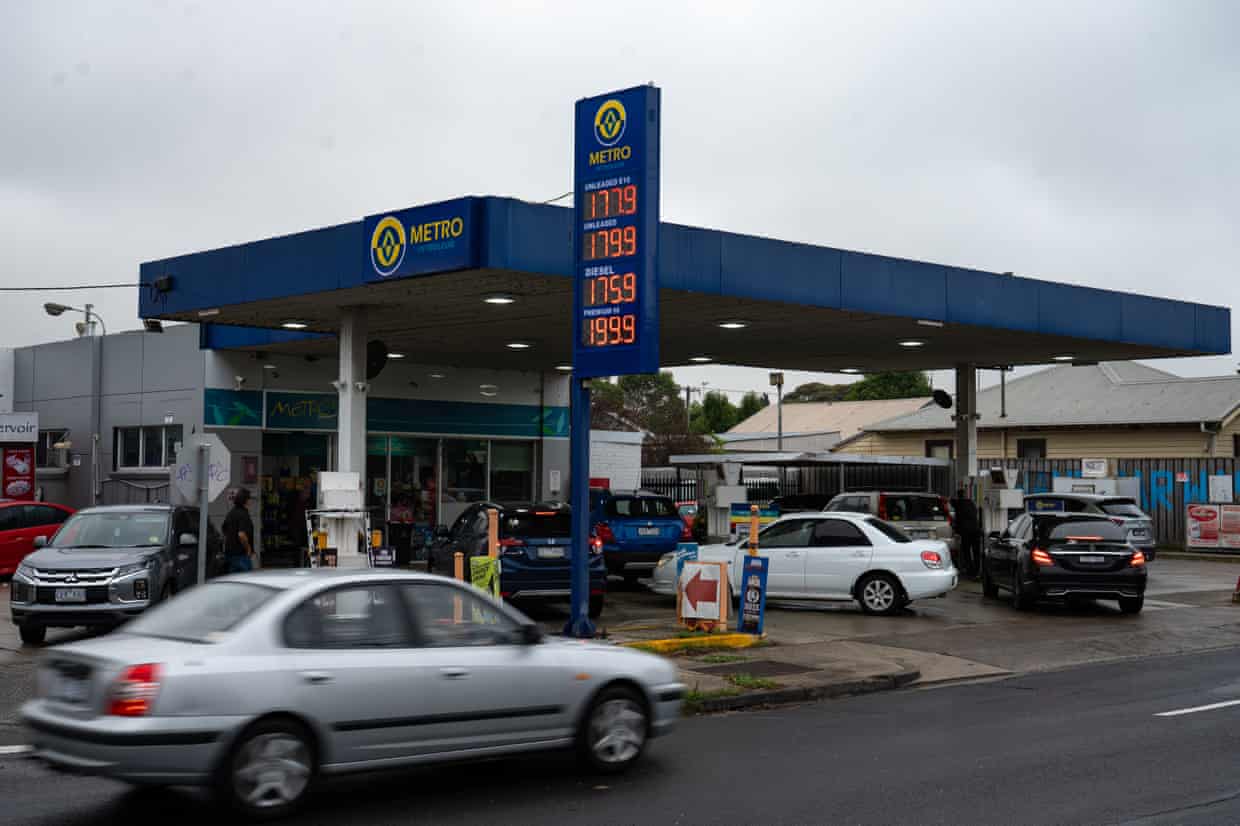
Regional service stations are struggling to replenish fuel supplies left empty by panic buying that has seen demand double and even triple in areas like the Barossa and Mildura amid an escalating Middle East conflict,As a leading motoring group warned of a “vicious cycle” of motorists stockpiling petrol, Chris Bowen, the energy minister, stood up in parliament to urge Australians to remain calm, insisting the nation did not have a shortage of fuel supplies,Amid reports of country service stations running dry, some regional fuel distributors have claimed the shortage is due to wholesale petrol being reserved for sale in the big cities,“The biggest risk to availability in Australia right now is panic buying,” Bowen said, pointing to a “massive spike” in demand that had seen fuel sales up by 238% in the Adelaide Hills and Barossa, and 100% in Victoria’s Mildura,“Of course providers also find difficulty in meeting the demand.
”Addressing reports that farmers were struggling to get their hands on diesel, he said: “I can say this very clearly, the difficulties you are experiencing are not currently as a result of a lack of fuel coming to our country, not as a result of a lack of fuel coming to our country.“We have received supplies in recent days.We keep a close eye with the industry on what ships are on their way to Australia, and those ships are continuing to arrive.”Sign up: AU Breaking News emailBowen’s comments came after regional Queensland fuel distributor Bartranz Petroleum on Tuesday said it had been receiving only about 10% of its usual volume of allocated fuel from Brisbane.“It is frustrating hearing government ministers say ‘there is no shortage’,” Bartranz wrote on social media.
“Whether it is a supply problem or a distribution problem, the result for rural Australia is exactly the same – we cannot access fuel.”With petrol prices up by as much as 25 cents a litre in the major cities since the start of the US-Israel war on Iran, there have been widespread reports of people stockpiling fuel out of fear of it becoming even more expensive or running out.Peter Khoury, a spokesperson for motoring group NRMA, who last week accused petrol retailers of price gouging, said panic buying was now putting pressure on supply, creating a vicious cycle that was only making the situation worse.“As Australians, we can help by not panic buying,” he said.“But we’re also saying to the oil companies, let’s ensure that the supply chains are working … starting from the terminal.
”The government on Tuesday afternoon held an emergency meeting of a rapidly assembled taskforce that brought together peak farming, transport and fuel bodies alongside four federal ministers.The group committed to working together to share information and identify emerging issues, and at its first meeting recognised that while there had been some supply chain pressures in regional areas, the country’s fuel supply remained stable.Peter Jones, the interim executive director of the Motor Trades Association of Australia, said some regional and rural service stations simply could not replenish their stocks quickly enough to meet the surge in demand.“There’s plenty of petrol in the country, but [it’s] designed to be distributed in normal circumstances,” said Jones, who is also the president of the Victorian Automotive Chamber of Commerce.Jones said panic buying had “actually changed a market dynamic”, which was amplified in the country because of the time it took to get fuel there, creating a serious situation for farmers who relied on diesel.
“It’s a tyranny of distance,” he said.“The other thing is … that some of the independent [service stations] are running out because if they don’t have a contract with one of the big oil companies, they may be going to the back of the list when it comes to being resupplied.”Jones said independent petrol stations that had “arrangements” with big oil companies to supply them with fuel, rather than formal contracts mandating a certain volume, may not be able to request a top-up like they usually would.He urged people to buy their fuel as they normally would, and to be respectful of service station staff amid reports of some customers being abusive or aggressive “when there is no fuel or the prices are much higher than they expected”.Jones said a sharp drop overnight in the price of crude oil was promising but attempting to predict how long the conflict would last – and whether prices would rise again – was like “trying to put darts in a moving dartboard”.
Growing community friction around the availability and price of fuel comes as an analyst at CBA said the US-Israel war on Iran would last for months, not weeks.The global benchmark oil price, Brent crude, traded at a little over US$70 at the end of February, but spiked as high as US$118 at the start of this week before Donald Trump signalled a possible end to the war by saying America’s military objectives were “pretty much complete”.The Brent crude price fell significantly after the US president’s comments.Oil fetched just shy of US$93 a barrel on Tuesday afternoon, according to Bloomberg, up about 30% in March.Madison Cartwright, CBA’s senior geoeconomics analyst, predicted the conflict “will continue to escalate from here, despite recent comments” by Trump.
That means Australians may need to get used to fuel prices well in excess of $2 a litre, pushing the weekly fuel bill for the average household towards a record high of $75, according to AMP’s chief economist, Shane Oliver.

Gambling crackdown in Romania as councils can ban ‘toxic’ betting shops
Romania’s government has overhauled gambling regulations through an emergency decree allowing municipalities to restrict or ban betting shops and slot machine halls in the biggest tightening of the industry the country has seen.Licensed operators must now obtain not only a national permit but also local authorisation to open a gambling venue, giving mayors and local councils a decisive veto power. Officials say more than 200 localities could pursue full bans.There has been a rapid expansion of Romania’s gambling industry, with tens of thousands of slot machines and betting outlets open nationwide, especially in the capital, Bucharest.Until now, gambling halls were authorised centrally without city approval, leaving communities powerless even as venues proliferated near schools and residential areas

NHS England pauses new referrals for masculinising or feminising hormone treatment in under-18s
The NHS is pausing new referrals for masculinising or feminising hormone treatment for 16 and 17-year-olds after an in-depth review found there was insufficient evidence to support its continued use.Prescriptions for hormones had been available in England for under-18s with a diagnosis of gender incongruence or dysphoria who met certain criteria.But after the Cass review, NHS England commissioned its own review of all the available clinical evidence. That review has now concluded and found the evidence did not back the continued use of the treatment for 16 and 17-year-olds.In her review of children’s gender care, Hilary Cass had recommended “extreme caution” in providing such treatment and a “clear clinical rationale for providing hormones at this stage rather than waiting until an individual reaches 18”
Labour to set up new extremism whistleblowing service for university staff
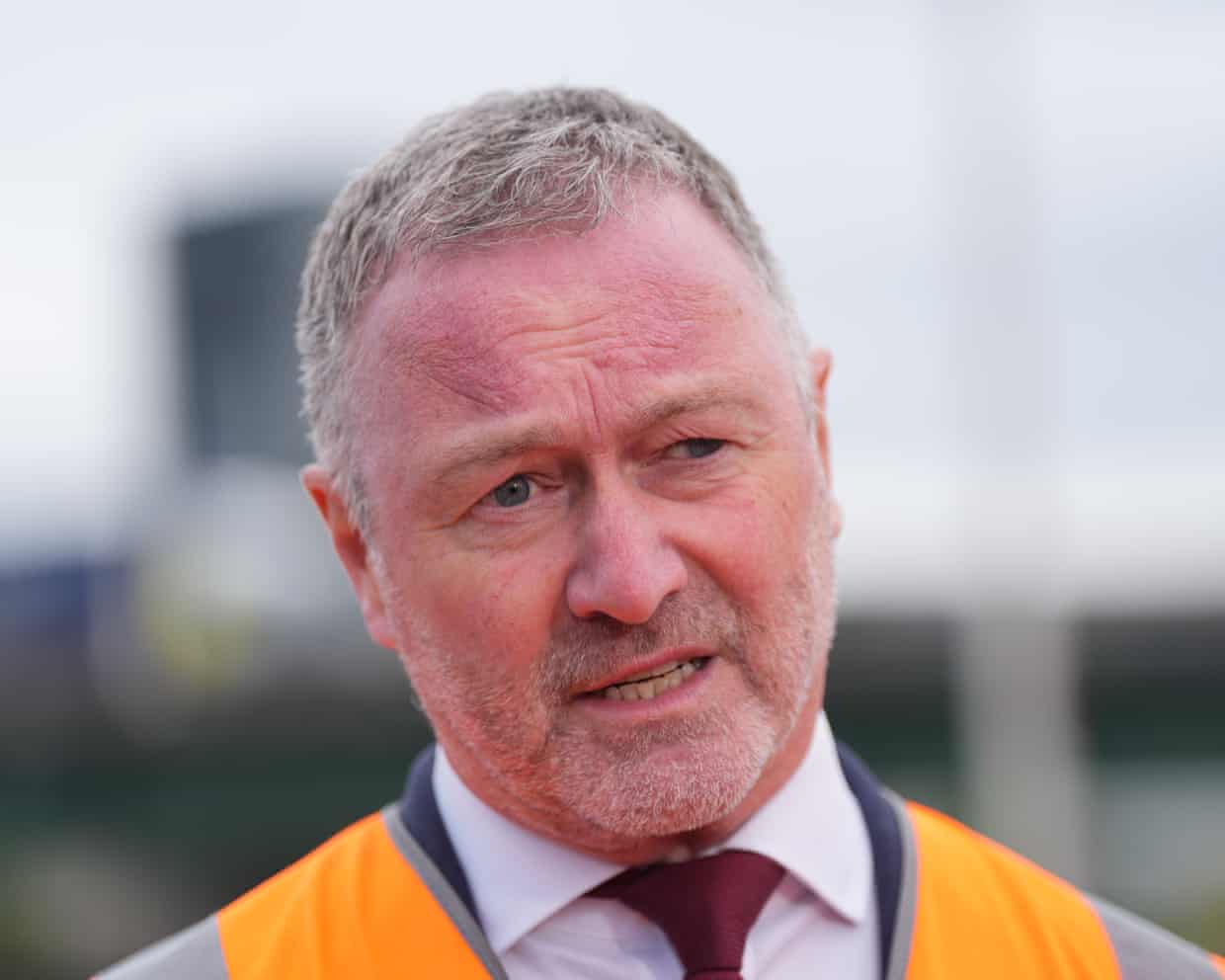
The UK government will expand powers to tackle extremism by setting up a new whistleblowing route for university staff and giving the Charity Commission powers to shut down charities, as part of a new action plan to strengthen social cohesion.The plan, announced by the housing, communities and local government secretary, Steve Reed, will invest a further £5m in the Common Ground Resilience Fund, which was launched to support organisations and authorities tackling divisions in communities.“We must listen to people’s concerns about growing divisions and take action to bring our communities back together,” Reed said.As well as a new whistleblowing service, the plan will include a new Campus Cohesion Charter to strengthen respect and shared values across universities.The strategy will also introduce an annual State of Extremism report setting out the nature and scale of the threat facing the UK and the government’s response, while the Visa Watchlist Taskforce will be strengthened to block hate preachers and extremists from entering the country

Cancer death rate in Britain down by almost a third since 1980s
The rate of people dying from cancer in the UK has fallen by almost a third since the 1980s amid seismic progress in prevention, diagnosis and treatment, a report has found.About 247 in every 100,000 people die from cancer each year, a 29% drop from the peak in 1989 of about 355 per 100,000, according to an analysis by Cancer Research UK (CRUK).Cancer remains Britain’s biggest killer, causing about one in four deaths, and survival rates lag behind a number of European countries, including Romania and Poland.However, in the past decade alone, the rate of people dying from cancer has fallen by 11%. The death rate for ovarian cancer dropped by 19% between 2012-2014 and 2022-2024, stomach cancer fell by 34% and lung cancer 22%
Recreational drugs can more than double risk of stroke, study suggests
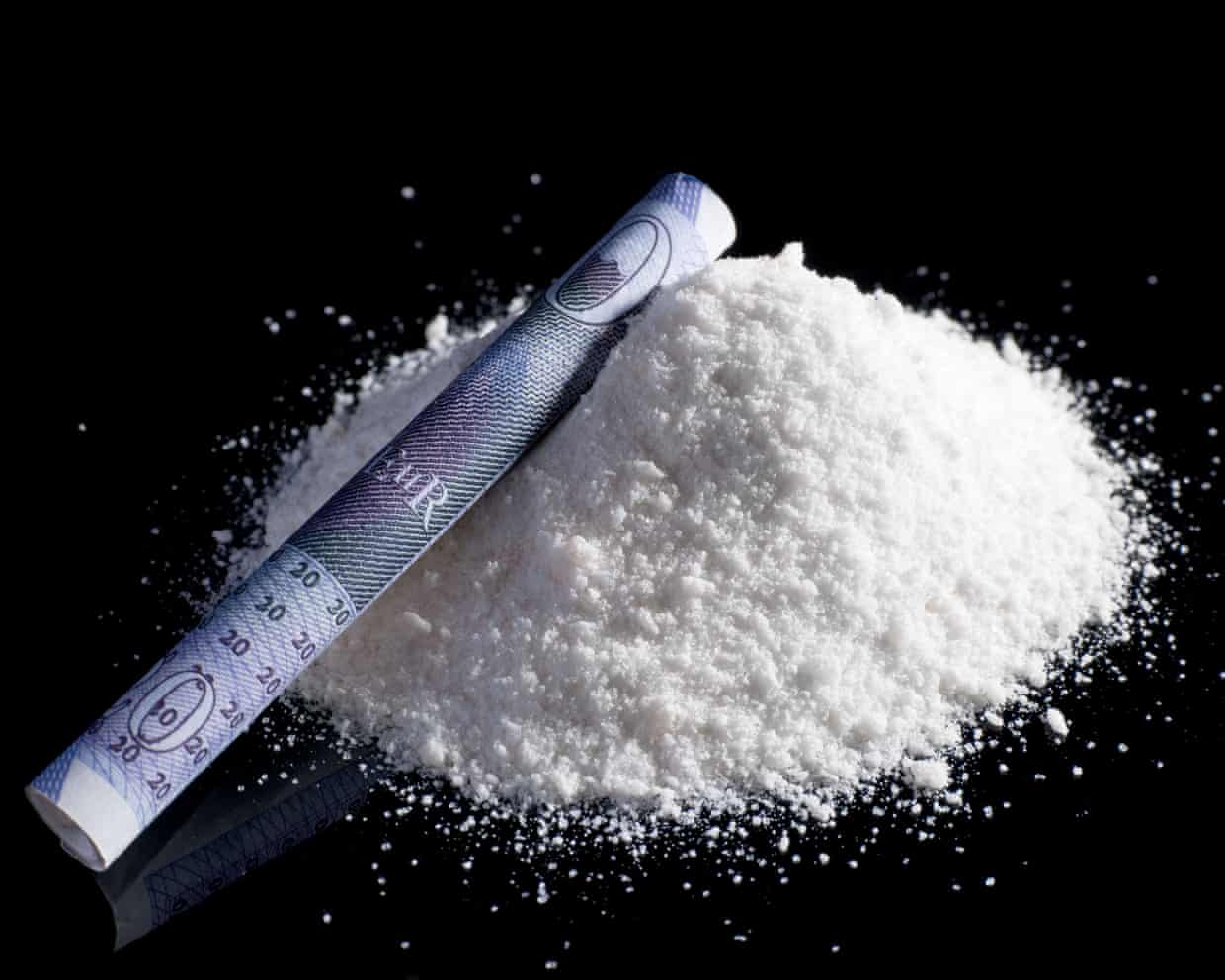
Recreational drugs can more than double the risk of stroke, with some of the most concerning impacts seen among younger people, a major review suggests.Scientists analysed medical data from more than 100 million people and found that the risk of stroke was 122% higher for amphetamine users and 96% higher for cocaine users compared with those who did not take the drugs.Cannabis users were also at greater risk, suffering 37% more strokes than non-users, the review found, though researchers saw no evidence that opioids, a highly addictive painkiller, added to a person’s risk of stroke.The rise in strokes observed in connection with some drugs was not confined to older people. When researchers focused on under-55s, they saw a near tripling in stroke risk among amphetamine users

Martha’s rule may have saved 400 lives so far in England, figures show
More than 400 lives may have been saved as a result of Martha’s rule, which lets NHS patients request a review of their care, official figures reveal.Helplines received more than 10,000 calls in the first 16 months of the scheme after its introduction in England in 2024, according to data seen by the Guardian. Thousands of patients were either moved to intensive care, received drugs they needed or benefited from other changes as a direct result of the calls.The system is named after Martha Mills, 13, who died in 2021 from sepsis after a bicycle accident. A coroner found she would probably have survived if she had been moved to the intensive care unit at King’s College hospital in London when she began deteriorating
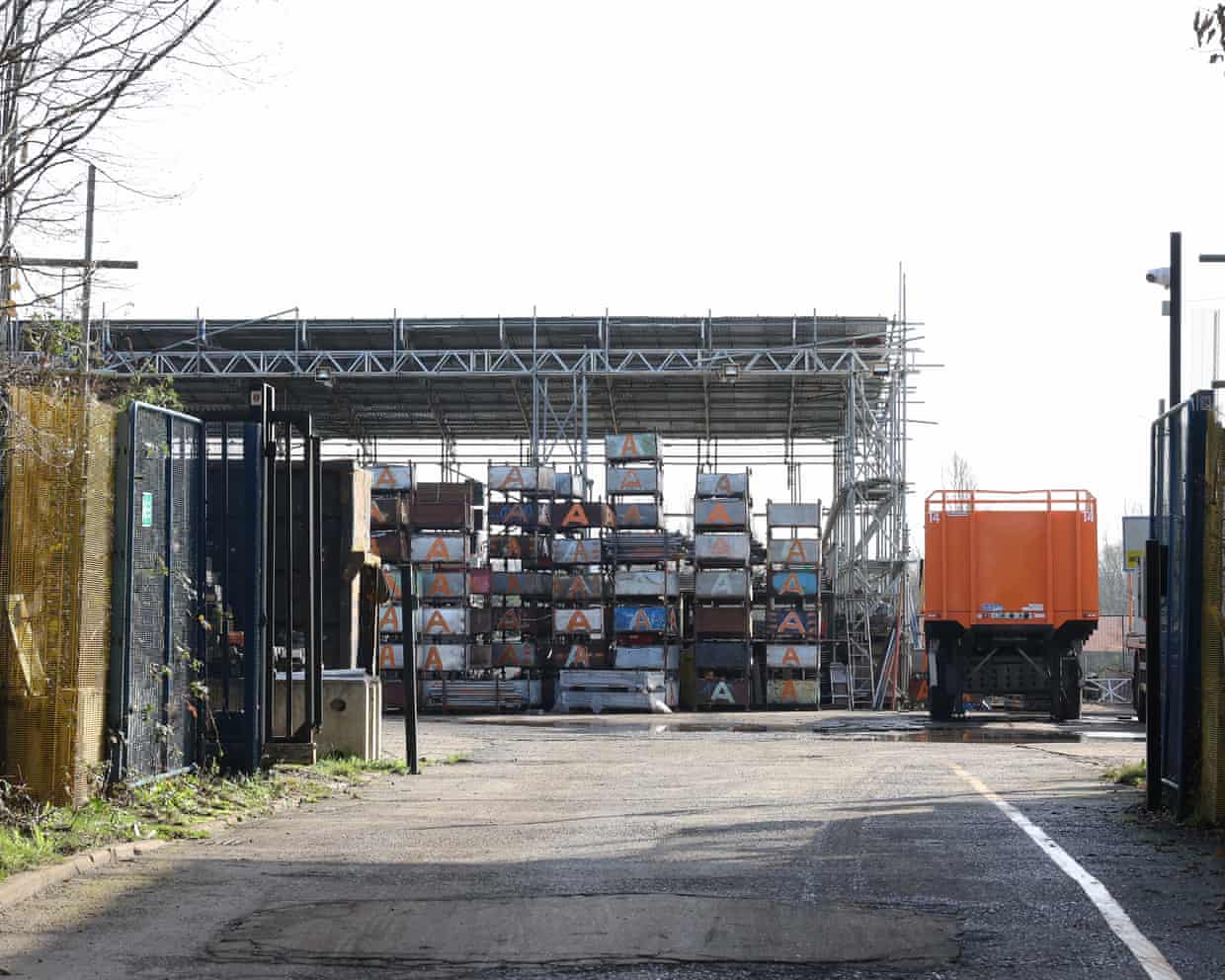
From press release … to scrap metal site: the Essex ‘supercomputer’ that’s still a scaffolding yard

Revealed: UK’s multibillion AI drive is built on ‘phantom investments’

OpenAI delays ‘adult mode’ for ChatGPT to focus on work of higher priority

Liverpool and Manchester United complain to X over ‘sickening’ Grok AI posts

How AI firm Anthropic wound up in the Pentagon’s crosshairs

AI allows hackers to identify anonymous social media accounts, study finds