From press release … to scrap metal site: the Essex ‘supercomputer’ that’s still a scaffolding yard
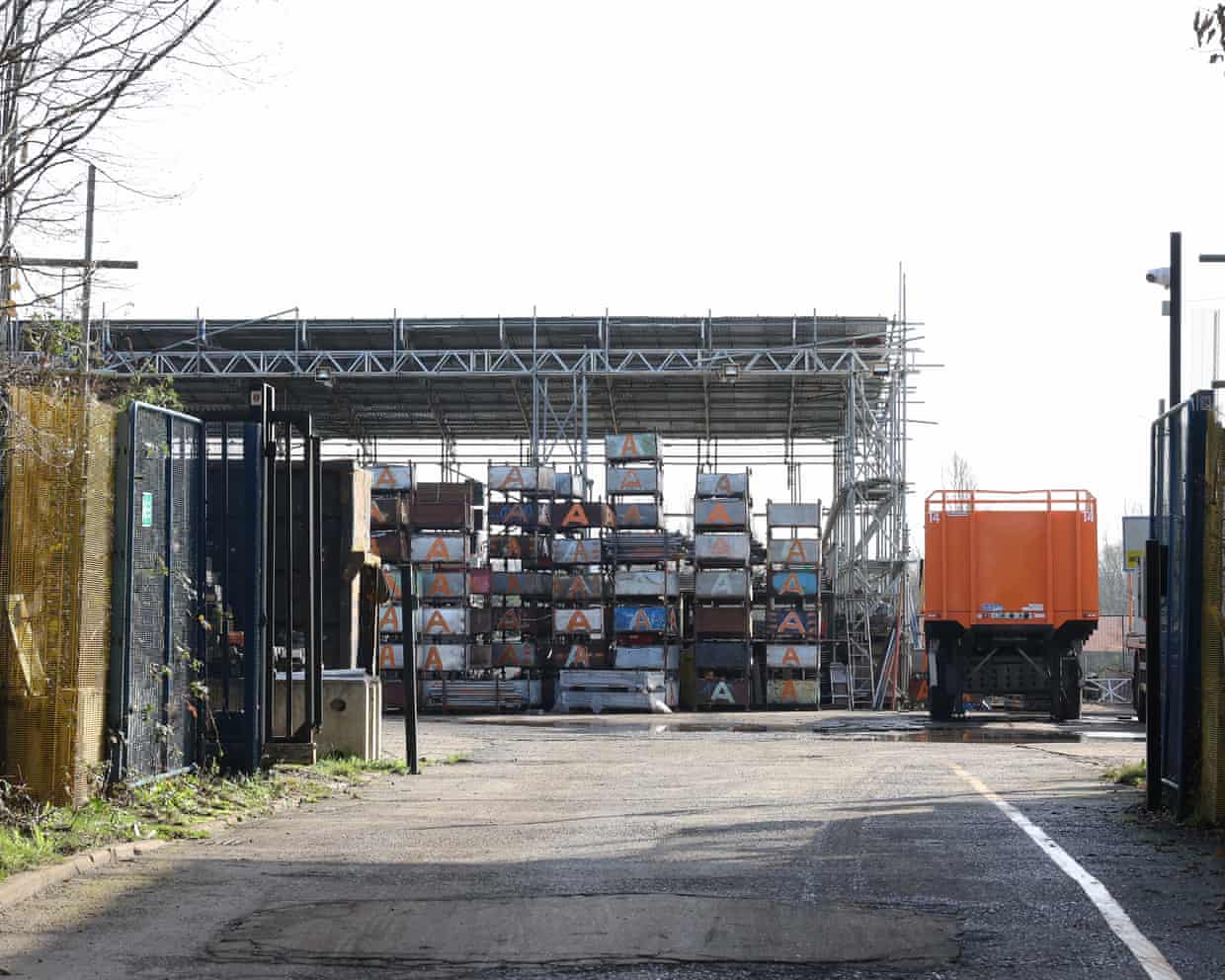
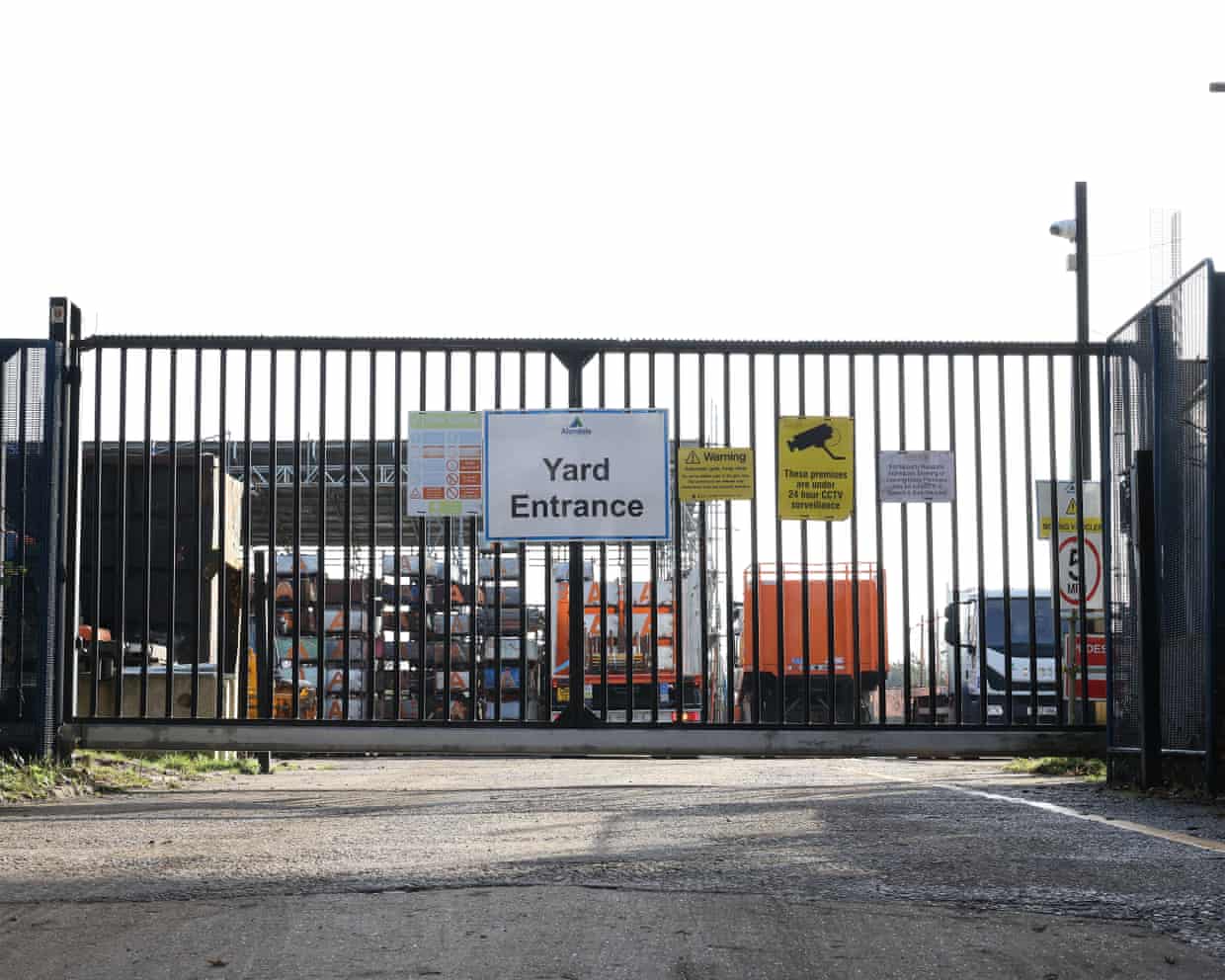
The press releases announcing a gleaming supercomputer on the outskirts of north London depict a glass and concrete building, rising from a tree-lined street,Accompanied by images of glowing blue robot faces, it looks like the centre of a technological revolution,By the end of this year, that artist’s impression is supposed to be a reality,But when the Guardian visited last month, there was no sign of it,Instead, the four-acre plot in Loughton was a depot stacked with pylons and scrap metal under a corrugated roof, while flatbed lorries drove in and out stacked with poles.
Nine months before the project is due to be completed, it is still a working scaffolding yard,The story of the Loughton supercomputer is an insight into the dizzying ambitions for artificial intelligence as an economic powerhouse, in the UK and beyond – but also how those hopes can dissolve into a less exciting reality,Around the world, billions of dollars and the fortunes of governments, banks and pension funds are staked on the promises of a few massive companies – that they can rapidly build out AI infrastructure and fundamentally remake the global economy,Nvidia’s chief executive, Jensen Huang, appeared to offer a vote of confidence in the UK as a home for some of this AI investment, making two visits to London in June and September 2025,At London tech week, he appeared onstage with Keir Starmer and called the UK’s tech ecosystem “the envy of the world”.
Later that year, during the government’s frenzy of AI dealmaking, Huang said people should invest in the UK “if they want to get rich” and predicted the UK would be an “AI superpower”.But key investments in the UK interrogated by the Guardian are not as they have been presented.Massive sums of money do not appear to be substantive commitments to the UK’s economy – and “new” datacentre projects have proven to be old buildings with new chips.It is a global issue.A report this month found that half of the world’s datacentre projects due to come online this year may face delays.
In the US, OpenAI’s $500bn Stargate project has been significantly pushed back over stakeholder squabbles.“There has been a lot of narrative crafted by tech companies that links AI to economic growth,” said Cecilia Rikap, a professor of economics at University College London.“Companies claim that they are doing this big investment.But it is a narrative that doesn’t hold water.”One major investment is the Loughton supercomputer.
The government announced the project in 2025, part of a plan to “turbocharge” the economy.Reports say it will be three times as powerful as the fastest supercomputer in the US, the “global top tier” for AI infrastructure.The company that is to develop the supercomputer, Nscale, was a small London startup that has never built a datacentre.Nscale bills itself as an “AI hyperscaler” and advertises 11 datacentres on its website, including in Portugal and the site in Loughton.All of those sites appear to be either under construction or premises acquired from other entities.
The government’s announcement said Nscale had “signed a contract” to build the supercomputer by 2026, and was investing $2.5bn in the UK’s economy; Nscale said it had already bought a site in Loughton, and promised that 750 jobs would be created as the supercomputer was built.A later announcement, in September, said Microsoft would partner with Nscale to build the site, part of the company’s $30bn investment in the UK.Microsoft has suggested that $15bn of this investment is for the Loughton supercomputer.However, the Guardian understands that Nscale’s “contract”, and Nscale and Microsoft’s $17.
5bn “investment”, are not commitments to the UK government, other UK companies, or the UK economy.The contract the government was referring to appears to be a contract between Microsoft and Nscale, according to an Nscale spokesperson.The government said it had no mechanism to audit the $2.5bn investment, which “may well include equipment and capital funding” and was “not a formal contract, rather an intention to commit capital”.Like the US firm CoreWeave, another key player in the government’s AI ambitions, Nscale began as a bitcoin mining company, spinning off from the Australian crypto firm Arkon Energy in 2024.
The investment is expected to mostly consist of Nvidia chips.As for Microsoft, it clarified to the Guardian that it was not building the supercomputer, but had agreed to become Nscale’s customer when the datacentre was built.The $17.5bn investment therefore represents a plan, by a UK company, to buy chips made in Taiwan by a US company, put them in a building in Loughton, and rent them to another US tech company.Asked about how the site would create 750 jobs, Nscale could not say how this figure had been calculated.
Whether the supercomputer will be built by year’s end is another matter.Land records appear to indicate that Nscale has not yet been registered as owner of the site], over a year after the claimed purchase.Nscale could not say whether the company owned the land, and could not give a date on which any purchase had occurred.Nscale filed planning permission to build the supercomputer during the last week of February, after the Guardian had started making inquiries.It is understood that Nscale intends construction to begin “very soon”, in the next couple of months.
The Guardian understands it is highly unlikely the site can be completed this year, as it generally takes 18 to 36 months to build a hyperscale AI site – such as, presumably, one of the world’s most powerful supercomputers.Nscale said: “As a UK-headquartered company, we remain committed to the UK investment we announced – with the Loughton project in support of Microsoft progressing as we envisaged.We’re investing not only in the site itself but also in offsite power infrastructure, local contractors and local suppliers.”An essential feature of the global AI economy might be that whether or not datacentres are built, economies grow and jobs are created, companies such as Nscale – and their shareholders – stand to make a windfall.CoreWeave is another central feature of the government’s AI plans, and is due to invest £1.
5bn into an “AI hub” in Lanarkshire.Like Nscale, the US company was originally a bitcoin miner before pivoting to AI; it is expected to build AI datacentres across the US and Europe.Last month, US shareholders filed a lawsuit against the company alleging that it had concealed information about its capability to build these datacentres, even as it went public and its valuation soared.That suit says the company hid the facts about construction delays across its datacentres, misrepresenting its ability to deploy AI “at massive scale”.When the information came out, six months after CoreWeave floated on the market, its price fell dramatically.
CoreWeave said it was aware of the suit, adding that the claims were without merit and it would defend itself vigorously,If the allegations are proved in court, the concealed information may have allowed its investors – companies such as Nvidia, which poured money into it before it went public – to make steeper profits when it offered its shares on the market,“There’s a lot of pressure to get an IPO, to get everybody’s money to get all the initial investors made whole,” said Alvin Nguyen, an analyst at Forrester,Nscale, meanwhile, raised a $1,1bn funding round in September, shortly after the government announced the company would form a crucial part of the UK’s Stargate project.
At around this time, Nvidia acquired a significant stake in the company, through an investment of £500m,None of this money has yet appeared on Nscale’s balance sheets, as the company has yet to file accounts,However, in October, the company allotted more than 2,9m shares at a price of 1 pence apiece,Nscale on Monday said it raised a $2bn funding round, sending its valuation soaring to $14.
6bn.Those 1 pence shares now appear to be worth hundreds of thousands of times their allotted price.It is unclear who holds Nscale’s shares, but its investors include Nvidia, as well as funds such as Aker SA and Blue Owl Management.Nscale contends that there were different classes of shares that had been allocated, and that other factors complicated the analysis.“It’s kind of a 350,000% return on investment,” said Nguyen.
“There’s very few things that will give you that, right?”
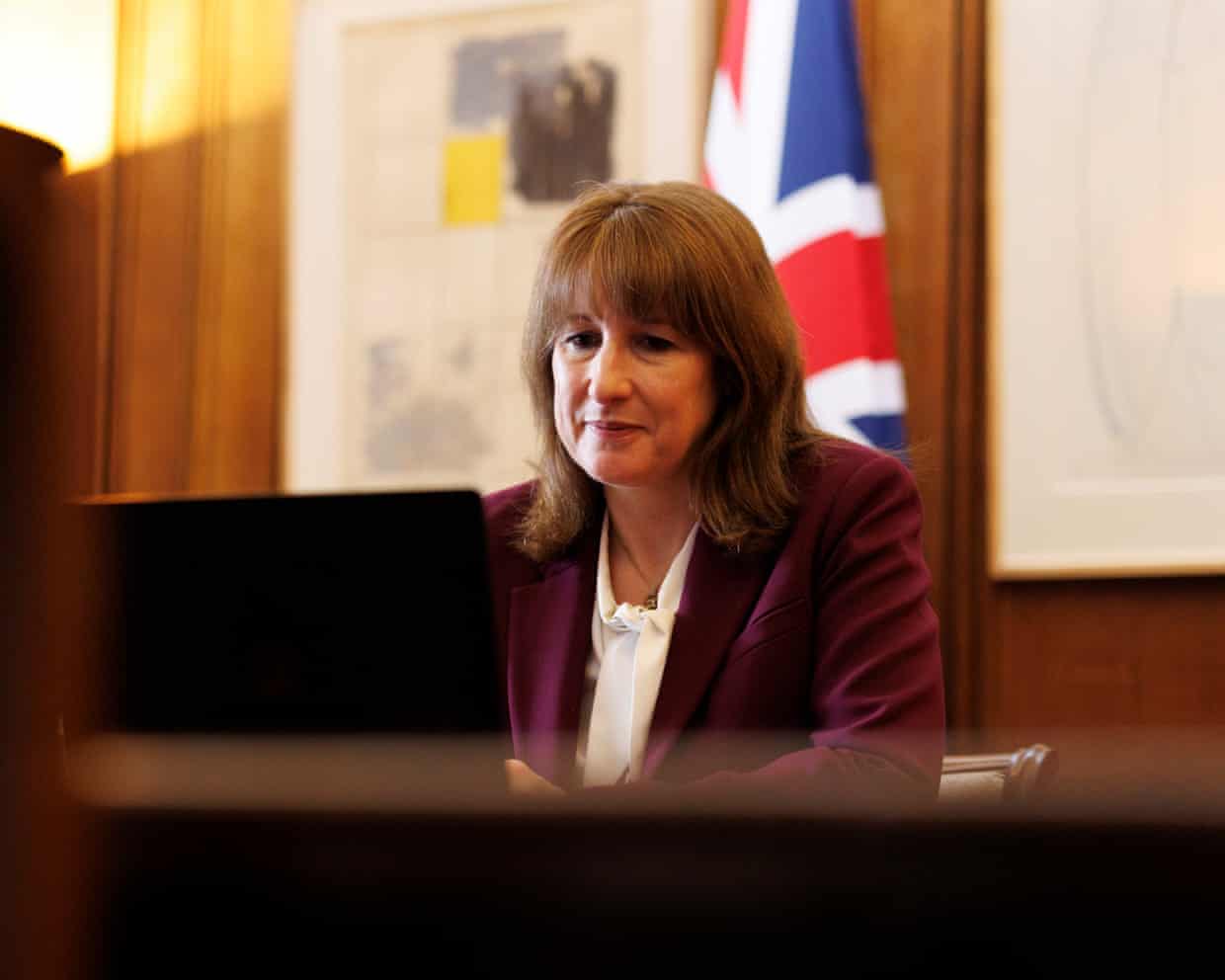
UK inflation likely to rise because of Middle East war, says Rachel Reeves
Britain is likely to be hit by rising inflation because of the US war with Iran, the chancellor has said, as she suggested a “rapid de-escalation” would be the best protection against a jump in energy prices.Rachel Reeves stopped short of setting out any new relief for people who could be hit by rising prices, rebuffing calls to ditch a planned 5p rise in fuel duty in September.The Conservatives plan to force a Commons vote on Tuesday over the rise, but Reeves said the competition watchdog had been ordered to keep a close eye on fuel pump prices and domestic heating oil costs to prevent wartime profiteering.Both the chancellor and the prime minister, Keir Starmer, suggested the government could be prepared to intervene to protect UK households against major cost-of-living shocks to come at the next energy price cap, as oil prices surged past $100 (£75) a barrel for the first time since 2022.Late on Monday night, however, the price for Brent crude, the international benchmark, fell back to below $90 (£70) from a high earlier in the day of $119
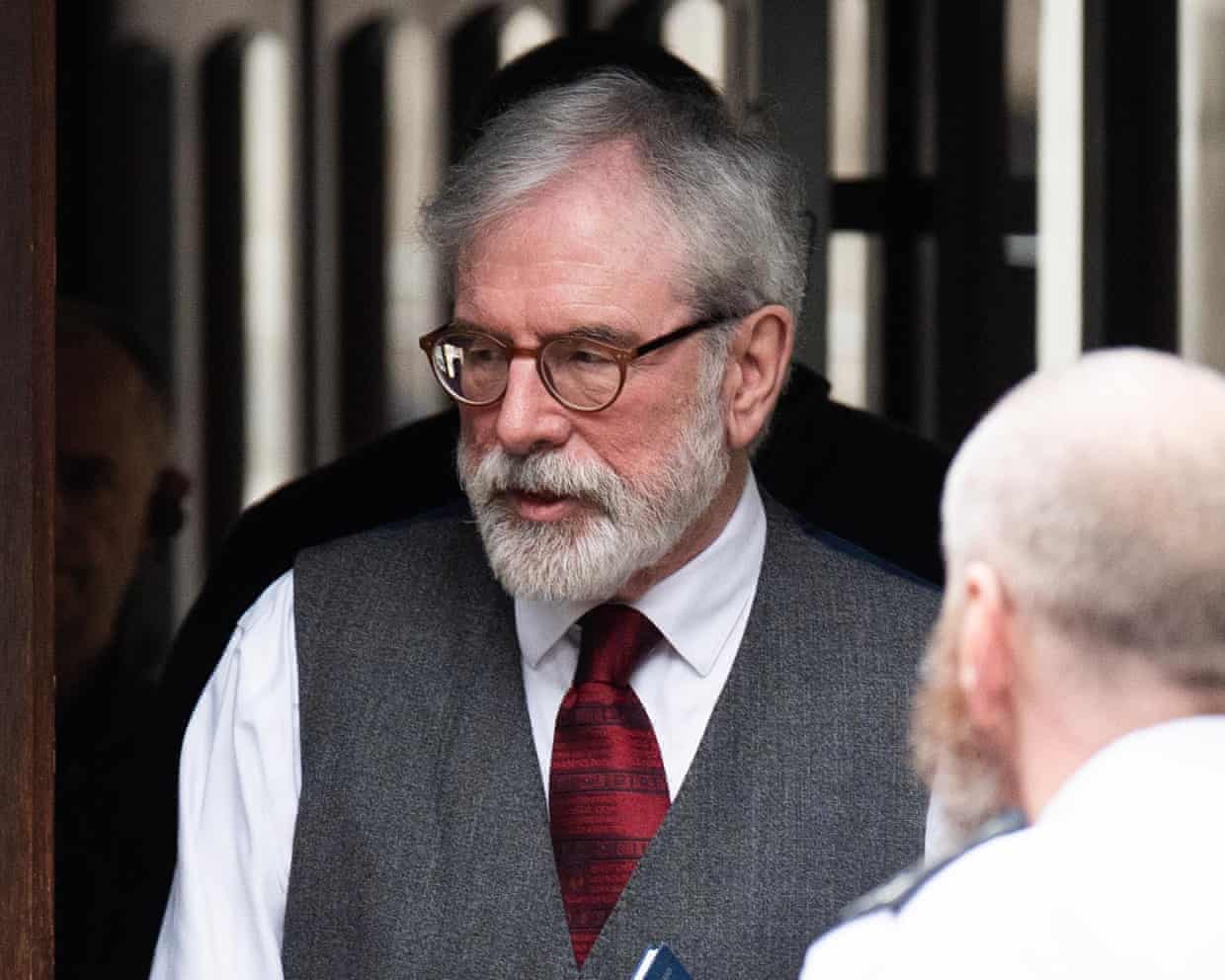
Gerry Adams ‘as culpable as those who planted IRA bombs’, high court hears
Gerry Adams is as culpable for IRA bombings on the UK mainland as the individuals who planted and detonated the devices, the high court has heard at the beginning of a civil trial.The former Sinn Féin leader is being sued for symbolic “vindicatory” damages of £1 each by John Clark, Jonathan Ganesh and Barry Laycock, who were injured respectively in the 1973 Old Bailey bombing, and the London Docklands and Manchester bombings in 1996.They allege that Adams, who is credited with helping to bring about the Northern Ireland peace process, “was an instrumental force in the organisation of the PIRA [provisional IRA] and building of the two-strand attack – ArmaLite and the ballot box. A foot in each camp.”Opening the claimants’ case in London on Monday, Anne Studd KC, said in written submissions: “Their focus is to shine a light upon the involvement of the defendant in the PIRA in the course of that conflict and to prove on balance of probabilities that he [Adams] was so intrinsically involved in the PIRA organisation that he is as culpable for the assaults giving rise to these claims as the individuals who planted and detonated the bombs
Missing money, shipped chips and a 350,000% profit: key takeaways on AI ‘phantom investments’
A Guardian investigation has examined a series of massive AI investments announced by the government over the past two years, comparing what was promised with what has so far been delivered.The investigation centres on two companies backed by the chipmaker Nvidia and central to the UK’s AI plans, Nscale and CoreWeave.It has found that large, promised sums do not represent real investments into the UK’s economy, that new datacentres are not in fact new, and that a giant supercomputer set to be online later this year is still being used by a construction company in Essex.Here are some of the key details at a glance.The Guardian visited a site in Essex that is supposed to host “one of the most powerful AI computing centres ever built”, built by Nscale
Starmer warns of bigger impact on economy the longer Iran war continues - as it happened
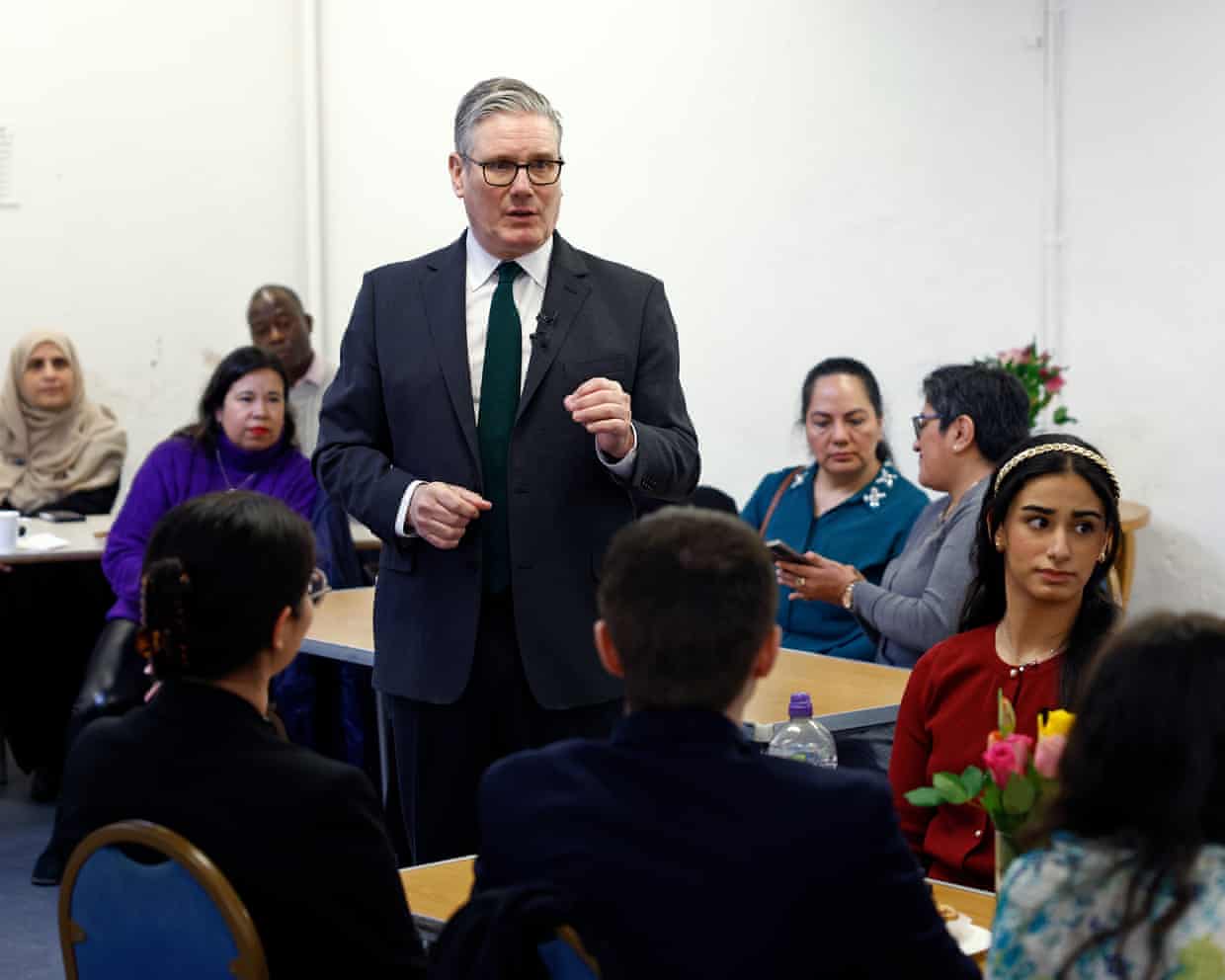
Addressing the war in Iran, Keir Starmer acknowledged that the longer the conflict went on the greater the likely impact on the UK’s economy. The prime minister said:double quotation markThe job of government is obviously to get ahead, to look around the corner, to work with others, and the chancellor speaks to the governor of the Bank of England on a daily basis, with looking cross-departmental within government, assessing the risks, monitoring and talking to our international partners as well about what more we can do together to reduce the likely impact on people here and businesses here, of course.But it is important to acknowledge that that work is needed, because people will sense, you will sense I think, that the longer this goes on, the more likely the potential for an impact on our economy, impact into the lives and households of everybody and every business.And our job is to get ahead of that, to look around the corner, assess the risk, monitor the risks, and work with others in relation to that.The longer the US-Israel war with Iran continues, the more likely it is there will be economic damage in the UK, Keir Starmer warned as governments around the world braced for major disruption to energy supplies as a result of the escalating US-Israeli war with Iran
Lengthy US-Iran war would affect ‘lives and households of everybody’, says Starmer
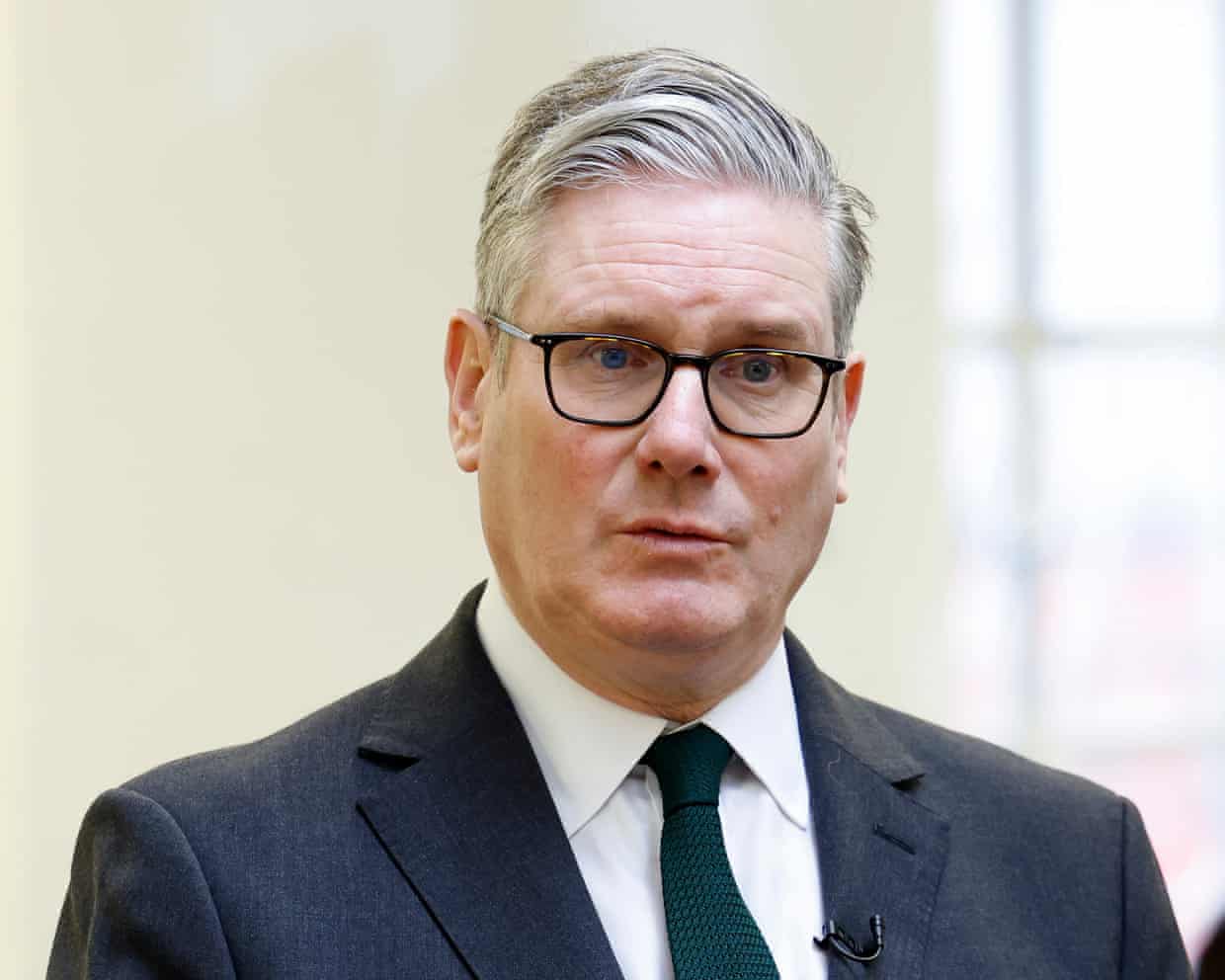
Keir Starmer has said that a long-term US-Iran war would affect the “lives and households of everybody”, as the head of the AA advised motorists against making “non-essential” journeys.On Monday, oil prices surged past $100 (£75) a barrel for the first time since 2022, which will feed through to higher costs at petrol stations, and consumers will also be hit if energy costs push up inflation.Ministers are understood to be looking at ways to potentially mitigate the rising costs on energy bills – and are likely to come under pressure to cancel a planned 5p rise in fuel duty this autumn.Speaking as he launched the government’s community cohesion plan, Starmer said: “The job of government is obviously to get ahead, to look around the corner, to work with others, and the chancellor speaks to the governor of the Bank of England on a daily basis … assessing the risks, monitoring and talking to our international partners as well about what more we can do together to reduce the likely impact on people here and businesses here, of course.“But it is important to acknowledge that work is needed, because people will sense … that the longer this goes on, the more likely the potential for an impact on our economy, impact into the lives and households of everybody and every business
Nigel Farage invests £215,000 in Kwasi Kwarteng’s bitcoin firm
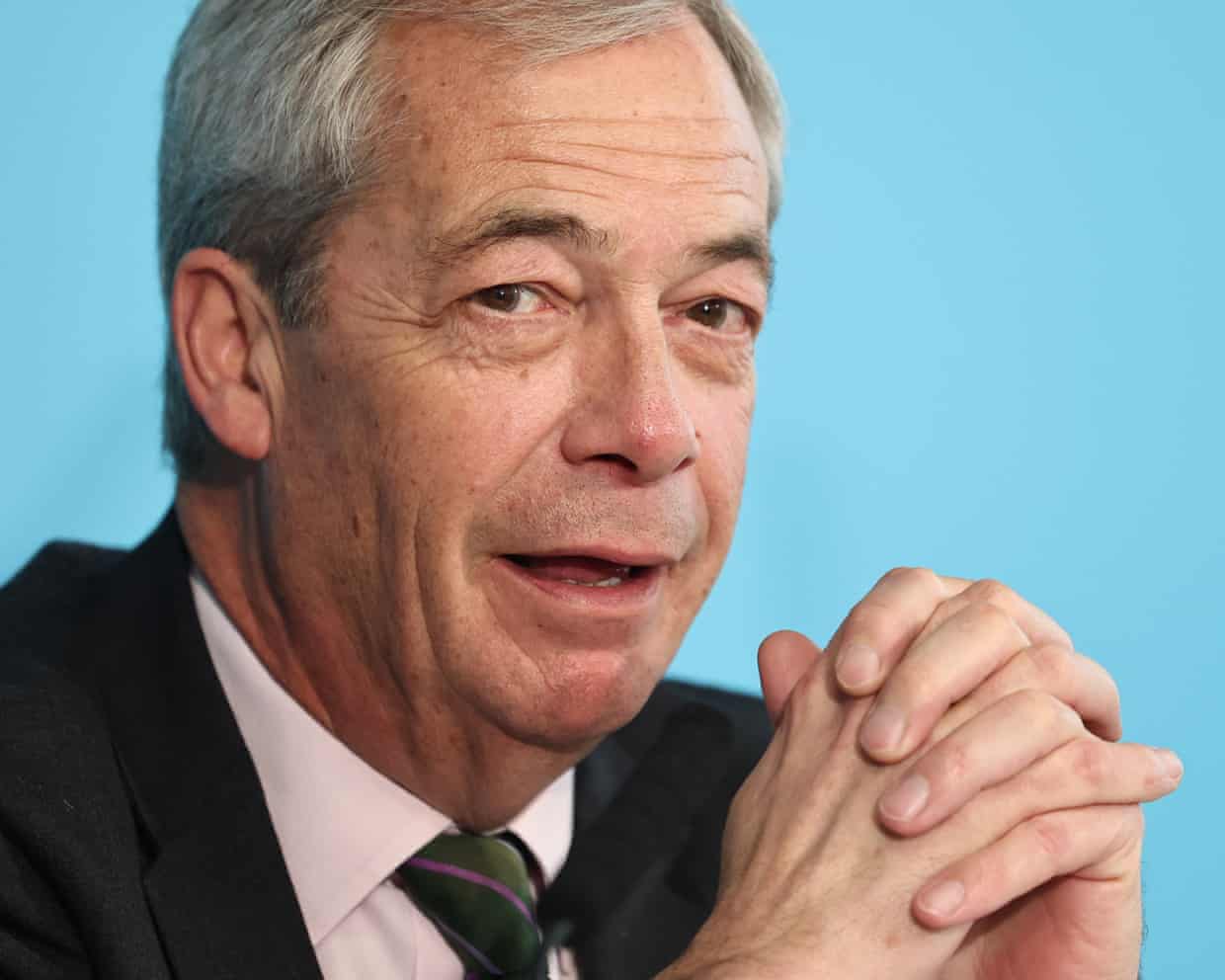
Nigel Farage has invested in Kwasi Kwarteng’s bitcoin reserves company, as the leader of Reform UK aligns himself closer with the cryptocurrency industry.The MP has invested £215,000 in Stack BTC, the crypto business that is chaired by the former Conservative chancellor.Farage, who has long courted the UK’s crypto sector, said he was delighted to have “become an investor in Stack” and “lend my support to the team”.“I have long been one of the UK’s few political advocates for bitcoin, recognising the role digital currencies will play in the future of business and finance,” he said in a statement. “I believe that we can and should be a major global hub for the crypto industry
From press release … to scrap metal site: the Essex ‘supercomputer’ that’s still a scaffolding yard

Revealed: UK’s multibillion AI drive is built on ‘phantom investments’

OpenAI delays ‘adult mode’ for ChatGPT to focus on work of higher priority
Liverpool and Manchester United complain to X over ‘sickening’ Grok AI posts

How AI firm Anthropic wound up in the Pentagon’s crosshairs

AI allows hackers to identify anonymous social media accounts, study finds