How high could oil prices go – and what might the global economic fallout be?
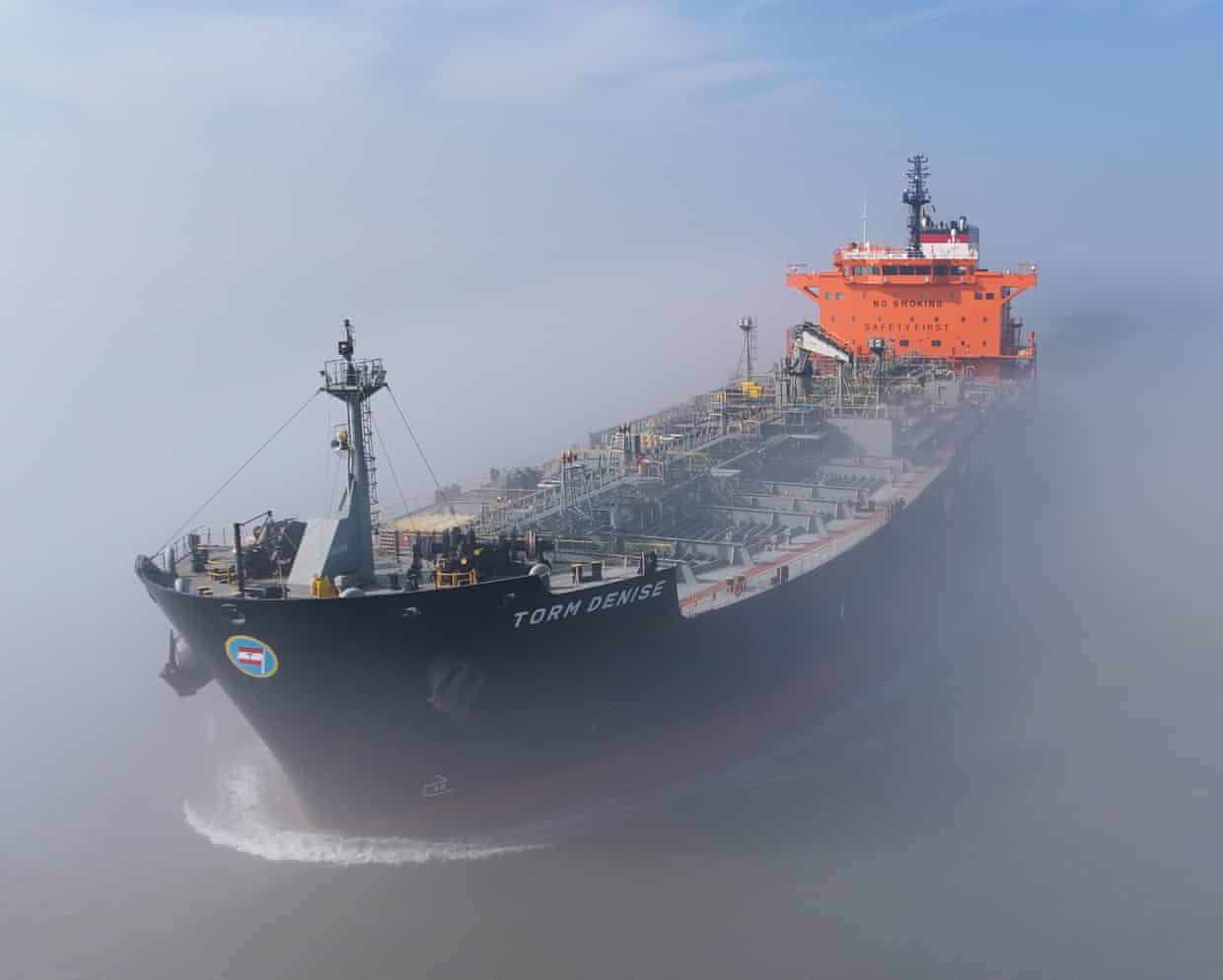
Fears over the global economy have been stoked by the oil price soaring past $100 a barrel as a result of the US-Israel war with Iran.Economists say the increasing likelihood of a prolonged conflict in the vital energy exporting region could have serious consequences for living standards around the world amid the threat of a renewed inflation shock.Against a highly uncertain backdrop, financial markets are under heavy selling pressure, consumers are facing rising prices, central banks could be forced to increase borrowing costs and governments will come under pressure to support households and businesses.Oil prices passed $119 a barrel on Monday, the highest level since Russia’s full-scale invasion of Ukraine in February 2022.Analysts say the continued closure of the strait of Hormuz could drive the price close to $150 a barrel, above the record high of $145.
29 set in July 2008.The narrow shipping route on Iran’s southern border carries a fifth of global seaborne crude oil and liquified natural gas, and a third of the most widely used fertiliser.Goldman Sachs has said Iran’s effective blockade of the waterway has had an impact 17 times larger than the peak April 2022 hit to Russian oil production after the Ukraine invasion, which pushed the oil price to about $139 a barrel.What happens next hinges on how long the strait is effectively closed and the ability to divert exports.Saudi Arabia has begun routing crude to its Red Sea ports, but most exporters are trapped behind bottlenecks.
Gulf oil and gas storage facilities are reaching their limits as a result, meaning large oilfields may need to be shut down.Returning production to previous levels would take time, adding further to the energy crisis.Analysts say a short, sharp conflict that allowed Hormuz exports to resume would help to cool energy prices.Prolonged uncertainty could linger, however, over the safety of the waterway.Capital Economics has said a longer-lasting conflict could keep the oil price above $100 a barrel throughout this year.
The soaring oil price comes at a delicate moment for the global economy.Central banks had been nearing the end of a process of normalising interest rates after the most aggressive tightening cycle in decades in response to Russia’s invasion of Ukraine.Further rate cuts had been anticipated, but experts say the Iran conflict could prompt the opposite, a renewed rise in borrowing costs.After the 2022 experience, the way higher energy costs and logistical bottlenecks bleed into consumer prices is well known.Fuel prices for motorists are already rising, households’ energy bills could increase sharply and higher costs for businesses will ripple through global supply chains.
These costs will ultimately be passed on to consumers.There are hopes that a re-run of the inflation spikes of the 1970s, when oil price shocks emanating from the Middle East rippled through the world economy, can be avoided.Analysts highlight the fact that long-term inflation expectations have remained relatively grounded in recent years, even after Russia’s invasion of Ukraine, suggesting that central banks have helped to maintain confidence that prices can be brought back under control.“The global economy is less sensitive to energy shocks than half a century ago,” said Jim Reid of Deutsche Bank.“Economies are much less energy-intensive today, and labour markets have far lower unionisation and wage indexation, reducing the risk of a 1970s-style wage-price spiral.
”The inflation increases triggered by the Covid pandemic and Russia’s invasion of Ukraine mean households and businesses have already stomached years of sharp price increases.Many are stretched to breaking point.Economists say a renewed inflationary burst would damage consumer demand and hit economic activity.Fears of stagflation, where growth stagnates but inflation increases, are mounting.“Talk of recession is back,” said the accountancy firm Deloitte’s chief economist in the UK, Ian Stewart.
“Surging oil and gas prices are harbingers of economic trouble.Higher energy prices, triggered by war or revolution in the Middle East, were major factors in western recessions in 1973, 1979 and 1990.The surge in energy prices in the wake of Russia’s invasion of Ukraine collapsed Europe’s growth rate in 2023.”Higher borrowing costs and heightened geopolitical uncertainty are likely to hit business investment and global trade, meaning countries where the growth outlook is already fragile could tip closer to recession.G7 countries have said they stand ready to release emergency oil reserves to soothe global supply concerns.
Having increased domestic production in recent years, the US is largely energy-independent despite depleting its domestic strategic oil reserve.China has amassed vast oil stockpiles.European countries are likely to be hit hardest by the fallout.Most are net energy importers, and rely heavily on oil and gas.Governments will come under renewed pressure to boost their energy security.
Much of the focus will be on accelerating the switch to a low-carbon economy and investment in renewable energy.A political battle over the pace of transition is also likely though, as happened after Russia’s invasion of Ukraine.Politicians are also facing calls to provide emergency financial support to help struggling households and businesses with higher energy bills.EU countries and the UK stepped in with costly schemes four years ago.Borrowing and debt levels are already stretched for many western governments, however, limiting capacity to unfurl expensive new programmes without testing fragile global bond market appetite.
“The problem now is how much this will cost governments, with energy support packages being floated as ideas,” said Jordan Rochester of the Japanese bank Mizuho,“This may be a war, but it’s also perhaps the biggest energy supply/logistics crisis we’ve ever seen in modern history,”

Golf club firm owned by Trump’s sons merges with drone manufacturer
A golf club company backed by the sons of Donald Trump is merging with drone manufacturer Powerus in a deal designed to take the drone technology company public.The merger with Aureus Greenway Holdings is the latest in Eric and Donald Trump Jr’s growing investments in the drone sector, following last month’s $1.5bn tie-up between Israeli drone maker XTEND and Florida-based JFB Construction Holdings. Drones have become a major procurement priority for the Pentagon and are widely used in Ukraine, where dense air defense systems near the frontlines limit the deployment of conventional aircraft.This growing reliance has also drawn significant Silicon Valley funding into drone and military artificial intelligence startups, boosting valuations of US companies such as Anduril Industries and Shield AI
How high could oil prices go – and what might the global economic fallout be?
Fears over the global economy have been stoked by the oil price soaring past $100 a barrel as a result of the US-Israel war with Iran.Economists say the increasing likelihood of a prolonged conflict in the vital energy exporting region could have serious consequences for living standards around the world amid the threat of a renewed inflation shock.Against a highly uncertain backdrop, financial markets are under heavy selling pressure, consumers are facing rising prices, central banks could be forced to increase borrowing costs and governments will come under pressure to support households and businesses.Oil prices passed $119 a barrel on Monday, the highest level since Russia’s full-scale invasion of Ukraine in February 2022. Analysts say the continued closure of the strait of Hormuz could drive the price close to $150 a barrel, above the record high of $145
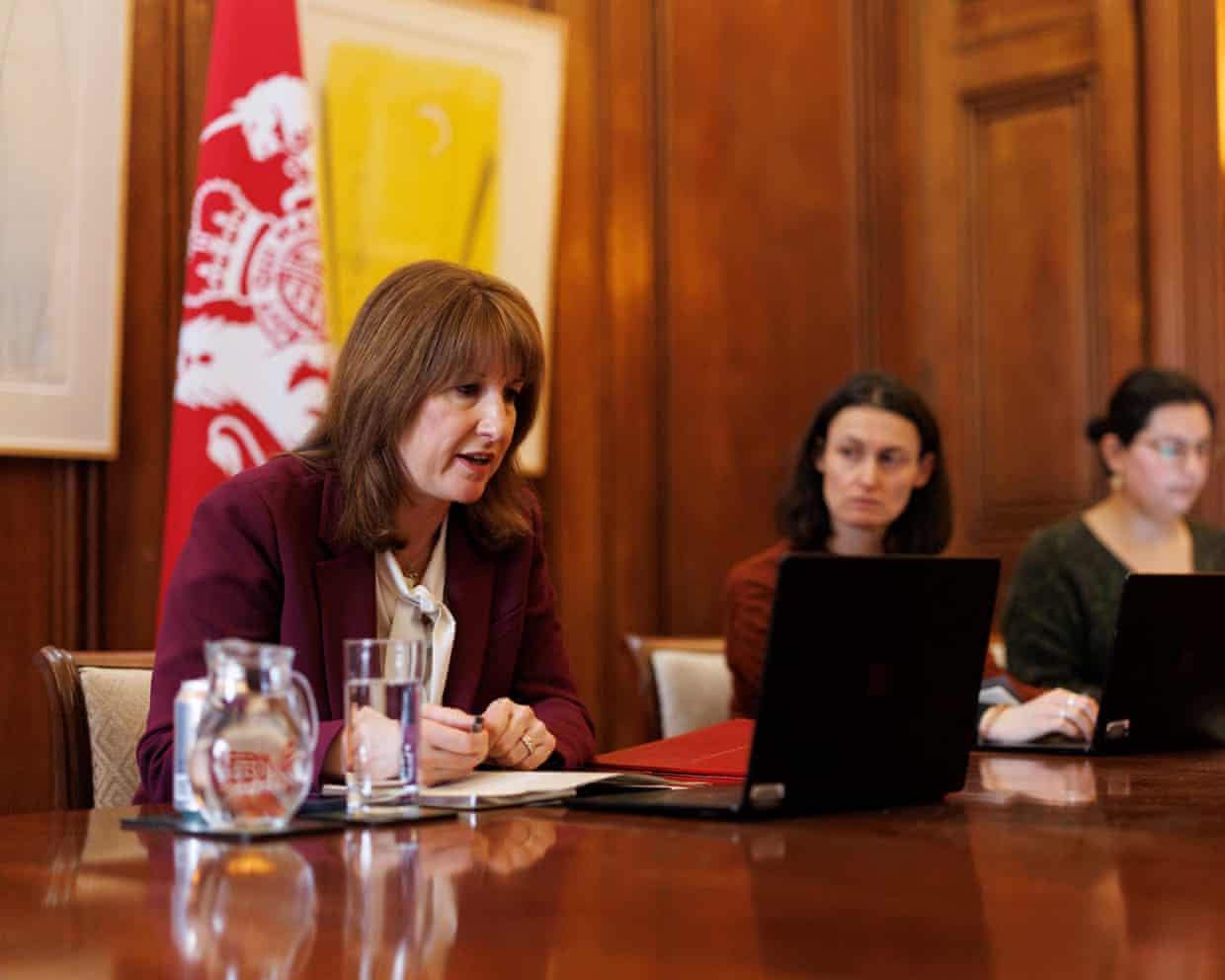
Rachel Reeves warns fuel retailers not to make ‘excess profits’ from oil crisis; G7 ‘stands ready’ to release crude reserves – as it happens
Time for a recap, after a dramatic day in the financial markets.UK chancellor Rachel Reeves has warned petrol, diesel and heating oil retailers not to take advantage of the surge in oil prices.Updating MPs about the situation, after an alarming surge in oil prices last night, Reeves said she would “continue to monitor prices” at the pumps as the situation develops.She told the House of Commons:double quotation markI have also asked the Competition and Markets Authority to be vigilant across prices, including essentials like road fuel and heating oil.Let me be absolutely clear
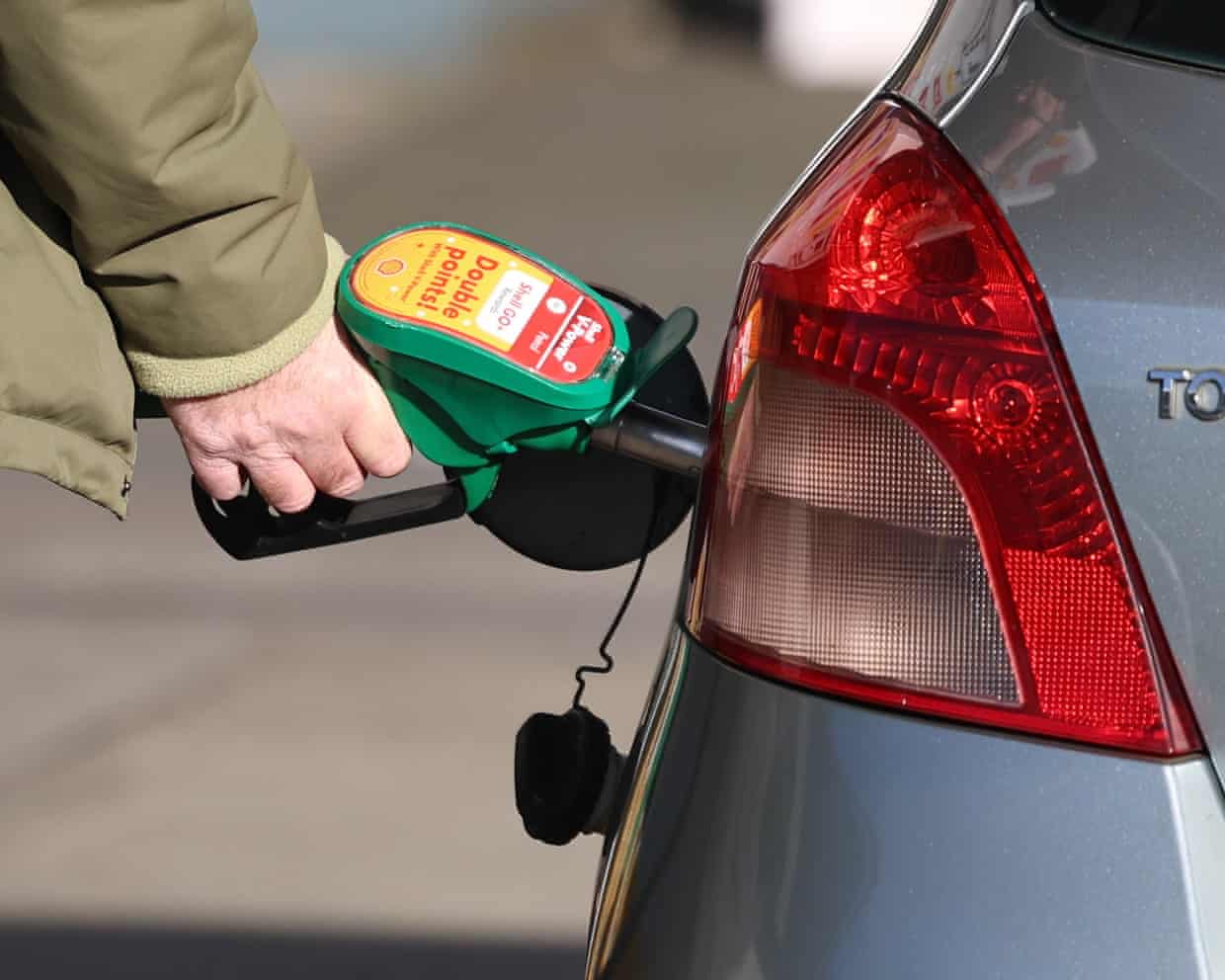
How will war in the Middle East affect your finances?
The war in the Middle East is continuing to tighten the screw on the finances of people around the world. Stock markets have fallen and the oil price has surged over $100 a barrel for the first time in four years – fuelling fears of a new cost of living crisis.Here is how it could affect your bills, spending and investments if you live in the UK.“Average petrol and diesel prices have rocketed in the last week and are unfortunately likely to keep on rising, so the situation for UK drivers is looking increasingly bleak,” said Simon Williams, the head of policy at the RAC.Speaking on Monday morning, he said petrol had risen by 5p to 137

Live Nation reaches surprise settlement with justice department in antitrust case
Live Nation, which owns Ticketmaster, has reached a surprise settlement with the Department of Justice in its antitrust case just one week after the trial began.Under the agreement, Live Nation will create a $280m settlement fund for states that participated in the lawsuit and Ticketmaster will be required to open parts of its platform to rival ticketing companies, Live Nation announced Monday.The agreement also will require Ticketmaster to divest from exclusive booking agreements it has with 13 amphitheaters in the US and cap service fees at 15% of the ticket price. The agreement also limits long-term exclusivity contracts utilized by Ticketmaster when partnering with venues.An attorney for New York State told jurors last week that Ticketmaster keeps an average of $7

Yorkshire Water receives fresh funding despite sewage fines and pay row
A leading European investor will pump fresh funding into Yorkshire Water including helping to cover a £600m loan, despite recent heavy sewage fines and a scandal over executive pay at the utility company.EQT, a Swedish private equity group, said on Monday it would take a 42% stake in Kelda Holdings, the Jersey-registered parent company of Yorkshire Water, which has 5.7 million customers across Yorkshire and parts of the East Midlands and Lincolnshire.The move will effectively make it Yorkshire Water’s joint owner, bringing the stake of an existing shareholder, GIC, an investment firm, to 42%, and TCorp, the investment vehicle of Australia’s New South Wales public sector, to 16%.EQT said part of the deal would involve contributing to a £600m “inter-company loan repayment” that is due before March 2027, while it was “fully supportive” of spending plans to clean up Yorkshire’s record on sewage spills
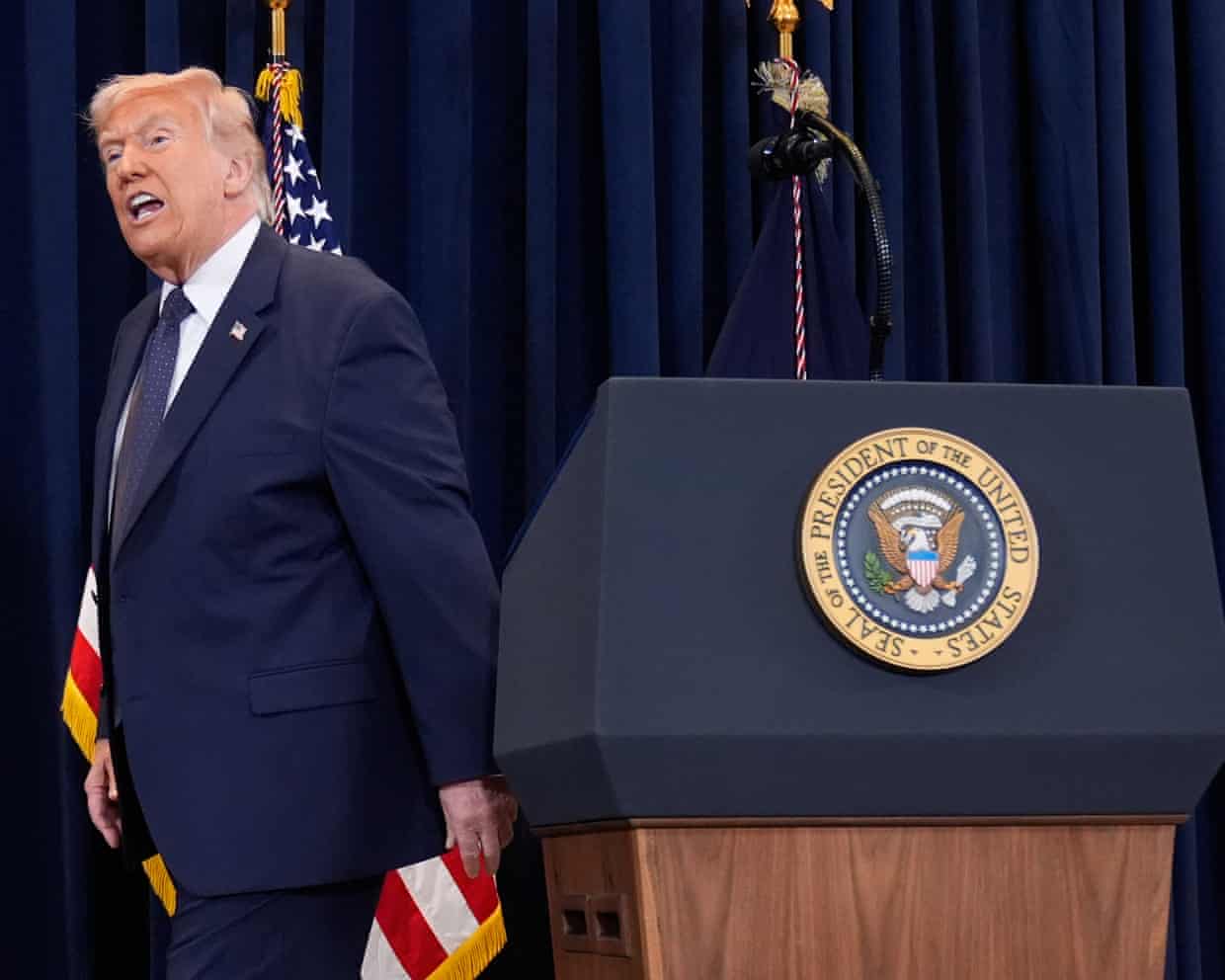
Oil prices drop sharply after Trump moves to reassure markets over Iran war
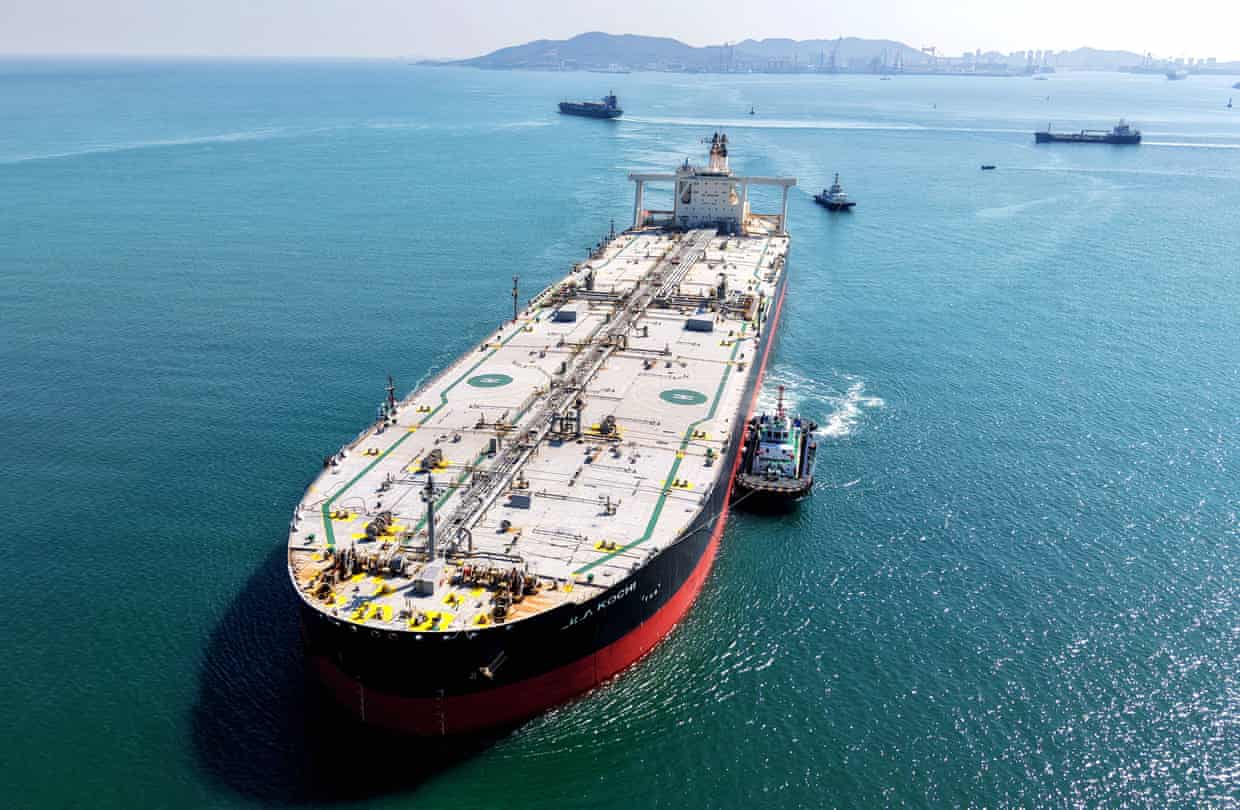
Why has the Iran war sparked fears of stagflation for the global economy?

X suspends 800m accounts in one year amid ‘massive’ scale of manipulation attempts

AI firm Anthropic sues US defense department over blacklisting

NBA cancels Atlanta Hawks’ theme night with strip club Magic City after backlash

‘We believe in the plan’: England vow to double down on kick-heavy style against France