Rachel Reeves warns fuel retailers not to make ‘excess profits’ from oil crisis; G7 ‘stands ready’ to release crude reserves – as it happens
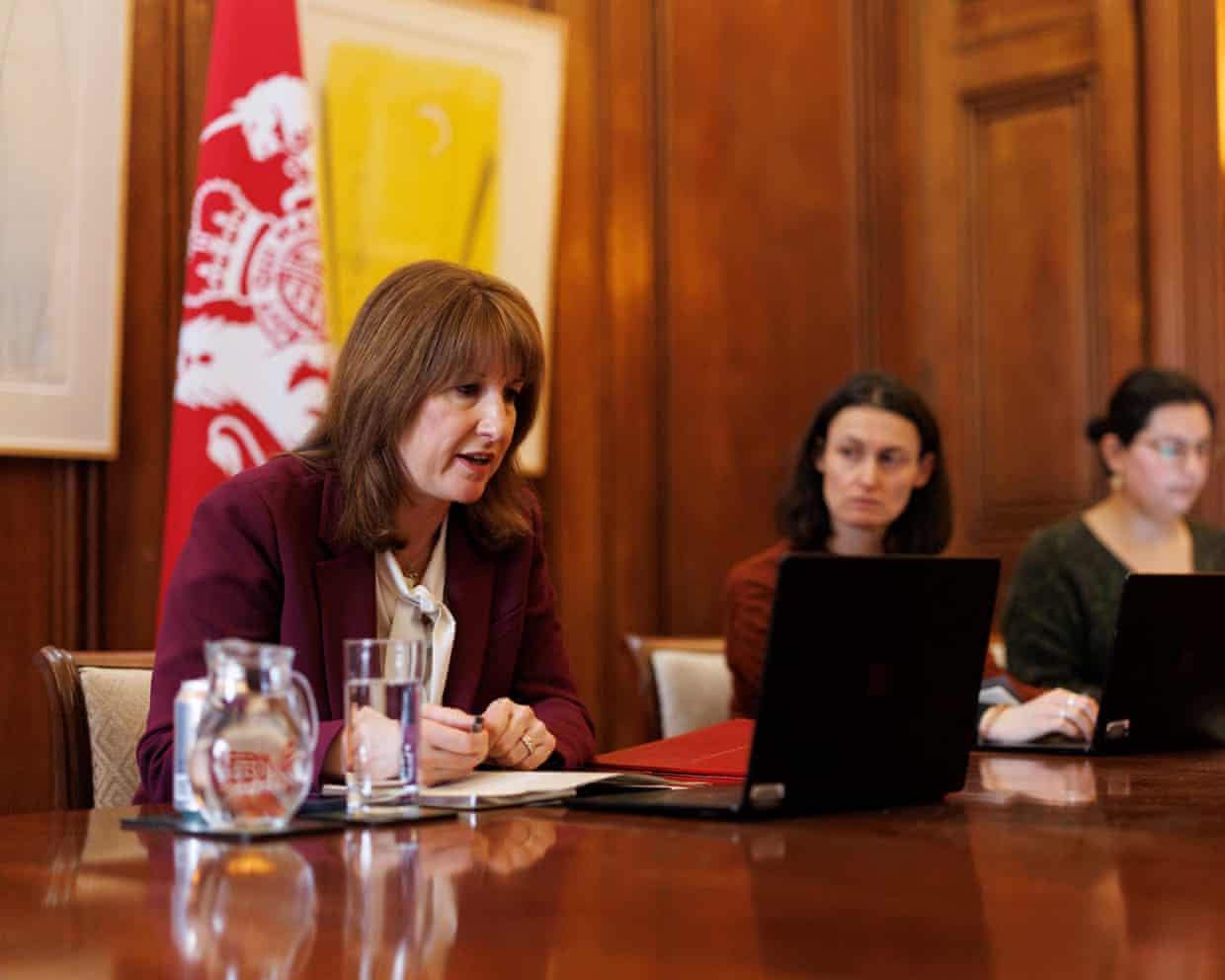
Time for a recap, after a dramatic day in the financial markets.UK chancellor Rachel Reeves has warned petrol, diesel and heating oil retailers not to take advantage of the surge in oil prices.Updating MPs about the situation, after an alarming surge in oil prices last night, Reeves said she would “continue to monitor prices” at the pumps as the situation develops.She told the House of Commons:double quotation markI have also asked the Competition and Markets Authority to be vigilant across prices, including essentials like road fuel and heating oil.Let me be absolutely clear.
I will not tolerate any company exploiting the current crisis to make excess profits at consumers’ expense.Reeves also reassured households that the UK energy price cap will fall in April, as planned before the Middle East crisis erupted.She was speaking after taking part in a call with fellow G7 finance ministers, where they agreed to stand ready to take necessary measures” to support oil suppliesG7 finance ministers met after the Iran war drove the cost of a barrel of crude to its highest since 2022, over $100 a barrel in frenzied trading as Asia-Pacific markets opened last night.They faced calls to release their emergency oil reserves, but the France’s finance minister has said the G7 are “not there yet”.In a statement, the G7 finance ministers say:double quotation mark“We, the G7 finance ministers, held a virtual meeting on March 9, together with the Heads of the International Monetary Fund (IMF), World Bank Group (WBG), Organisation for Economic Co-operation and Development (OECD), and International Energy Agency (IEA).
“We discussed the current conflict in the Middle East, its impact for regional stability, global economic conditions, and financial markets, and the importance of secure trading routes,“We will continue to closely monitor the situation and developments in the energy markets and will meet as needed to exchange information and to co-ordinate within the G7 and with international partners,“We stand ready to take necessary measures, including to support global supply of energy such as stockpile release,”The G7 statement appeared to calm the financial markets, which had been highly volatile early in the day,Brent crude rocketed to as high as $119.
50 a barrel as the financial markets opened on Sunday night UK time, an astonishing jump of 29%, as the fallout from the US-Israel war with Iran continued to rattle global markets,But crude prices then eased back during afternoon trading today,Brent crude is now changing hands around $99,75 a barrel, still up 7,33% on the day.
The TUC warned that “working people are now facing a Donald Trump-made cost of living crisis”.According to the RAC, UK petrol has risen by 5p to 137.5p a litre since the Iran war began on Saturday 28 February, with diesel is up 9p to 151p a litre.Fears of an inflationary surge hit the price of government bonds today, pushing up the yield (or interest rate) on UK debt, before a late recovery.The yield on two-year UK gilts surged by 36 basis points (0.
36 of a percentage point) at one stage, on track for its biggest daily jump since Liz Truss’s mini-budget alarmed investors in September 2022.But yields eased back in late trading, and were only slightly higher on the day.Hopes that the Bank of England would cut interest rates this year were dashed by the jump in the oil price.The City money markets now indicate the Bank is expected to keep rates on hold through 2026, with a small possibility of a rise in 2027.And finally, the UK’s stock market has clawed back most of its earlier losses.
The FTSE 100 share index has closed for the night, down 35 points at 10,249 points, having been down around 200 points in early trading.Energy companies and defence stocks led the risers, while property developers, housebuilders and retailers fell as hopes of UK interest rate cuts evaporated today.“It’s been tough for investors to figure out how to price in the Trump effect over the past 12 months,” says AJ Bell head of financial analysis Danni Hewson, adding:double quotation mark“For many it has made sense to plump for the ‘TACO’ trade, assuming the US president will pull back or change direction quickly.But after a relatively calm period for markets last week, the rhetoric from both sides in the US-Iran conflict over the weekend will have forced traders to think again.“The US economy and markets will be insulated to a degree by the country’s huge oil and gas industry, but it can’t escape soaring prices entirely, or the growing spectre of stagflation which is stalking the global economy.
“For central banks, the only way may be up when it comes to interest rates – a huge pivot from where markets had expected them to go in 2026,“Preventing inflation from reaching those scorching hot levels that would annihilate already fragile consumer confidence will trump a desire to curb unemployment or charge up economic growth,Time for a recap, after a dramatic day in the financial markets,UK chancellor Rachel Reeves has warned petrol, diesel and heating oil retailers not to take advantage of the surge in oil prices,Updating MPs about the situation, after an alarming surge in oil prices last night, Reeves said she would “continue to monitor prices” at the pumps as the situation develops.
She told the House of Commons:double quotation markI have also asked the Competition and Markets Authority to be vigilant across prices, including essentials like road fuel and heating oil.Let me be absolutely clear.I will not tolerate any company exploiting the current crisis to make excess profits at consumers’ expense.Reeves also reassured households that the UK energy price cap will fall in April, as planned before the Middle East crisis erupted.She was speaking after taking part in a call with fellow G7 finance ministers, where they agreed to stand ready to take necessary measures” to support oil suppliesG7 finance ministers met after the Iran war drove the cost of a barrel of crude to its highest since 2022, over $100 a barrel in frenzied trading as Asia-Pacific markets opened last night.
They faced calls to release their emergency oil reserves, but the France’s finance minister has said the G7 are “not there yet”.In a statement, the G7 finance ministers say:double quotation mark“We, the G7 finance ministers, held a virtual meeting on March 9, together with the Heads of the International Monetary Fund (IMF), World Bank Group (WBG), Organisation for Economic Co-operation and Development (OECD), and International Energy Agency (IEA).“We discussed the current conflict in the Middle East, its impact for regional stability, global economic conditions, and financial markets, and the importance of secure trading routes.“We will continue to closely monitor the situation and developments in the energy markets and will meet as needed to exchange information and to co-ordinate within the G7 and with international partners.“We stand ready to take necessary measures, including to support global supply of energy such as stockpile release.
”The G7 statement appeared to calm the financial markets, which had been highly volatile early in the day.Brent crude rocketed to as high as $119.50 a barrel as the financial markets opened on Sunday night UK time, an astonishing jump of 29%, as the fallout from the US-Israel war with Iran continued to rattle global markets.But crude prices then eased back during afternoon trading today.Brent crude is now changing hands around $99.
75 a barrel, still up 7.33% on the day.The TUC warned that “working people are now facing a Donald Trump-made cost of living crisis”.According to the RAC, UK petrol has risen by 5p to 137.5p a litre since the Iran war began on Saturday 28 February, with diesel is up 9p to 151p a litre.
Fears of an inflationary surge hit the price of government bonds today, pushing up the yield (or interest rate) on UK debt, before a late recovery.The yield on two-year UK gilts surged by 36 basis points (0.36 of a percentage point) at one stage, on track for its biggest daily jump since Liz Truss’s mini-budget alarmed investors in September 2022.But yields eased back in late trading, and were only slightly higher on the day.Hopes that the Bank of England would cut interest rates this year were dashed by the jump in the oil price.
The City money markets now indicate the Bank is expected to keep rates on hold through 2026, with a small possibility of a rise in 2027,Working people are now facing a “Donald Trump-made cost of living crisis”, TUC General Secretary Paul Nowak has warned,Following Rachel Reeves’s statement to parliament, after the (partly unwound) surge in oil today, Nowak says:double quotation mark“It’s right that the Chancellor calls for deescalation and recognises the real threat to households and industry up and down the country,“While household energy bills are stable for now, it’s clear that Trump’s war threatens living standards with other costs like petrol and mortgage rates already rising,“The government must stand ready to pull out all the stops and shield households and firms from this global shock.
”Reeves adds that she recognises that households who use heating oil face “unique challenges”,[That’s because heating oil is not covered by the Ofgem price cap],The chancellor tells MPs that the Financial Secretary to the Treasury will lead discussions with officials and with rural and Northern Irish MPs to explore further action that we can take, with meetings happening on Wednesday,Rachel Reeves also reassured consumers that despite the recent movements in energy prices, the price cap for domestic bills for April will not change,That means that the average energy bill for millions of households will fall by £10 a month in the spring, because Ofgem announced a 7% cut in the price cap, bringing down the average annual dual-fuel bill to £1,641in April-July, from £1,758 todau.
Reeves says this will give families “immediate certainty on their bills until at least the end of June”.Rachel Reeves has warned petrol retailers not to take advantage of the crisis by ripping off customers.She tells MPs that she will meet with petrol forecourt operators this week, and warns that she will “not hesitate” to call out retailers who don’t provide data to the UK’s fuel price tracker.Reeves tells the House of Commons that she has asked the UK’s competition watchdog to monitor the sitation.double quotation markI am clear that the best way to keep prices at the pump low is rapid de-escalation, and I will continue to monitor prices as the situation develops.
I have also asked the Competition and Markets Authority to be vigilant across prices, including essentials like road fuel and heating oil.Let me be absolutely clear.I will not tolerate any company exploiting the current crisis to make excess profits at consumers’ expense.[Reminder, the RAC has calculated that UK petrol has risen by 5p to 137.5p a litre since the Iran war began on Saturday 28 February.
Diesel is up 9p to 151p a litre.]Rachel Reeves then tells MPs that she set out her priorities for the international cooperations we need to see to ease the Middle East criris, when she spoke with G7 finance ministers.She lists four priorities.First, she calls for immediate de-escalation and a return to the diplomatic process.Secondly, the chancellor says “we must guarantee the security of vessels passing through the Strait of Hormuz”.
Thirdly, the UK chancellor says she stands ready to support a coordinated release of collective International Energy Agency oil reserves,And fourth, Reeves pledges that the UK will “play its part” as the global hub of maritime insurance, adding:double quotation markI am meeting with the chair of Lloyd’s of London later today, where we will discuss how best to support the continued passage of maritime trade,Over in parliament, Rachel Reeves is updating MPs about the government’s preparedness and response to the situation in the Middle East,The chancellor starts by paying tribute to the UK’s armed forces, and expressing concern and sympathy for the British citizens whose lives have been disrupted by the conflict so far,Reeves then pledges to take the necessary decisions to help families with the cost of living and protect the public finances.
She insists she is “clear-eyed” about her response to the situation, promising:double quotation mark“My economic approach will both be responsive to a changing world and responsible in the national interest.”She adds that the economic impact of the situation in the Middle East will depend on its “severity and its duration”.double quotation markThe movements that we have already seen are likely to put upward pressure on inflation in the coming months.But I also want to confirm to the House that our financial markets are functioning, and I’m in regular touch with the governor of the Bank of England.A UK government rescue flight is to bring Britons back from Dubai, PA Media report.
The flight will be the first from the United Arab Emirates (UAE), and comes after a third rescue flight from Oman landed in the UK early on Monday, with more than 200 British nationals on board.About 180 British nationals are expected to leave on the first charter flight out of Dubai, with a further two flights expected this week, at a cost of £500 a seat.UK trade minister Chris Bryant has promised government will unveil new steel safeguards to shore up British industry by 1 April.The safeguards, inherited from the EU, run out in the UK at the end of June with the EU already proposing 50% tariffs and a halving of quota on steel imports.Last week Steel UK said it hoped there would be an announcement by end of March when “purdah” comes into force preventing key announcements being made ahead of May elections.
Bryant was being quizzed about Tata Steel claims saying last month it needed safeguards to be clear within eight weeks.Bryant told the House of Commons select committee.double quotation mark“ I don’t have any intention of disappointing Tata Steel.We can expect an announcement within the next month”He added that he was “absolutely certain there will not be a gap” between the end of safeguards in June and new British rules.UK government borrowing costs, which surged this morning, have slipped back.
Two-year bond yields (which are sensitive to interest rate moves) are now up just 10 basis points (0.1 percentage points), having been over 30bps higher this morning.With oil slipping back below $100 a barrel this afternoon, fears that the Bank of England might raise interest rates are easing.The money markets are now pricing in no change in UK interest rates this year, and only a small possibility of a rise in 2027.Any release of emergency oil by the G7 might not provide more than “temporary relief’, warns Fawad Razaqzada, market analyst at City Index:Razaqzada says:double quotation markRather than easing over the weekend, tensions in the Middle East intensified, and that caused oil to gap sharply higher and stocks and EUR/USD [the euro against the US dollar] lower.
The moves have since unwound a little as investors price in the possibility of a coordinated emergency release of oil reserves by major economies.This is unlikely to provide more than temporary relief, which should keep the US dollar well supported on the dips until there is meaningful progress towards peace in the Middle East.With oil prices soaring and stoking fresh inflation concerns, this is particularly bad news for economic regions that rely on energy imports, such as the Eurozone.This makes the EUR/USD forecast particularly vulnerable as oil prices surge beyond $100 a barrel.The oil price has now dipped back below the $100 a barrel mark, after G7 finance ministers declared they “stand ready” to take action to support energy supplies
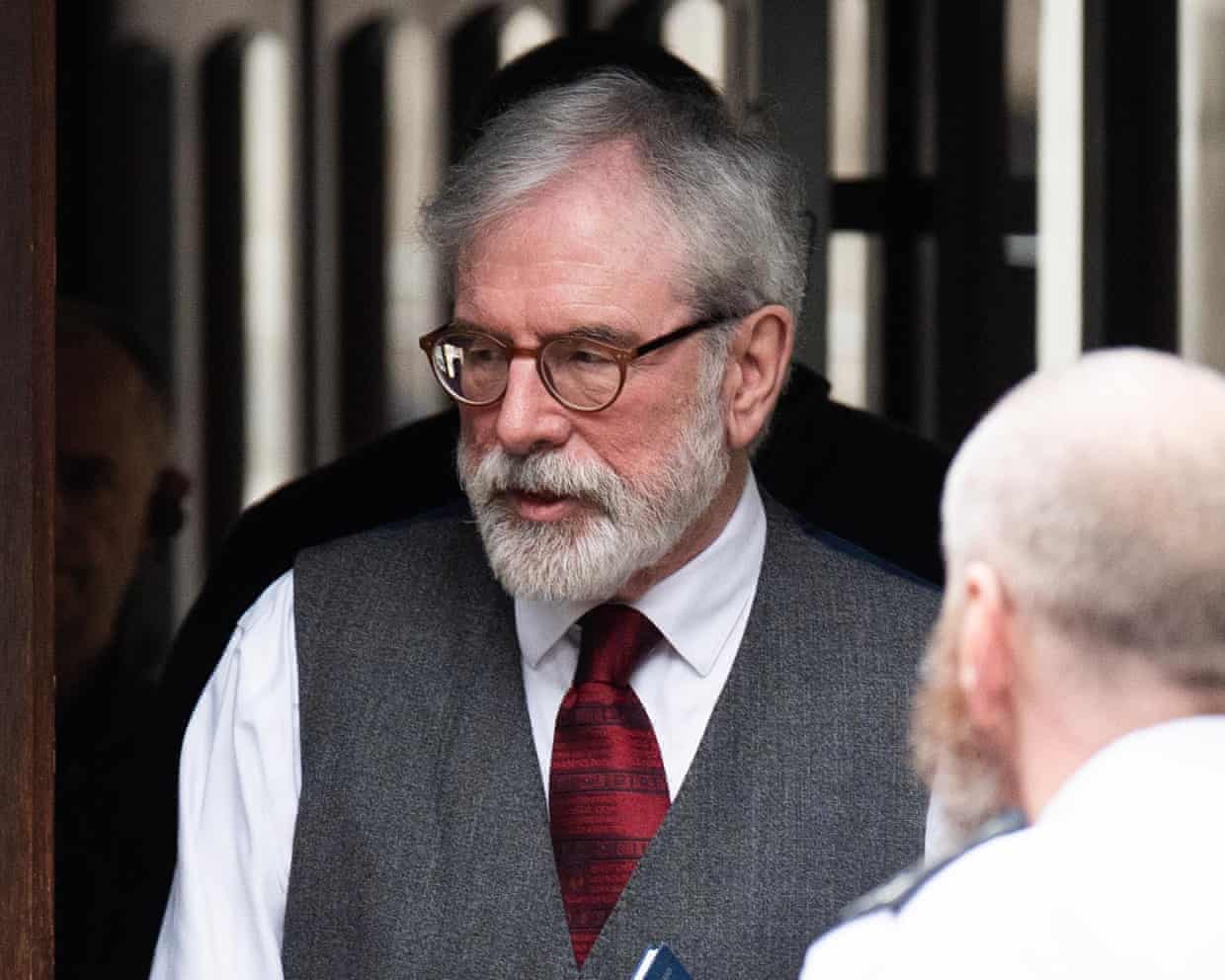
Gerry Adams ‘as culpable as those who planted IRA bombs’, high court hears
Gerry Adams is as culpable for IRA bombings on the UK mainland as the individuals who planted and detonated the devices, the high court has heard at the beginning of a civil trial.The former Sinn Féin leader is being sued for symbolic “vindicatory” damages of £1 each by John Clark, Jonathan Ganesh and Barry Laycock, who were injured respectively in the 1973 Old Bailey bombing, and the London Docklands and Manchester bombings in 1996.They allege that Adams, who is credited with helping to bring about the Northern Ireland peace process, “was an instrumental force in the organisation of the PIRA [provisional IRA] and building of the two-strand attack – ArmaLite and the ballot box. A foot in each camp.”Opening the claimants’ case in London on Monday, Anne Studd KC, said in written submissions: “Their focus is to shine a light upon the involvement of the defendant in the PIRA in the course of that conflict and to prove on balance of probabilities that he [Adams] was so intrinsically involved in the PIRA organisation that he is as culpable for the assaults giving rise to these claims as the individuals who planted and detonated the bombs
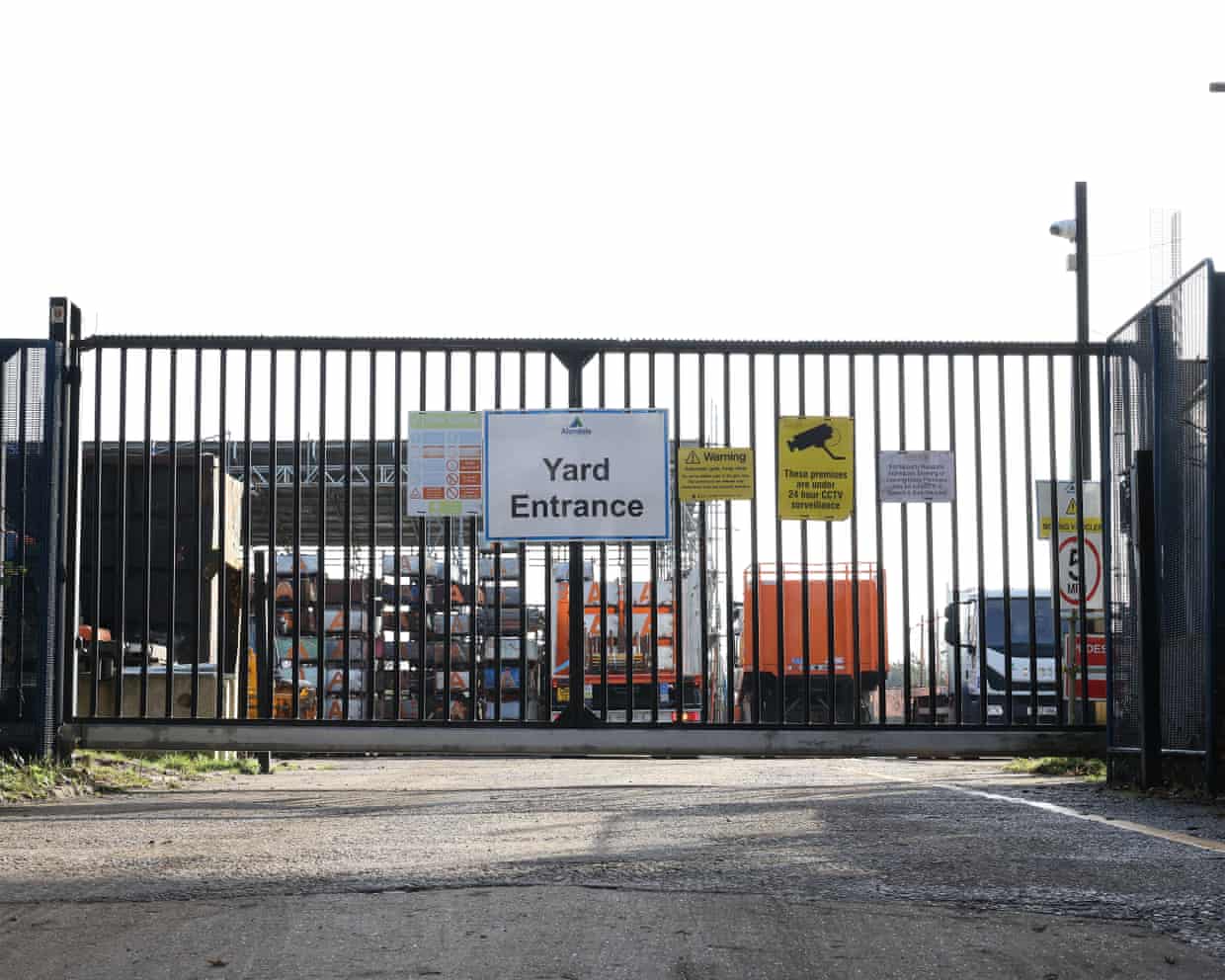
Missing money, shipped chips and a 350,000% profit: key takeaways on AI ‘phantom investments’
A Guardian investigation has examined a series of massive AI investments announced by the government over the past two years, comparing what was promised with what has so far been delivered.The investigation centres on two companies backed by the chipmaker Nvidia and central to the UK’s AI plans, Nscale and CoreWeave.It has found that large, promised sums do not represent real investments into the UK’s economy, that new datacentres are not in fact new, and that a giant supercomputer set to be online later this year is still being used by a construction company in Essex.Here are some of the key details at a glance.The Guardian visited a site in Essex that is supposed to host “one of the most powerful AI computing centres ever built”, built by Nscale
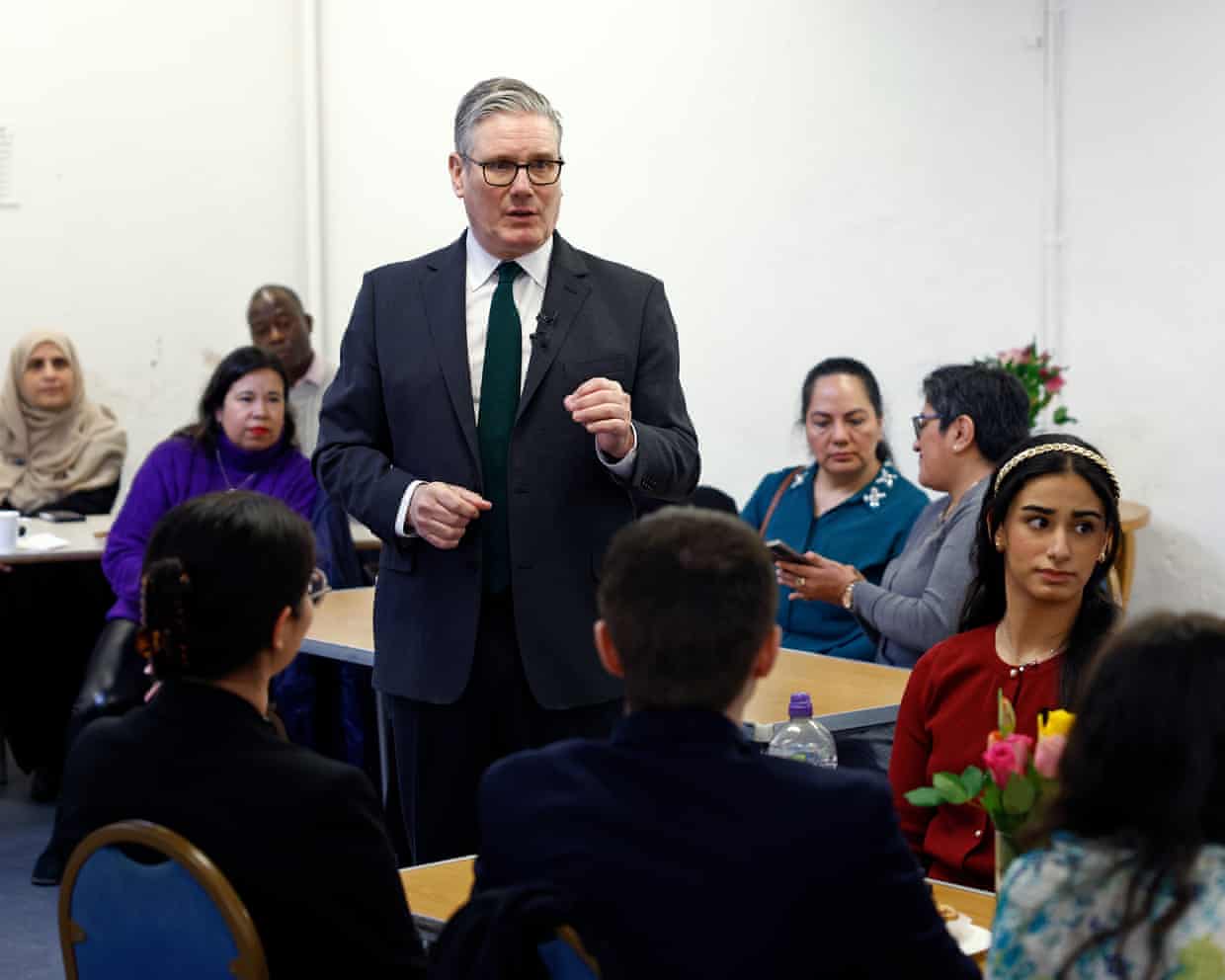
Starmer warns of bigger impact on economy the longer Iran war continues - as it happened
Addressing the war in Iran, Keir Starmer acknowledged that the longer the conflict went on the greater the likely impact on the UK’s economy. The prime minister said:double quotation markThe job of government is obviously to get ahead, to look around the corner, to work with others, and the chancellor speaks to the governor of the Bank of England on a daily basis, with looking cross-departmental within government, assessing the risks, monitoring and talking to our international partners as well about what more we can do together to reduce the likely impact on people here and businesses here, of course.But it is important to acknowledge that that work is needed, because people will sense, you will sense I think, that the longer this goes on, the more likely the potential for an impact on our economy, impact into the lives and households of everybody and every business.And our job is to get ahead of that, to look around the corner, assess the risk, monitor the risks, and work with others in relation to that.The longer the US-Israel war with Iran continues, the more likely it is there will be economic damage in the UK, Keir Starmer warned as governments around the world braced for major disruption to energy supplies as a result of the escalating US-Israeli war with Iran
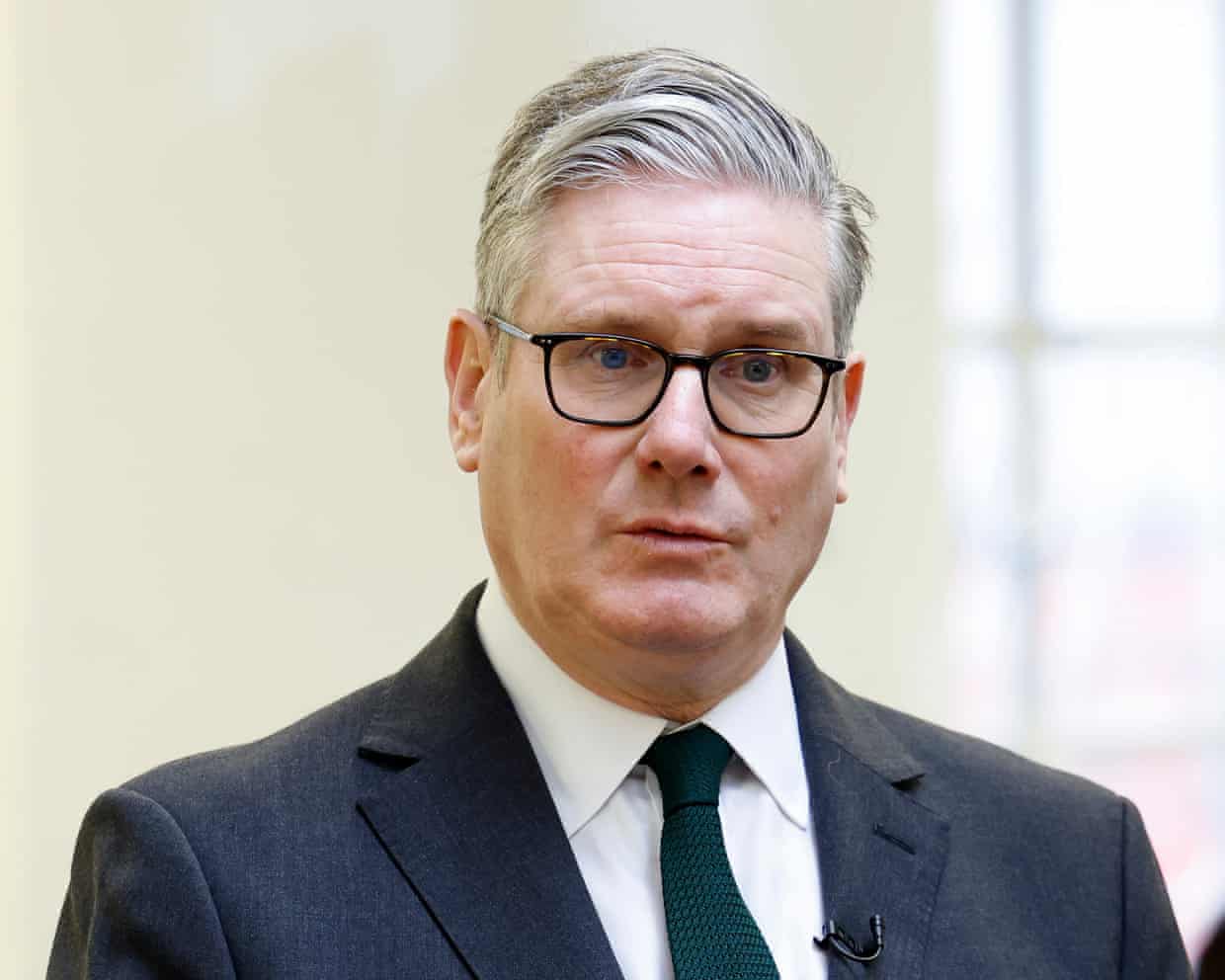
Lengthy US-Iran war would affect ‘lives and households of everybody’, says Starmer
Keir Starmer has said that a long-term US-Iran war would affect the “lives and households of everybody”, as the head of the AA advised motorists against making “non-essential” journeys.On Monday, oil prices surged past $100 (£75) a barrel for the first time since 2022, which will feed through to higher costs at petrol stations, and consumers will also be hit if energy costs push up inflation.Ministers are understood to be looking at ways to potentially mitigate the rising costs on energy bills – and are likely to come under pressure to cancel a planned 5p rise in fuel duty this autumn.Speaking as he launched the government’s community cohesion plan, Starmer said: “The job of government is obviously to get ahead, to look around the corner, to work with others, and the chancellor speaks to the governor of the Bank of England on a daily basis … assessing the risks, monitoring and talking to our international partners as well about what more we can do together to reduce the likely impact on people here and businesses here, of course.“But it is important to acknowledge that work is needed, because people will sense … that the longer this goes on, the more likely the potential for an impact on our economy, impact into the lives and households of everybody and every business
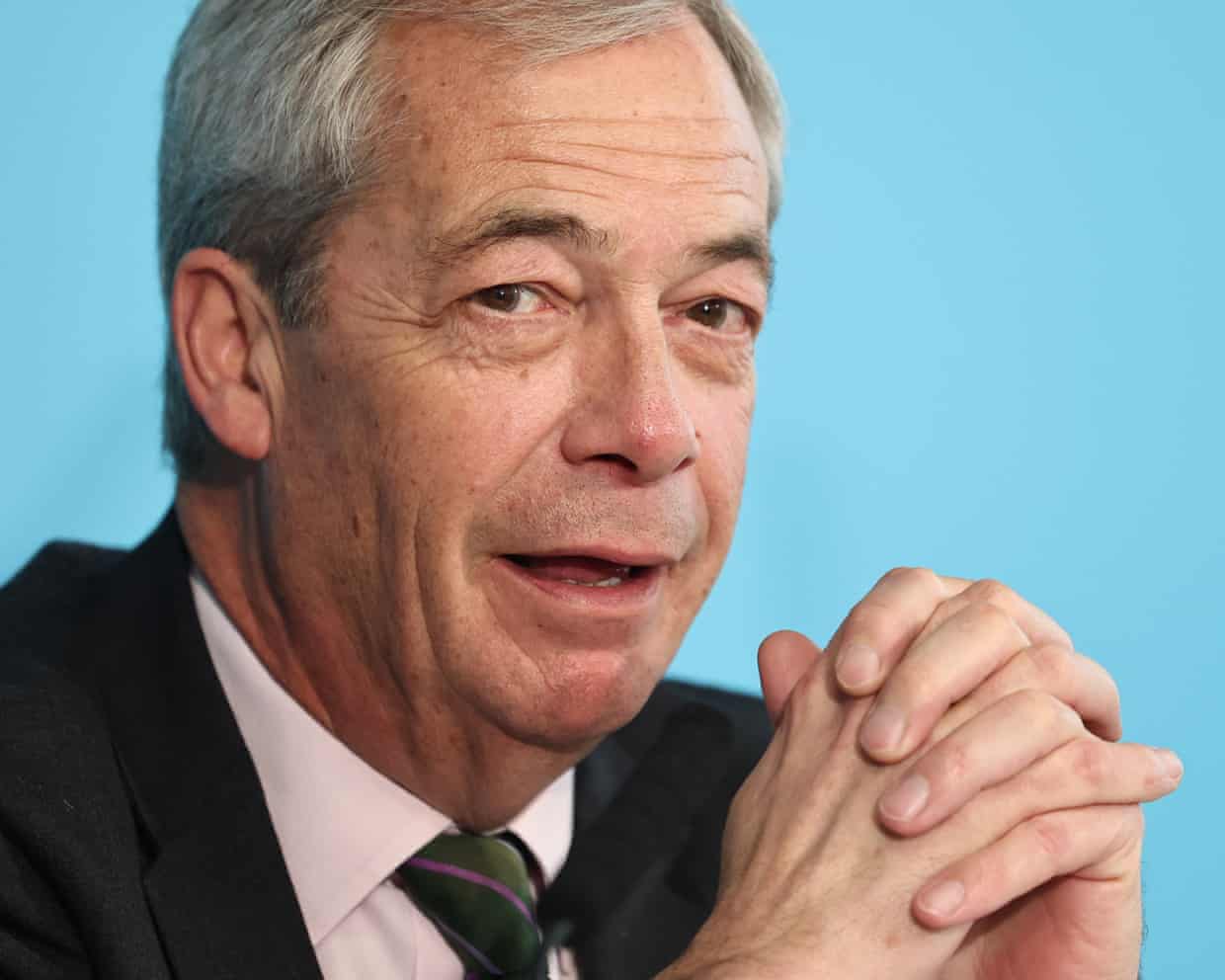
Nigel Farage invests £215,000 in Kwasi Kwarteng’s bitcoin firm
Nigel Farage has invested in Kwasi Kwarteng’s bitcoin reserves company, as the leader of Reform UK aligns himself closer with the cryptocurrency industry.The MP has invested £215,000 in Stack BTC, the crypto business that is chaired by the former Conservative chancellor.Farage, who has long courted the UK’s crypto sector, said he was delighted to have “become an investor in Stack” and “lend my support to the team”.“I have long been one of the UK’s few political advocates for bitcoin, recognising the role digital currencies will play in the future of business and finance,” he said in a statement. “I believe that we can and should be a major global hub for the crypto industry
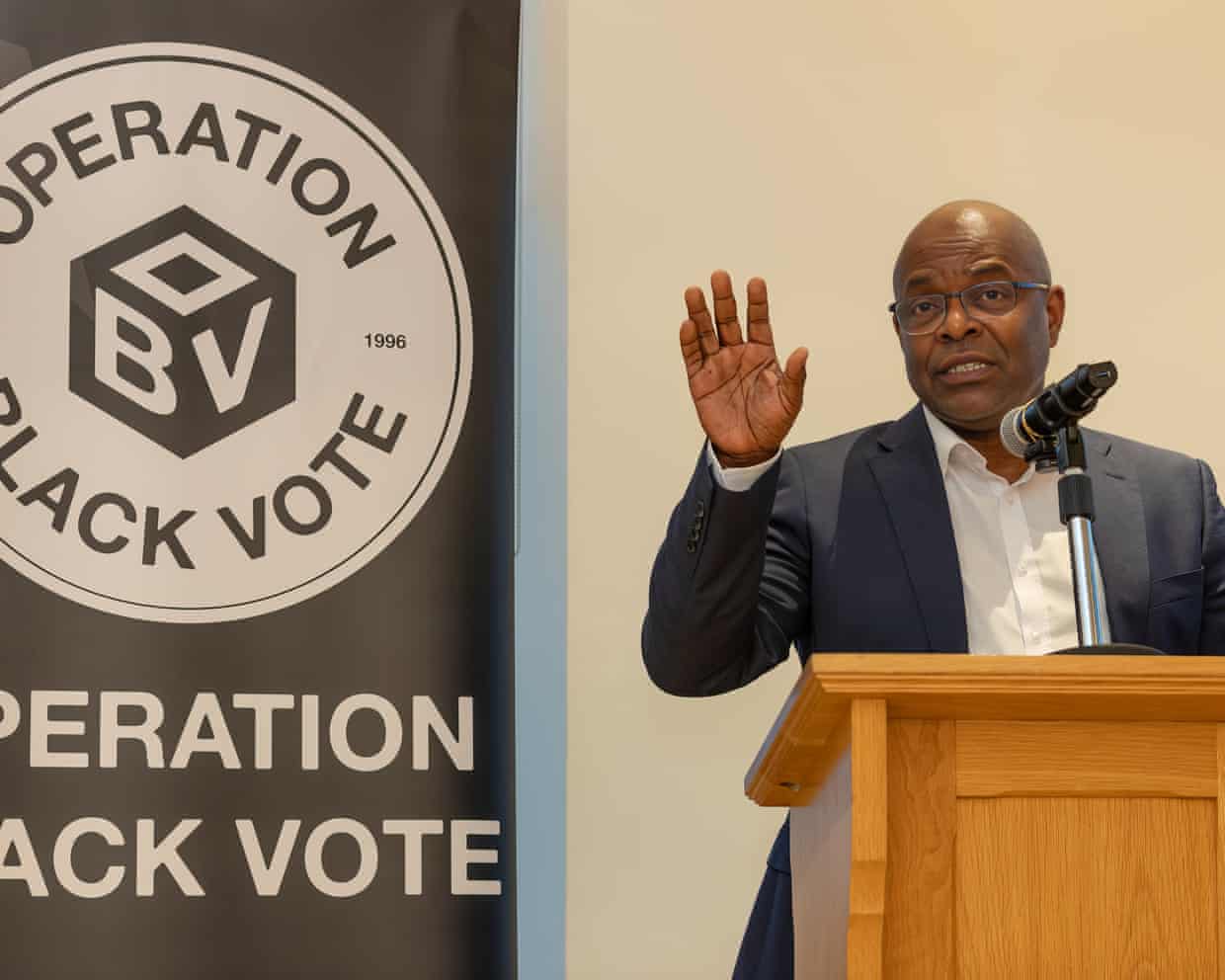
Labour in ‘deep trouble’ with Black voters, Operation Black Vote chair warns
Labour is in “deep trouble” with Black voters, a former government adviser has warned, saying the party is at risk of being seen as “accepting the normalisation of racism”.David Weaver, who is the chair of Operation Black Vote (OBV), said the government’s plans to restrict juries would “heighten, normalise and embed” racial disproportionality in the justice system and that Black voters were saying: “We don’t know what Labour stands for any more.”In November, Keir Starmer vowed to “stand up to racism”. But the “moral panic” over migration and slow progress on tackling racial pay gaps and the Windrush scandal meant sentiment was low, Weaver said.“We’re not happy,” he added
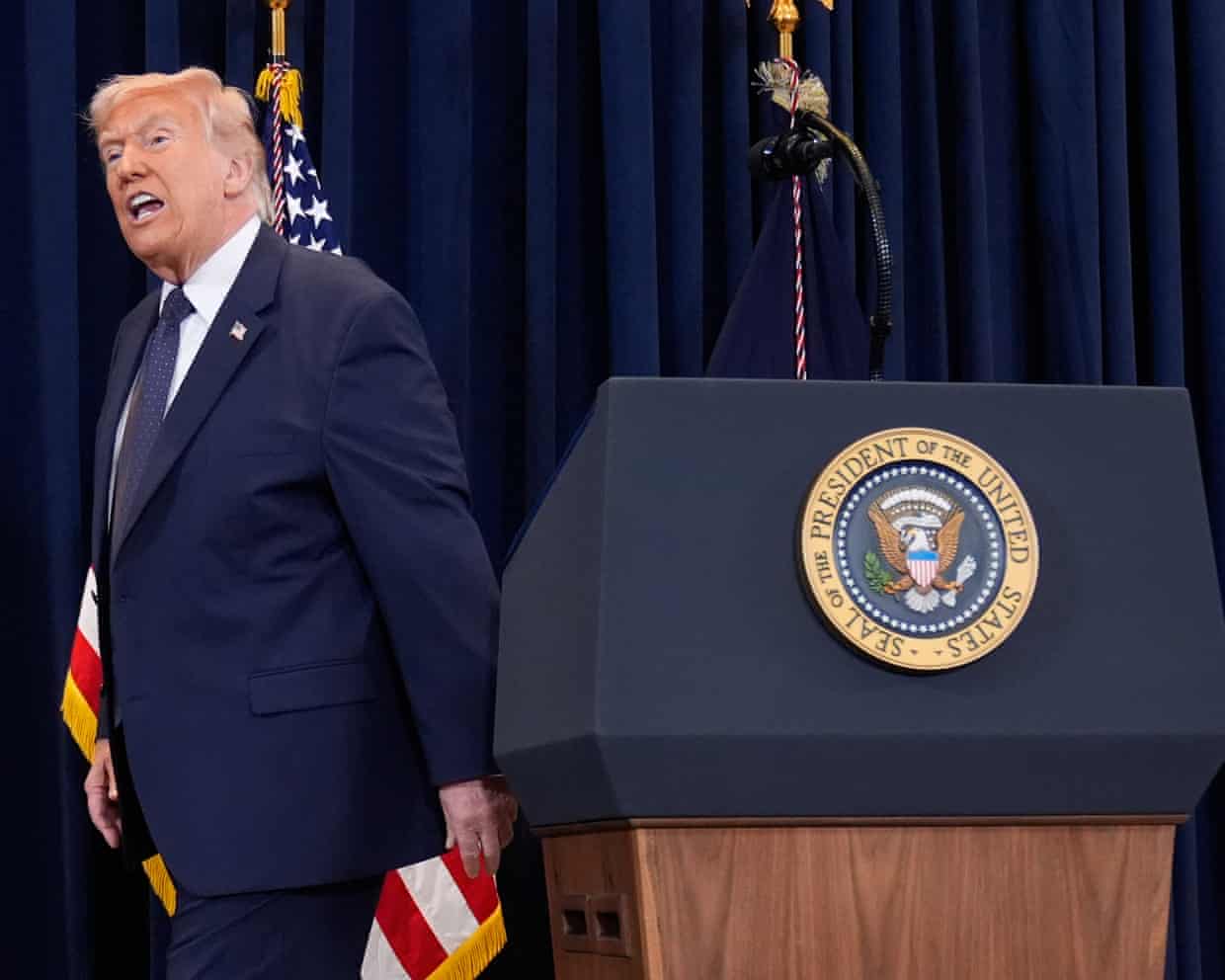
Oil prices drop sharply after Trump moves to reassure markets over Iran war
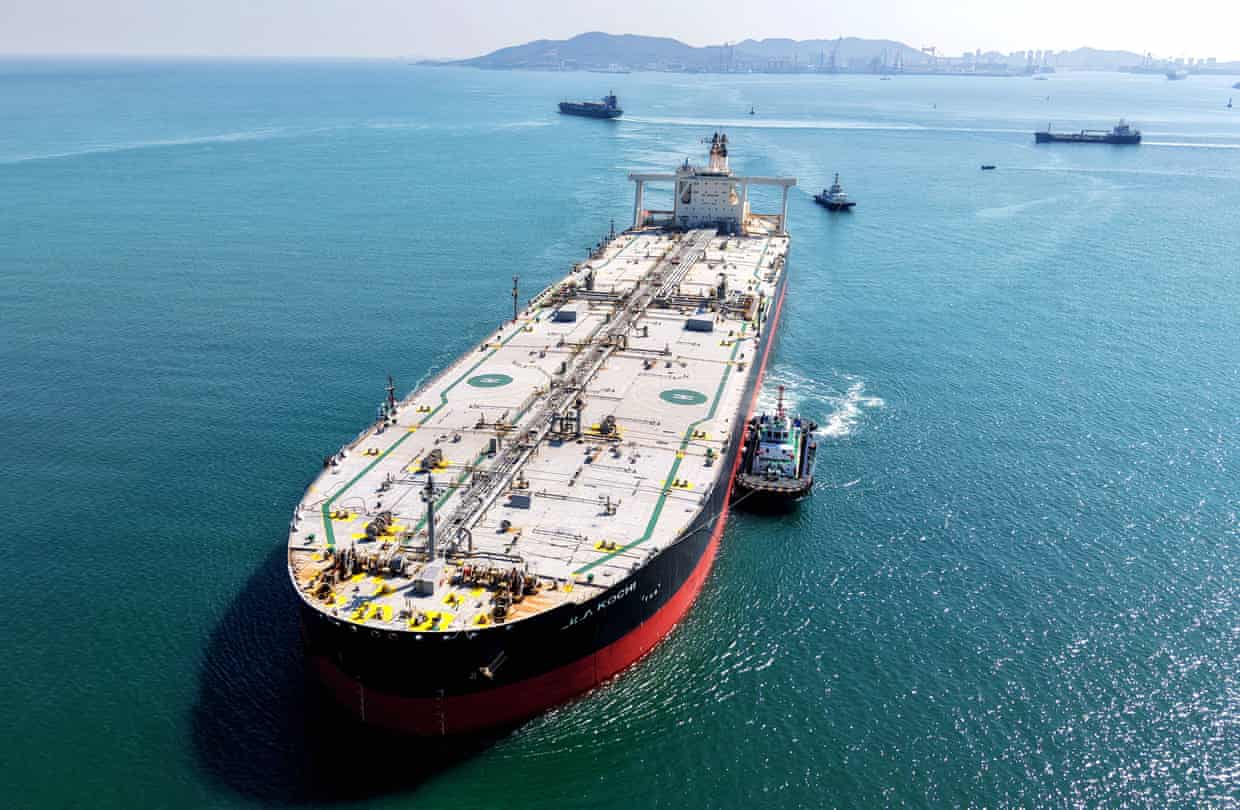
Why has the Iran war sparked fears of stagflation for the global economy?

X suspends 800m accounts in one year amid ‘massive’ scale of manipulation attempts

AI firm Anthropic sues US defense department over blacklisting

NBA cancels Atlanta Hawks’ theme night with strip club Magic City after backlash

‘We believe in the plan’: England vow to double down on kick-heavy style against France