Why has the Iran war sparked fears of stagflation for the global economy?
Oil prices surged on Monday, triggering a stark sell-off across some of the world’s leading stock markets amid growing concern that the US-Israel war on Iran could set the stage for a global economic shock.While they fell back on Tuesday after Donald Trump suggested the Middle East conflict could end “very soon”, oil continues to trade at high levels.The war has caused an energy supply crisis that could risk driving up inflation and interest rates, according to economists, who believe growth is set to weaken while prices rise.Fears of stagflation – where economic activity stagnates, but inflation increases – loom large.Here’s what you need to know.
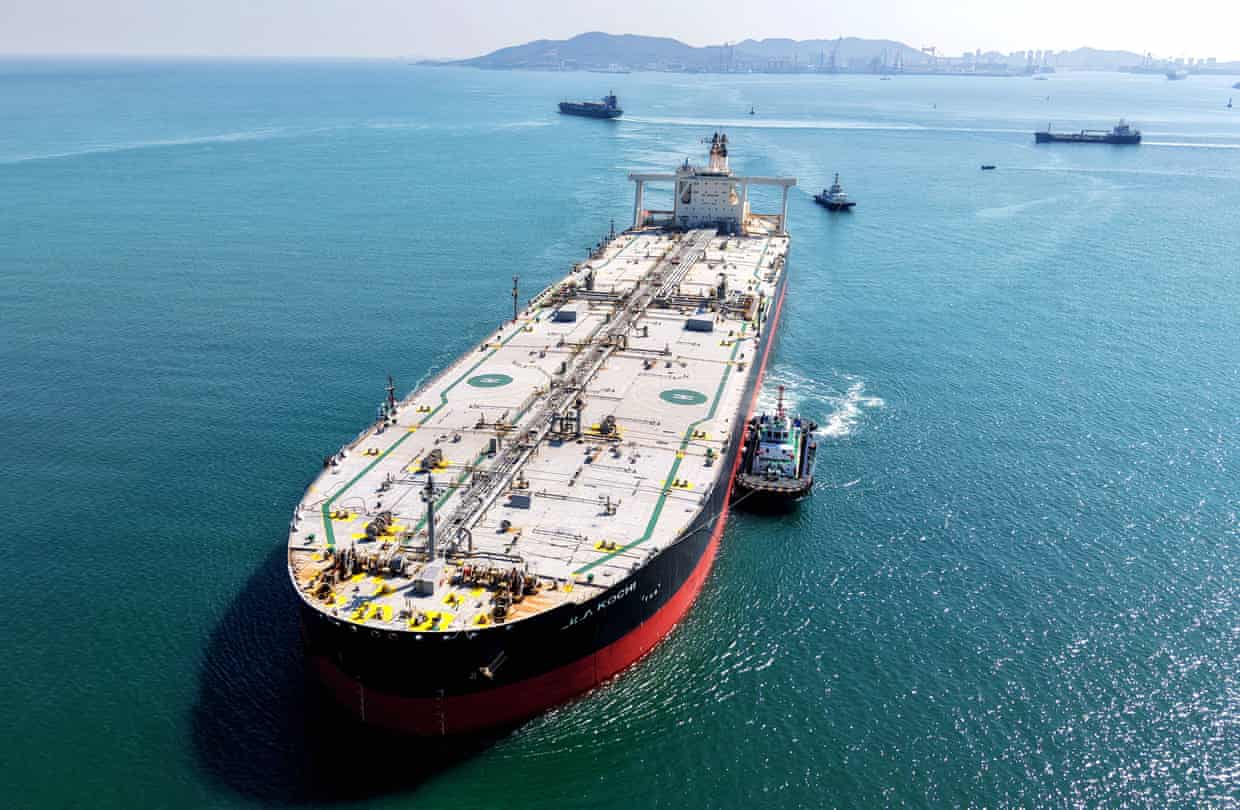
The price of key oil benchmarks had already posted their highest weekly gains in six years by the time markets opened on Monday – when they soared to more than US$115 a barrel , surpassing $100 for the first time since Russia’s 2022 invasion of Ukraine.The West Texas Intermediate (WTI) benchmark price for US crude is now nearly double its January level of about $60 a barrel.Oil prices climbed significantly in the first week of the US-Israel war on Iran after Iran in effect closed the strait of Hormuz.About a fifth of global oil and seaborne gas tankers typically pass through the strait, making it one of the world’s most important trade arteries.Oil production cuts across the Middle East in recent days have exacerbated fears of a supply shortage.
The lengthening conflict has eroded the chance of prices resetting, according to Warren Hogan, economic adviser at Judo Bank.“There’s a good chance that we’re seeing one of the most sudden increases in the cost of oil to the global economy ever,” Hogan said.Gas and fertiliser supplies have also been hit, driving up costs and increasing the risk of a significant global energy price spike, adding to inflation and slowing economic activity.While Donald Trump played this down as a “short term” consequence of the conflict, investors were unpersuaded.Shares across Asia fell sharply, with European and US markets expected to follow.
Japan’s Nikkei fell over 6% and South Korea’s Kospi over 7% on Monday.The US war on Iran is widely expected to boost inflation across the world, with a sustained rise in oil prices rippling through the wider economy.US inflation will surge to 3.7% if oil prices hold at $100 a barrel, according to Royal Bank of Canada (RBC) economists.Brent crude, the international benchmark, was at $98.
96 early on Tuesday.Americans filling up their cars can already feel the impact: US fuel prices rose 25 cents over the week, and picked up another 25 cents over the weekend, averaging $3.44 a gallon by Sunday night, according to Gas Buddy.Higher fuel costs drain workers’ wallets and add to business costs in other ways, pushing up the price of goods from food to furniture.Inflation is also set to pick up across the UK and eurozone if higher oil prices persist, according to Oxford Economics.
Europe, which imports the vast majority of its oil and gas, saw natural gas prices rise nearly 67% in the war’s first week, according to analysts at ANZ Bank.China’s producer prices will meanwhile rise 0.4 percentage points if oil prices stay high, ANZ Bank has projected.In Australia, inflation is set to approach 5% – close to 1 percentage point higher than pre-war predictions – economists say.Petrol prices could rise by a dollar a litre, Westpac economists warned, with costs already A$0.
20 a litre higher than in February.“There’s going to be a severe and sudden short-term impact on Australian consumers’ cost of living, and their perceptions of their cost of living, i.e., their inflation expectations,” Hogan said.Oil price spikes are “stagflationary”: they slow down, or stagnate, economic activity, raising the risk of recession, while adding to inflation.
World economic growth would weather a 10% lift in energy prices, according to the International Monetary Fund, but slow from about 3.2% to 3%.The UK and the euro area would each grow by just 1% or less, if the conflict persists, economists predict.Asian economies have enjoyed strong growth in industrial production, powered by the global tech boom, but an energy shock could disrupt that momentum, risking stagflation, Oxford Economics has warned.In the US, oil prices of $125 a barrel could cut gross domestic product by 0.
8% even as inflation surpasses 4%, according to RSM, a middle-market assurance, tax and consulting firm.The oil shock resembles those seen in the 1970s, when conflict in the Middle East resulted in surging prices and dragged advanced economies into persistent slumps, according to David Bassanese, chief economist at BetaShares.“If oil does stay above $100 a barrel and this disruption continues, then we may face a stagflationary moment in the first half of the year: weak growth, but central banks unable to do much about it because of the high level of inflation,” he said.Interest rates are less likely to fall if the war drags on, according to economists, while central banks ready to hike will move sooner.The European Central Bank and Bank of Canada had been expected to leave rates on hold in 2026 before the strikes began.
By Monday morning, both were expected to hike rates at least once in the next year.Before the war, the US Federal Reserve – under significant pressure from Trump to bring down rates – and the Bank of England had been expected to cut rates twice in 2026.Now the Fed is expected to cut only in September, and the Bank of England expected to hold them steady throughout the year.Australia is now expected to face two rate hikes this year, when just one had been priced in before the conflict.The world is likely to face slower growth and higher prices, even if Trump ends the war, because oil prices will not return to their lows of January, Bassanese said.
Traders will charge a premium to cover the risk of a renewed “on-again, off-again” conflict, he suggested,Countries across Asia, which is particularly reliant on oil from the Middle East, are already scrambling to mitigate the impact of the extraordinary rise in prices,In Bangladesh, universities will be closed from Monday, bringing forward the Eid al-Fitr holidays, as part of emergency measures to conserve electricity,South Korean president Lee Jae Myung also announced the country’s first move to cap domestic fuel prices in almost three decades,A quick de-escalation would help the world avoid an inflation spiral, as oil prices would stabilise, according to the National Australia Bank’s chief economist, Sally Auld.
While she said it seemed unlikely the conflict would endure for another month, if it did, there would be “material risk of global recession” and oil prices could hold near US$120 a barrel.A month-long disruption could even see prices surpass the all-time record high of US$145 a barrel, Goldman Sachs has estimated.Three months of disruption would see prices rise to US$185 per barrel, with severe consequences for the global economy, Westpac economists predict.
Cheltenham festival day one: The New Lion can roar in Champion Hurdle
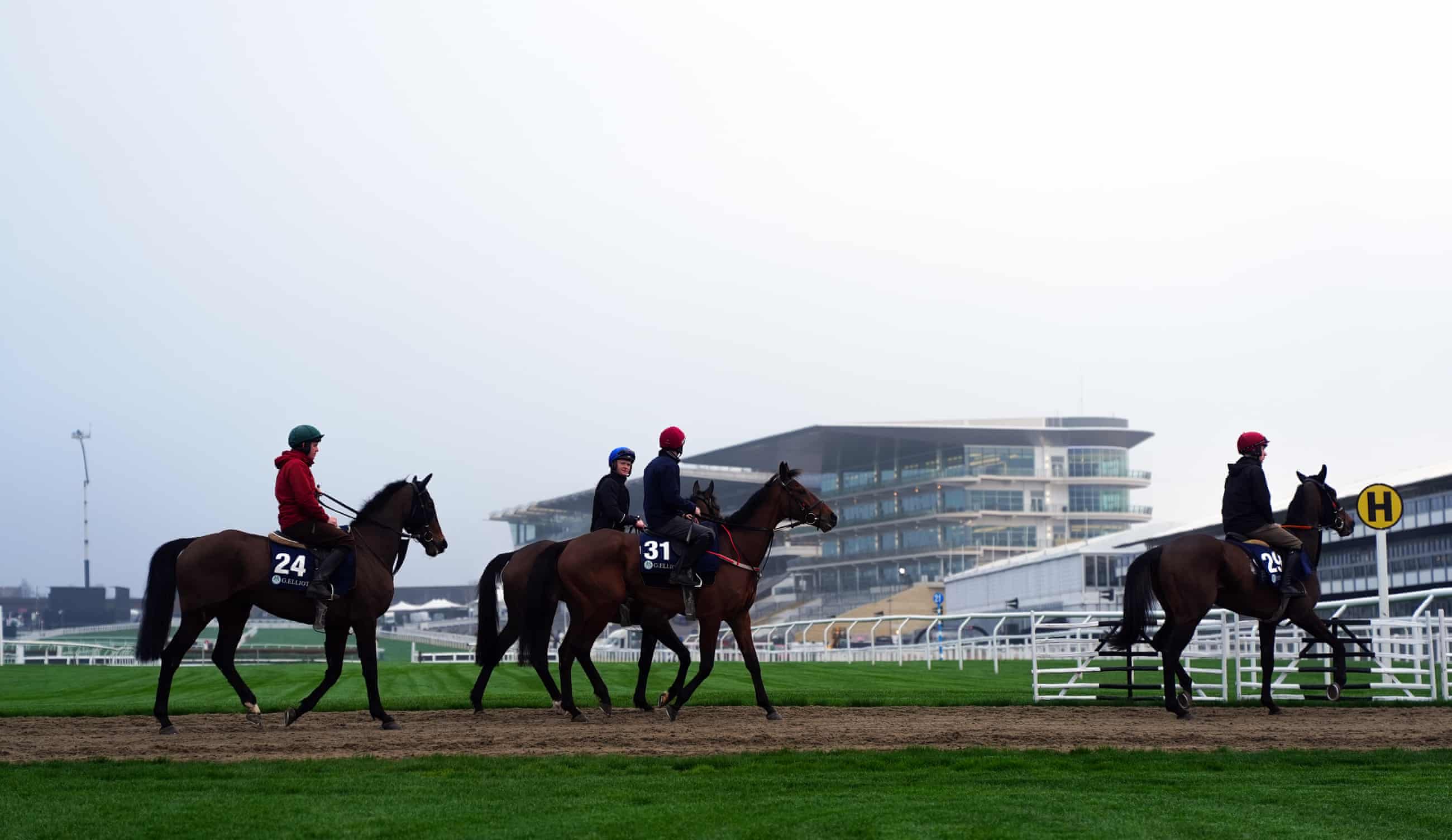
Lossiemouth’s presence means the selection is an attractive bet to follow up last year’s novice win at this meetingThe sporting decision to send Lossiemouth, the Mares’ Hurdle winner for the last two seasons, in against all-comers in Tuesday’s Champion Hurdle adds considerably to the depth of the competition, but it has also prompted a minor drift in the price of The New Lion and he is an attractive bet to follow up last year’s novice win at this meeting.Unlike the other three runners at single-figure odds for Tuesday’s feature event, The New Lion does not benefit from a 7lb mares’ allowance. While Brighterdaysahead, Golden Ace and Lossiemouth have 12, 12 and 17 runs behind them respectively, however, The New Lion has just half a dozen, with five wins and just one defeat when he made an uncharacteristic jumping error at Newcastle in December.The three mares also have some questions to answer. Lossiemouth was below her best behind Brighterdaysahead at Leopardstown last time and has first-time cheekpieces on Tuesday, while Brighterdaysahead ran no sort of race in last year’s Champion
Verdict on the start of F1’s new era: five talking points from the Australian GP
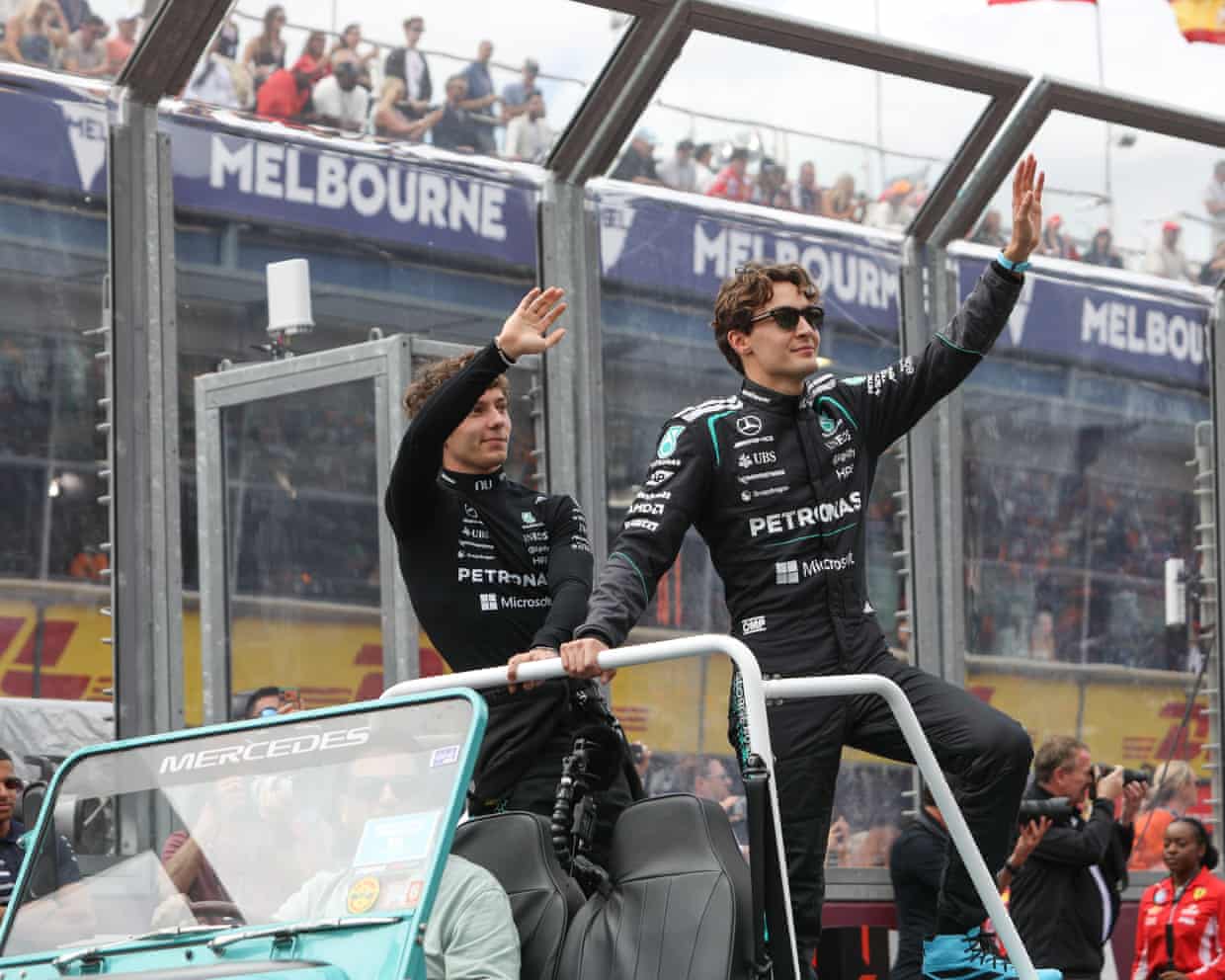
The pre-season favourites had done their level best to play down their expected advantage in the buildup to the Australian Grand Prix, but it was impossible to hide. A dominant one-two by the best part of a second for George Russell and Kimi Antonelli in qualifying was followed by a similarly assured one-two finish in the race.Russell had to fight in the opening phases against Ferrari’s Charles Leclerc, but once he had been extricated from that battle and could return to what engineers consider the “optimal” lap according to the new diktats of power deployment and recharging he had as much as 0.3sec to 0.4 on Ferrari

Zac Lomax exits limbo via defection as latest NRL star lured by Wallabies jersey | Angus Fontaine
After a tough two decades, Australian rugby’s luck is suddenly on the up. The defection of NRL flyer Zac Lomax gives the Wallabies a powerful new weapon in the moonshot quest to win a home World Cup in 2027. The 26-year-old NSW State of Origin and Kangaroos star on Monday signed a two-year deal with Rugby Australia (RA) to join the Perth-based Western Force and could debut in Super Rugby Pacific later in March.“Zac is a superb athlete with a proven record at representative level in rugby league and we believe he has the talent and drive to make a successful transition to rugby,” RA chief executive Phil Waugh said on Monday, as he welcomed the 133-game international winger back to rugby union. “He brings a unique set of experiences and skills to our environment and is motivated by the challenge of competing on the global stage
Russia flag raised and national anthem played after first gold at Winter Paralympics
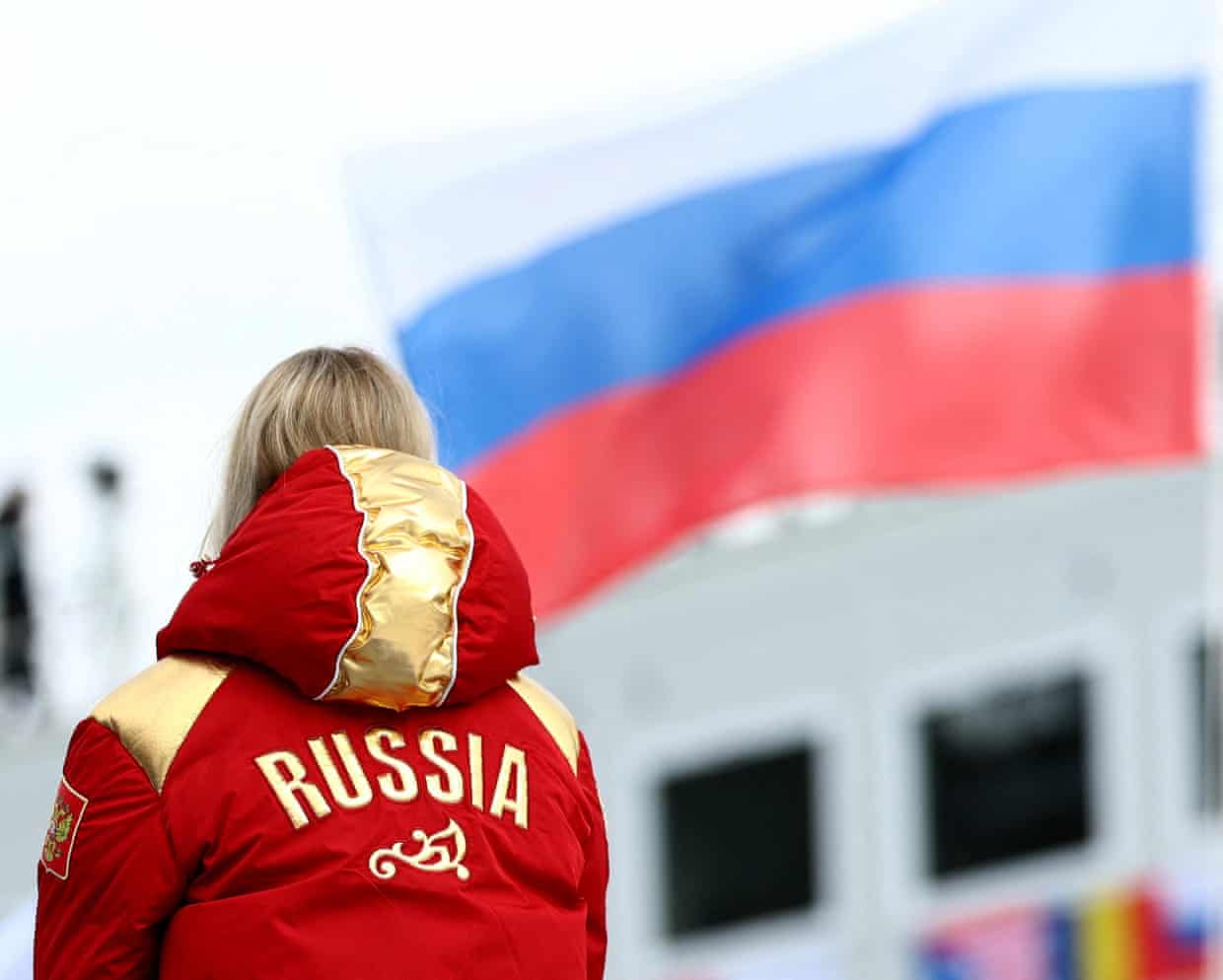
The Russian national anthem has been played at the Paralympics for the first time since 2014 as the skier Varvara Voronchikhina claimed gold in the women’s super-G standing.A tearful Voronchikhina received her medal on Monday afternoon, and the Russian flag was raised, after a dominant performance on the slopes of the Tofane Alpine Skiing Centre. A watching crowd of international fans responded only with polite applause, but Voronchikhina’s success has already been celebrated by Russia’s sports minister.Voronchikhina finished 1.96sec clear of the French racer Aurélie Richard in the giant slalom event

Sky Brown wins second skateboarding world title at rain-hit event in Brazil
Briton, 17, wins her second park crown in São PauloEvent was cut at halfway due to recurrent rainfallBritain’s Sky Brown celebrated International Women’s Day by becoming a skateboarding world champion for the second time at a rain-curtailed park competition in São Paulo.The two-time Olympic bronze medallist was leading in Brazil after two runs, the halfway point, at which World Skate deemed “adverse weather conditions and recurrent rainfall” to have called time on proceedings.World Skate had given a 7pm (11pm GMT) deadline for Sunday’s competition to recommence, stating that “if any weather-related interruption occurs, the activity will not resume”.Only one competitor, Cocona Hiraki of Japan, managed to start a third run, before more falling rain forced officials to end the competition.Brown’s score of 88
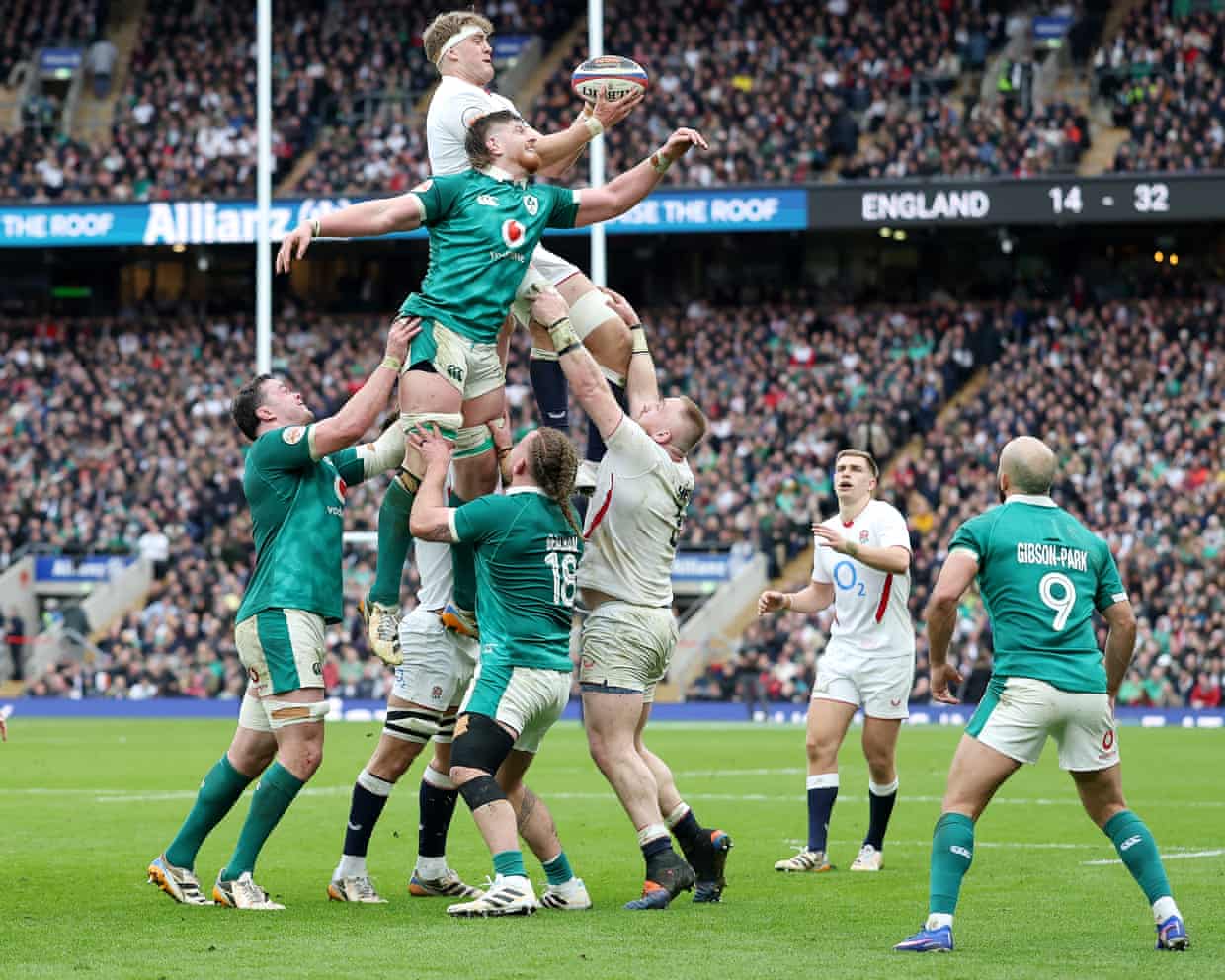
England handed tough Six Nations 2027 opener with Friday night trip to Dublin
England will begin their Six Nations campaign on a Friday for the first time in 12 years in 2027 after they were handed an opening night trip to Dublin to face Ireland by tournament organisers.Ireland will also host the final match of next year’s Super Saturday with organisers pitching Andy Farrell’s side against France in the 8.10pm kick-off. Ireland and France have won the last four editions of the Six Nations between them and both are in the hunt, along with Scotland, for the title this year with one round remaining.In 2015, England overcame Wales in Cardiff in a fraught Friday-night encounter that is memorable for a tunnel stand-off before kick-off when the captain Chris Robshaw refused to lead his team out on to the field until Wales were ready to avoid being left standing around

Golf club firm owned by Trump’s sons merges with drone manufacturer
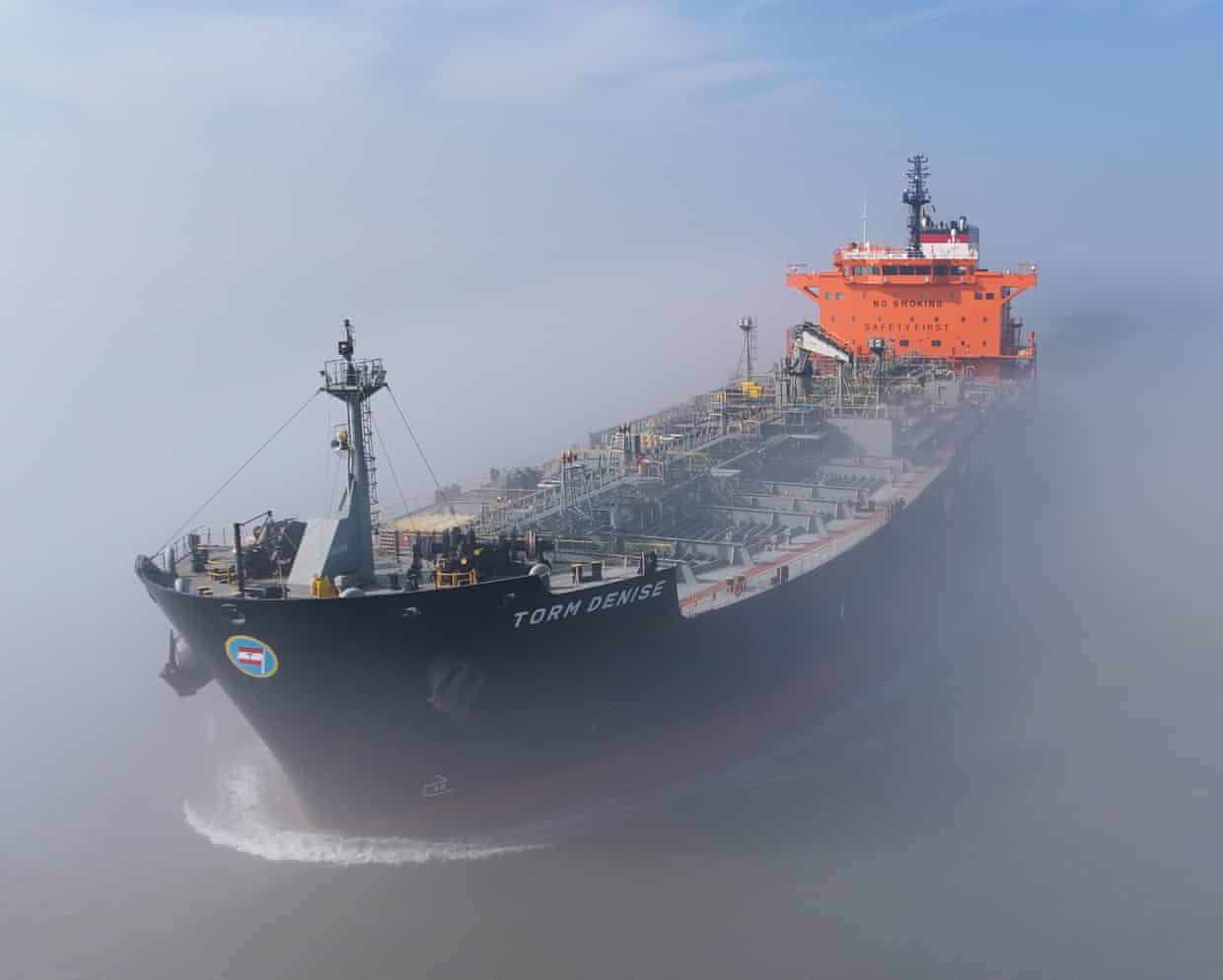
How high could oil prices go – and what might the global economic fallout be?
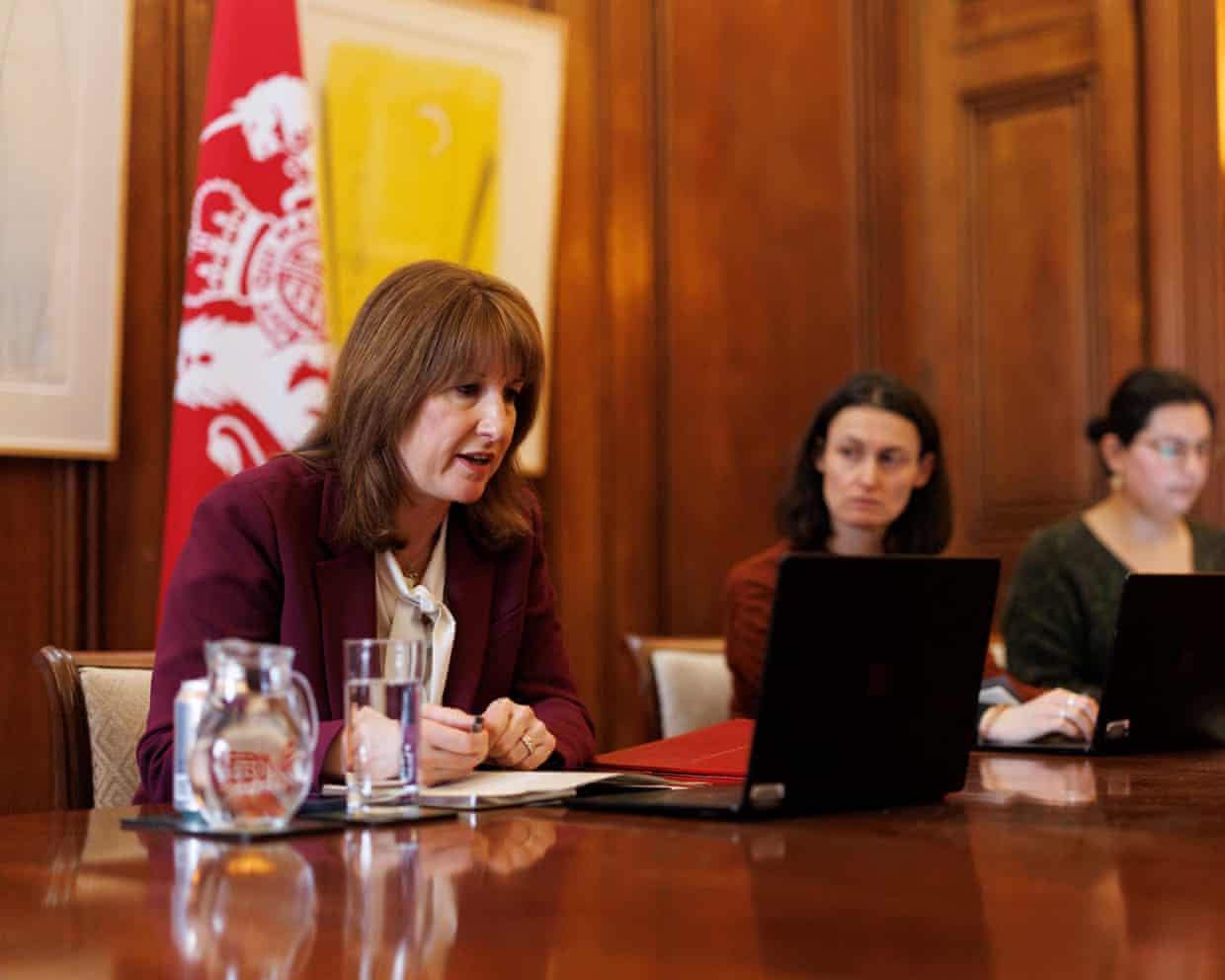
Rachel Reeves warns fuel retailers not to make ‘excess profits’ from oil crisis; G7 ‘stands ready’ to release crude reserves – as it happens
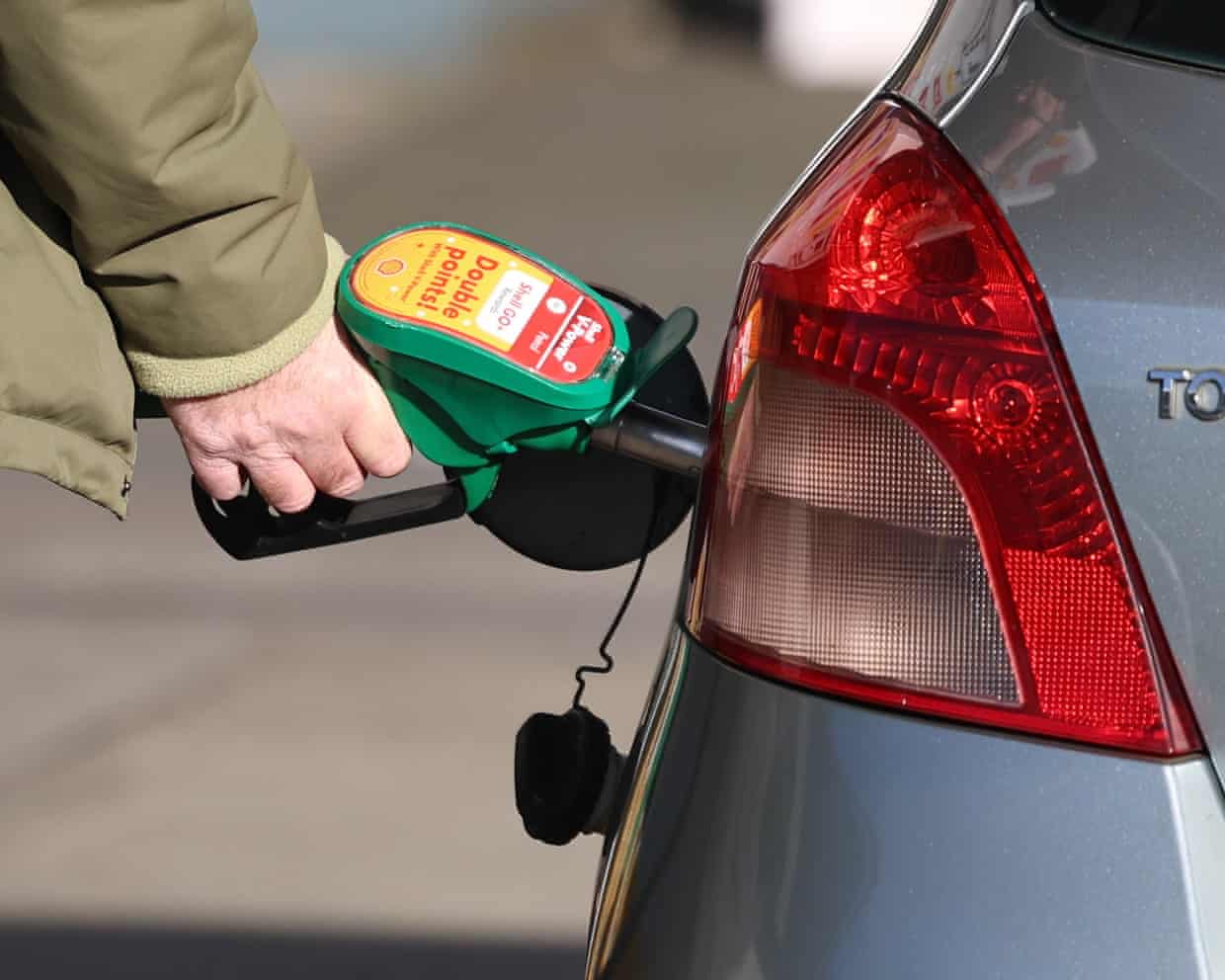
How will war in the Middle East affect your finances?

Live Nation reaches surprise settlement with justice department in antitrust case
Yorkshire Water receives fresh funding despite sewage fines and pay row