How will war in the Middle East affect your finances?
The war in the Middle East is thousands of miles away, but gyrations in financial markets and surging energy prices threaten a new cost of living crisis in the UK.Here is how it could affect your finances.Mortgage holders benefited from cheaper home loans in recent months after the Bank of England cut interest rates four times in 2025 to bring the base rate down to 3.75%.But that could be about to change.
Until Friday, the chance of another rate cut this month had been 80%,Now it is less than 30%, with traders now expecting just one cut by the end of the year – down from two last week,If the current rise in energy costs were to last for a year, interest rates could climb to 4,5%, according to the National Institute of Economic and Social Research,The thinktank modelled the impact of oil and gas prices increasing by 30% and 50% respectively over one year.
This would stoke inflation in 2026 and into 2027 and propel the base rate to 4.5%, it said.(This is based on rates staying at 3.75% rather than falling as expected this year.)The pricing of fixed-rate mortgage deals is largely dictated by money market swap rates, which are at 30-day highs in response to the conflict.
Two-year swaps had risen 26 basis points (0.26% percentage points) from 3.33% on Friday to 3.59% on Wednesday morning.Five-year swaps are up 21bps to 3.
71% on the same basis, according to the data firm Moneyfacts,Adam French, Moneyfacts head of consumer finance, said the financial turmoil had led to a rapid shift in interest rate expectations with the impact on the mortgage market “almost instantaneous,Some lenders have already paused or reconsidered planned rate reductions,”Just last week, there was cause for celebration after the energy regulator, Ofgem, said its price cap would fall 7% from April to the equivalent of £1,641 for a typical annual dual-fuel household,Analysts had expected energy costs to remain stable for the rest of the year but all bets are now off.
In light of sharp increases in wholesale gas prices on Wednesday, analysts at Cornwall Insight said their forecast for the July to September price cap had increased to £1,801.This is up £160 – 10% – on the April cap.(The cap is now £1,758.)Craig Lowrey, its principal consultant, said: “While the rise is eye‑catching, any immediate concern should be tempered.We are still early in the assessment period for the July cap, and what happens in the energy markets over the next three months will be the key factor.
”The Resolution Foundation, in its post-match analysis of new economic forecasts presented by the chancellor in Tuesday’s Spring forecast, said an energy price shock could cause living costs to start rising more quickly again.If sustained, the thinktank said, “these rises could add over £500 to the typical household energy bill in the summer and roughly a percentage point to inflation – bringing another unwelcome cost of living shock to families”.While the surge in gas prices has been significant, analysts said the market impact – so far – remained far smaller than the shock caused by Russia’s 2022 invasion of Ukraine.Here the advice is: don’t panic.The UK’s FTSE 100 share index has so far lost about 3% of its value this week, falling sharply on Monday and Tuesday before recovering a little on Wednesday.
However, unless you need to sell your shares or fund holdings, at which point you “crystallise” the loss, you will not have lost any money.If you can stay put until prices recover you will be back where you were or, hopefully, in an even better place.Jemma Slingo, at the investment firm Fidelity International, says staying invested throughout times of volatility is the best strategy.“When markets hit rocky waters, jumping in and out should be avoided, otherwise you run the risk of missing out on unexpected opportunities that might arise from market corrections.”This is a good time to check you have a broad range of investments, she said.
Susannah Streeter, at the investment service Wealth Club, said investors have been bracing for a rise in geopolitical tensions “and now they are having to buckle up for another rollercoaster ride”.However, for those in it for the long term “big bumps in the road are part of the journey”, she added.“Assets such as gold and more defensive stocks including utilities, healthcare firms, companies selling consumer staples and those with reliable, high‑yielding dividends tend to be more resilient in eras of unpredictability.”Even if you don’t own any shares or funds, you may be affected by what is happening with stock markets.Workplace pension schemes and personal pension plans invest in the stock markets, alongside other assets such as property and bonds.
If you are in a “defined contribution” scheme, how much your individual pension is worth will depend on the performance of these investments.Younger people’s pension cash will often be put into “riskier” investments, partly because they have a longer time to retirement.As you get closer to retirement age, your scheme will usually start moving you into less risky assets, such as cash and bonds.For pensioners using pension drawdown (a way to take money from a defined contribution pension), this may not be a good time to sell investments to produce an income.That is up in the air.
Rachel Reeves, in her speech on Tuesday, said people in Britain would be “over £1,000 a year better off by the next election” (based on their average disposable income) than in the final year of Tory rule.That is a low bar, as living standards fell under the last government.Unfortunately, much of the maths underpinning calculations that point to better times will not hold if the war runs on.Higher energy prices hit UK consumers most immediately through petrol pump prices, with each $10 a barrel rise in the oil price typically adding about 0.1 percentage points to inflation within months, and as much again as higher costs pass down supply chains.
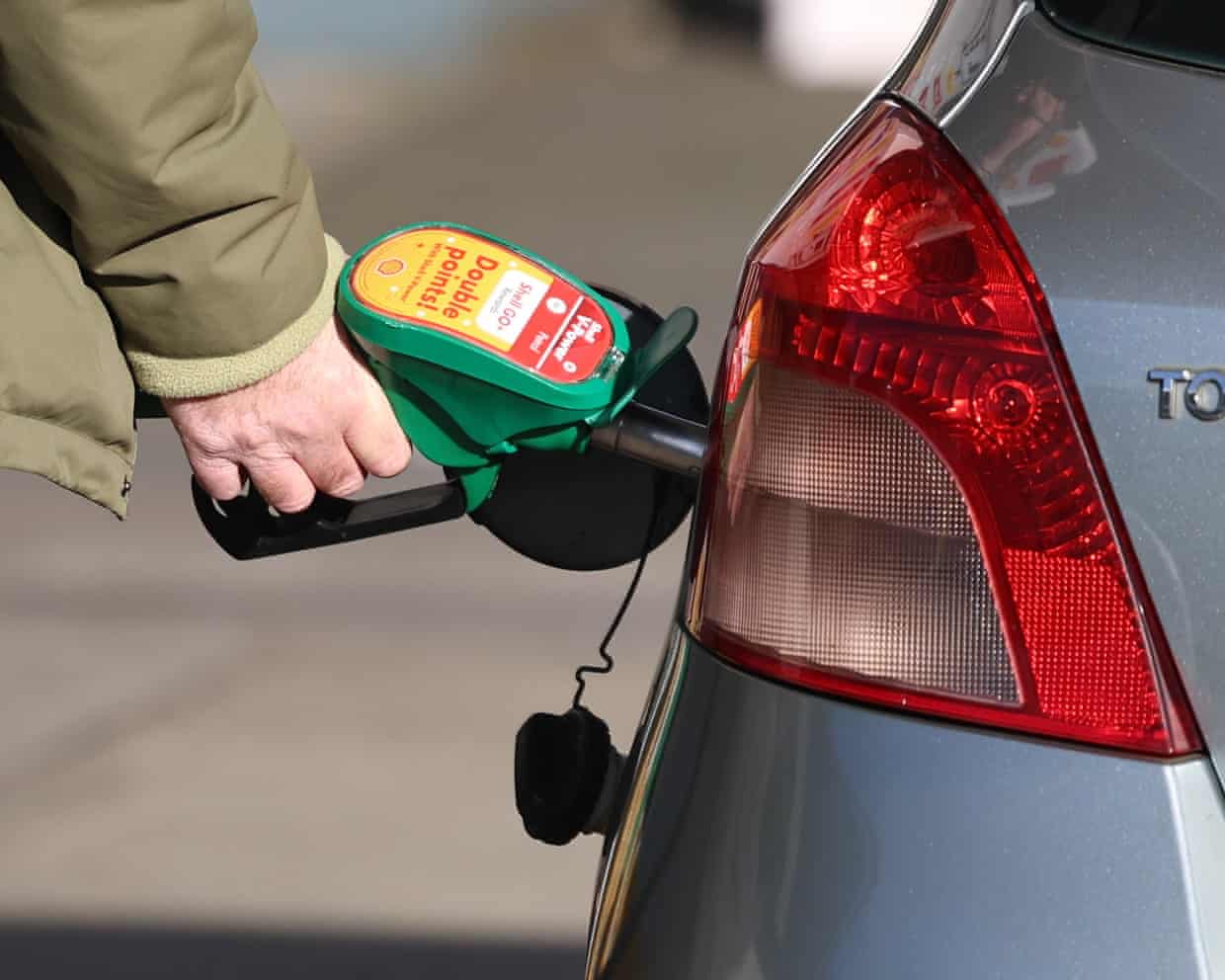
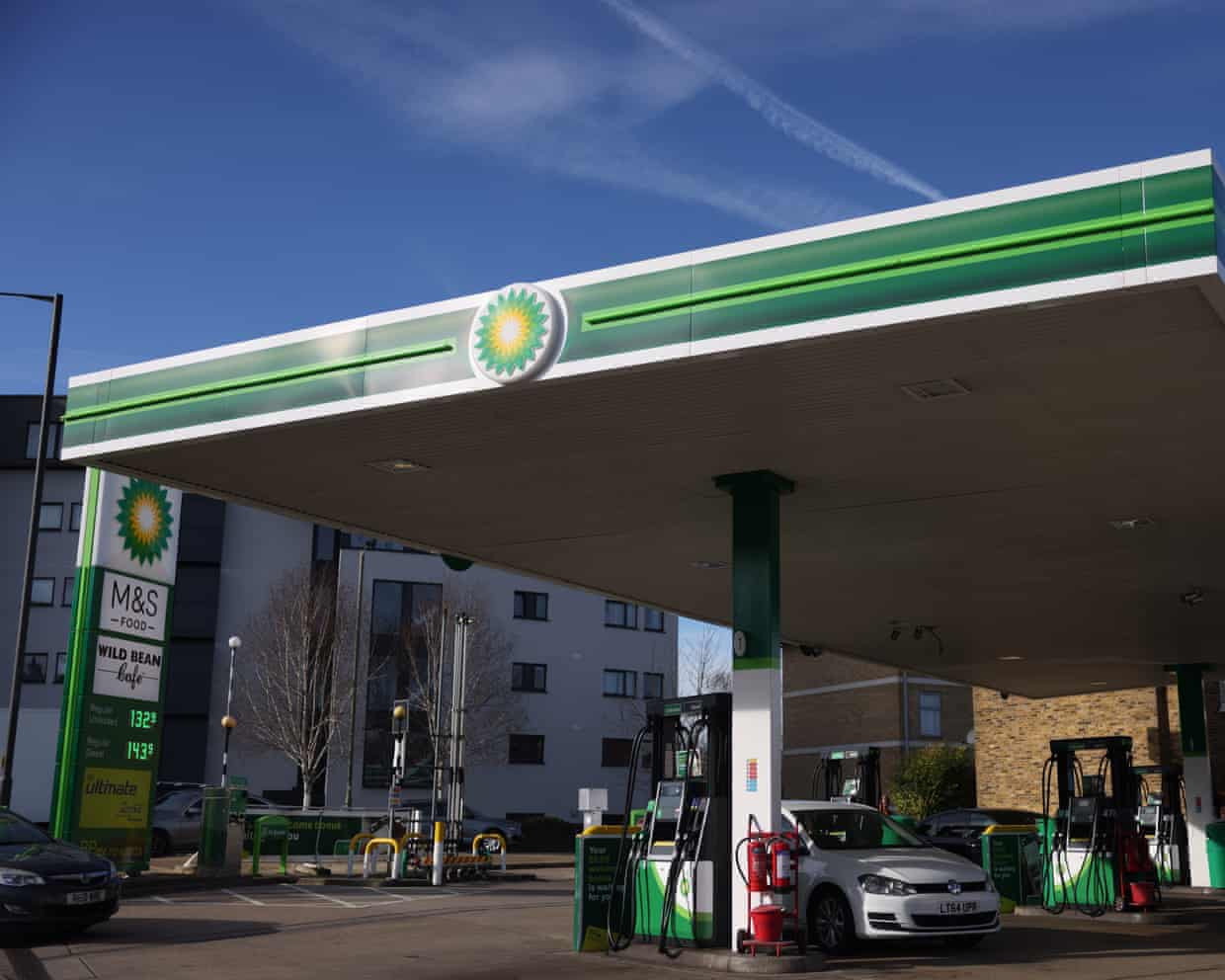
The RAC’s Simon Williams said that the average price of petrol had increased by nearly 2.5p a litre since Saturday, and diesel by more than 3p, on the back of oil surging above $81 a barrel.If the price goes to $90, it would be more than 140p a litre, Williams explained, and $100 would take it nearer to 150p.He added: “Providing oil stays around this level the average price of petrol shouldn’t really rise to more than 136p.Diesel, however, is increasing at a faster rate.
”There are other pressures, too,There was hope that the cost of living crisis was coming to an end but some indicators, such as food prices, are going in the wrong direction,New data published this week showed grocery price inflation rose to 4,3% in the four weeks to 22 February, after falling to 4% in January from 4,7% in December, according to the market research company Worldpanel by Numerator.
After studying the numbers released on Tuesday by the government’s official forecaster, the Office for Budget Responsibility, (finalised before the war started), the Resolution Foundation said the economic picture pointed to a typical working-age household being £300 better off over the next year.Unfortunately, the economic fallout from war in the Middle East could erase this completely, it added.
Rachel Reeves should scrap the North Sea windfall tax now
The chancellor’s failure to reform or remove the energy profits levy (EPL) – AKA the North Sea windfall tax – in her spring forecast was a case of “political expediency and more to do with putting one byelection result before the economic needs of the country”. Who said that? Some Tory or Reform politician being opportunist as war in Iran puts the UK’s energy import dependency in the spotlight?Actually, no, it was the general secretary of the GMB union, Gary Smith, on Wednesday, demonstrating once again that views on the North Sea oil and gas do not fit neatly into a left-right divide. He has been making the principled case for an orderly transition in energy for ages, warning that decarbonising via deindustrialising costs jobs and will end up pushing voters rightwards.As it happens, one suspects Rachel Reeves’ silence on the EPL in her statement – despite heavy Westminster rumours that something was in the offing – was probably also motivated by war in Iran and spikes in the prices of oil and gas. It is harder, politically speaking, to reform a windfall tax if there is a chance that windfall conditions are returning
How will war in the Middle East affect your finances?
The war in the Middle East is thousands of miles away, but gyrations in financial markets and surging energy prices threaten a new cost of living crisis in the UK.Here is how it could affect your finances.Mortgage holders benefited from cheaper home loans in recent months after the Bank of England cut interest rates four times in 2025 to bring the base rate down to 3.75%. But that could be about to change
South West Water admits criminal offence over Devon parasite outbreak
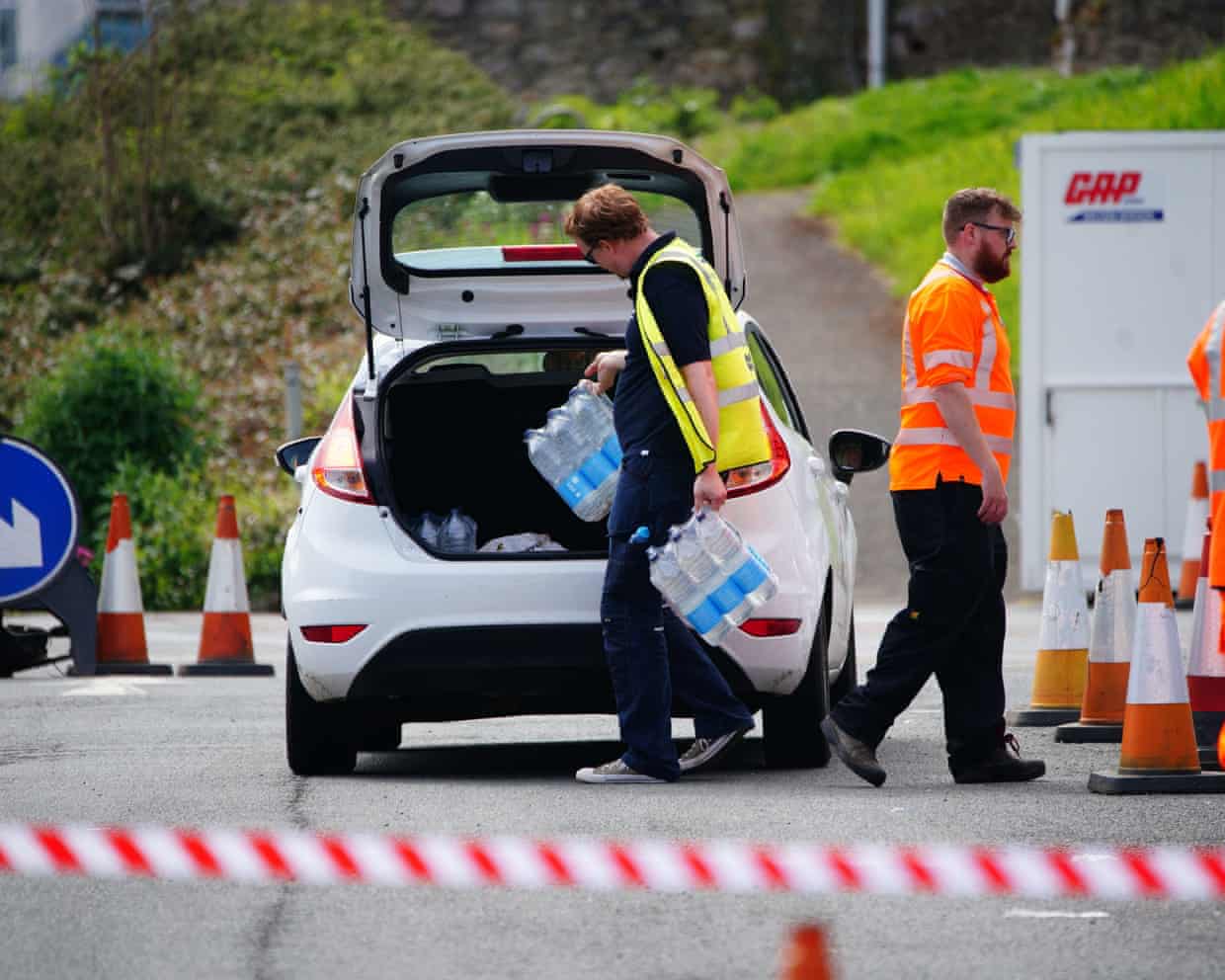
A major utility company has admitted supplying water unfit for human consumption after a parasite outbreak in Devon made almost 150 people sick.South West Water (SWW) pleaded guilty to the criminal offence relating to the cryptosporidiosis outbreak in Brixham, Devon, which affected 2,500 homes.Almost 150 cases of illness were confirmed in spring 2024, with some people needing hospital treatment, and many residents say the impacts of the outbreak are still being felt.During an hour-long hearing at Exeter magistrates court, the company pleaded guilty to an offence under the Water Industry Act 1991. It will be sentenced in June and faces a fine of hundreds of thousands of pounds
UK motor fuel prices rise since Middle East conflict began, and energy bills could jump 10% in July – as it happened
Good morning, and welcome to our rolling coverage of business, the financial markets and the world economy.The dust is settling after Rachel Reeves’s spring forecast statement yesterday, which showed that growth will be weaker than hoped this year while unemployment will be higher.While the chancellor claimed the UK could ‘beat the forecasts again’, economists are concerned that the ongoing Middle East crisis will hurt the economy, and household finances, badly.The Resolution Foundation have just released their overnight analysis of the Office for Budget Responsibility’s forecast.The good news? The UK is set for a “decent”, one-off increase in living standards this year, and a bumper rise for lower-income families
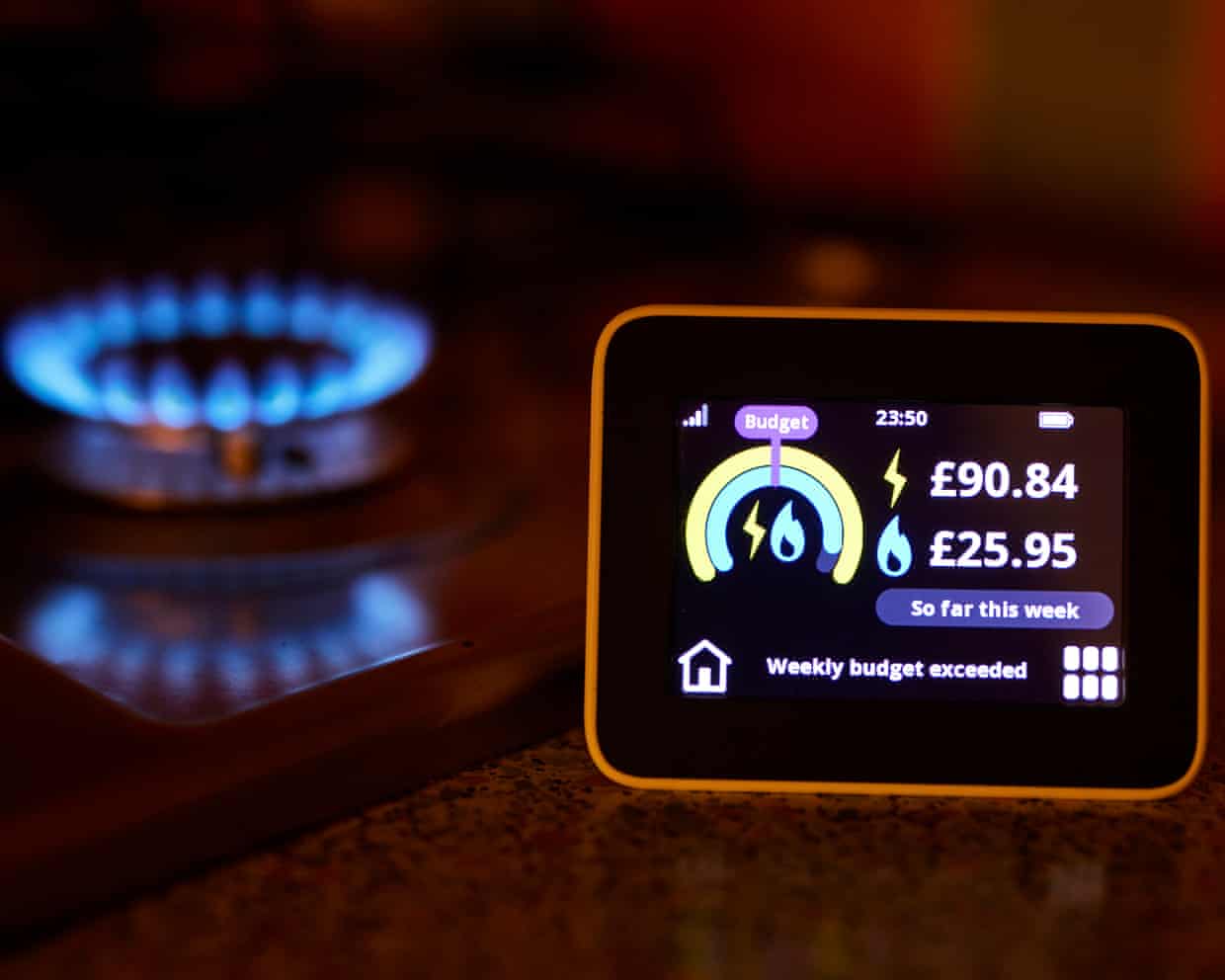
War in Middle East ‘could wipe out growth in UK living standards’
The Middle East crisis could trigger an energy price shock that more than wipes out the £300 rise in living standards a typical working-age household could otherwise expect this year, a leading thinktank has warned.The Resolution Foundation said a “decent” one-off increase in average living standards in 2026 and a bumper rise for lower-income households could be reversed by rising oil and gas prices as the Iran conflict disrupts supplies.However, if the recent jump in energy prices persists, the foundation said all the gains could be wiped out.While the effect may not be as large as the increase caused by the Russian invasion of Ukraine, which sent the cost of food, oil and gas soaring, a rise this year in oil and gas prices could add a percentage point to UK inflation and £500 on typical annual energy bills, it said.The UK’s reliance on gas from the Middle East makes it especially vulnerable to an effective blockade of the strait of Hormuz, through which about 20% of the world’s liquid natural gas is transported

European stock markets rally after report of ‘secret outreach’ by Iran to try to end war
European stock markets have rallied on a report claiming Iran is engaging in a “secret outreach” to end the war in the Middle East, after several days of heavy losses on indices around the world.The New York Times reported that a day after the attacks began, operatives from Iran’s Ministry of Intelligence indirectly contacted the CIA with an offer to discuss terms for ending the conflict.Officials briefed on the backchanneling are, however, sceptical – at least in the short-term – that either the Trump administration or Iran is really ready for an off-ramp, the report said. There are also questions over whether any Iranian officials could negotiate a ceasefire agreement, as Israeli strikes have taken out many senior figures.The report helped push up the UK’s FTSE 100 share index by nearly 70 points, or 0

Labour MP says she had no reason to suspect her husband may have broken law after his arrest on suspicion of spying for China – as it happened
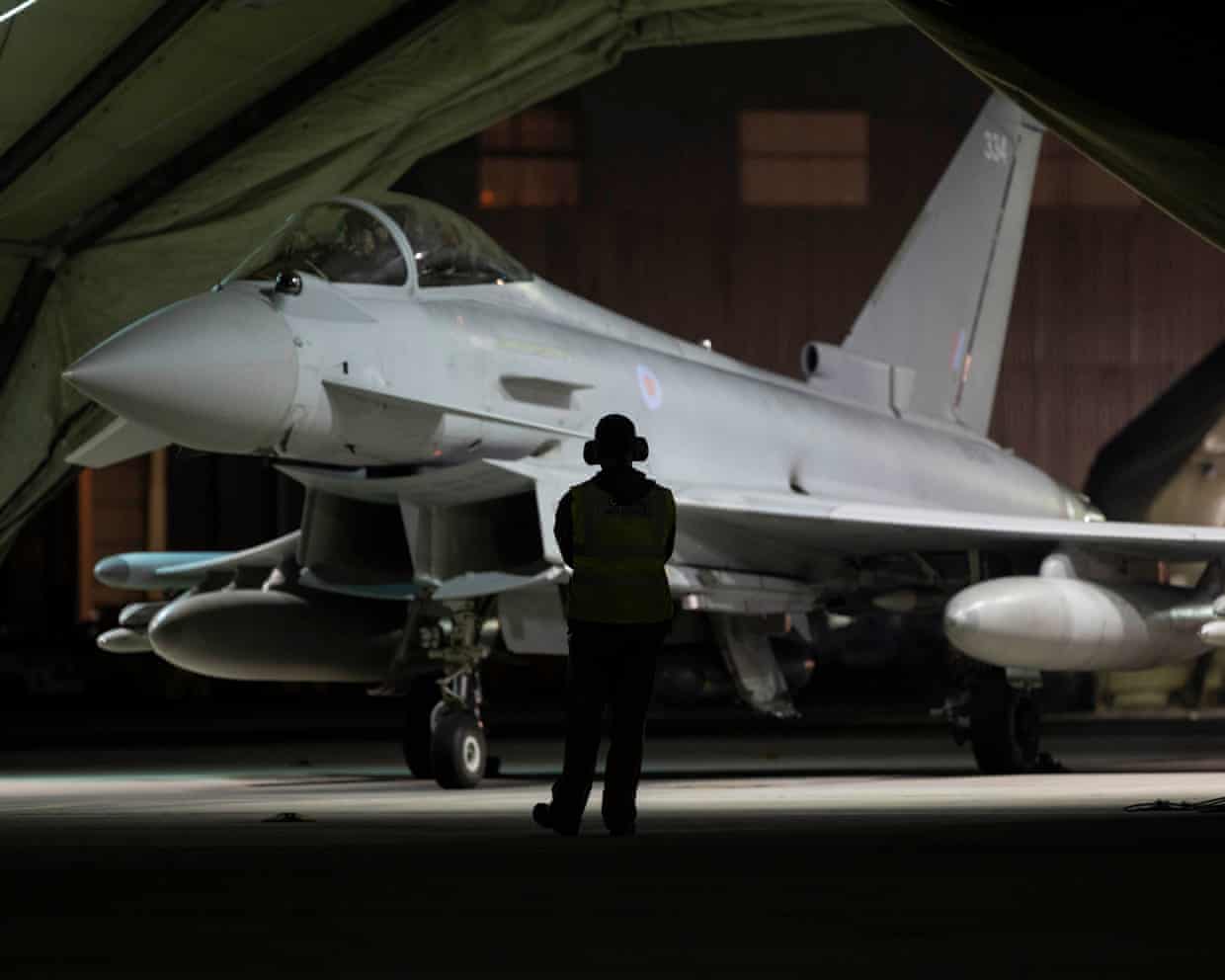
Ex-Nato commander defends Starmer after Trump’s ‘no Winston Churchill’ jibe
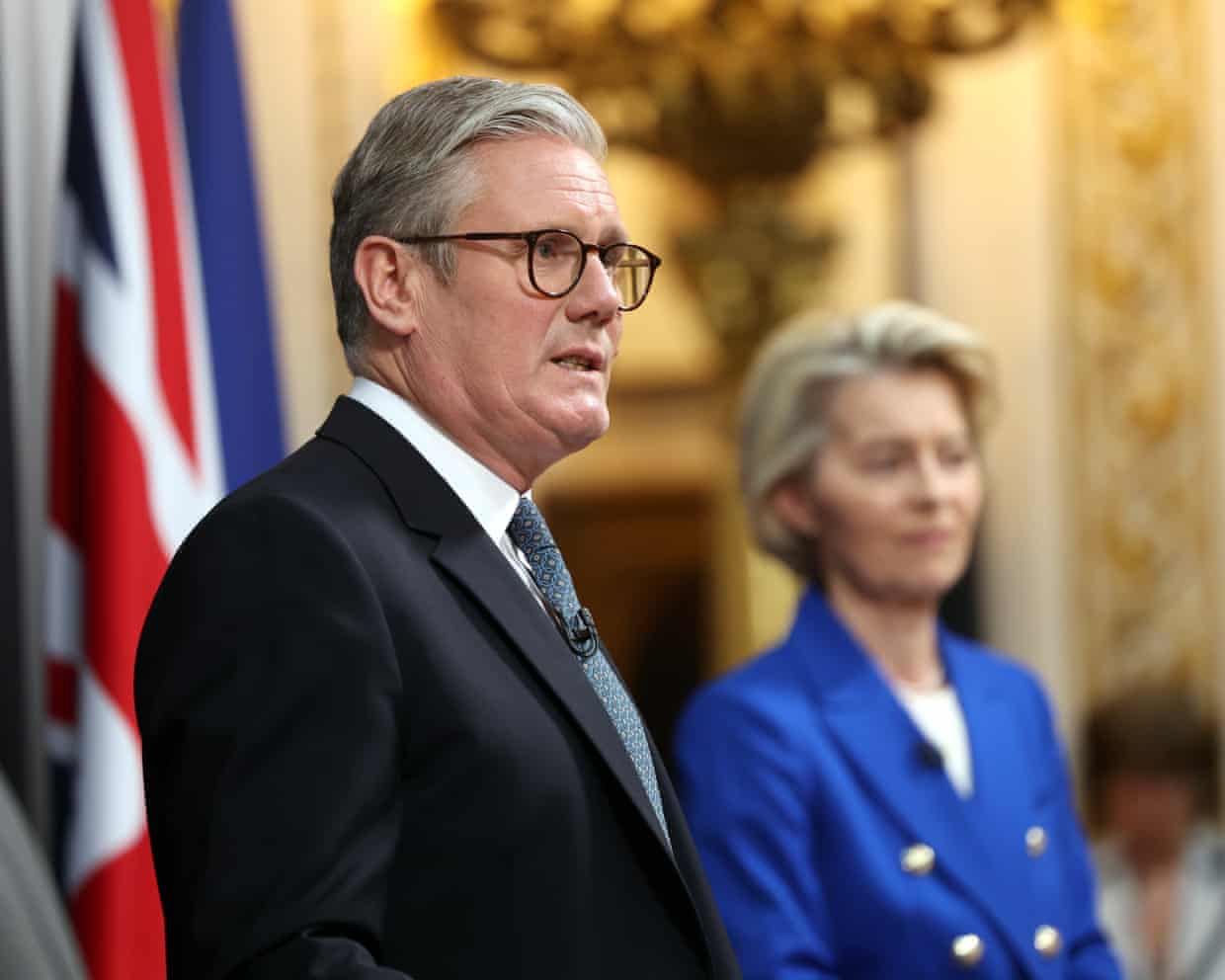
MPs say Starmer’s UK-EU reset lacks ‘direction, definition and drive’
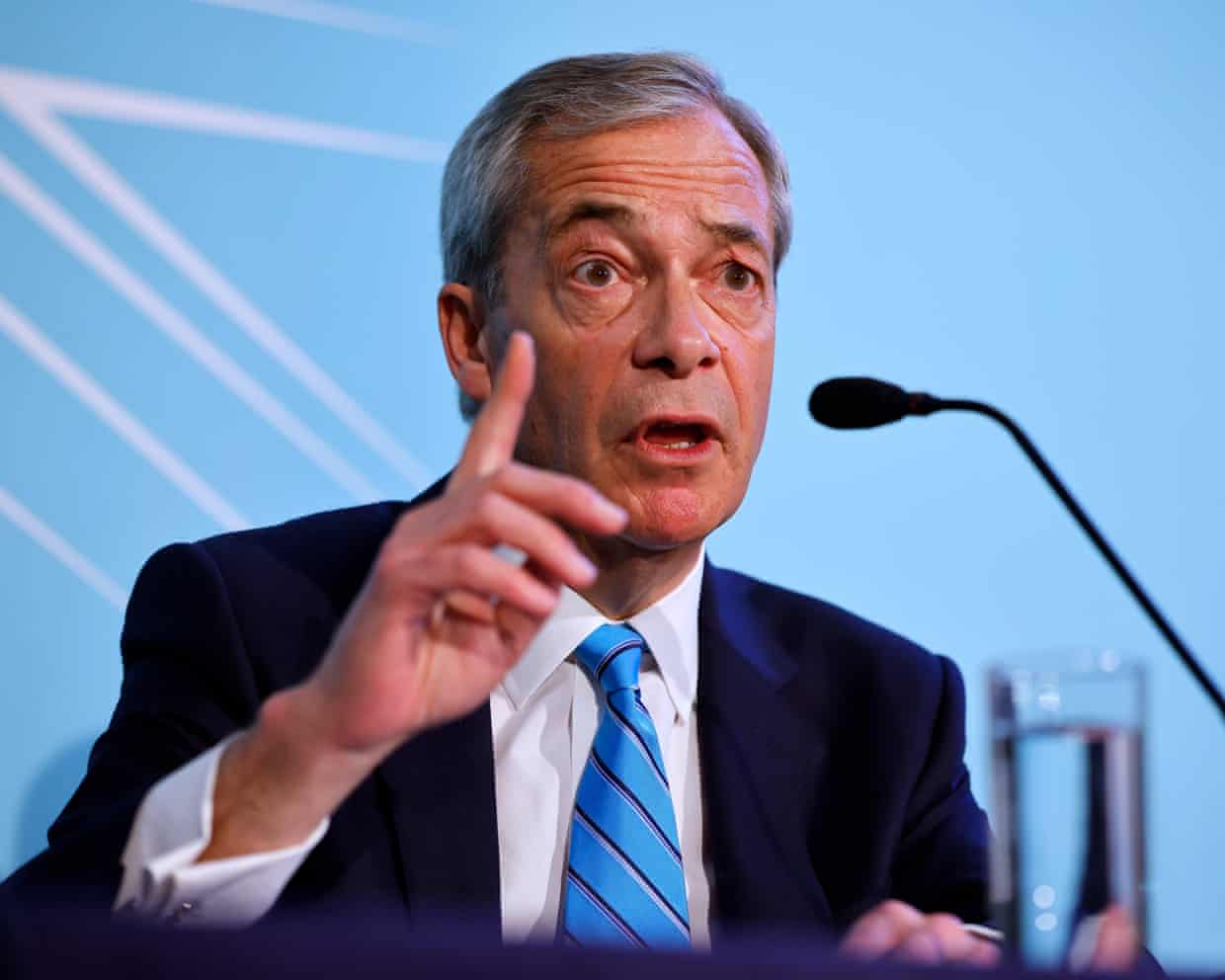
Most Reform members believe non-white UK citizens born abroad should be forced or encouraged to leave, poll finds
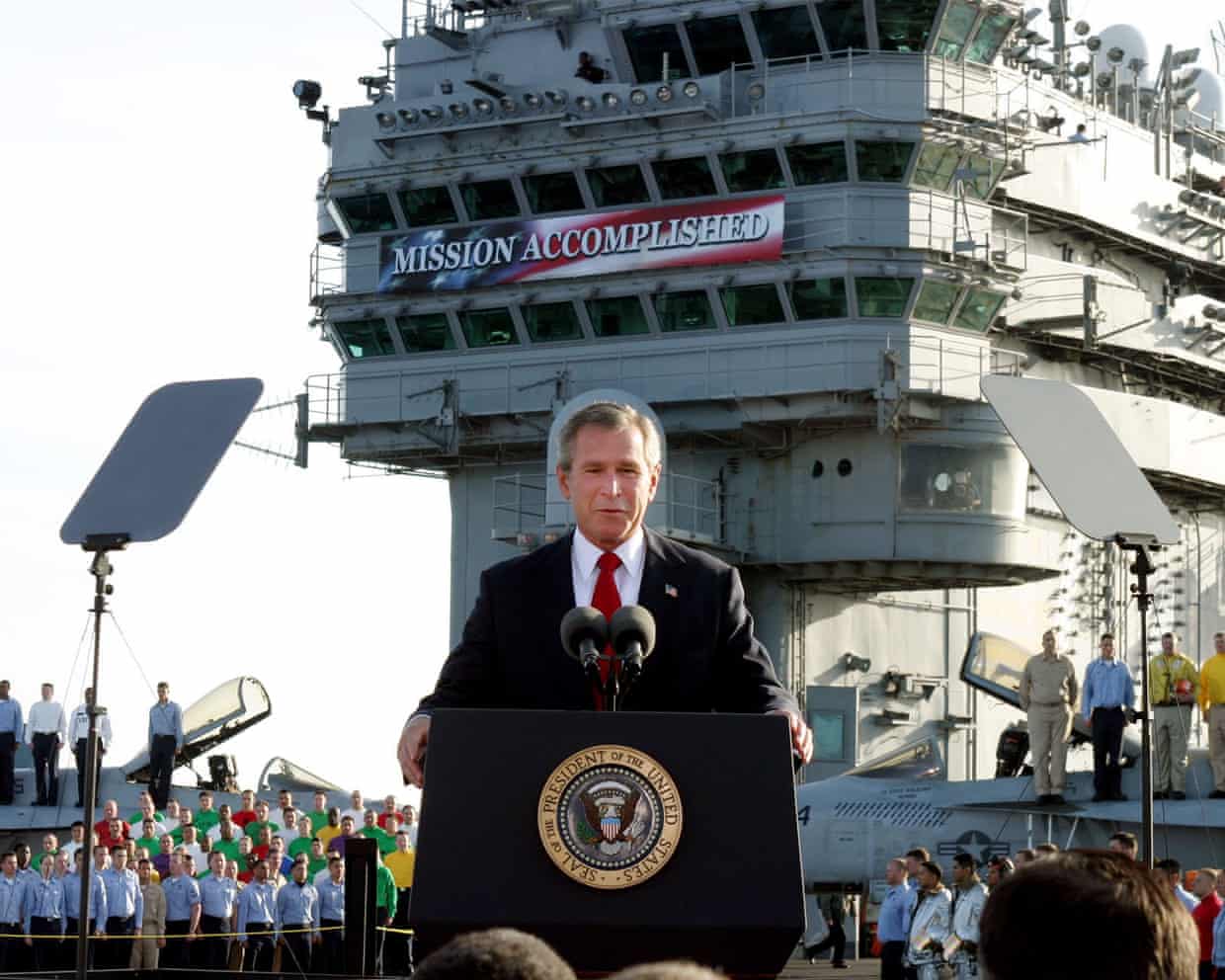
Shadow of Iraq war lies over Westminster as MPs consider US-Israeli attack on Iran
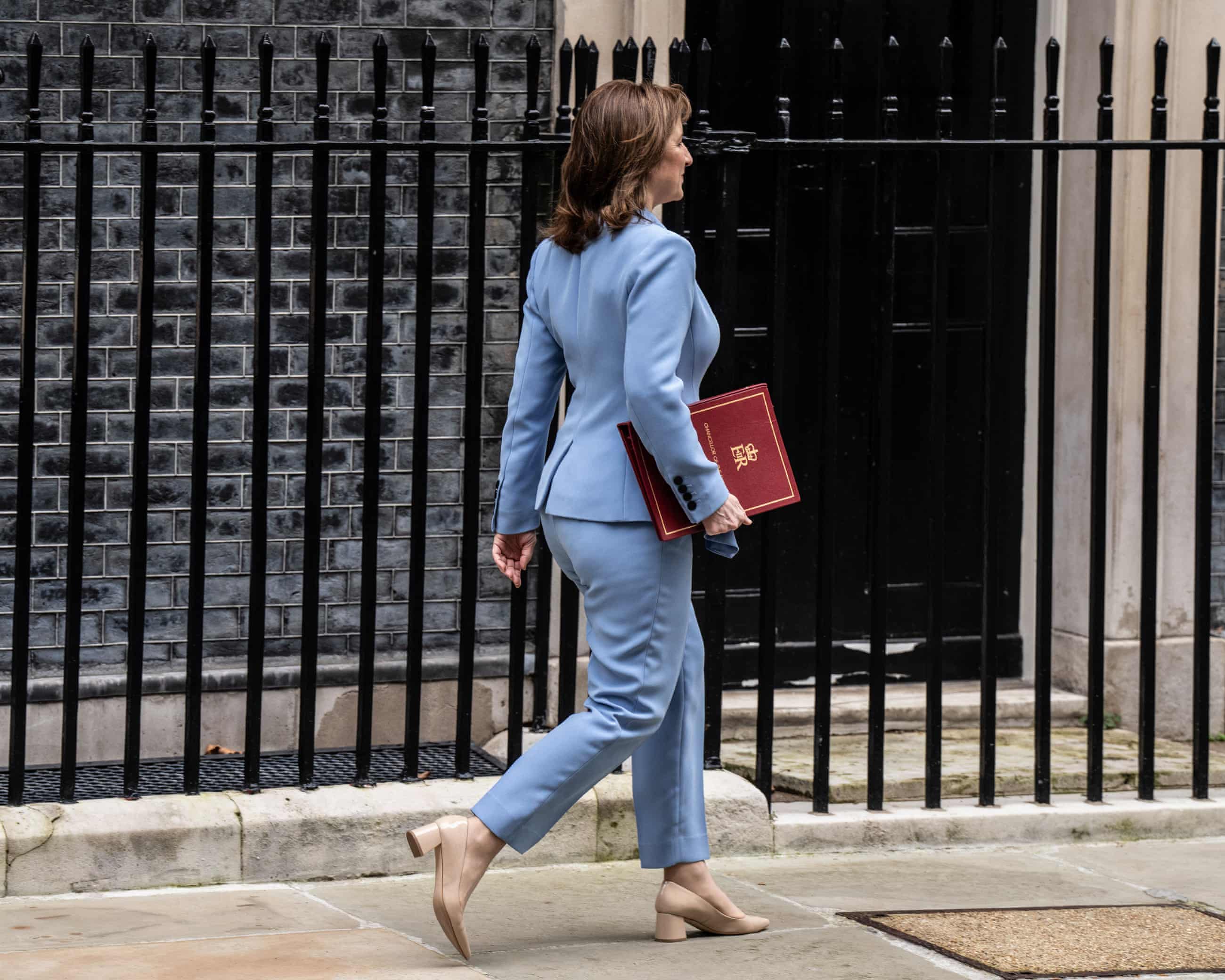
‘It’s no news just when we wanted some’: bosses react to spring statement