Wegovy and Ozempic owner dealt blow as next-gen weight-loss drug is labelled ‘obsolete’
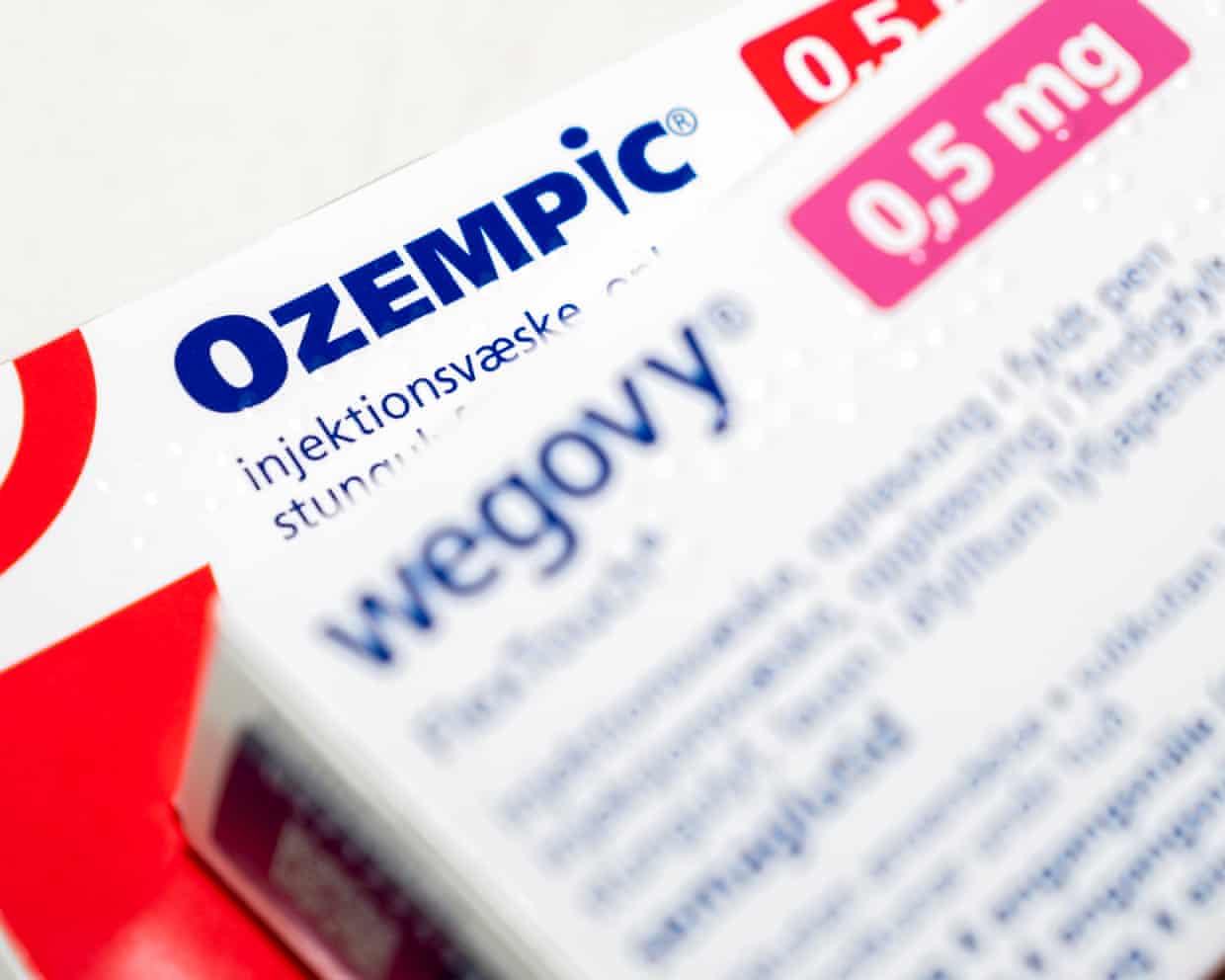
The owner of Wegovy and Ozempic has suffered a significant setback, as its highly anticipated new weight-loss treatment was labelled “obsolete” after disappointing clinical trials,Novo Nordisk’s shares fell sharply on Monday after the results from testing the Danish company’s CagriSema drug fell short of investors’ expectations,The weekly injection combines cagrilintide, which mimics the pancreatic hormone amylin, and semaglutide, the active ingredient in Wegovy and Ozempic that mimics the gut hormone GLP-1, suppressing appetite and making users feel full more quickly,This means CagriSema leads to greater weight loss than Wegovy,The study was designed to show that CagriSema was at least as good as the Novo rival Eli Lilly’s leading anti-obesity drug Zepbound, which contains tirzepatide.
Against initial expectations of 25% weight loss, CagriSema disappointed in a late-state study involving 809 people,It led to average weight loss of 23% after 84 weeks, compared with 25,5% for tirzepatide,The new Novo treatment “did not achieve its primary endpoint of demonstrating non-inferiority on weight loss for CagriSema compared to tirzepatide after 84 weeks”, the company said on Monday,Søren Løntoft Hansen, a senior analyst at Denmark’s AL Sydbank, said: “This is something of a swing and a miss.
” He added: “It is difficult to assess whether this data will influence Novo Nordisk’s decision to launch CagriSema on the market.”Novo’s share price plunged 16.5% in Copenhagen to the lowest level since June 2021, when Wegovy was launched, taking its losses over the past year to almost 60%, while Lilly’s stock rose 4.3% on Wall Street.Novo, which had recorded booming sales of weight-loss and diabetes medications, turning it into Europe’s most valuable company in recent years, has slashed its profit and sales estimates several times, as it lost ground to Lilly.
Novo had been betting on CagriSema – as well as its new Wegovy pill, launched in the US – to revive sales.Analysts at UBS had already, in January, lowered their peak sales forecast for Novo’s GLP-1 drugs from $80bn (£59bn) to $75bn in 2032, after previous disappointing CagriSema trial results.They said of the latest results: “Significant negative.An inferior result to tirzepatide was very unexpected.”Emmanuel Papadakis at Deutsche Bank told Novo management on an investor call: “Commiserations on the results.
CagriSema looks somewhat obsolete now as a competitive upgrade of semaglutide … or as a competitive alternative to tirzepatide.”The Novo chief executive, Mike Doustdar, rejected the comments, saying: “It’s quite belittling; it’s a fantastic drug in all honesty.When CagriSema will make it to the market early next year as the first amylin-based product, it will have the best weight-loss label [of] any marketed product.”Novo hopes another study of a higher CagriSema dose will show better results.It has already submitted the medication to the US drug regulator for approval based on earlier trial evidence, and hopes for the green light later this year.

US farmers are rejecting multimillion-dollar datacenter bids for their land: ‘I’m not for sale’
When two men knocked on Ida Huddleston’s door last May, they carried a contract worth more than $33m in exchange for the Kentucky farm that had fed her family for centuries.According to Huddleston, the men’s client, an unnamed “Fortune 100 company”, sought her 650 acres (260 hectares) in Mason county for an unspecified industrial development. Finding out any more would require signing a non-disclosure agreement.More than a dozen of her neighbors received the same knock. Searching public records for answers, they discovered that a new customer had applied for a 2
Amazon’s cloud ‘hit by two outages caused by AI tools last year’
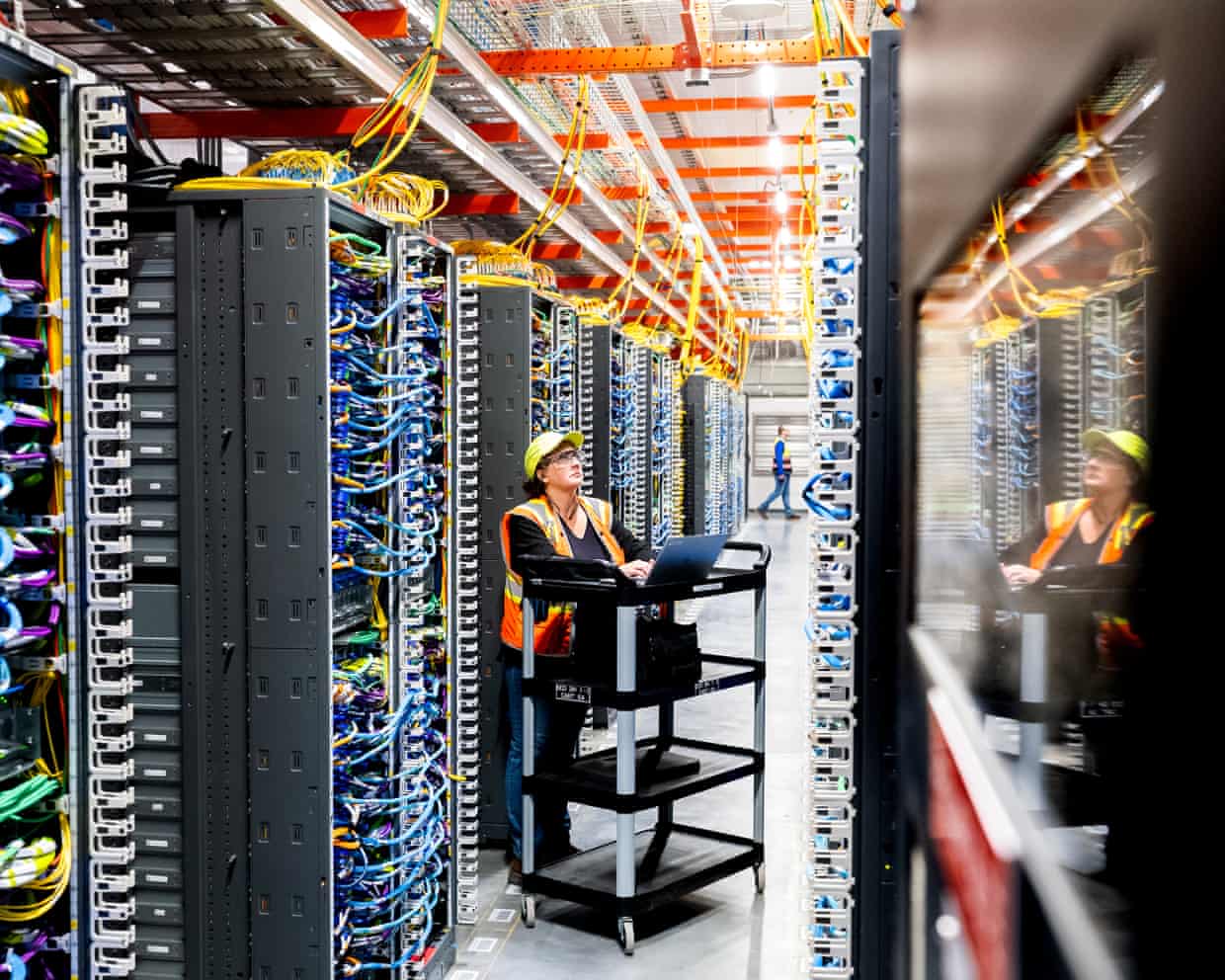
Amazon’s huge cloud computing arm reportedly experienced at least two outages caused by its own artificial intelligence tools, raising questions about the company’s embrace of AI as it lays off human employees.A 13-hour interruption to Amazon Web Services’ (AWS) operations in December was caused by an AI agent, Kiro, autonomously choosing to “delete and then recreate” a part of its environment, the Financial Times reported.AWS, which provides vital infrastructure for much of the internet, suffered several outages last year.One incident, in October, downed dozens of sites for hours and prompted discussion over the concentration of online services on infrastructure owned by a few massive companies. AWS has won 189 UK government contracts worth £1
‘It’s survival of the fittest’: the UK kebab chain seeking an edge with robot slicers
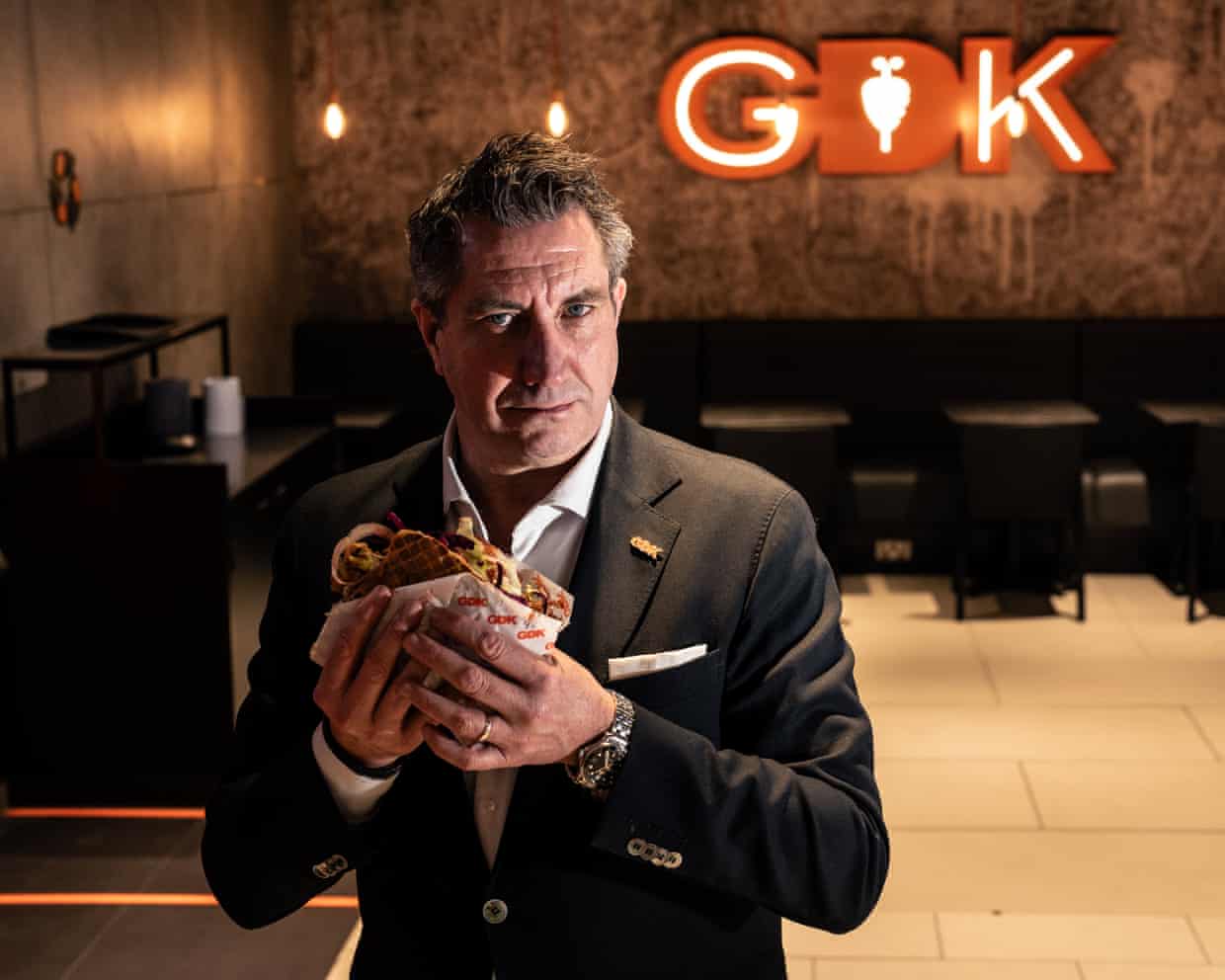
They are already packing our groceries and delivering shopping. Now robots are coming to the kebab shop, alongside self-service screens and loyalty apps, as takeaways look for ways to tackle rising costs.German Doner Kebab (GDK), a perhaps surprisingly British-owned chain that has been springing up across the country, has turned to technology to keep its fast food business buzzing in the face of rising costs and tough times on the high street.With households cooking at home more often to save money, and restaurants facing increases in energy bills, business rates, national insurance and hourly pay, profits are under pressure despite rising prices at the till.“It is survival of the fittest,” says Simon Wallis, the CEO of the brand, which operates via dozens of franchise partners running 155 outlets in the UK and nearly 40 more overseas including in the US, Dubai, Ireland and Sweden
Nascent tech, real fear: how AI anxiety is upending career ambitions
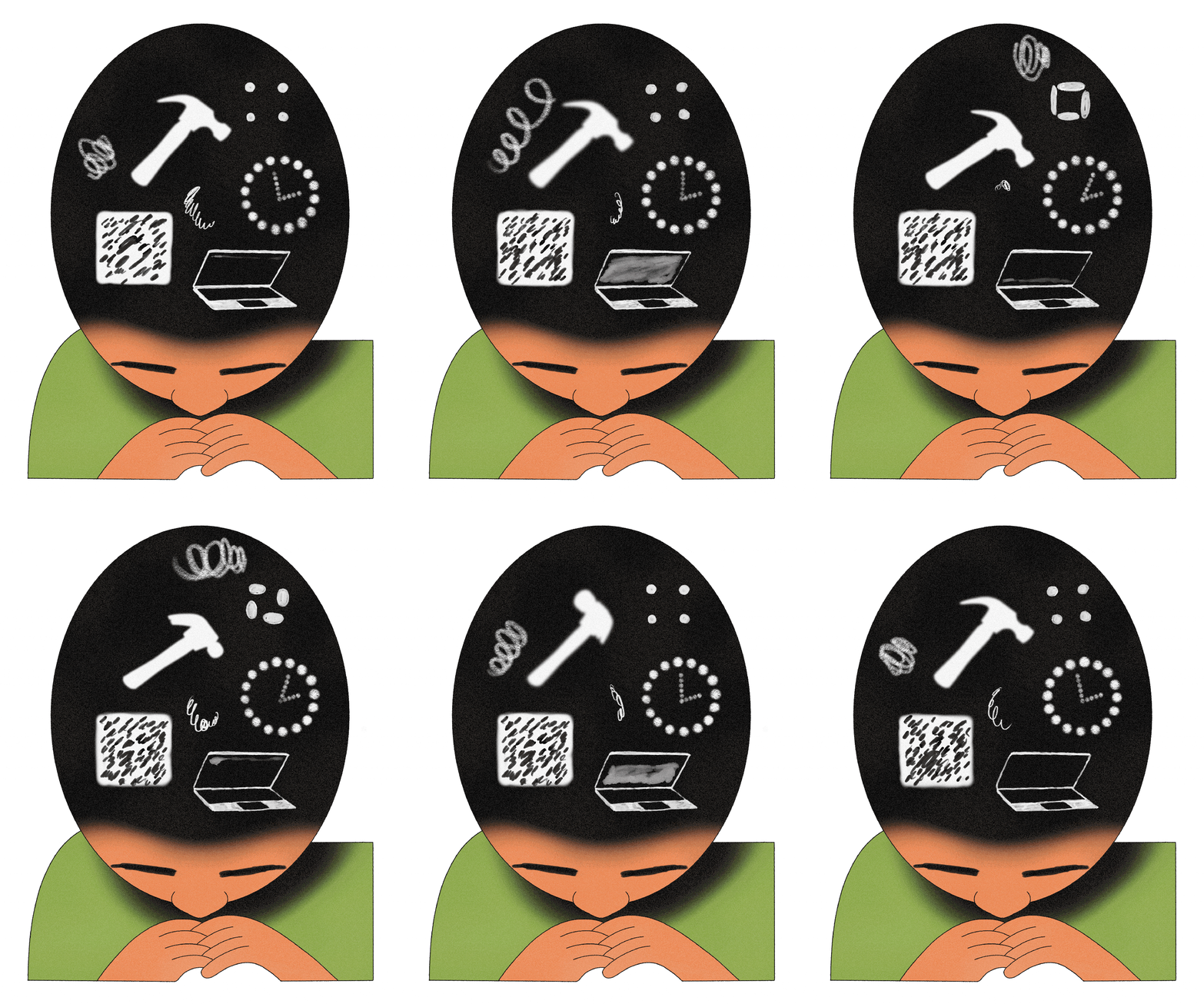
Matthew Ramirez started at Western Governors University as a computer science major in 2025, drawn by the promise of a high-paying, flexible career as a programmer. But as headlines mounted about tech layoffs and AI’s potential to replace entry-level coders, he began to question whether that path would actually lead to a job.When the 20-year-old interviewed for a datacenter technician role that June and never heard back, his doubts deepened. In December, Ramirez decided on what he thought was a safer bet: turning away from computer science entirely. He dropped his planned major to instead apply to nursing school

Nvidia reportedly plans to invest $30bn in OpenAI’s next funding round
Nvidia, the world’s most valuable company, is reportedly planning to invest $30bn (£22bn) in OpenAI’s next funding round, after a $100bn deal between the two dissolved earlier this month.The maker of ChatGPT is expected to be valued at $730bn in the funding round, almost twice the valuation of Anthropic, one of its main rivals, which raised $30bn earlier this month.Nvidia’s announcement of a $100bn investment in OpenAI last September drove the chipmaker’s stock to more than $5tn and led to fervent discussion about circular deals between the largest players in artificial intelligence.The investment, which the chipmaker framed as a “letter of intent”, would have involved Nvidia giving OpenAI money to buy and deploy its chips for its AI infrastructure.That all appeared to change earlier this month, when reports surfaced that Nvidia’s intent was never a firm commitment – and OpenAI was looking elsewhere for chips to power its systems

Mind launches inquiry into AI and mental health after Guardian investigation
Mind is launching a significant inquiry into artificial intelligence and mental health after a Guardian investigation exposed how Google’s AI Overviews gave people “very dangerous” medical advice.In a year-long commission, the mental health charity, which operates in England and Wales, will examine the risks and safeguards required as AI increasingly influences the lives of millions of people affected by mental health issues worldwide.The inquiry – the first of its kind globally – will bring together the world’s leading doctors and mental health professionals, as well as people with lived experience, health providers, policymakers and tech companies. Mind says it will aim to shape a safer digital mental health ecosystem, with strong regulation, standards and safeguards.The launch comes after the Guardian revealed how people were being put at risk of harm by false and misleading health information in Google AI Overviews

Trump’s new global tariffs kick in at 10% – business live

‘People yearn for stability’: the Thames Water sewage plant at frontline of its crisis

Police AI chief admits crime-fighting tech will have bias but vows to tackle it
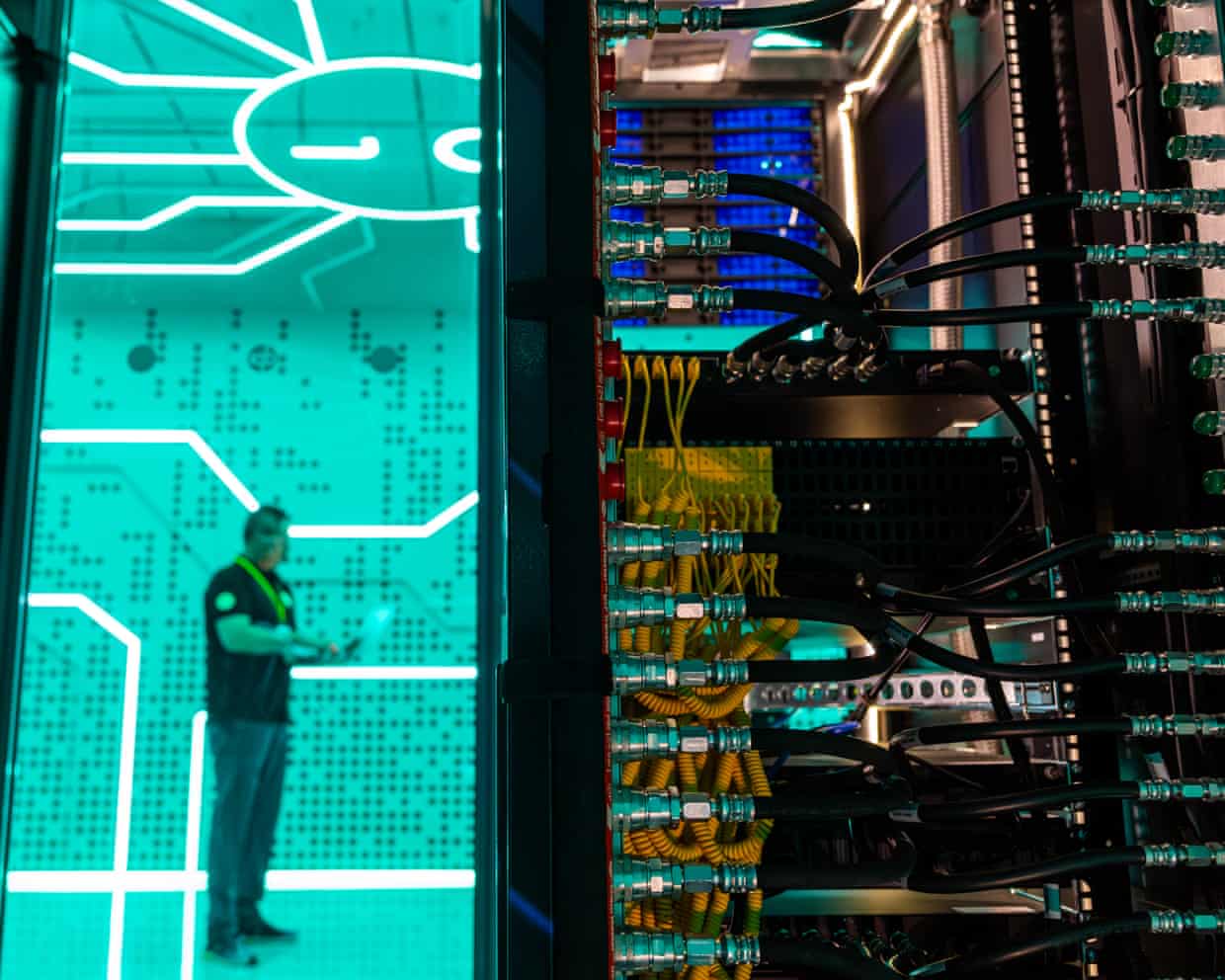
New datacentres risk doubling Great Britain’s electricity use, regulator says

Australia v India: first women’s cricket one-day international – live

‘Resilience is the biggest lesson’: Raducanu is ready for revival after setbacks