US farmers are rejecting multimillion-dollar datacenter bids for their land: ‘I’m not for sale’

When two men knocked on Ida Huddleston’s door last May, they carried a contract worth more than $33m in exchange for the Kentucky farm that had fed her family for centuries.According to Huddleston, the men’s client, an unnamed “Fortune 100 company”, sought her 650 acres (260 hectares) in Mason county for an unspecified industrial development.Finding out any more would require signing a non-disclosure agreement.More than a dozen of her neighbors received the same knock.Searching public records for answers, they discovered that a new customer had applied for a 2.
2 gigawatt project from the local power plant, nearly double its annual generation capacity,The unknown company was building a datacenter,“You don’t have enough to buy me out,I’m not for sale,Leave me alone, I’m satisfied,” Huddleston, 82, later told the men.
As tech companies race to build the massive datacenters needed to power artificial intelligence across the US and the world, bids like the one for Huddleston’s land are appearing on rural doorsteps nationwide.Globally, 40,000 acres of powered land – real estate prepped for datacenter development – are projected to be needed for new projects over the next five years, double the amount currently in use.Yet despite sums that often dwarf the land’s recent value, farmers are increasingly shutting the door.At least five of Huddleston’s neighbors gave similar categorical rejections, including one who was told he could name any price.In Pennsylvania, a farmer rejected $15m in January for land he’d worked for 50 years.
A Wisconsin farmer turned down $80m the same month,Other landowners have declined offers exceeding $120,000 per acre – prices unimaginable just a few years ago,The rebuffs are a jarring reminder of AI’s physical bounds, and limits of the dollars behind the technology,Four generations of the Huddleston family have watched the world change from the same fields,Ida’s grandfather was growing tobacco when the civil war erupted.
Her father ploughed wheat through the first world war and the long attrition of the Great Depression.She and her five siblings grew up on beans, broccoli and potatoes pulled from soil once seared by dust bowl winds.No one in her family went to college – but by age 10, her children could already herd cattle across the same ground as their forebears.“My whole entire life is nothing but the land.It’s provided me with anything and everything that I’ve needed for 82 years,” she says, speaking from the cabin her late husband built using local wood and rocks many decades ago.
Today, where residents see meandering creeks and open pastures, Silicon Valley executives see weak zoning protections, cheap power and abundant water,Developers keep knocking because there are billions to be made,In northern Virginia last November, an investor paid $615m for less than 100 acres – property the seller had bought for just $57m four years prior,Days later, Amazon spent $700m on nearby farmland that had sold for a fraction of that price the year before,In Georgia, a local developer flipped land to Amazon for $270m after paying $4m for it 12 months earlier.
For the middlemen scouting these deals, potential returns exceed 1,000%,About 20 Mason county residents have reportedly been offered deals, with the datacenter project estimated to cover 2,000 acres,After Dr Timothy Grosser, 75, rejected an $8m offer for his 250-acre farm – 3,500% more than he’d paid nearly four decades earlier – the developers came back with a new proposition: “Name your price,”His answer: “There is none,”Grosser lives, hunts and raises cattle on his land.
Each Christmas, his family eats a turkey his grandson catches there.Alongside Huddleston and himself, Grosser estimates four landowners have refused to sell.“All they’ve done all their life is farm grain, cattle, tobacco,” Grosser says.“To them, same as me, the money’s not worth giving up your lifestyle.”For Huddleston’s daughter, Delsia Bare, 56, the connection runs deeper than skill sets.
She remembers hoeing weeds from tobacco fields alongside her mother and grandmother, putting up hay through Kentucky summers.“There’s a bond with the land,” she says.“There’s no way to undo it.That’s family, that’s history.”Beyond personal attachment, some farmers worry about broader consequences.
The number of US farms has dropped more than 70% since 1935.Datacenters can strain power grids, drain local water supplies, contaminate soil and fragment wildlife habitat.Bare puts it more bluntly: “You’re not going to grow a loaf of bread off of a datacenter.”Not everyone is holding out; some Mason county farmers have agreed to sell if the project proceeds.“You can’t blame them,” Grosser acknowledges.
“Giving them 10 million bucks for a farm?”Those who refuse to sell say the utility company has warned it may invoke eminent domain – the government power to seize private property for public use,The threat isn’t empty: Dominion Energy used it against a Virginia farmer last April,The resistance reflects something economists struggle to quantify: the cultural weight of land stewardship,In his book Love for the Land, author Brooks Lamb describes how family farmers’ “sometimes-self-sacrificial stewardship” can lead to choices that defy financial logic, like refusing to consolidate into industrial operations,“When told to ‘get big or get out’, these farmers choose neither,” he writes.
Maintaining the farm is viewed as a “birthright”, by many, says Mary Hendrickson, a professor of rural sociology at the University of Missouri.The responsibility to previous generations runs deep, sometimes dangerously so.During the 1980s’ farm crisis, when heavily indebted farmers faced bankruptcy and land loss, more than 900 male farmers in the midwest committed suicide.“They’re somewhat irreversible,” Hendrickson says.“If you give the land over to them, it destroys what that land could be for agriculture.
”Local officials in Mason county insist the datacenter would sustain future generations by bringing much-needed tax revenue and jobs, an argument being made in town halls across the country,Mason’s population has shrunk by around 10% since 1980, largely due to the loss of manufacturing,Developers say the datacenter project would bring 1,000 construction jobs, although it may only create 50 full-time operational jobs,In places like Loudoun county, Virginia – home to “Data Center Alley”, where about a fifth of the world’s internet traffic goes through – datacenter tax revenue nearly equals the county’s entire operating budget,“We can continue to shrink – losing population, losing jobs and watching our young people leave for opportunities elsewhere – or we can chart a new course,” Tyler McHugh, Mason county’s industrial development director, said at a public hearing in December.
“It’s about keeping our people here.”As they offer multimillion-dollar deals, datacenter developers are not stealing Mason county land, yet some farmers feel a spiritual dispossession nonetheless.A few months before the knock on her door last May, Delsia Bare lost most of her vision.Now she relies on sound to connect with the land: singing birds, the running creek.She fears a datacenter’s hum will drown out those connections, pushing the farm from physical reality into memory.
For now, she returns to what her family has relied on for generations,“The land, the land, the land,” as her mother puts it,As AI promises to transcend corporeal fallibility, these standoffs reveal its very physical constraints – and Wall Street’s miscalculation of what some people value most,In the rolling hills of Mason county and farmland across America, that gap is measured not in dollars but in something harder to price: identity,
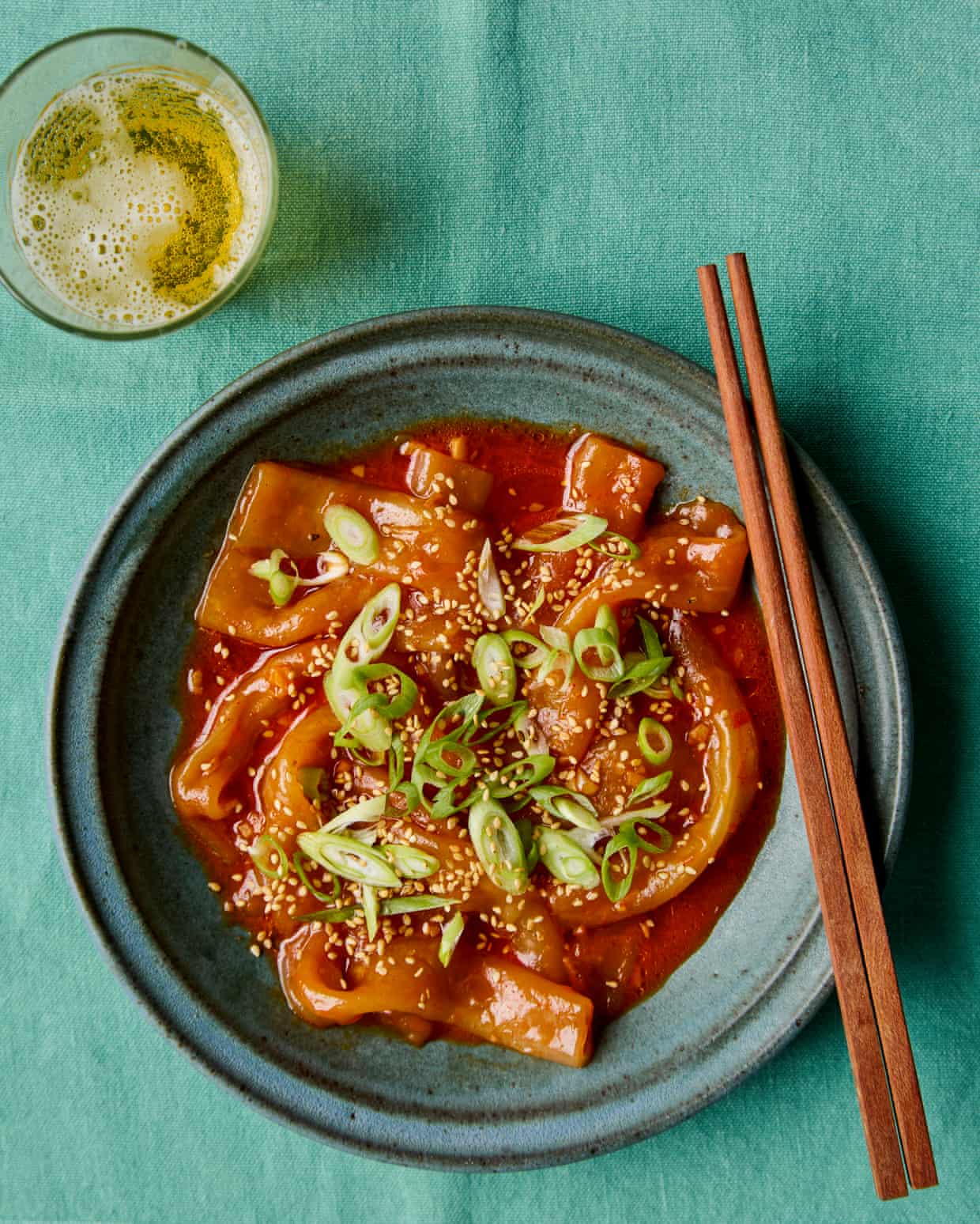
Nadiya Hussain’s recipes for chicken half-moons and rice paper tteokbokki
I use a lot of rice paper and always have plenty at home, because it can be used in a wide variety of ways. It’s delicious fried, as are most things! These half-moons are filled with an aromatic chicken mince, while tteokbokki is a Korean dish of chewy rice tubes that are often cooked in a stew. They are not always easy to find, but I love them, so I make my own.Prep 5 min Cook 20 min Makes 12134g pack rice paper spring roll wrappers 3 tbsp oil 6 garlic cloves, peeled and finely chopped 3 tbsp gochujang paste 2 tbsp soy sauceTo serve Sesame oil Spring onions, trimmed and thinly sliced Sesame seedsDunk each sheet of rice paper in a lipped plate or shallow bowl of cold water, submerging them until soft. Roll each one into a log, then cut in half and set aside
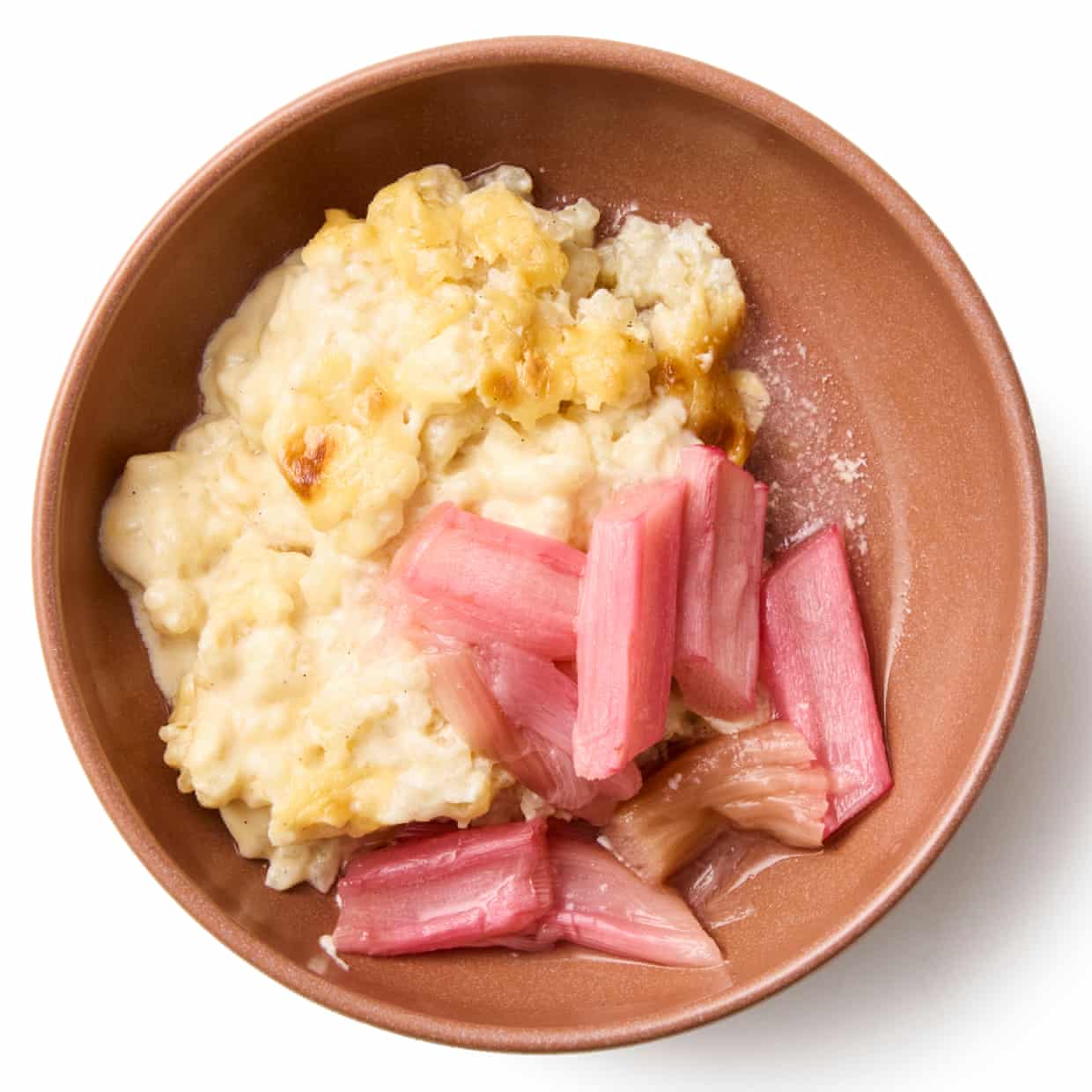
How to make proper rice pudding – recipe | Felicity Cloake's Masterclass
There are almost as many rice puddings as there are savoury rice recipes. If you were also put off by that dazzlingly white, school dinner gloop, fear not, this is a much more luxuriant baked dessert, gently spiced and finished with sweet wine and cream. It can be enjoyed warm or cool, on its own or with a spoonful of jarred fruit or some vivid pink spring rhubarb.Prep 5 min Cook 2 hr 10 minServes 450g butter, plus extra for greasing50g soft light brown sugar 100g pudding rice 1 litre whole milk (see step 4)1 unwaxed lemon ¼ tsp freshly grated nutmeg¼ tsp ground cinnamon, or a small length of cinnamon stick1 bay leaf ½ vanilla pod, or 1 tsp vanilla extract 1 pinch salt 2 tbsp sweet fortified wine –eg pedro ximenéz or cream sherry, madeira, tawny port (optional)150ml double creamHeat the oven to 160C (140C fan)/325F/gas 3. Find a wide baking dish or ovenproof pot large enough to hold about 1
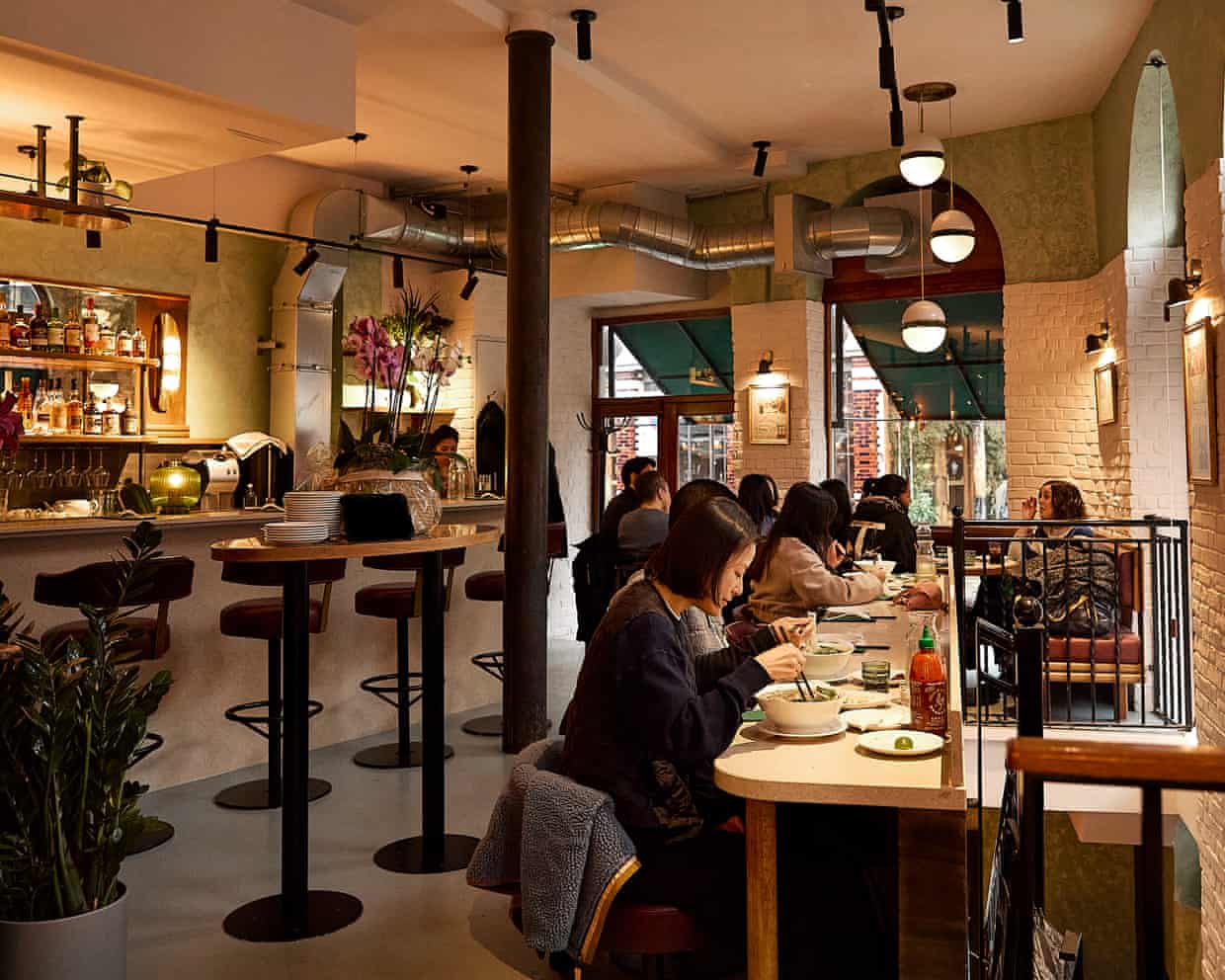
Sông Quê Phở Bar, London E1: ‘The best phở in town’ – restaurant review | Grace Dent on restaurants
Some hot dining spots seem to expand almost the moment they open, but east London’s Vietnamese stalwart Sông Quê has waited almost 25 years to spawn a little sister, Sông Quê Phở Bar. The new offshoot sits on Commercial Street, a mile or so down the road, and serves a tiny menu focusing on phở, as well as a smattering of the original cafe’s small plates in the form of summer rolls, green papaya salad, grilled lamb chops and savoury banh khot cupcakes.Quite why Sông Quê, with its regular weekend queues and well-known name, took so long to branch out, however, is unknown. Still, why rush things? After all, the road to restaurant ruin is paved with premature brand roll-outs, and even if managers think they’re superhuman, they cannot be in two – or three or four – sites all at the same time. Plus, the big question with an institution such as the OG Sông Quê is: can you really recreate the magic elsewhere?The new phở bar has appeared in what at a glance seems a pretty good location, almost directly opposite the much-adored (not least by me) Xian Biang Biang Noodles (go for the belt noodles, I implore you), and close to the beloved Thai hotspot Som Saa
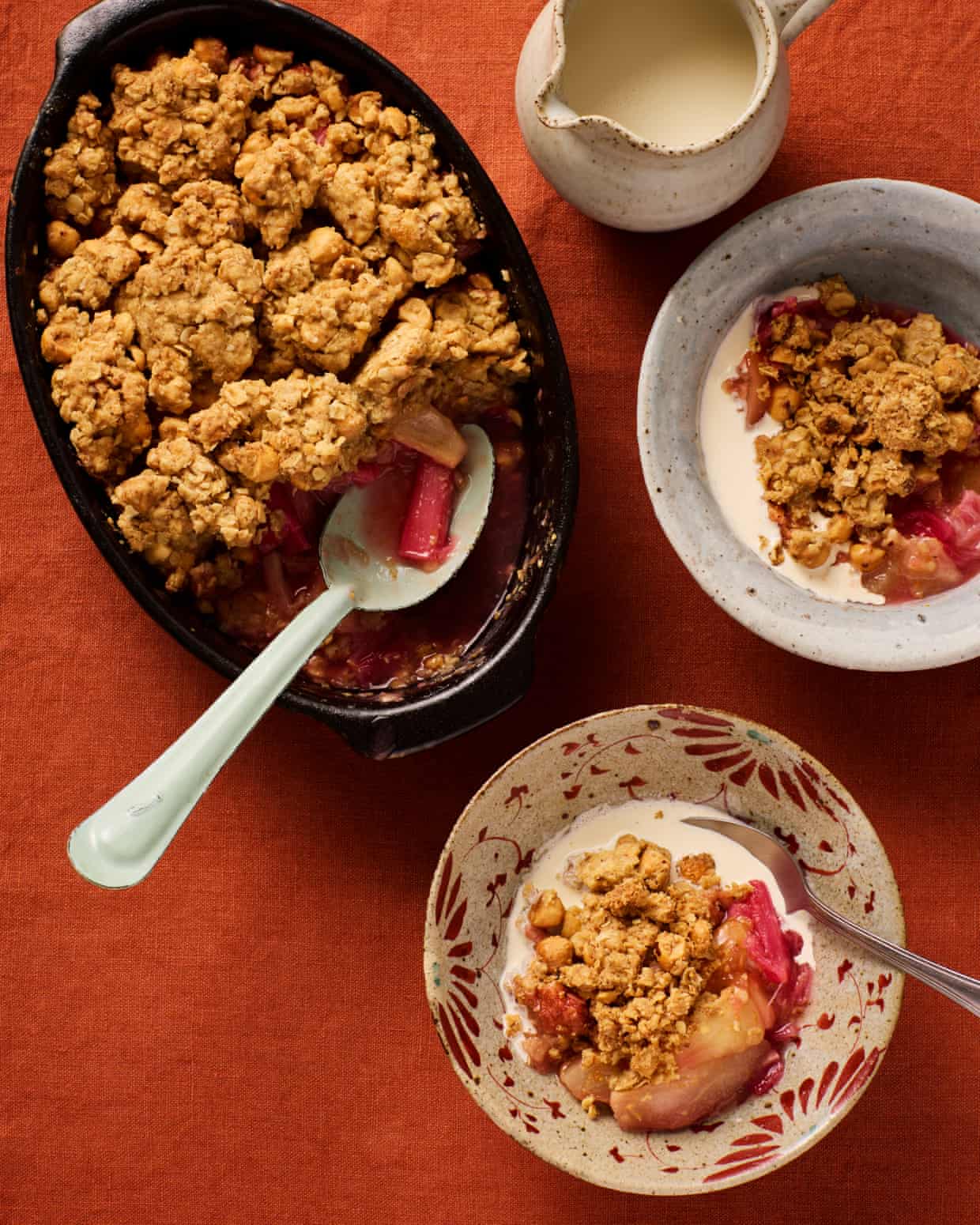
Helen Goh’s recipe for rhubarb, pear and hazelnut crumble with browned butter | The sweet spot
Rhubarb brings its late-winter brightness to this favourite pudding, while ripe, buttery pears soften the edges and add a gentle creaminess. Instead of the traditional rubbing-in method, the crumble is made by pouring warm browned butter straight into the dry ingredients, creating a pebbly topping with a deeper toasted flavour. Leave out the crushed fennel seed, if you prefer, but this small addition, bloomed briefly in the butter, gives the whole thing a subtle aromatic lift.Prep 15 min Cook 1 hr 15 min, plus cooling Serves 680g caster sugar Finely grated zest of 1 orange, plus 1 tbsp juice 1½ tbsp tapioca flour, or cornflour500g rhubarb, trimmed and cut into roughly 2cm pieces2 large, ripe pears, peeled, cored and cut into 2cm pieces 1 tbsp orange juice 1 tsp vanilla bean pastePouring cream, vanilla ice-cream or thick yoghurt, to serveFor the crumble topping130g unsalted butter, plus 10g extra, softened, for greasing1 tsp fennel seeds, lightly crushed (optional)130g plain flour 80g light brown sugar 70g rolled oats 70g toasted blanched hazelnuts, roughly chopped ¼ tsp fine sea saltStart by making the topping: put the butter in a small saucepan over a medium heat, swirling the pan occasionally until the butter has completely melted. Keep cooking until the butter smells nutty and turns golden; it will splutter and hiss at first, then quieten as the foam subsides
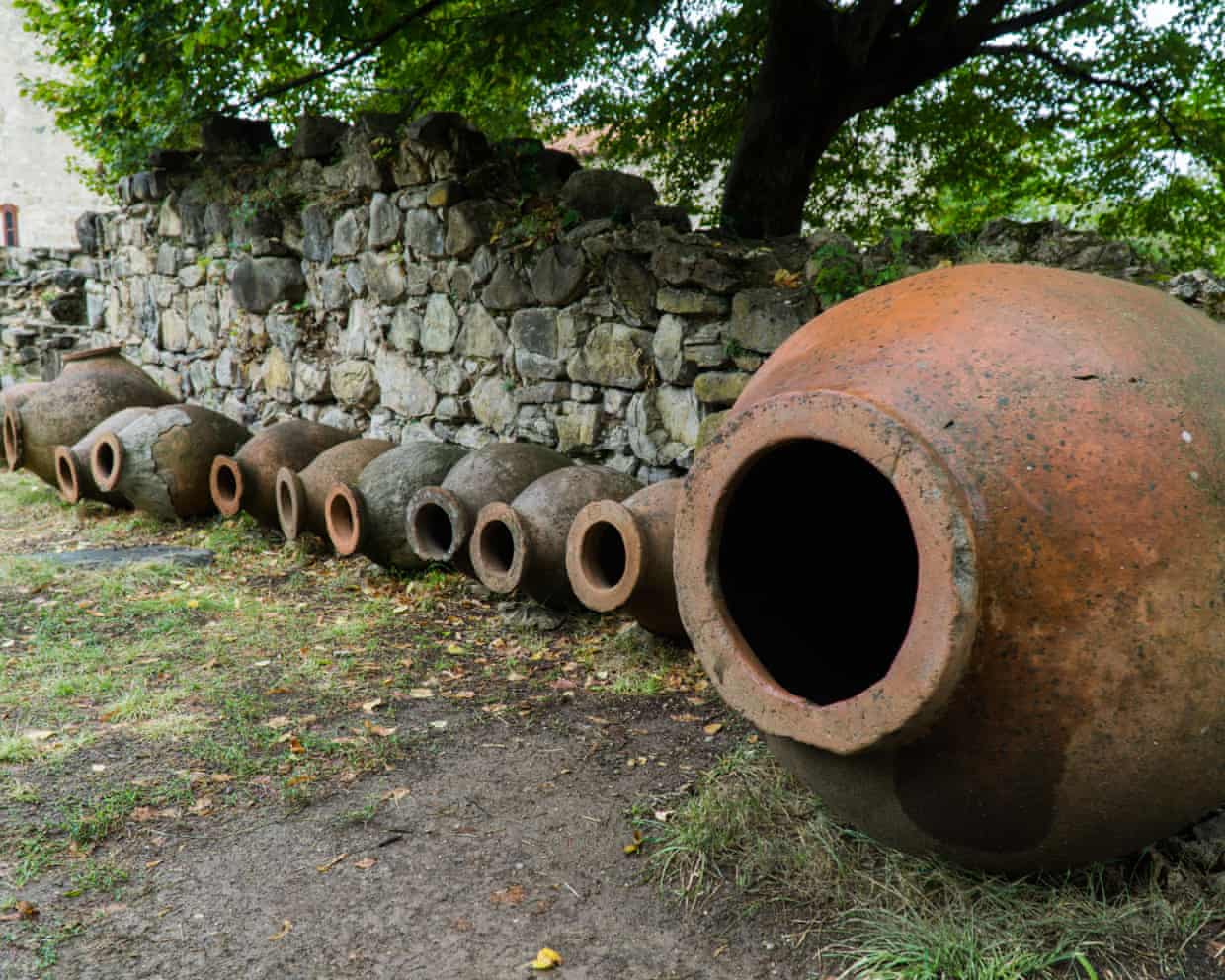
The story of Georgian wine has been 8,000 years in the making | Wine
France, Italy and Spain purport to be the best-loved classical wine regions, but if you’re in the market for the real old-world deal, look no further than Georgia, which has more than 8,000 years of winemaking prowess. There’s something about this place on the lush intersection of the silk roads between Europe and Asia that gets under the skin. Perhaps it’s the combination of unpolished authenticity paired with profound generosity (guests are considered a gift from God and fed accordingly), all while being gently rocked in a cradle of civilisation, that make Georgian wine so beguiling. (My first visit in August 2023 – a khachapuri-fuelled reconnaissance for my book, Drinking the World: A Wine Odyssey – lingered in my mind long after my flight touched back down on British tarmac.The Guardian’s journalism is independent

The feast before the fast … my pre-Lent indulgent recipes
In terms of religious food festivals, this week is kind of a double whammy. First up was pancake day, which is always a whole-day affair in our kitchen, with both sweet and savoury stations, crepe pans and all the toppings (you can always rely on Felicity Cloake for a foolproof recipe). And, because of the way the calendars fall this year, we are also celebrating Orthodox Maslenitsa, or cheesefare, week at the same time.OK, so the sentiment is pretty much the same (it’s the week before the start of Lent, when people ease into their strict fasting period), but these two celebrations can often be weeks apart (blame the battle of the Gregorian and Julian calendars). For those of Orthodox faith, last week was all about eating meat, and this week is all about dairy

Trump’s new global tariffs kick in at 10% – business live
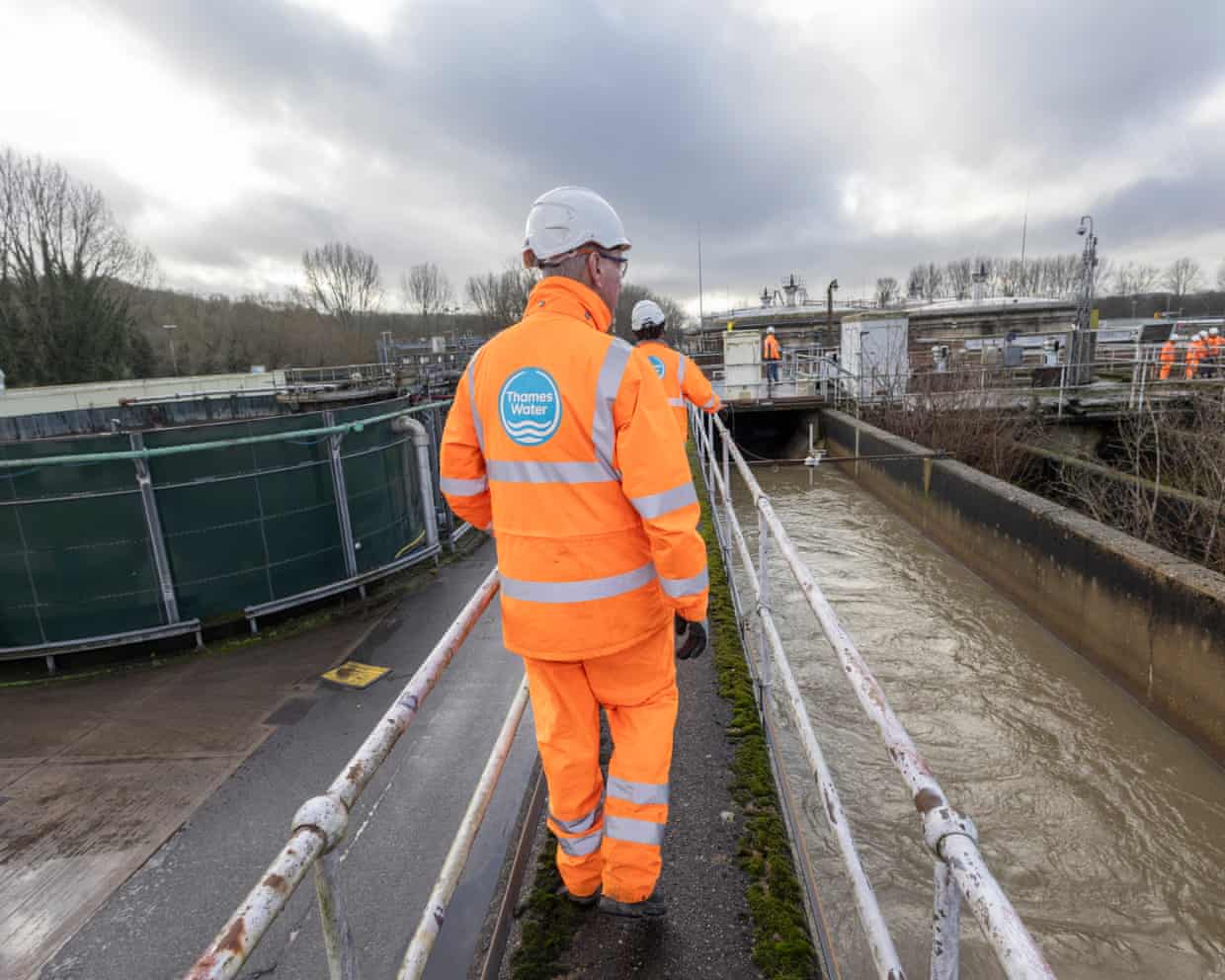
‘People yearn for stability’: the Thames Water sewage plant at frontline of its crisis
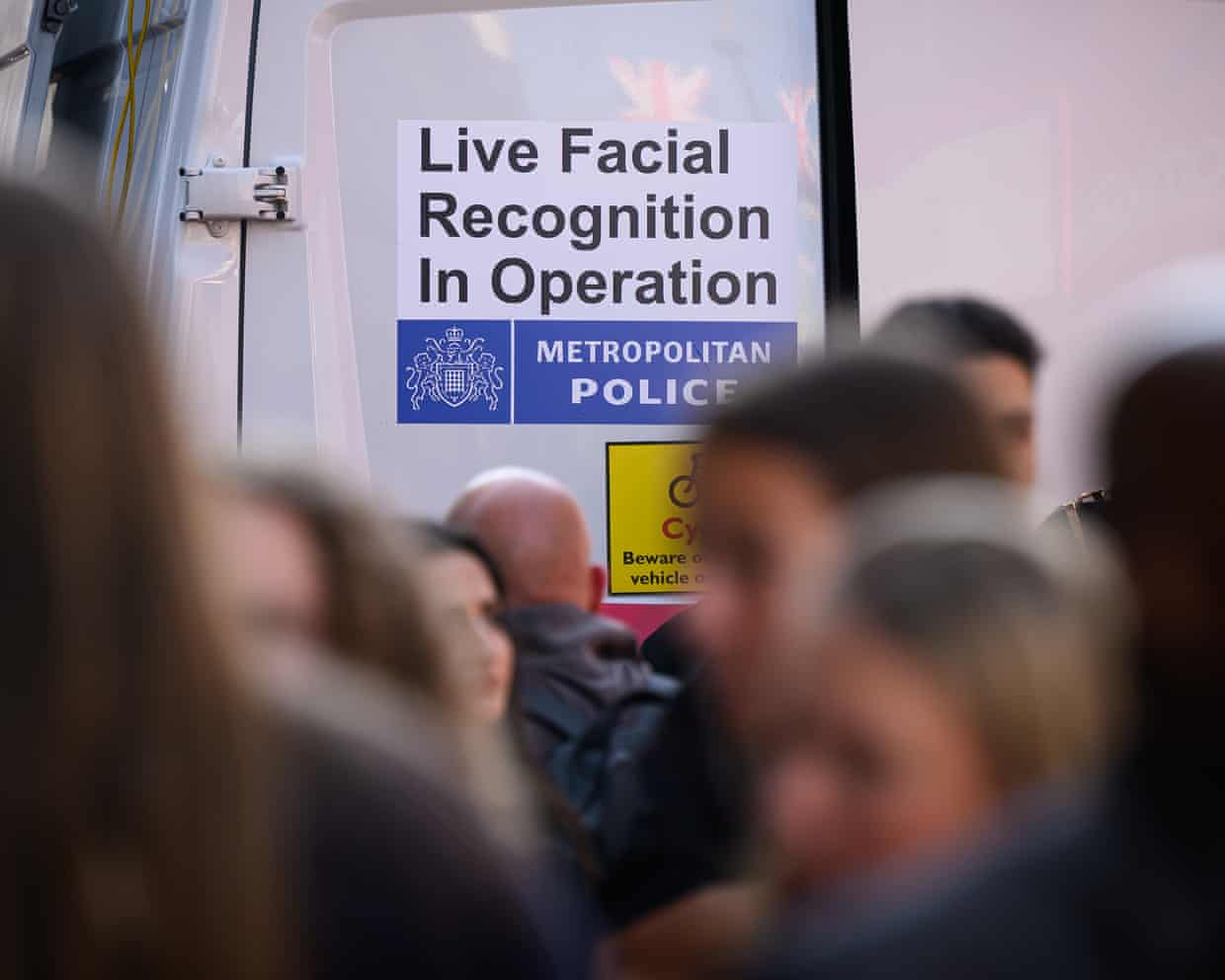
Police AI chief admits crime-fighting tech will have bias but vows to tackle it

New datacentres risk doubling Great Britain’s electricity use, regulator says

Australia v India: first women’s cricket one-day international – live

‘Resilience is the biggest lesson’: Raducanu is ready for revival after setbacks