Police AI chief admits crime-fighting tech will have bias but vows to tackle it
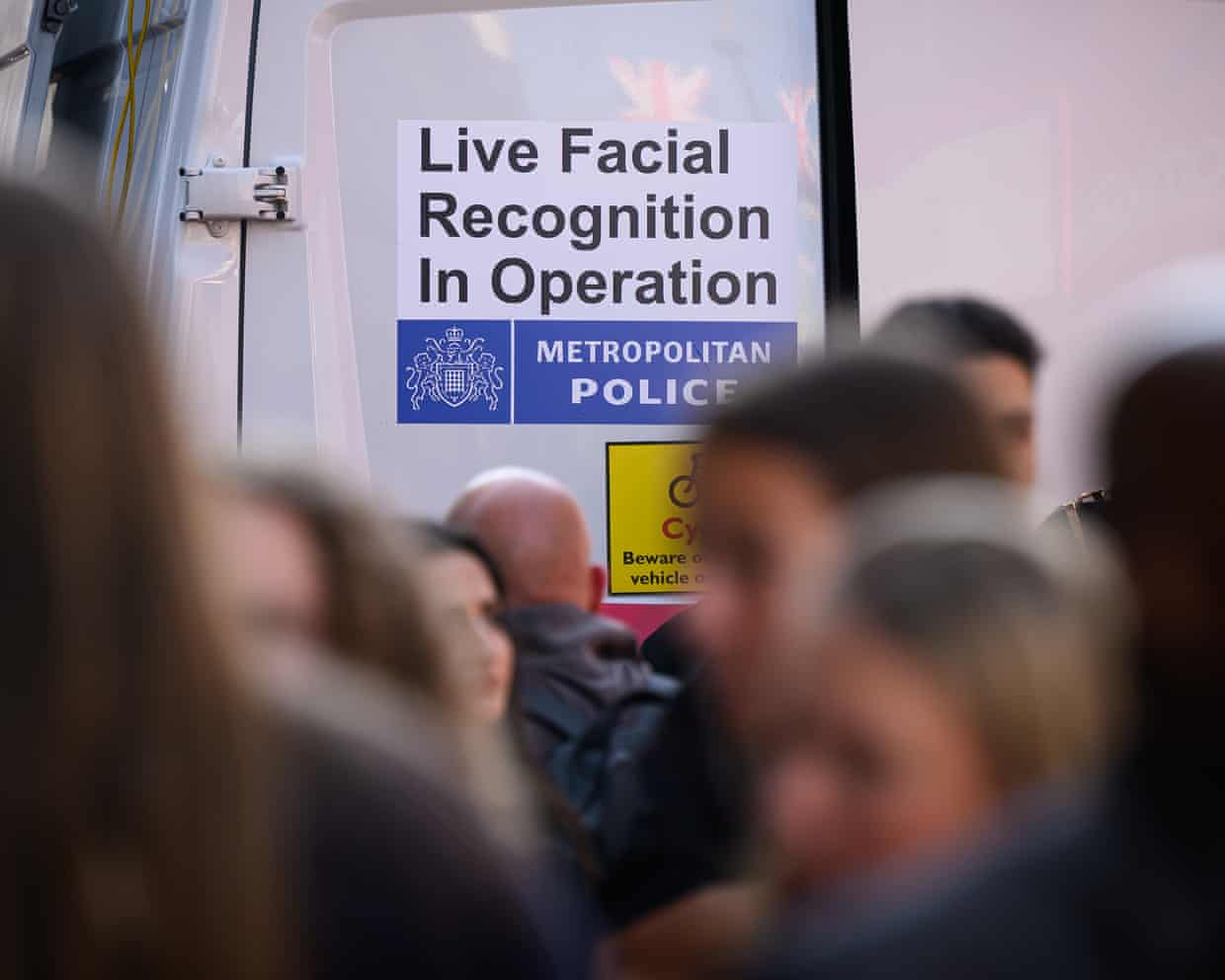
A police chief has admitted artificial intelligence used to boost crime fighting will contain bias but pledged to combat the risks,Labour wants a dramatic expansion of police use of AI within England and Wales, with police chiefs also believing it could help keep law enforcement up to date with new criminal threats,Alex Murray told the Guardian that a new national police AI centre would recognise the risks of bias and minimise them,Bias in use of AI in policing could result in instances where algorithms – often trained on historical data reflecting past human prejudices – systematically produce unfair outcomes, such as overtargeting minority communities or misidentifying individuals based on race, gender, or socioeconomic status,Murray, the director of threat leadership with the National Crime Agency, and the national lead for AI, said: “Once you’ve recognised and minimised [bias], how do you train officers to deal with outputs to ensure that it is further minimised?“If you talk about live facial recognition or predictive policing, there will be bias, and you need to get in the data scientists and the data engineers to clean the data, to train the model appropriately, and then to test it.
“There is no point releasing something to policing that has bias in it that’s not recognised, and everything should be done to minimise it to a level where it can be understood and mitigated.”Examples of bias have already surfaced in the police use of retrospective facial recognition, which is powered by AI.That is where a suspect is compared with a database of images after a crime.Live facial recognition, which is more controversial and is used less by policing, hunts for suspects in real time, and also contains bias.A report in December found that a retrospective facial recognition system used by police had been used with inadequate safeguards.
The Association of Police and Crime Commissioners (APCC), which oversees local forces in England and Wales, said: “System failures have been known for some time, yet these were not shared with those communities affected, nor with leading sector stakeholders.”The APCC forensic science lead, Darryl Preston, who is the police and crime commissioner for Cambridgeshire, said: “The discovery of an in-built bias in the police national database’s retrospective facial recognition system, even if only in limited circumstances, demonstrates the need for independent oversight of these powerful tools.“It is not acceptable for technology to be used unless and until it has been thoroughly tested to eliminate bias.That clearly was not the case in this instance.”The new national AI centre, costing £115m, would aim to reduce bias, said Murray, as well as assessing and deciding what products from private suppliers work.
Currently each of the forces across the UK makes its own decisions, which is seen as slow and wasteful.Murray said police were in an “arms race” with criminals who were using the technology: “Anyone with imagination can use AI.”In one case a paedophile claimed images showing him involved in the abuse of children was a deepfake, which police then had to disprove to get him convicted.Murray said the benefits of AI were far beyond the “cliche around Minority Report and predictive policing”.He added that across a range of crimes and challenges facing policing, AI ranged from being a help to a gamechanger, but a human police officer will have to make the final decisions about what to do about the results AI produces.
He said it could help police deal with political agitators who infect social media with fake images to try to trigger violence on the streets.In time, Murray said, it could help with manhunts, or speed up searches for cars linked to suspects and save the hundreds of hours it takes for detectives to trawl through extensive CCTV footage, or speed up the search of seized digital devices from suspects in the hunt for incriminating evidence.“What took days, weeks, sometimes months can potentially take hours,” he said.In one recent case, four Luton-based suspects were arrested for attacks on – and thefts from – cashpoints.Police downloaded the data from the suspects’ phones and, thanks to AI, secured guilty pleas within weeks.
The data was in Romanian and AI scoured through it, translated it, identified the material relating to potential crimes, identified the offences and presented it all in a package for detectives.Trevor Rodenhurst, chief constable of the Bedfordshire force, told the Guardian: “This allowed us to draw evidence from lots of devices with a vast quantity of data, which we would otherwise not have been able to do.”Rodenhurst said that as officers use AI and see its benefits, it is changing the view of the frontline: “They are no longer suspicious, they are asking when they can have it.That capability is transformative.”

Trump’s new global tariffs kick in at 10% – business live
Good morning, and welcome to our rolling coverage of business, the financial markets and the world economy.President Donald Trump’s new tariffs have come into effect today at a rate of 10%, after the US supreme court blocked many of his import taxes on Friday.The president signed an executive order last Friday authorising the 10% tariffs just hours after the supreme court ruling. He later threatened to raise the rate to 15%, but did not officially do so by Tuesday 12.01am time in Washington, when the 10% levy came into effect
‘People yearn for stability’: the Thames Water sewage plant at frontline of its crisis
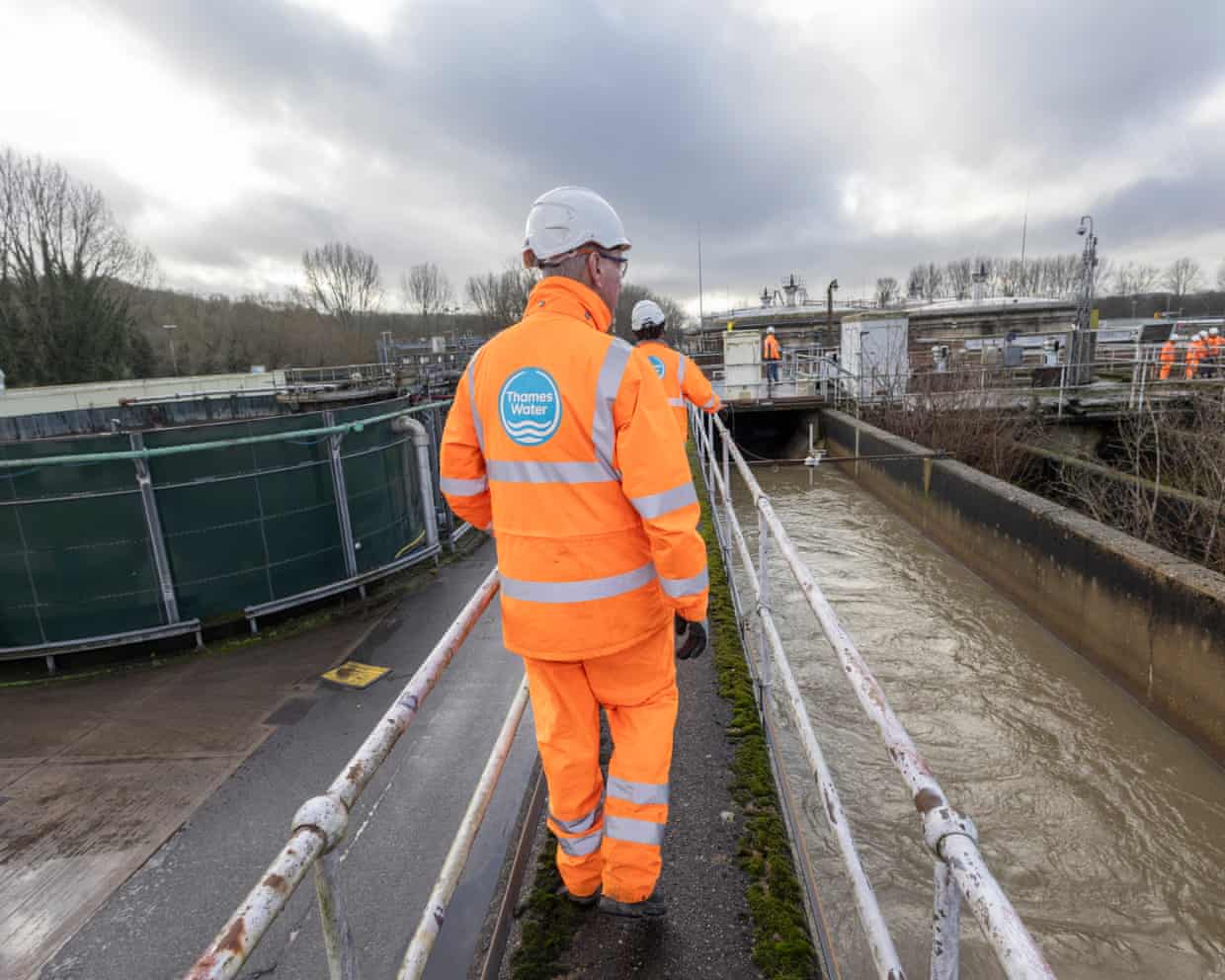
It is a grey day in a wet week but one of Thames Water’s neglected plants is still coping. Wastewater is being pumped into the vast Maple Lodge sewage treatment centre in Rickmansworth, just off the M25, at a rate of about 3,000 litres a second, within capacity.The site manager points out the first-line screens that catch everything that will not pass through a 5mm filter. A “sheep” – a bundle of wet wipes, sanitary pads, cotton buds, condoms and indigestible bits of sweetcorn – is rotating at one edge. Credit cards and false teeth have been known to end up here
Police AI chief admits crime-fighting tech will have bias but vows to tackle it
A police chief has admitted artificial intelligence used to boost crime fighting will contain bias but pledged to combat the risks.Labour wants a dramatic expansion of police use of AI within England and Wales, with police chiefs also believing it could help keep law enforcement up to date with new criminal threats.Alex Murray told the Guardian that a new national police AI centre would recognise the risks of bias and minimise them.Bias in use of AI in policing could result in instances where algorithms – often trained on historical data reflecting past human prejudices – systematically produce unfair outcomes, such as overtargeting minority communities or misidentifying individuals based on race, gender, or socioeconomic status.Murray, the director of threat leadership with the National Crime Agency, and the national lead for AI, said: “Once you’ve recognised and minimised [bias], how do you train officers to deal with outputs to ensure that it is further minimised?“If you talk about live facial recognition or predictive policing, there will be bias, and you need to get in the data scientists and the data engineers to clean the data, to train the model appropriately, and then to test it
New datacentres risk doubling Great Britain’s electricity use, regulator says
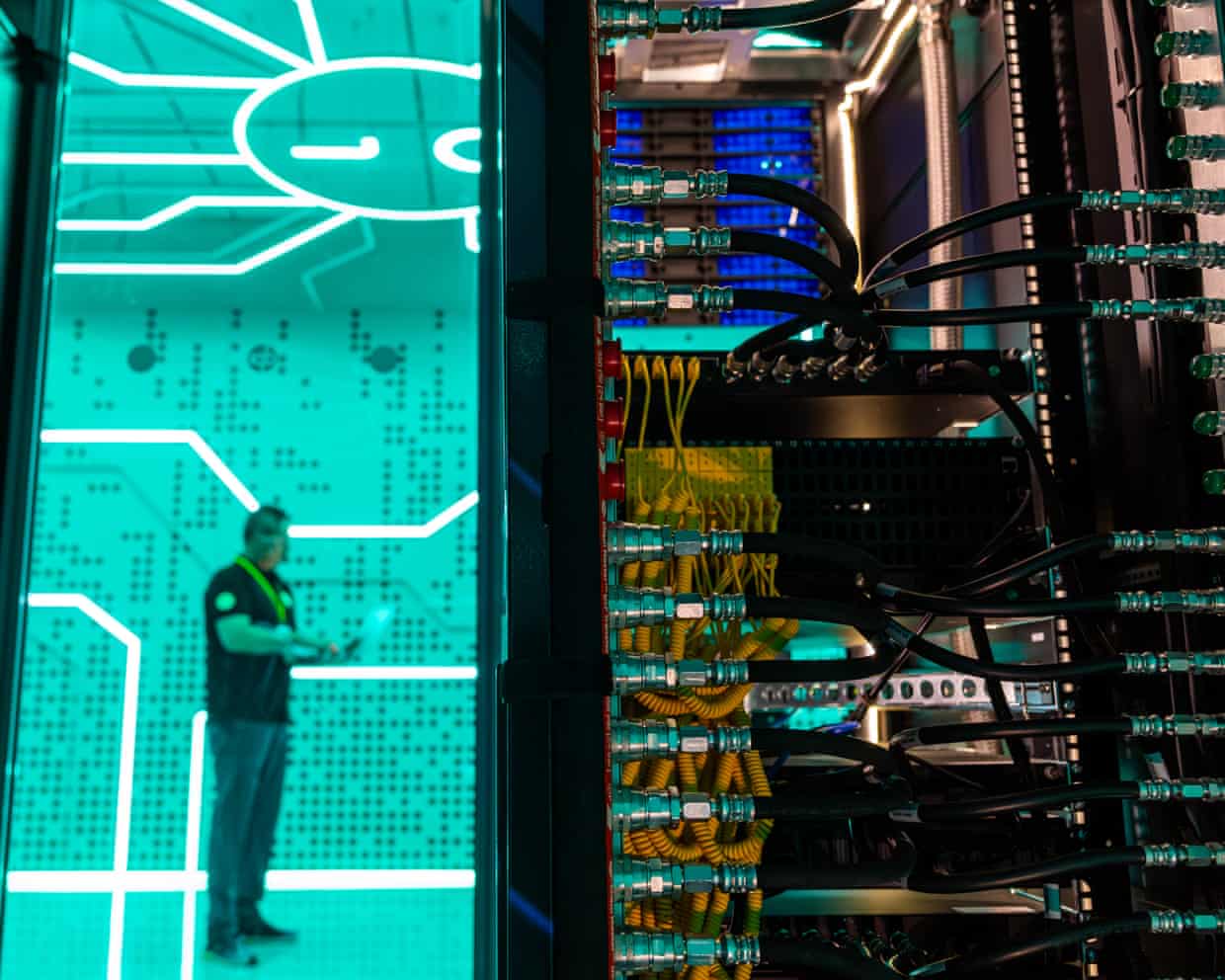
The amount of power being sought by new datacentre projects in Great Britain would exceed the national current peak electricity consumption, according to an industry watchdog.Ofgem said about 140 proposed datacentre schemes, driven by use of artificial intelligence, could require 50 gigawatts of electricity – 5GW more than the country’s current peak demand.The figure was revealed in an Ofgem consultation on demand for new connections to the power grid. It pointed to a “surge in demand” for connection applications between November 2024 and June last year, with a significant number coming from datacentres. This has exceeded even the most ambitious forecasts

Australia v India: first women’s cricket one-day international – live
3rd over: Australia 0-17 (Healy 11, Litchfield 4) Healy batting out of her crease to Renuka, looking to cut down swing, and a drive back has a touch of leading edge about it, not far from the bowler’s outstretched hand. Stopped at mid off, though. Then beats the outside edge with one that doesn’t swing, as Healy drives. Then another leading edge! This one goes about 160 degrees around the clock face, skewing through a vacant slip. Healy gets a couple, then lifts a clunky pull shot over square leg for one, just up and other to dink it away

‘Resilience is the biggest lesson’: Raducanu is ready for revival after setbacks
Emma Raducanu has no immediate plans to appoint a new coach as she attempts to kickstart a frustrating season in the US next month. The British No 1 will play at Indian Wells and in the Miami Open in March without a full-time replacement for Francisco Roig – her ninth coach since she turned professional – with whom she parted company after her second-round exit at the Australian Open in January.“Right now I wouldn’t say I’m actively looking for a coach,” Raducanu says in Tokyo, where on Tuesday she was unveiled as a global brand ambassador for the Japanese clothes retailer Uniqlo after ending her association with Nike.“I think I had a great experience with Francis in terms of how we got on so well … the rapport was great. I think in the end, we just weren’t aligning on certain key aspects

Keir Starmer opens investigation into Josh Simons over targeting of reporters

The minister and the alleged smear campaign: key unanswered questions
Reform UK’s ICE-style deportation plan condemned as ‘sadistic’
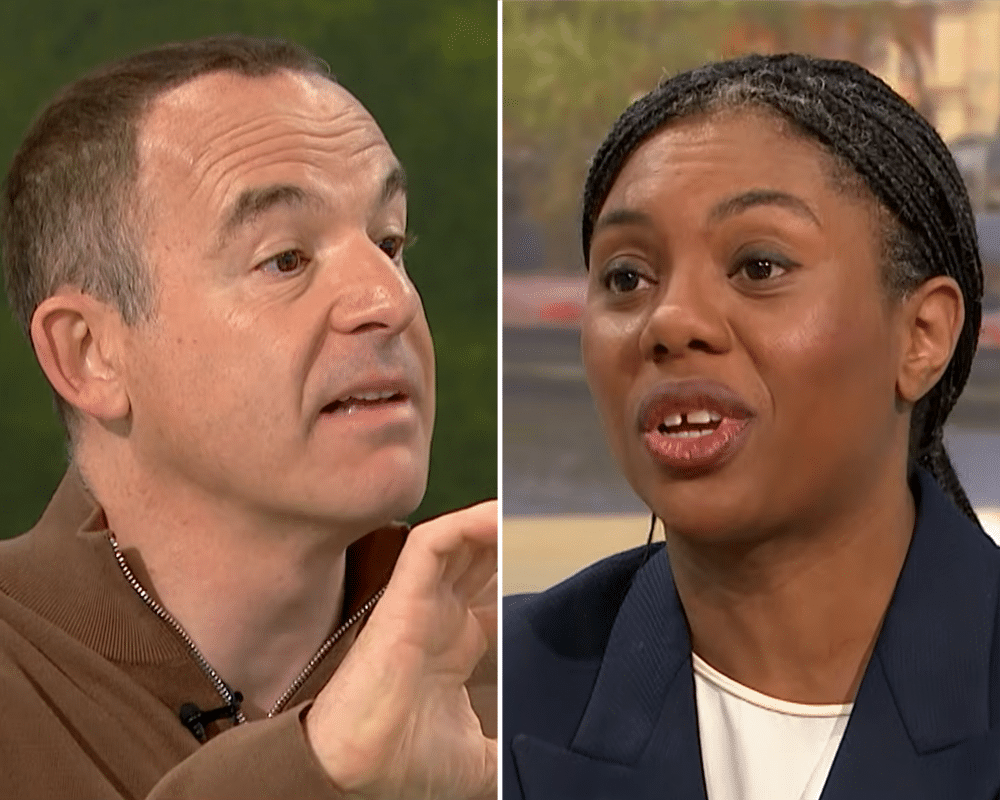
Martin Lewis ambushes Badenoch on Good Morning Britain over student loans plan

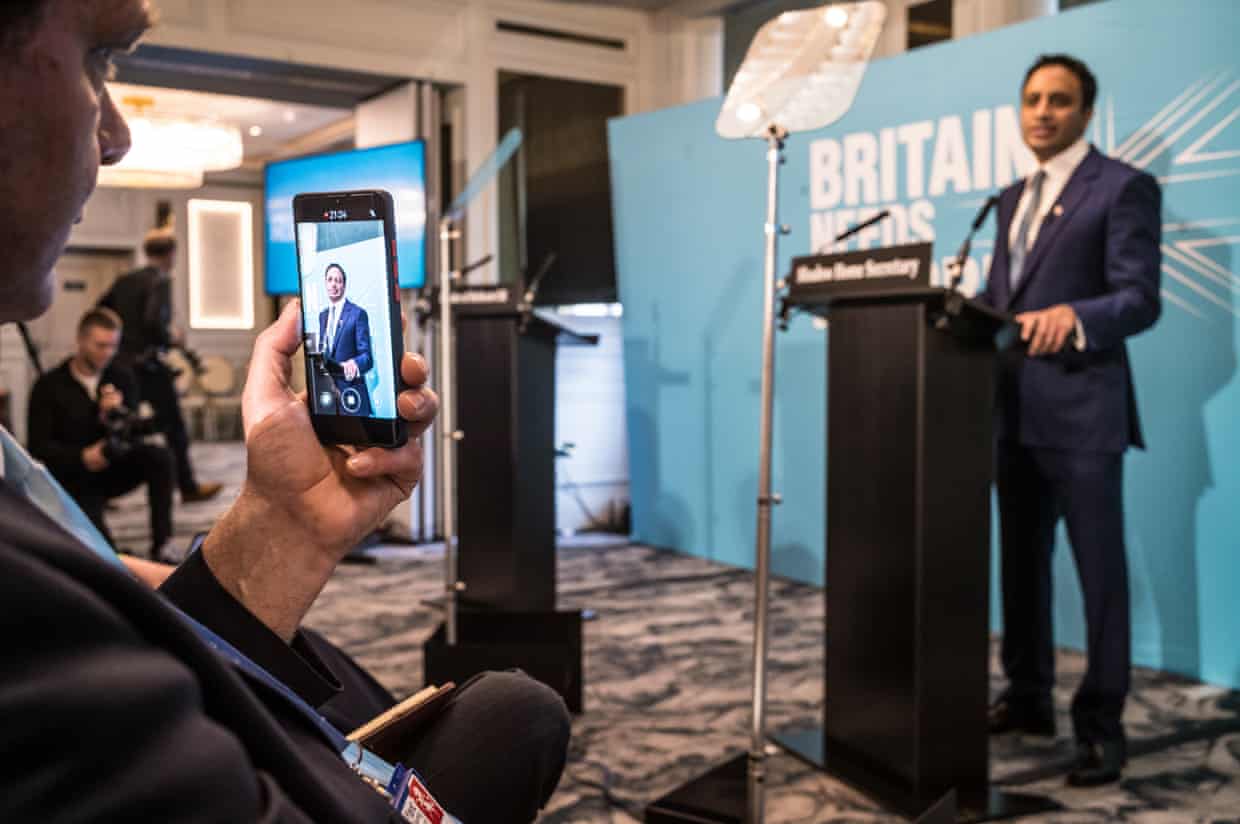
Reform would create ICE-style agency and end leave to remain, Zia Yusuf to say

Labour must take drastic action to regain its standing | Letters