Treasury considering changes to Australia’s contentious tobacco excise, as calls grow for a freeze
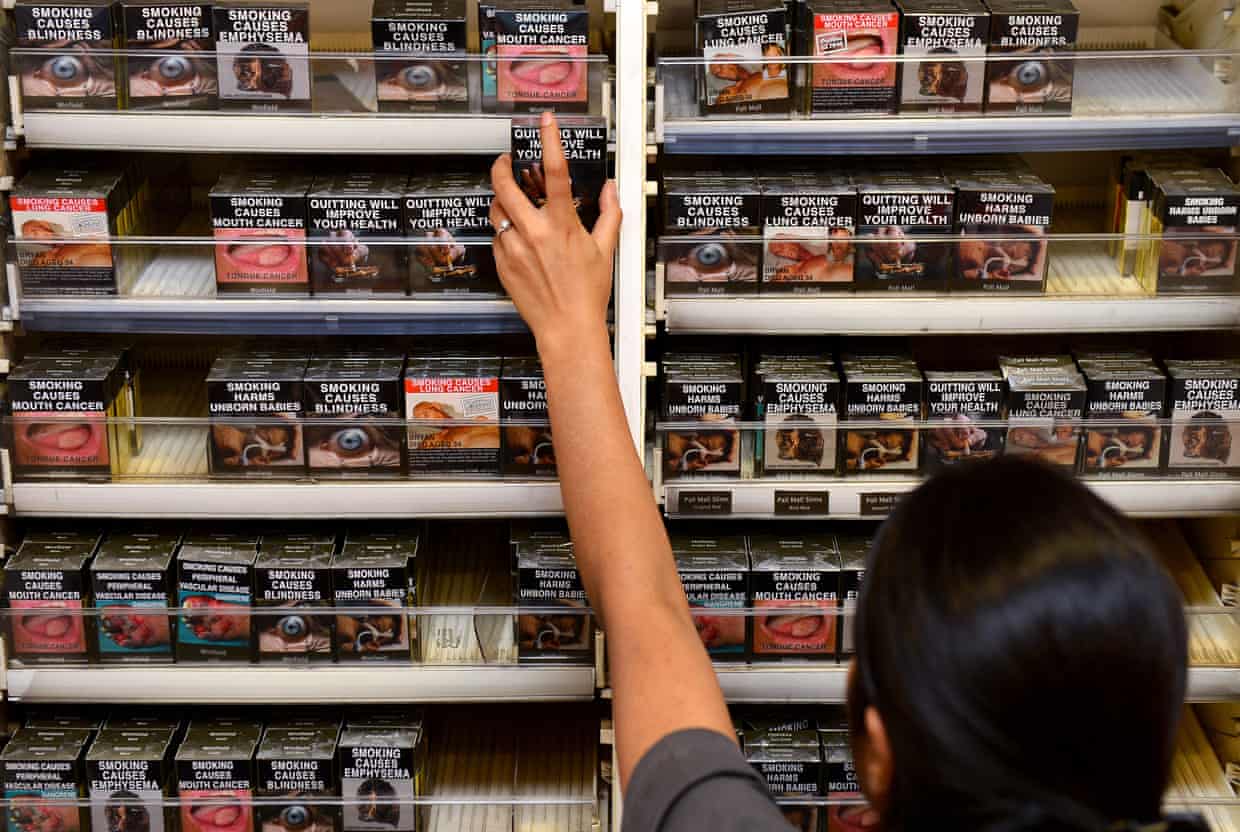
Experts say a freeze on the federal government’s contentious tobacco excise should be considered, after the Treasury revealed it was modelling the impacts of cigarette prices on demand amid a booming black market.Lachlan Vass, a research manager at the e61 Institute, said the Treasury’s examination of “price elasticity” and demand for tobacco would be a necessary step to costing potential reforms to the excise.Jim Chalmers, the treasurer, and Mark Butler, the health minister, have previously rebuffed any suggestion that reducing the sky-high cost of cigarettes was the solution to curbing the black market trade, which has ballooned over the past five years and smashed a $17.8bn hole in the budget since 2020-21.Sign up: AU Breaking News emailBut when asked at Senate estimates last week why a cut to the excise couldn’t be considered as part of a wider strategy to curb the illegal tobacco trade, Katy Gallagher, the finance minister, left the door open to a change in excise policy.
“The government keeps all of these matters under review,” Gallagher said, adding that “there’s not a single solution” and that Treasury officials were consulting the departments of home affairs and health,Vass argued there was evidence that the excise policy was failing on multiple fronts,He said there was a case for at least freezing the excise to allow cigarettes to cost less in real terms over time, as part of a wider health and enforcement strategy,The fact that Treasury officials were modelling the price elasticity of demand for tobacco suggests a policy costing, rather than the more usual budget projections, he said,“When they do a policy costing they explicitly take into account the elasticity because they have to make a judgment about what this relative increase in the prices of tobacco means for the demand of tobacco,” Vass said.
Black market cigarettes reportedly cost about $10 to $15 a packet, compared with about $40 or more for a legal 20-pack, and account for about half of all tobacco consumed in Australia, according to estimates by the illicit tobacco and e-cigarette commissioner (Itec).The tobacco excise, which has climbed by 60% since 2020 and is set to lift again next month, accounts for three-quarters of the legal cost of a packet of smokes.The government committed an extra $350m over the past two years to help state authorities battle the illicit trade.Excise revenue peaked at $16.3bn in 2019-20 but the tax was expected to generate only $5.
5bn this financial year, and $4,8bn in the next,The five years leading up to 2020 saw an even more rapid doubling in the excise but economists say the level of the tax reached a “tipping point” around the turn of the decade,Several economists have called for a freeze or reduction in the tobacco excise, with Chris Richardson saying “we got the taxing of tobacco spectacularly wrong”,“That meant our policies have subsidised the fastest increase in the revenue of organised crime that Australia has ever seen,” Richardson said.
Under questioning about what work the Treasury was undertaking in the context of tobacco excise policy, Diane Brown, a deputy secretary, said: “We have done some work around the elasticity of demand for tobacco to see whether that’s changed, so there is modelling of that type that is going on,”Becky Freeman, a professor of public health at the University of Sydney and a leading tobacco expert, said she backed freezing the excise at current levels, and that the release of the Itec estimates showing the extraordinary prevalence of illicit smoking has only confirmed her opinion,“I only support tax increases if they are effective at reducing smoking,” Freeman said,“And now we know the size of the illicit market and how incredibly cheap those products are, I agree that a freeze at this time makes sense,There wouldn’t be any health gains by raising the price.
”
How to plan Ramadan meals: minimal work, maximum readiness
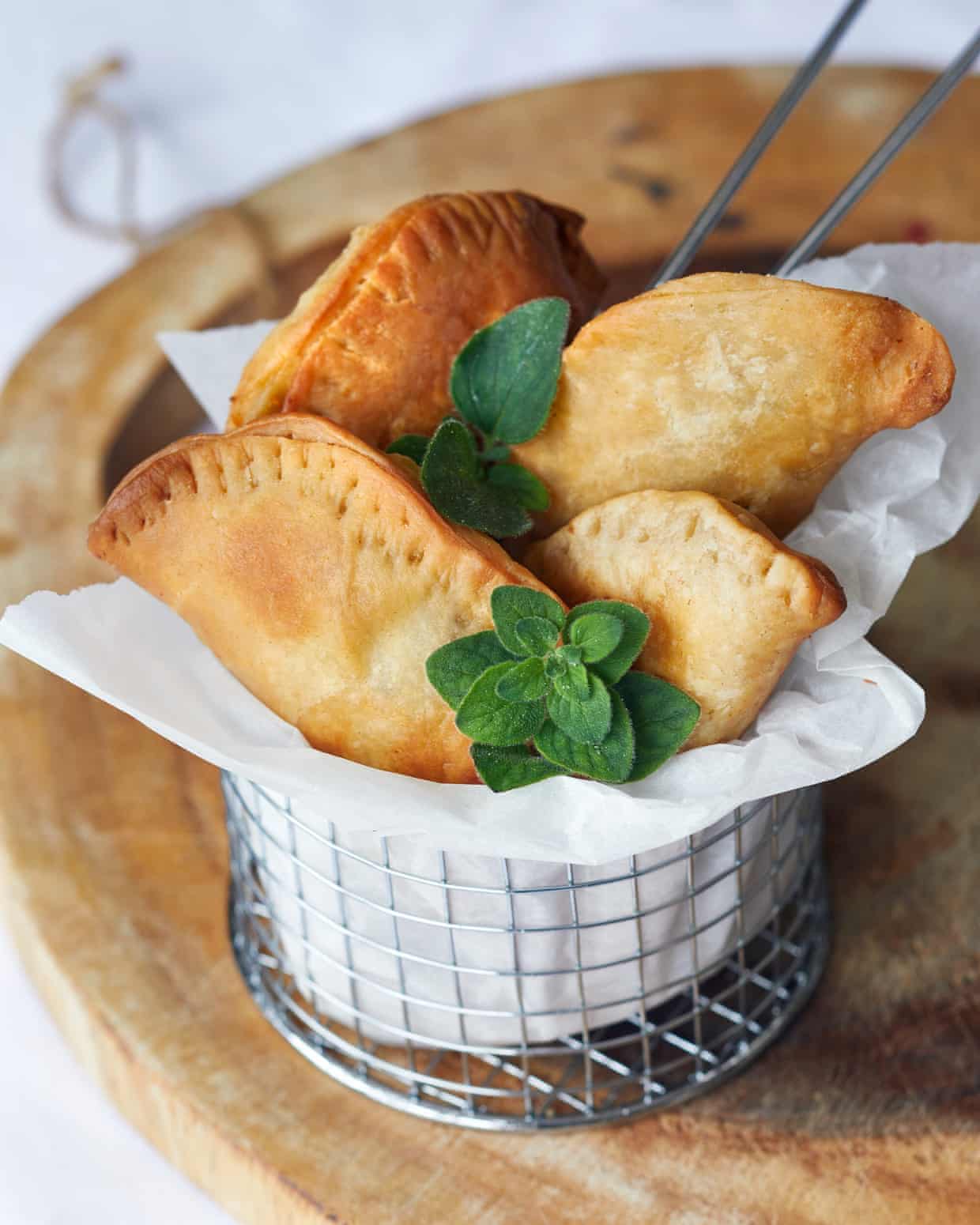
Ramadan arrives this year in February, in the heart of winter. Short days, cold evenings and the pressure of everyday work mean that preparation is no longer about producing abundance, but about reducing effort while maintaining care. For many households balancing jobs, children and long commutes, the question is not what to cook, but how to make the month manageable.The most effective approach to Ramadan cooking is not variety but repetition. A small set of meals that are easy to digest, quick to prepare and gentle on the body can carry a household through 30 days of fasting with far less stress than daily reinvention
Benjamina Ebuehi’s recipe for almond frangipane crepes | The sweet spot
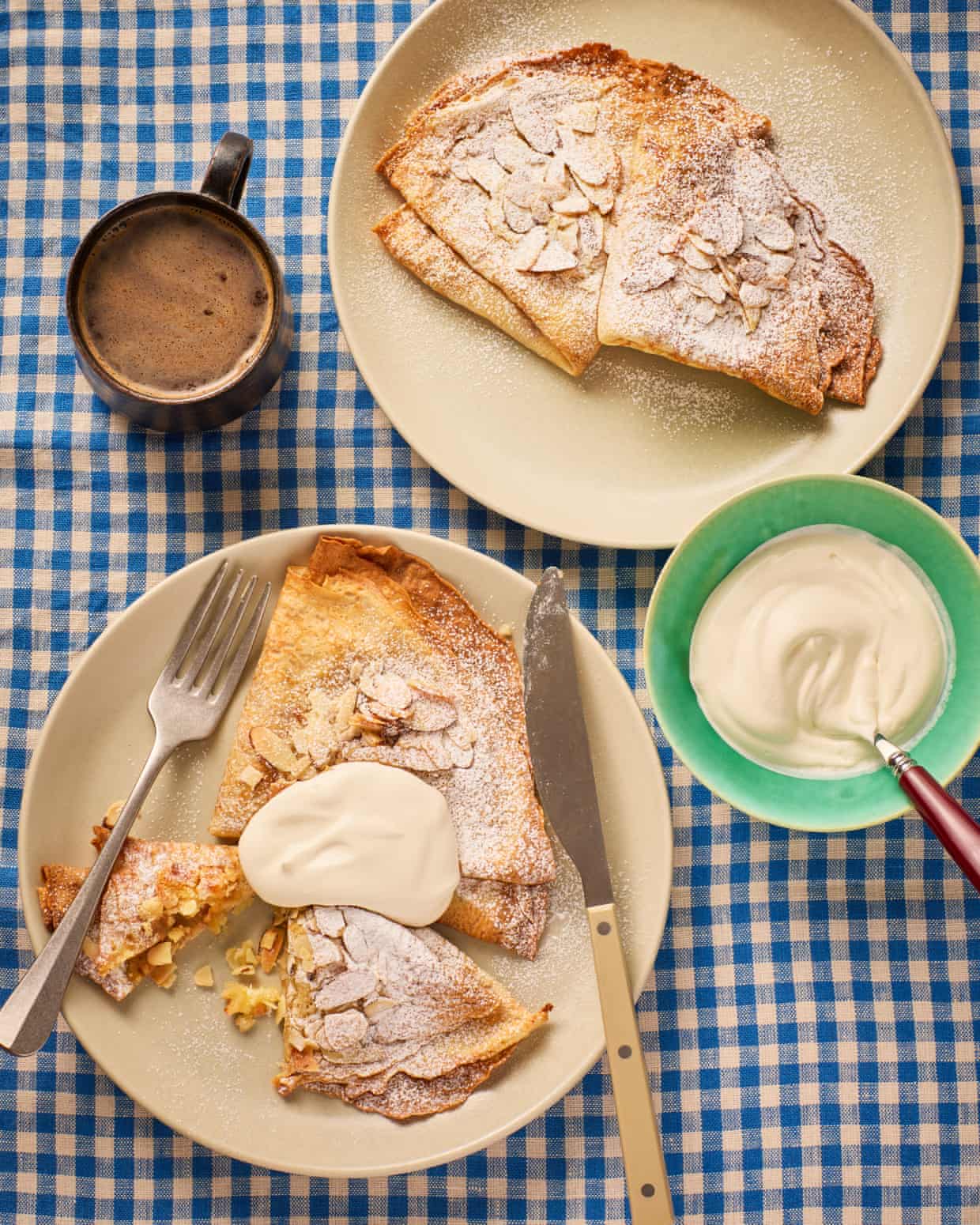
When it comes to pancake day, I don’t discriminate and fill the day with as many types of pancakes as possible – from a fluffy American-style stack in the morning to a savoury buckwheat pancake at lunch, and finishing off with classic crepes in the evening. This version was heavily inspired by an almond croissant, so although it does lean more towards dessert, I won’t judge if this is what you choose to start your day with. Bake them until the edges go crisp but the middle stays a little gooey.Prep 5 min Rest 20+ min Cook 50 min Makes 7-8 crepes120g plain flour ½ tbsp caster sugar A pinch of salt 2 large eggs 240ml whole milk 25g melted butter, plus extra for greasing Icing sugar, for dusting Lightly whipped cream, to serve (optional)For the frangipane90g salted butter, softened90g caster sugar ¼-½ tsp almond extract1 large egg 110g ground almonds 50g flaked almondsPut the flour, sugar and salt in a bowl and whisk briefly to combine. Add the eggs, whisk to a thick paste, then pour in the milk in three batches, whisking each time to avoid any lumps
Heard it on the grapevine: Polish wine’s quiet renaissance
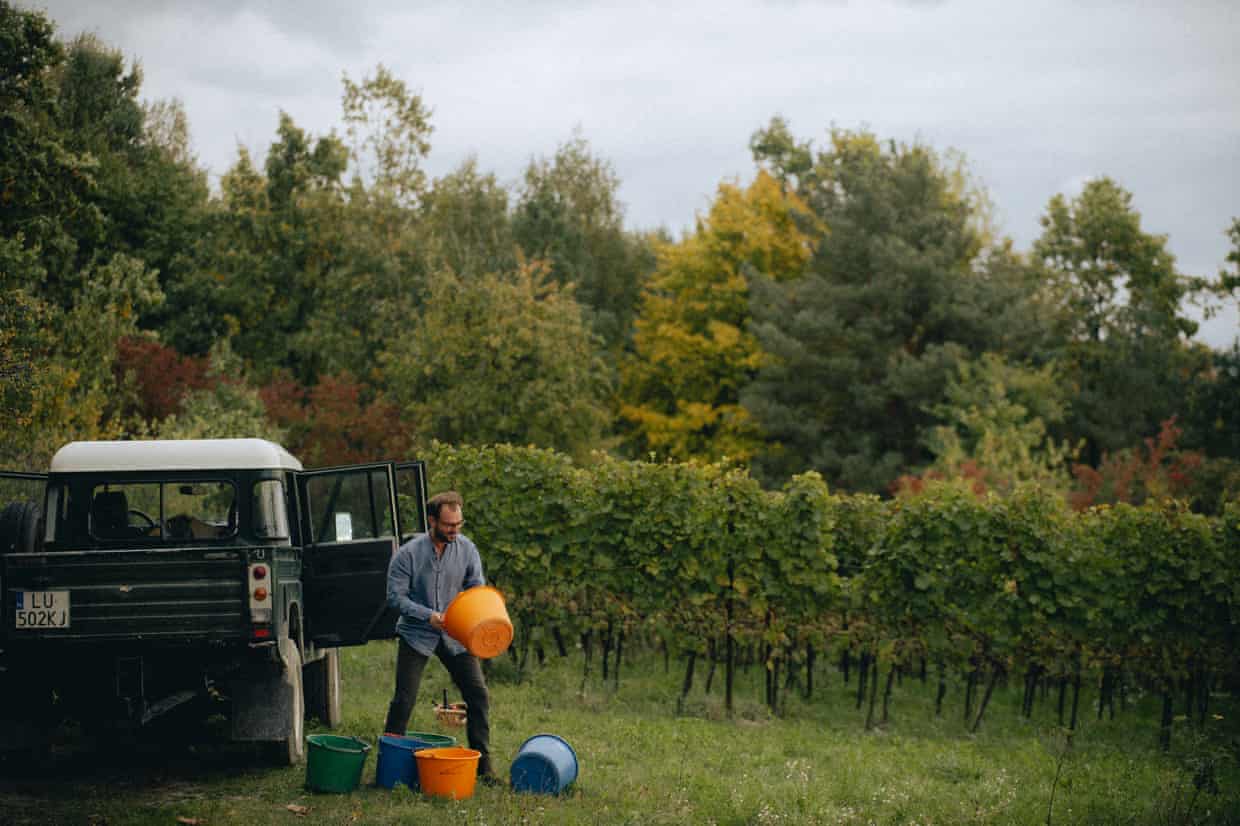
Swap the staid stereotypes of Żubrówka vodka and Żywiec lager for vineyards and vintages, because Poland is in the throes of a viticultural renaissance, the likes of which hasn’t been seen for centuries. On a road trip tracing Poland’s best terroirs back in the summer of 2023, I met winemakers going against the grain, unshackled by tradition and producing unpretentious, expressive pours that more than merit a place on your dining table.Lately, Polish wines have been cropping up all over bar and restaurant lists: Niemczańska’s chardonnay at London’s most emblematic Polish restaurant, the borscht-fronted Daquise in South Kensington, say, while chic bar Spry in Edinburgh has started stocking my favourite producers, Dom Bliskowice, Kamil Barczentewicz and Nizio. But you won’t find bottles nestling between the neat rows of kabanos sausages of your local Polski sklep, nor lining the supermarket shelves. Or not just yet, anyway
My love letter to Brittany’s best exports
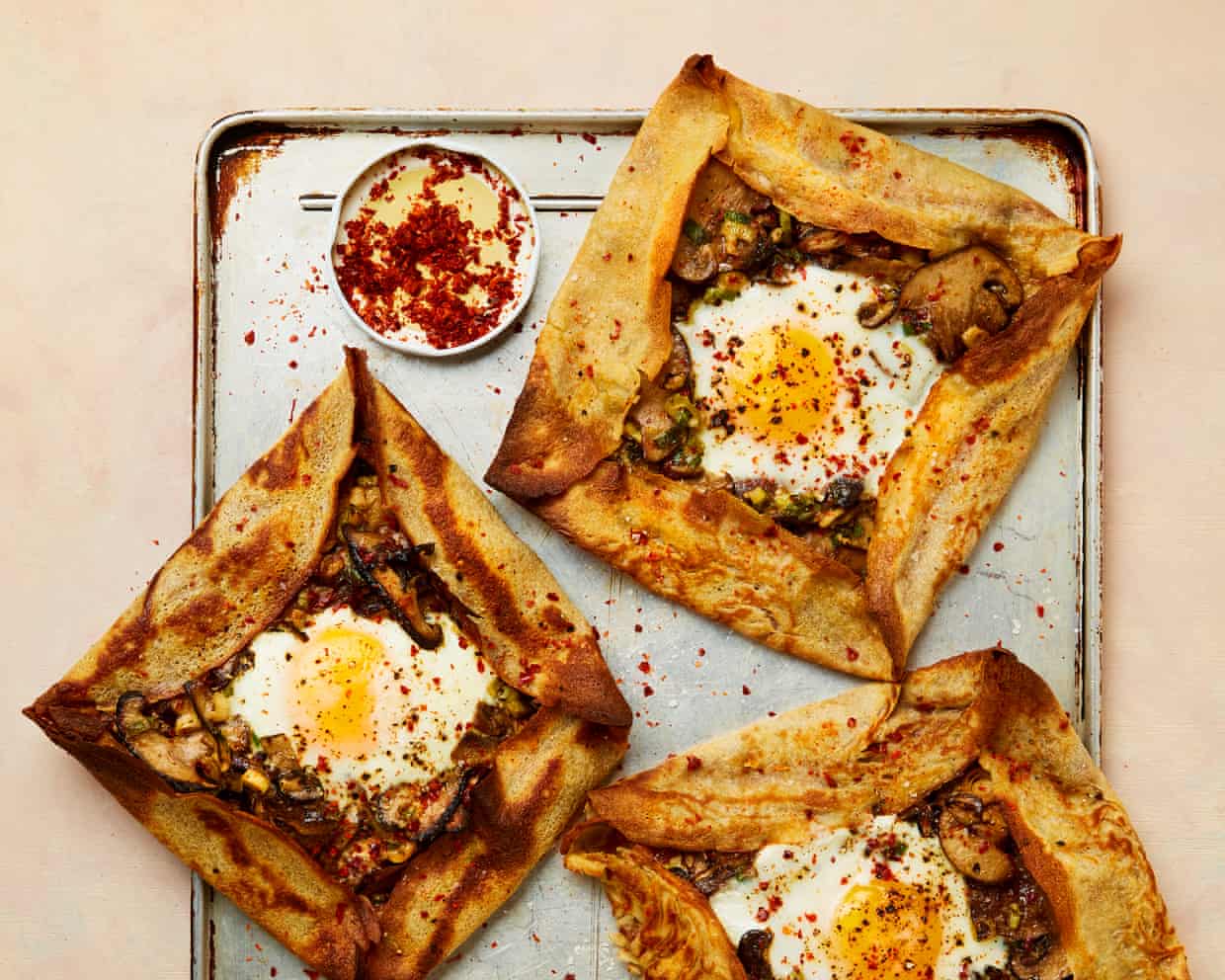
Every February – or occasionally March – I get together with two friends to gorge on pancakes; I provide the pan, Caro does the cocktails and poor old Harry is invariably the chef because she never fails, even three ciders in. With two half-Frenchies in the room, we always start with buckwheat galettes, usually served complète with gruyère, ham and a fried egg (though the more we eat, the more adventurous the combinations become). Then we move on to softer, thicker British sweet pancakes with lemon juice and crunchy demerara sugar to finish. We rarely manage to meet on Shrove Tuesday itself, but apart from the year I went vegan for Lent, that’s no problem. After all, any cold, dark evening is improved by a pancake party
Rachel Roddy’s recipe for cacio e pepe, the old-fashioned way | A kitchen in Rome
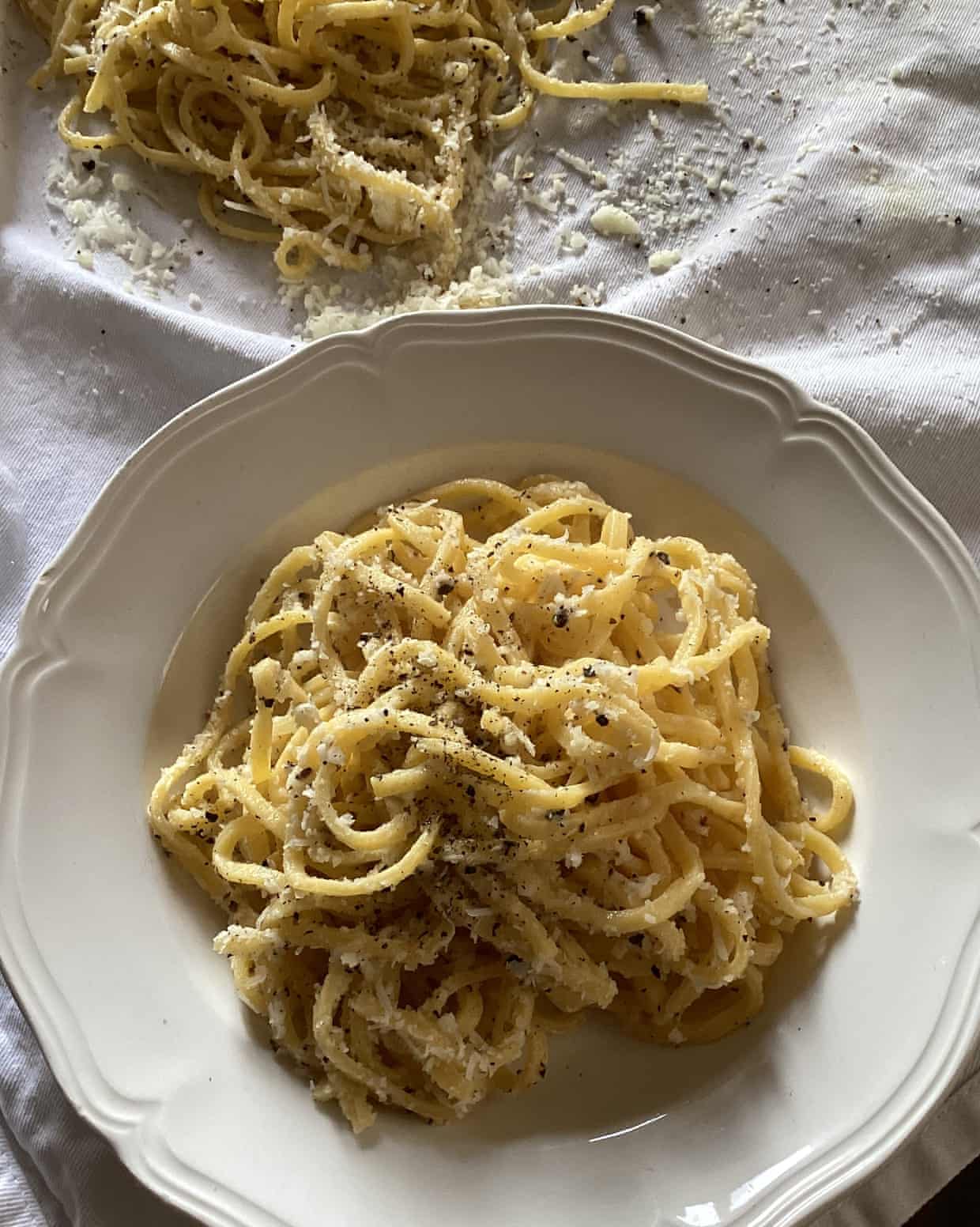
Nightclubs, mechanics, restaurants, a theatre, a wholesale butcher and an Apostolic church occupy some of the network of caves and tunnels that, over the centuries, were burrowed into Monte Testaccio, an ancient rubbish dump hill in the middle of Rome that’s made entirely of broken amphorae. Some places make a feature of their situation, revealing sections of pots not dissimilar to the cross section of snapped wafer biscuits, while others have smoothed the curves with plaster.A few use the caves as originally intended – that is, as natural warehouses offering steady low temperatures and good humidity. In short: the ideal temperature for storing certain foods and wine. Most recently, Vincenzo Mancini, whose project DOL distributes artisanal products from small agricultural realities in Lazio, has taken over a deep cave behind door 93, reclaiming it as an urban ageing space for cheese and cured meat
How to use up leftover pickle brine in a tartare sauce – recipe | Waste not
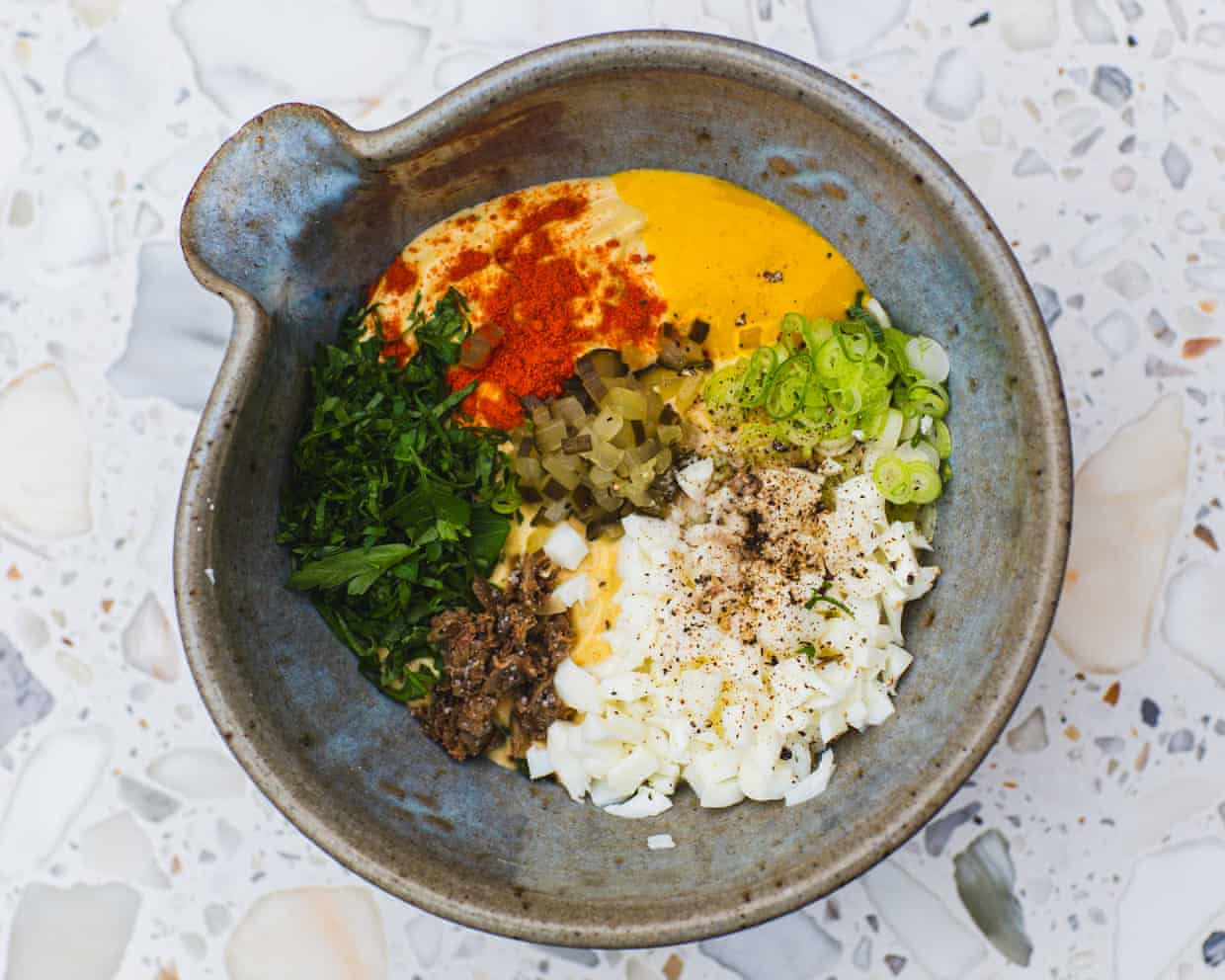
Depending on country, region, household or restaurant, every cook makes tartare sauce in their own way. Inspired by Auguste Escoffier’s exceptionally simple tartare, I’ve given his recipe a zero-waste twist by using whole boiled eggs and swapping in pickle brine from a jar of gherkins or capers to replace the vinegar. Everything else is optional: tarragon, mustard, cayenne … add what you like or have in store.Traditionally, tartare sauce is delicious with fish and chips, calamari or in a chicken sandwich, but I also like it tossed through potato salad with tinned sardines and radicchio. It’s also great as a dip with crudites and on top of a steaming jacket potato
Treasury considering changes to Australia’s contentious tobacco excise, as calls grow for a freeze

Starmer has chance to put overseas aid and debt relief on G20 agenda | Heather Stewart

Firm that went bust owing £650k to HMRC offers staff Las Vegas trip after being bought by ex-owner
BrewDog could be broken up as craft beer business put up for sale

Did you buy a coffee machine with a tax refund? It may have affected Australia’s interest rate

Reeves appoints higher pay advocate to fight skills shortages as chief economic adviser