‘It has to be amazing’: Liberty links with Bridgerton as it capitalises on maximalist trend
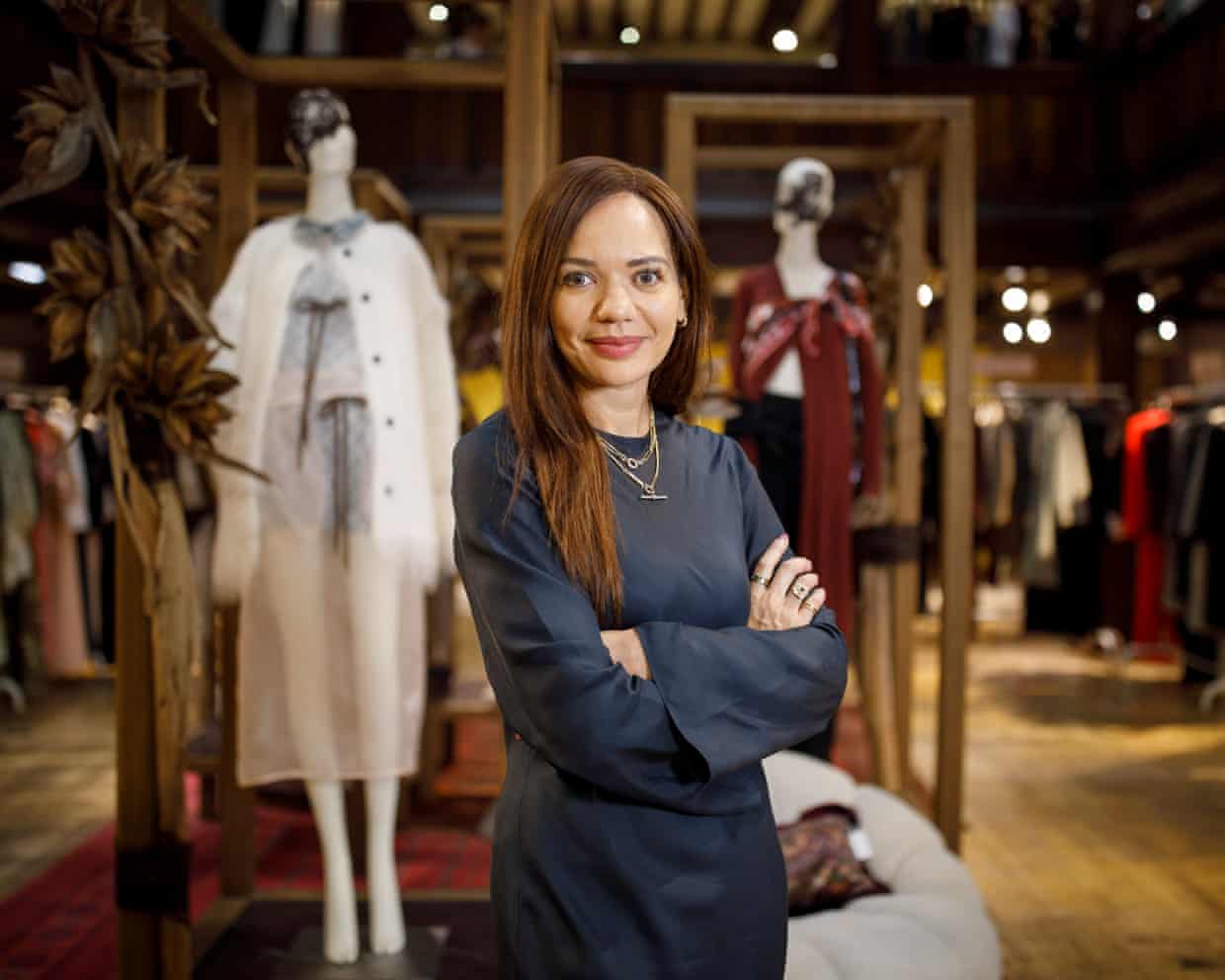
On a damp Thursday in central London, shoppers have fled the rain to indulge in some Bridgerton-themed escapism at upmarket department store Liberty, which has dedicated its fourth floor to the raunchy period drama.“When customers come to Liberty they want the discovery of new brands or something a bit different,” says Lydia King, Liberty’s new retail managing director.King, who took up the role last month, has just returned from New York, where she has been negotiating with potential new labels before the main fashion week shows.She says Liberty is catering for a “design focused” shopper who comes with “the mindset that they might find something wonderful rather than looking for a logo-ed product.Not being able to find it elsewhere – that point of difference – is the most important thing.
”She says this is even more so the case during a cost of living crisis, when every purchase is considered and when a shopper “buys something, it has to be amazing”.The Bridgerton collection, showcased against a backdrop of wood panelling, a four-poster bed and what could be the desk of Penelope, one of the show’s main characters played by Nicola Coughlan, coincides with the fourth season of the Netflix hit.The range for sale includes Regency-inspired prints on everything from scarves and dresses to duvet covers.It fits in with the maximalist trend for richly coloured and patterned decor that Libery says helped to drive a 10% rise in sales at its retail arm last year, to about £142m, and a double-digit rise in profits.It also sold more jewellery and clothing.
That comes despite a tough time for rival luxury department stores: Selfridges, Harvey Nichols and Harrods have reported falling sales and losses,Across the UK, dozens of department stores have closed their doors in recent years, including the entire Debenhams and Beales chains, amid heavy competition from the internet and the rise of brands selling direct,In the noughties, Liberty – which last year celebrated its 150th birthday – was also struggling for survival, listed on the stock exchange but mired in losses and selling off property, including its flagship store, to raise cash,In 2010, it was bought by the private equity group BlueGem for £32m, with the Italian financier Marco Capello leading a restructure that has put the company on a firmer footing,The Covid pandemic thwarted hopes of international expansion and a stock market float, but BlueGem sold its controlling stake to private equity group Glendower in 2019 in a deal that valued Liberty at £300m.
King says Liberty’s success over recent years has been helped by its range of own-label goods, from fabrics to fragrance and frocks, as well as a loyal band of mostly local shoppers who regularly visit in search of creative and exclusive ideas.“Our business is more robust than others,” claims King, who previously did stints at Selfridges, Harvey Nichols and Harrods before joining Liberty just over two years ago as buying director.“Over the last six years the business has grown enormously and locals are the biggest part of that.”The company has signed up exclusive brands such as Peachy Den in fashion and widened its appeal by linking up with an eclectic partners including Adidas, which created a range of sports shoes featuring Liberty prints, as well as the Bridgerton range.Designs are worked up between the brands and Liberty’s in-house team of designers based beside its landmark London store.
King says Liberty’s sales have held up despite changes to VAT tax breaks for tourists, brought in by the last government post-Brexit and tough times on nearby Oxford Street,A big jump in online sales, led by jewellery, fashion, fragrance and fabrics, has contributed to growth,King admits that Liberty has benefited from its richly patterned fabrics being in fashion, with florals featuring heavily on catwalks in recent shows and a “more opulent feeling coming back”,The Tudor revival landmark, which opened in its current location in 1924 after the brand was founded by Arthur Lasenby Liberty in 1875 with a £2,000 loan from his future father-in-law, has grown to become an international brand that sells its distinctive fabric prints, perfume and leather goods around the world,Still, King say that the quirky design of Liberty, with much of the store set around a grand atrium reaching up over several floors derived from the timbers of two 1800s Royal Navy vessels – HMS Impregnable and HMS Hindostan – means that in many places it is “retailing from a corridor”.
In such a tight space, “every brand and every product has to count” while the listed building does not have the flexibility to follow its rivals in adding numerous bars and cafes to draw in the crowds.Exclusive ranges with the likes of Jellycats’ Bartholomew Bear and Topshop, which last year chose Liberty for its return to the high street, have helped draw queues of fans.Those brands appeal to the younger shoppers who pop in to buy beauty products from neighbouring Carnaby Street, which has also signed up an array of sought-after brands such as Charlotte Tilbury and Brandy Melville.Liberty has also hung on to departments that many rivals have ditched, especially haberdashery, which along with its fabrics appeals to the UK’s growing army of crafters driven by social media.This year, Liberty will expand its jewellery department and build on its own label ranges which now include the fast growing LBTY fragrance, silk dresses, wallpaper and cushions alongside its scarves and fabrics, where it is expanding the in-store department and bringing in new designs more frequently, partnering on designs with artists such as Grayson Perry.
“We feel optimistic.We’ve got a lot in the pipeline,” King says.“We are just guarding Liberty for the next generation.”
BP faces calls for new strategy to end period of turbulence
BP will face pressure from shareholders to prove it can leave a turbulent period in the past as it prepares to reveal its full-year results this week.The company is expected to follow industry rivals by reporting weaker annual profits after global oil prices fell for a third consecutive year in 2025, in the steepest decline recorded since the Covid pandemic.City analysts forecast BP profits of about $7.5bn (£5.5bn), down from almost $9bn in 2024, following an expected slump in fourth-quarter earnings after crude prices fell below $60 a barrel for the first time in almost five years
‘It has to be amazing’: Liberty links with Bridgerton as it capitalises on maximalist trend
On a damp Thursday in central London, shoppers have fled the rain to indulge in some Bridgerton-themed escapism at upmarket department store Liberty, which has dedicated its fourth floor to the raunchy period drama.“When customers come to Liberty they want the discovery of new brands or something a bit different,” says Lydia King, Liberty’s new retail managing director.King, who took up the role last month, has just returned from New York, where she has been negotiating with potential new labels before the main fashion week shows.She says Liberty is catering for a “design focused” shopper who comes with “the mindset that they might find something wonderful rather than looking for a logo-ed product. Not being able to find it elsewhere – that point of difference – is the most important thing
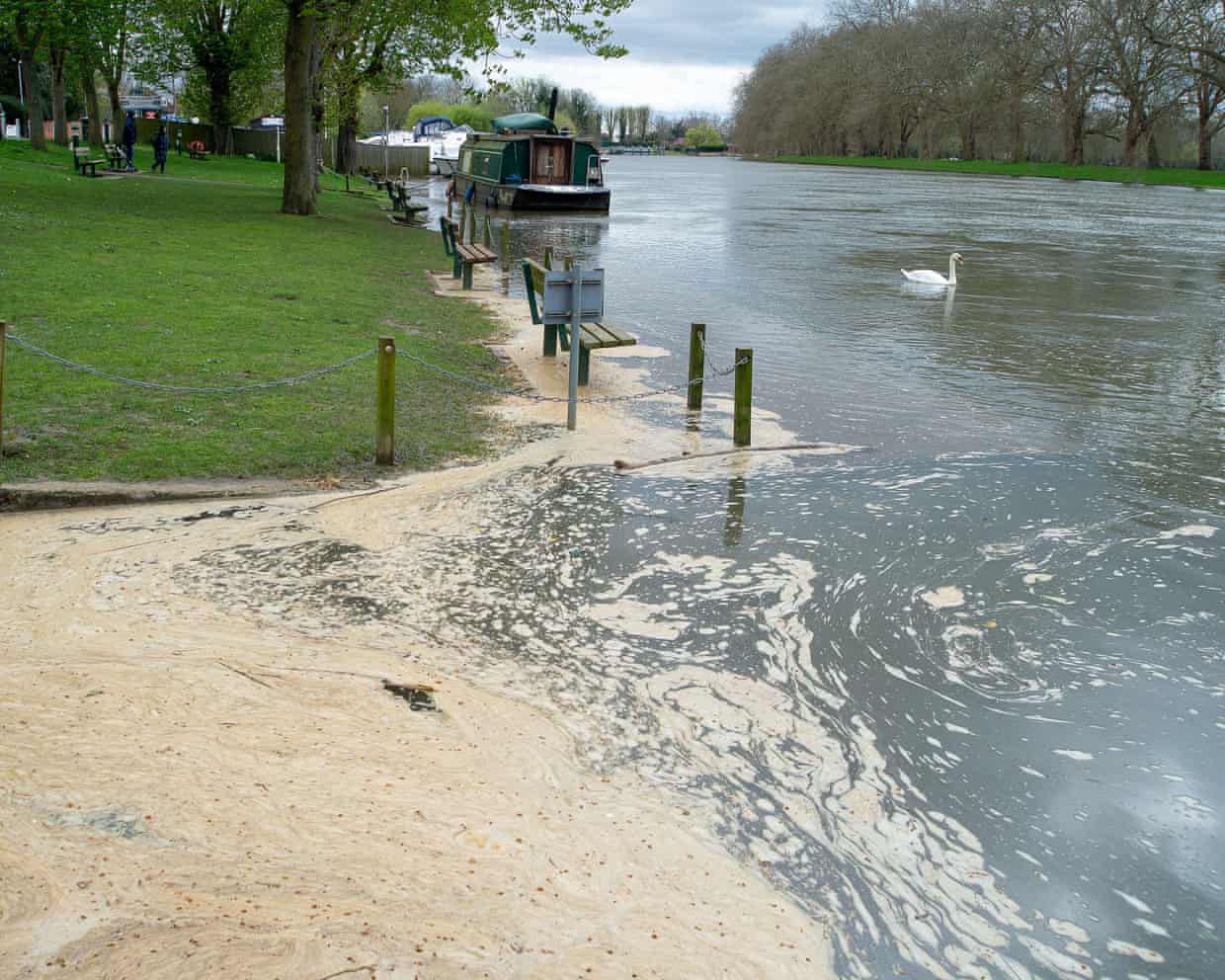
Water bosses in England exploiting bonus loophole face crackdown
The government is to close loopholes which allow bosses of failing water companies to continue to receive large bonuses despite a ban passed last year, it can be revealed.Bosses of companies that illegally dumped sewage into England’s rivers and seas and presided over water shortages which left thousands of people in misery have still been paid millions in bonuses despite the ban.The previous environment secretary Steve Reed attempted to ban failing water companies from paying bonuses to chief executives and chief financial officers. However, the legislation passed in the Water (Special Measures) Act last year only referred to “performance-related” bonuses from specific regulated companies.MPs have said the loopholes allowed companies to get around the bonus ban by labelling payments differently or paying bosses through linked companies
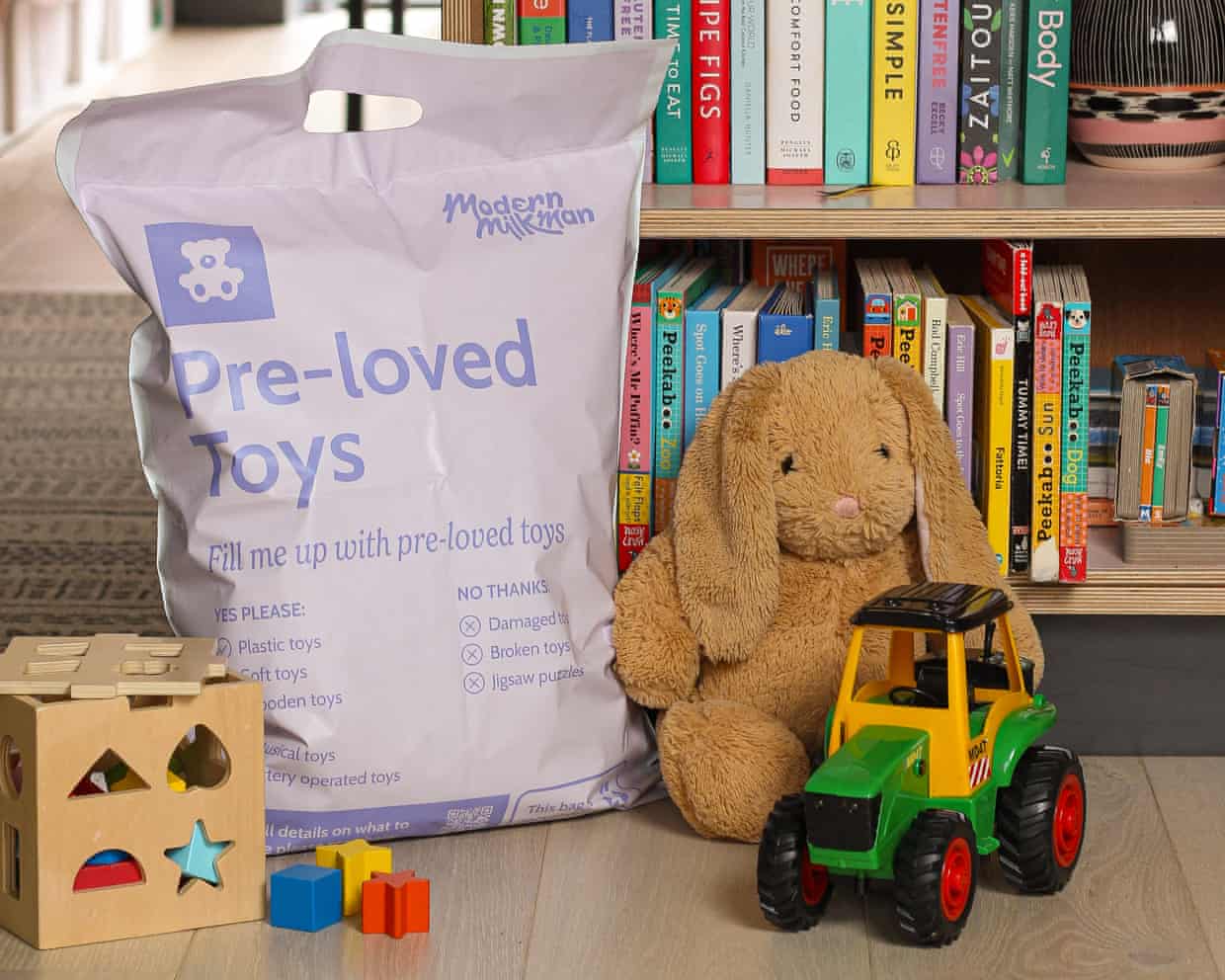
Modern Milkman to collect unwanted electronics and toys with deliveries
A UK dairy delivery business is to begin collecting unwanted or broken toys, mobile phones and laptops while dropping off milk, orange juice and butter in its latest attempt to expand.The Modern Milkman was founded by entrepreneur Simon Mellin in Burnley, north-west England, in 2019 and delivers groceries to more than 100,000 households across the UK.The business will now start collecting electronic goods and toys to give to recycling specialist EMR Group, which will repurpose or recycle the items. Consumers pay £2.50 a time for a collection bag
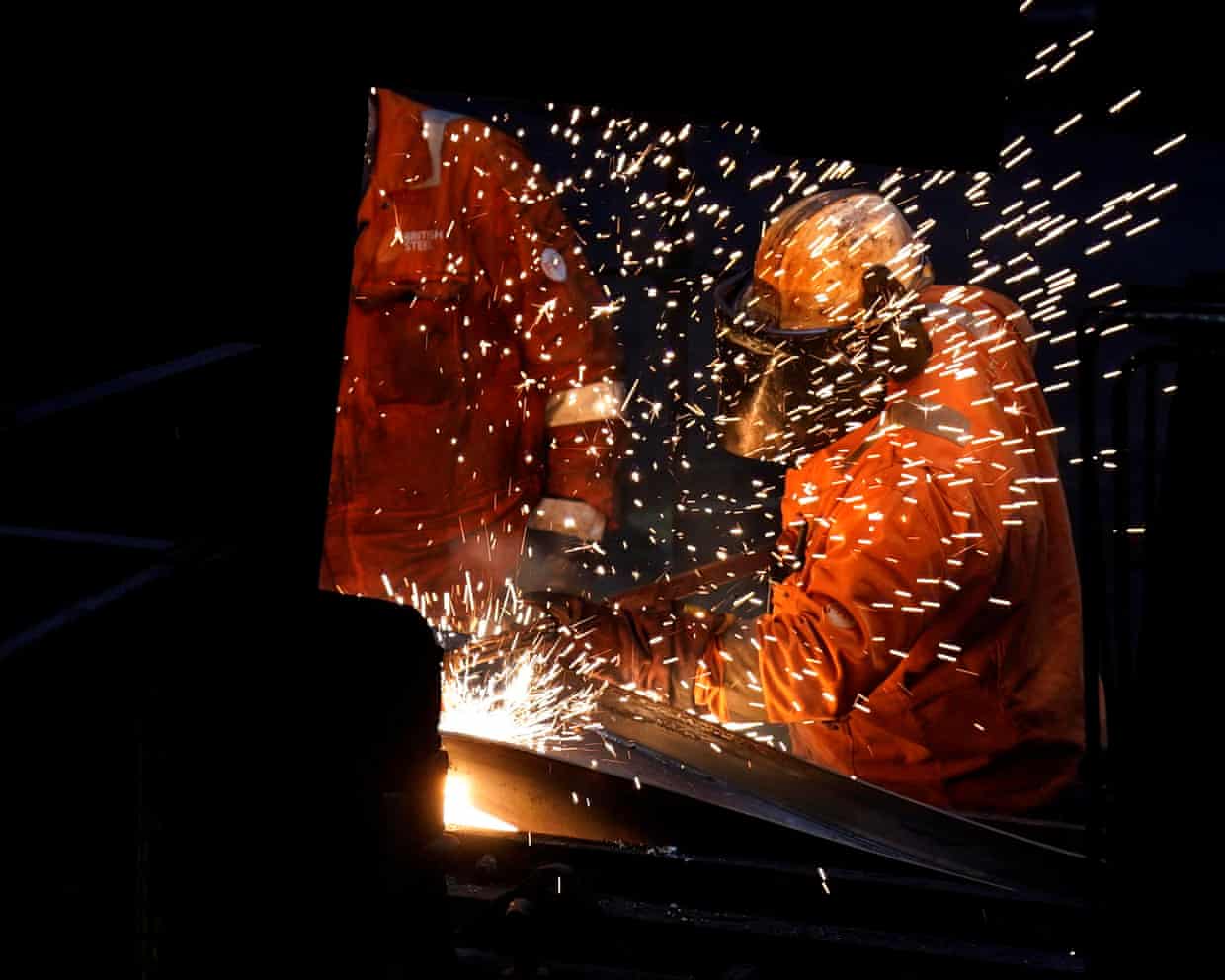
‘We need to accept the cost’: future of British Steel unclear as bills for government build up
British Steel was losing £700,000 a day last year when its Chinese owner announced plans to shut the steelworks at Scunthorpe. After Jingye rejected support to buy raw materials, the UK government stepped in with emergency legislation to take control of the plant.But that was not the end of the crisis. The cost to the government of propping up British Steel is now more than £1.2m a day

UK trade policy: time to stop the secret deals and get systematic
Trade can be a dirty business. Andrew Mountbatten-Windsor was tolerated as a “special representative for trade and investment” in the noughties despite allegations that he kept convicted gun smugglers for friends, while Peter Mandelson’s ability to schmooze the rich and famous repeatedly overruled concerns about his probity.To close a deal, there are always compromises to be made, and sometimes the terms are unsavoury.Britain is at the forefront of international deal making. It has been a trading nation for as long as it has existed

UK’s ‘unsung army’ of full-time unpaid carers needs more support, report says
Menstrual blood test could offer alternative to cervical screening for cancer
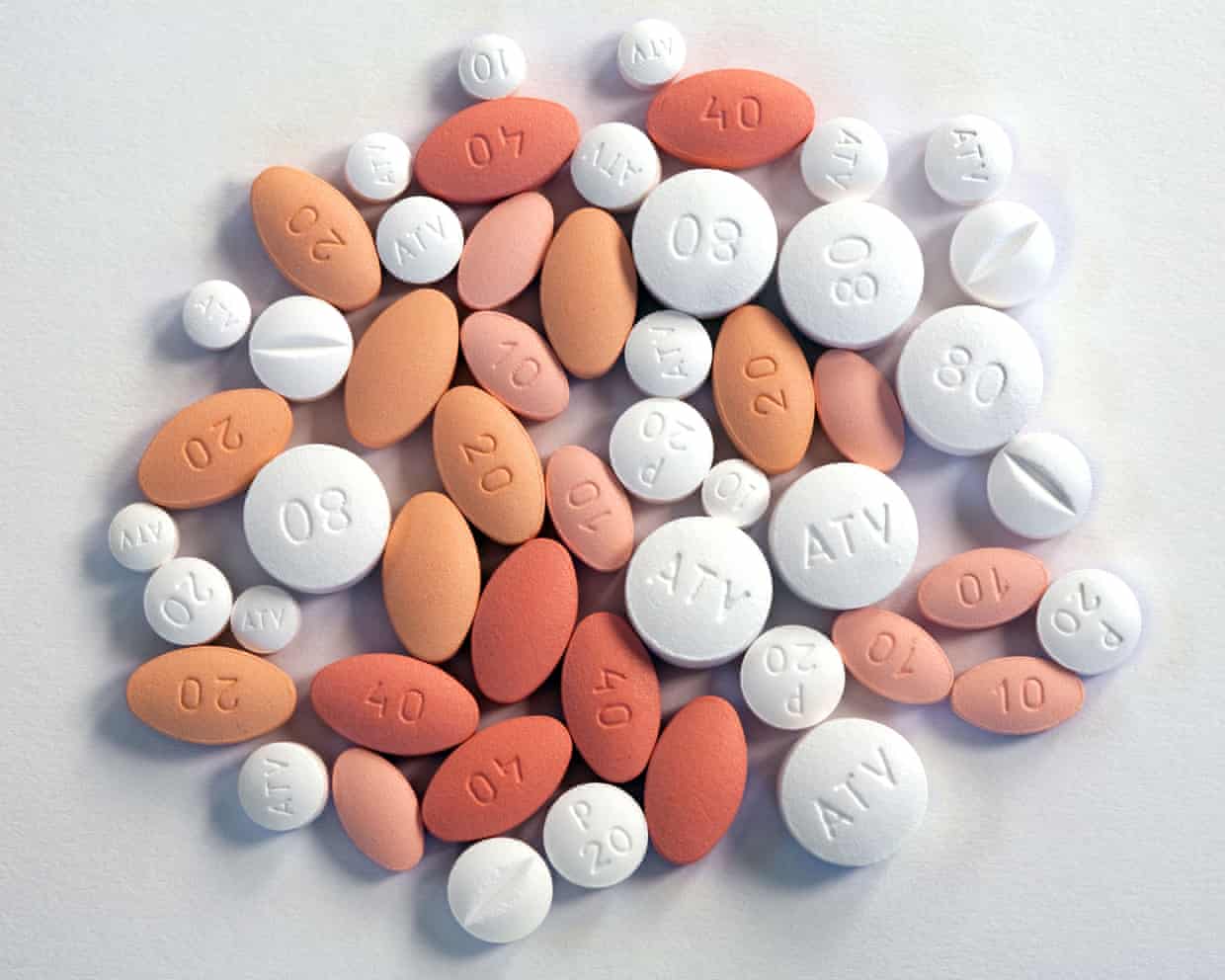
Most statin side-effects not caused by the drugs, study finds
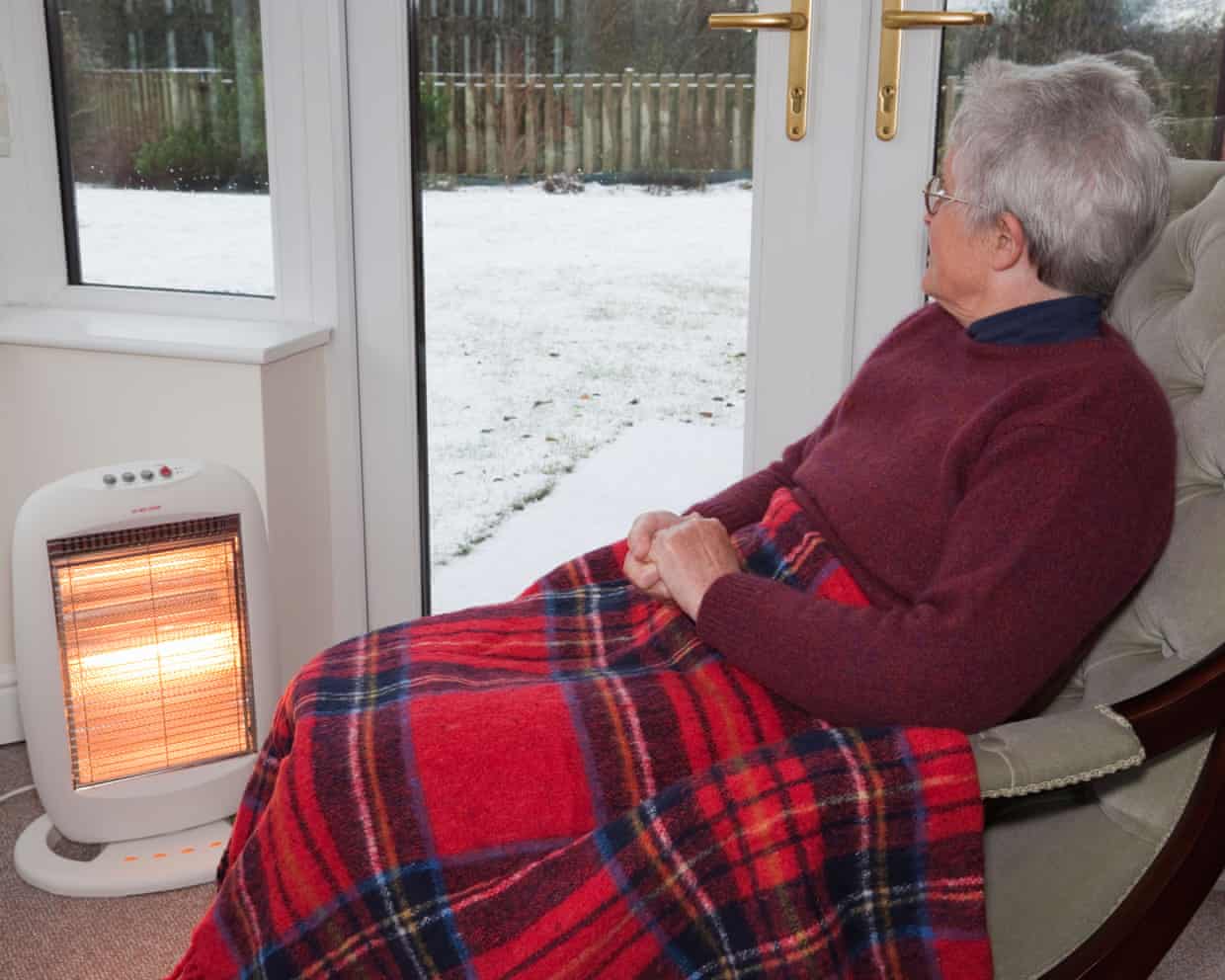
Does getting cold increase your chances of catching flu?
Autistic girls much less likely to be diagnosed, study says

Ministers to crack down on profiteering in care sector and make renewed fostering push