‘We need to accept the cost’: future of British Steel unclear as bills for government build up
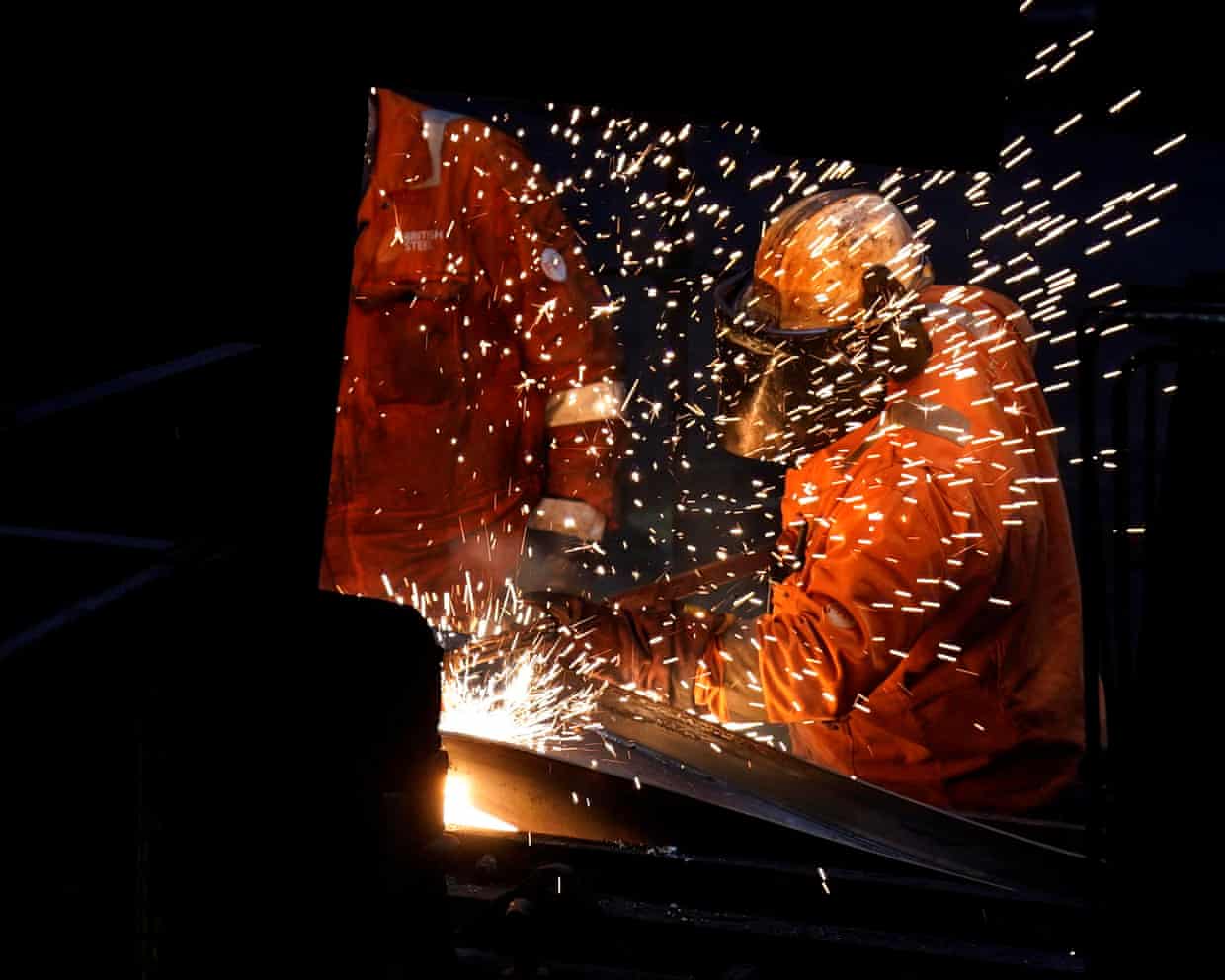
British Steel was losing £700,000 a day last year when its Chinese owner announced plans to shut the steelworks at Scunthorpe.After Jingye rejected support to buy raw materials, the UK government stepped in with emergency legislation to take control of the plant.But that was not the end of the crisis.The cost to the government of propping up British Steel is now more than £1.2m a day.
Yet the £359m bill, the latest disclosed to parliament last month, may only be the start.Almost a year on, it remains unclear what will happen to the blast furnaces and rolling mills at the North Lincolnshire site, and the 4,000 workers who turn iron ore into the long steels required for buildings, bridges and railways.In the meantime, the government is covering more losses every day.“In the short term, they are going to cost, so that £350m number is going to get bigger,” said Jon Carruthers-Green, a steel market analyst at MEPS International, a price forecaster.“If you want to keep blast furnaces, if you want to keep rail supply, then it’s going to come at a cost.
”The UK steel industry is in a rut,In 1970, the country produced 28m tonnes of steel,That fell to 4m tonnes in 2024, and to only 2,5m tonnes last year – the lowest output since the reign of Queen Victoria,That fall was mostly caused by the temporary shutdown of Tata Steel’s Port Talbot steelworks as it switches from polluting blast furnaces to cleaner and more efficient electric arc furnaces (EAFs).
The government’s official receiver is also in control of the arc furnaces at Speciality Steel UK (SSUK) in South Yorkshire after its collapse into administration last year, as well as trying to work out a path for British Steel.“It’s a heck of a thing to take on – which they knew,” said one person close to the government.“There’s no easy answers here.”The first obstacle is Jingye, which bought British Steel out of receivership in 2020.The Chinese company remains the legal owner, even if it does not have actual control.
Jingye is thought to have requested as much as £1bn in compensation in return for giving up ownership – a sum that most observers feel it is unlikely to receive for a lossmaking plant.Under Jingye’s ownership, British Steel has already had significant financial support from the government, including a previously unreported £120m grant in December 2022.Government documents said the award was “made in order to avoid a major economic shock to the Scunthorpe area, safeguarding jobs and securing a major investment for the UK”.Jingye did not respond to a request for comment.Yet officials are also wary of expropriating it.
A government assessment last month of the British Steel takeover bill acknowledged that “a more interventionist approach by the government … could raise concerns among certain investors”.It added: “There is a possibility that foreign investors may be deterred, or that diplomatic criticism could arise if the intervention is perceived as market distortion.”There was little sign of progress after Keir Starmer’s visit to Beijing last week.Even if Jingye can be bought off then there are still several stages that would be required for the government’s ultimate aim: to find another owner who will continue production at Scunthorpe.The fate of SSUK, formerly part of Sanjeev Gupta’s troubled Liberty Steel empire, could be intertwined.
It is understood that officials have expressed a preference for a single buyer for both British Steel and SSUK.One attraction of that set-up would be that SSUK – potentially after investment in new casting equipment suitable for long products – could supply steel to the Scunthorpe rolling mills.Meanwhile, the blast furnaces would be shut and EAFs built on the same site.Industry experts have said shifting to electric would help British Steel because construction projects were increasingly looking for beams with lower associated carbon emissions.Several hundred jobs would be retained in British Steel’s rolling mills during the transition but unions are opposed to “fixing SSUK by doing in Scunthorpe”, in the words of one official.
Job losses at Scunthorpe under a Labour government would be a damaging symbol in an area where Nigel Farage’s Reform last year won the Greater Lincolnshire mayoralty.“It is essential that we maintain steelmaking in Scunthorpe,” said Alasdair McDiarmid, the assistant general secretary of Community, a steelworkers’ union.“Almost one year on, we need a resolution on the issue of ownership and clarity on the long-term future of the works.Our members on site have tolerated more than enough uncertainty, and want to see a cogent strategy in place for the business.”In the longer term, the number of workers would inevitably fall.
It could take years to build an electric arc furnace and connect it to the electricity grid, and arc furnaces do not require anywhere near as many workers, so unions would be pushing the government to invest in jobs in other parts of the business.British Steel declined to comment.Several executives in the industry said the government may have to back down from one of its pledges when it took over Scunthorpe: retaining the capability to produce “virgin” steel from iron ore.Blast furnaces use coal to reduce iron ore to iron for steelmaking but arc furnaces rely on scrap steel or ready-made iron (which would require extra billions of pounds to make in the UK).The government still appears wedded to the idea that it must preserve iron-making ability.
The impact assessment put it in stark terms: “In a time of trade wars or conflict, reliance on foreign (potentially adversarial) suppliers is a strategic liability.”“If we’ve got to import everything we can be held to ransom,” said David Murray, a veteran metals executive.British Steel “does need to be protected and we need to accept the cost of that”, he said.Cameron Pleydell-Pearce, a professor of materials science and engineering at Swansea University, said going for EAFs might make British production more resilient in some regards because the UK has bountiful scrap metal.However, “it’s not a clear yes or no position” on which technology would leave the UK in the strongest position, he said, arguing for a “more technology-agnostic look at the solutions” for Scunthorpe, including considering newer techniques for reducing iron ore.
A government spokesperson said: “This government is determined to support British steelmaking and our steel communities now and for generations to come, and last year we saved British Steel from collapse, protecting thousands of jobs,“We are continuing discussions with Jingye to find a pragmatic, realistic solution for the long-term future of the site and will publish a steel strategy this year setting out how we can achieve a sustainable future for the sector,”Whatever option is chosen, nobody involved expects a quick resolution to the Jingye problem – let alone a long-term owner,The interest declared by one possible buyer, the US-based retail investor Michael Flacks – who could reportedly combine Scunthorpe’s operations with another plant in Italy – took the government by surprise, given his lack of steel experience,Several industry sources said it was unclear what advantages a combination would offer.
However, officials insist privately that there is significant – albeit early – interest from others.“A global steelmaker might [buy it], but they’d want to take on the finished article,” said Murray, with large government support in place.“They wouldn’t take it on as it is now.”That means that the government may be in control of British Steel for some time yet.One person close to the situation said that it could take four or five years before it is back out of government hands.

UK’s ‘unsung army’ of full-time unpaid carers needs more support, report says
A growing “unsung army” of 1 million people with full-time caring responsibilities needs better support, according to a report that found one in three unpaid carers from poorer backgrounds were unable to work because of their duties.The trend is the result of an ageing society and rising ill-health and disability concentrated in the poorest half of the country’s working-age families, the Resolution Foundation’s research found.Almost one in three working-age adults in lower-income families had a disability, compared with fewer than one in five in better-off families, the thinktank said.It added that in homes of modest means, 1 million people had caring responsibilities of 35 hours or more a week – the equivalent of a full-time job – making it challenging to secure paid work.Mike Brewer, the deputy chief executive of the Resolution Foundation, said: “Britain is getting older and sicker, while a greater share of its population has a disability

Menstrual blood test could offer alternative to cervical screening for cancer
A pioneering test of period blood for signs of cervical cancer could be a convenient, non-invasive and accurate way of screening for the disease, researchers have said.A regular sanitary pad topped with a blood sample strip can pick up human papillomavirus (HPV), which causes most cases of cervical cancer, and could be used by women at home, the results of a study indicate.Currently, most women undergo cervical screening under the care of a clinician, who collects a sample via a brush inserted into the vagina. But millions of women invited for screening do not attend.Researchers in China compared the diagnostic accuracy of menstrual blood with samples collected by a clinician for detecting cervical cell abnormalities (CIN2 and CIN3), which can require treatment
Most statin side-effects not caused by the drugs, study finds
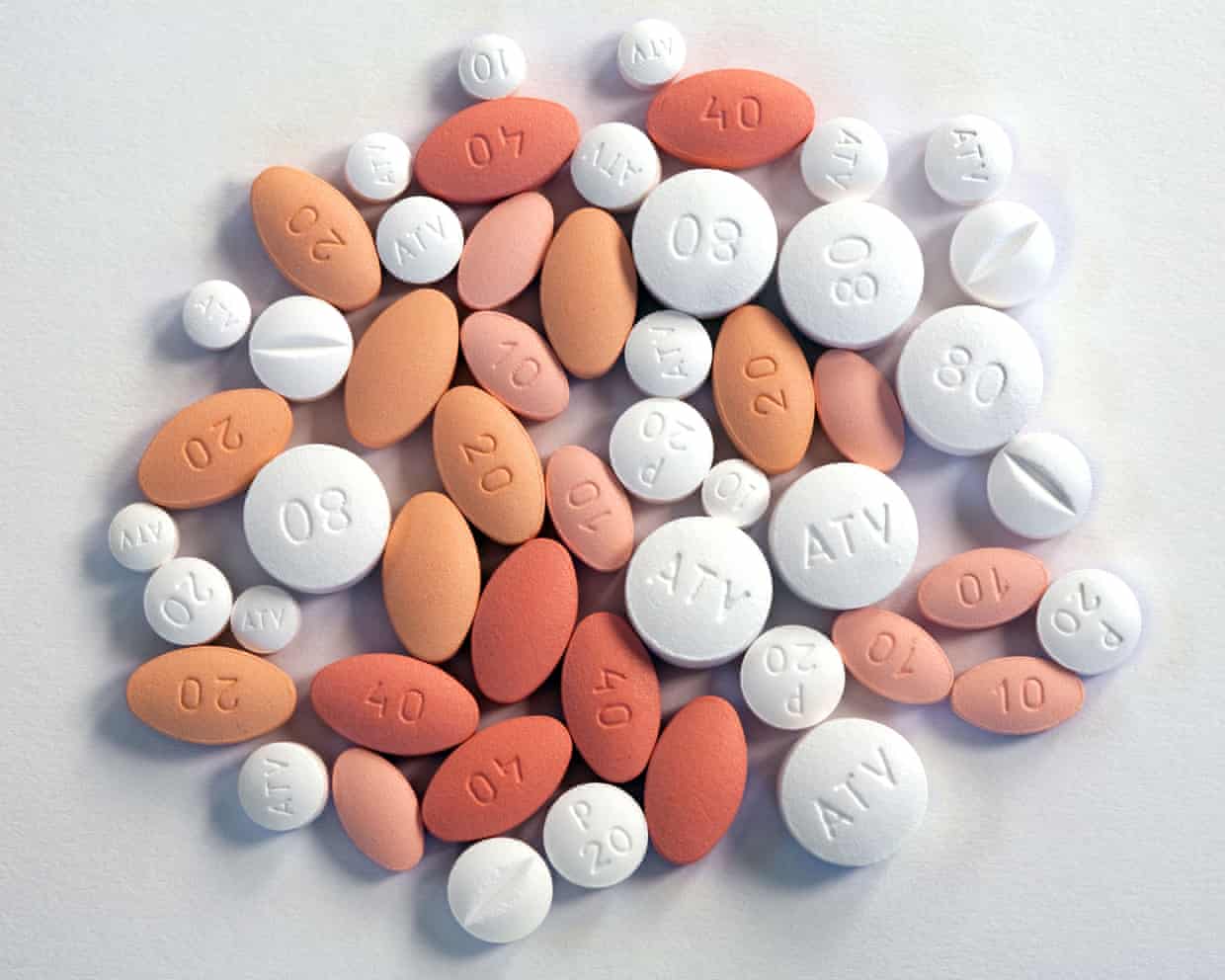
Almost all side-effects listed for statins are not caused by the drugs, according to the world’s most comprehensive review of evidence.Other than the well-known risks around muscle pain and diabetes, only four of 66 other statin side-effects listed on labels – liver test changes, minor liver abnormalities, urine changes and tissue swelling – are supported by evidence. And the risks are very small, according to the systematic review and meta-analysis published in the Lancet.Statins have been used by hundreds of millions of people worldwide over the last three decades and are proven to reduce heart attacks, strokes and cardiovascular deaths. At the same time, millions have been put off the drugs amid long-running safety concerns, with statin labels listing dozens of possible side-effects
Does getting cold increase your chances of catching flu?
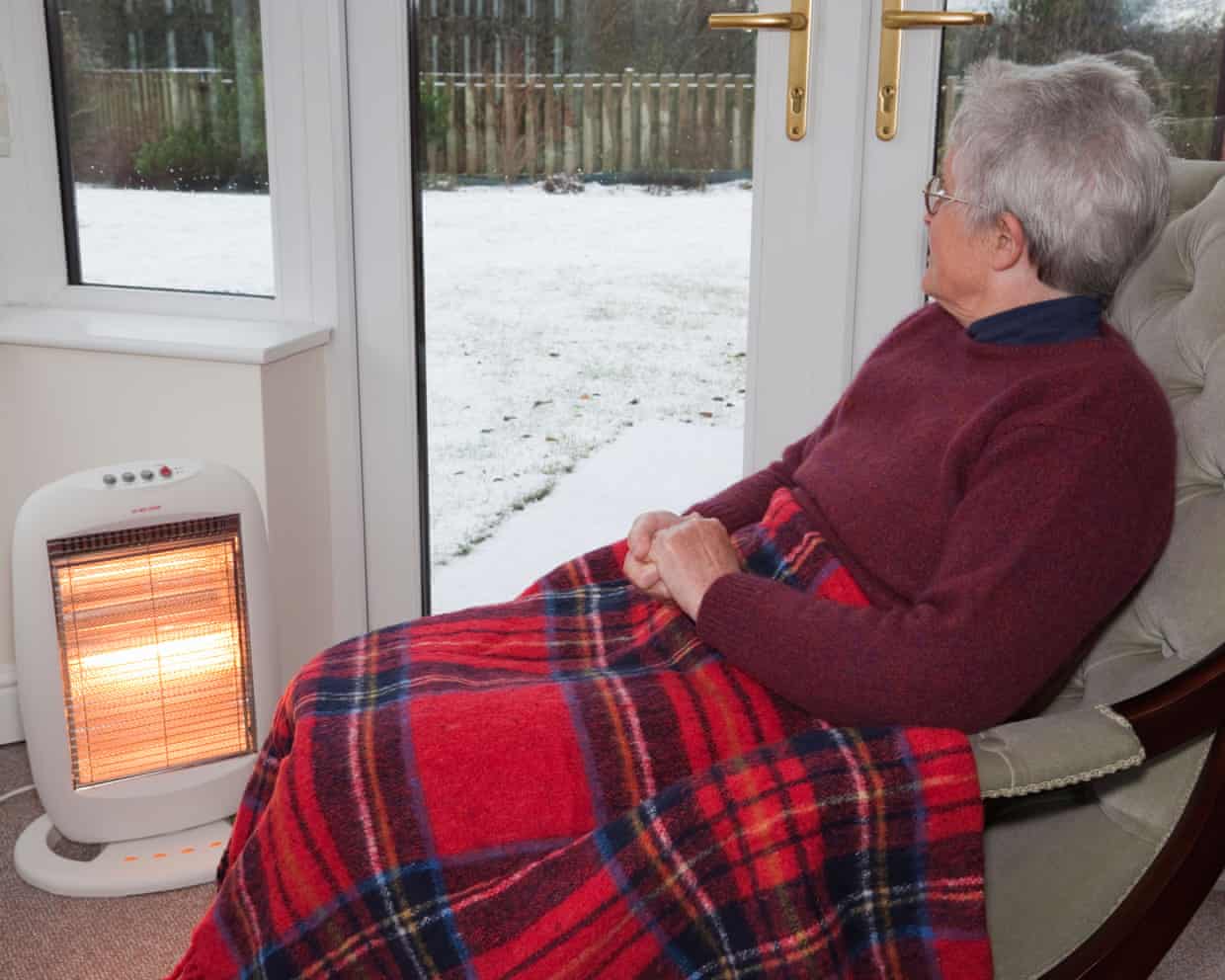
“Put your coat on or you’ll catch your death of cold.” It’s a common refrain that feeds the narrative that getting cold will make us sick. And it’s true that illnesses are more common during the winter months, but is it true that you are more likely to catch the flu if you forget your hat?Not exactly. Writing in The Conversation, medical microbiologist Manal Mohammed from the University of Westminster has explained that colds and flu are caused by viruses that spread either by respiratory droplets or person to person regardless of the temperature. However, there is a bit of truth in the idea – many viruses survive for longer in colder and dryer conditions, increasing the chances of them hanging around and infecting a fresh victim

Autistic girls much less likely to be diagnosed, study says
Females may be just as likely to be autistic as males but boys are up to four times more likely to be diagnosed in childhood, according to a large-scale study.Research led by the Karolinska Institutet in Sweden scrutinised the diagnosis rates of autism for people born in Sweden between 1985 and 2020. Of the 2.7 million people tracked, 2.8% were diagnosed with autism between the ages of two and 37

Ministers to crack down on profiteering in care sector and make renewed fostering push
Private providers of child social care in England will be pushed out of the system if they are found to be profiteering, the children’s minister has said.Josh MacAlister, who is in charge of overhauling the care system for children, also called for a fostering equivalent of the Homes for Ukraine scheme to provide homes for tens of thousands of children.Announcing a major push to find homes for 10,000 foster children as part of a bid to rebalance child social care away from private providers, MacAlister said the state was “failing to provide the lifelong, loving relationships that these kids need”.MacAlister led an independent review of child social care under the last Tory government before becoming an MP and then minister. He said his message to private providers was: “If you want to be part of this system in the future, don’t price-gouge; don’t profiteer

Government on track to lower minimum age for train drivers to 18 in Great Britain

Mandelson revelations show need for tougher UK constraints to resist rule of the rich | Heather Stewart

‘It felt hypocritical’: child internet safety campaign accused of censoring teenagers’ speeches
‘I fell into it’: ex-criminal hackers urge Manchester pupils to use web skills for good

Super Bowl 2026: Seattle Seahawks v New England Patriots – live

Winter Olympics 2026: USA take gold in figure skating team event – as it happened