Why Trump’s pick for Fed chair will not bring home the bank for the president

Donald Trump’s fate is to be frustrated by monetary policy.Even assuming he gets his way and Kevin Warsh succeeds Jerome Powell as chair of the Federal Reserve next month, it is unlikely that the president will finally gain control of the Fed.Trump has called Warsh a “central casting” choice for the Fed.And he certainly looks like Trump’s man.His monetary thinking seems blatantly partisan.
In his previous stint as a Fed governor, Warsh exhibited serious hawkish instincts – worrying about inflation even as the economy struggled out of the g recession under Barack Obama.Now, he has sided with Trump and, despite persistently high inflation, is calling for lower rates today.He has even cobbled together a hi-tech conceptual framework to justify lower borrowing costs.Still, he will have a hard time convincing a majority of the 11 other members of the federal open markets committee, most of whom are not in Trump’s pocket, that cutting rates now is the right thing to do.Warsh’s argument is not irretrievably insane.
It closely resembles the reasoning of a fabled former Fed chairman, Alan Greenspan, who successfully argued that the information technology boom of the late 1990s justified not raising interest rates despite low and declining unemployment.Greenspan believed that the productivity boost delivered by computers gave the economy more room to maneuver.Businesses could produce the same stuff with fewer workers, or offer higher wages without raising prices.Today, Warsh is arguing that the AI revolution will do the same – allowing the Fed to reduce borrowing costs without pushing inflation higher.As he told Fox last year, the Fed must “allow that productivity and that technology to continue to lower prices, instead of saying, ‘Oh my gosh, the economy’s too strong.
We better stop this.’”Even assuming Greenspan’s argument was correct in the 1990s – a much-debated point – Warsh’s contentions are weak.Neither is Trump’s erratic policymaking helping Warsh’s case.In the late 1990s, deepening globalization kept prices in check while immigration alleviated tightness in the labor market.The Clinton administration’s tight fiscal policy produced the first budget surplus since the 1960s and trimmed the federal debt to 54% of GDP.
Today, Trump’s wall of tariffs is closing off the US market, raising costs for businesses and consumers, while his aggressive deportation policy is shrinking the labor supply.Meanwhile, a budget deficit of 6% of GDP has pushed the debt to more than twice its level, as a share of the economy, when Clinton left office.It’s not a coincidence that in the late 1990s inflation fell below 2% while last month it jumped above 3%.Let’s consider the impact of artificial intelligence on this economy.There are some scary stories out there about the likely impact of Claude and ChatGPT on the labor force.
But so far, the vaunted productivity boom is not in the data.In fact, there is little evidence that AI is diffusing rapidly across businesses, which would be necessary for it to boost their productivity.What we can see clearly is massive investment in datacenters to develop AI models, which is turbocharging demand for all sorts of stuff, raising prices of everything from electricity to memory chips and fuelling a stock market boom that is underpinning consumer demand.The productivity boom may eventually happen.Of course, that will allow businesses to do more with less.
But even then, it is by no means obvious that this will bring about lower interest rates.It might even call for them to be higher, as faster growth encourages investment, stoking demand for capital.Warsh may remember the endgame in Greenspan’s 1990s playbook.The Fed started raising interest rates as inflation picked up in 1999 and 2000, and policymakers started worrying about how the dotcom bubble was supercharging the economy.Perhaps there is a path for Trump to get the Fed he wants.
He has assets on the board.Like Stephen Miran, his former chief economic adviser, who co-authored a paper about Fed reform that proposes making it “significantly more accountable to the president”, in part by ensuring that board members and reserve bank leaders are “subject to at-will removal” by Trump.Two more of the seven board members are Trump appointees.If Warsh makes it through, Trump would keep three allies on the board.But getting to seven votes looks like a long shot.
The courts seem unwilling to let Trump fire governor Lisa Cook for no legitimate reason.And the president lost an opportunity to corral the Fed last December when the board reappointed all the regional Fed bank presidents – who provide five votes on the open markets committee – even as the treasury secretary, Scott Bessent, was scheming about how to overthrow them.Trump’s dream of a Fed that cuts rates when he says so remains out of reach.The American economy can still sleep at night.

Man admits rape and religiously aggravated assault after court confrontation
A man who racially abused a Sikh woman as he raped her has pleaded guilty to the assault after being confronted in court by a member of the public.John Ashby pleaded guilty to rape, religiously aggravated assault, intentional strangulation, and robbery of the woman at her home in Walsall.Ashby initially pleaded not guilty but unexpectedly changed his pleas after he was sworn at by a member of the public in Birmingham crown court.The 32-year-old, of no fixed abode, asked to see his barrister and changed his pleas about an hour after being sworn at and told to “sort your shit out” by a member of public who approached the dock.The victim, who is in her 20s, was due to give evidence on Tuesday

Gut microbiome can reveal risk of Parkinson’s, scientists say
Changes to microbes that live in the gut can identify people at greater risk of Parkinson’s disease long before symptoms develop, according to work that also raises hopes for new therapies.Researchers discovered signature changes in the gut microbiome that are more pronounced in people with a genetic risk for Parkinson’s and even more stark in those diagnosed with the disease.The signature could help doctors spot patients at risk of Parkinson’s years before they display clear symptoms and suggests that healthier diets and treatments that reshape the microbiome might prevent or delay the disease.Prof Anthony Schapira, the head of clinical and movement neurosciences at University College London and lead investigator on the study, said it was the first time a microbial signature in Parkinson’s patients had been seen in people with a genetic susceptibility but had yet to develop symptoms. The signature appears to become stronger as the disease progresses

Nearly fivefold increase in children in unregulated social care settings in England
Ministers must get to grips with the “national scandal” of England’s shadow child social care system, the children’s commissioner has warned, as a report reveals the number of children in unregulated settings has increased by more than 370% in five years.Some of the most vulnerable children in England are being temporarily placed in unregulated caravans, Airbnbs and holiday camps, which risk the “accumulation of increasing levels of harm for children who have already faced enough distress for several lifetimes”, according to the report.Analysis of Ofsted data has shown that cases of unregistered homes in England increased from 144 in 2020-21 to 680 in 2024-25, which experts say is likely to be an underestimation of the true figure, according to the policy analysts at Public First, who conducted the research for the charity Commonweal Housing. The Care Standards Act 2000 legally requires all children’s homes to be registered with Ofsted.Private companies have been accused of charging local governments “exorbitant” fees to look after children in unsuitable settings when a bed in an Ofsted-inspected children’s home or fostering placement cannot be found
England left with ‘toilet deserts’ as public facilities decline by 14% in a decade
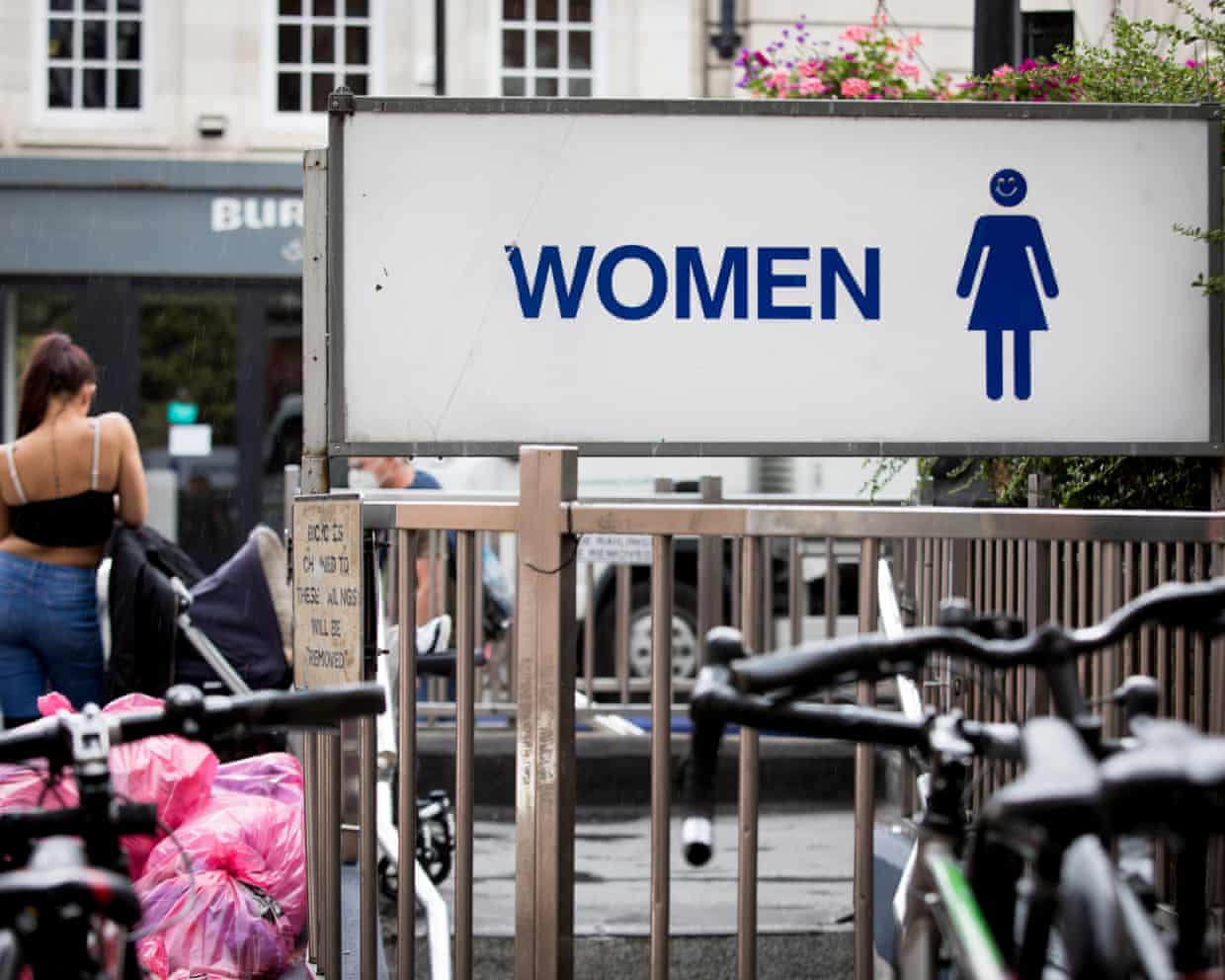
The number of public toilets in England has fallen by 14% in a decade, harming public health and creating vast swathes of lavatory “deserts” and unpleasant environments, a report says.The analysis by the Royal Society for Public Health found a “significant shortfall” in provision, with 15,481 people for each public toilet in England. That contrasts sharply with Scotland, where there are 8,500 people for each toilet, and Wales, with 6,748.The analysis was based on 221 freedom of information responses from 309 English councils. The number of toilets was down 14% on 2016
The fight against medical misogyny has a long way to go | Letters
I welcome the relaunched women’s health strategy (Streeting relaunches women’s health strategy to tackle ‘medical misogyny’, 14 April) but with caution. The system appears responsive, but the root causes in health inequality outcomes remain untouched.It names urgent issues many women have long experienced: navigating the gynaecology referral queue that would stretch over 191 miles (if waiting in person), medical gaslighting, delayed diagnoses and systemic bias.However, Wes Streeting’s tenacity on centering all women’s “voices”, and ensuring that no woman is left fighting to be heard isn’t convincing, particularly when women of colour have been crying out loud for years, with little to no change in our reproductive health outcomes.Many of us know what that feels like: seeing a GP about severe period pain and trying to explain how it disrupts our life

‘Labels protect us’: Olivia Nervo wants reproductive coercion to be a standalone offence – she is not alone
When the Grammy award winning songwriter, Olivia Nervo, agreed to start a family with her partner she believed she was in “a monogamous, committed relationship leading to a future”, and had never heard of reproductive coercion.Her world came crashing down when she was six months pregnant and she found out that her partner was in a relationship with another woman who was also pregnant, and with whom he already had a child.It was a discovery that led her to learn about reproductive coercion, a form of controlling behaviour in which someone interferes with an individual’s ability to make decisions about their own body. The Labour MP, Natalie Fleet, led a debate in parliament on the issue last month in which she said it was “so important – in the public interest, even – that the story of Olivia Nervo is heard”.The court declined to make any finding as to whether there had been reproductive coercion in Nervo’s case, with Fleet describing the doctrine as something the legal system in England and Wales “still struggles to recognise”
UK politics: Labour MP calls for Starmer’s resignation to end ‘psychodrama’ – as it happened
No one can look Starmer in the eye … and the Mandy saga is not going away | John Crace
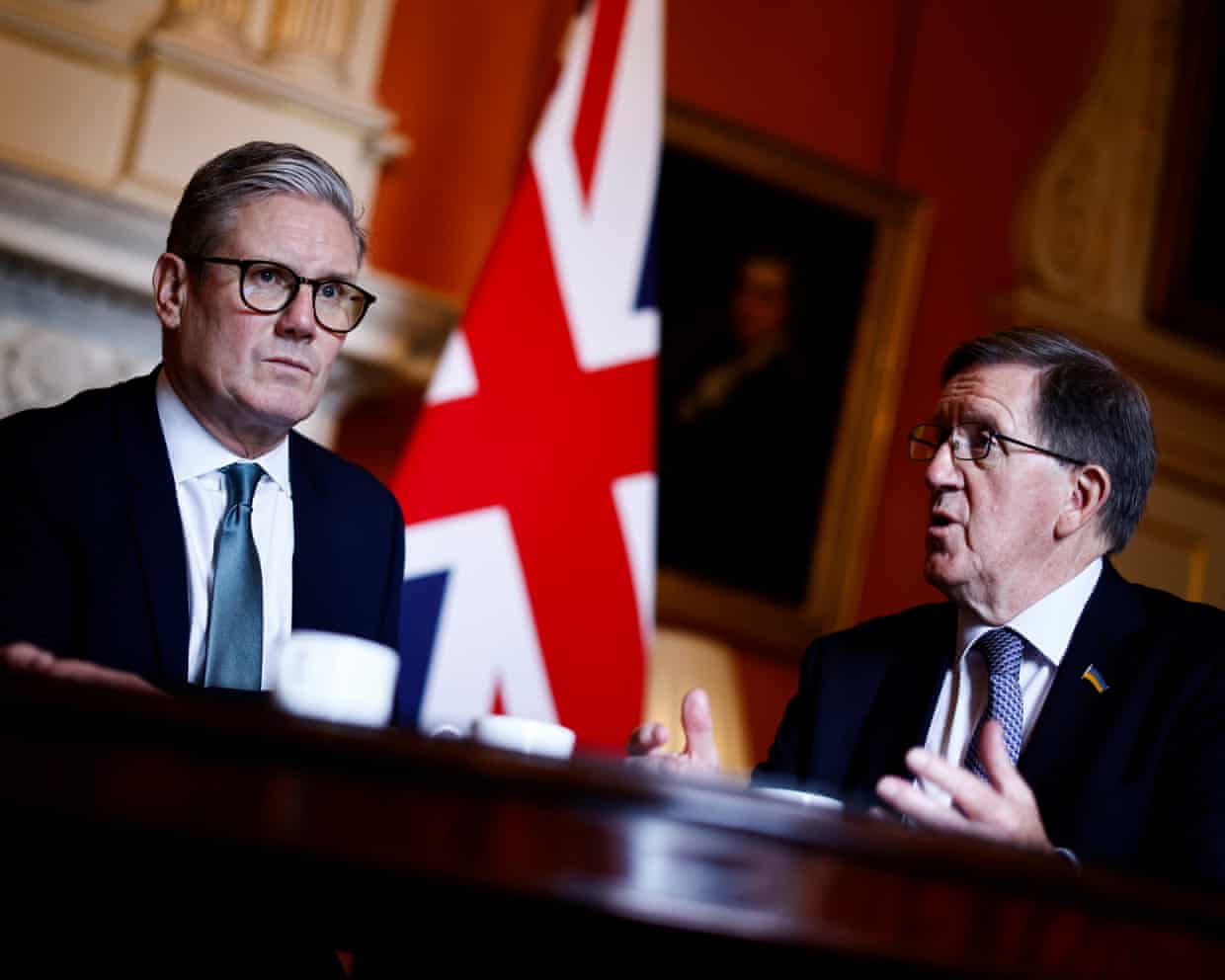
Britain’s military dependence on US ‘no longer tenable’, says former Nato chief

How Olly Robbins’ knightly charm glossed over burning questions on Mandelson vetting
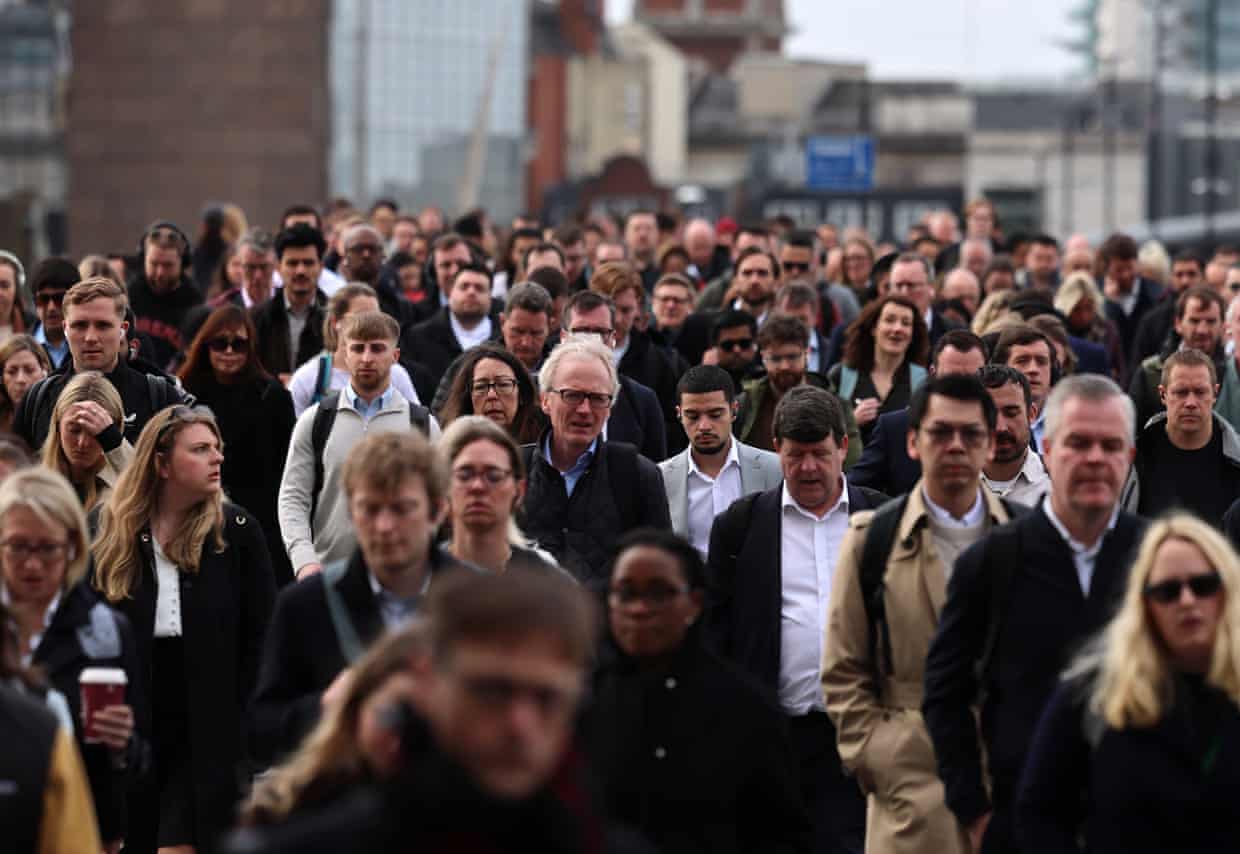
Taxes on UK workers have risen at fastest rate in rich world, says OECD
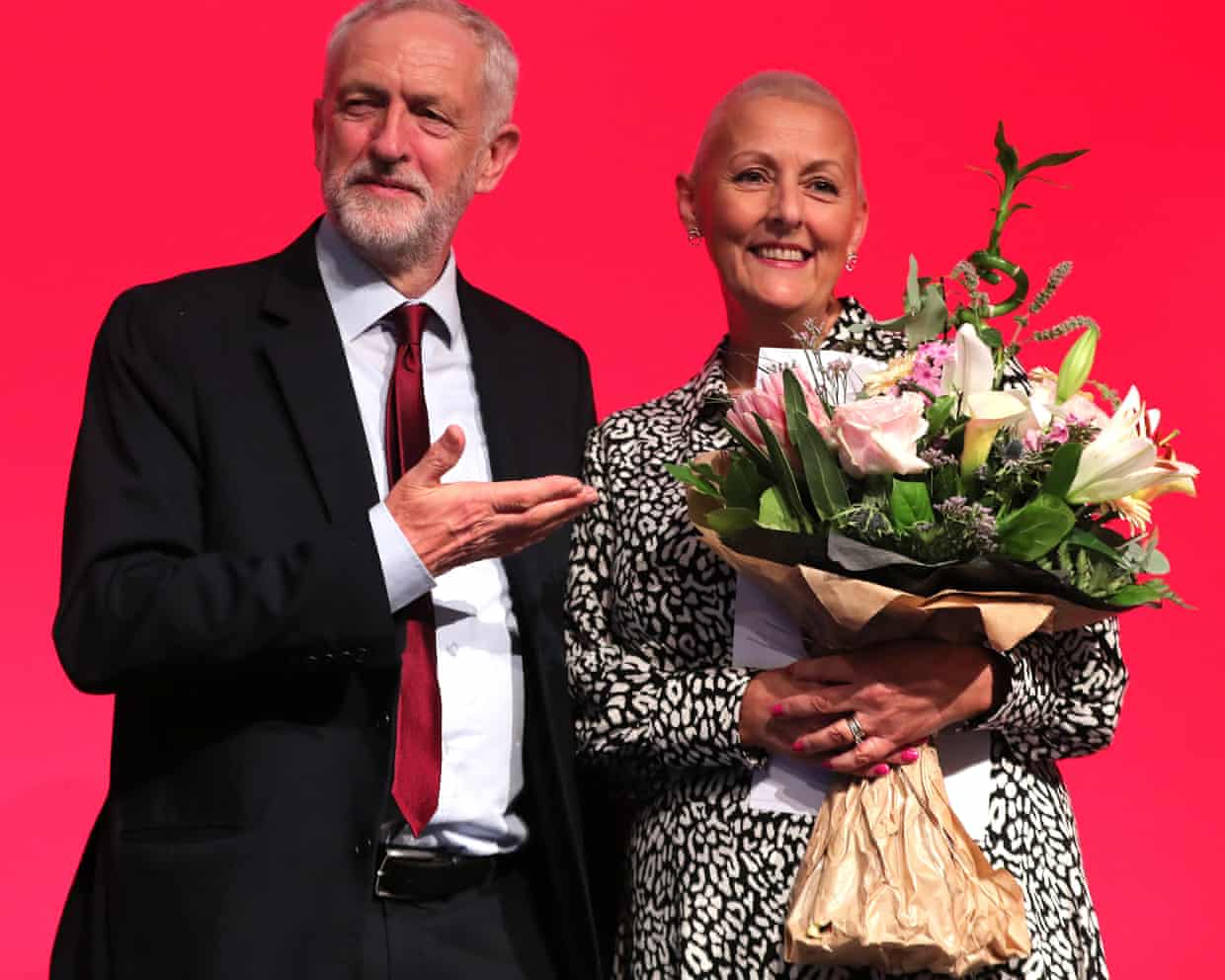
Jennie Formby, Labour’s former general secretary, says she has joined Greens