Oil price drops below $90 a barrel after Iran says strait of Hormuz is open
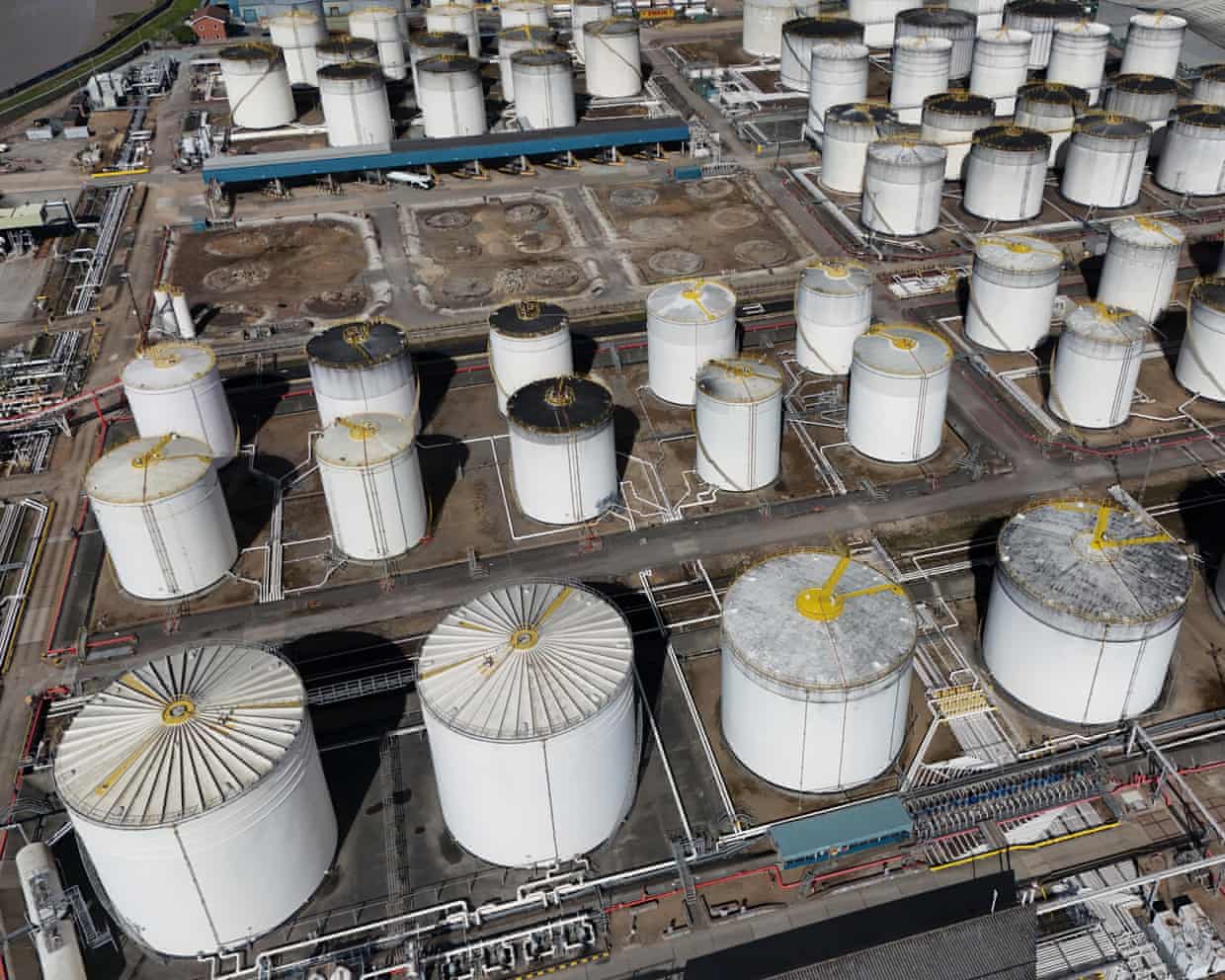
Oil and gas prices fell sharply on Friday after Iran said the strait of Hormuz was open to commercial shipping, potentially clearing the way for tankers holding millions of barrels of oil and gas to reach the global market,Iran’s foreign minister said vessels would be free to transit the strait of Hormuz for the duration of the 10-day ceasefire between Israel and Lebanon, which was struck on Thursday,Brent crude, the international benchmark, fell more than 10% to $88,8 a barrel,That is well below a peak of $119 last month, but still much higher than the $72 before the war.
Donald Trump later said the US naval blockade on Iran’s use of the strait would remain in full force until Washington had struck a deal with Tehran.He said the process “should go very quickly” because “most of the points are already negotiated”.The benchmark European gas contract fell by about fell by about 6.4% to about €39 (£34) per megawatt hour on hopes that diplomatic progress between the US and Iran could bring an end to the conflict.The news also drove stock markets higher on both sides of the Atlantic.
Germany’s Dax and France’s Cac rose by about 2%, while the Dow Jones and S&P 500 gained 1,8 and 1,2% in New York,In London the FTSE 100 closed up 0,7%.
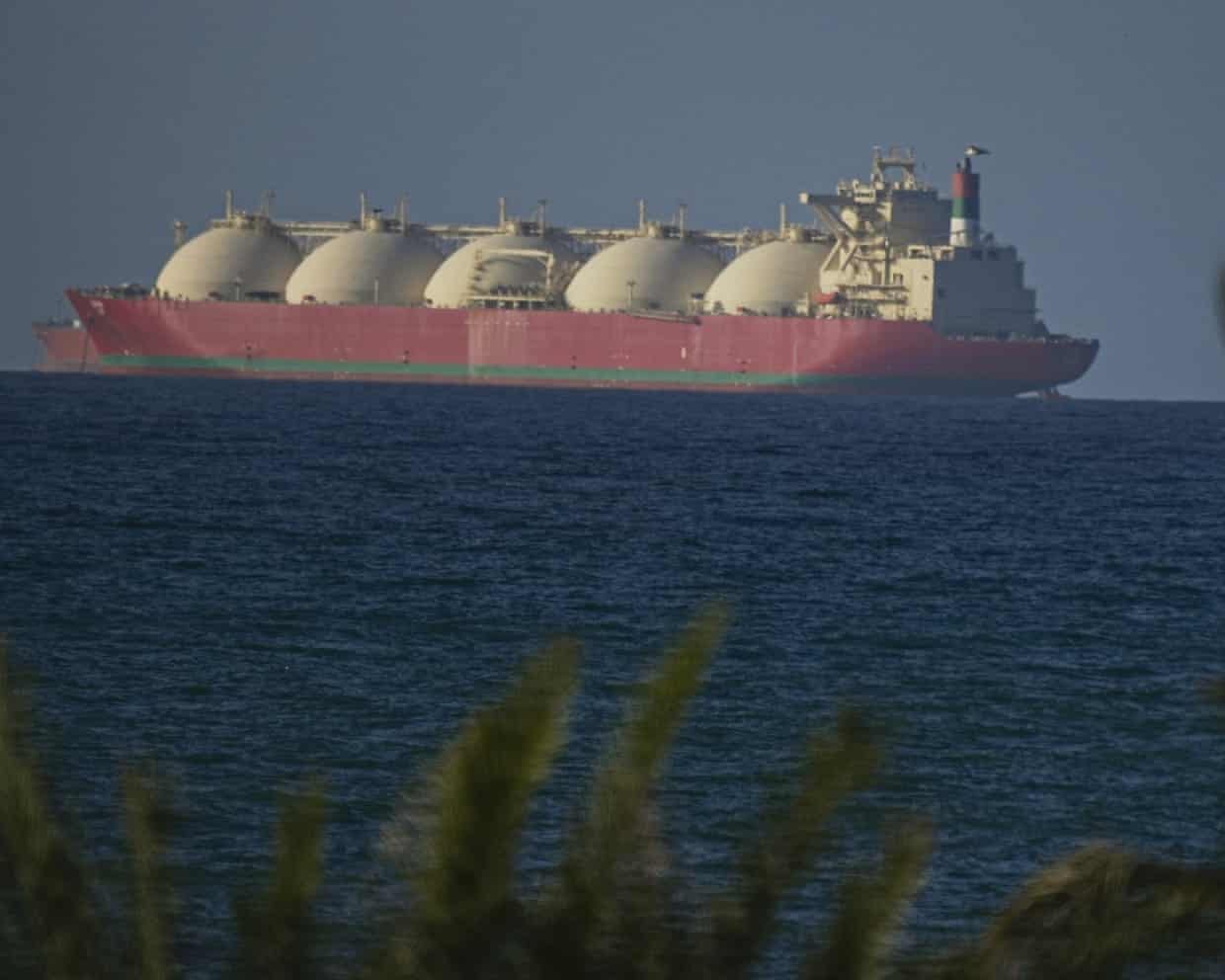
Tehran’s chokehold on the strait of Hormuz since the US and Israel’s attacks on Iran began seven weeks ago has disrupted supplies of Middle Eastern crude and gas as well as refined fuels from Gulf refineries, in what the International Energy Agency has described as the biggest energy supply crisis in history,Oil and gas prices had already begun to slide after Trump said on Thursday that Israel had agreed a ceasefire with Lebanon, in a big step forward for the US peace talks with Iran,The progress was the clearest sign yet that oil and gas flows could begin to return to normal,However, big questions remained over whether the ceasefire would hold for long enough for tankers stranded in the Gulf to move through the strait and whether shipping companies would be willing to risk a transit,Before the crisis, more than 130 ships a day travelled through the strait, but this has reduced to a trickle under threats from Iran’s Revolutionary Guards.
About 800 tankers remain stuck in the Gulf, of which about 300 are oil and gas tankers.In a statement on social media, Iran’s foreign minister, Abbas Araghchi, said Hormuz was “completely open” for the duration of the ceasefire but tankers must follow the same route through the narrow waterway to the south of Iran nicknamed the “Tehran tollbooth”, so called because the small number of tankers granted permission to pass through in recent weeks have been required to pay Iran about $2m (£1.5m) for safe passage.It is unclear whether tankers would be required to pay this fee or how quickly those willing to make the transit would be able to do so.There was also some doubt about the validity of Aragchi’s claim that the route was open to all, with other Iranian state media calling the post “bad and incomplete” and saying such passage would be considered “void” should the US naval blockade continue.
The head of the International Chamber of Shipping offered a cautious welcome to reports that the waterway was reopening.“While this announcement is a positive step there is still much uncertainty around what it means in practice,” Thomas A Kazakos said.“An orderly and sustained return to normal transit through the Strait will be essential.This will require close coordination between the International Maritime Organization, regional states, naval authorities, and the shipping industry to ensure that vessels can transit safely.”
Tell us: have you ever been concerned about the behaviour of a child you know?
Has a child you know displayed behaviour or done things that have made you consider going to the authorities?We would like to speak to people who have faced this very difficult dilemma.Why did you to consider this course of action? How did you deal with the situation? Did you go to the authorities or decide against? What was the outcome? How did you cope? Perhaps you were able to work through the problems with support. Tell us.Your can get in touch with us confidentially by using the form below. We will not use your submission without contacting you first
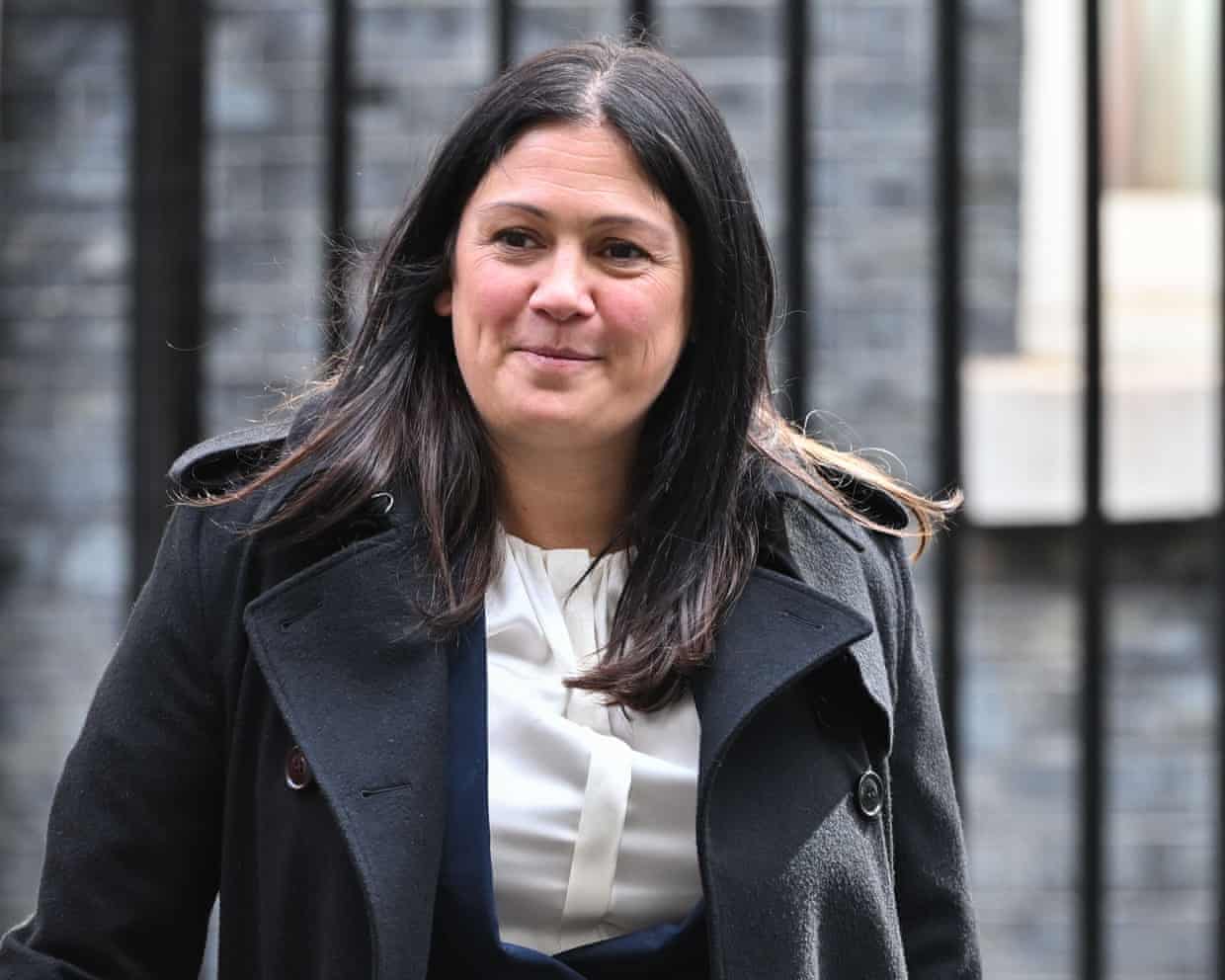
New regulator powers could stifle advocacy, UK’s largest civil society bodies warn
Several leading civil society organisations have urged the government to consult the sector before introducing new powers for the Charity Commission, which they caution risks “suppressing legitimate advocacy” at a time when civic space is under increased pressure.Signatories, including leaders from some of the UK’s largest civil society bodies, alongside faith-based and community organisations, wrote to the culture secretary, Lisa Nandy, saying the proposed social cohesion measures could lead to the “suppression of lawful advocacy, campaigning and community engagement”.The letter, which was signed by leaders from the National Council for Voluntary Organisations, the Muslim Charities Forum, Quakers in Britain and Oxfam, among others, cautions against a government proposal to introduce broader grounds on which organisations could be reported for extremism.“In the absence of clear safeguards and well-defined thresholds, the proposed expansion of the Charity Commission’s powers to remove trustees and close organisations, could be applied in ways that mischaracterise legitimate civil society activity,” the letter said.“This, in turn, may contribute to the suppression of lawful advocacy, campaigning, and community engagement, particularly for organisations working on sensitive or contested issues, including those led by or representing diverse communities
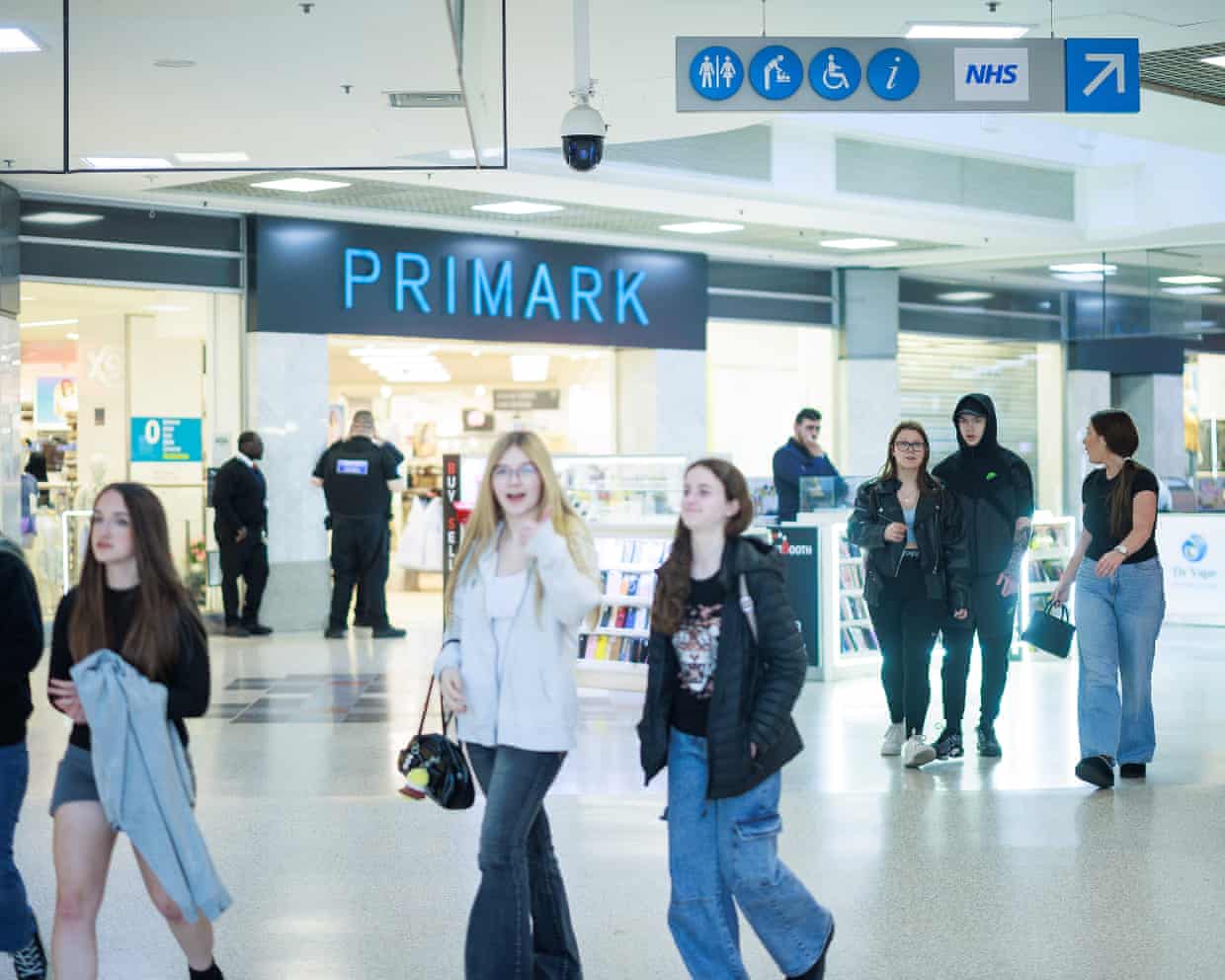
Future of the NHS, saviour of the high street? High hopes for health hub in a Barnsley shopping centre
It is a revolution that might just save the NHS – and the high street. Imagine being able to have your eyes tested, mole examined or get an appointment with a consultant without going to your local hospital – and maybe fit in some shopping or a cinema visit afterwards.That, increasingly, is what people in Barnsley are doing after an unprecedented relocation of medical services from the district general hospital into a purpose-built outpatients centre in the Alhambra shopping centre, which is getting a new lease of life thanks to the experiment.Those involved say the initiative – the first of its kind in the NHS – is trailblazing and revolutionary. After a recent visit, Wes Streeting, the health secretary, described it as “really inspiring”

Effect of ‘gamechanger’ Alzheimer’s drugs ‘trivial’, review concludes
Drugs that have been hailed as a gamechanger for the treatment of Alzheimer’s disease make no noticeable difference to patients, according to an extensive review.The analysis of clinical trials in people with mild cognitive impairment or mild dementia found that the effects of anti-amyloid drugs on cognition and dementia severity over 18 months were “trivial”, with improvements in functional ability “small at best”.The verdict is a blow to the new wave of drugs that are designed to slow Alzheimer’s by clearing clumps of amyloid protein that build up in the brain. Amyloid plaques are a hallmark of Alzheimer’s disease, along with another protein called tau which forms toxic tangles in neurons.The Cochrane review drew on gold standard methods to assess data from published clinical trials, but was criticised by some researchers and charities for combining results from older, failed drugs with those from newer, more effective medicines
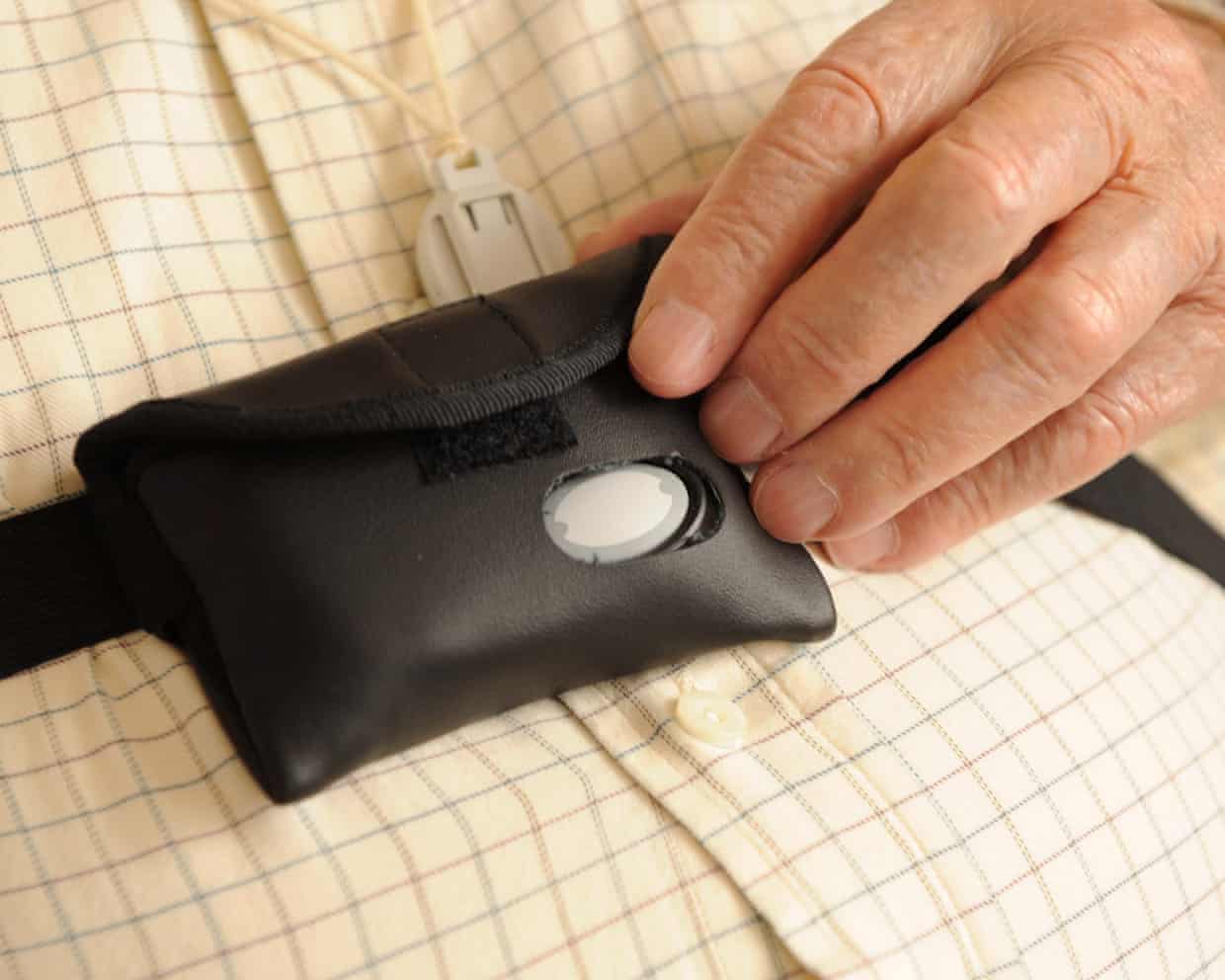
People in north of England twice as likely to be killed in accidents as Londoners, report finds
People in the north of England are twice as likely to be killed in accidents than Londoners, with accidental deaths clearly linked to deprivation, a report has found.The research, from safety charity the Royal Society for the Prevention of Accidents (RoSPA), highlights vast regional differences in accidental deaths, which have also seen an overall increase.The north-east is the most dangerous region for accidents in England, with a death rate of 44 per 100,000 people, compared to an average of 32 across the country, with the north-west in second place with a death rate of 38 per 100,000 people.Scotland was the most dangerous of the devolved UK nations, with an even higher accidental death rate of 51 per 100,000, while Wales equalled the north-east of England, and Northern Ireland’s rate of 39 per 100,000 was also above the England average.Meanwhile, London was the safest place to live in the UK, with an average of 19
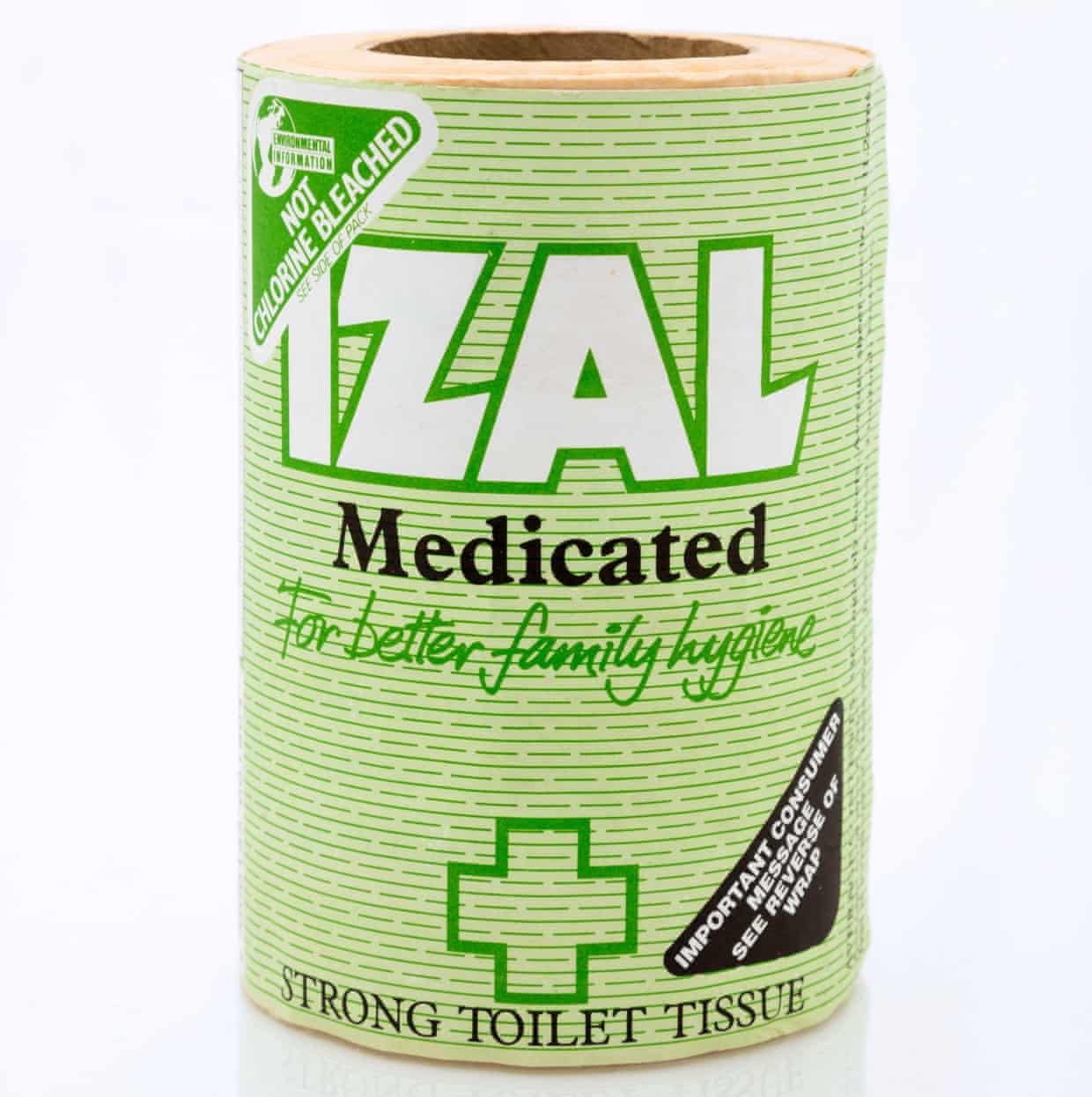
Why we washed our hands of Izal | Brief letters
In the 1970s, to save money, a London psychiatric hospital replaced soft toilet tissue with Izal medicated toilet roll (Letters, 13 April). Therapists conducting successful sessions for outpatients with compulsive disorders were surprised by a sudden increase in relapse rates, until they realised that each sheet contained the exhortation “Now wash your hands”. Its use was discontinued. Prof David C SandersMortain, France Izal toilet paper made excellent tracing paper, but it also made a superb sound in a comb and paper. One member of a jokey interval band at the original Concorde Jazz Club in Southampton played an Izal bumphone to great effect!David WittMalmesbury, Wiltshire It’s not all doom and gloom when products are discontinued
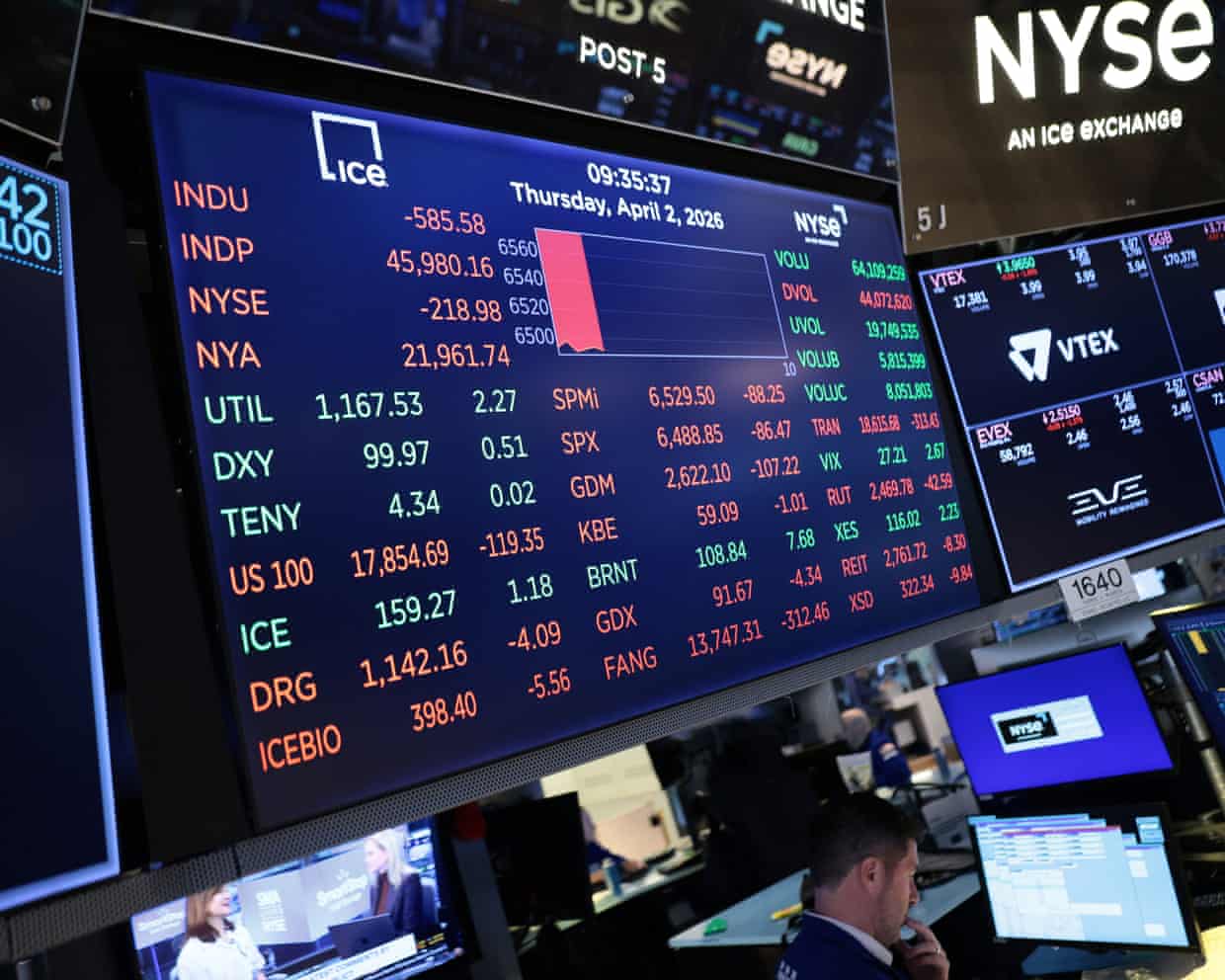
Central bank bosses enlist for war game to gauge threat of Lehman-style bust
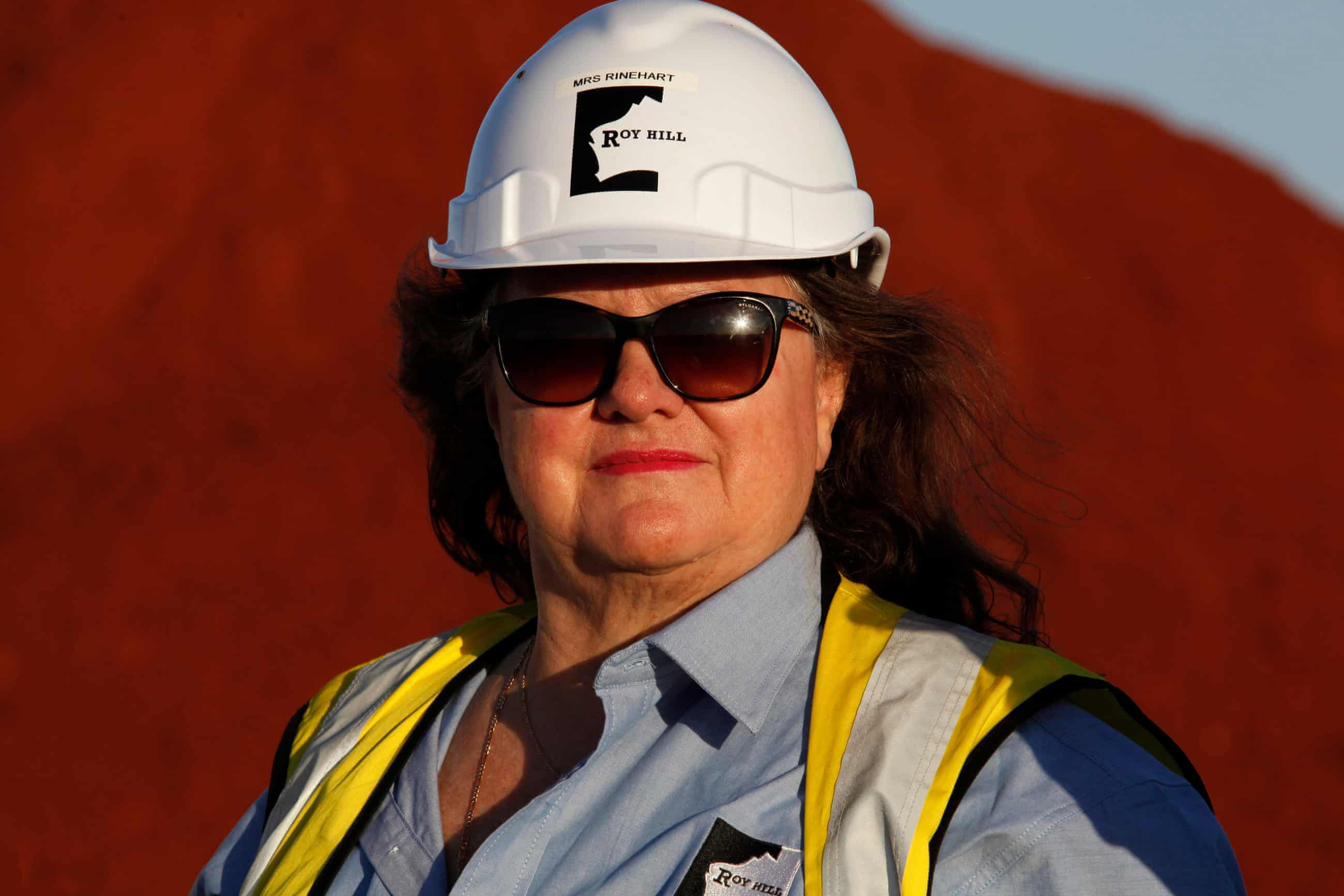
Iron will: Australia’s richest person counts the cost as court orders she share mining millions with rival family
Rachel Reeves to raise windfall tax on low-carbon electricity generators
Oil price drops below $90 a barrel after Iran says strait of Hormuz is open
Oil tumbles 10% and stock markets rally as Iran declares strait of Hormuz ‘completely open’ – as it happened
Employees at first ever Starbucks store seek to unionize amid fight for contract