Effect of ‘gamechanger’ Alzheimer’s drugs ‘trivial’, review concludes

Drugs that have been hailed as a gamechanger for the treatment of Alzheimer’s disease make no noticeable difference to patients, according to an extensive review.The analysis of clinical trials in people with mild cognitive impairment or mild dementia found that the effects of anti-amyloid drugs on cognition and dementia severity over 18 months were “trivial”, with improvements in functional ability “small at best”.The verdict is a blow to the new wave of drugs that are designed to slow Alzheimer’s by clearing clumps of amyloid protein that build up in the brain.Amyloid plaques are a hallmark of Alzheimer’s disease, along with another protein called tau which forms toxic tangles in neurons.The Cochrane review drew on gold standard methods to assess data from published clinical trials, but was criticised by some researchers and charities for combining results from older, failed drugs with those from newer, more effective medicines.
“It’s not surprising that if you pool results from effective and ineffective treatments you end up with a small or absent average treatment effect,” said Charles Marshall, professor of clinical neurology at Queen Mary, University of London.Anti-amyloid drugs were hailed as a gamechanger when clinical trials showed small but statistically significant improvements in patients.Medical regulators around the world approved lecanemab made by Eisai, and donanemab, made by Eli Lilly, but many countries stopped short of providing them through public health services.In the UK, the National Institute for Health and Care Excellence (Nice) said that despite the drugs slowing the disease by four to six months, the cost to the NHS was not justified.Nice is revisiting the decision after an appeal by the manufacturers.
The Cochrane review analysed 17 clinical trials that typically lasted 18 months,They involved more than 20,000 people and assessed seven anti-amyloid drugs in people with mild cognitive impairment or dementia,Edo Richard, a co-author on the review and professor of neurology at Radboud University medical centre in the Netherlands, said the analysis found “no clinically meaningful effect on cognitive decline or dementia severity”, and that the drugs caused more swelling and bleeding in the brain than the placebo,“These effect sizes are too small for patients and caregivers to notice,” Richard said, adding that the drugs were also “burdensome” because patients must visit a clinic every two to four weeks to receive the intravenous drug infusions and have regular MRI scans to check for brain swelling or bleeding,He defended the decision to pool results from different drugs as all aimed to remove amyloid from the brain and assessed the impact on patients in a similar way.
The review concludes that researchers should explore new ways to treat the disease.Robert Howard, professor of old age psychiatry at UCL, said emerging trial data for anti-amyloid drugs raised doubts about whether they truly altered the course of Alzheimer’s.“It’s very difficult being the person who says these things, but I don’t think it’s fair on patients to have expectations raised,” he said.“The sad truth is that even the best-performing drugs don’t do anything that’s clinically meaningful.”Dr Susan Kohlhaas at Alzheimer’s Research UK said: “This study is attempting to paint an entire class of drugs with the same brush even though we know different anti-amyloid treatments can act in different ways.
Only two of the 17 studies included were for the medicines now approved in the UK, lecanemab and donanemab.The rest focused on drugs that were not pursued after failing to show meaningful benefit, inevitably shaping the review’s conclusions.“Anti-amyloid treatments will not be the whole answer to curing Alzheimer’s, and research is already moving towards a wider range of biological targets.But it’s not accurate to dismiss their impact as ‘trivial’, especially when the analysis has clear constraints that limit what it can tell us.”
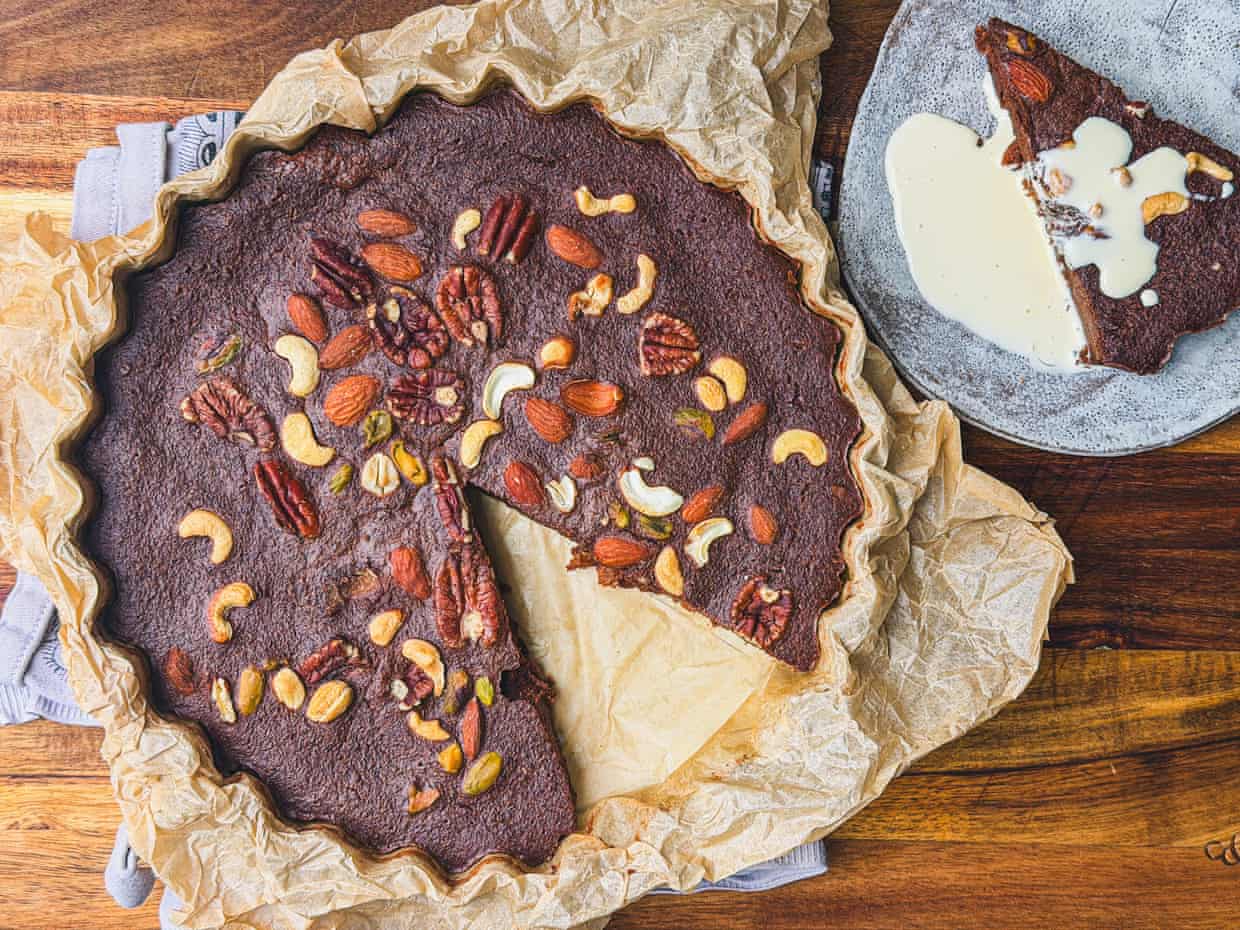
How to turn old bread into a brilliant Italian cake – recipe | Waste not
Old sourdough is my secret ingredient. To stop it going mouldy, I take it out of any plastic packaging and keep it in the bread bin with plenty of airflow around it – that way, it will dry out slowly, rather than turning mouldy. Any odds and ends, meanwhile, I store in a cloth bag to use in various dishes, from pangrattato (or poor man’s parmesan) to strata, a savoury bread-and-butter pudding.My new favourite recipe discovery for using up stale bread is today’s torta paesana, or village cake, from Lombardy. The best way I can come up with to describe it is that it’s a bit like a firm baked custard
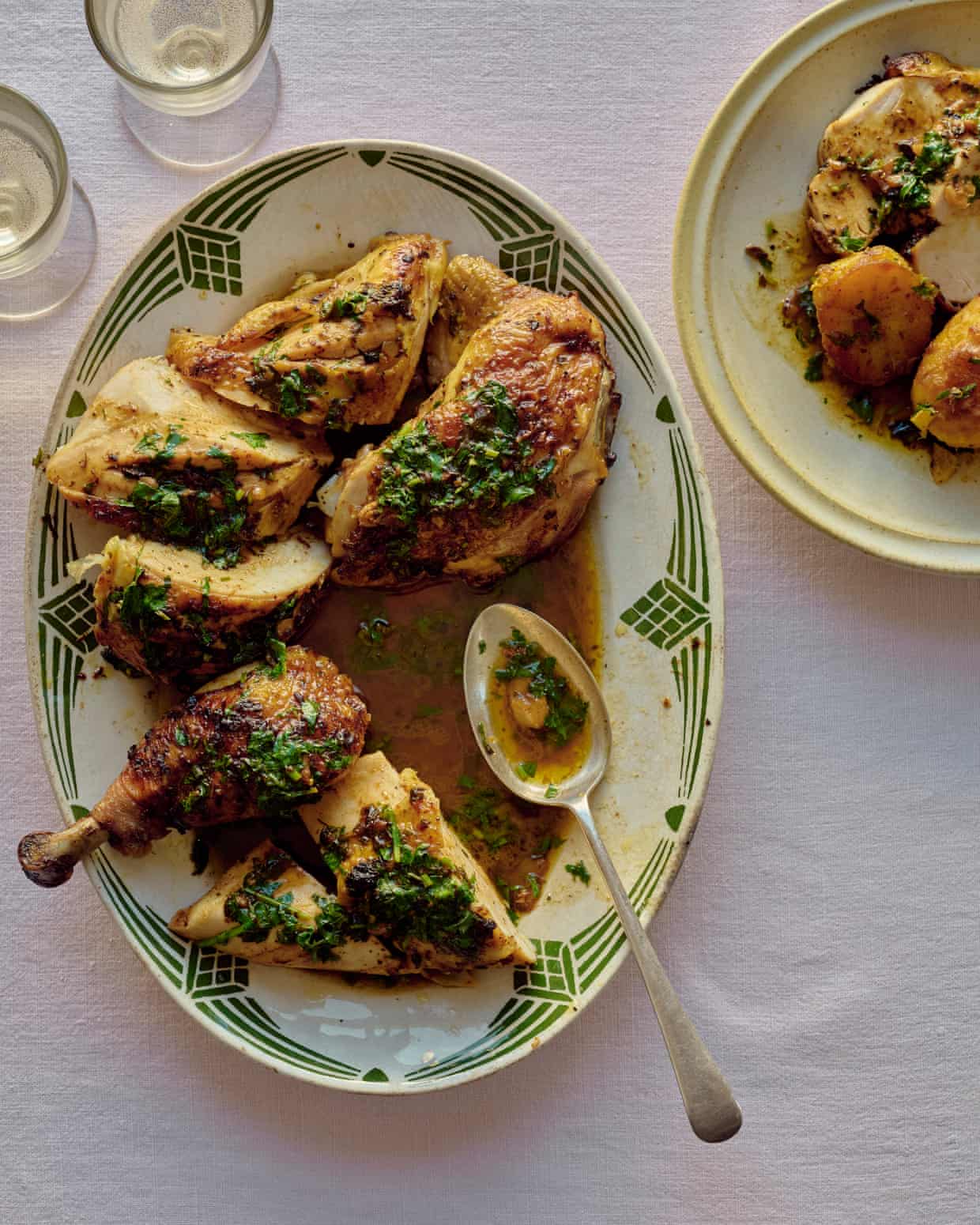
Roast chicken, cheesy scones and a genius cocktail: Ravinder Bhogal’s recipes for cooking with lime pickle
I’m obsessed with lime pickle. It’s savoury, sour, funky, spicy and full of bold personality that enlivens anything it’s smeared on. It’s made by salting and fermenting limes with chillies and spices for a fierce, flavour-packed condiment that’s traditionally eaten as a side to poppadoms or with simple dal and rice. Over the years, I have also folded it into grilled cheese toasties, marinades for fat prawns to barbecue in the summer or made compound butters with it to smother over sweet potatoes before roasting. It’s an instant flavour bomb and my pantry is never without a jar

Vegemite is recognised globally – but how many people know Milo was invented in Australia?
The chocolate malt powder is sold in more than 40 countries, and Australian cafe owners say there’s ‘jingoistic pride’ in serving it on their menusGet our weekend culture and lifestyle emailWhen I order the jumbo-sized Milo Godzilla at Ho Jiak in Sydney’s Haymarket, it arrives as advertised – it’s comically large. The Malaysian restaurant prepares the drink by swirling Milo powder with hot water, adding sweet drizzles of condensed milk then chilling the mix with ice. Scoops of ice-cream are added and extra choc-malt powder is showered on top. Served in a one-litre jug, it’s so big I can’t finish it solo: staff hand me three takeaway cups to transport the leftovers.Like many beloved Milo drinks, the Godzilla is native to south-east Asia
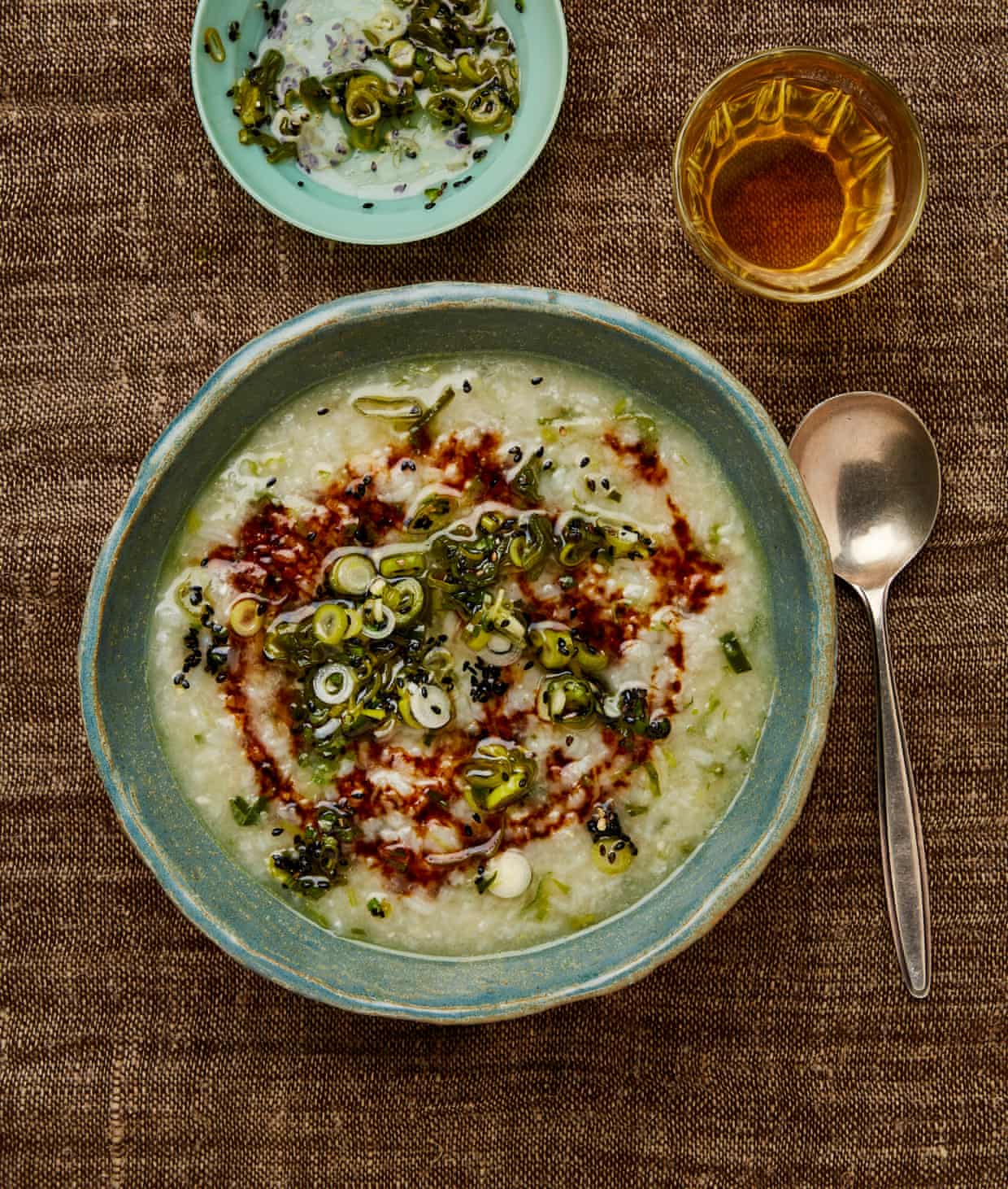
What can I do with leftover rice? | Kitchen aide
How do I store cooked rice safely, and what can I make with it the next day?Michael, by email“It’s a bit of a running joke with rice, because I think of all the people in China who aren’t spreading their leftover rice immediately on to a tray to cool and are still alive,” says Amy Poon, of Poon’s at Somerset House in London. “But I have to be responsible and say: cool the rice as quickly as possible, within the hour, and put it in an airtight container and pop it in the fridge [or freezer] straight away.” The reason being, as food science guru Harold McGee notes in his bible On Food & Cooking, “Raw rice almost always carries dormant spores of the bacterium Bacillus cereus, which produces powerful gastrointestinal toxins. The spores can tolerate high temperatures, and some survive cooking.” In short: good storage practices will prevent bacterial growth, not to mention open a whole world of dinner opportunities
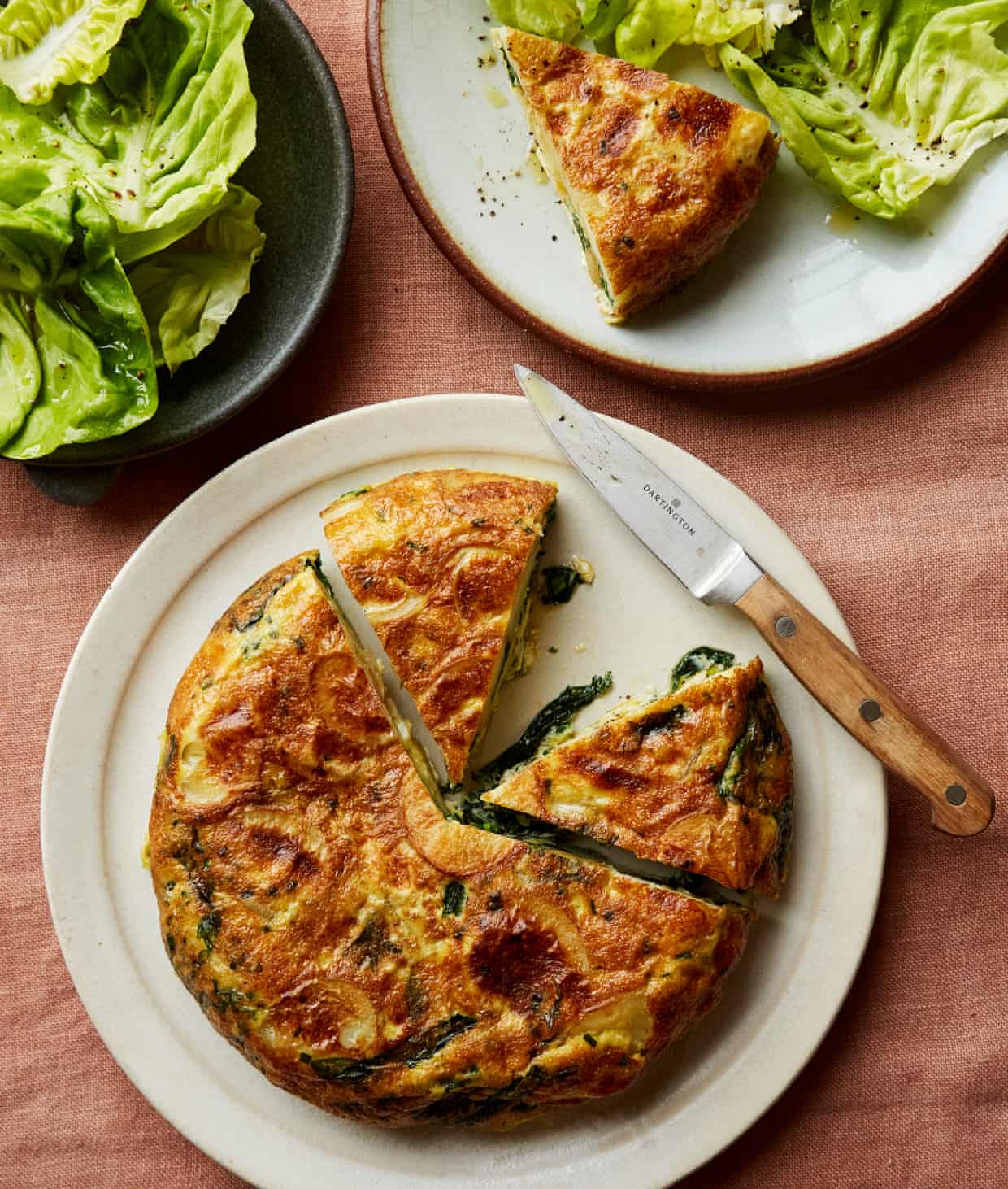
José Pizarro’s recipe for nettle (or wild garlic) and goat’s cheese tortilla
When I was growing up in the small village of Talaván in Extremadura, Spain, we never ate nettles. They were wild plants that grew along the edges of the fields, and the sort you tried to avoid: like many children, I learned about them the hard way, brushing against them while playing and getting stung. It was only when I came to the UK that I first saw nettles used in cooking, which surprised me: suddenly, this wild plant had a place in the kitchen. Now, whenever I visit my mum, Isabel, I see them everywhere. It makes me smile to think that at this year’s Spring Garden at the Chelsea flower show, I will be cooking among a world of magnificent plants and gardens
Gone from shop shelves, but not forgotten | Letters
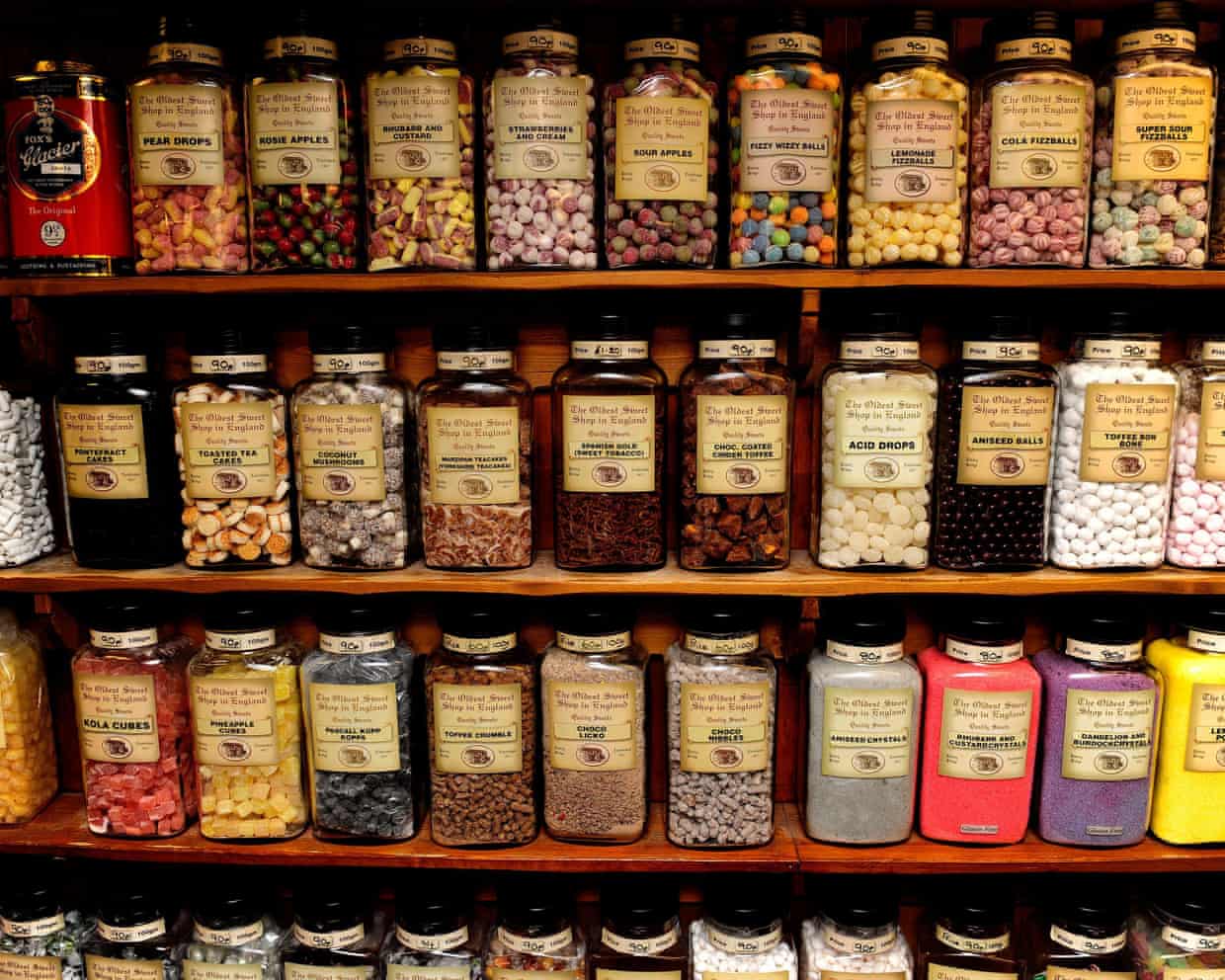
How lucky for Adrian Chiles that he didn’t live in the German Democratic Republic (Rose’s Lime Marmalade? Gone. Dark chocolate Bounty? No more. But what about their heartbroken fans?, 8 April). After reunification, there were street markets selling the last of products from the old days, and there was an exhibition in a national museum – memorably called “They’ve even taken our tomato ketchup” – lamenting the loss of many food products and other features of former times, such as children’s TV programmes.Derek JanesDuns, Scottish Borders Can Adrian Chiles tell me where to find Halls’ chocolate sour lemons? Maybe they stopped being made because they turned your tongue black, but they tasted great

It will take more than £600m a year to boost UK industrial competitiveness | Nils Pratley

IMF chief Georgieva warns ‘everyone will feel the impact’ of energy price shock, as UK growth beats forecasts – as it happened

Europe has only six weeks’ supply of jet fuel left owing to Iran war, says energy chief

Metro Bank boss handed record £2.6m a year after slashing 1,000 jobs

Tesco warns profits could fall amid Iran war uncertainty

UK could face gaps on supermarket shelves by summer if Iran war continues