NEWS NOT FOUND

Hundreds of thousands of NHS staff in England attacked and harassed, survey shows
Hundreds of thousands of NHS staff have been attacked, harassed, bullied, or subject to racism, latest NHS figures show.The health service’s 2025 staff survey found that one in seven had experienced violence from patients or the public, while more than a quarter reported harassment, bullying and abuse, the highest levels in three years.Given that the NHS in England employs 1.5 million people, this would equate to about 217,000 experiencing violence and more than 380,000 reporting harassment and bullying in 2025 alone.Sexual harassment has also reached record levels, the figures show
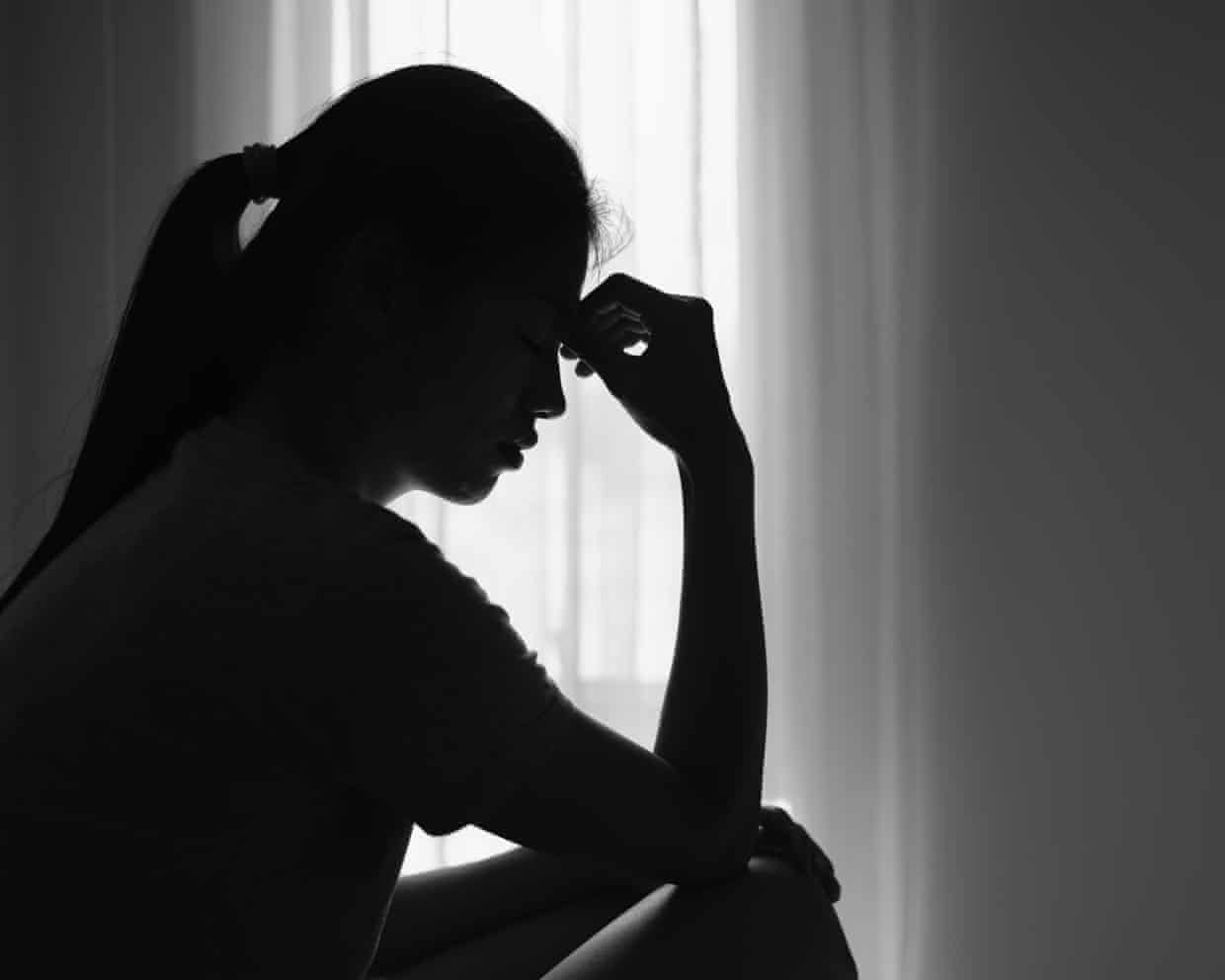
‘Nowhere near enough’ being done to tackle misogyny among young boys
Not enough is being done to tackle misogyny among young boys and the toxic online influences on them, according to the National Police Chiefs’ Council lead for domestic abuse in response to data showing an estimated 18% of 16- to 19-year-old girls are victims of abuse.Louisa Rolfe said: “That’s a huge proportion of young people. And we work very hard in this space to look at where we apply justice outcomes, but we don’t want to criminalise a whole cohort of young people. We absolutely must identify the most harmful behaviour, but also our preference would be to prevent it.”She added: “This kind of offending needs a whole society response in terms of increasing understanding [of] the dynamics of abuse, particularly
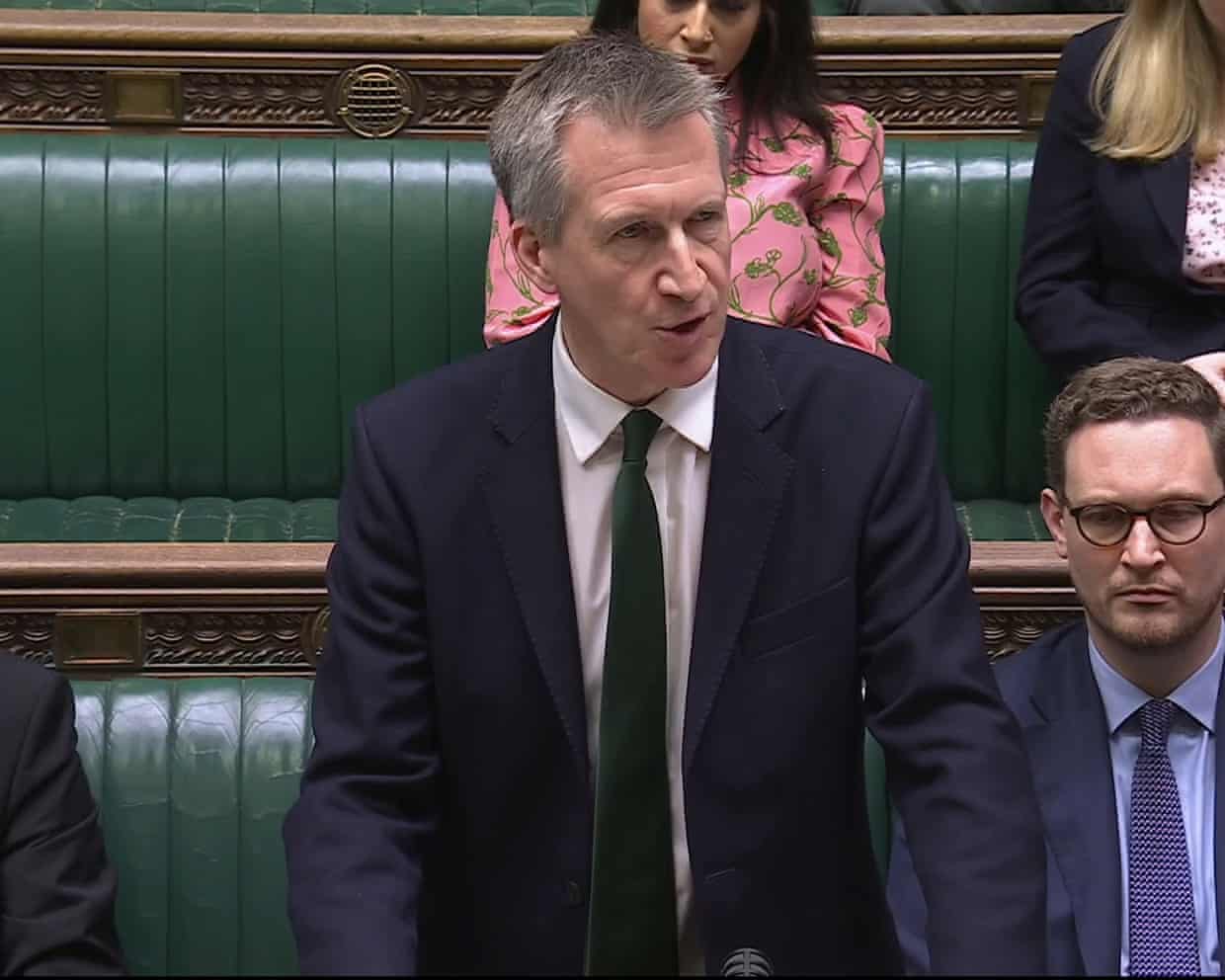
Threats against female MPs having ‘chilling effect’ on women in public life, minister says
Threats against female MPs are having a “chilling effect” on talented women thinking of going into public life but deciding not to, security minister Dan Jarvis has said.Warning that there was an “unprecedented” volume of threats against elected representatives – including assaults, vandalism, stalking and a “blizzard of online abuse” – Jarvis announced new security measures ahead of the local elections.“Women and ethnic minority representatives report the highest volumes of abuse, including overtly sexualised and racially charged threats, which has a chilling effect on who feels able to stand for public office,” he told MPs.The government announced the appointment of a deputy chief constable from Cambridgeshire police, Chris Balmer, as the National Police Chiefs’ Council lead for defending democracy.Other measures announced include the creation of a new threat assessment centre – modelled on an existing one for MPs – staffed by a specialist team based in counter-terrorism policing who will monitor and respond to threats against councillors and candidates in the upcoming local elections
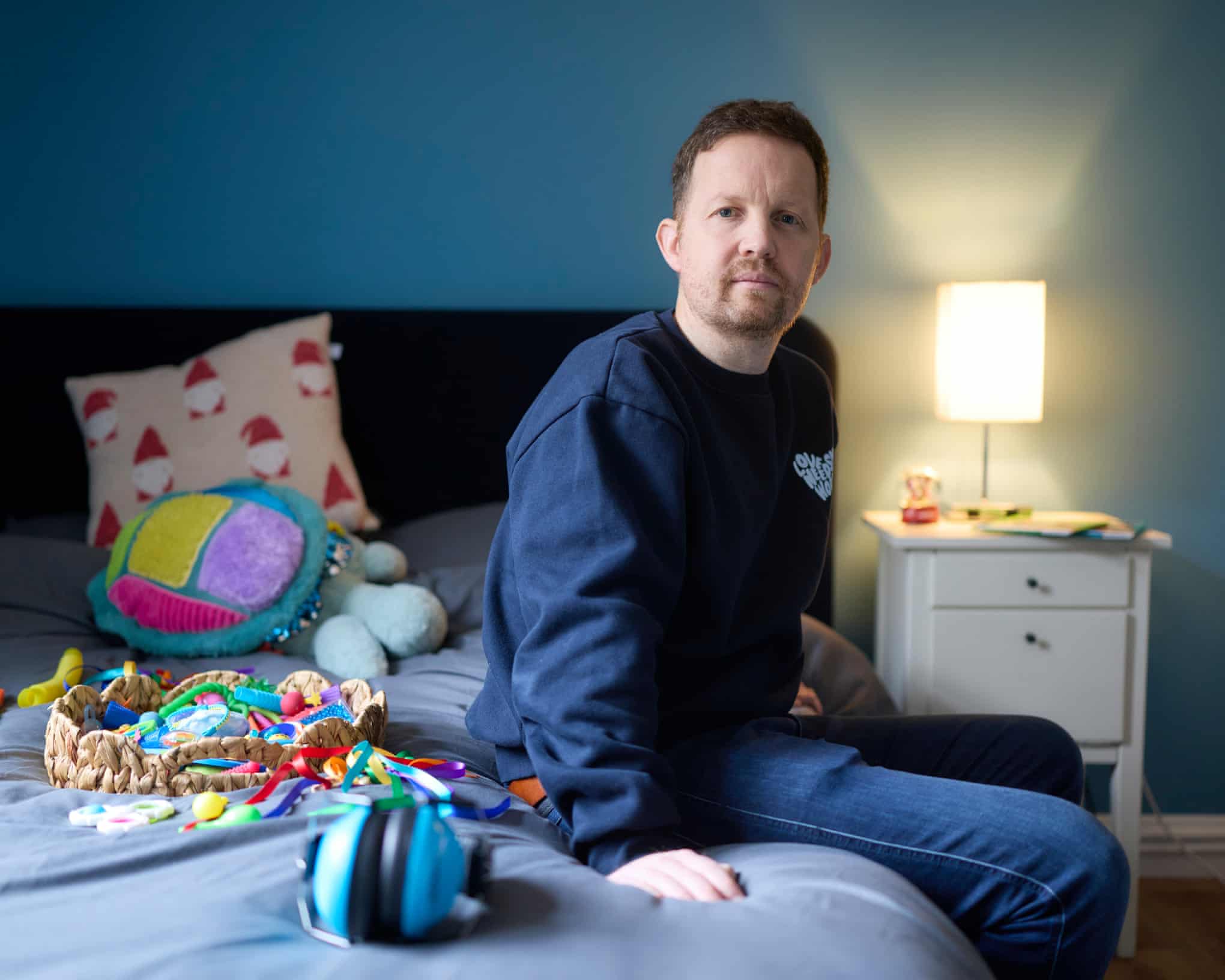
Life with my autistic sons: ‘How do you explain all the worries, the sleepless nights?’
When James Hunt began posting about his boys online, it was a way to describe the emotions and experiences of their extraordinary lives. In sharing his family’s joy and struggles, he realised they weren’t aloneMy conversation with James Hunt begins the usual way: an exchange of hellos, followed by the most mundane of questions. “How are you?” I ask.Although he responds predictably – “I’m all right … I’m good” – we both know that underneath this answer lurks a whole world of experience, and the plain fact that some people’s everyday lives are lived in extraordinary circumstances.Six months ago, this fortysomething father was leading the kind of life that might have caused plenty of people to break into small emotional pieces
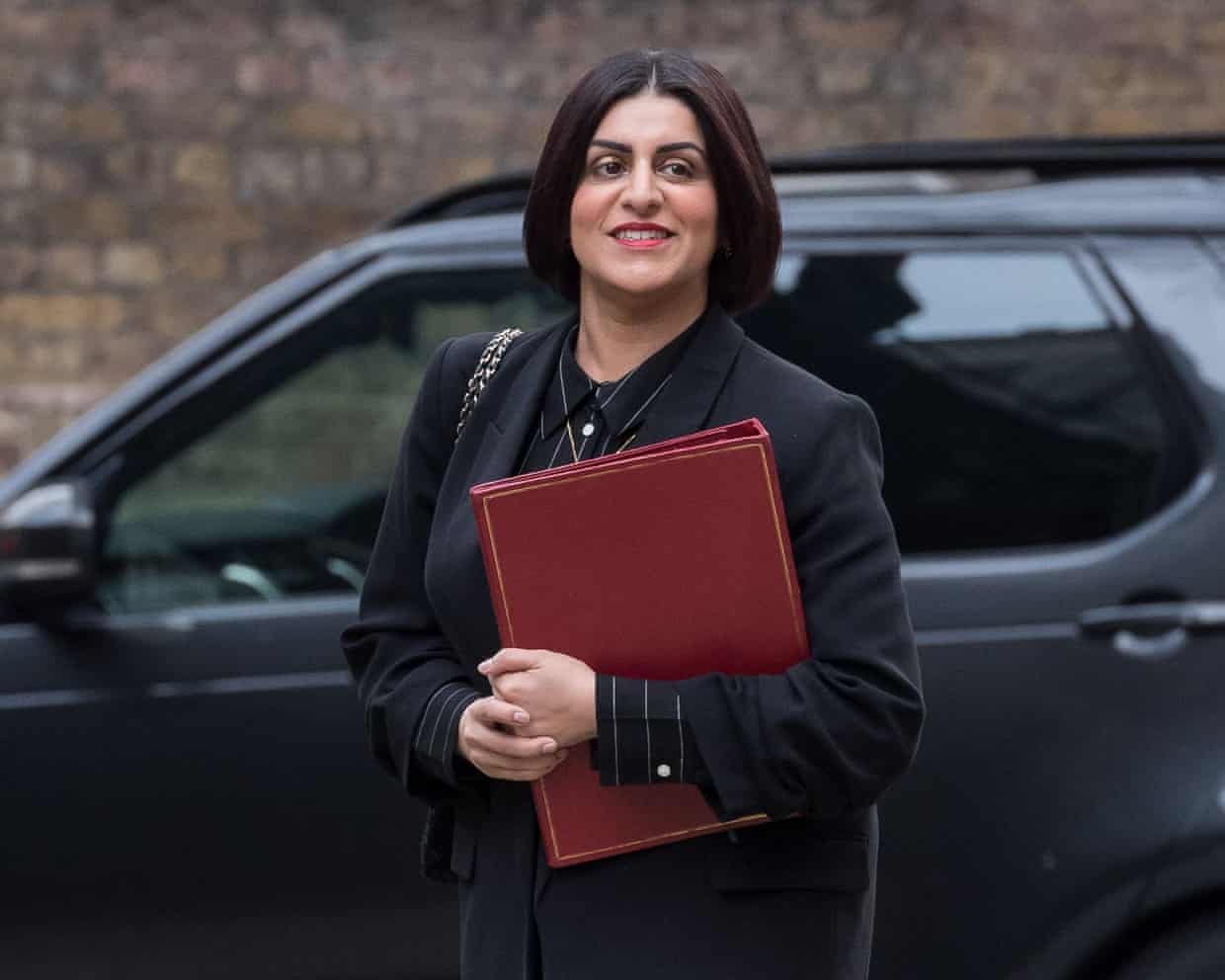
Proposed law change will protect abusive men who push women to suicide, campaigners warn
Men whose abusive behaviour drives women to take their own lives are more likely to get away with their crimes because of proposed law changes, justice campaigners say.Ministers want to make it harder for inquests to pass verdicts of unlawful killing, which have been crucial in getting justice for women who killed themselves after suffering abuse.In October last year, Georgia Barter was found to have been unlawfully killed after suffering a decade of domestic violence and abuse. In 2023, an inquest found that Kellie Sutton, whose death was classed originally as a suicide, was unlawfully killed after suffering domestic abuse.The unlawful killing verdicts followed campaigns by the families of the women
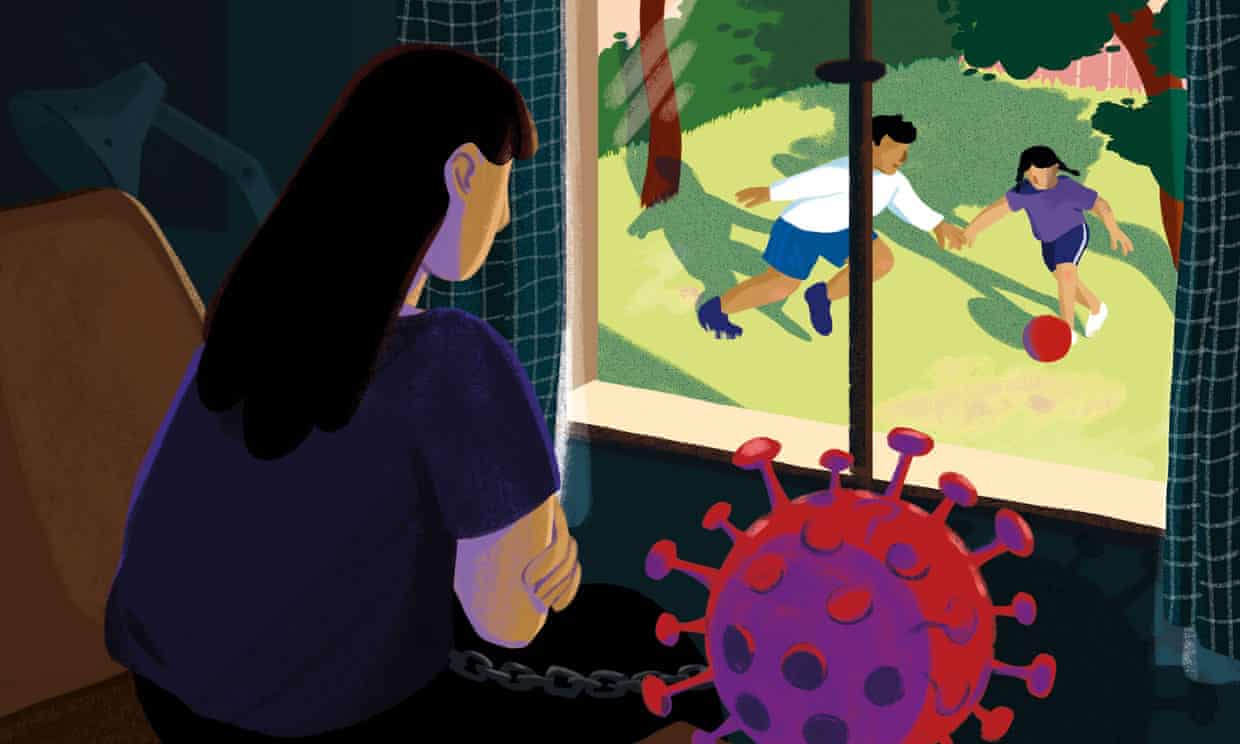
For many of us, the Covid pandemic still isn’t over | Brief letters
I was surprised to see that your article (The Covid-19 inquiry is sounding a clear warning. If it’s not heeded, yet more lives will be lost, 5 March) speaks of those who suffered during the pandemic in the past tense, and does not mention the hundreds of thousands, like myself, who still suffer from long Covid. It is a devastating condition that is too often forgotten when the pandemic is discussed. Meanwhile, long Covid clinics are underfunded and many have closed. To many, the pandemic must feel like a nightmare that is thankfully in the past
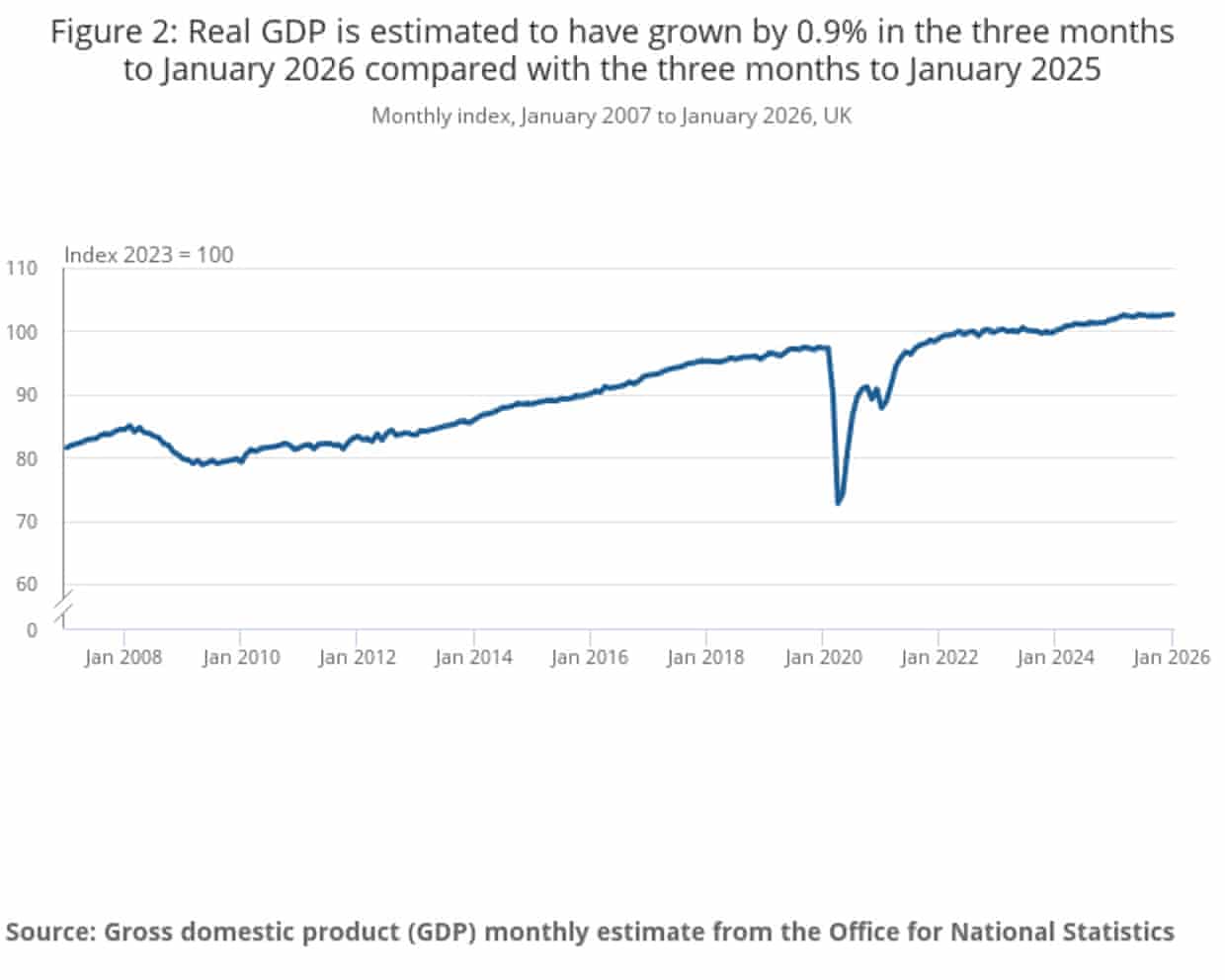
Oil price shock likely to ‘push the UK economy into recession’; US growth revised down – as it happened
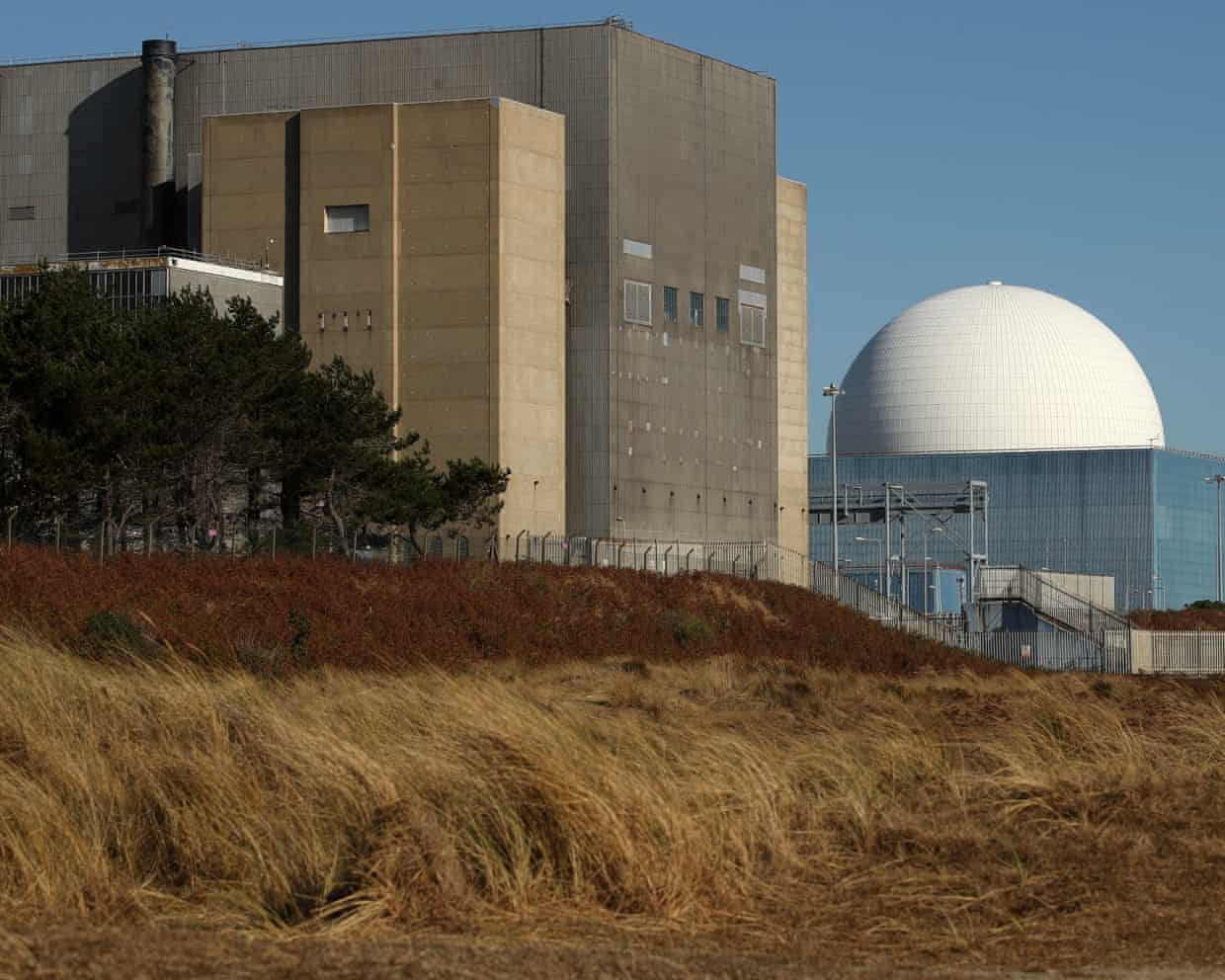
Miliband reveals plans that could mean nuclear power plants built near homes

Anthropic-Pentagon battle shows how big tech has reversed course on AI and war
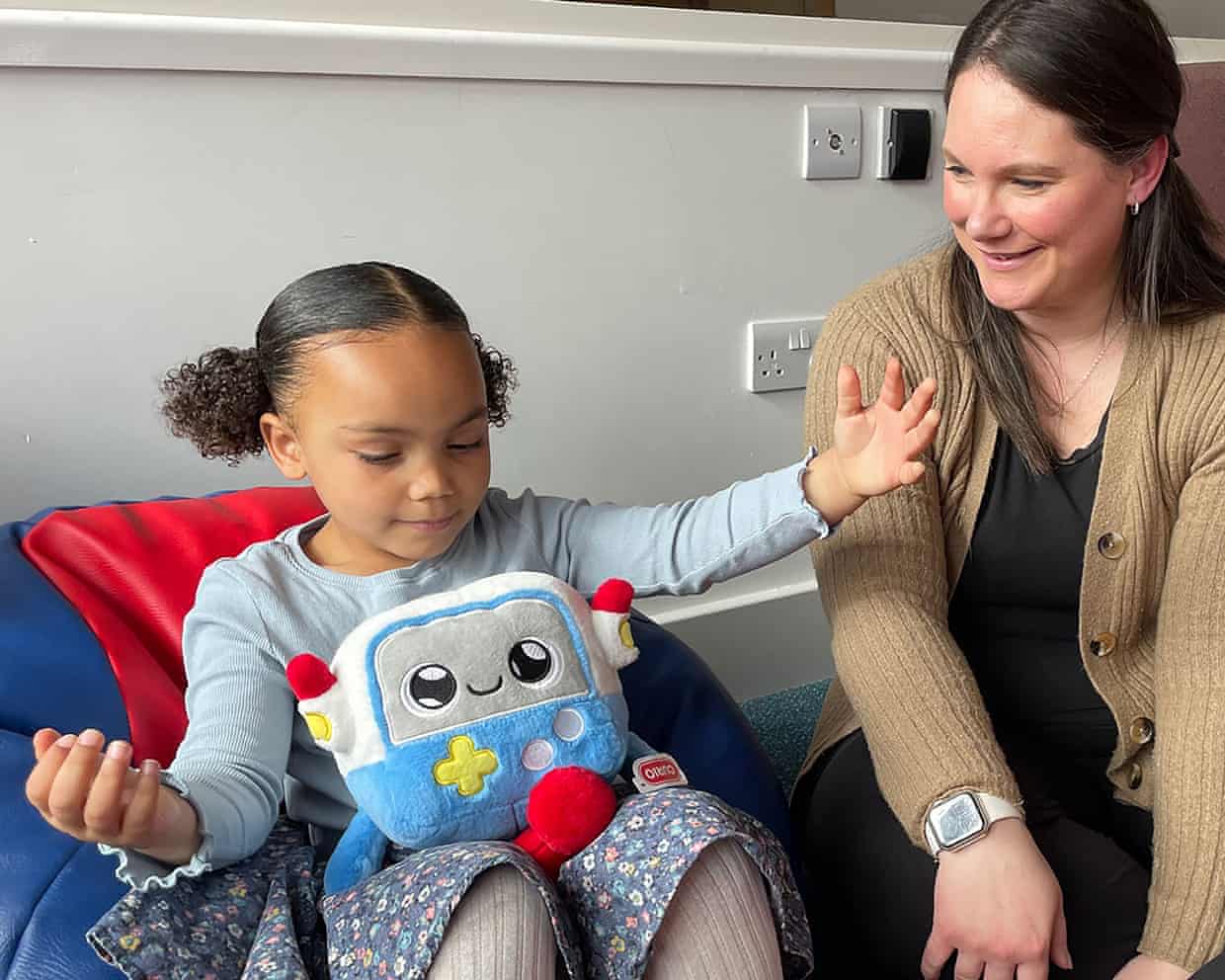
AI toys for young children must be more tightly regulated, say researchers

Borthwick and Itoje fight for their futures as England seek redemption in Paris
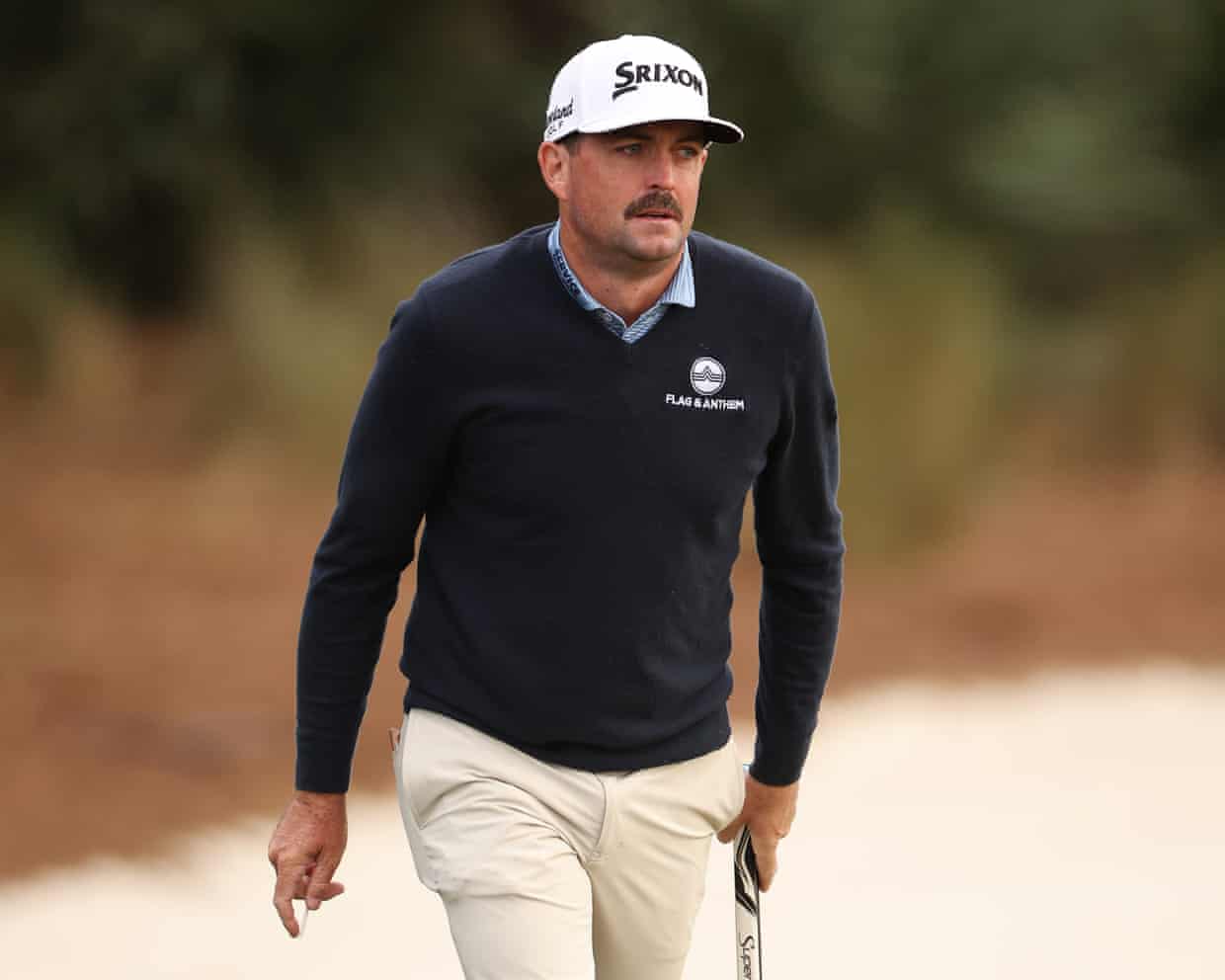
Keegan Bradley ‘still heartbroken’ by Ryder Cup loss but open to returning as USA captain