Oil price shock likely to ‘push the UK economy into recession’; US growth revised down – as it happened
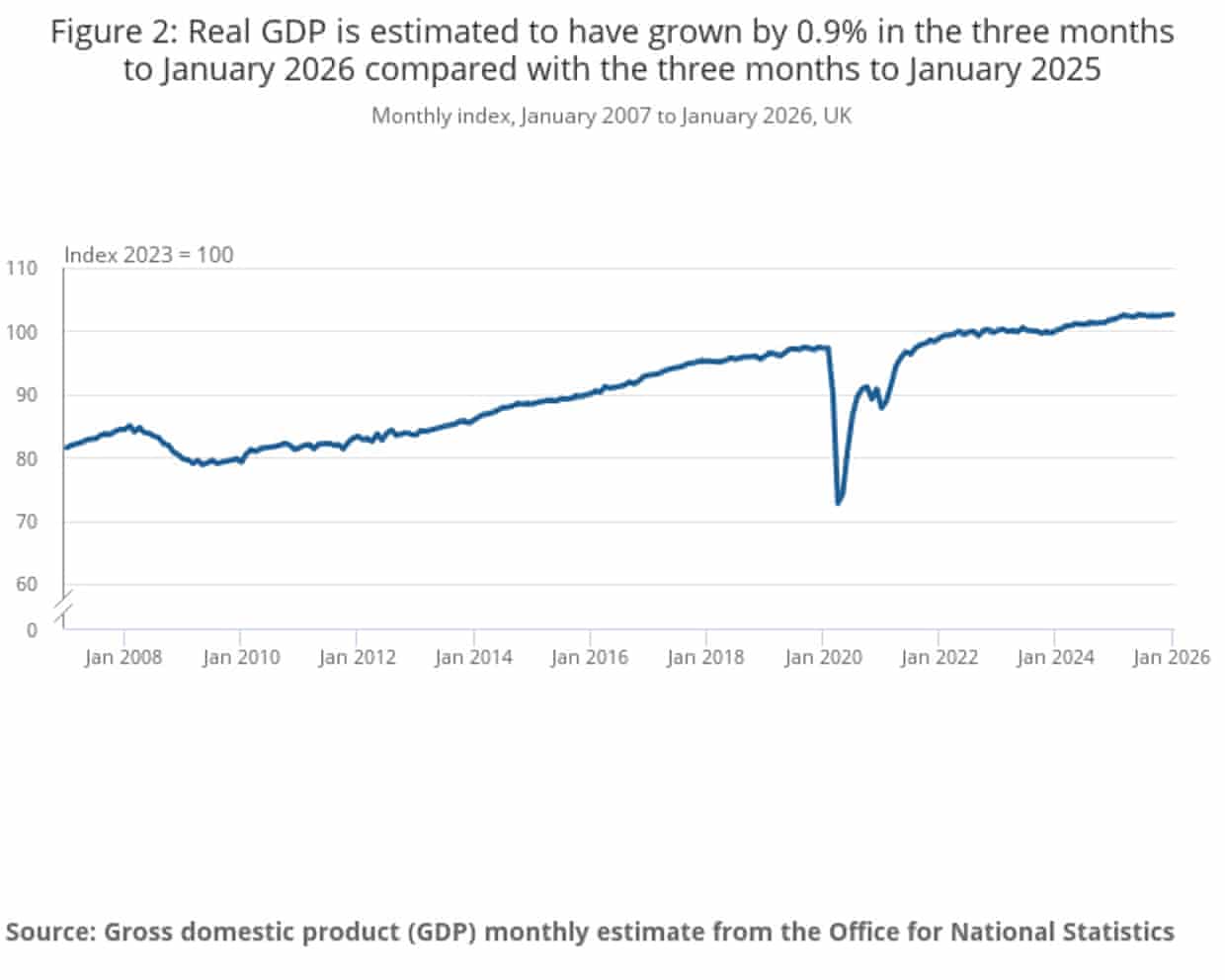
The oil price shock hitting the global economy could push the UK into recession, Tomasz Wieladek, chief European macro economist at investment managent firm T.Rowe Price, is warning this morning.Wieladek says the UK’s economy’s failure to grow in January show that it was weak even before the oil shock, which is likely to hit consumer spending and create more cost of living pressures.Following today’s weaker-than-expected GDP report, Wieladek writes:double quotation markUK GDP growth stagnated in January, far weaker than market expectations of a 0.2% month-on-month pickup.
The weakness was driven by services, the main part of the UK economy, and can be partially explained by tight monetary policy and the fiscal policy consolidation the UK is currently experiencing,Both of these policies are reducing demand, and the data is beginning to show it,Furthermore, AI is likely reducing hiring in the services sector, which in turn is leading to higher unemployment and softer demand,Overall, the UK economy has been weak ahead of the most recent oil shock,The war in the Middle East and the consequent oil price rise will raise inflation and reduce consumer spending.
The associated tightening in financial conditions we have seen in the bond market will exacerbate these effects,There will be significant demand destruction going forward,The UK has been one of the weakest advanced economies in terms of recent growth performance,Therefore, the current oil price shock will most likely not just lead to inflation, but also push the UK economy into recession, raising unemployment and reducing GDP,Stagflation is just around the corner.
This puts the Bank of England (BoE) into a difficult position, he adds:double quotation markOn the one hand, the BoE’s inflation-target credibility has weakened, as UK inflation has been higher and more persistent than elsewhere.On the other hand, a recession is likely.What should the BoE do? The key to easing financial conditions and supporting the recovery from the recession is to ease the current financial tightening.The best way to achieve this is to keep policy tight and publicly commit to reaching the 2% target at all costs.A hawkish approach to monetary policy can kill two birds with one stone in this situation.
Inflation credibility can be restored, and financial conditions will ease, as inflation risk premia get priced out.The BoE should keep rates on hold and prepare the public for the prospect of further hikes.Time to wrap up….The UK economy unexpectedly flatlined in January, stoking concerns over growth amid the global energy price shock triggered by the US-Israel war on Iran.Figures from the Office for National Statistics (ONS) showed 0% growth in gross domestic product (GDP), down from an increase of 0.
1% in December, as the economy failed to recover from uncertainty surrounding the chancellor Rachel Reeves’s autumn budget,Falling significantly short of City predictions for growth of 0,2%, the figures came as the UK and other countries faced a potentially severe economic hit as the Middle East conflict drove up oil and gas prices, hitting consumers with higher living costs,The pound fell against the US dollar after the figures were released, to a three-month low,In a fresh blow to the government’s growth ambitions after a challenging start to the year, output in the service sector flatlined amid falls in recruitment activity and the hospitality sector.
One eoconomist warned that the oil crisis could drive the UK economy into a recession this year, although others were less pessimistic.There was gloomy GDP news from the US too, where the economy only grew half as fast as initially estimated in the last quarter of 2025.US GDP rose at an annual rate of 0.7% in October-December 2025, new data from the US Bureau of Economic Analysis shows.That’s the equivalent of less than 0.
2% growth in the quarter.The trade body for the UK’s petrol station industry has got into a row with the government after claiming the “inflammatory language” used by ministers to describe rising pump prices may have incited abuse against forecourt staff.The Petrol Retailers Association (PRA) said ministers had for several days suggested that forecourts might be “price gouging” and “ripping off” motorists as global oil markets have surged in response to the war in Iran.Owners of SUVs could face charges to drive in London, after the mayor and transport authorities said they were reviewing the increased danger posed by larger, heavier cars…..
….And London mayor Sadiq Khan has said he would be encouraging the Met to abandon his armoured car in favour of a smaller vehicle.Ed Miliband has unveiled plans that could make it easier to build nuclear power plants closer to homes and on sensitive nature sites, as he attempts to speed up the development of energy infrastructure.Benchmark UK government bond prices are weakening this afternoon, pushing up the yield (or interest rate) on the debt.The 10-year gilt yield is up 5 basis points (0.
05 percentage points) today, on track for its highest daily close since January 2025, Reuters points out.After another volatile week, the UK’s stock market has closed with a fall today.The FTSE 100 index has closed down 44 points, or 0.43%, at 10,261 points tonight.That means it has lost around 0.
23% this week, after losses every day except Tuesday (when it jumped by 1.6%).That’s the second weekly fall in a row, after a 5.7% tumble in the first week of the Iran war.The average UK petrol price has hit an 18-month high, data from motoring group the RAC shows.
According to the RAC, the average price of a litre of petrol has risen to 140.60p, up from 132.8p the day the Iranian war began.Diesel is now being sold at an average of 159.18p, up from 142.
38p two weeks ago,RAC head of policy Simon Williams says:double quotation mark“Households, especially those that depend on the car, are under increasing financial pressure as a result of the conflict in the Gulf,The average price of a litre of unleaded has now risen by 6%, or nearly 8p, to 140,6p since the start of the conflict and is it at its highest in 18 months,Diesel has rocketed by 12% - or almost 17p - to 159.
2p a litre, a price we’ve not seen since November 2023,Filling a family car is now £4 and £9 more than it was less than two weeks ago,Williams adds:double quotation mark“The fact the cost of a barrel of oil has exceeded $100 and wholesale fuel prices continue to rise is concerning, but it’s the speed at which drivers are feeling the effects which is under the spotlight now,Drivers deserve - and should expect - to be treated fairly when it comes to filling up, especially with pump prices still heading north,We therefore hope the meeting between the fuel industry and government on this important issue is productive.
Reminder: that meeting should be taking place today:The pound is continuing to have a bad day, after this morning’s GDP data showed the UK’s economy didn’t grow in January.Sterling is now down a whole cent, and traded as low as $1.3228, its lowest since 3 December.This is mainly driven by the strength of the dollar, with the pound pretty flat against the euro today.The Iran conflict could disrupt supplies of sulphuric acid, which plays an important role in the base metals market.
Natixis CIB Research have warned this week that the war could tighten the market further as Middle Eastern producers account for around a quarter of global sulphur supply.This sulphur is produced through oil and gas refining, and then turned into sulphuric acid, which is itself used to extract metals such as copper and nickel from their ores.Natixis analyst Bernard Dahdah explains:double quotation markSulphuric acid is particularly important for the base metals market.It is a key reagent in hydrometallurgy and leaching, particularly for extracting metals such as copper, nickel, uranium and REE.Sulphuric acid is mainly produced from elemental sulphur (the feedstock) which mostly comes from oil and gas refining along with gas processing.
Over the past two and half years prices have risen by around 500% mainly due to a surge in nickel HPAL,In September of last year, Ukraine successfully targeted Russia’s Astrakhan processing gas plant,As Russia stopped the export of sulphur, prices almost doubled by the end of 2025,The war between the US/Israel and Iran has exacerbated the tightness in supply as the Middle East accounts for almost a quarter (around 84 Mt) of the world’s sulphur production,Quite a row has blown up between Britain’s petrol retailers and the government today.
Earlier today the Petrol Retailers Association (PRA) said it has withdrawn from a meeting with chancellor Rachel Reeves in Downing Street today over “concerns that inflammatory language by government ministers was leading to incidents of retail staff being abused by members of the public”.But the PRA have now pulled a u-turn.The PA news agency has reported that the PRA will attend the meeting with Reeves, and has deleted a series of posts on X in which it said it had pulled out over concerns that “inflammatory language” from ministers had led to retail staff being abused by the public.Our Politics Live blog has all the details:UK household energy bills are likely to jump this summer unless oil and gas bills ease back towards their pre-Iran war levels.Consultancy Cornwall Insight now estimates that the UK energy price cap will rise to £1,827 per year for a typical duel fuel consumer is £1,827 in July, when it is next due to be set.
The cap is due to fall to £1,641 a year in April, a drop of 7%.American consumer morale has dropped this month, as the Iranian war drives up fuel costs.The University of Michigan’s monthly gauge of consumer sentiment has dropped to 55.5 points this month, down from 56.6 in February.
People grew gloomier after the conflict in the Middle East began.Surveys of Consumers director Joanne Hsu explains:double quotation markConsumer sentiment dipped about 2%, reaching its lowest reading of the year.Interviews completed prior to the military action in Iran showed an improvement in sentiment from last month, but lower readings seen during the nine days thereafter completely erased those initial gains.Gasoline prices have exerted the most immediate impact felt by consumers, though the magnitude of passthrough to other prices remains highly uncertain.A broad swath of consumers across incomes, age, and political affiliation all reported declines in expectations for their personal finances, down 7.
5% nationally.Interviews for this release were collected between February 17 and March 9, with about half completed after the start of the US military conflict in Iran.Wall Street has opened higherThe Dow Jones industrial average has gained 395 points, or 0.85%, in early trading to reach 47,073 points, with most stocks rising.The broader S&P 500 share index is up 0.
8%, as has the tech-focused Nasdaq.A report in the Financial Times today that European countries including France have opened talks with Tehran seeking to negotiate a deal to guarantee safe passage for their ships through the Strait of Hormuz may be calming jitters about the Middle East.Motorists in Michigan are irked that the Iranian conflict has driven up their gasoline bills, my colleague Tom Perkins reports from Detroit:double quotation markOn a rainy Detroit afternoon at a gas station off Interstate 75, Victor Rodriguez watched the pump tally tick up as he filled up his F-250 diesel pickup truck for $4.19 per gallon.It totaled $110.
“Ridiculous,” he said.The US-Israel war on Iran has crippled major portions of the oil supply chain, sending gas prices soaring as the conflict enters its third week.Rodriguez said he supports “getting rid of this thug”, referring to Iran’s Ayatollah Ali Khamenei, who was killed by the US, but the cost is too high.Rodriguez said he jumped off the freeway while returning from an airport drop-off because he saw diesel advertised for $4.19 per gallon.
The high price is a deal compared with the $5,00 per gallon he saw in Romeo, an exurb where he lives about a half-hour drive north,“Nothing is worth higher gas prices, obviously,” Rodriguez said,Seven in 10 Americans say Donald Trump’s tariffs have led to them paying higher prices, according to an exclusive new poll for the Guardian,The Harris Poll survey presents Republicans with a major problem in the battle for the upcoming midterm elections

NHS and MoD will be urged to buy British tech to drive growth amid Iran crisis
The NHS and Ministry of Defence will be urged to buy British tech, as the government pins its hopes on the benefits of artificial intelligence to kickstart growth in the face of the Iran crisis, Treasury minister Spencer Livermore has said.The chancellor, Rachel Reeves, will restate her economic strategy in a high profile lecture on Tuesday, just as rocketing oil prices have raised fears of higher inflation and weaker growth.Livermore, who works closely with Reeves on policy, said the chancellor will highlight three strategic choices – to get closer to the EU, to strengthen regional policy in the Oxford-Cambridge corridor and by better connecting Northern cities; and to bet big on the benefits of AI.On AI, Livermore said Reeves is keen to “set out the optimistic case”, despite growing fears about the potential impact of the technology for jobs, particularly among young people.“There are massive opportunities here and I think that’s what we want to try to talk about,” he said
Judge blocks justice department from subpoenaing Fed chair Jerome Powell
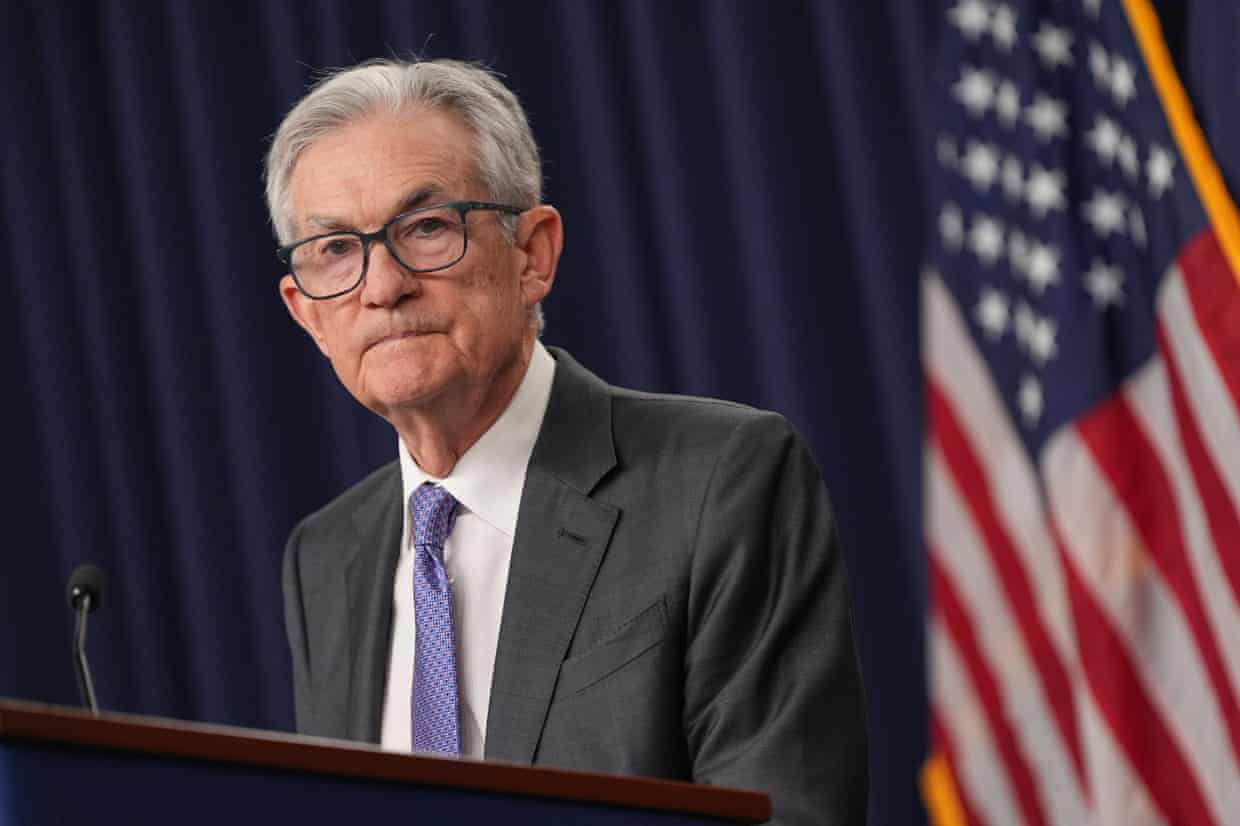
A federal judge on Friday blocked the justice department from serving subpoenas to Federal Reserve chair Jerome Powell in an inquiry purported to be about the management of the central bank’s renovation.Powell disclosed the surprise investigation on 11 January, and described the move as a threat to Fed independence and part of the Trump administration’s attempts to pressure the Fed to cut rates.The judge agreed, saying a “mountain of evidence” suggests the investigation was to pressure the Fed chair to lower rates or resign.“The government has produced essentially zero evidence to suspect Chair Powell of a crime; indeed, its justifications are so thin and unsubstantiated that the Court can only conclude that they are pretextual,” chief judge James Boasberg of the DC district court wrote on Friday.Tom Tillis, a Republican US senator, said on Friday an appeal by the Trump administration in a justice department case involving Powell “will only delay the confirmation of Kevin Warsh as the next Fed chair”

Fake rooms, props and a script to lure victims: inside an abandoned Cambodia scam centre
It is as if you have walked into a branch of one of Vietnam’s banks. A row of customer service desks, divided by plastic screens, with landline phones, promotional leaflets and staff business cards. A seated waiting area and a private meeting room. All of it features the OCB bank’s logo, or its trademark green colour.This is not a genuine bank branch, however

Apple cuts China App Store commission fees after government pressure
Apple announced late on Thursday it would lower the commission fees collected in its App Store in mainland China. The move follows pressure from regulators in the tech company’s second-largest market, as well as global scrutiny of its payment requirements.Fees for in-app purchases and paid transactions will be lowered to 25% from 30% starting on Sunday, Apple said in a statement on its blog for developers.“Apple is making changes to the App Store in China following discussions with the Chinese regulator,” the company’s announcement reads. “As of March 15, 2026, changes will be made to the commission rates that apply to the China mainland storefront of the App Store on iOS and iPadOS
Formula One: Chinese Grand Prix qualifying – live
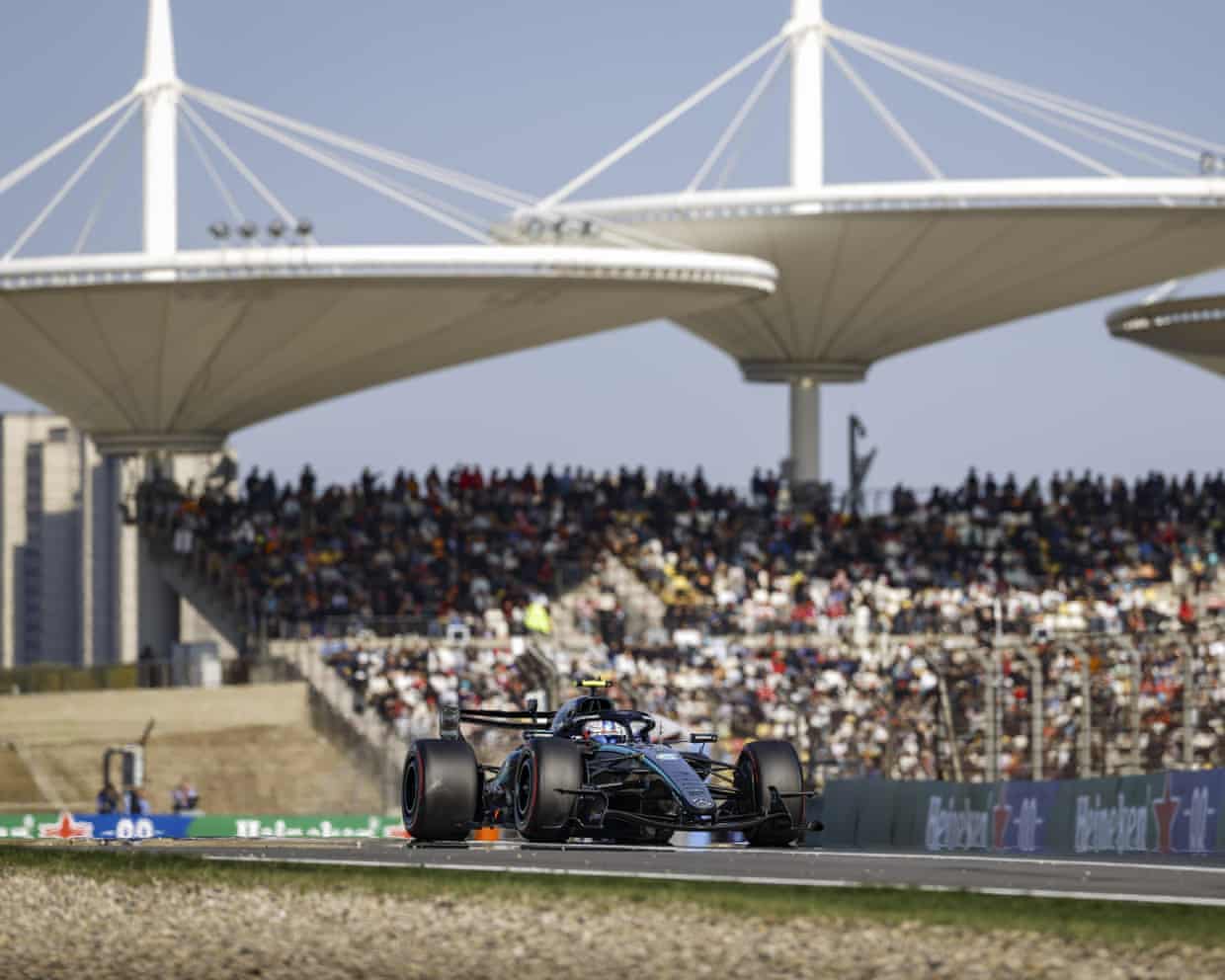
Verstappen goes P7, pushing his teammate Hadjar down into P8.Here comes Antonelli, setting a 1:32.064! Norris comes through and can’t improve from P3. Now Leclerc… he goes second! Now Hamilton goes P2! It’s all happening, with all eyes now on Russell’s one and only flying lap.Norris has set a new fastest first sector as he looks to get his McLaren back onto the front row
George Russell wins first F1 sprint race of season at Chinese Grand Prix
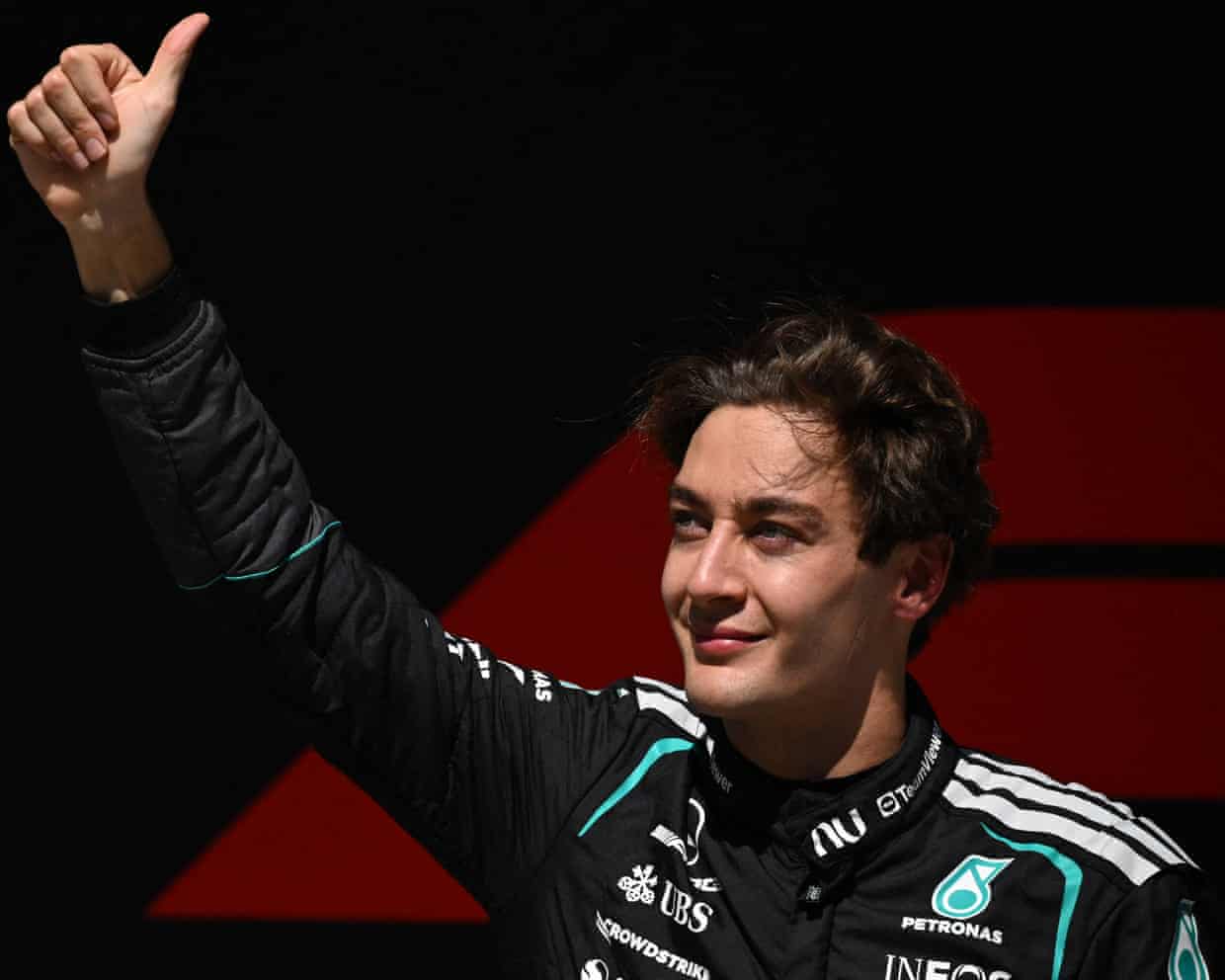
George Russell won the opening sprint race of the new Formula One season at the Chinese Grand Prix. The Mercedes driver ultimately took a strong win from pole position but only after a fierce to and fro with Lewis Hamilton during the opening phase of the race.Charles Leclerc took second for Ferrari, with Hamilton in third, with the victory for Russell further cementing his position as favourite for the world championship and confirming that Mercedes will be remarkably hard to beat this season.Lando Norris was in fourth for McLaren and Kimi Antonelli in fifth for Mercedes.Max Verstappen, who has struggled with his car all weekend, dismissing it as undriveable at one point, had a poor, slow start and could manage only ninth for Red Bull with his teammate Isack Hadjar in 15th
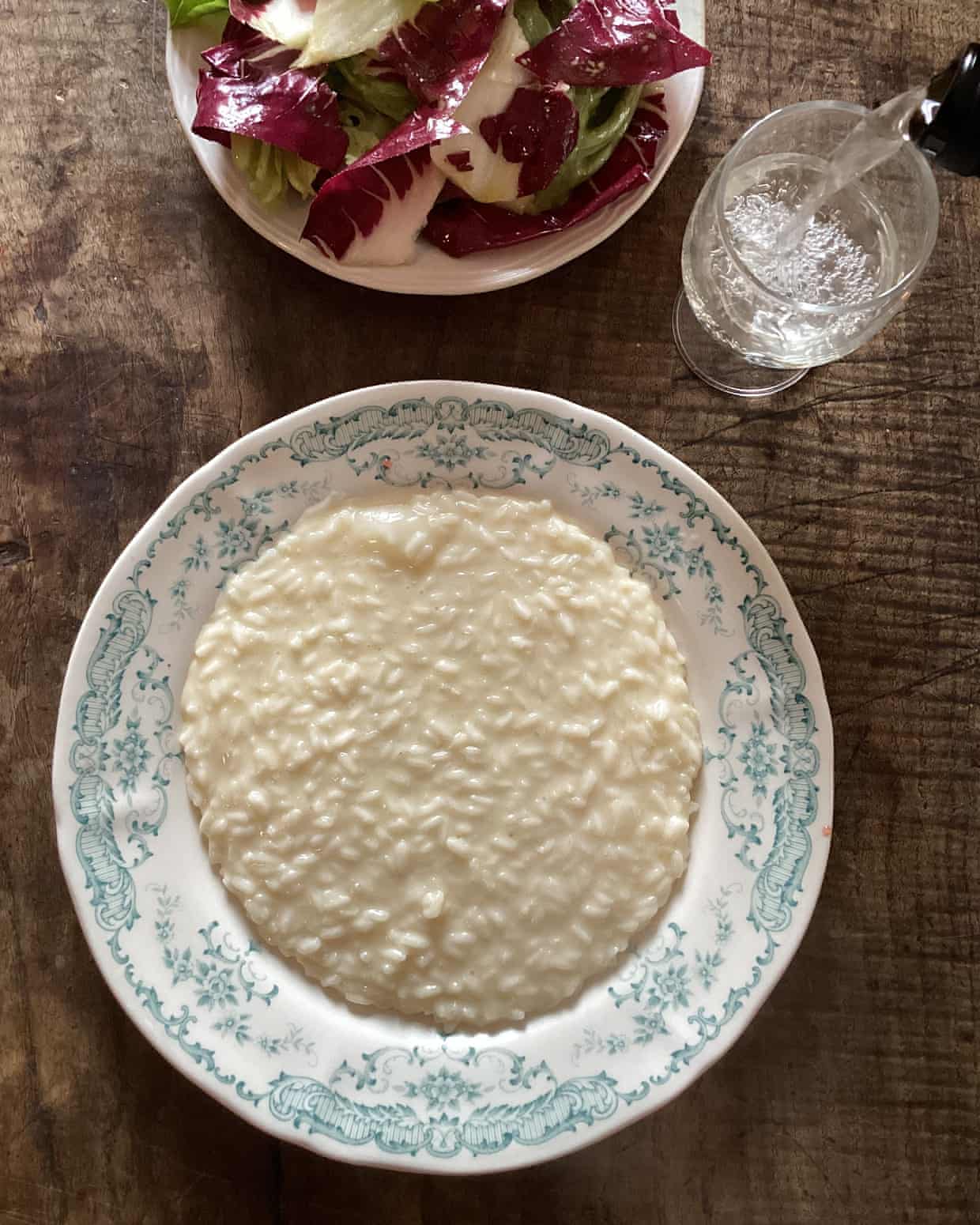
Rachel Roddy’s recipe for risotto in bianco | A kitchen in Rome

‘Highly problematic behavior’: Noma residency in LA starts with PR crisis

Before sunrise: while Sydney sleeps, suhoor meals attract a lively social scene during Ramadan
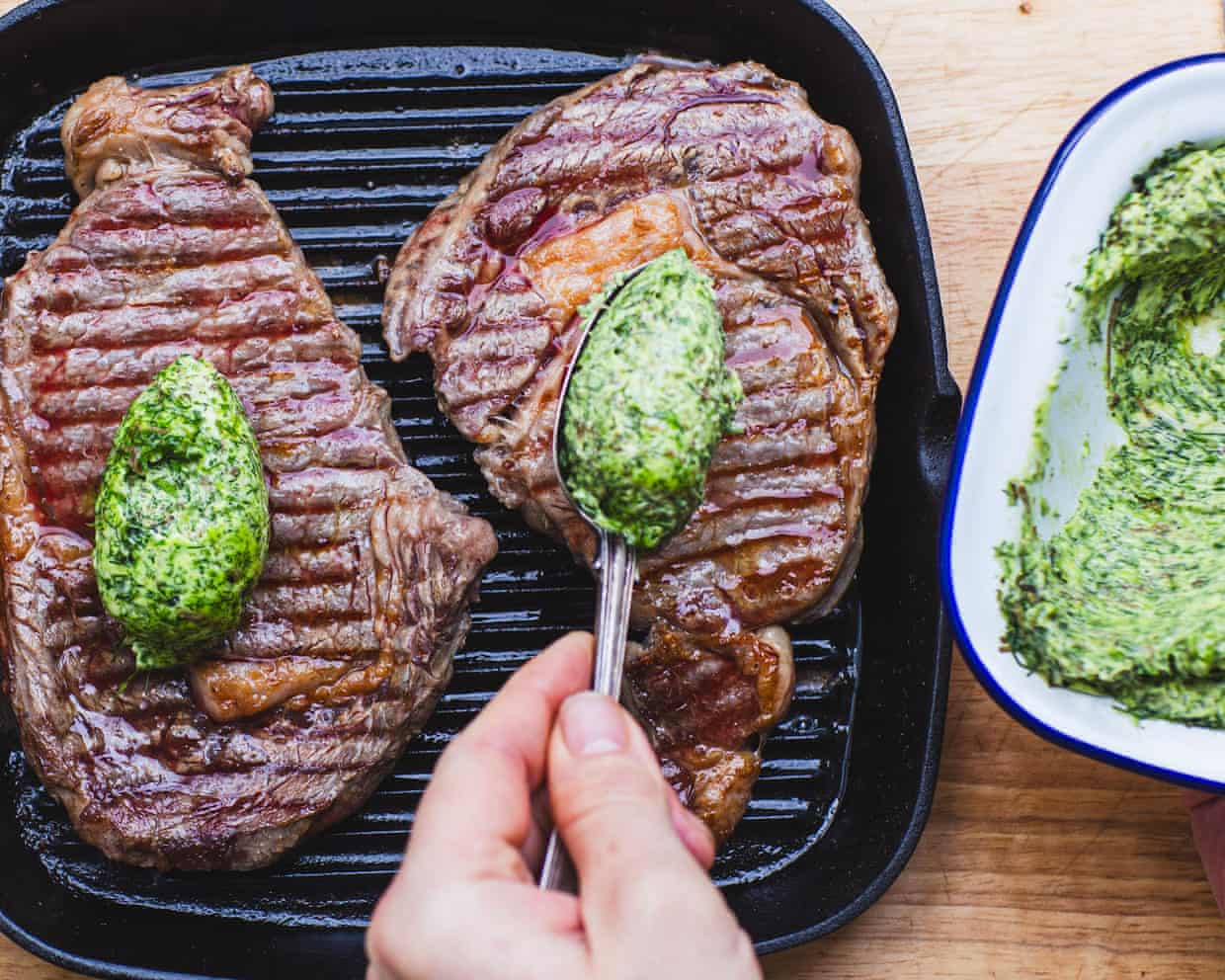
How to use up limp herbs in a flavoured butter – recipe | Waste not

Chicken wings and soup: Helen Graves’ spring onion recipes

Chefs the world over strive for a perfect score from Rate My Chives. Could I achieve one at home?