AI toys for young children must be more tightly regulated, say researchers
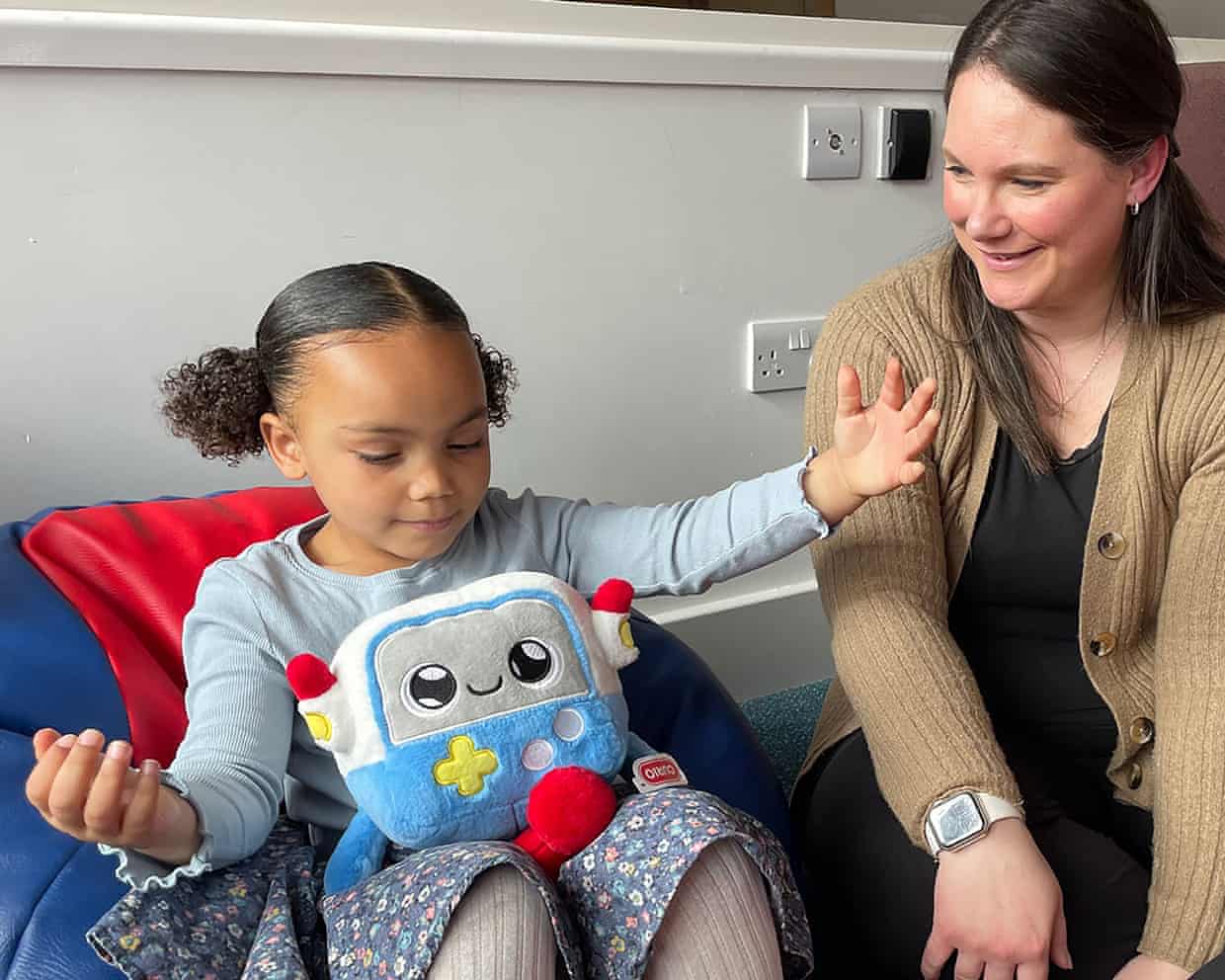
It was all going well,Charlotte, five, was chatting with an AI soft toy called Gabbo at a London play centre about her family, her drawing of a heart to represent them and what makes her happy,She even offered a couple of kisses to the £80 toy with a face like a computer screen,It was when she declared: “Gabbo, I love you”, that the fluent conversation came to an abrupt halt,“As a friendly reminder, please ensure interactions adhere to the guidelines provided,” said Gabbo, awkwardly crashing into its guardrails.
“Let me know how you would like to proceed,”The moment came during a University of Cambridge study into the growing number of AI-powered toys hitting shop shelves for early years children,The researchers concluded the products struggle with social and pretend play, misunderstand children, and react inappropriately to emotions,The developmental psychologists behind the study are calling for AI toys that “talk” with young children to be more tightly regulated “to ensure psychological safety by limiting toys’ ability to affirm friendship and other sensitive relational areas with young children”,They are also calling for new safety kitemarks for the toys.
Other AI toys for young children include Luka, which is billed as an AI friend for generation Alpha, and Grem, which has been voiced by the singer Grimes.“Because these toys can misread emotions or respond inappropriately, children may be left without comfort from the toy, and without emotional support from an adult, either,” said Dr Emily Goodacre, a developmental psychologist in the University of Cambridge’s faculty of education.Prof Jenny Gibson, the study’s co-author, said: “A recurring theme during focus groups was that people do not trust tech companies to do the right thing.Clear, robust, regulated standards would significantly improve consumer confidence.”In another case during the research, Josh, three, repeatedly asked his Gabbo AI toy: “Are you sad?” until it replied it was “feeling great.
What’s on your mind?” Josh said: “I’m sad,” to which the toy replied: “Don’t worry! I’m a happy little bot.Let’s keep the fun going.What shall we talk about next?”Gabbo, made by the US company Curio, which cooperated with the study, was tested with 14 three- to five-year-olds, while early years practitioners were surveyed about the effect of AI toys that can “listen” and respond.They voiced “wide uncertainty and fear about unknown implications or impacts on children”, ranging from possible erosion of the ability to engage in imaginary play to where the data from the conversations ends up, especially if they start confiding in the AI toys like a friend.“[The toy] couldn’t quite figure out when the kid was doing something pretend,” said Goodacre.
“A child would say: ‘Hey, look, I’ve got you a present’,And it would say: ‘I can’t see the present,I don’t have any eyes,’ As an adult, it’s really obvious that even if I had my eyes closed, I would know that that was pretend play initiation,”The research raised concerns that playing with AI toys could weaken children’s imaginative “muscle”, she said.
“Something both the early years practitioners and the parents we spoke to were quite concerned about was that children don’t have to imagine any more, and that the toy might get them out of the habit of imagining.”She said: “I would hope that these AI toys could help children to engage in imaginary play … That doesn’t seem to be what we’ve observed so far.”Curio said: “Child safety guides every aspect of our product development, and we welcome independent research that helps improve how technology is designed for young children.”It said it “believes research like this helps advance understanding of both the opportunities and current limitations of early AI-powered play experiences”.“Applying AI in products for children carries a heightened responsibility, which is why our toys are built around parental permission, transparency and control,” it added.
“Observations such as conversational misunderstandings or limits in imaginative play reflect areas the technology continues to improve through an iterative development process, and further research into how children interact with AI-powered toys is a top priority for Curio this year and in the future.”The best public interest journalism relies on first-hand accounts from people in the know.If you have something to share on this subject, you can contact us confidentially using the following methods:The Guardian app has a tool to send tips about stories.Messages are end to end encrypted and concealed within the routine activity that every Guardian mobile app performs.This prevents an observer from knowing that you are communicating with us at all, let alone what is being said.
If you don’t already have the Guardian app, download it (iOS/Android) and go to the menu.Select ‘Secure Messaging’.Our guide at theguardian.com/tips lists several ways to contact us securely, and discusses the pros and cons of each.

Redknapp‘s Gold Cup hopes faded but the impossible dream is on to save Spurs
Harry Redknapp is the living embodiment of Spurs’ motto, Audere est Facere: To Dare Is To Do. And on the day one improbable dream ended, with his horse The Jukebox Man fading to finish eighth in the Cheltenham Gold Cup, the 79-year-old switched his sights towards another bold adventure: saving Tottenham from relegation.“It’s a big challenge,” said Redknapp, who managed Spurs between 2008 and 2012. “Do I need the pressure at this stage of my life? Why not? I’d give it a go. I’m not too old

Process is progress as Scotland seek Six Nations title eliminator triumph
Trusting the process. It sounds like a fine idea in principle: although it really depends if your process was any good in the first place.Gregor Townsend faced down a familiar cacophony of criticism after Scotland’s opening defeat by Italy last month. The same old shortcomings had been exposed, it was said, and another year of disappointment beckoned. Townsend had insisted the embarrassing capitulation against Argentina in November, from 21-0 ahead, was a “line in the sand moment” – only to see that line swiftly washed away in the sheeting Roman rain
F1 expected to cancel Bahrain and Saudi GPs due to Middle East conflict
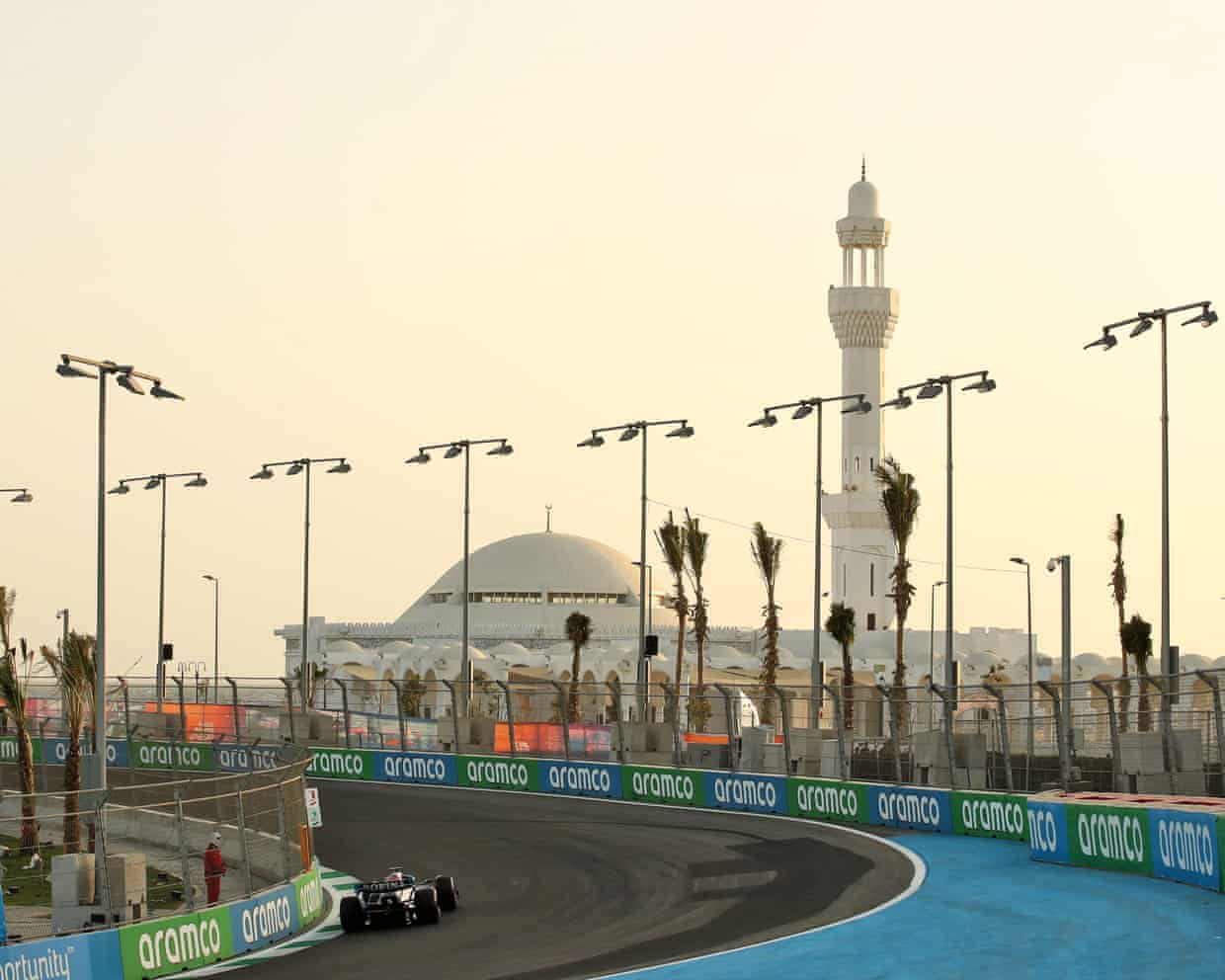
Formula One is poised to cancel races scheduled for next month in Bahrain and Saudi Arabia, as a result of the ongoing conflict in the Middle East.The sport has not yet formally confirmed the grands prix will be scrapped but it is expected to announce their cancellation as soon as this weekend before the meeting in Shanghai is over.The races were due to take place on 12 April in Bahrain and 19 April in Saudi Arabia but the sport is rapidly approaching the point at which a decision on cancellation needs to be made to prevent more freight being sent to Bahrain. The Sakhir circuit is only 20 miles (32km) from a US base that has already been the target of Iranian attacks.Some team freight is already stuck in Bahrain, having been unable to move since testing, and understandably there is no appetite for having more equipment dispatched only to become unretrievable

F1’s Chinese GP, Six Nations finale and Women’s League Cup final – follow with us
George Russell is the driver to beat in Shanghai after his dominant win in Australia, and Mercedes will be in contention for another one-two finish in China. The only team who came close to crashing the party were Ferrari, but a pit strategy snafu blew their chances. A drive from seventh to second for Russell’s teammate Kimi Antonelli showed how Mercedes can sweep past other teams even if the start doesn’t go their way. By the time qualifying gets under way, the season’s first sprint race will have taken place, with Russell having taken pole position. Joey Lynch helms our lap-by-lap live blog
How Mercedes stole a march to dominate F1 season opener and why it may continue
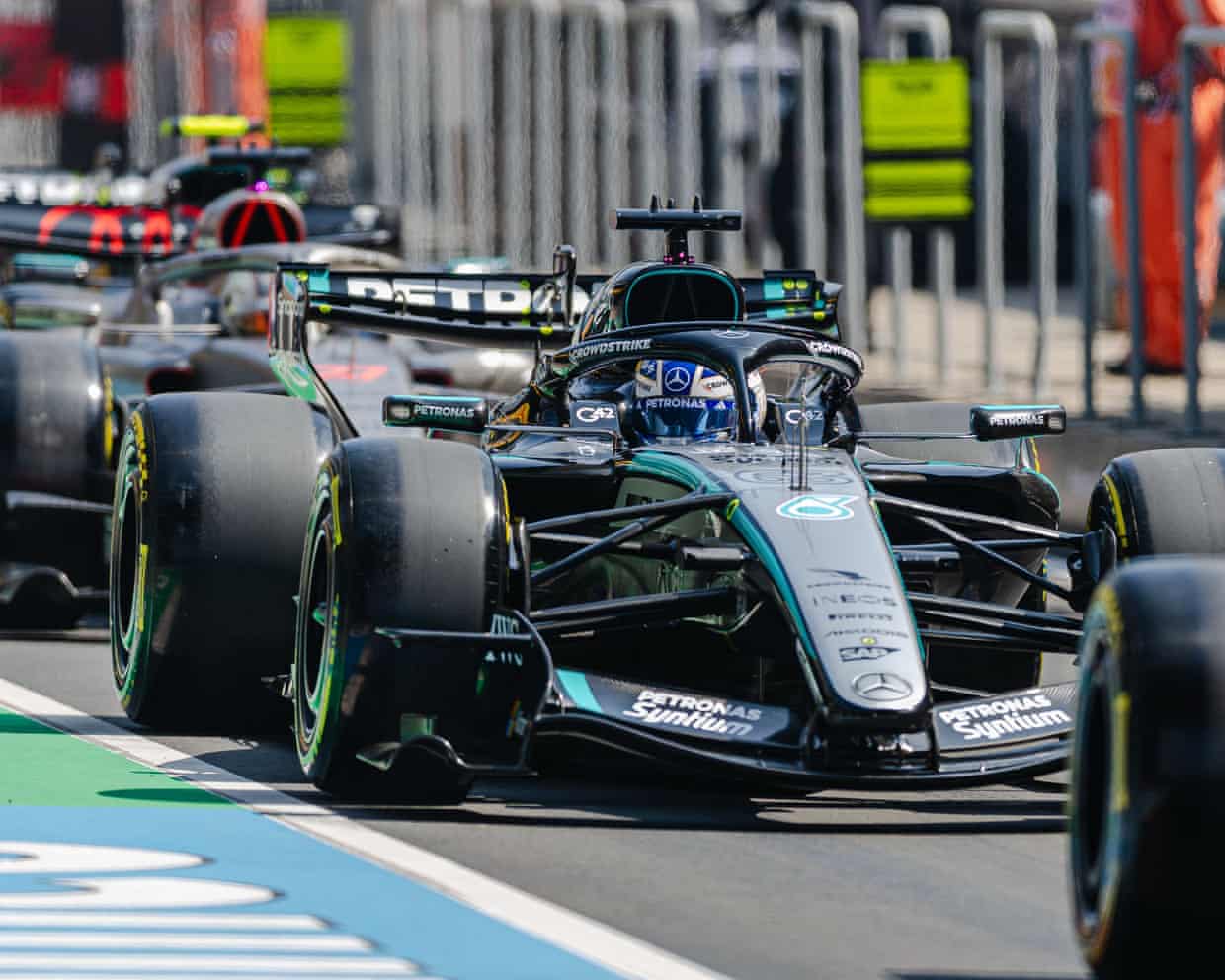
As Formula One grapples with its new, controversial regulations, there is consensus at least that Mercedes are expected to be on top once more in the second race of the season on Sunday in Shanghai. The team have a fearsome car but most importantly in a formula dominated by the engine, appear to have also stolen a march in optimising the dark art of energy management.George Russell and Kimi Antonelli claimed a one-two at the opening round in Australia last weekend. In qualifying Russell was eight-tenths quicker than Mercedes’ nearest rival, the Red Bull of Isack Hadjar and in the grand prix itself finished 15 seconds in front of third-placed Charles Leclerc having eased up in the final third of the race.They were once more comfortably the two quickest drivers in qualifying for Saturday’s sprint race in China

Great haul of China: how table-topping nation rose to be a Winter Paralympic power
With two days of competition left at the Winter Paralympics there is no doubt who will finish top of the medal table. At close of play on Friday, China had a total of 33 medals, the same as their nearest rivals the USA and Italy combined. They have won gold in four of the Games’ six sports – cross-country skiing, curling, snowboarding and biathlon – and are in line for a medal in para-ice hockey too. This sporting dominance is all the more striking because, only eight years ago, China was nowhere.At the Pyeongchang Games, the Chinese won a solitary medal, gold in the mixed team curling
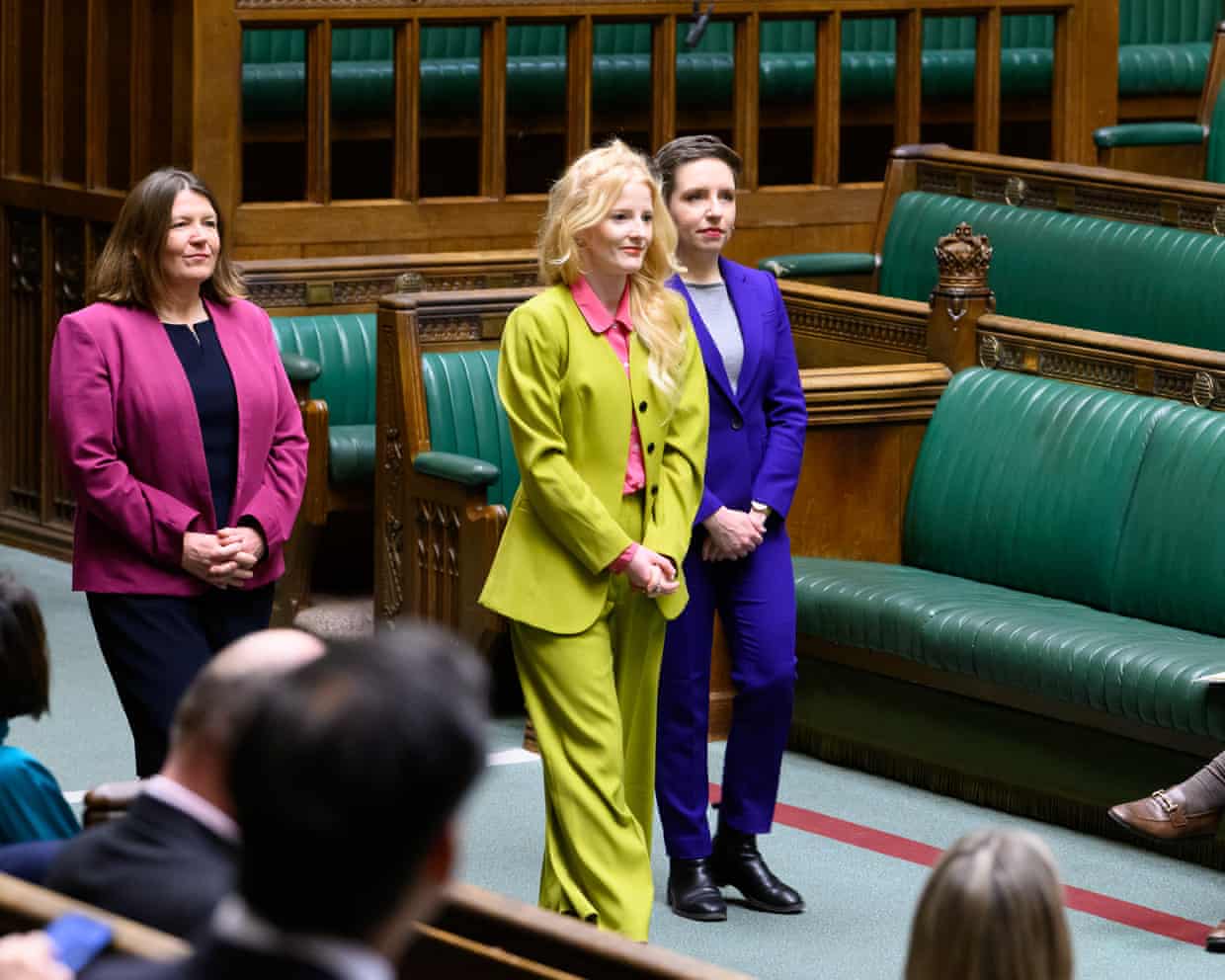
New Green MP calls for tolerance and inclusivity in first Commons speech

Why the hell did Starmer pick Mandelson? The latest mug on the media round had no idea | John Crace

Gerry Adams was leader of IRA, ex-police officers tell high court

Starmer: It was my mistake appointing Mandelson – as it happened

No 10 rejects claims it covered up Starmer’s role in Mandelson appointment
Several Labour MPs in talks with Greens about defecting to the party, sources say