Essex police pause facial recognition camera use after study finds racial bias
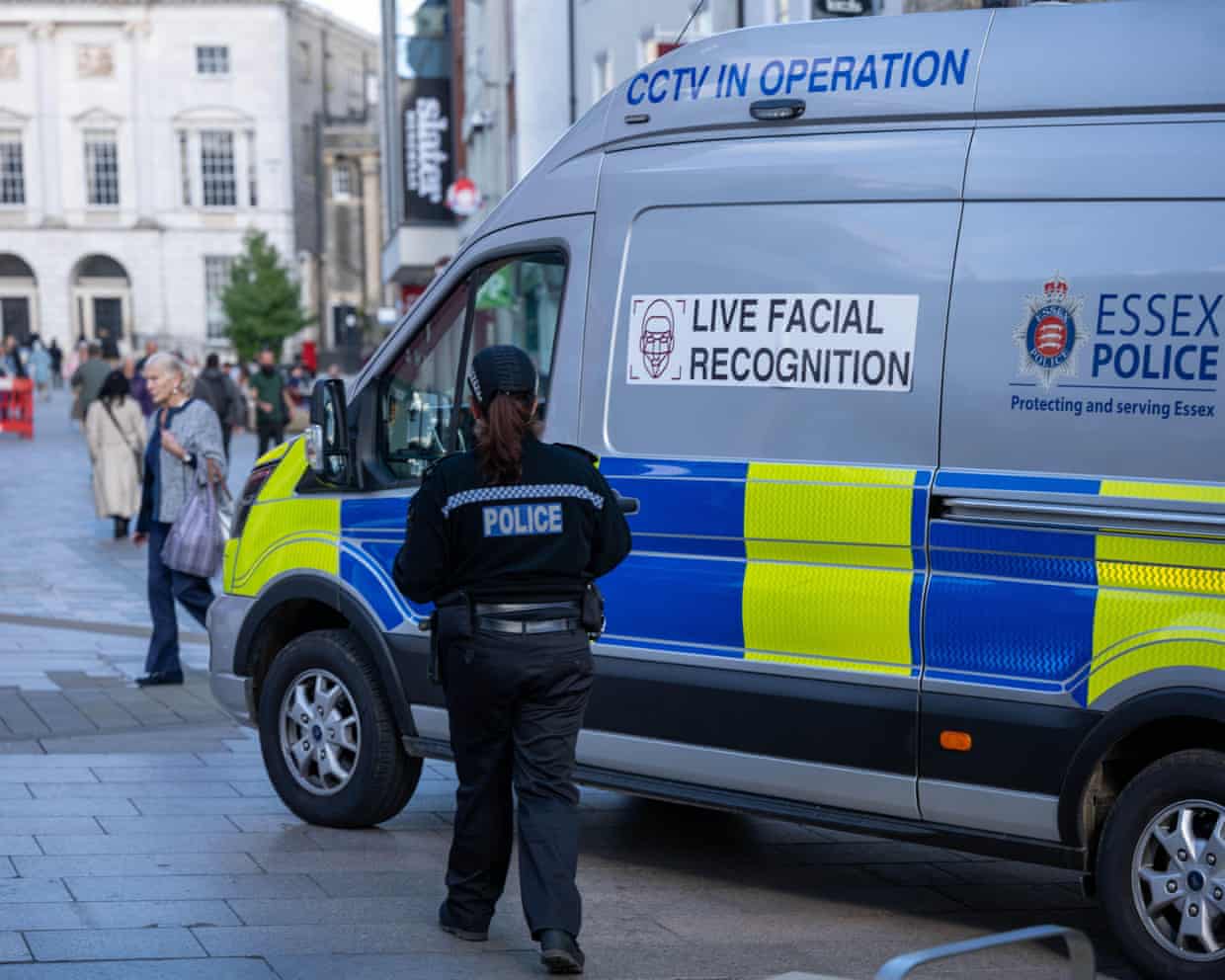
Essex police have paused the use of live facial recognition (LFR) technology after a study found cameras were significantly more likely to target black people than people of other ethnicities.The move to suspend use of the AI-enabled systems was revealed by the Information Commissioner’s Office (ICO), which regulates the use of the technology deployed so far by at least 13 police forces in London, south and north Wales, Leicestershire, Northamptonshire, Hampshire, Bedfordshire, Suffolk, Greater Manchester, West Yorkshire, Surrey and Sussex.The ICO said Essex police had paused LFR deployments “after identifying potential accuracy and bias risks” and warned other forces to have mitigations in place.LFR systems are either mounted to fixed locations or deployed in vans.In January, the home secretary, Shabana Mahmood, announced the number of LFR vans would increase five-fold, with 50 available to every police force in England and Wales.
Essex commissioned University of Cambridge academics to conduct a study, which involved 188 actors walking past cameras being actively deployed from marked police vans in Chelmsford.The results were published last week and showed about half of the people on a watchlist were correctly identified and incorrect identifications were extremely rare, but the system was more likely to correctly identify men than women and it was “statistically significantly more likely to correctly identify black participants than participants from other ethnic groups”.This “raises questions about fairness that require continued monitoring”, the report concluded.One of its authors, Dr Matt Bland, a criminologist, told the Guardian and Liberty Investigates: “If you’re an offender passing facial recognition cameras which are set up as they have been in Essex, the chances of being identified as being on a police watchlist are greater if you’re black.To me, that warrants further investigation.
”The problem differs from the more common public concern about the technology which is that it identifies innocent people.Last month it emerged that police arrested a man for a burglary in a city he had never visited 100 miles away after retrospective face scanning software confused him with another person of south Asian heritage.Possible reasons for the latest issue with LFR include overtraining of the algorithm on the faces of black people.Experts believe it could be rectified by adjusting system settings.A separate study of the same technology by the government’s National Physical Laboratory found black men were most likely to be correctly matched by the system and white men least likely, but the effect was not statistically significant.
The Home Office has said LFR cameras deployed in London from January 2024 to September 2025, led to more than 1,300 arrests of people wanted for crimes including rape, domestic abuse, burglary and grievous bodily harm,But opponents of facial recognition technology said the latest research showed warnings about bias in LFR technology were being borne out,“Police across the country must take note of this fiasco,” said Jake Hurfurt, the head of research and investigations at Big Brother Watch,“AI surveillance that is experimental, untested, inaccurate or potentially biased has no place on our streets,”Essex police were contacted for comment.

‘All right mate?’: Amazon pins UK hopes on AI upgrade of Alexa
“Commiserations, mate, Chelsea lost 3-0 in the Champions League last night against Paris Saint-Germain,” says Alexa as it attempts to break the news gently to an awaiting Blues fan.Such is the injection of personality and understanding that Amazon hopes will lead to Britons re-engaging with their millions of Alexa devices, restoring it to the cutting edge of voice assistants rather than resigned to being a glorified egg timer.After its early access launch last year in the US, the long-awaited generative AI upgrade Alexa+ is finally making its debut in the UK, supporting eight years of existing devices strewn through more than half of UK households.With the UK being Amazon’s most engaged market and more than 40 accents to contend with across the UK and Ireland, the “next-generation ambient AI assistant” has its work cut out for it.The service will be available immediately for new purchases of Amazon’s latest generation of Echo and Show devices, with an invite system in operation for existing devices, which Amazon’s head of Alexa and Echo, Daniel Rausch, insists will progress faster than it did in the US
‘We don’t tell the car what it should do’: my ride in a self-driving taxi
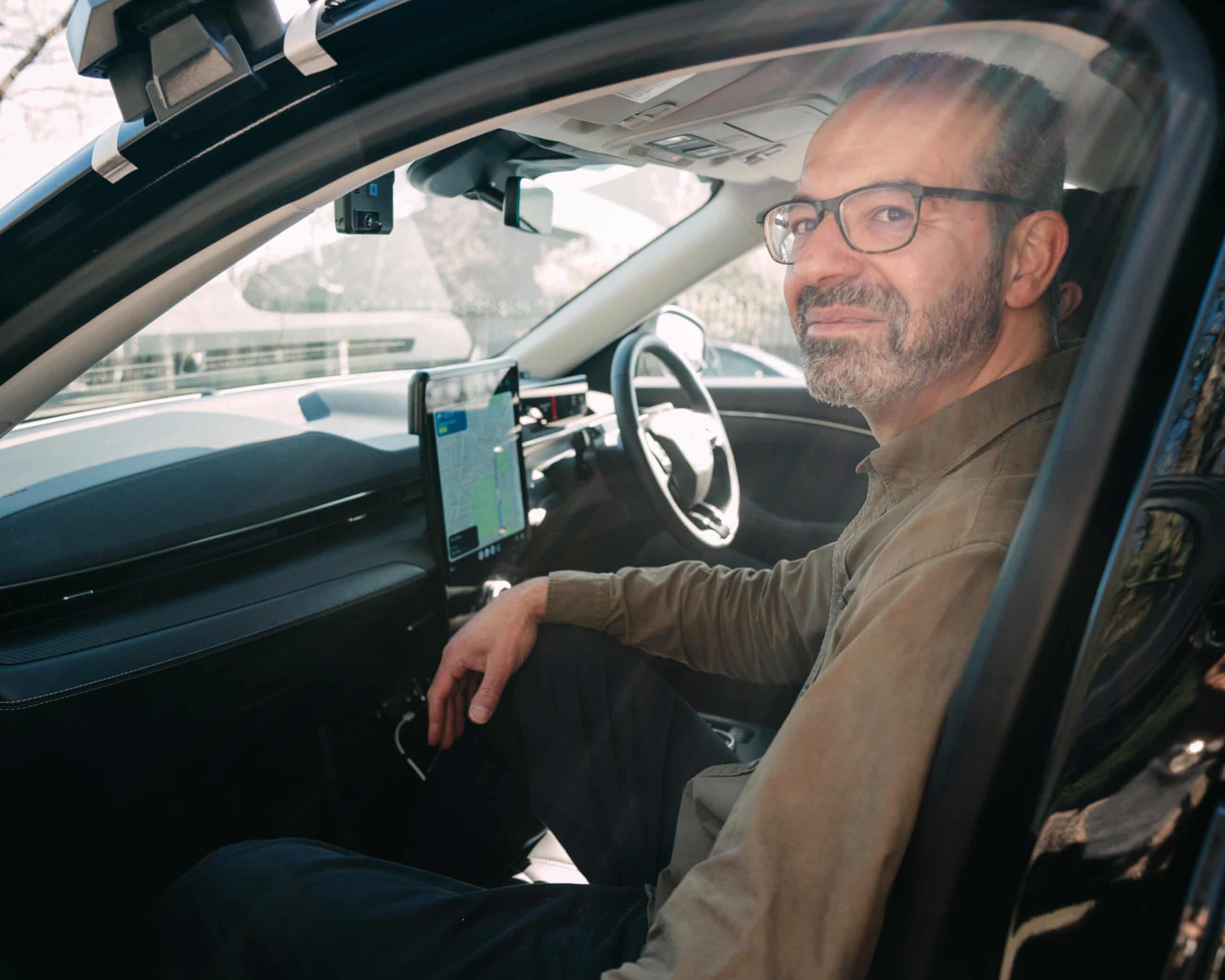
Driverless ‘robotaxis’ will be accepting fares in Britain’s biggest city by the end of next year. Can they deal with London’s medieval roads, hordes of pedestrians and errant ebikers? I got in the passenger seat to find out‘I’m really excited to show you this,” says Alex Kendall, the CEO of Wayve, as he gets behind the wheel of one of the company’s electric Ford Mustangs. Then he does … nothing. The car pulls up to a junction at a busy road in King’s Cross, London, all by itself. “You can see that it’s going to control the speed, steering, brake, indicators,” he says to me – I’m in the passenger seat
Inside China’s robotics revolution
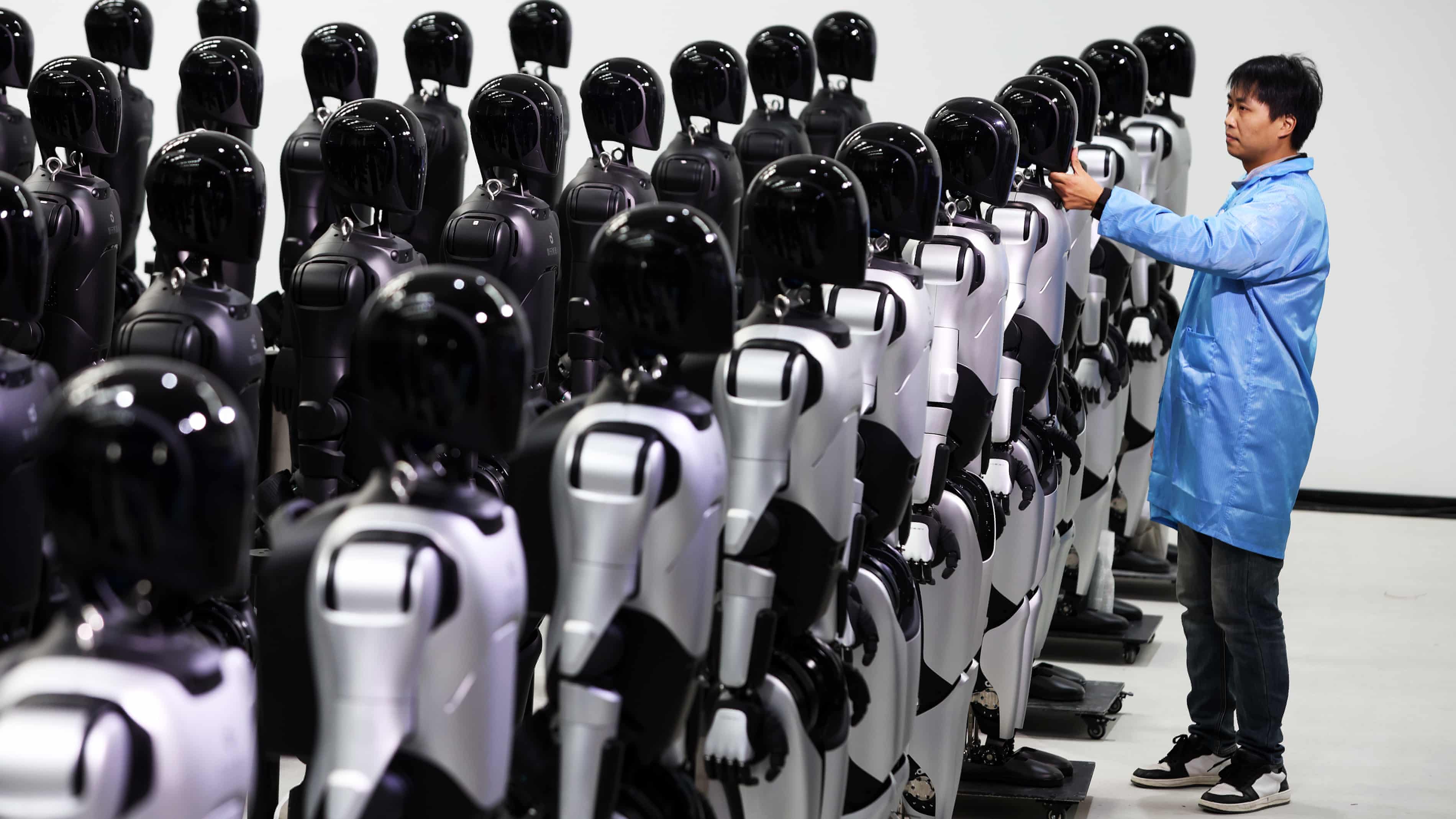
Chen Liang, the founder of Guchi Robotics, an automation company headquartered in Shanghai, is a tall, heavy-set man in his mid-40s with square-rimmed glasses. His everyday manner is calm and understated, but when he is in his element – up close with the technology he builds, or in business meetings discussing the imminent replacement of human workers by robots – he wears an exuberant smile that brings to mind an intern on his first day at his dream job. Guchi makes the machines that install wheels, dashboards and windows for many of the top Chinese car brands, including BYD and Nio. He took the name from the Chinese word guzhi, “steadfast intelligence”, though the fact that it sounded like an Italian luxury brand was not entirely unwelcome.For the better part of two decades, Chen has tried to solve what, to him, is an engineering problem: how to eliminate – or, in his view, liberate – as many workers in car factories as technologically possible

Actors, musicians and writers welcome UK U-turn on AI use of copyrighted work
Actors, musicians and writers have welcomed the UK government’s decision to backtrack on plans to let AI firms use copyright-protected work without permission.Technology secretary Liz Kendall said it no longer had a “preferred option” on copyright reform, having previously supported a proposal allowing tech companies to take copyrighted work – unless rights holders opted out of the process.“We have listened,” said Kendall on Wednesday, “we have engaged extensively with creatives, AI firms, industry bodies, unions, academics and AI adopters, and that engagement has shaped our approach. This is why we can confirm today that the government no longer has a preferred option.”The proposal had triggered a backlash from Elton John, who called the government “absolute losers” over the plans

How AI is actually changing day-to-day work
Hello, and welcome to TechScape. I’m your host, Blake Montgomery, chuffed about One Battle After Another’s big win at the Oscars. This week, we’re examining how artificial intelligence is changing the everyday reality of white-collar work in the US, the roots of the current appetite for AI in war, and the United Kingdom’s phantom datacenters.As part of the Guardian’s Reworked series on AI’s effect on modern work, we published two stories this week on how specific jobs are changing: those of university professors and Amazon’s technical employees. Both groups are wrestling with profound shifts
Inside the fiery, deadly crashes involving the Tesla Cybertruck
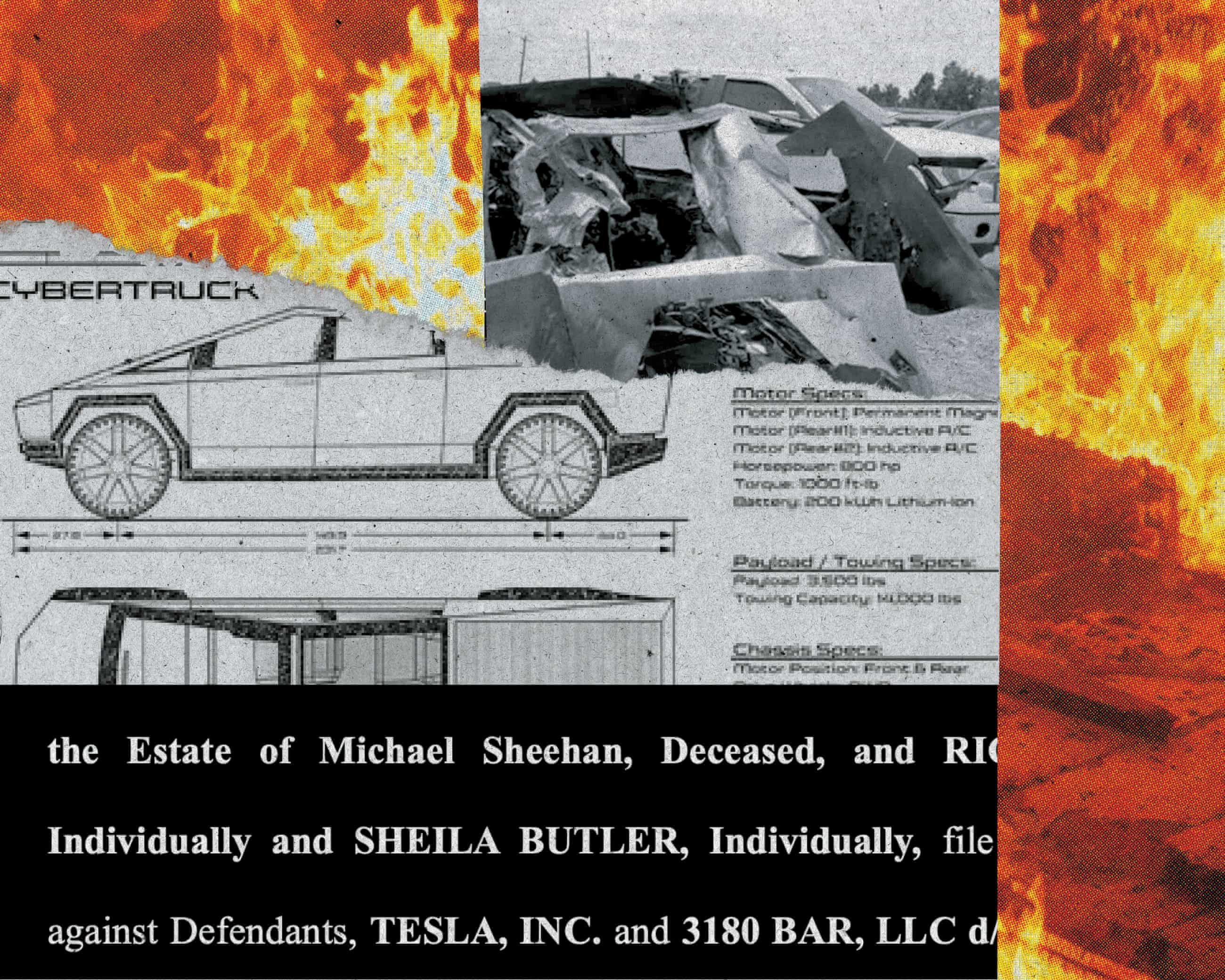
Cybertrucks have locked passengers inside and burned so hot they’ve disintegrated drivers’ bones. Victims’ families blame what they say is the faulty design of a truck Elon Musk calls ‘apocalypse-proof’When sheriff deputies arrived at the scene of a late-night crash off a desolate Texas road in August 2024, they could see a giant pyre through heavy smoke.According to police reports detailing the events of that night, the officers tried to approach the vehicle, but the fire burned too intensely. They saw it was a Tesla Cybertruck and couldn’t see anyone inside. So they combed the surrounding area for the driver
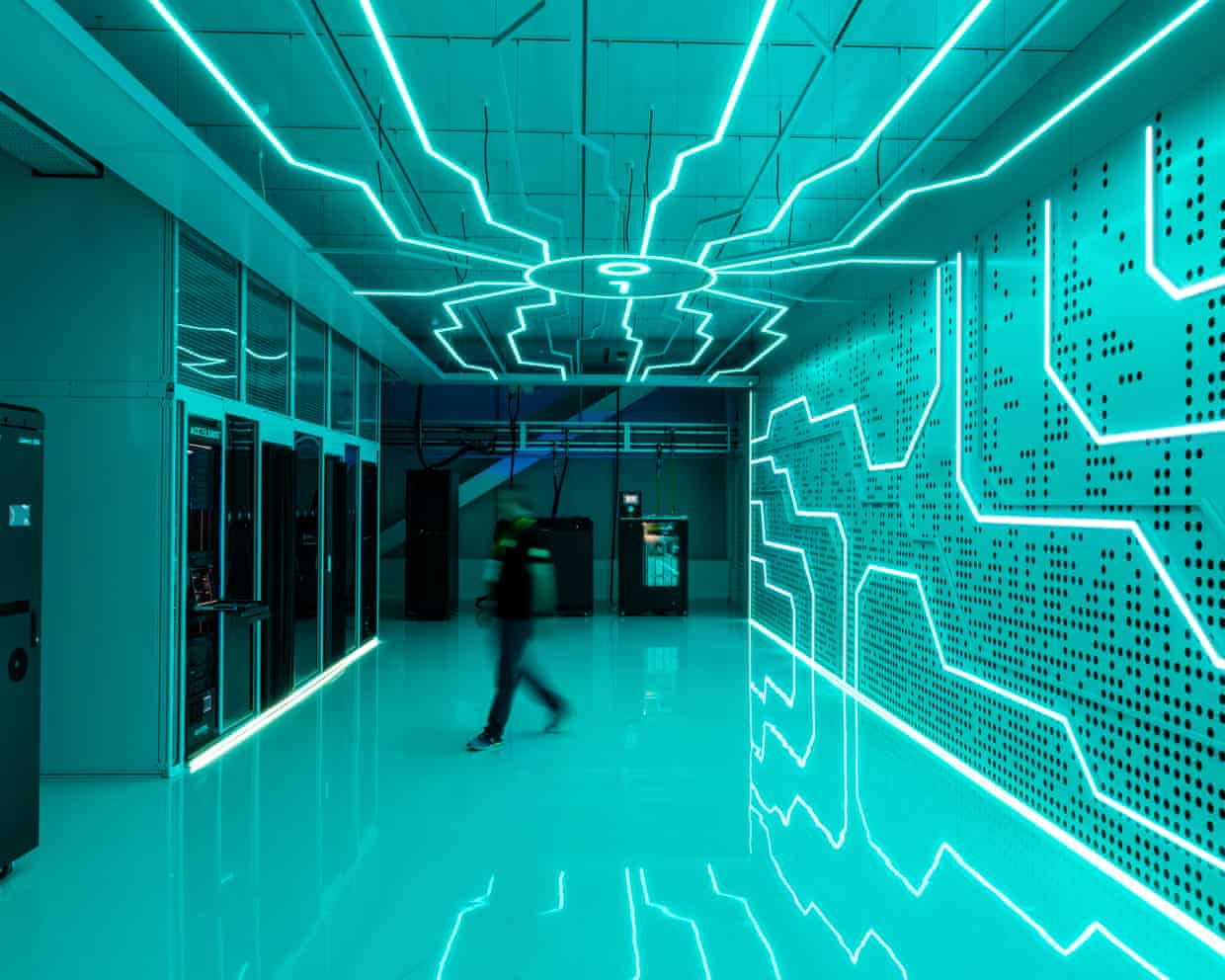
Prolonged high oil prices could ‘crimp’ AI boom, WTO warns
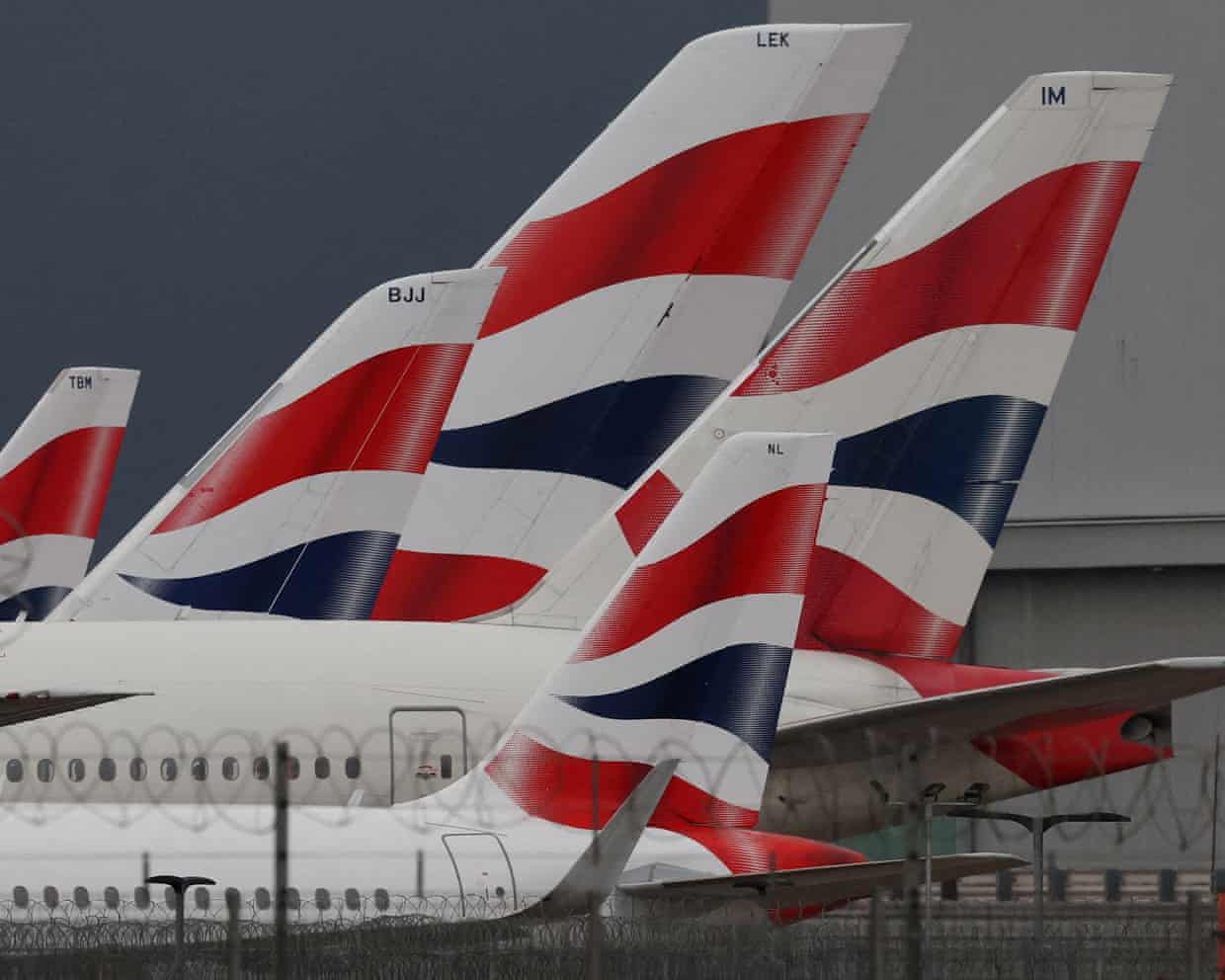
Europe’s biggest airlines say fuel price spike caused by Iran war will drive up fares

BoE delivers message Britons don’t want to hear as inflation – and rates – look set to rise

Bank of England holds interest rates at 3.75% and signals rise is possible within months

PwC partners who fail to embrace AI have no future at firm, US CEO warns

BP to sell German oil refinery as part of $20bn cost-cutting plan