UK arts must not be sacrificed for speculative AI gains, peers say
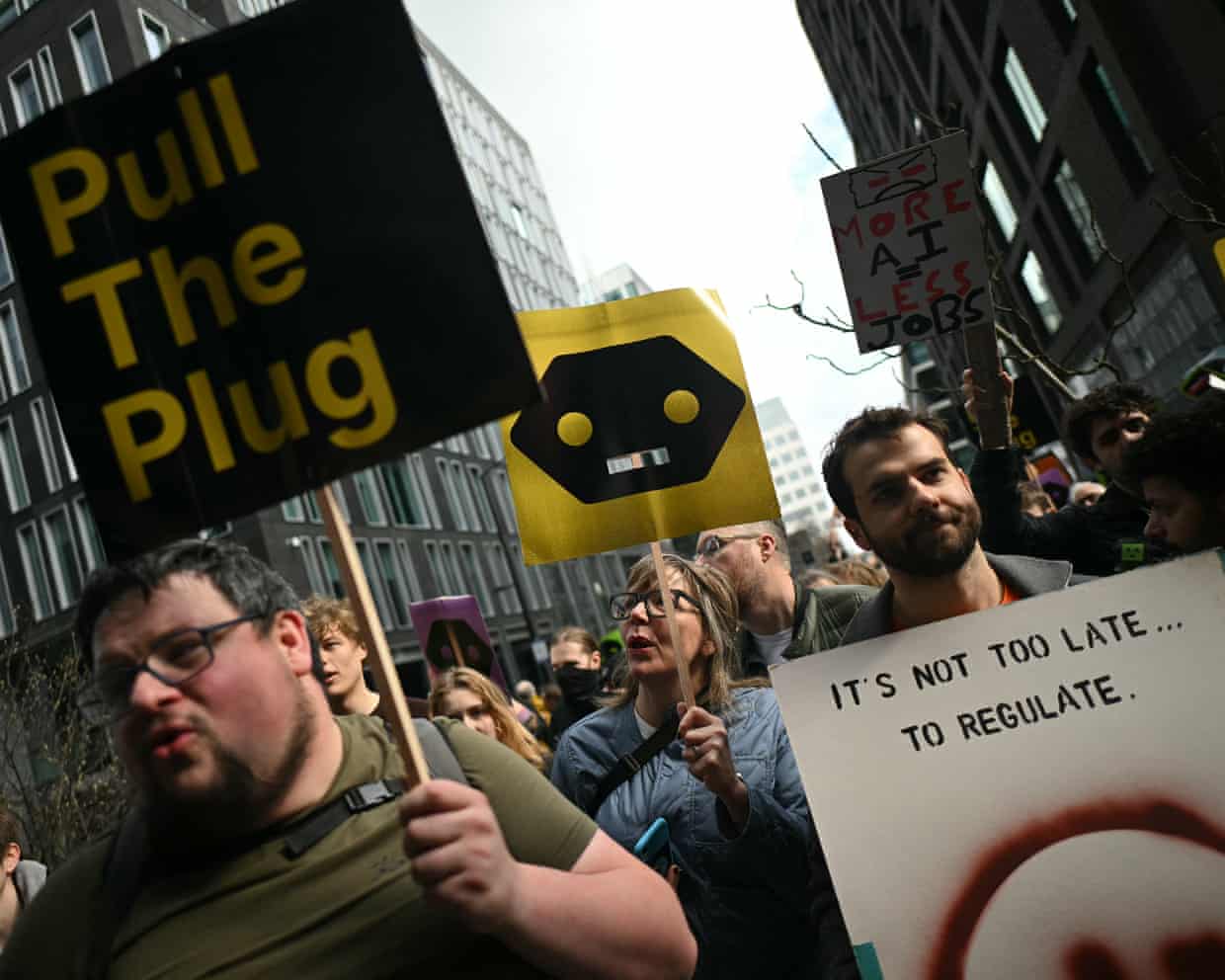
The UK’s creative industries must not be sacrificed in the pursuit of speculative gains in AI technology, a House of Lords committee has warned, as the government prepares to reveal the economic cost of proposals to change copyright rules.A report by peers has urged ministers to develop a licensing regime for the use of creative works in AI products and abandon proposals to let tech firms use the work of novelists, artists, writers and journalists without permission.The call from the House of Lords communications and digital committee comes as the government prepares to release an economic impact assessment of proposed changes to copyright law, as well as a progress update on a consultation about the legal overhaul, by a deadline of 18 March.Barbara Keeley, a Labour peer and committee chair, said the UK’s creative industries faced a “clear and present danger” from AI firms using their work without credit or payment.“AI may contribute to our future economic growth, but the UK creative industries create jobs and economic value now,” she said.
Official figures show the creative sector contributes £146bn a year to the UK economy.“Watering down the protections in our existing copyright regime to lure the biggest US tech companies is a race to the bottom that does not serve UK interests.We should not sacrifice our creative industries for AI jam tomorrow,” Lady Keeley added.The government has been consulting on a new intellectual property framework for AI.The technology requires vast amounts of data, including copyright-protected work taken from the open web, to develop tools such as chatbots and image generators.
However, British artists have responded with outrage at the main government proposal of letting AI firms use copyright-protected work without the owner’s permission – unless the owner has signalled that they want to opt out of the process.Elton John is among the artists who have protested over the prospect of a relaxation in copyright law, calling the government “absolute losers”.The House of Lords report, titled “AI, copyright and the creative industries”, also urges the government to formally rule out the proposal to let AI firms use copyright-protected material.Other recommendations include supporting the development of a licensing market that ensures artists are paid by tech companies for use of their work; backing UK-developed AI models; requiring AI companies to reveal the data they have used to develop their products; and giving creators greater rights-based protection against deepfakes.As well as the main government proposal, ministers have suggested three further options: to leave the situation unchanged; to require AI companies to seek licences for using copyrighted work; or to allow AI firms to use copyrighted work with no opt-out for creative companies and individuals.
The government has refused to rule out a copyright waiver for using material for the purposes of “commercial research”, which creative professionals fear could be exploited by AI firms to take artists’ work without permission.The notion of a commercial research exemption was raised in the Lords this week and Fiona Twycross, a minister at the Department for Culture, Media and Sport, said it would be “pre-emptive” to rule out any exception before the update report was published.A government spokesperson said: “The government wants a copyright regime that values and protects human creativity, can be trusted, and unlocks innovation.“We welcome the committee’s contributions, and we will continue to engage closely with parliament going forwards.”

Actor reaches settlement with Old Vic theatre over Kevin Spacey assault claims
An actor who alleged that he was sexually assaulted by Kevin Spacey has reached a settlement with the Old Vic theatre.Ruari Cannon, who waived his right to anonymity, was an actor at the Old Vic during Spacey’s tenure as artistic director.He claimed that Spacey assaulted him at a theatre after-party at the Savoy hotel and at the Old Vic’s theatre bar on a separate occasion. Spacey has denied the allegations.In a statement, the Old Vic said: “Ruari Cannon and the Old Vic have reached a mutually agreed out-of-court settlement, the precise terms of which are confidential
‘Excellence’: Smithsonian exhibit celebrates HBCUs amid attacks on Black history
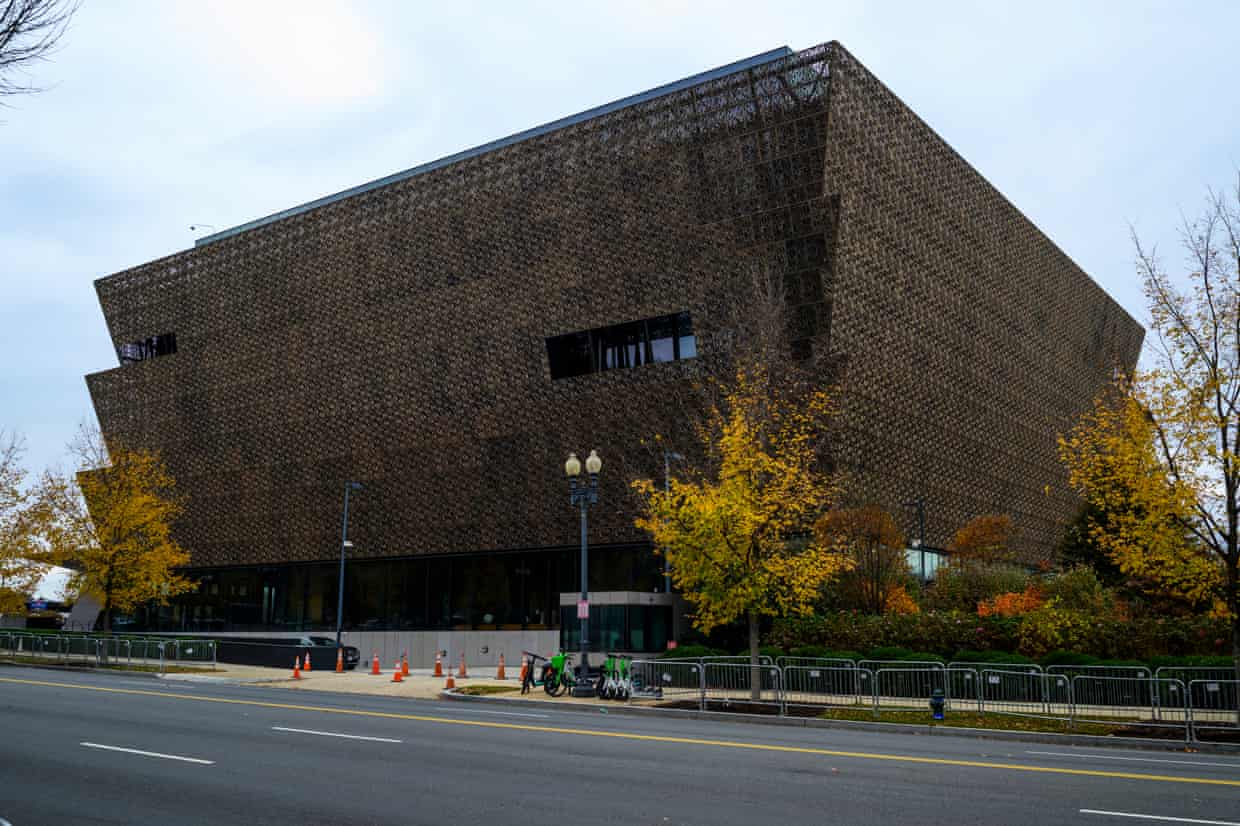
At a time when museums and colleges are facing uncertainty and there is a push to limit the acknowledgment of Black history, the Smithsonian’s National Museum of African American History and Culture (NMAAHC) and its five partner historically Black colleges and universities (HBCUs) have launched a new exhibit to put Black history and Black archives at the forefront.At the Vanguard: Making and Saving History at HBCUs, on view at the NMAAHC now through 19 July, was developed as a part of the History and Culture Access Consortium (HCAC). After At the Vanguard leaves the NMAAHC, it will go on tour to each of the universities, along with other locations that request it.The exhibit, which is composed of archival materials and collections from each of the five HBCUs of the partnership – Jackson State University, Florida A&M University, Tuskegee University, Clark Atlanta University and Texas Southern University – is the culmination of years of work by the consortium. With more than 100 objects on display at the NMAAHC, the collection includes rare items, such as one of the only existing color videos of George Washington Carver, the agricultural scientist and inventor, from Tuskegee University
Jon Stewart on US attacks in Iran: ‘A war with no clear purpose, no end in sight’
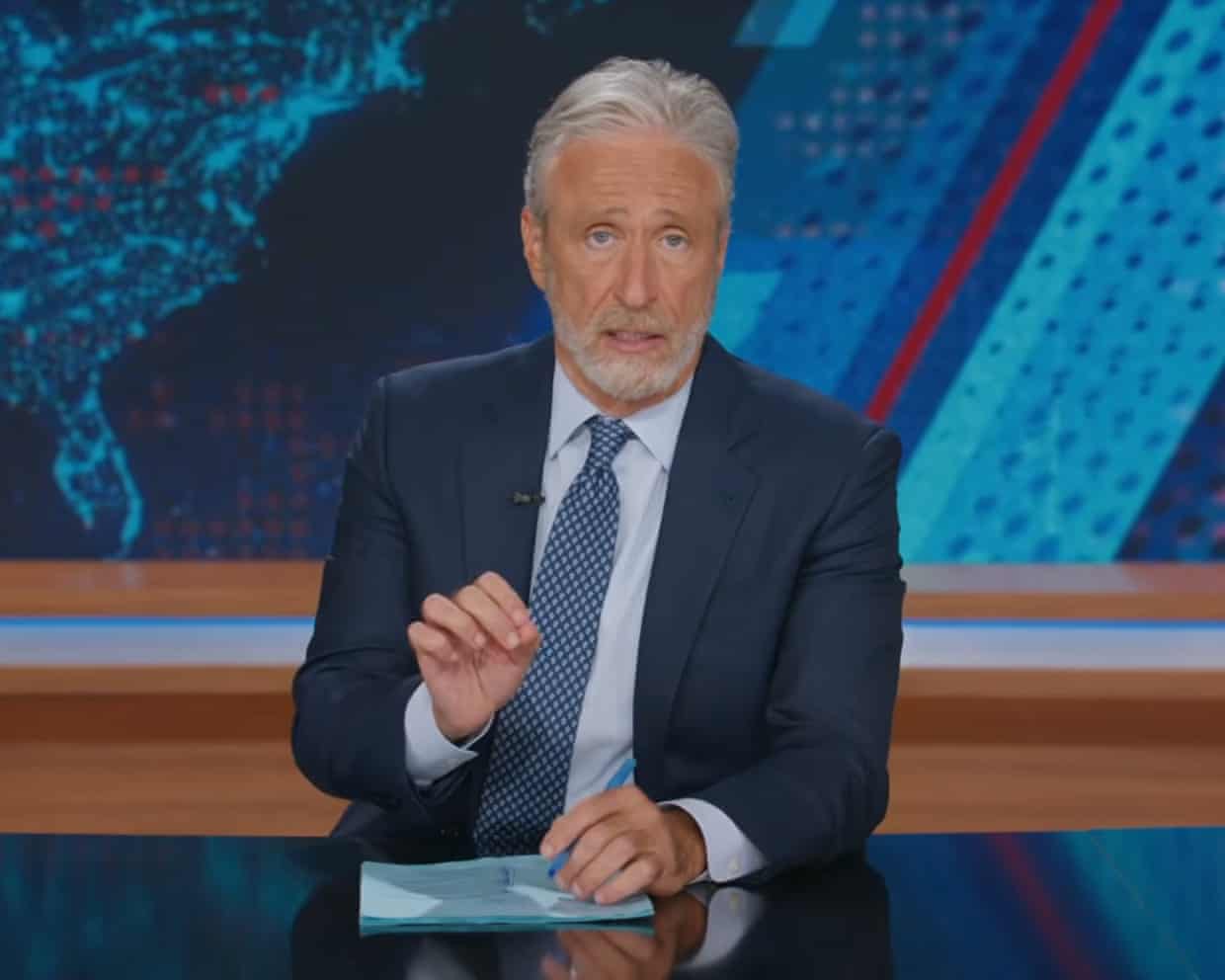
Late-night hosts delved into the new US regime-change war in the Middle East, after Donald Trump directed the US military to bomb Iran in conjunction with Israel.Jon Stewart opened The Daily Show on Monday in a daze, after Iran state media confirmed that US and Israeli forces killed its supreme leader, Ayatollah Ali Khamenei, over the weekend. The host joked that, for the surprise occasion and chaos that followed, he needed to bring back “a 20-year recurring segment” titled “Mess O’Potamia”.“America, apparently, had to start an entire war to kill an 86-year-old man in ill health and not wait – I don’t know – three weeks to let saturated fat do its thing,” he joked.He then played a clip of Trump, wearing his USA hat, announcing the so-called “Operation Epic Fury” against Iran from his luxury golf course in Florida
‘My guitar was mangled – like my life!’ Goo Goo Dolls on how they made epic ballad Iris
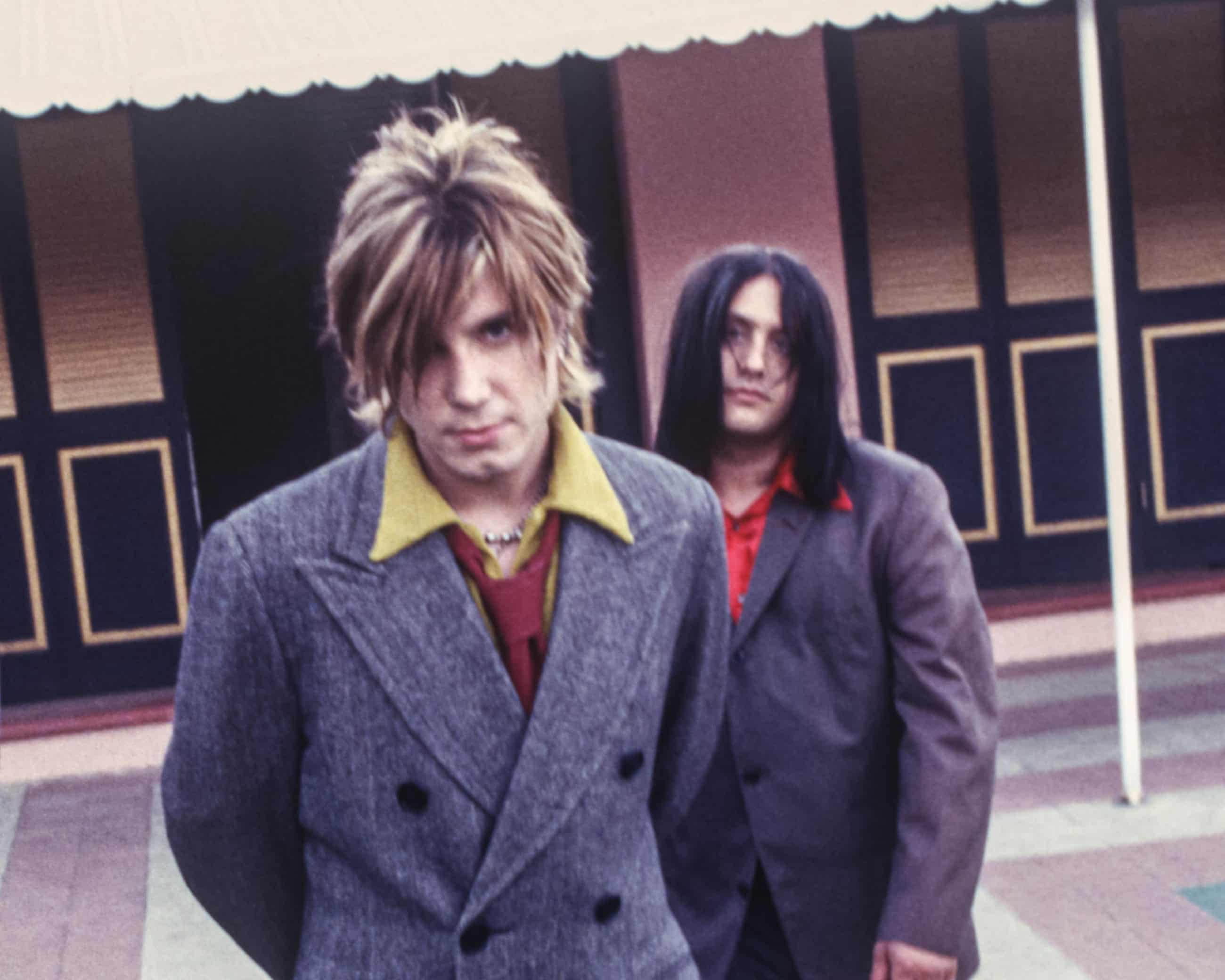
‘I’m grateful to Taylor Swift, and others who have covered it, for introducing the song to a new generation. Three billion streams on Spotify is astonishing!’I was going through a divorce and living in a hotel in West Hollywood when my manager said Warner Brothers were seeking songs for the movie City of Angels. They already had U2, Peter Gabriel and Alanis Morissette, so I thought getting a track on there would draw attention to us. Warners showed me the film and it was like Wim Wenders’ Wings of Desire. They wanted a song for the scene where the angel – played by Nicolas Cage – decides to become human to be with the woman he loves
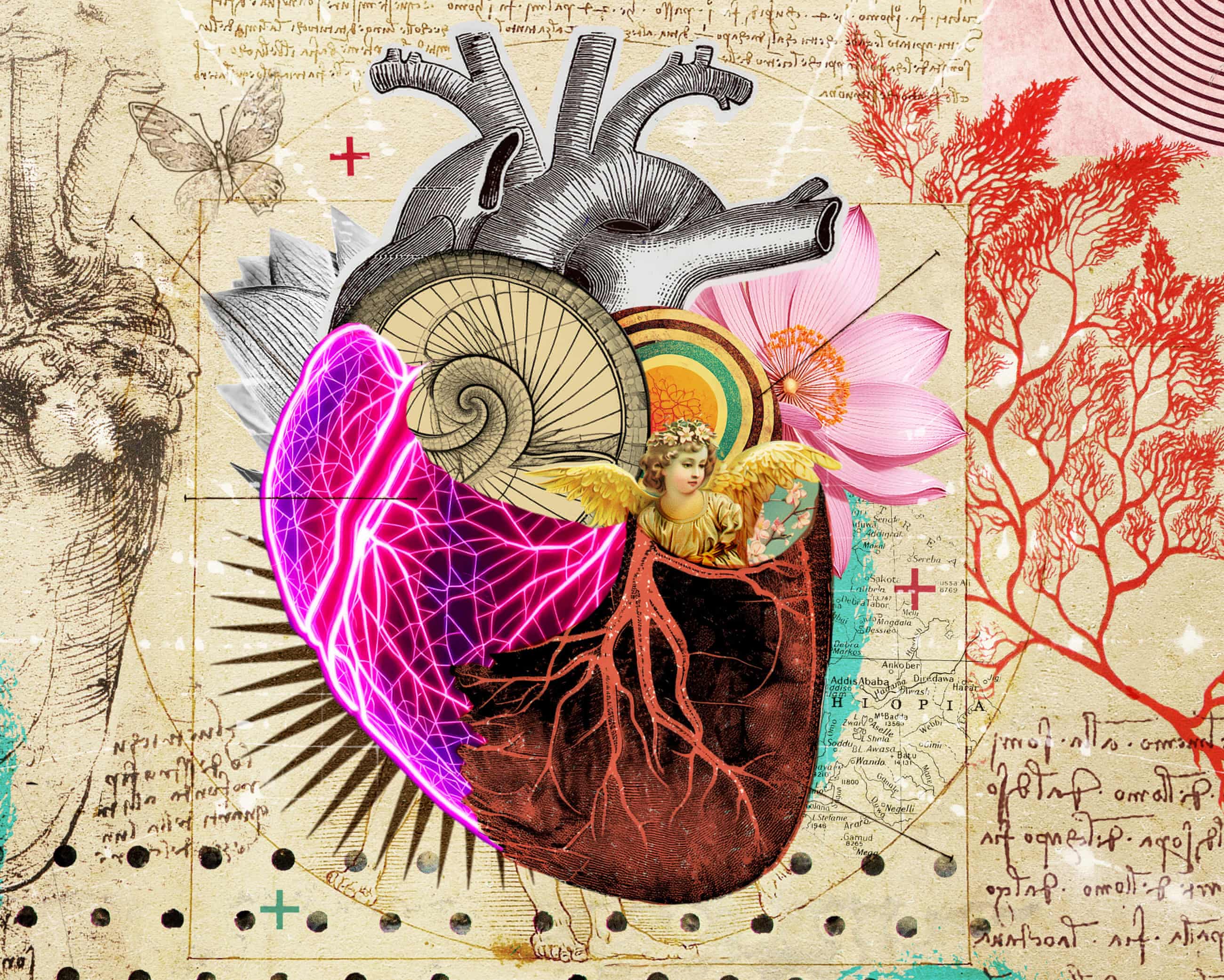
My cultural awakening: Leonardo da Vinci made me rethink surgery – I’ve since mended more than 3,000 hearts
For one heart surgeon, seeing the Renaissance artist’s anatomical drawings gave him a natural understanding of the body that was often overlooked in modern medical scienceIf you’d asked my teenage self, growing up in a small village in Shropshire, what I wanted to do with my life, I would have talked about art and music long before I spoke of scalpel blades and operating theatres. As an 18-year-old, I intended to go to art school, until my mother sat me down and told me rather bluntly that being an artist wouldn’t earn me much money. As she spoke, a surgical documentary flickered across the screen of the black-and-white television in our living room. I told her, half joking, that that was what I’d do instead. Which is how I ended up repeating my A-levels and fighting my way into medical school, where I qualified in 1975
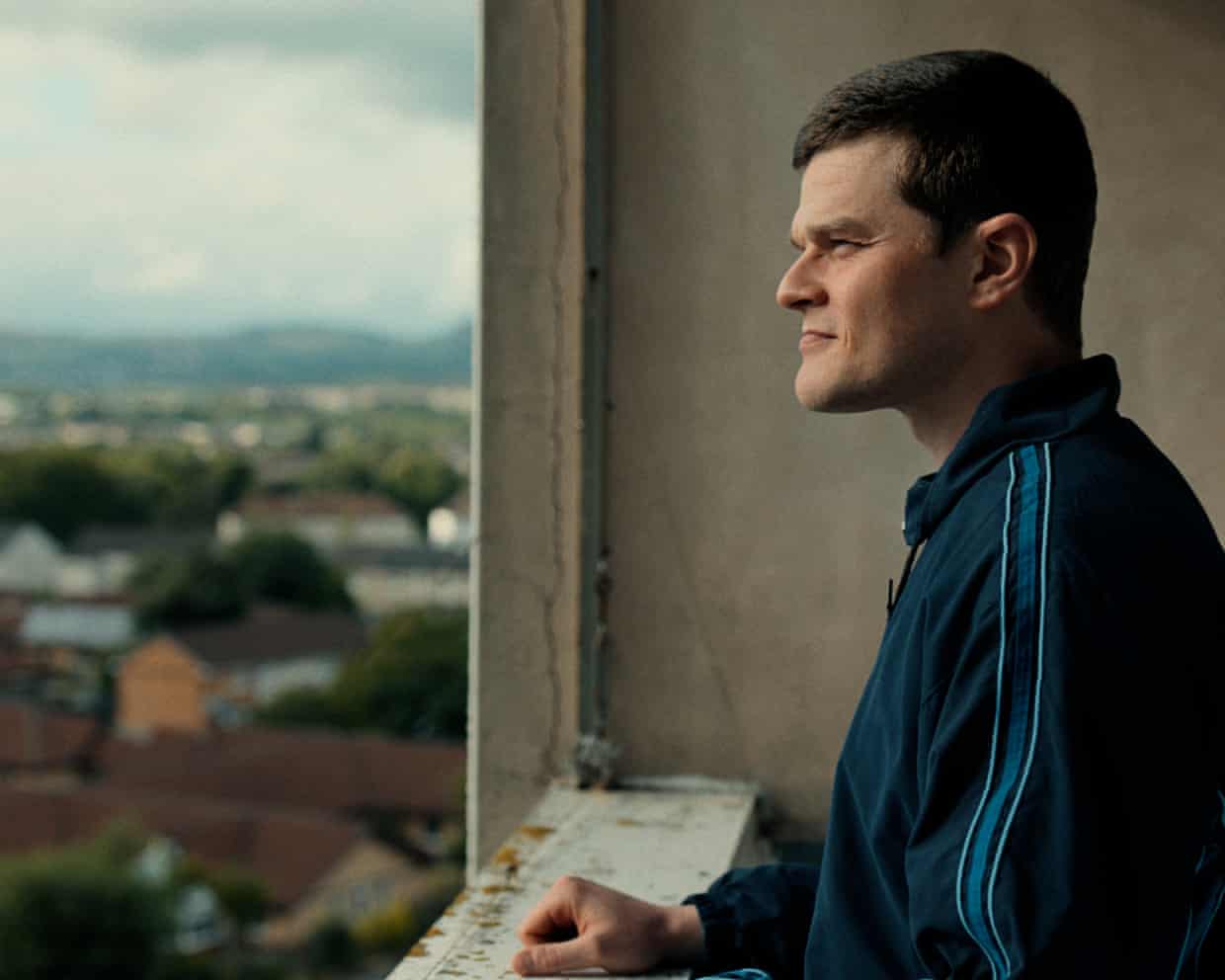
The Guide #232: From documentary shock to Bafta acclaim – how the screen shaped our understanding of Tourette’s
The wildfire surrounding last week’s Bafta ceremony – where Tourette syndrome campaigner John Davidson involuntarily shouted a racial slur at actors Michael B Jordan and Delroy Lindo, and the BBC aired the moment – continues to rage. Criticisms have been levelled at, and investigations opened by, the Beeb and Bafta; hundreds of news stories and comment pieces have been devoted to the incident (if you read anything, make sure it’s this clear-eyed piece from Jason Okundaye, who was at the ceremony); and the climate on social media has been toxic, with much of the ire directed at Davidson himself. It’s an ire that is based on a complete misunderstanding of coprolalia, the form of Tourette syndrome (TS) that Davidson has, which results in the unintended and completely involuntary utterance of offensive or inappropriate remarks.There’s an unhappy irony at play here because Davidson, arguably more than any other person in Britain, has been responsible for raising awareness of TS. There’s an unfortunate symmetry, too, to the fact that the incident was shown on primetime BBC, because that was where Davidson was first brought to national attention as the subject of the landmark 1989 documentary John’s Not Mad

North Korean agents using AI to trick western firms into hiring them, Microsoft says

Brent crude hits $90 as Kuwait ‘starts cutting oil production’; shock as US economy loses 92,000 jobs in February – as it happened
UK arts must not be sacrificed for speculative AI gains, peers say
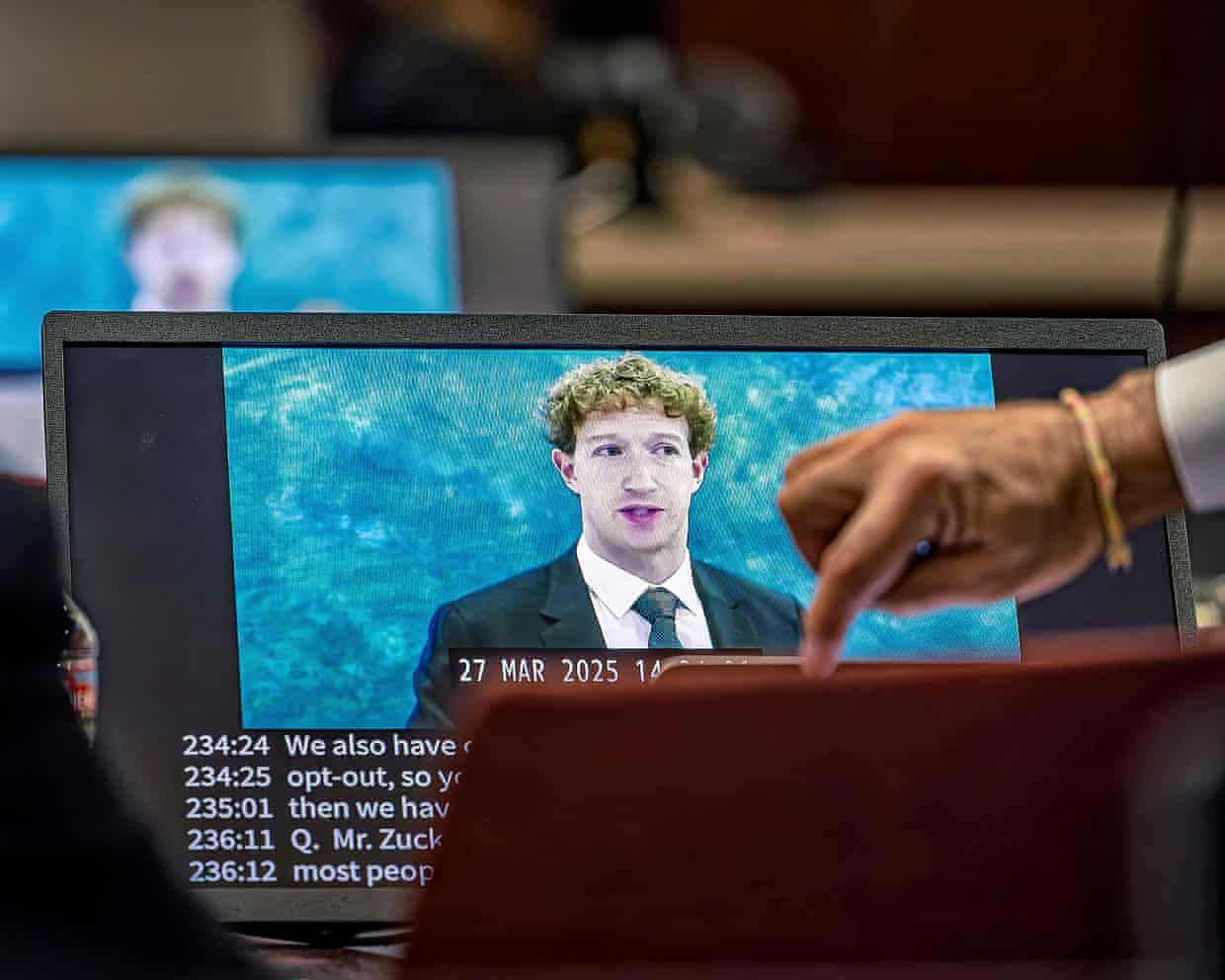
Mark Zuckerberg says criminal behavior on Facebook inevitable
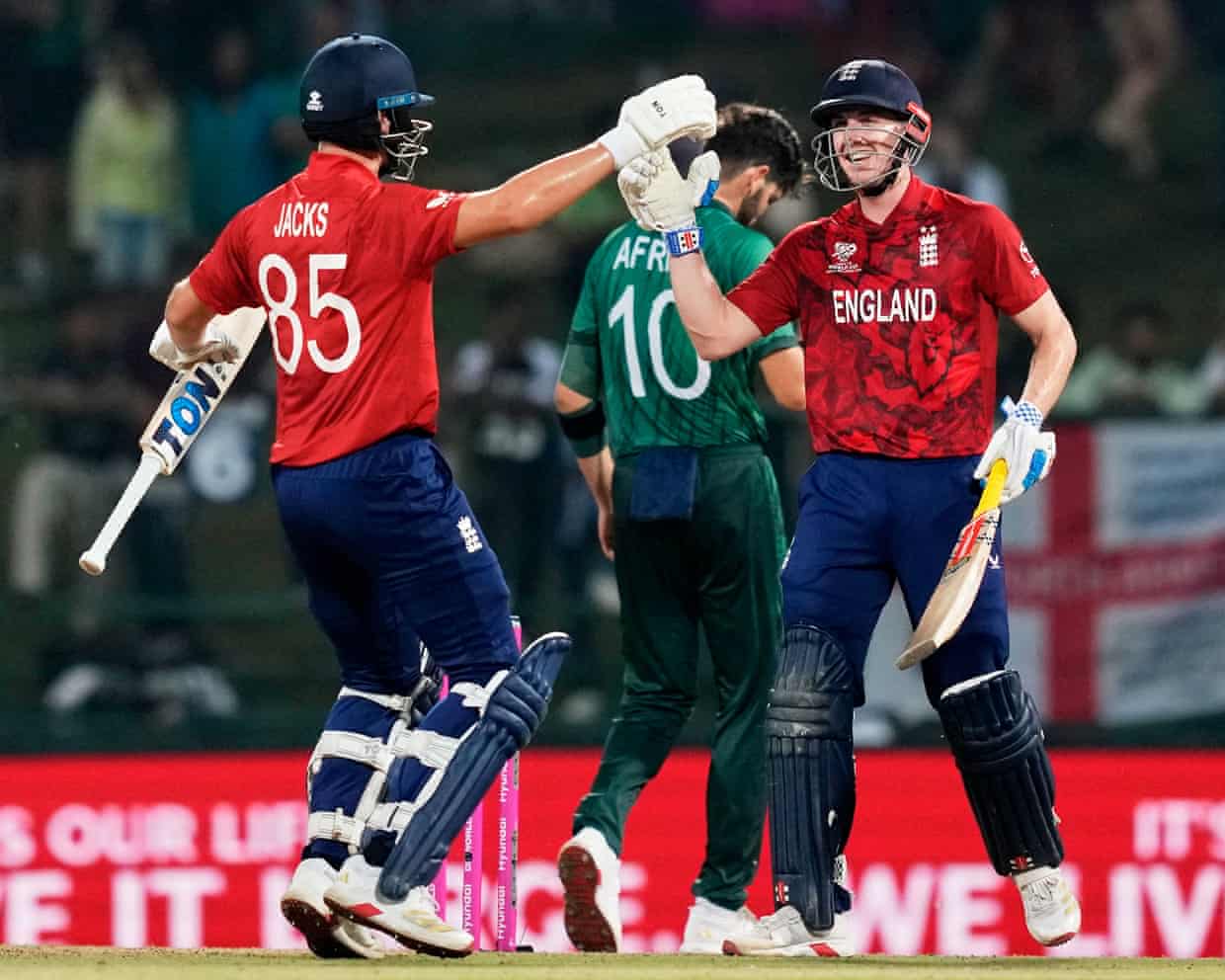
‘Idiot’ to inspiration: Harry Brook’s England leave World Cup with reasons for optimism

Tiger Woods’ wavering over captaincy undermines US Ryder Cup ambitions