Brent crude hits $90 as Kuwait ‘starts cutting oil production’; shock as US economy loses 92,000 jobs in February – as it happened
The UK stock market has recorded its biggest weekly fall in eleven months, as the Middle East crisis has hit shares.The FTSE 100 share index has closed 129 points lower today at 10,284, a drop of 1.24% during today’s session.That means it has lost 5.75% of its value since the start of this week, its worst performance since the week to 4 April 2025, when Donald Trump’s “Liberation Day” tariffs rocked markets.
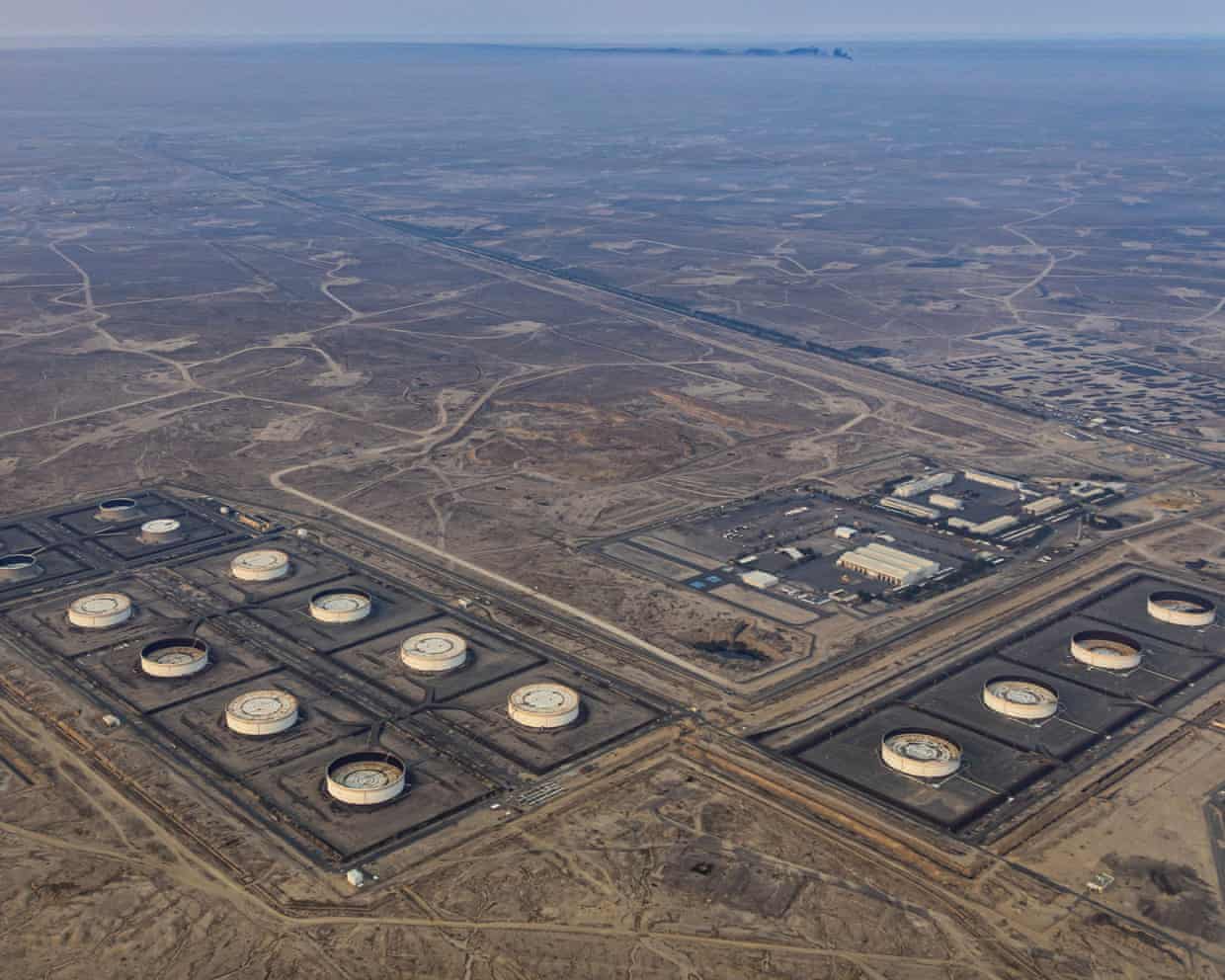
The sell-off came as oil surged – Brent crude is trading around $90.87 a barrel now, having hit $91.89 a barrel earlier, its highest in almost two years.Oil is up over 6% today by 25% this week!Reports that Kuwait had begun cutting production of oil at some fields, after running out of space to store it, pushed up the oil price today, as did Qatar’s energy minister who predicted that if the war continued unabated, all Gulf energy exporters would shut down production within weeks and oil would rise to $150 a barrel.Investors were also rattled by a bad US jobs report, showing that America’s economy lost 92,000 jobs in February.
Analysts at TS Lombard warned that the green shoots in the US labor market have “turned brown”.They predict an improvement will come, as a “positive fiscal impulse” will provide fresh demand to get the jobs market out the doldrums.However, they add, this is “subject to energy effects and demand destruction from the Iran war”.In other news:Here’s Lindsay James, investment strategist at Quilter, on the impact that higher oil and gas prices could have on the UK economy, after Qatar’s energy minister predicted the Iran war will force Gulf countries to stop energy exports ‘within days’:double quotation mark“The warning from Qatar’s energy minister reflects very real concerns about the risk of prolonged disruption to energy supplies from the Gulf, although a lengthy halt to all Gulf oil and gas production remains an extreme scenario.Nonetheless, the concerns he raises are understandable.
With production in Qatar already halted following recent attacks on key facilities, there is clear market anxiety about further damage to infrastructure in the region and the ability of exporters to quickly resume output,“In the near term, gas markets are likely to feel the strain more acutely than oil,Oil prices have moved higher, but it could be a temporary interruption rather than the kind of long term supply removal that was seen following Russia’s invasion of Ukraine,The real uncertainty is how long the disruption lasts, and whether it’s a matter of days, weeks or potentially longer,“A major pressure point is the Strait of Hormuz.
If the route remains constrained, even partially, it limits the flow of both oil and gas and keeps upward pressure on prices.Market moves generally imply investors expect this to be resolved quite quickly, drawing on recent precedents where disruption was short lived.However, with each passing day, the risk grows that this conflict proves more drawn out than initially expected.“For households, the pressure will be felt primarily in energy prices rather than a broad inflation shock.UK food inflation, for example, is unlikely to be significantly affected because much of the food imported into the UK does not rely on Gulf shipping routes.
The bigger economic risk comes from persistently higher energy costs, which can weigh heavily on growth.At the same time, that lower growth may feed into softer economic activity and a cooling labour market, which could help limit how far energy driven inflation feeds into the wider economy.”Neil Wilson of Saxo Markets reports that a “broad de-risking” event is underway in the markets, as investors try to protect themselves from Iran developments over the weekend.He adds:FTSE 100 wiping out the whole of its February rally to trade around 10,250, about where it finished at the end of JanEuropean indices significantly hit trading –1.6% for the day and –6-8% for the weekSelling picked up the pace as President Trump called for unconditional surrender, while a weak US jobs report didn’t help bolster risk appetite.
Today’s jobs report shows that average pay continued to rise, even as firms cut jobs.Hourly earnings rose by 0.4% month-on-month, and 3.8% year-on-year.Analysts at Unicredit say this suggsts “there is not much slack, if any, in the labour market”.
Kevin Hassett, director of the National Economic Council of the United States, has claimed that today’s weak jobs data is an “outlier”.He told Bloomberg TV:double quotation markEvery other indicator is consistent with very strong GDP growth right now.NEC Director Kevin Hassett responds to jobs drop: “Every other indicator is consistent with very strong GDP growth right now, and so this really is an outlier number.”pic.twitter.
com/3lTmJxsyezYikes.Almost every major industry group shed jobs in February.Private sector overall: -86,000Hospitality -27,000Healthcare -28,000Manufacturing -12,000Tranport/warehouse -11,000Construction -11,000Information -11,000Federal gov't -10,000Professional/biz -5,000Mining… pic.twitter.com/4mA5LJf00PMotoring body the RAC reports that fuel prices have risen steadily this week.
RAC Fuel Watch data shows that petrol has now increased by 3.7p to 136.53p a litre since Saturday, while diesel is up by 6p to a 16-month high of 148.35p.RAC head of policy Simon Williams warns that there will be further price rises unless the oil price drops back:double quotation markThis has already pushed up the cost of filling a 55-litre family car with petrol by £2 and diesel by nearly £3.
30 in less than a week,“While wholesale costs for any retailer buying in new stock will have gone up, it normally takes two weeks for price changes to work their way through to the forecourt,Brent crude jumped to $85 on Thursday [now over $91] something we haven’t seen since July 2024,If the price of a barrel stays at this level, or increases, then further forecourt rises will be inevitable,While the rate of increase has been fast, we’re fortunately a long way from the record prices of 2022 when the average price of petrol hit 191.
5p and diesel 199p.”US crude oil price have also shot higher today.WTI (West Texas Intermediate) is up almost 10% at $88.82 a barrel, the most expensive level since October 2023.Kathleen Brooks, research director at XTB, says the oil price “took another leg higher” after Kuwait joined Qatar and said that it was halting energy production.
Brooks adds:double quotation markDonald Trump also brushed off hopes that mediation was taking place to end this war in the Middle East, instead he said that there would be no end until an ‘unconditional surrender’ of the Iranian regime took place, which seems unlikely in the near term.This has dashed hopes that the conflict will be averted quickly, and the oil price has continued its push back towards $90, Brent crude is higher by 6% on the day and is now above $90 per barrel, and there is not much to stop it from hitting $100 per barrel in the near term.The relentless rise has also seen WTI crude rose by 9% today.Until the oil price stabilizes it’s hard to see how stock markets and bond prices can recover.Qatar’s energy minister, Saad al-Kaabi, also forecast that crude prices could soar to $150 a barrel in two to three weeks if tankers and other merchant vessels were unable to pass through the strait of Hormuz.
Colin Walker, head of transport at the Energy and Climate Intelligence Unit, says this would have a serious impact on drivers:double quotation mark“Such an increase in the price of oil could see a litre of petrol jumping to around £1.90 - a price last seen in 2022 after Russian’s invasion of Ukraine - adding over £500 to the average fuel bill of a British petrol car driver.European gas price are continuing to rise, threatening to intensify the region’s cost-of-living squeeze.The UK month-ahead gas prices is now up 3.5% today at 136p a therm, meaning it has almost doubled since the middle of last week (when it traded around 75p a therm).
Having burst through the $90/barrel mark today, Brent crude now has the $100/barrel mark in its sights,Brent, the international benchmark, is continuing to climb and hit $91,80 a barrel a few minutes ago, the highest since 12 April 2024,As well as Kuwait’s decision to start cutting production, traders will have noted a statement from Donald Trump today that “will be no deal with Iran except UNCONDITIONAL SURRENDER!”Wall Street has opened with heavy losses, as investors react to the surge in the oil price, the ongoing Middle East war, and a bad jobs report,The Dow Jones industrial average, which tracks 30 large US companies, has fallen by 834 points, or 1.
74%, in the first few minutes of trading to 47,119 points.The broader S&P 500 index is down 1.6%, and the tech-focused Nasdaq index is down 1.65%.The Russell 2,000 index, which tracks smaller US companies, has lost 2%.
Today’s weak jobs report, and the rising oil price, suggests the US economy is facing the grim combination of rising prices and falling employment.Scott Helfstein, head of investment strategy at Global X,warns that higher energy prices could lead to more job losses:double quotation mark“The jobs report was weaker than expected, and this does include the possible drag on employment from higher oil prices.Sharp increases in oil prices typically coincide with labor force reductions.When oil prices spike by 20%, the U.S.
typically losses jobs, and that is the current scenario.”A central banker's nightmare: inflationary pressure plus job destruction.pic.twitter.com/BQitHdAlXb
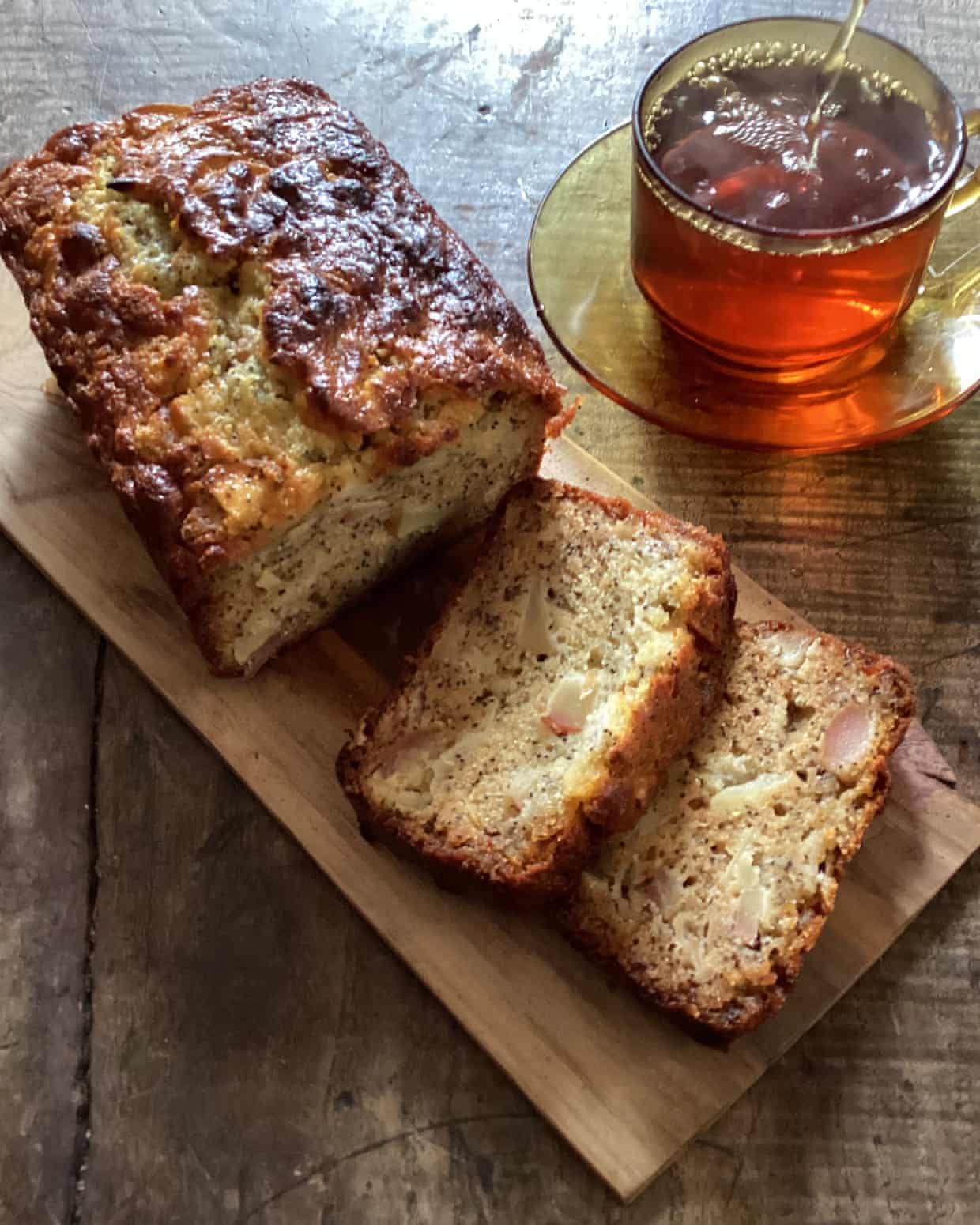
Rachel Roddy’s recipe for apple, honey and poppy seed cake | A kitchen in Rome
Honey is, among other things, a successful embalming agent. It is also a humectant, which isn’t an eager cyborg, but one of many short-chained organic compounds that are hygroscopic, meaning they attract and hold water, which in turn prevents hardening and encourages softness. Other hardworking humectants are glycerine, which is what keeps face creams creamy and hydrating, and sorbitol, which ensures toothpaste can be squeezed and smeared all over the sink and on the mirror. Honey, though, is the humectant that’s most suitable for this week’s recipe: a one-bowl, everyday cake inspired by my neighbour’s Polish honey cake, miodownik, combined with the tortino di mele e papavero (apple and poppy seed cake) enjoyed at a station bar in Bolzano.Not only does honey keep the cake moist, its sweetness comes largely from fructose, which is naturally sweeter than refined sugar, so the perception of sweetness is much greater even when less is added

My whey: dairy milk back on menu as protein boom cuts demand for plant-based alternatives
Gabriel Morrison hadn’t touched dairy milk for a decade until he read the ingredients label on his cheap carton of oat milk.“It’s [so much] canola oil and you imagine that in your glass, and imagine discovering that much olive oil, you’re like, that’s actually really gross,” he says.“I was just like, ‘ooft, I should stop this’.”The 28-year-old cinematographer had exclusively drunk soy, then almond, then oat milks since 2015 but had started worrying about processed foods – despite expert reassurance.In early 2025, with his housemate already buying cheaper dairy, he gave the old classic another look
It’s crunch time! Gala apples and nashi pears among Australia’s best-value fruit and veg for March
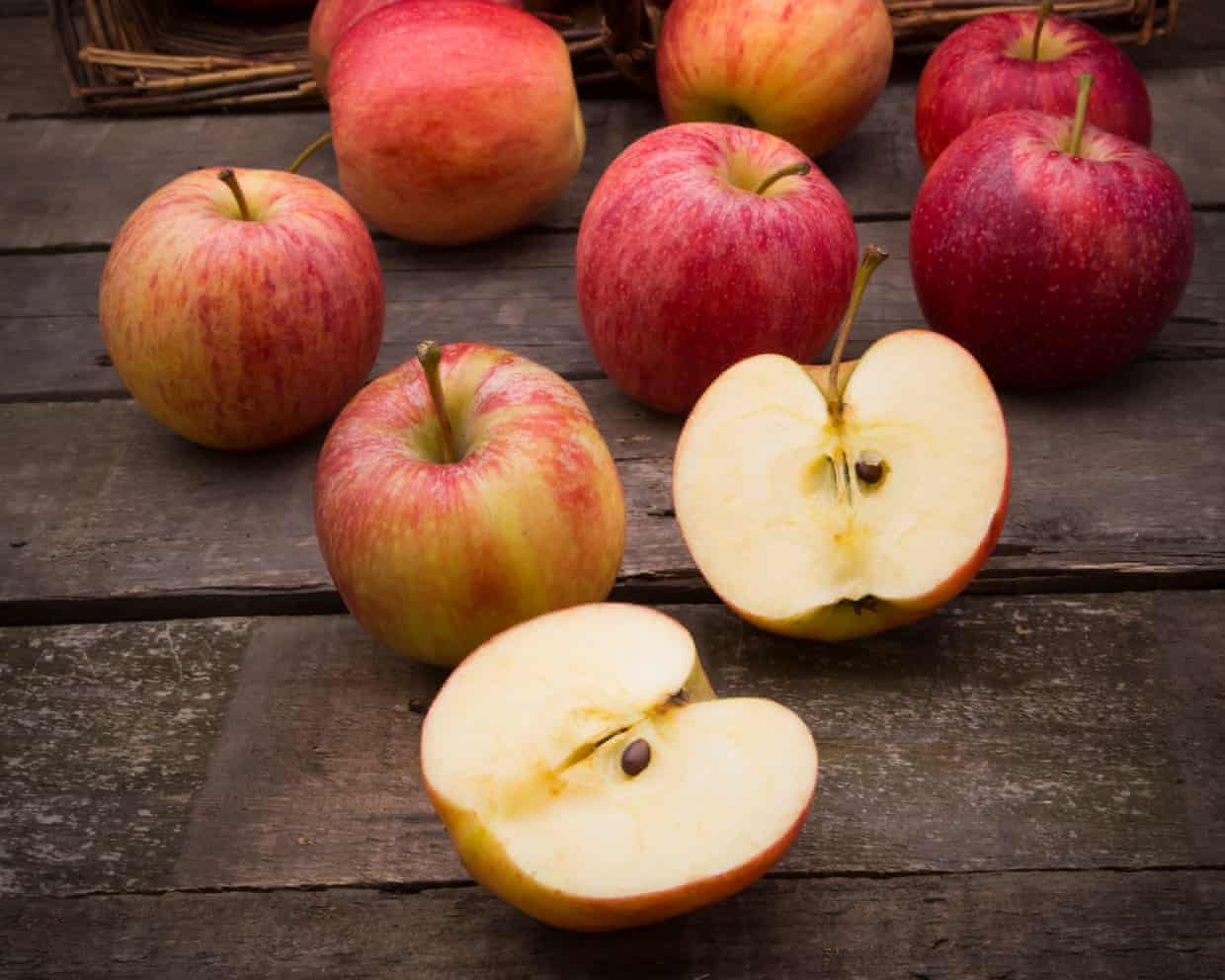
It’s a core month for pome fruit, with apples, pears and quince all heralding the start of autumn. “The first cab off the rank is the gala – a big sweet and juicy apple,” says Graham Gee, senior buyer at the Happy Apple in Melbourne.Granny smith, jazz and kanzi apples will come in during March too, and “Australia’s most popular variety, the pink lady, generally starts in April,” he says.Royal gala apples are between $5 and $8 per kilo at supermarkets. They’re $7 to $9 per kilo at Sydney’s Galluzzo Fruiterers, and Gee is selling them for about $3 to $5 per kilo; Spudshed in Perth is selling bags of prepacked new season apples for $3
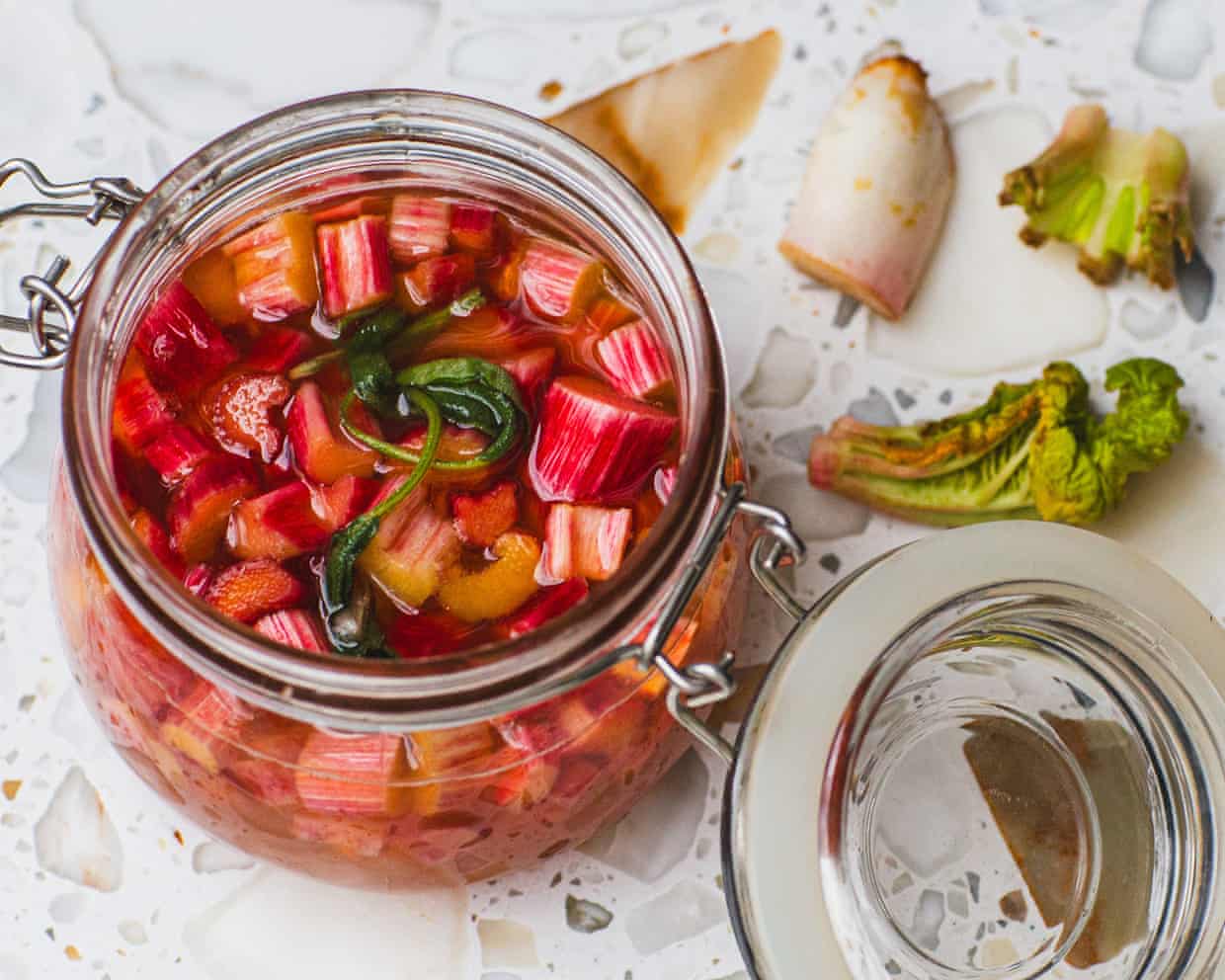
How to turn limp rhubarb into tasty jam – recipe
Rachel de Thample is one of my food heroines. She’s the author of six books, and has also been course director of the College of Naturopathic Medicine’s natural chef diploma, head of food for Abel & Cole and commissioning editor of Waitrose Food Illustrated, among so much else. She trained with the likes of Marco Pierre White, Heston Blumenthal and Peter Gordon, and now teaches fermentation and gut health at River Cottage HQ, where I cut my own teeth in teaching eco-gastronomy more than 20 years ago. While researching honey fermenting recently, I came across her recipe in River Cottage’s Bees & Honey Handbook, which I’ve adapted here so you can make as much as you like using a variety of aromatics.The Guardian’s journalism is independent

£25 for a cookie? What the baffling luxury bakery boom tells us about Britain
Amid a cost of living crisis, pricey patisserie is all the rage – and not just in London. Our reporter goes on a crawl to find out if a tart can really be worth £45There was a time when you could get a stuffed vanilla cream slice or a neon-pink Tottenham cake for about £1 on the leafy, residential corner of Hackney, east London, where I stand today. But the branch of Percy Ingle bakery that was here for nearly 50 years is gone. In its place sits Fika, a cafe where a cinnamon bun costs £4.20 and a pistachio croissant will set you back nearly £5
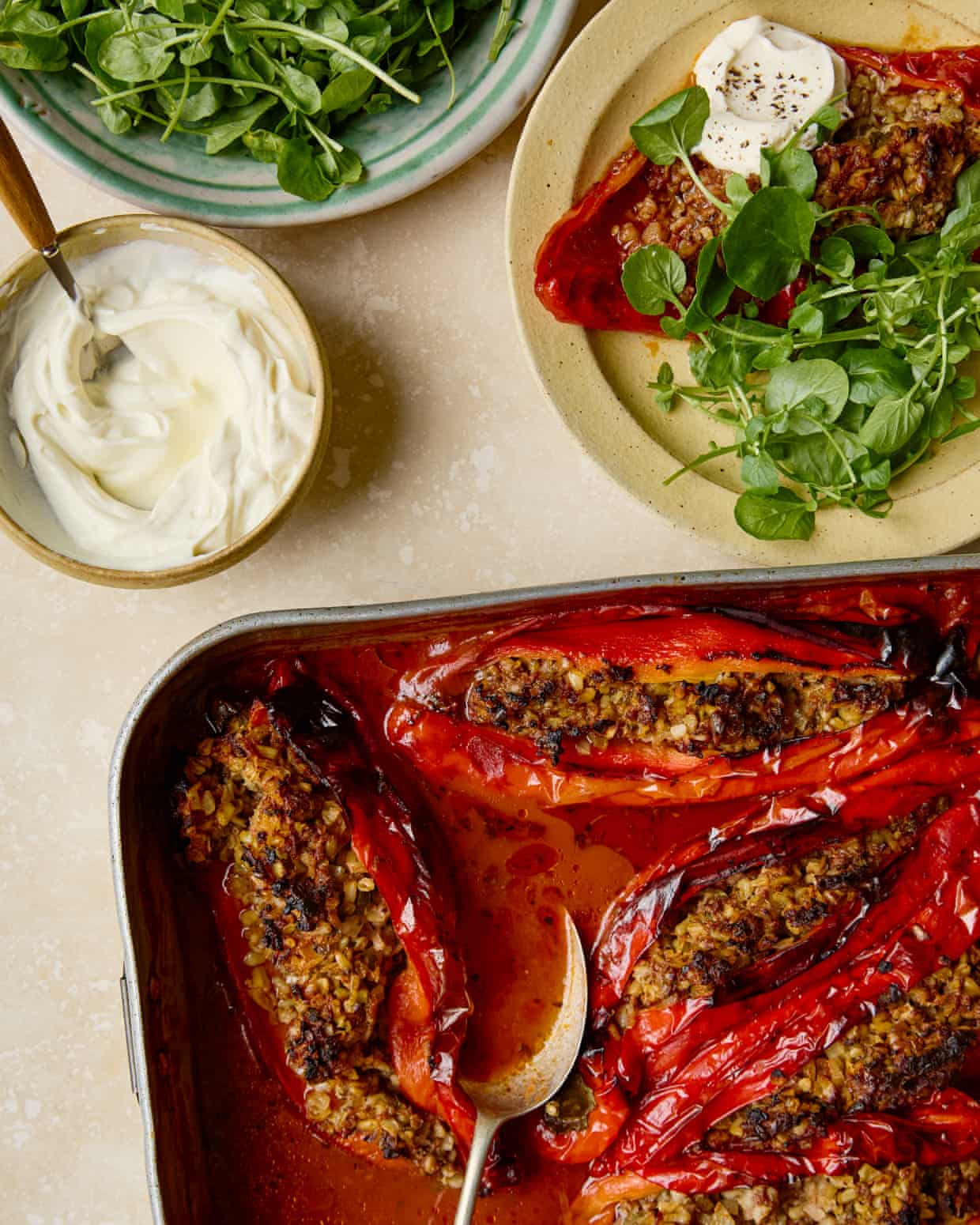
Stuffed peppers and aubergine dip: Sami Tamimi’s recipes for savoury Palestinian snacks
I still remember, when I was a kid, the end of spring and early summer when markets in Jerusalem and across Palestine overflowed with freshly harvested freekeh. As you approached, the air carried a smoky, earthy aroma. Freekeh is an ancient grain, a staple across the Middle East and Turkey, made from green wheat roasted over open fires to burn off the husks, which gives it the characteristic nutty flavour. The name comes from the Arabic freek, meaning “to rub”, which describes how the grains are cleaned, dried, cracked and stored for the year.Throughout the Middle East and Palestine, mahashi (stuffing vegetables) is a true labour of love, creating dishes that are designed to be shared
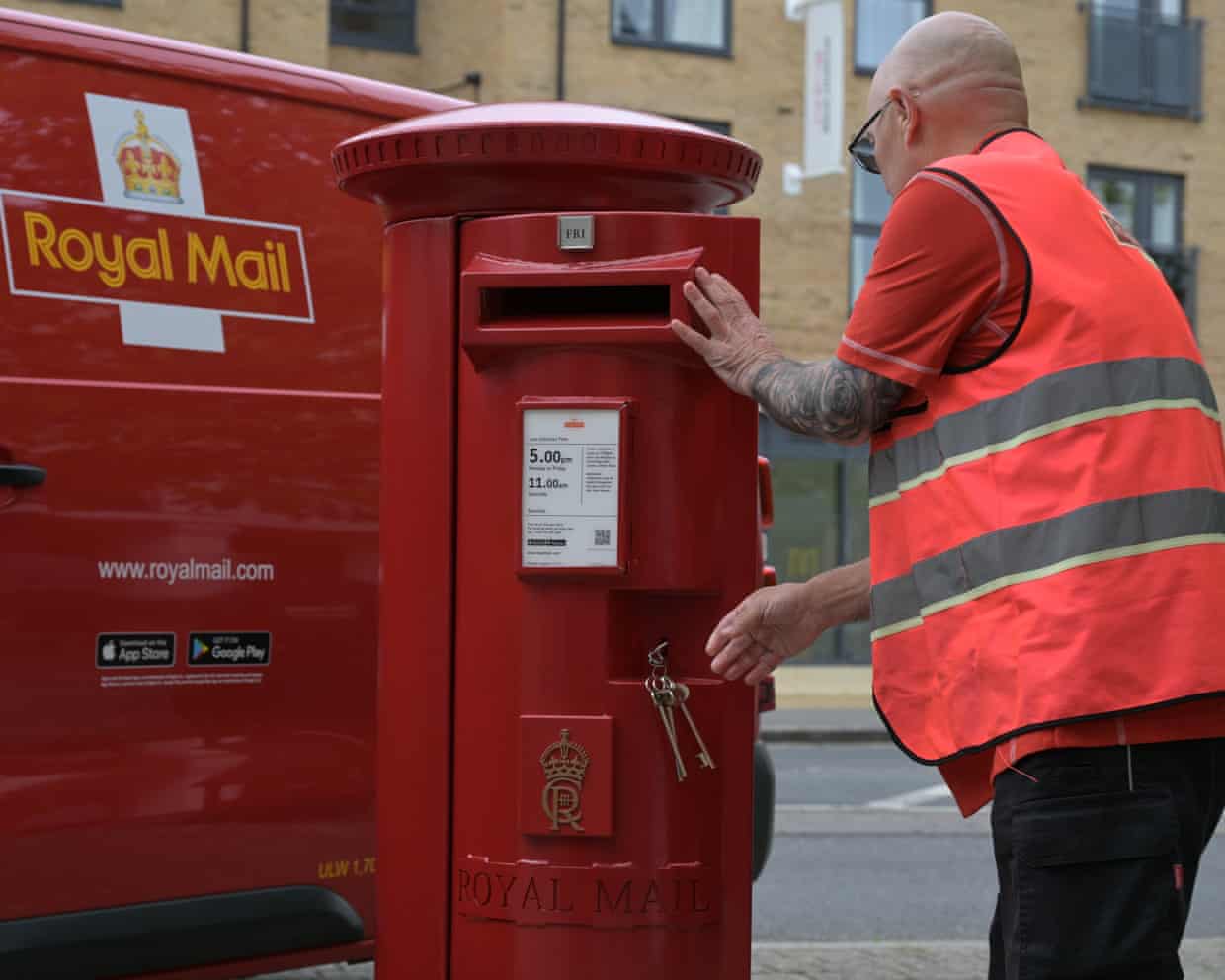
Royal Mail criticised as first-class stamp price rises to £1.80 despite ‘failing service’

US lost 92,000 jobs in February just before Trump joined Iran conflict
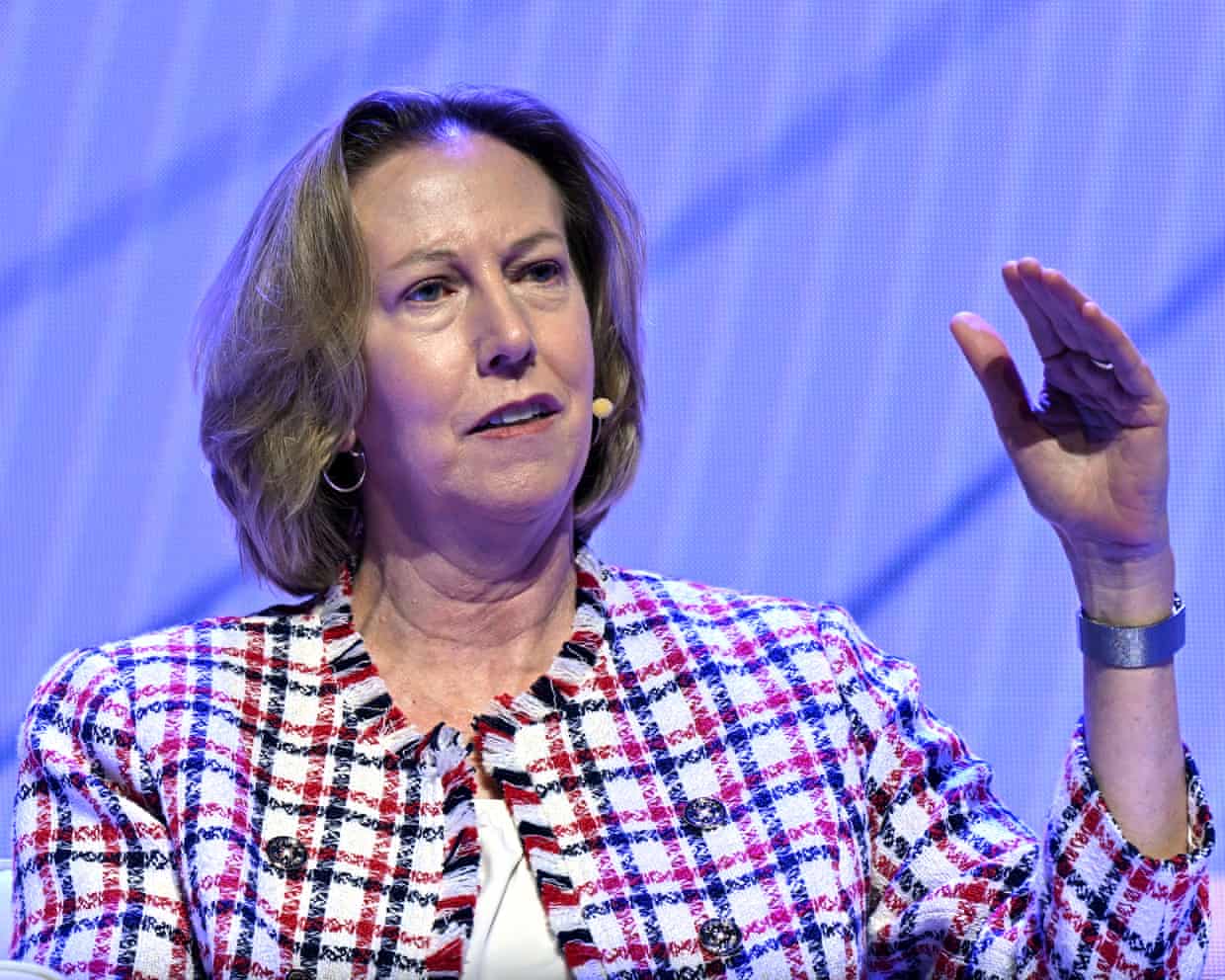
BP’s new boss will take home at least £11.7m this year, more than double her predecessor
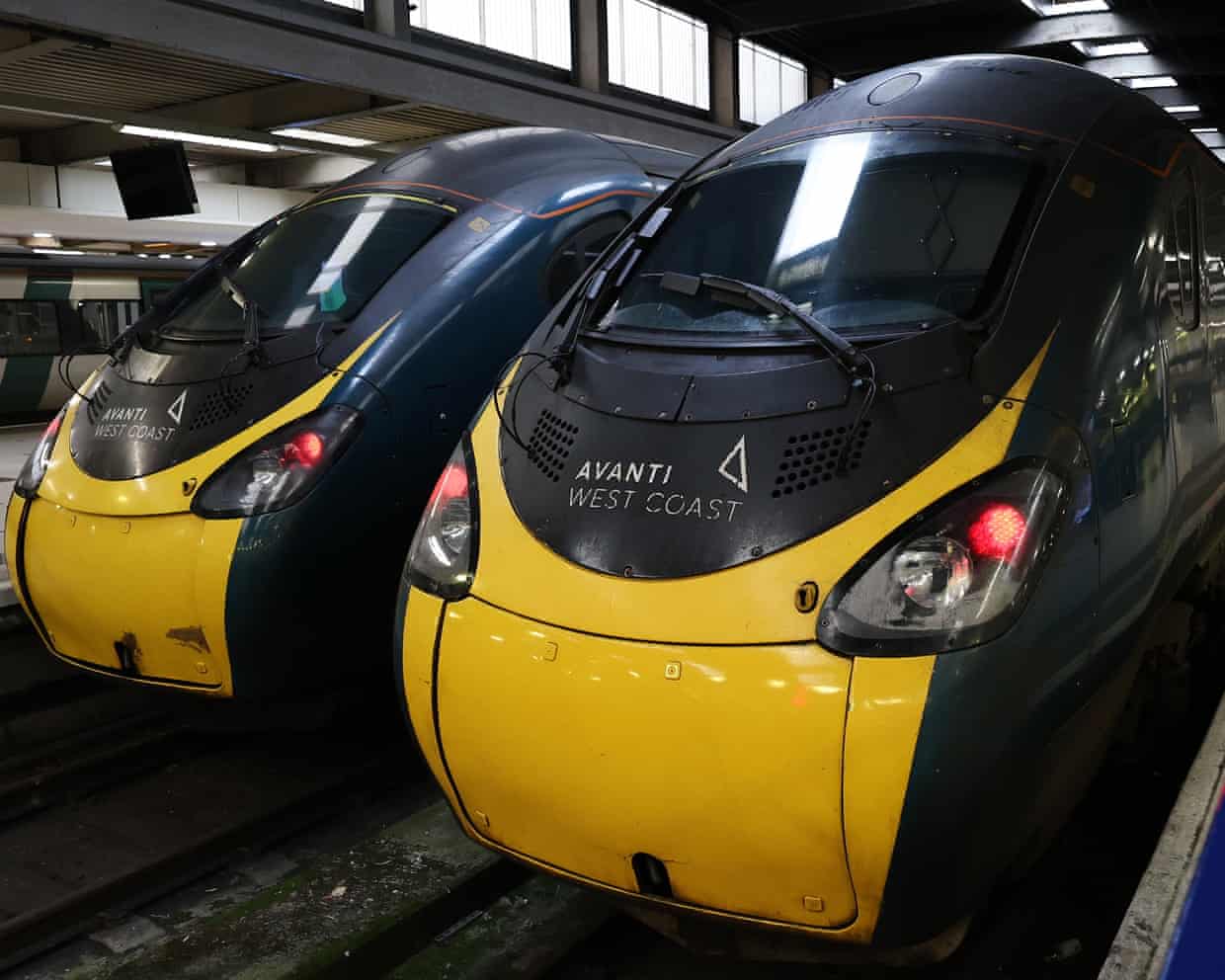
Rail passengers warned over six-day Easter shutdown on west coast mainline
‘We’re powerless … and hoping nothing hits us’: trapped on a tanker as Iran war escalates
US grants waiver to allow India to buy Russian oil amid Iran war