North Korean agents using AI to trick western firms into hiring them, Microsoft says

Fake IT workers deployed by North Korea are using AI technology, including voice-changing tools, to trick western companies into hiring them, Microsoft has said,The US tech firm said a signature Pyongyang money-raising ruse is being enhanced by AI, which is helping create fake names and alter stolen IDs to increase the credibility of false applicants for IT and software development jobs,The scam typically involves state-backed fraudsters applying for remote IT work in the west, using fake identities and the help of “facilitators” in the country where the company targeted is based,Once hired, they send their wages back to Kim Jong-un’s state and have even been known to threaten to release sensitive company data after being fired,According to a blogpost from Microsoft’s threat intelligence unit, Pyongyang is using AI to bolster the effectiveness of its ploy.
Microsoft listed a number of AI-related scams in use by North Korean groups, called Jasper Sleet and Coral Sleet in line with the convention of cybersecurity analysts giving monikers to unnamed clusters of assailants.The tech company said the scammers had used voice-changing software during remote interviews to mask their accents, allowing them to pass as western candidates.They also use the AI app Face Swap to insert the faces of North Korean IT workers into stolen identity documents and to generate “polished” headshots for CVs.“Jasper Sleet leverages AI across the attack lifecycle to get hired, stay hired, and misuse access at scale,” Microsoft said.Last year, Microsoft said it had disrupted 3,000 Microsoft Outlook or Hotmail accounts used by fake North Korean IT workers.
Microsoft said the fake workers had used AI platforms to generate “culturally appropriate” name lists and matching email address formats to construct false identities for job applications,The company said an example prompt might be “create a list of 100 Greek names” or “create a list of email address formats using the name Jane Doe”,They also use AI to scour job postings for software and IT-related roles on jobs platforms such as Upwork, then use the skill requirements listed on those ads to craft more effective applications,Upwork has said it takes “aggressive action to … remove bad actors from our platform”,Once hired, the fake workers then use AI to write emails, translate documents and generate code as they attempt to stave off being discovered as a fraud or sacked for poor performance, Microsoft said.
Companies have also been urged to carry out job interviews for IT workers on video or in person to head off the threat.Microsoft added that interviewers can spot a deepfake video or image via a series of “tells”, such as pixellation at the edges of faces, eyes, ears and glasses – and inconsistencies in how light interacts with an AI-generated face.
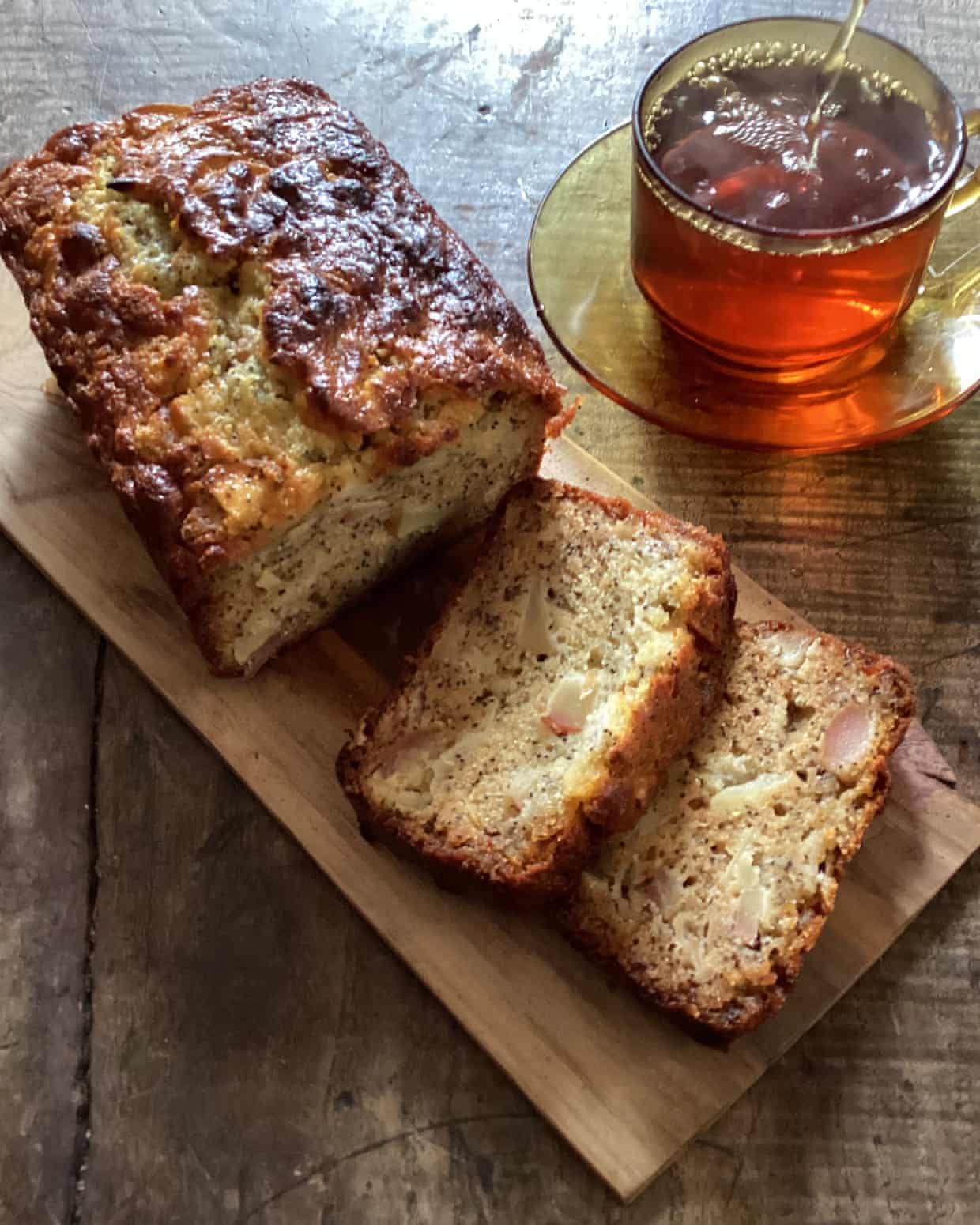
Rachel Roddy’s recipe for apple, honey and poppy seed cake | A kitchen in Rome
Honey is, among other things, a successful embalming agent. It is also a humectant, which isn’t an eager cyborg, but one of many short-chained organic compounds that are hygroscopic, meaning they attract and hold water, which in turn prevents hardening and encourages softness. Other hardworking humectants are glycerine, which is what keeps face creams creamy and hydrating, and sorbitol, which ensures toothpaste can be squeezed and smeared all over the sink and on the mirror. Honey, though, is the humectant that’s most suitable for this week’s recipe: a one-bowl, everyday cake inspired by my neighbour’s Polish honey cake, miodownik, combined with the tortino di mele e papavero (apple and poppy seed cake) enjoyed at a station bar in Bolzano.Not only does honey keep the cake moist, its sweetness comes largely from fructose, which is naturally sweeter than refined sugar, so the perception of sweetness is much greater even when less is added

My whey: dairy milk back on menu as protein boom cuts demand for plant-based alternatives
Gabriel Morrison hadn’t touched dairy milk for a decade until he read the ingredients label on his cheap carton of oat milk.“It’s [so much] canola oil and you imagine that in your glass, and imagine discovering that much olive oil, you’re like, that’s actually really gross,” he says.“I was just like, ‘ooft, I should stop this’.”The 28-year-old cinematographer had exclusively drunk soy, then almond, then oat milks since 2015 but had started worrying about processed foods – despite expert reassurance.In early 2025, with his housemate already buying cheaper dairy, he gave the old classic another look
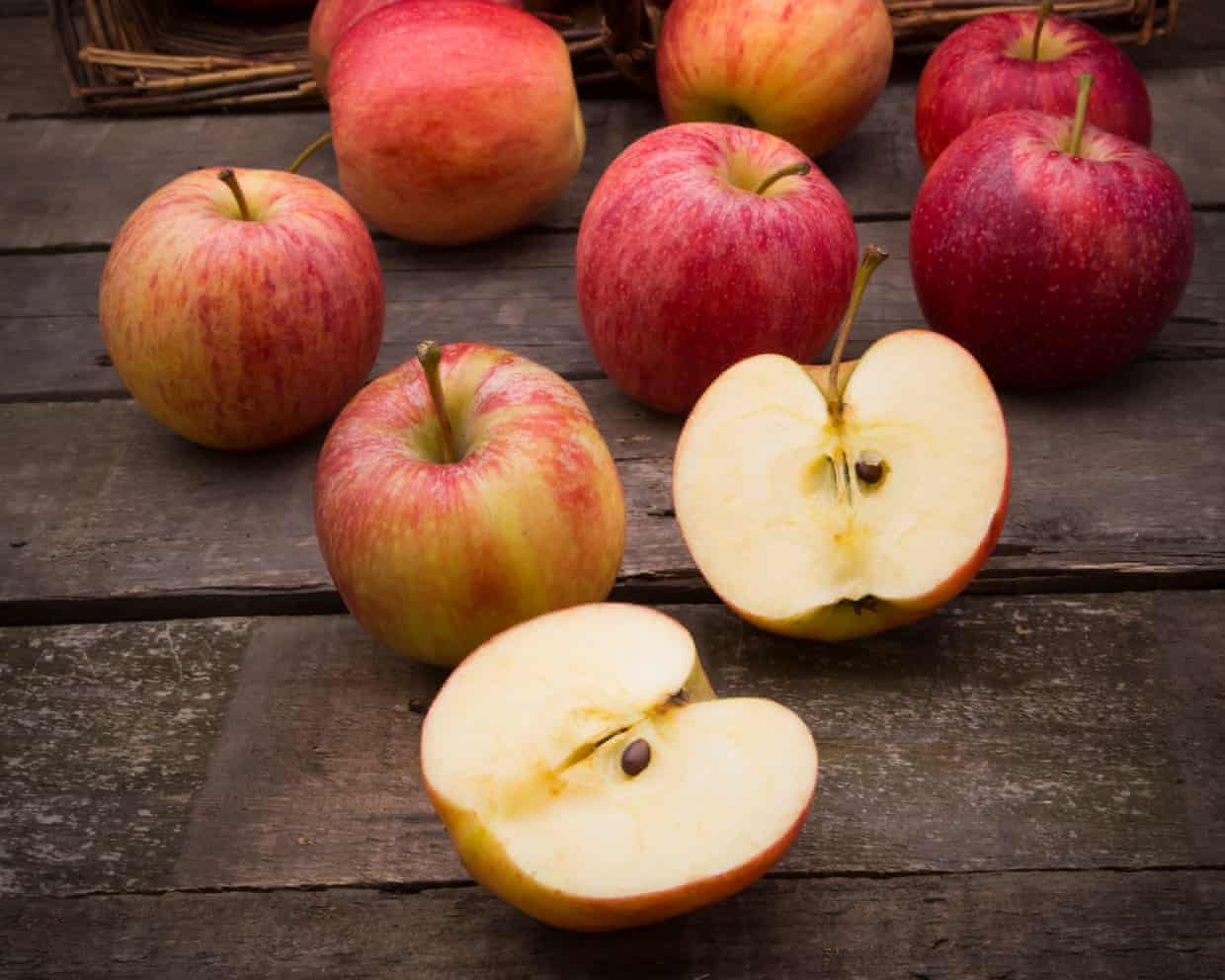
It’s crunch time! Gala apples and nashi pears among Australia’s best-value fruit and veg for March
It’s a core month for pome fruit, with apples, pears and quince all heralding the start of autumn. “The first cab off the rank is the gala – a big sweet and juicy apple,” says Graham Gee, senior buyer at the Happy Apple in Melbourne.Granny smith, jazz and kanzi apples will come in during March too, and “Australia’s most popular variety, the pink lady, generally starts in April,” he says.Royal gala apples are between $5 and $8 per kilo at supermarkets. They’re $7 to $9 per kilo at Sydney’s Galluzzo Fruiterers, and Gee is selling them for about $3 to $5 per kilo; Spudshed in Perth is selling bags of prepacked new season apples for $3
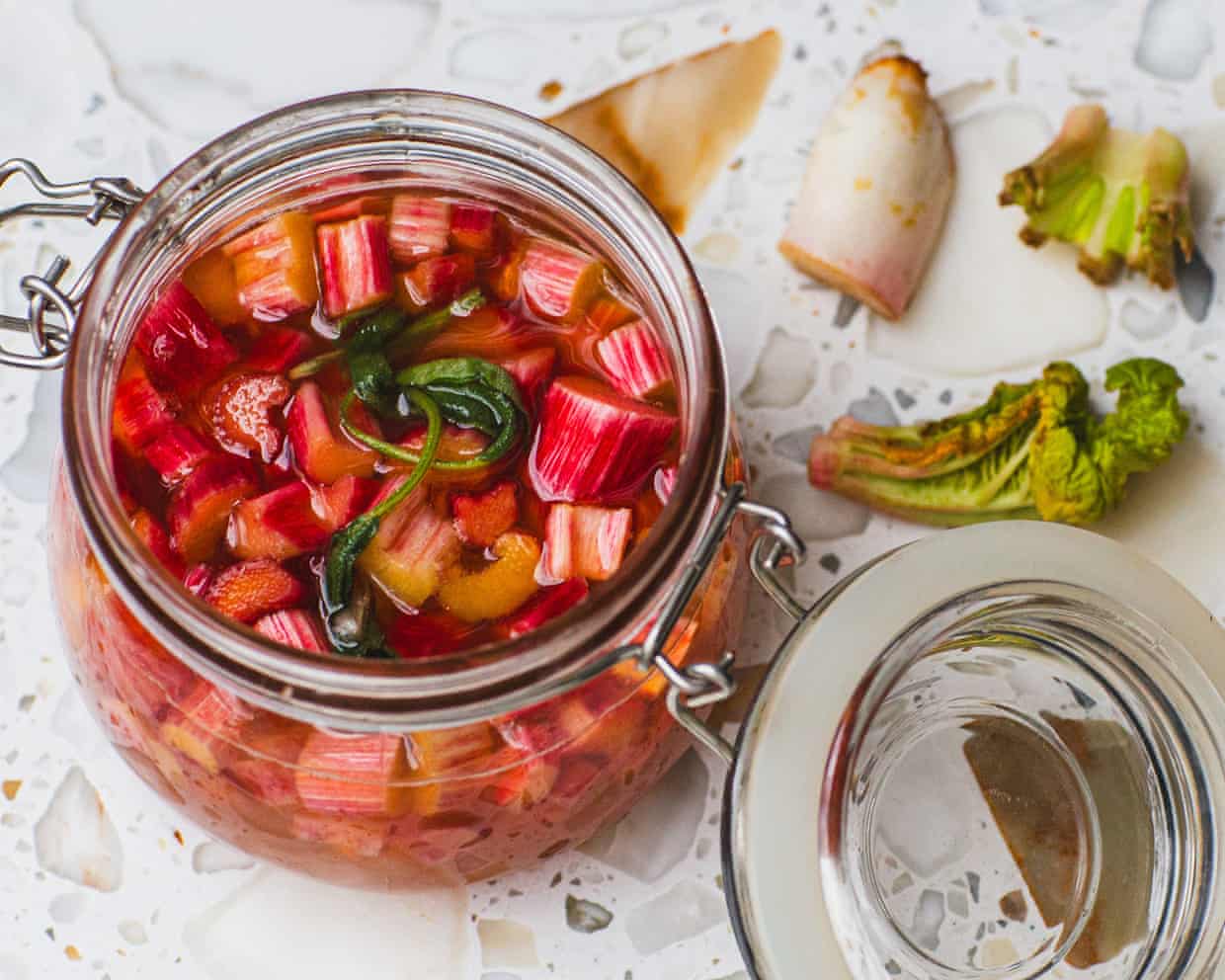
How to turn limp rhubarb into tasty jam – recipe
Rachel de Thample is one of my food heroines. She’s the author of six books, and has also been course director of the College of Naturopathic Medicine’s natural chef diploma, head of food for Abel & Cole and commissioning editor of Waitrose Food Illustrated, among so much else. She trained with the likes of Marco Pierre White, Heston Blumenthal and Peter Gordon, and now teaches fermentation and gut health at River Cottage HQ, where I cut my own teeth in teaching eco-gastronomy more than 20 years ago. While researching honey fermenting recently, I came across her recipe in River Cottage’s Bees & Honey Handbook, which I’ve adapted here so you can make as much as you like using a variety of aromatics.The Guardian’s journalism is independent
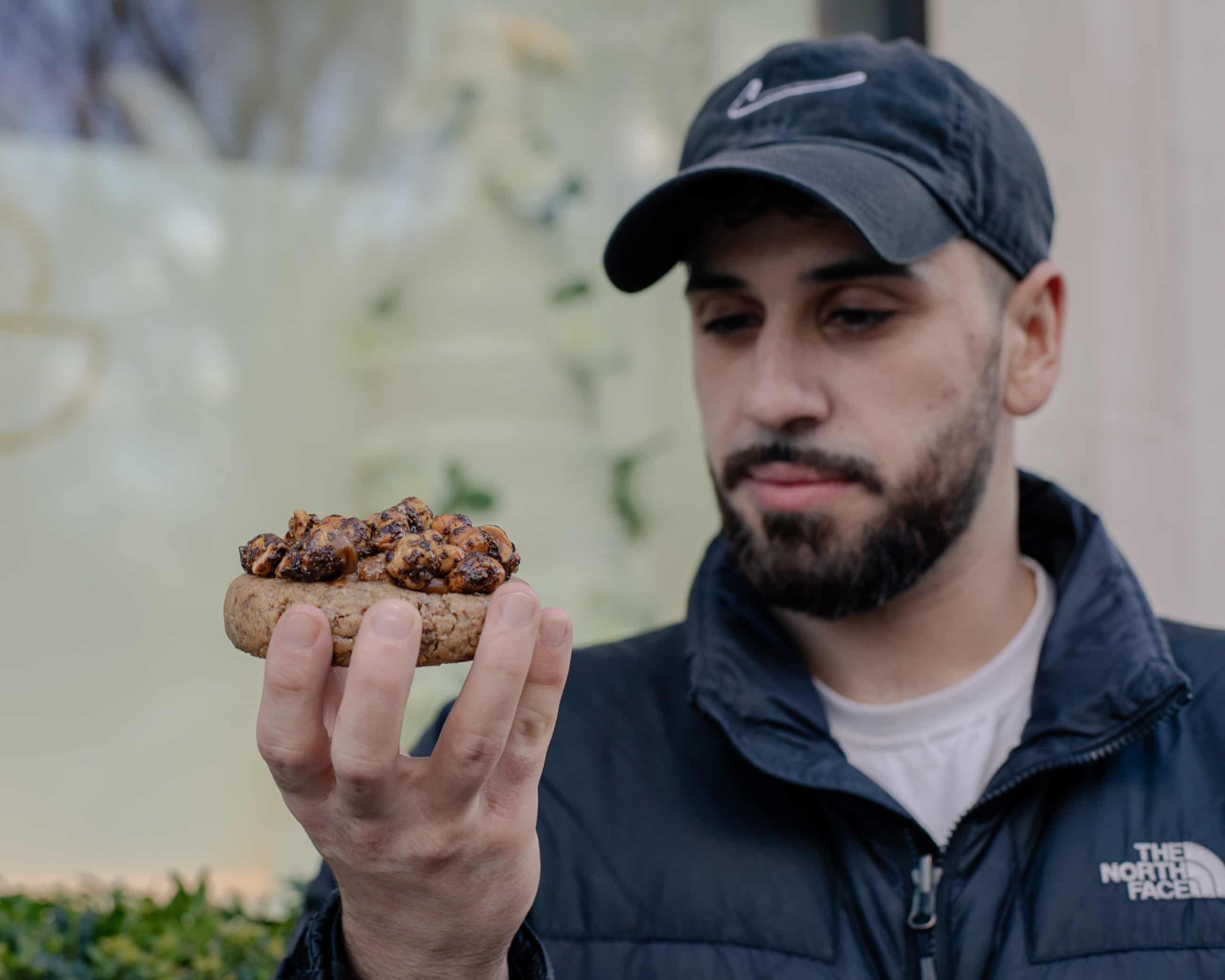
£25 for a cookie? What the baffling luxury bakery boom tells us about Britain
Amid a cost of living crisis, pricey patisserie is all the rage – and not just in London. Our reporter goes on a crawl to find out if a tart can really be worth £45There was a time when you could get a stuffed vanilla cream slice or a neon-pink Tottenham cake for about £1 on the leafy, residential corner of Hackney, east London, where I stand today. But the branch of Percy Ingle bakery that was here for nearly 50 years is gone. In its place sits Fika, a cafe where a cinnamon bun costs £4.20 and a pistachio croissant will set you back nearly £5
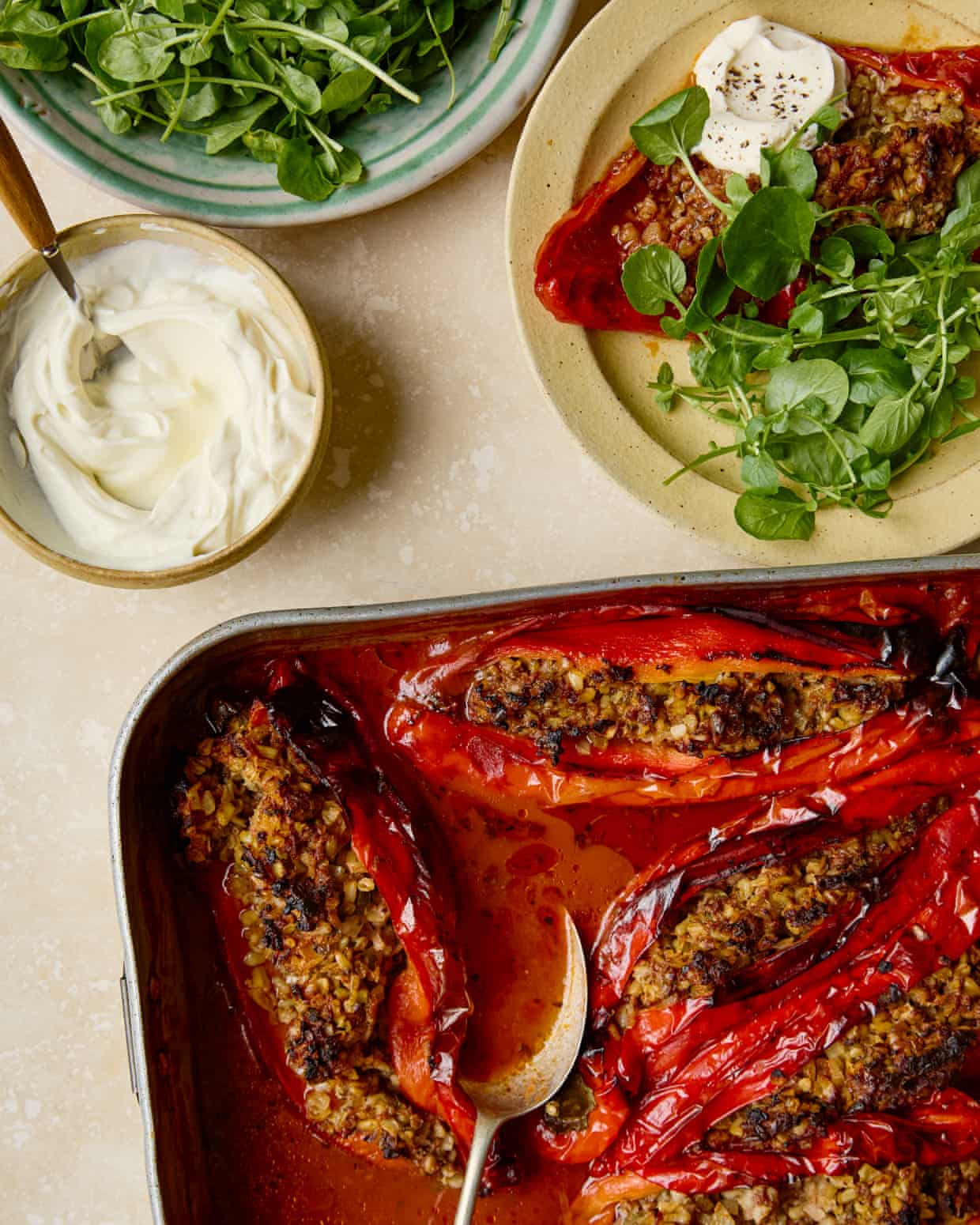
Stuffed peppers and aubergine dip: Sami Tamimi’s recipes for savoury Palestinian snacks
I still remember, when I was a kid, the end of spring and early summer when markets in Jerusalem and across Palestine overflowed with freshly harvested freekeh. As you approached, the air carried a smoky, earthy aroma. Freekeh is an ancient grain, a staple across the Middle East and Turkey, made from green wheat roasted over open fires to burn off the husks, which gives it the characteristic nutty flavour. The name comes from the Arabic freek, meaning “to rub”, which describes how the grains are cleaned, dried, cracked and stored for the year.Throughout the Middle East and Palestine, mahashi (stuffing vegetables) is a true labour of love, creating dishes that are designed to be shared

Crypto billionaire Christopher Harborne no longer interested in Reform-Tory pact

Nigel Farage to discuss Chagos Islands deal at Mar-a-Lago dinner with Donald Trump tonight – as it happened

Starmer is facing a cocktail of dissent that is growing ever more potent

Defence secretary accuses Tory and Reform MPs of ‘unpatriotic’ behaviour

Kemi is wrong about everything. Which is almost an achievement in itself | John Crace

Best way forward for Iran would be negotiated settlement, says Starmer