My cultural awakening: Leonardo da Vinci made me rethink surgery – I’ve since mended more than 3,000 hearts
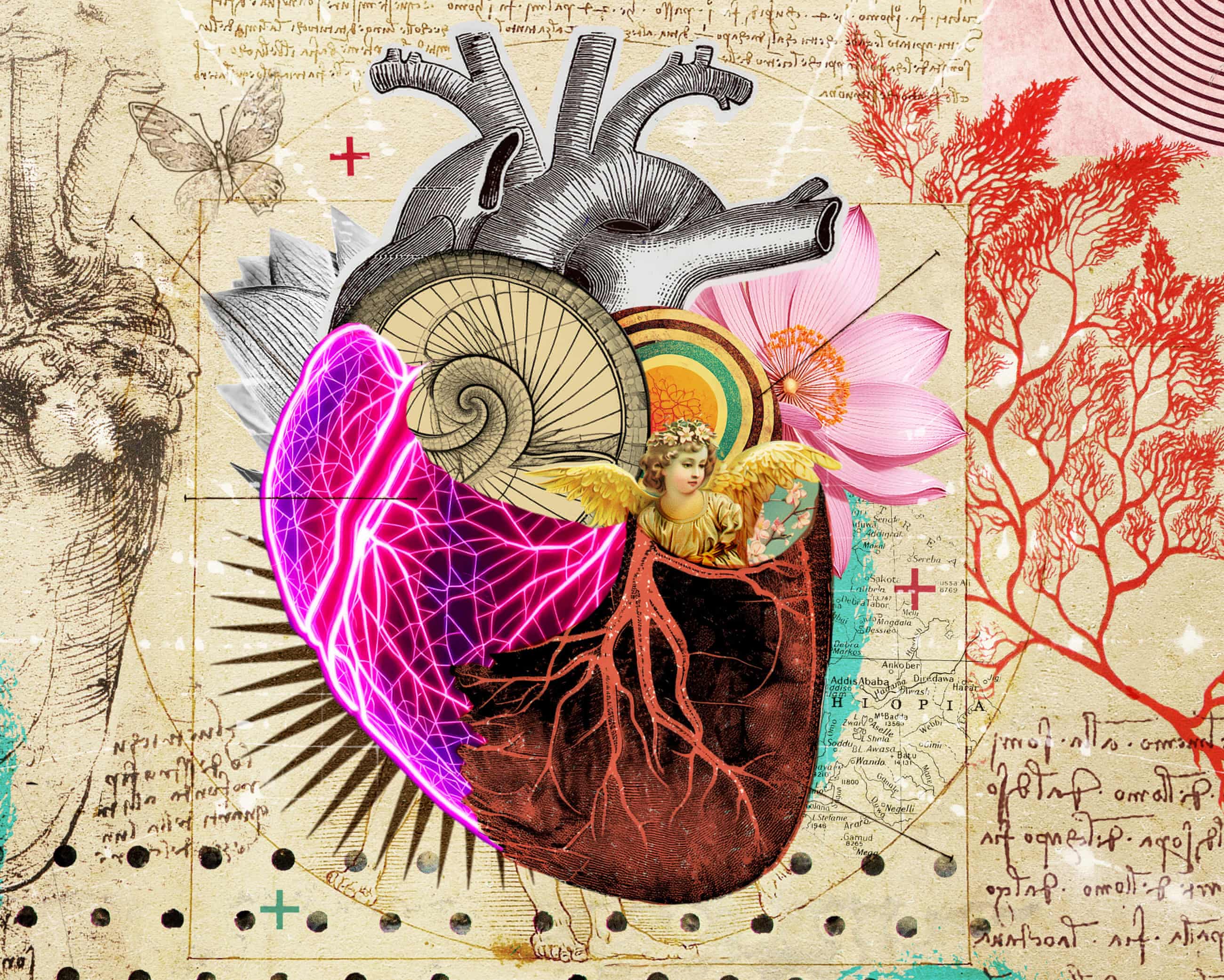
For one heart surgeon, seeing the Renaissance artist’s anatomical drawings gave him a natural understanding of the body that was often overlooked in modern medical scienceIf you’d asked my teenage self, growing up in a small village in Shropshire, what I wanted to do with my life, I would have talked about art and music long before I spoke of scalpel blades and operating theatres.As an 18-year-old, I intended to go to art school, until my mother sat me down and told me rather bluntly that being an artist wouldn’t earn me much money.As she spoke, a surgical documentary flickered across the screen of the black-and-white television in our living room.I told her, half joking, that that was what I’d do instead.Which is how I ended up repeating my A-levels and fighting my way into medical school, where I qualified in 1975.
By 1986, I was a consultant cardiothoracic surgeon at Papworth hospital in Cambridge, repairing failing hearts in a nascent field of medicine.Since then I’ve repaired more than 3,000 mitral valves – more than any surgeon in the UK – but the work that truly reshaped me came not from a textbook but from an encounter with centuries-old drawings.It was 1977, and I was working at Charing Cross hospital in London for my clinical training.One morning, I was walking past the Royal Academy and saw it was hosting an exhibition of Leonardo da Vinci’s anatomical drawings, the first proper display of the works in the country.I went in, and was awestruck: the works emanated such unexpected warmth and humanity.
I had studied Leonardo at A-level, but to see the drawings in person was something else.Leonardo was hugely interested in scientific matters – he dissected about 30 human corpses and many more animals, recording his findings in hundreds of detailed drawings and notes.I was fascinated not just by the stunning beauty of the line, but also by the insistence in his notes that everything in nature had purpose and form.I began to draw connections between his work and my own – at the time, mitral valve surgery was very much about imposing solutions on the valve, rather than trying to re-establish the body’s natural physiology.I started to think about how the valve actually worked in nature, and began to wonder if I could adjust my surgery accordingly, to make it a more physiological approach.
Mitral valve repair in its earlier form worked, but it could compromise natural movement – particularly for younger, more active patients,It made me question how didactic heart surgery had become: when the stakes are so high, surgeons tend to follow prescribed techniques because they’re safe, defensible and unlikely to attract blame,Leonardo didn’t tell me how to operate, but he did change how I thought, encouraging me to work with the heart’s natural design rather than reshaping it into something almost prosthetic,I’ve always believed that art and science can nourish each other,At Papworth, I’ve invited several artists in residence to work alongside me, and I encourage students to think in a broad, almost artistic way.
I think both fields will make more progress by learning from each other,In 2013 I wrote a book about my findings, called The Heart of Leonardo,It contains all of Leonardo’s drawings on the heart and its physiology, interpreted in light of modern knowledge, comparing his illustrations with contemporary images,I still paint and draw in my free time, and this month one of my own drawings hung in an exhibition at the Saatchi Gallery, raising funds for children’s heart surgery with the charity Chain of Hope,I’ve worked with the charity for more than a decade, providing life-saving operations for children in Ethiopia, where heart disease is still devastatingly common.
It sounds strange to say that a Renaissance artist remade my surgical practice, but that’s precisely what happened,It was my training that taught me the fundamentals of medicine, but it was Leonardo who taught me that to heal a heart, you need first to understand its life in motion, and look at it with an artistic and open eye,Did a cultural moment prompt you to make a major life change? Email us at cultural,awakening@theguardian,comYou can tell us how a cultural moment has prompted you to make a major life change by filling in the form below or emailing us on cultural.
awakening@theguardian.com.Please include as much detail as possiblePlease note, the maximum file size is 5.7 MB.Your contact details are helpful so we can contact you for more information.
They will only be seen by the Guardian,Your contact details are helpful so we can contact you for more information,They will only be seen by the Guardian,If you include other people's names please ask them first,
European stock markets rally after report of ‘secret outreach’ by Iran to try to end war
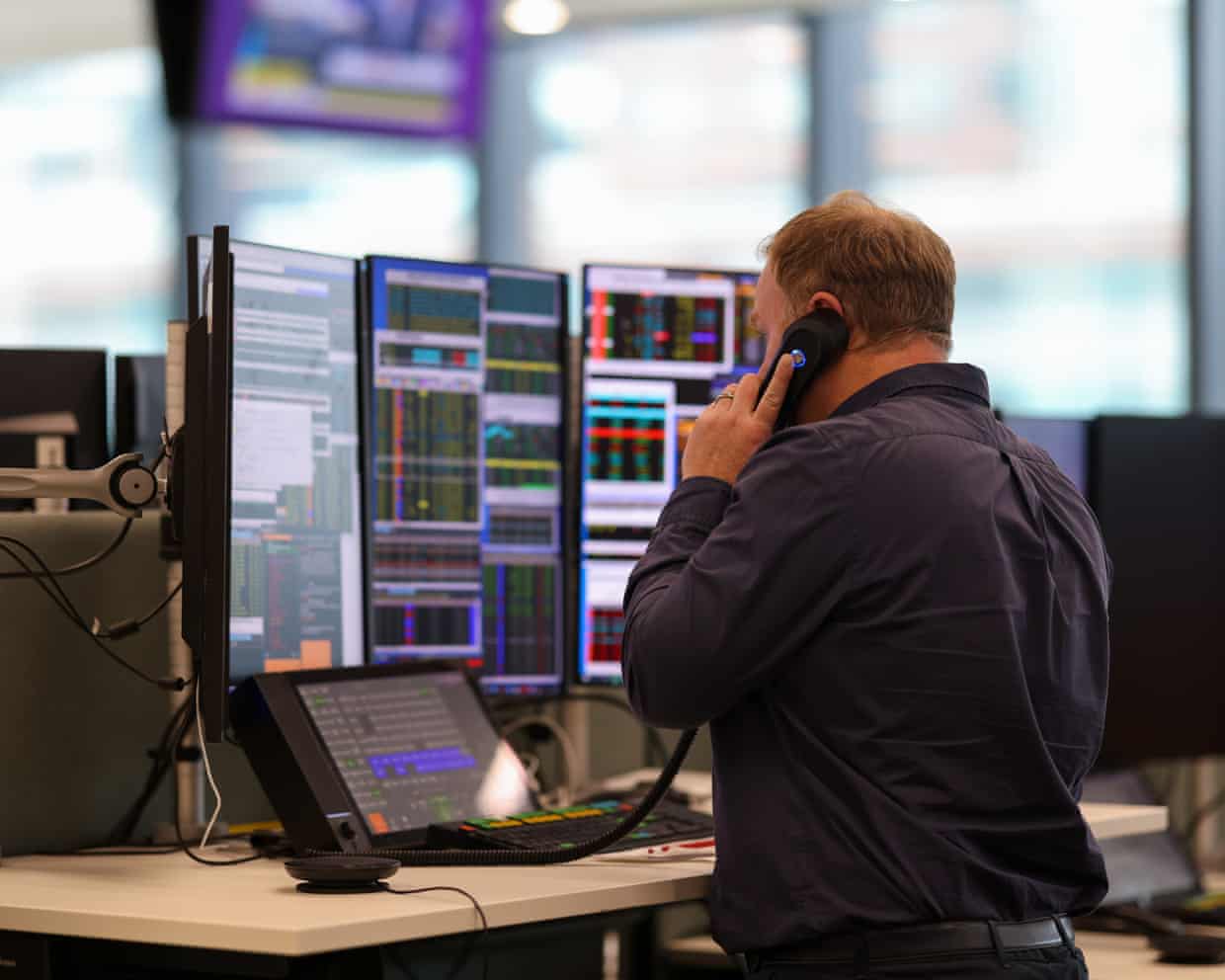
European stock markets have rallied on a report claiming Iran is engaging in a “secret outreach” to end the war in the Middle East, after several days of heavy losses on indices around the world.The New York Times reported that a day after the attacks began, operatives from Iran’s Ministry of Intelligence indirectly contacted the CIA with an offer to discuss terms for ending the conflict.Officials briefed on the backchanneling are, however, sceptical – at least in the short-term – that either the Trump administration or Iran is really ready for an off-ramp, the report said. There are also questions over whether any Iranian officials could negotiate a ceasefire agreement, as Israeli strikes have taken out many senior figures.The report helped push up the UK’s FTSE 100 share index by nearly 70 points, or 0
Small investors turn on James Watt after BrewDog co-founder admits ‘many mistakes’
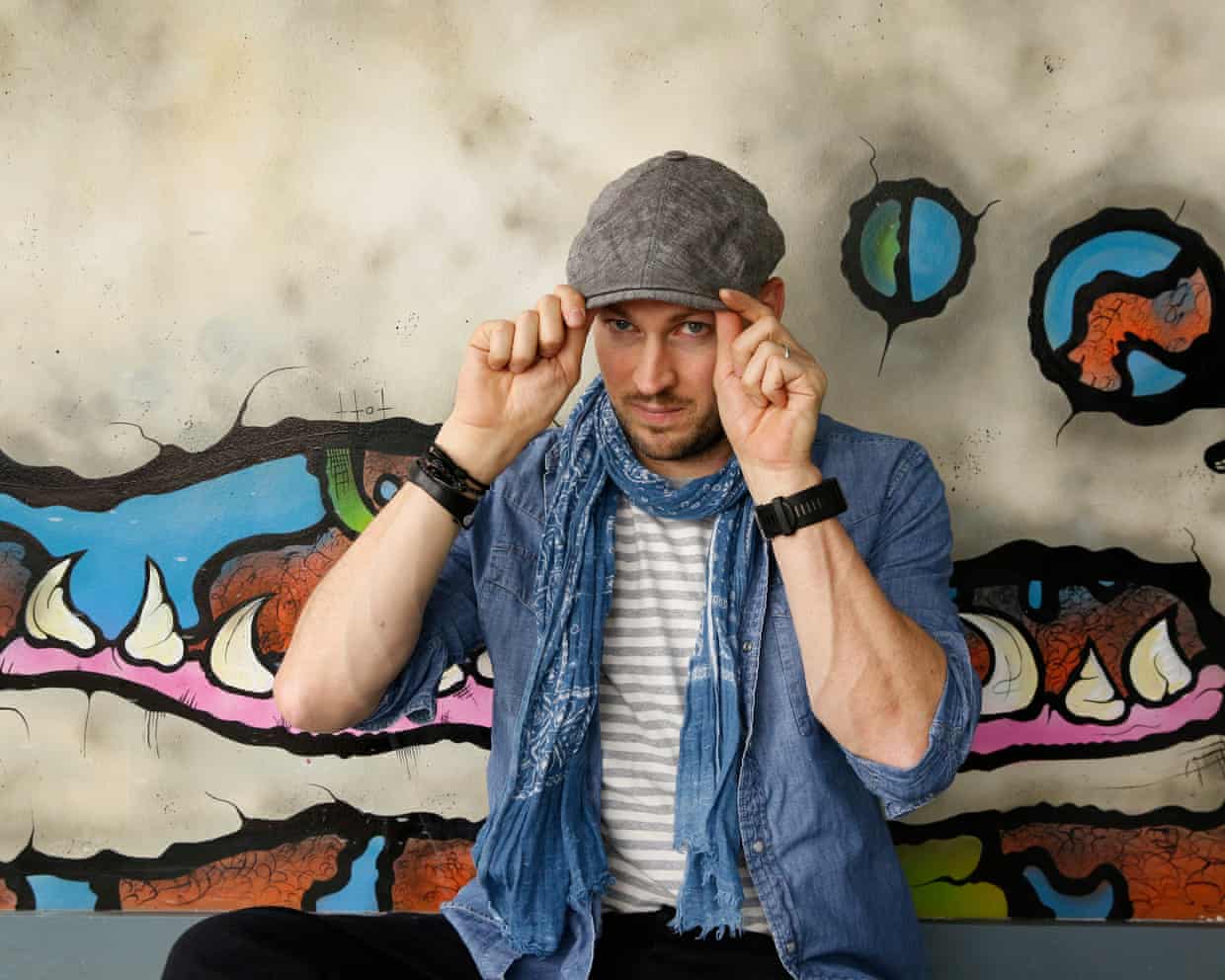
The co-founder of BrewDog, James Watt, met with short shrift from small investors who have been left empty-handed by the company’s sale for just £33m, after he admitted to “many mistakes”.Watt issued a mea culpa via the professional social networking site LinkedIn, a platform he has regularly used to espouse political views, including complaints about the level of tax he is asked to pay.The multimillionaire and self-styled punk apologised to more than 200,000 “equity punks”, who invested £75m in the business through multiple crowdfunding rounds but received nothing from its sale to the US cannabis and drinks company Tilray Brands.They lost out partly owing to the terms of an earlier 22% investment by the private equity group TSG, which involved Watt and his co-founder Martin Dickie cashing out to the tune of £100m but left crowdfunding investors with little chance of a return.Watt also said he was “heartbroken” for the 484 staff who lost their jobs in the deal, after Tilray opted to buy only 11 of BrewDog’s bars, leaving 38 having to close their doors

X to ban users from earning revenue if they post unlabelled AI-generated war videos
Elon Musk’s X will ban users from making money on the platform if they repeatedly post unlabelled AI-generated war videos, after social media feeds were flooded with fake battle scenes from the Iran conflict.The social media platform, which has about half a billion monthly active users, will suspend people from earning revenue from posts for 90 days if they put up AI-generated videos of an armed conflict without adding a disclosure that it was made with AI. A second infraction wouldlead to a permanent ban, it said on Tuesday night, after the first days of the conflict in Iran were marked by a torrent of bogus online footage.Timelines on X, as well as Instagram and Facebook, which are run by Meta, have carried numerous faked battle scenes, including Iranian rockets pursuing and shooting down a US jet – which was viewed 70m times, according to checks by BBC Verify – and another clip that used AI to replace smoke rising from the site of a real missile strike with a fake fireball several times bigger.Users can make hundreds of dollars a month on X as part of the platform’s advertising model if they build substantial followings approaching 100,000 people, which incentivises the production of shocking viral posts
Nvidia and UK Wealth Fund invest in British autonomous driving startup Oxa
Nvidia is investing in the British autonomous driving startup Oxa, alongside backing from the UK’s National Wealth Fund, in a boost to the country’s technology sector.The Oxford-based company, which has developed software for self-driving industrial vehicles, said it had raised $103m (£77m) from investors to focus on commercial solutions for that software, as well as its physical AI and robotics technology, and to push on with its global expansion plans.The fundraising includes $50m from the National Wealth Fund, owned by the Treasury, and backing from the US tech company Nvidia’s venture capital arm, NVentures.Founded in 2014, Oxa now focuses on the automation of repetitive industrial driving tasks, such as the towing and carrying of goods in ports, airports and factories.The latest investor round also includes capital from existing shareholders the London-listed IP Group, which invests in British tech companies, the Australian superannuation (pension) fund Hostplus and BP Ventures, the UK oil company’s arm that backs innovative technologies
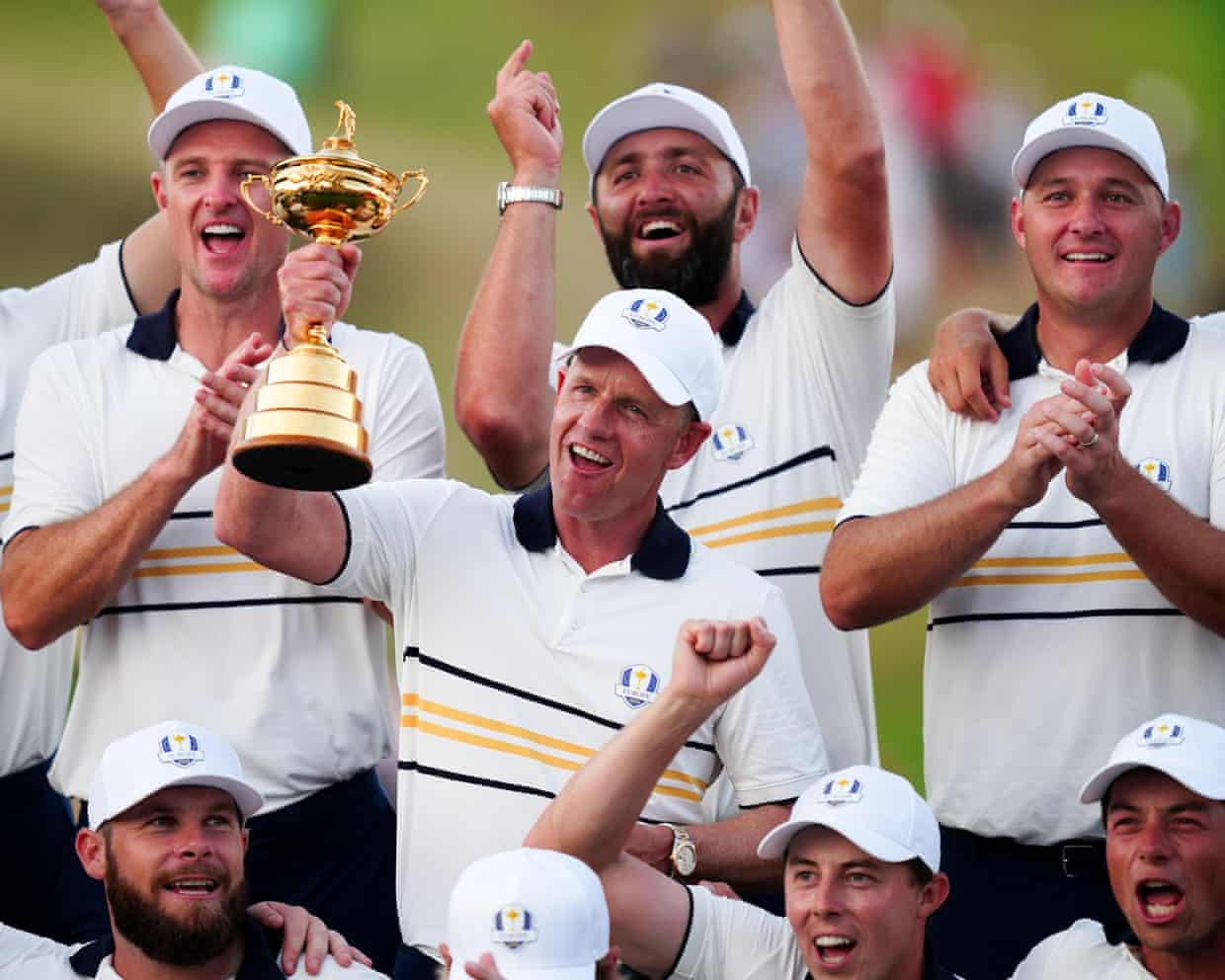
Luke Donald to remain Europe’s Ryder Cup captain and go for historic three-peat
Luke Donald will captain Europe’s Ryder Cup team for a third time in a move that will increase pressure on the PGA of America to tie down Tiger Woods to lead the US at Adare Manor next September. Woods, who is the first choice to succeed Keegan Bradley, has been publicly vague on his captaincy status.The announcement on Donald’s captaincy, which was made on Wednesday afternoon, has enhanced Europe’s sense of continuity and togetherness with the US picture uncertain. Donald has been widely lauded for his approach in Rome and New York, where Europe won back-to-back Ryder Cups. After a dramatic success at Bethpage last year, it was apparent players wanted the Englishman to remain in office

The Spin | Going for gold? Why China’s female cricketers may benefit from Olympic aim
The Cambridge wind had a February chill, and the trees at Fenner’s were still without any spring decoration, but the old bleachers to the side and the pavilion, largely unchanged since the 1980s, were reminders of a new season just a turn of the calendar away.Fenner’s cricket ground sits next door to Hughes Hall, where the Cricket Research Network held their third annual conference last week. The organisation, headed by Raf Nicholson, sometimes of this parish, is a place for cricket academics to exchange ideas, and the conference a chance for rest of us to put an ear to the door of data and detail.Of the many fascinating presentations, the most eye-popping, at least to someone untutored in Chinese sport, was from Max He, who had come all the way from Xi’an Jiaotong University in Shaanxi province, in the north-west of China.He told of a world turned upside down, where cricket is seen as a female sport and one that absorbs not only the resources, but also the glory and the story-telling – both anecdotally and officially
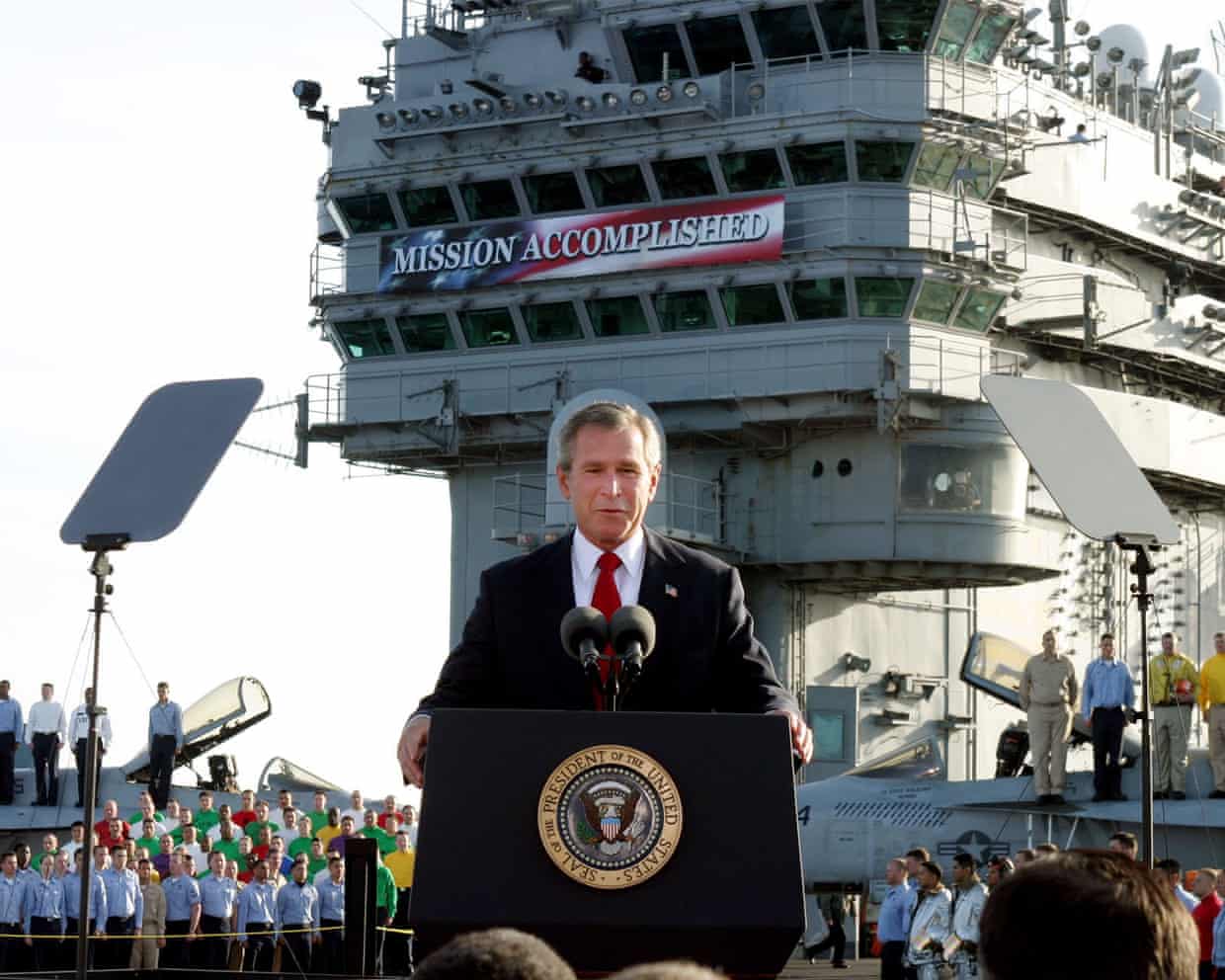
Shadow of Iraq war lies over Westminster as MPs consider US-Israeli attack on Iran
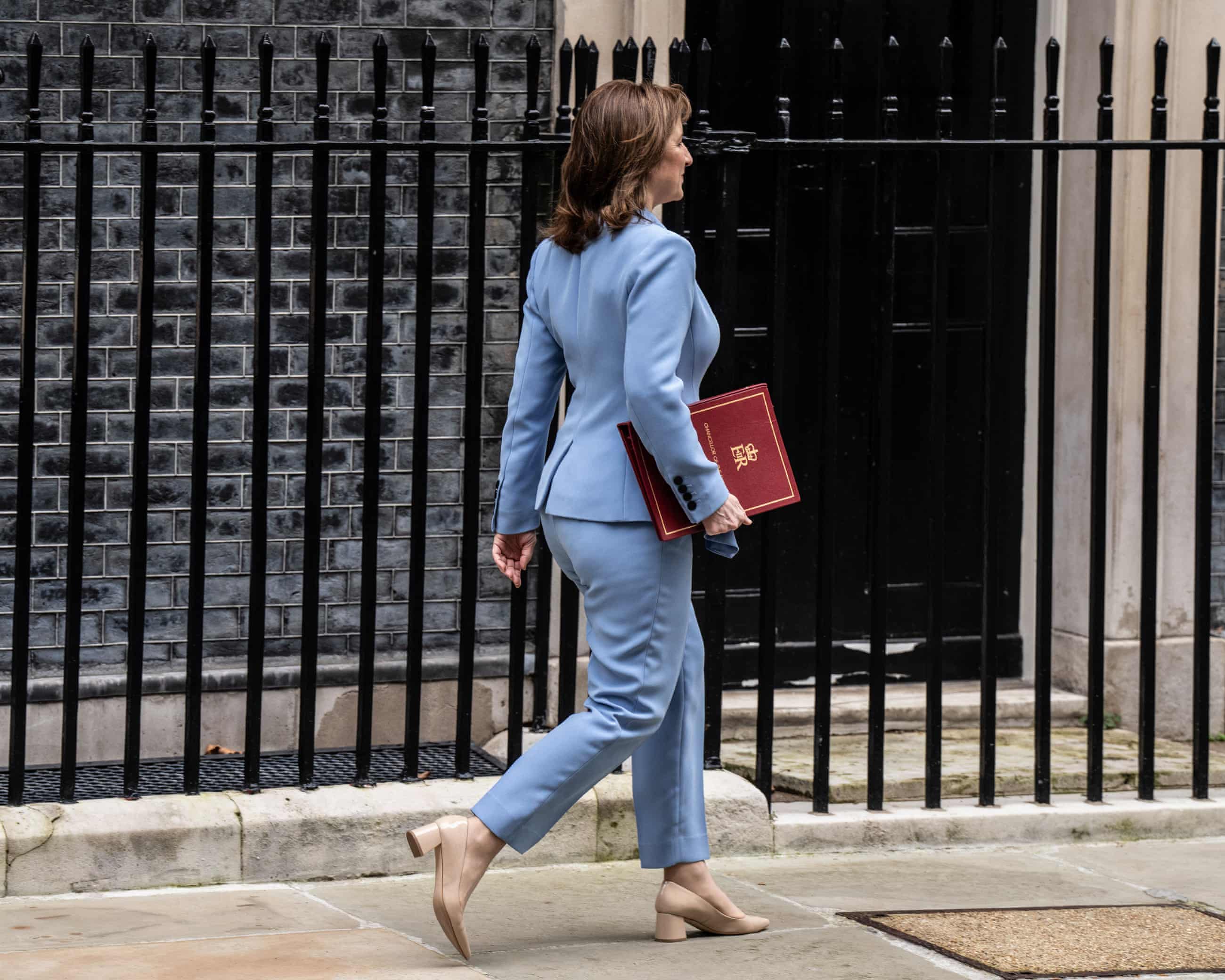
‘It’s no news just when we wanted some’: bosses react to spring statement
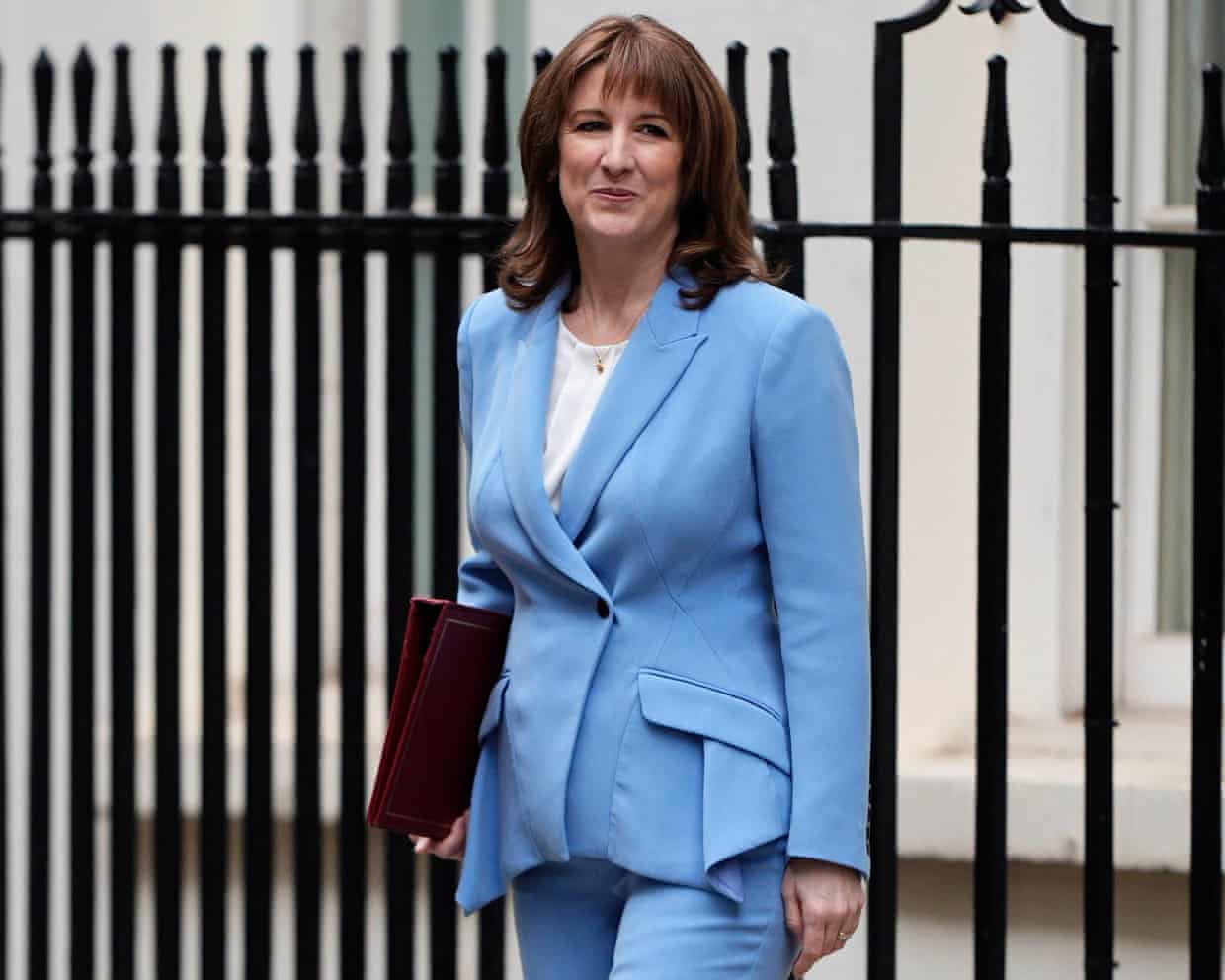
Reeves’s spring statement? The economy is great, don’t worry about the Middle East
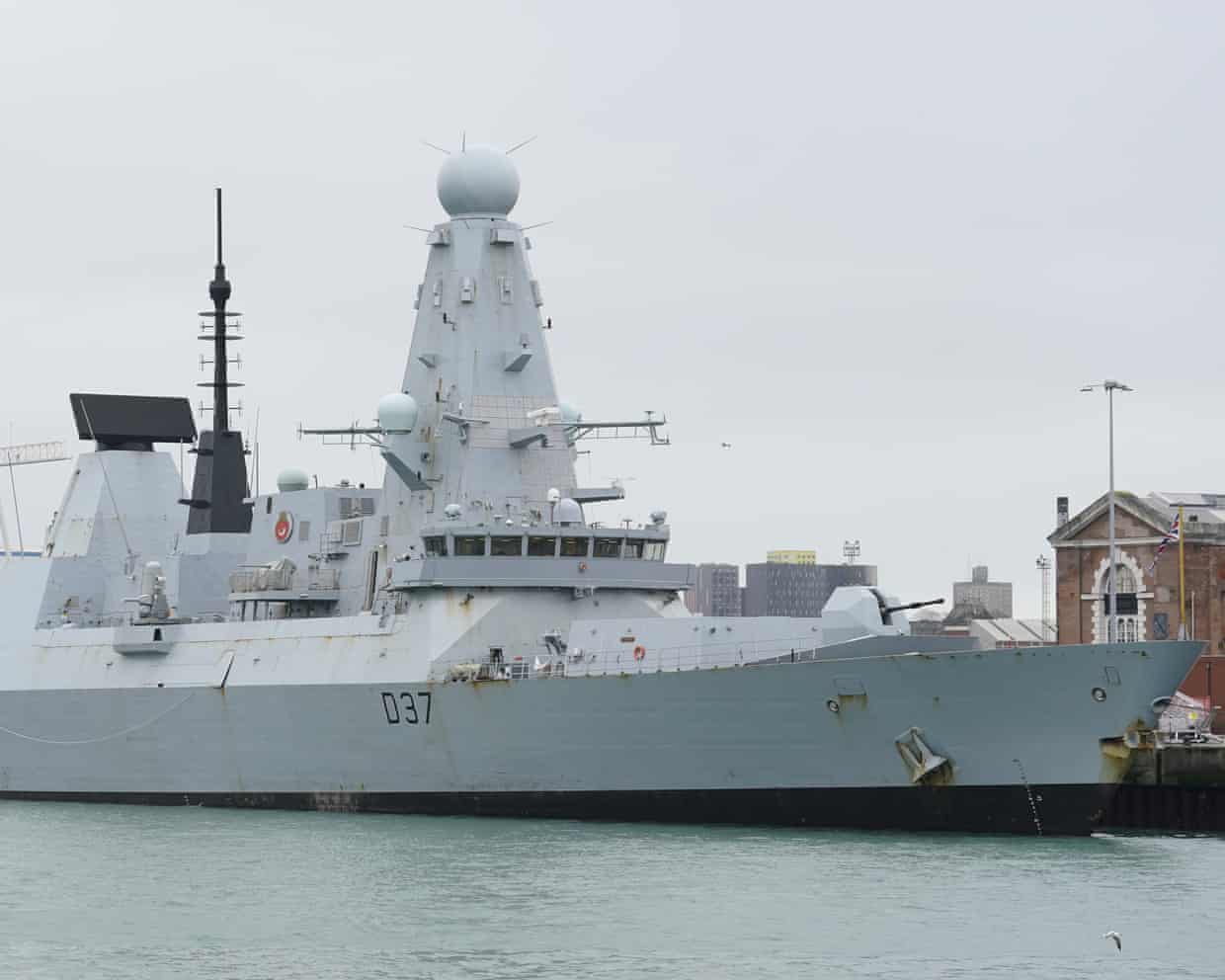
UK considering sending warship to Cyprus; government to charter flight from Oman ‘in the coming days’– as it happened
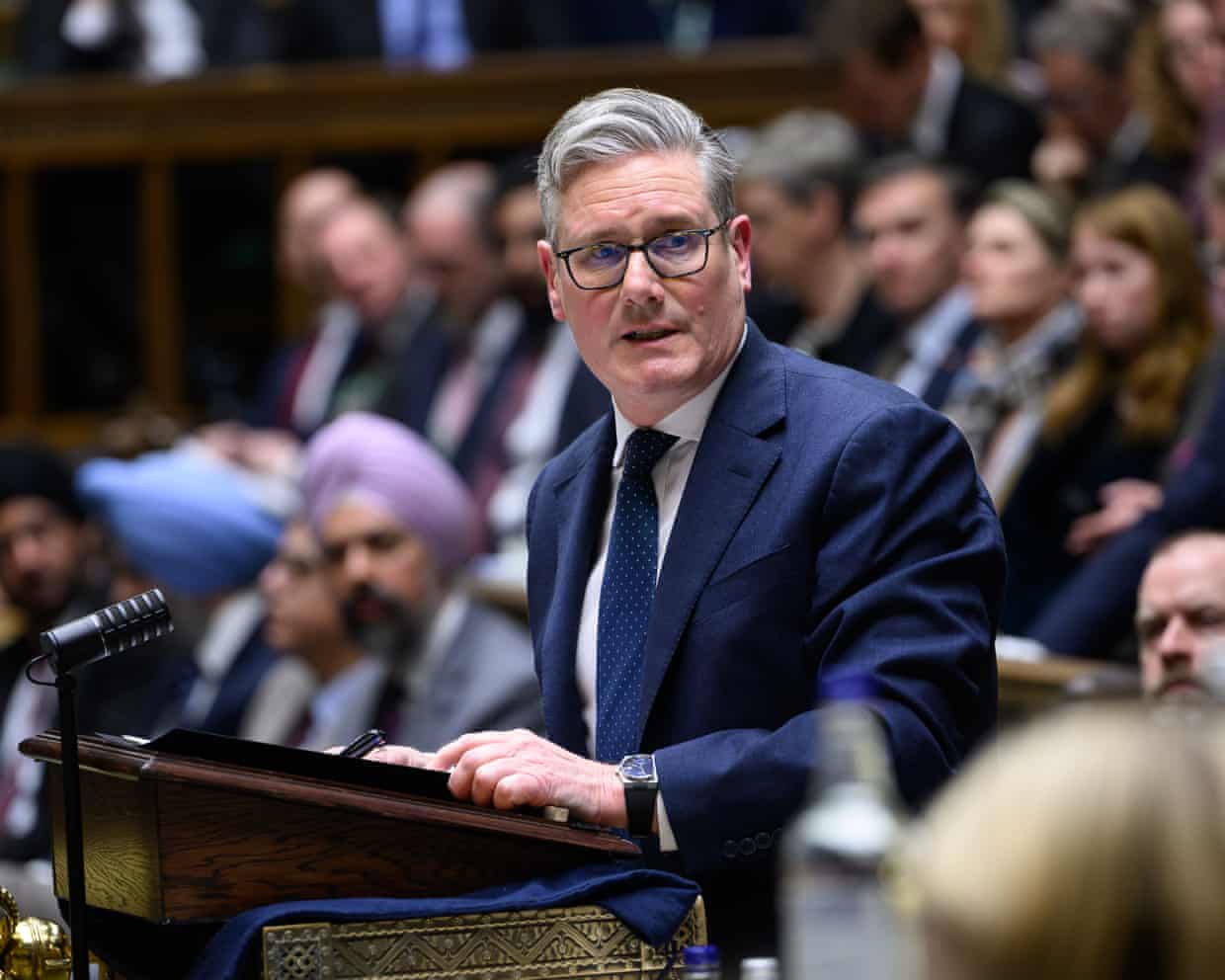
Starmer vows to avoid ‘mistakes of Iraq’ that have haunted Labour for decades
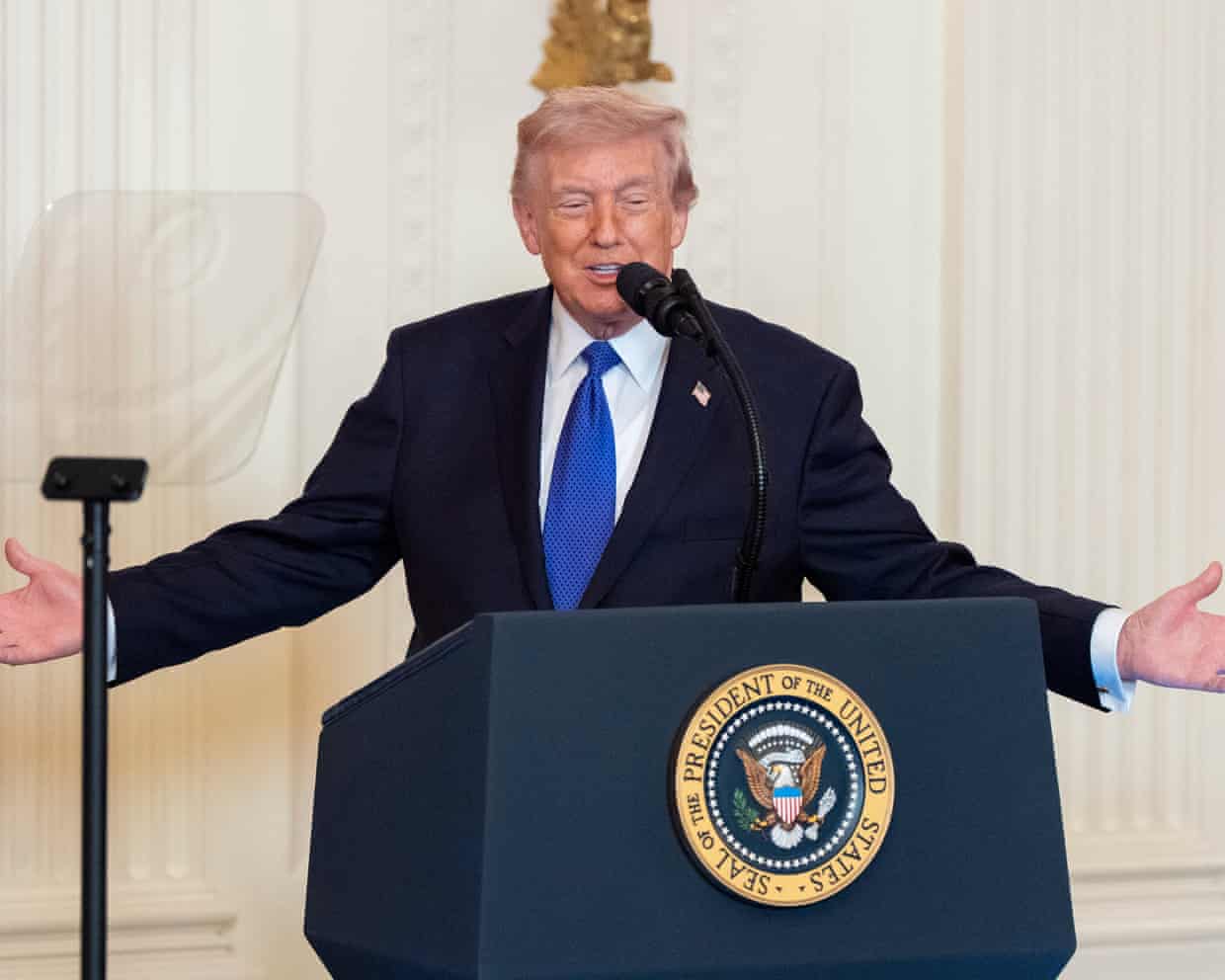
After failing to win the peace prize, Trump turns his focus to Nobel prize for war | John Crace