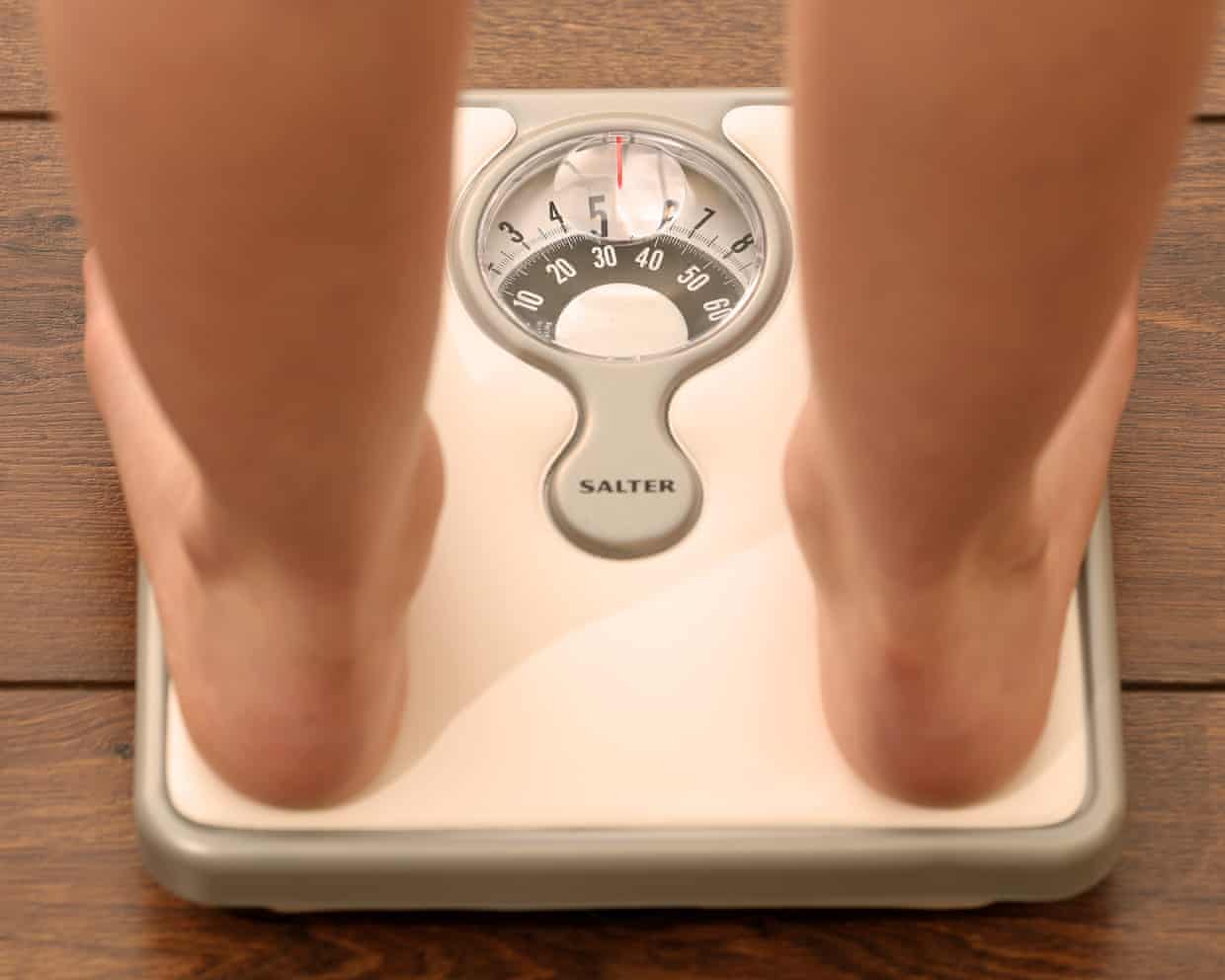
Obesity a key factor for rising cancer rates in young people in England, study finds
Obesity is a key factor for the rising rates of cancer among younger people in England, according to a study.There are 11 types of cancer, including bowel and ovarian cancer, that are increasing among people aged 20 to 49 between 2001 and 2019, according to analysis by researchers from the Institute of Cancer Research and Imperial College London.Obesity is the only known behavioural risk factor that has been increasing in younger adults over this period, while more established risks such as smoking, alcohol, red meat and physical inactivity have all remained stable or in decline in England.This led researchers to conclude that the increase in obesity was a key factor behind the rising rate of cancer cases. Excess weight was associated with 10 of the cancers identified, including thyroid, kidney and pancreatic cancer, with oral cancer being the only exception
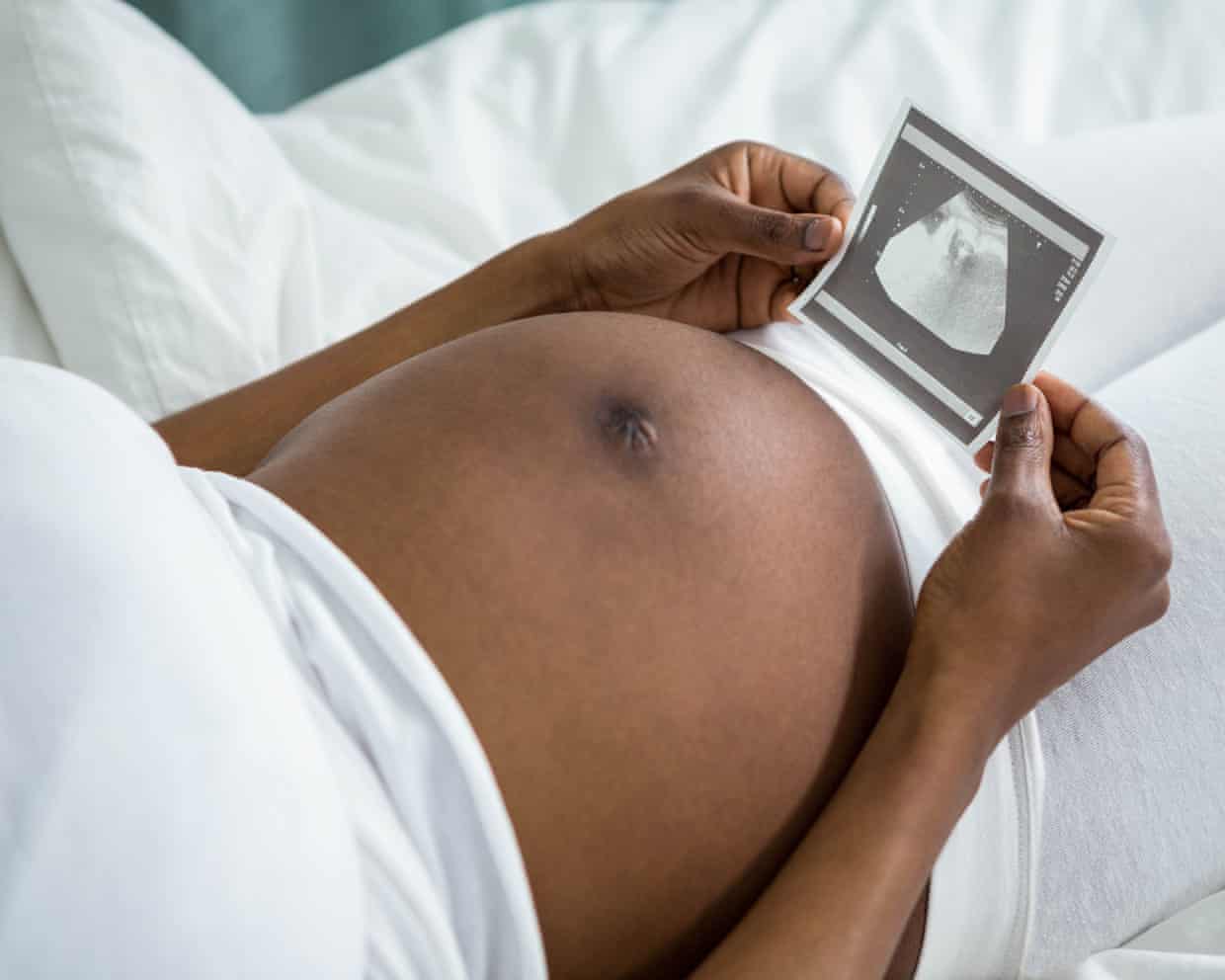
Stress from racism may help explain why black women more likely to die in childbirth, study finds
Stress from racism and deprivation could explain why black women are more likely to die during childbirth, a study has found.Researchers reviewed 44 existing studies that examined three physiological pathways associated with worse pregnancy outcomes: oxidative stress, inflammation, and uteroplacental vascular resistance, and found black women had higher levels of the three metrics.Such physiological differences are not the result of genetic differences, according to the researchers, but rather suggest that socioenvironmental stressors such as systemic racism and deprivation, which are known to have a measurable biological effect, may influence the body’s ability to function healthily during pregnancy.Grace Amedor, of the University of Cambridge, the first author of the peer-reviewed study published in the journal Trends in Endocrinology and Metabolism, said: “Pregnancy and childbirth put great stress on a woman’s body. Black women may experience additional strain due to factors including systemic racism, socioeconomic disadvantage and environmental stressors

Earlier specialised care could prevent 10,000 miscarriages a year, UK study finds
Giving women access to specialised care after their first miscarriage could prevent about 10,000 pregnancy losses a year across the UK, according to a study.Currently, women in England, Wales and Northern Ireland are eligible for specialist care on the NHS for early baby losses after they have had a minimum of three miscarriages.The charity Tommy’s has called for women to be eligible after one miscarriage, stating this could reduce the risk of future miscarriages and improve health outcomes for mothers.The graded model of miscarriage care proposed by Tommy’s is already available in Scotland and the charity is calling for its implementation across the whole of the UK.A study by Tommy’s National Centre for Miscarriage Research and Birmingham women’s hospital involving 406 women found a 4% reduction in the risk of future miscarriage for women on the graded model of care compared with the usual care, which would translate to a reduction of 10,075 miscarriages a year across the UK

Public toilets: more than a matter of convenience | Letters
In response to your editorial (Public spaces need public conveniences, 24 April), our research has found that one of the biggest barriers preventing the restoration of existing provision or building new provision of public toilets is our wider cultural taboo of bodily functions.Time and again we have found that regeneration documents refer to public toilets as “amenities”, “necessities”, or “facilities”. Our research has also found that while large percentages of the UK population want more public toilets, nearly the same percentage would not use a public toilet, because of the taboo reputation such provision also carries.It is not simply a question of “build them and they will be used”. There is also an education issue, to highlight how important provision is, and shift the sense of a dirty and unloved space that invites negative behaviours such as vandalism

First teenage suicide linked to domestic abuse recorded in England and Wales
The first teenage girl has been identified as having been driven to kill herself after domestic violence, as police chiefs blamed violent pornography and “toxic” influencers for being behind a rise in teen abuse.Suicides after domestic abuse have outstripped homicides for the third year running, according to the Domestic Homicide Project, which records deaths in England and Wales after domestic abuse.Last year, there were 347 deaths, including 150 from suicide and 125 domestic homicides.Across the five-year dataset, victims were predominantly female (73%), and suspects predominantly male (79%). Over the five years, the project recorded 1,452 deaths in 1,410 incidents – 641 of these were domestic homicides, 553 were suicide after domestic abuse, 131 unexpected deaths, 86 child deaths and 41 deaths classified as “other”
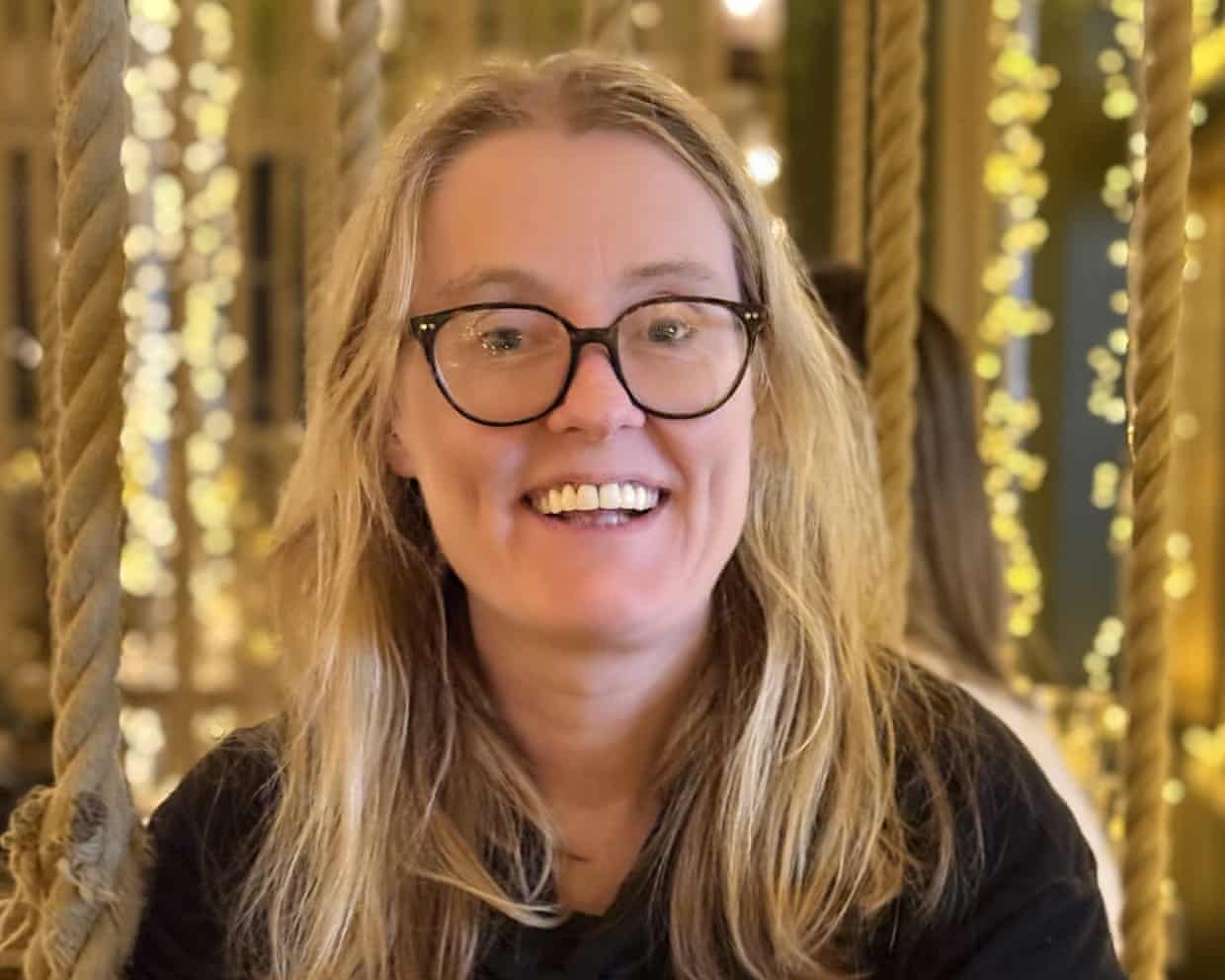
Call for UK gambling reform after ‘generous and caring’ woman takes her own life
A family is calling for wholesale reform of the gambling industry after an inquest heard details of the life and death of Ellen Mulvey, a “generous and caring” woman with a high-flying City job who also had a secret addiction.Mulvey’s family believe she lost hundreds of thousands of pounds gambling without their knowledge, first via mainstream operators and then on unlicensed platforms.An inquest heard that the 44-year-old took her own life and was declared dead at Macclesfield district general hospital on 7 November. Before she died, Mulvey wrote a note saying: “Addiction is the worst disease ever.”At work, Mulvey was the managing director of a global financial recruitment firm based in London

US gas prices hit $4.23 high as Hormuz fears drive oil surge

Jerome Powell says he’ll stay on Fed board after central bank keeps interest rates unchanged in defiance of Trump

Musk laments being a ‘fool’ for funding OpenAI on day two of court testimony
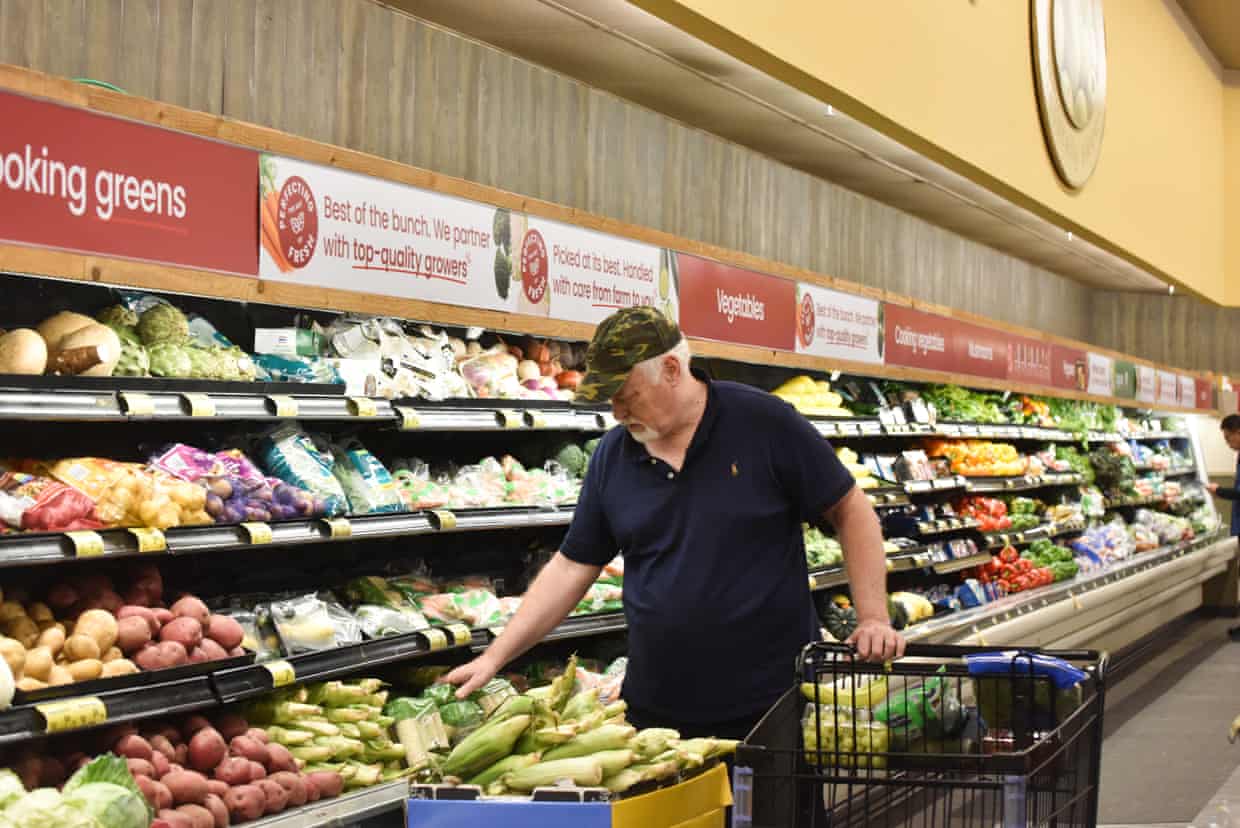
Maryland becomes first state to ban surveillance pricing in grocery stores

Revamped Maroons undergo radical reset to take 2026 State of Origin fight to Blues | Jack Snape
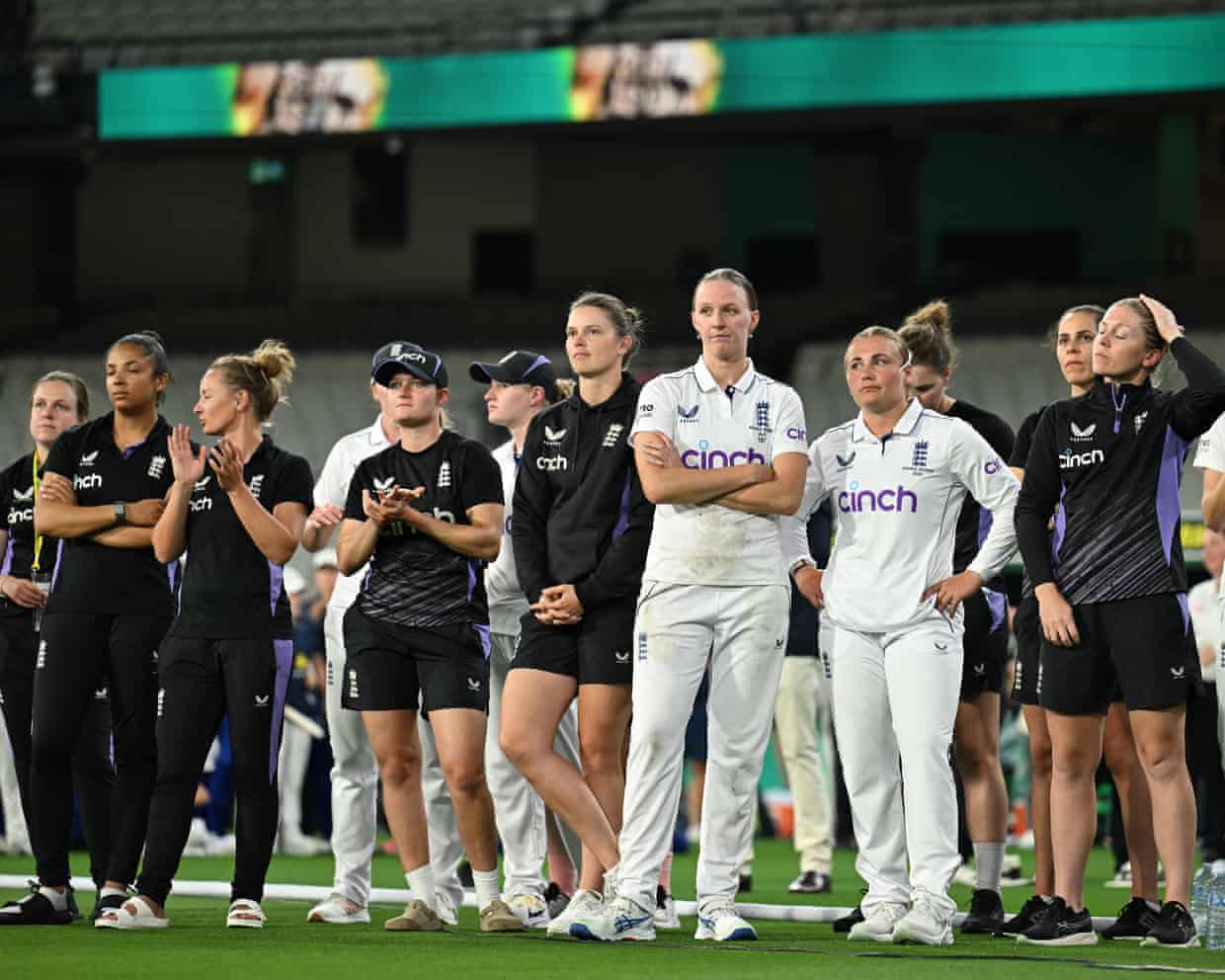
Sticking with same players for Women’s T20 World Cup leaves England in a twist | Raf Nicholson