Stress from racism may help explain why black women more likely to die in childbirth, study finds
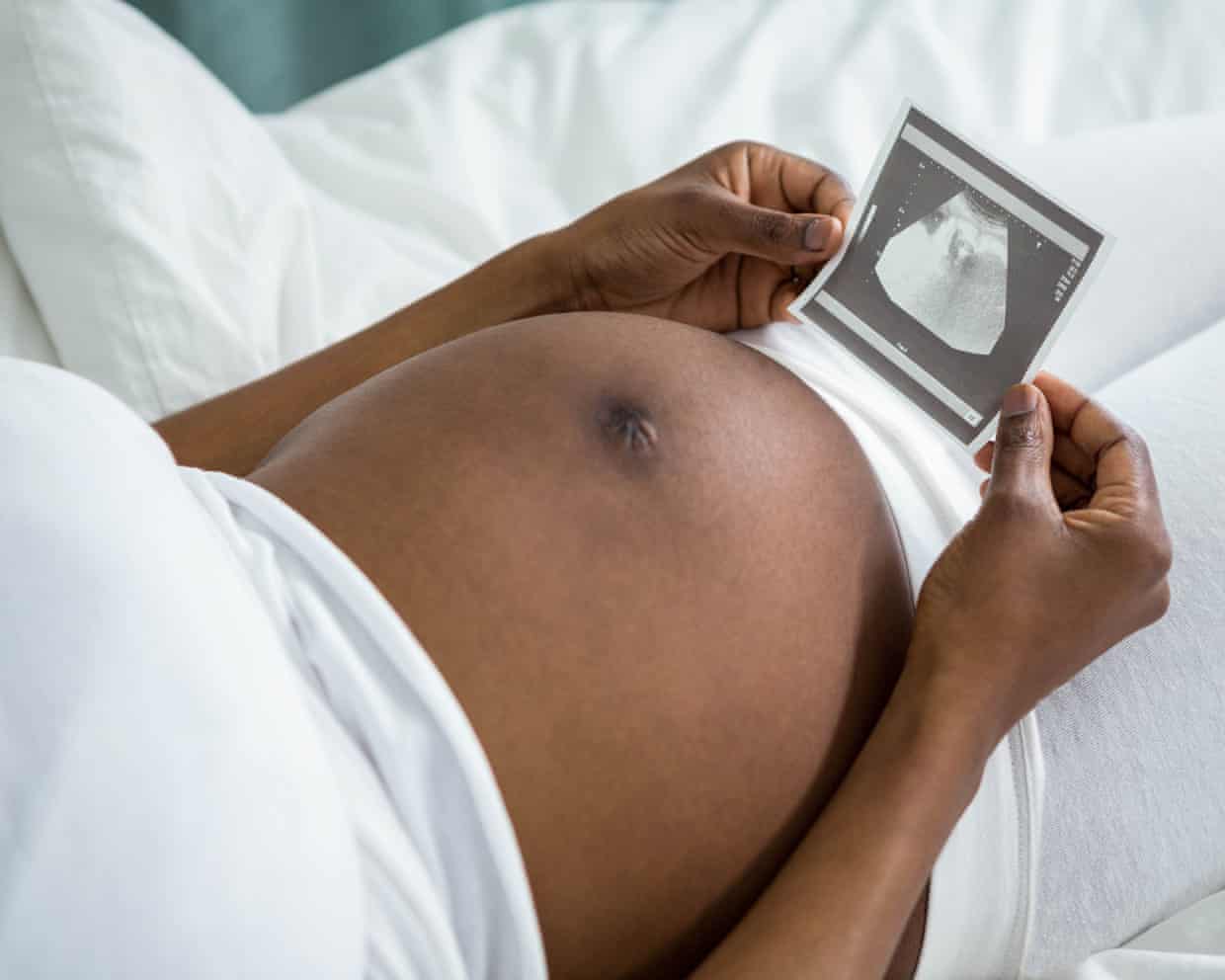
Stress from racism and deprivation could explain why black women are more likely to die during childbirth, a study has found.Researchers reviewed 44 existing studies that examined three physiological pathways associated with worse pregnancy outcomes: oxidative stress, inflammation, and uteroplacental vascular resistance, and found black women had higher levels of the three metrics.Such physiological differences are not the result of genetic differences, according to the researchers, but rather suggest that socioenvironmental stressors such as systemic racism and deprivation, which are known to have a measurable biological effect, may influence the body’s ability to function healthily during pregnancy.Grace Amedor, of the University of Cambridge, the first author of the peer-reviewed study published in the journal Trends in Endocrinology and Metabolism, said: “Pregnancy and childbirth put great stress on a woman’s body.Black women may experience additional strain due to factors including systemic racism, socioeconomic disadvantage and environmental stressors.
“During pregnancy, this strain may affect key biological processes in ways that increase the risk of conditions such as pre-eclampsia.I was surprised that although this disparity had been known for a long time, there was little research into the potential underlying physiological reasons.“It’s important that we don’t stop trying to tackle the root causes that lead to worse pregnancy outcomes in black women, which are the socioeconomic disparities and the systemic racism they can experience throughout their lives.”Increased uteroplacental vascular resistance involves the tightening of blood vessels which can reduce blood flow to the placenta, while higher oxidative stress occurs when damaging molecules called reactive oxygen species overwhelm the body’s antioxidant defences.High levels of inflammation are also linked to worse pregnancy outcomes.
Such complications are strongly associated with pre-eclampsia, preterm birth and foetal growth restrictions, which negatively affect the health outcomes of pregnant women and their children.Black women in the UK are 2.7 times more likely to die during childbirth compared with their white counterparts, and are also more likely to experience serious birth complications and perinatal mental health illnesses.Black babies are also twice as likely to be born stillborn compared with their white counterparts.Prof Dino Giussani, also from the University of Cambridge and who was a senior author of the study, said: “The significant disparity in pregnancy complications between black and white women is well-known and has often been explained in terms of differences in medical care, alongside broader social and environmental inequalities.
We’ve found these exposures can disproportionally affect black women’s bodies, making them less able to function healthily during pregnancy,”Dr Jenny Barber, the vice-president of the Royal College of Obstetricians and Gynaecologists, said: “It is unacceptable that black women and babies continue to face significantly higher health risks during pregnancy and childbirth than white women in the UK,This study explores how important physiological processes may be impacted by systemic racism and socioeconomic disadvantages, which could be a factor in the persistently poorer outcomes impacting black women,We hope the findings encourages further research in this area,“Ending racial and ethnic health inequalities is possible but requires a coordinated cross-government action to tackle the root causes of inequality.
We also need to see sustained investment going into maternity services so that every pregnant woman can receive safe, personalised, and compassionate care.
More private health records of UK Biobank volunteers appear on Chinese website
There have been further listings of confidential health records of UK volunteers on the Chinese website Alibaba since the breach reported last week, and the government is braced for further leaks, the science minister has said.Addressing a House of Lords debate on the attempted sale of data belonging to 500,000 UK Biobank volunteers, Patrick Vallance said the government had worked with Chinese officials to remove additional postings on the online marketplace.“New listings will emerge – there have been additional listings posted since the government were made aware of the issue last week – and we continue to work with the Chinese government to remove them quickly,” Lord Vallance said.The data is “de-identified”, meaning it does not include names, addresses or precise dates of birth. Vallance said there was a “low probability” of re-identification, but the breach should nonetheless serve as a “real wake-up call” for researchers
Meta found in breach of EU law for failing to keep children off platforms
The tech company Meta has been found to be in breach of EU law for failing to prevent children under 13 from using its Facebook and Instagram platforms.Issuing the preliminary findings of a nearly two-year investigation, the European Commission said on Wednesday that Meta did not have effective measures in place to stop under-13s accessing its services.The US tech company was unable to meet its own terms and conditions that set 13 as the minimum age to access Facebook and Instagram safely, the commission said.Following an initial assessment, Meta was found in breach of the EU’s Digital Services Act (DSA), which requires it to “diligently identify and mitigate the risks” of under-13s using its platforms.The commission said its preliminary findings “do not prejudge the final outcome of the investigation”
Meet the AI jailbreakers: ‘I see the worst things humanity has produced’
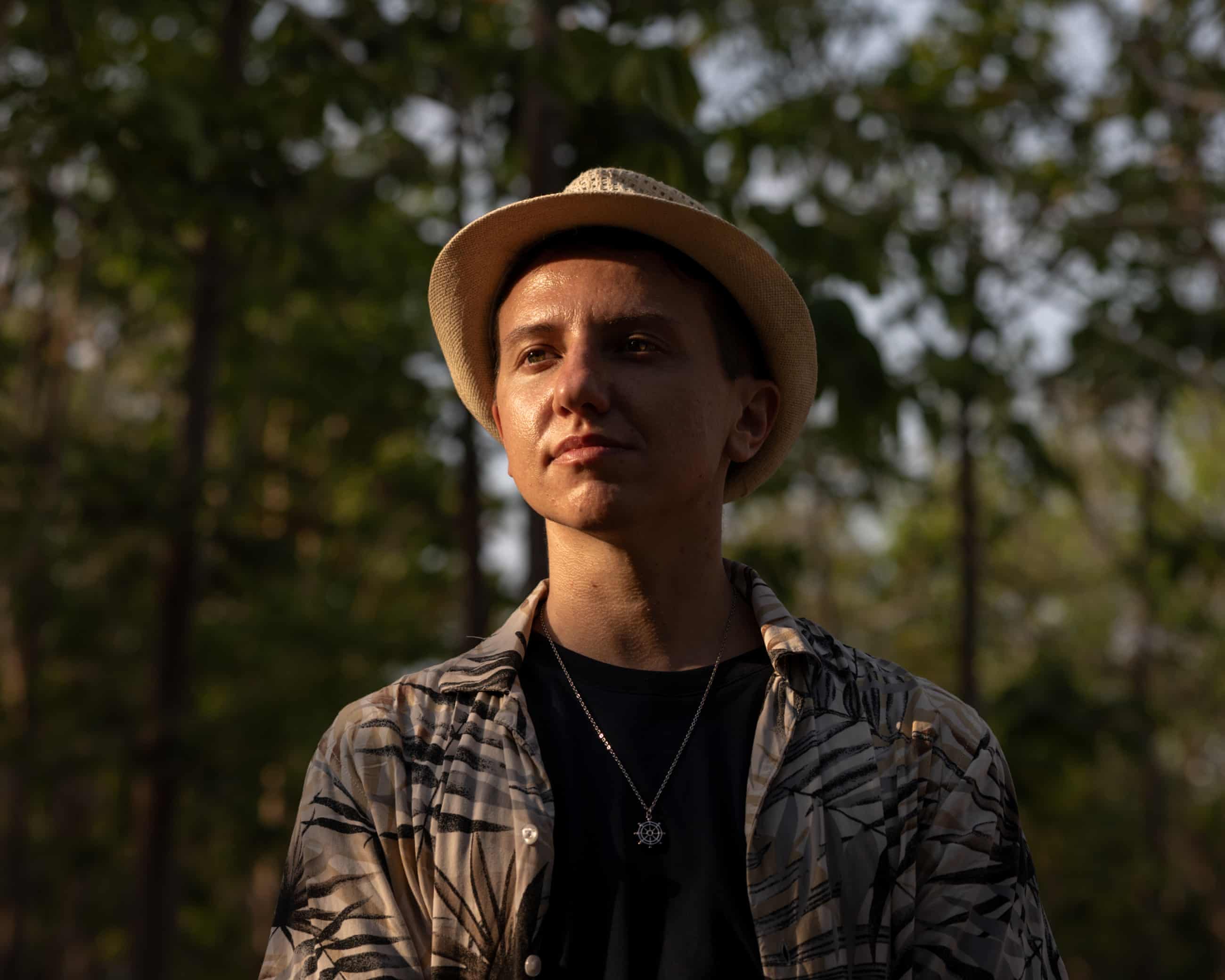
To test the safety and security of AI, hackers have to trick large language models into breaking their own rules. It requires ingenuity and manipulation – and can come at a deep emotional costA few months ago, Valen Tagliabue sat in his hotel room watching his chatbot, and felt euphoric. He had just manipulated it so skilfully, so subtly, that it began ignoring its own safety rules. It told him how to sequence new, potentially lethal pathogens and how to make them resistant to known drugs.Tagliabue had spent much of the previous two years testing and prodding large language models such as Claude and ChatGPT, always with the aim of making them say things they shouldn’t
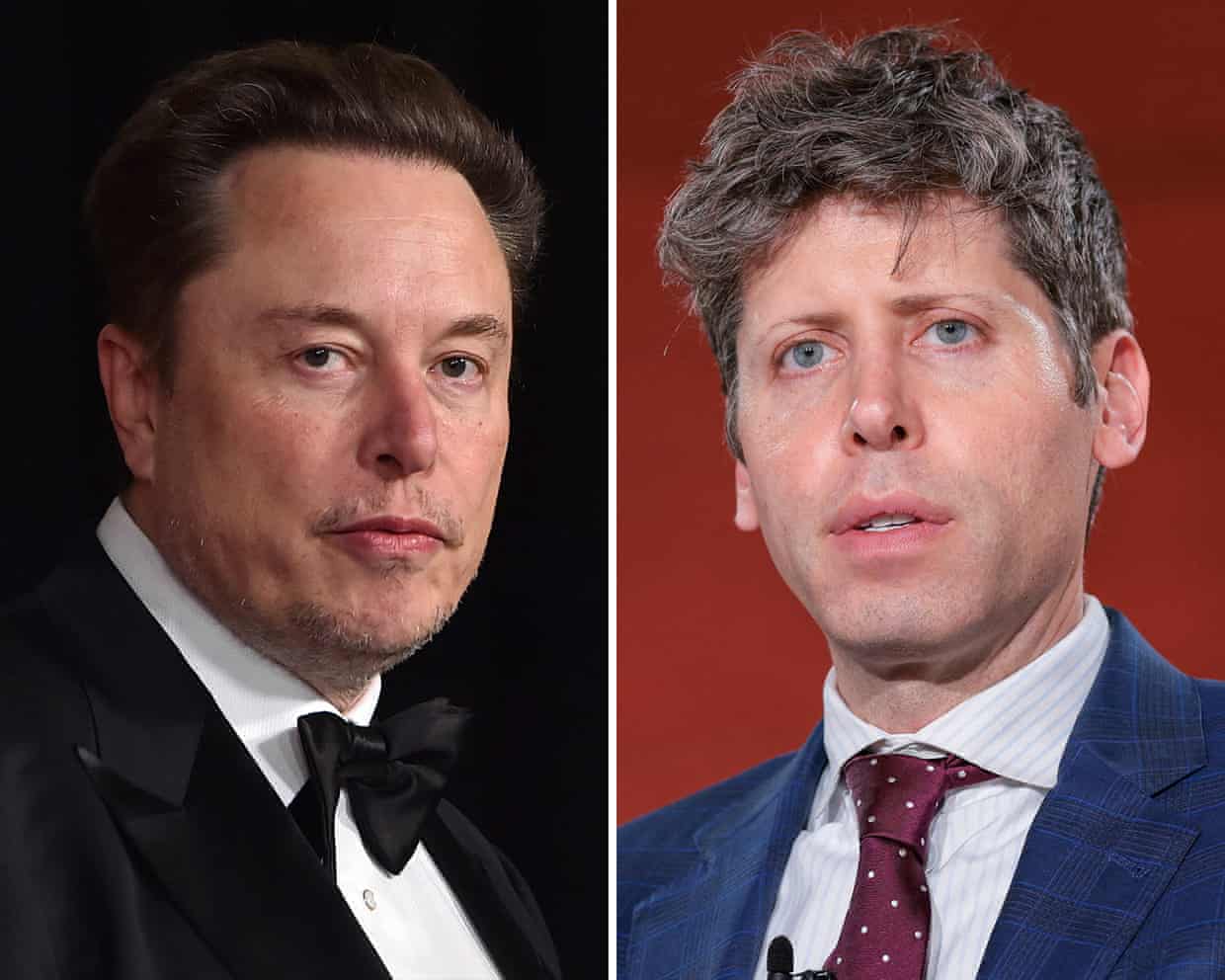
‘Stole a charity’: Elon Musk accuses Sam Altman of betrayal in courtroom showdown
The trial pitting Elon Musk against Sam Altman and OpenAI began in dramatic fashion on Tuesday with opening arguments and the richest man in the world taking the stand to testify. Attorneys for the two tech moguls presented a California jury with two wildly different versions of the AI company’s history, while Musk accused his billionaire rival of endangering humanity through corporate deception.Musk’s suit argues that Altman, OpenAI and its president, Greg Brockman, broke a foundational agreement to better humanity when the non-profit pivoted towards a for-profit structure. In his opening statement, Musk’s attorney said Altman and Brockman “stole a charity”. Musk, who left OpenAI in 2018 after co-founding it with Altman and Brockman three years earlier, also alleges that his co-founders unjustly enriched themselves as the company raised billions of dollars and grew into the AI behemoth it is today
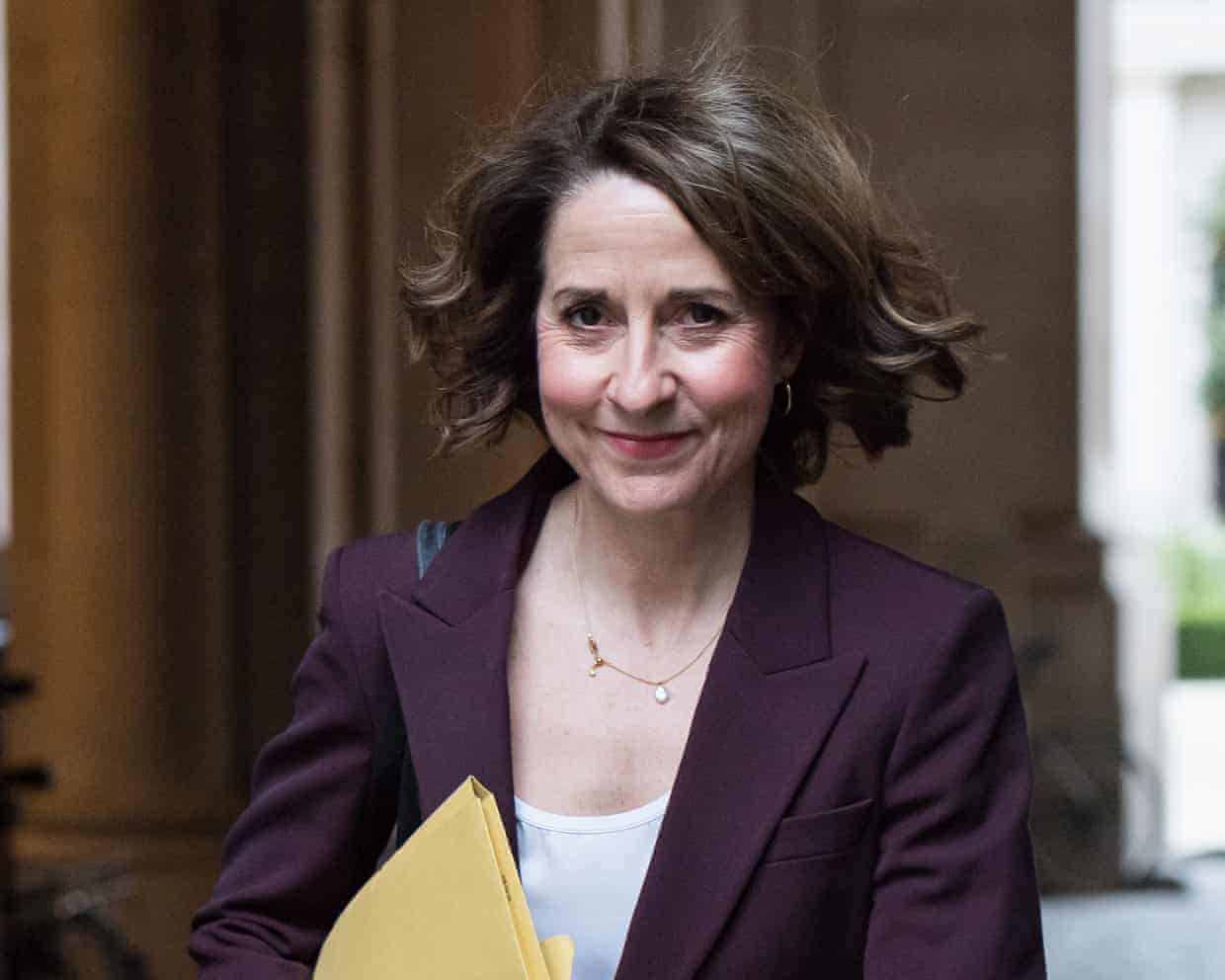
UK must seize initiative on AI or be left at its mercy, Liz Kendall says
Britain must seize the initiative on artificial intelligence or be left at the “mercy and whim” of a future shaped by the technology, Liz Kendall has said.The technology secretary said the country must have greater control over the industry as she highlighted big tech’s grip on its development, with 70% of the world’s AI computing power provided by US companies.In a speech on the UK’s ability to develop its own capabilities, Kendall said: “The choice isn’t between a world that has AI and one that does not. It is a choice between a world where we shape our AI future, based on our own interests and values, or where we are left at its mercy and whim.”Kendall highlighted the launch this month of a state AI investment fund as evidence of Labour’s support for domestic firms, and revealed the government was drawing up a plan to become more influential in designing and manufacturing the chips that power AI systems
Google reportedly signs classified AI deal with US Pentagon
Google has reportedly signed a deal with the US Pentagon to use its artificial intelligence models for classified work. The tech company joins a growing list of Silicon Valley firms inking agreements with the US military.The agreement allows the Pentagon to use Google’s AI for “any lawful government purpose”, the report from the Information added, putting it alongside OpenAI and Elon Musk’s xAI, which also have deals to supply AI models for classified use. Similar agreements, both at Google and other AI firms, have sparked significant disagreements with the Pentagon and major employee pushback.Classified networks are used to handle a wide range of sensitive work, including mission planning and weapons targeting
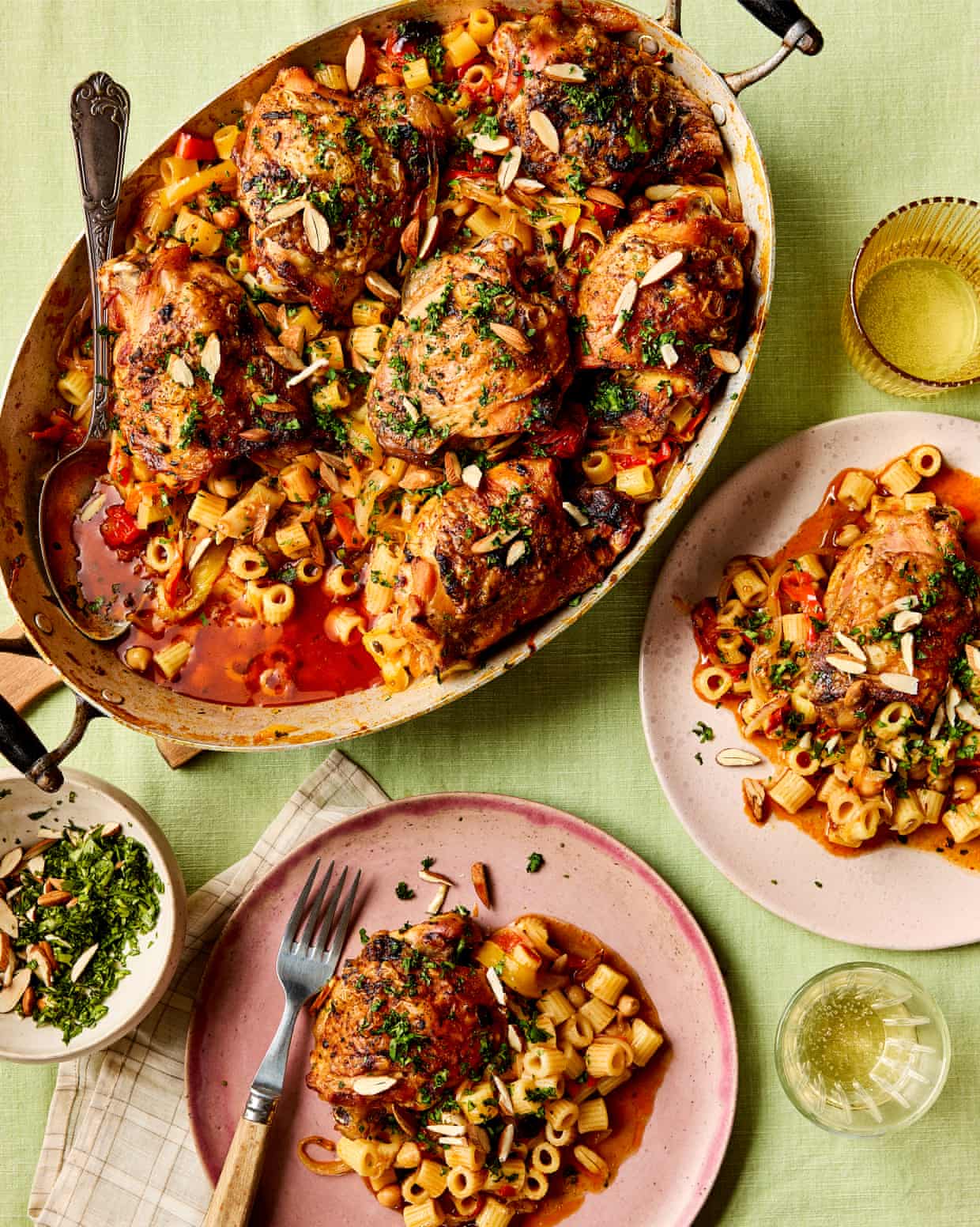
A pasta bake and a sumac salad: Sami Tamimi’s prep-ahead sharing recipes

The truth about cooking oils: 14 essential facts for healthier, cheaper meals

The surprising boom in blouge wine: ‘It’s for 5pm, in the sun’
How to make the perfect custard creams – recipe | Felicity Cloake's How to make the perfect …
Impala, London W1: ‘Shamelessly, brilliantly too much’ – restaurant review | Grace Dent on restaurants
Ifrah F Ahmed’s debut cookbook is a love letter to Somali cuisine, history and people