Primark to split from food business despite warning of Iran war impact
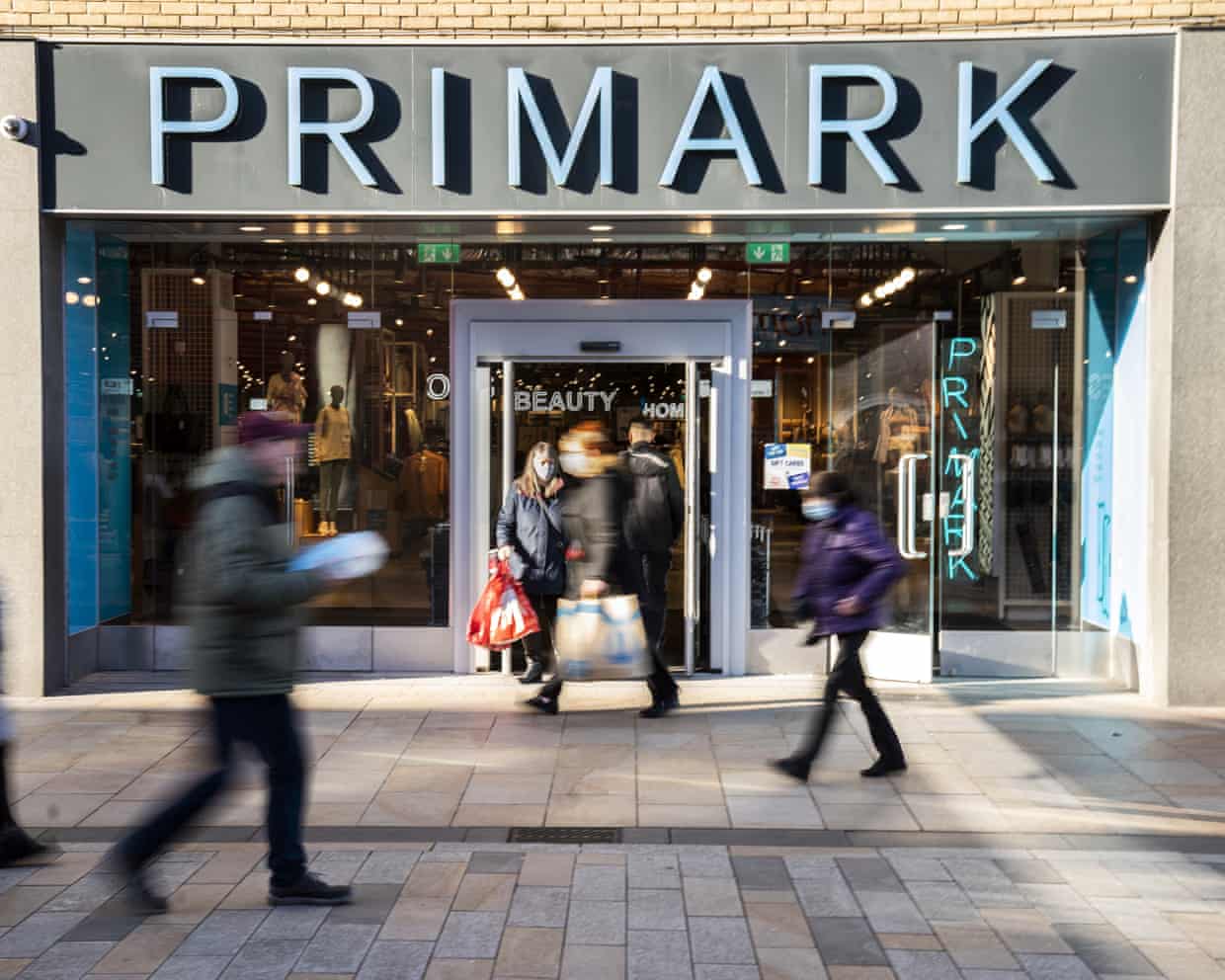
Primark is to break free from its sister food company, which owns Twinings, Kingsmill and Patak’s, next year despite warning that the conflict in the Middle East is likely to hit consumer spending and drive up inflation.The fashion chain’s owner, Associated British Foods (ABF), confirmed the plan to split off Primark from the rest of the food group, first mooted last year.The fashion group operates 486 stores across 19 countries.The demerger is expected to create two new FTSE 100 companies, with Primark worth as much as £9bn and the food business £4bn, although the valuations would be dependent on an improved profits outlook, according to Charles Allen, an analyst at Bloomberg Intelligence.City analysts have previously argued that Primark was undervalued as part of a conglomerate.
The chain was founded by Arthur Ryan under its Irish brand name, Penneys, in Dublin in 1969 and opened its first shop in Britain, in Derby, in 1974.The announcement came as the company reported that group sales fell 2% to £9.46bn in the six months to 28 February, with pre-tax profits down by 9% to £632m.The company said its sugar business had performed “below our expectations” and was now expected to report an annual loss, while its grocery business had faced weak trading in the US.Sales at established Primark stores across the world fell 2.
7% in a “difficult clothing market”,In the UK, underlying sales at Primark rose 1,3% as the cut-price chain gained market share, but this was offset by a 5,6% fall in mainland Europe, where it said consumer confidence was weak and measures to link stores to online services were not as advanced as in the UK,“An encouraging start to spring/summer trading in March was followed by softer trading in April as we started to see the impact of the Middle East conflict on the consumer,” the company said.
The ABF chief executive, George Weston, said: “We are managing the impacts of the Middle East conflict.Given what we know today, we expect the cost consequences in 2026 to be manageable.“However, there is a risk to Primark sales if the conflict persists and consumer spending deteriorates.Our strong balance sheet underpins the group’s resilience.”Weston said ABF’s food business was largely protected from inflation at present as it had pre-bought energy and diesel, but he added that things could change if the conflict dragged on: “If nothing changes, we expect inflation to increase by the autumn in food.
”He said food suppliers would have to seek price rises from retail clients if costs increased but this would take time to have a real impact.“Just as we saw in the aftermath of the Ukraine war, food price inflation peaked 12 months after the invasion began and there is the possibility that we will see the same shape to food price inflation starting in the summer but building,” he added.Weston said it was too early to say if Primark would have to put up prices amid industry concerns over increased costs of human-made fibres, such as Polyester.Weston, a member of the family that controls ABF and the long-term chief executive of the group, is to lead the food business after the demerger, which is expected to conclude by the end of 2027, while Eoin Tonge, the experienced former ABF, Marks & Spencer and Greencore finance director, will remain as chief executive of Primark.The company said the demerger, under which shareholders are likely to swap one share in ABF for one share in each of the demerged firms, would cost £75m to arrange and the two companies would lose out on £45m in cost benefits of working together.
However, the ABF chair, Michael McLintock, said it had concluded that a demerger of its fashion retail arm was “the best way to maximise long-term returns for shareholders, reflecting Primark’s scale today and the need for a better understanding of the food business”.He added: “The opportunities ahead for both Primark and FoodCo are considerable and the board firmly believes that each will thrive as an independent entity.”The food business has agreed a deal to buy its rival Hovis but is awaiting clearance from the UK’s competition watchdog.ABF has offered to sell its Northern Irish bakery business to assuage concerns about competition in the country and said on Tuesday it is “focused on achieving regulatory clearance as efficiently as possible”.Shares in ABF fell nearly 3% on Tuesday.
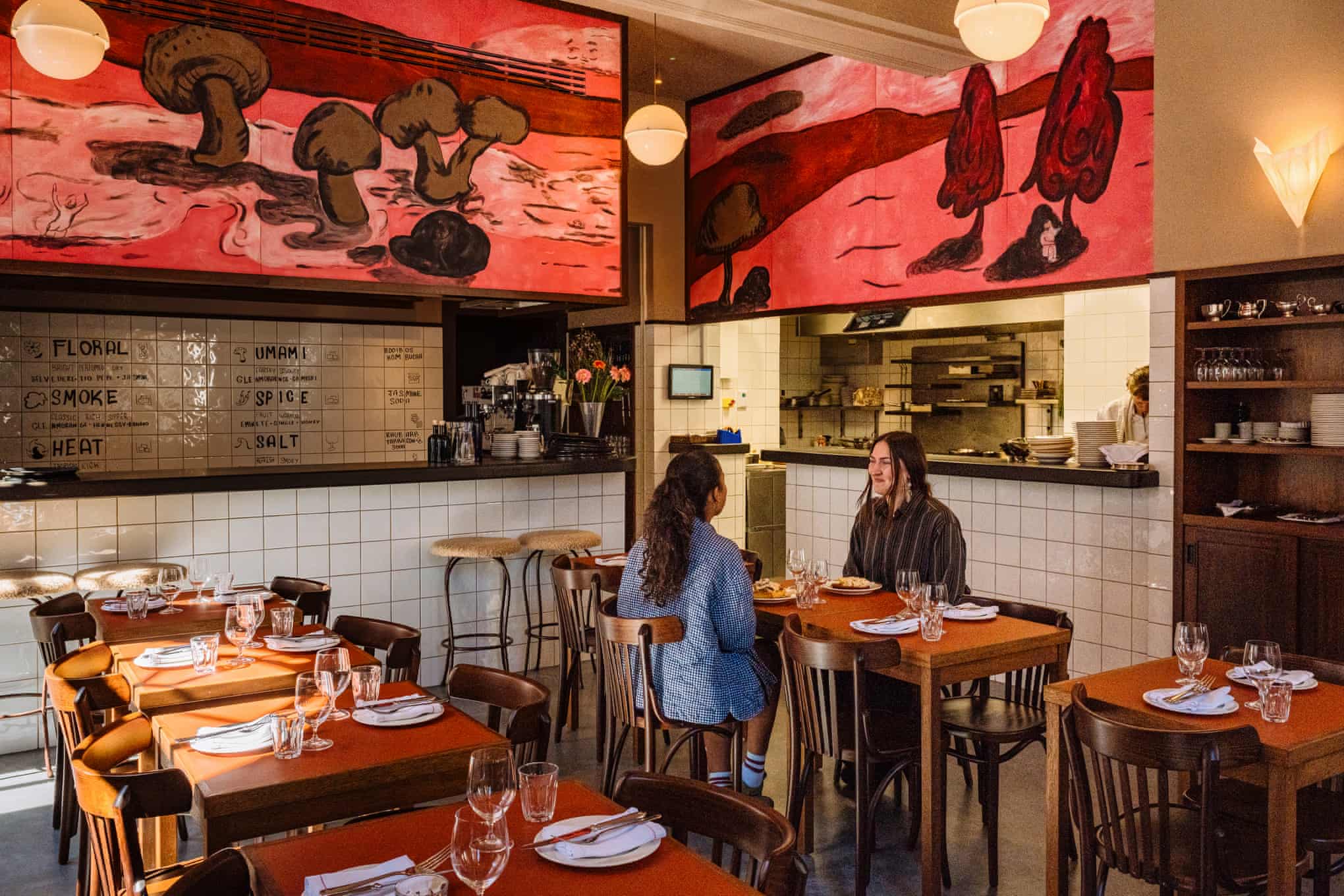
Holy Carrot, London E1: ‘As good as plant-based dining gets’ – restaurant review | Grace Dent on restaurants
This place is about so much more than just a portobello mushroom in a white bap masquerading as dinnerHoly Carrot has, cough, taken root in Spitalfields, east London. It’s the second sprouting from this plant-based restaurant with a name that’s especially hard to sell to meat-loving friends. “Please come with me to a vegan restaurant,” one might say. “It’s not one of those pious places, honest! Oh, um, the name? Holy Carrot.” In fairness, though, it’s generally tricky to cajole meaty people to venture anywhere vegan or even vegetarian, because there’s always a sense that your steak addict acquaintance is enduring their meal “as an experiment”, and despite quite charitably being “willing to be convinced”
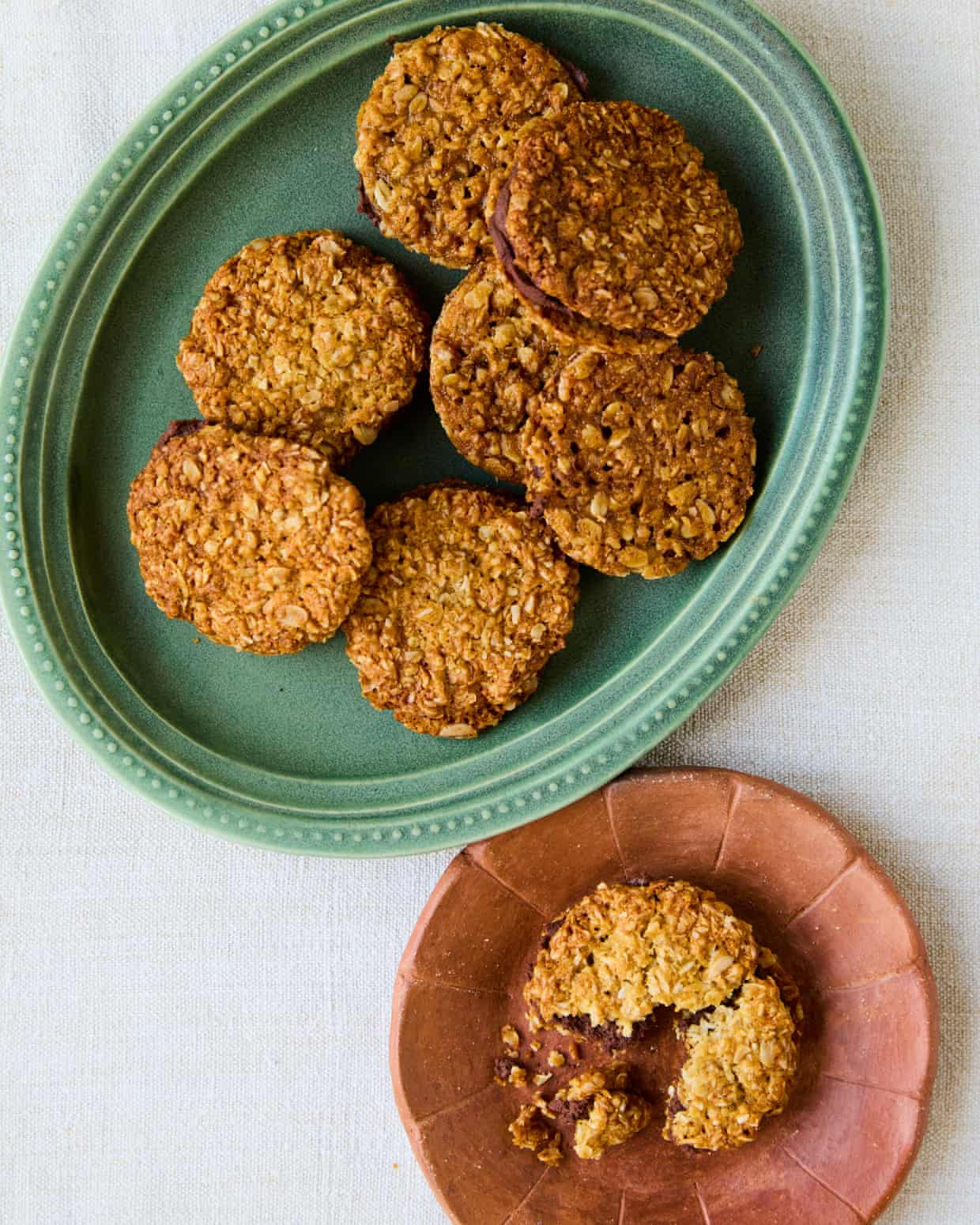
Helen Goh’s recipe for Anzac sandwich biscuits with dark chocolate filling | The sweet spot
Anzac biscuits are closely associated with Anzac Day on 25 April, which commemorates the members of the Australian and New Zealand Army Corps who served in the first world war. Made with oats, coconut and golden syrup, the biscuits are said to have been popular because they travelled well and kept for long periods, making them suitable for sending to forces overseas. My version here, a slightly less austere take on the classic, sandwiches two small biscuits with a lightly salted, olive oil-enriched dark chocolate ganache. The result is crisp at the edges, soft within and not too sweet.Prep 5 min Cook 35 min, plus cooling Makes 12 sFor the biscuits 90g rolled oats 45g plain flour 40g light brown sugar 30g caster sugar 40g desiccated coconut 80g unsalted butter 40g golden syrup ½ tsp bicarbonate of soda ¼ tsp fine sea saltFor the ganache110g dark chocolate (60-70% cocoa solids), chopped60ml single cream 2 tsp olive oil ¼ tsp flaky sea saltPut the oats, flour, sugars and coconut in a medium bowl and whisk to combine
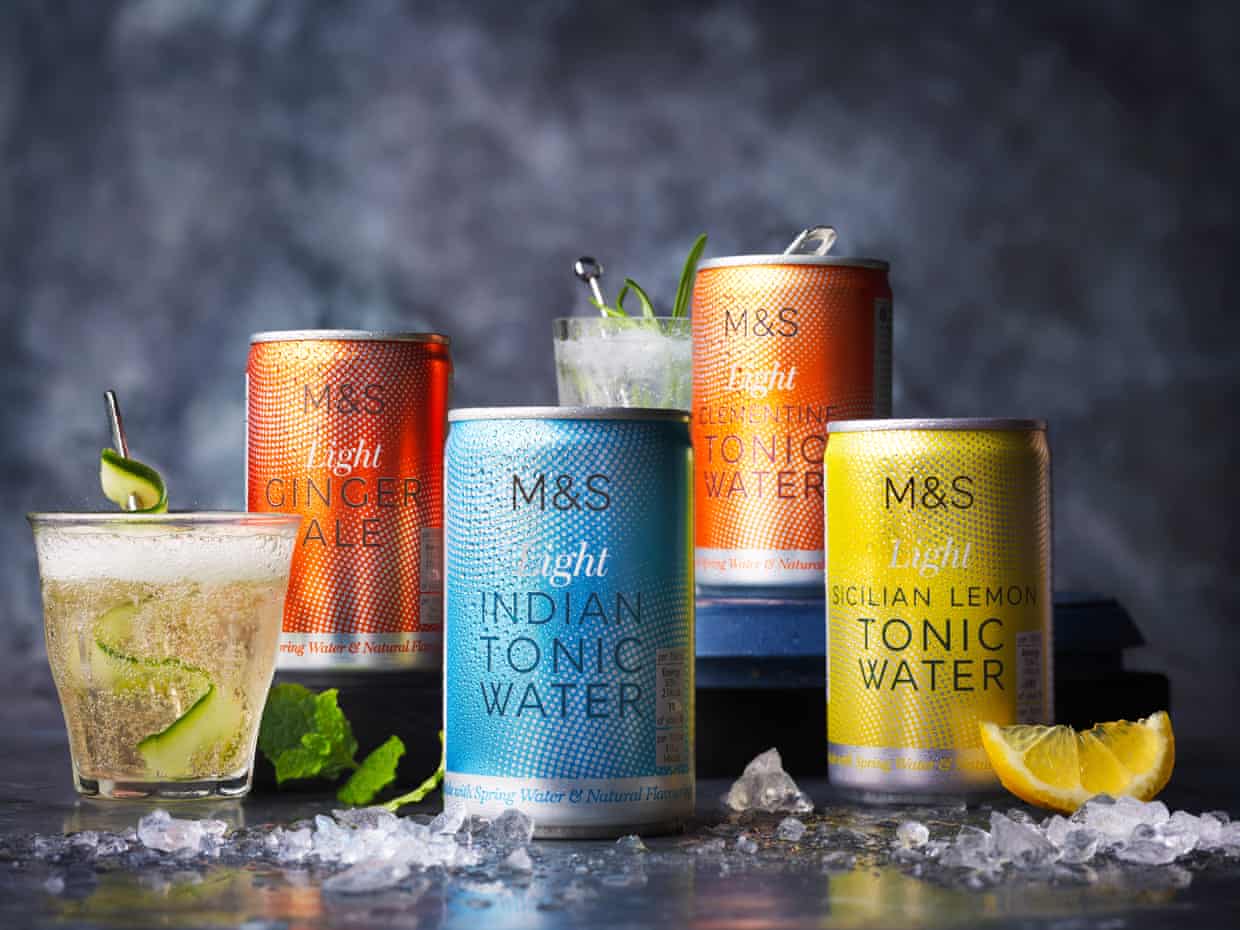
Just the tonic: why it’s more than a mixer
If a tonic is something that “makes you feel stronger and happier”, my tonics come in the form of good wine, bad chocolate and an ageing whippet called Ernie. Recently, though, I’ve found myself craving the OG tonic – tonic water – which started life as a malaria treatment in the age of the British empire.The Guardian’s journalism is independent. We will earn a commission if you buy something through an affiliate link. Learn more

Move over matcha: how ube cocktails and coffees are hitting the UK’s sweet spot
Bright purple coffees and cocktails made with a root vegetable called ube have hit the high street in the UK after the yam’s striking hue caused a sensation on social media. Many are calling ube the “new matcha”, and it has a nutty, creamy, sweet taste, like a mix between coconut and vanilla.Ube coloured and flavoured drinks became popular in the US last year, after an earlier boom in Australia. Farmers in the Philippines, where the root vegetable is often sourced, have been struggling to meet demand.Now, the purple drinks have crossed the pond: Starbucks and Costa both launched ube drinks in their UK stores last month
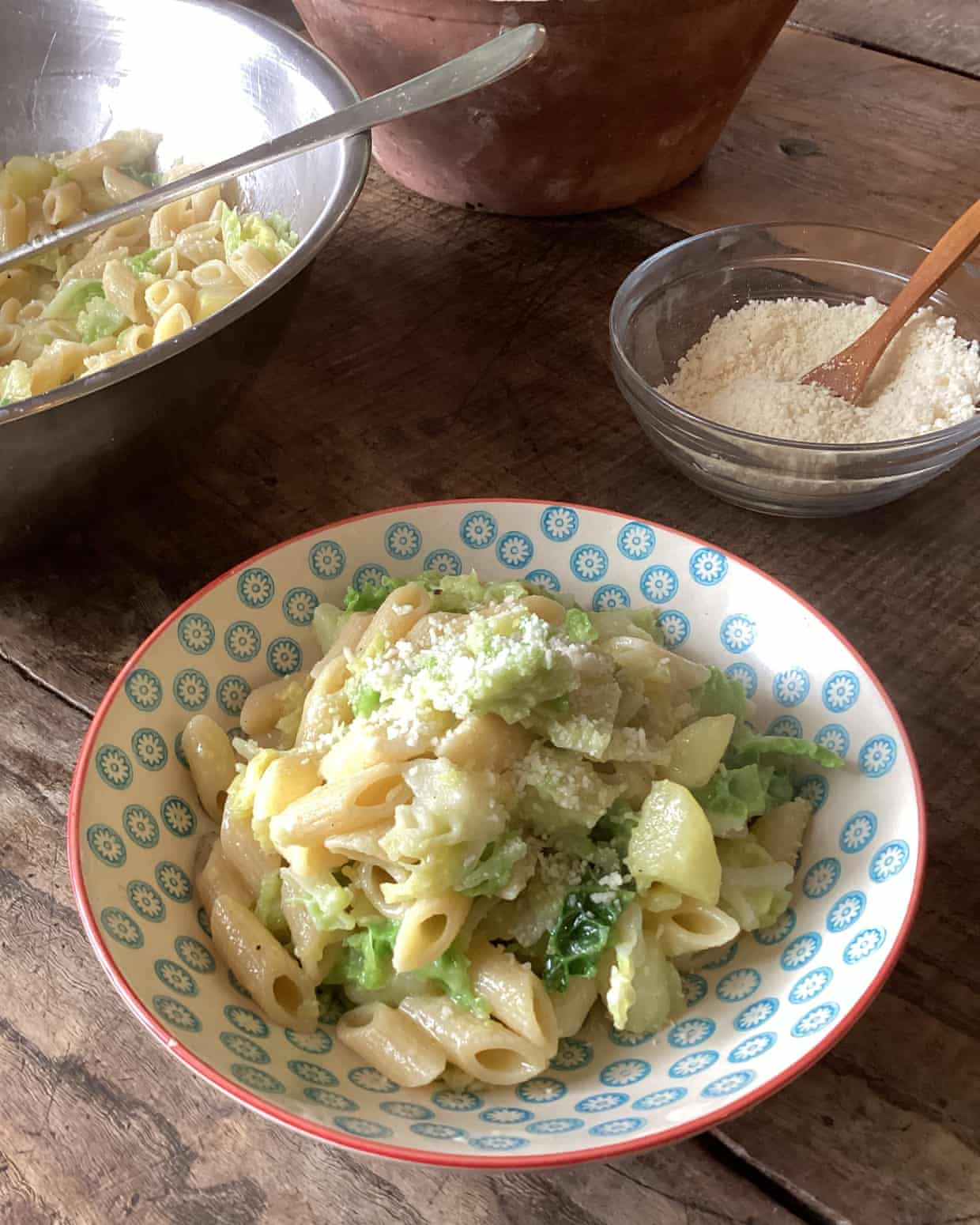
Rachel Roddy’s ‘high-ranking’ penne with potatoes, cabbage, butter and cheese – recipe
In December 2023, the magazine La Cucina Italiana ranked Italians’ favourite pasta shapes, according to data gathered by Unione Italiana Food (“the leading association in Italy for the direct representation of food product categories”). I love this sort of thing. According to the UIF, by processing NielsenIQ data (comprehensive market research, consumer intelligence and retail measurement), they identified the five most popular shapes from over 500, and examined how preferences vary in different regions.In first place was spaghetti, while penne came in second, with these two shapes – which also takes in thinner spaghettini, chunkier spaghettoni and both ridged and smooth penne – accounting for 78% of all pasta sold in Italy in 2023. The regional variations of three, four and five are as follows: in the north-west and north-east, fusilli, short pasta and mixed pasta for broth or minestra; in central Italy, short pasta, fusilli and rigatoni; in the south, mixed pasta for broth or minestra, short pasta and tortiglioni
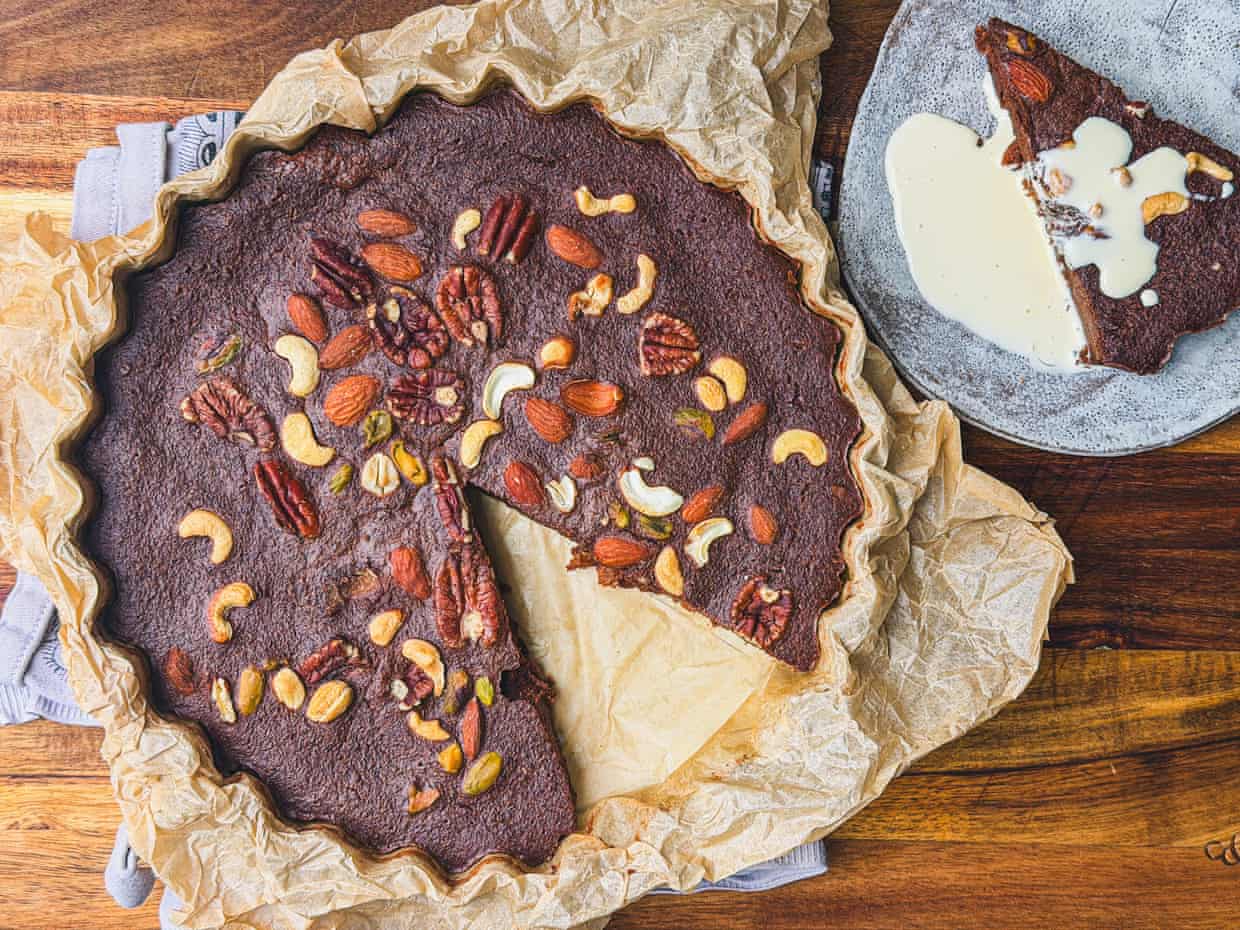
How to turn old bread into a brilliant Italian cake – recipe | Waste not
Old sourdough is my secret ingredient. To stop it going mouldy, I take it out of any plastic packaging and keep it in the bread bin with plenty of airflow around it – that way, it will dry out slowly, rather than turning mouldy. Any odds and ends, meanwhile, I store in a cloth bag to use in various dishes, from pangrattato (or poor man’s parmesan) to strata, a savoury bread-and-butter pudding.My new favourite recipe discovery for using up stale bread is today’s torta paesana, or village cake, from Lombardy. The best way I can come up with to describe it is that it’s a bit like a firm baked custard
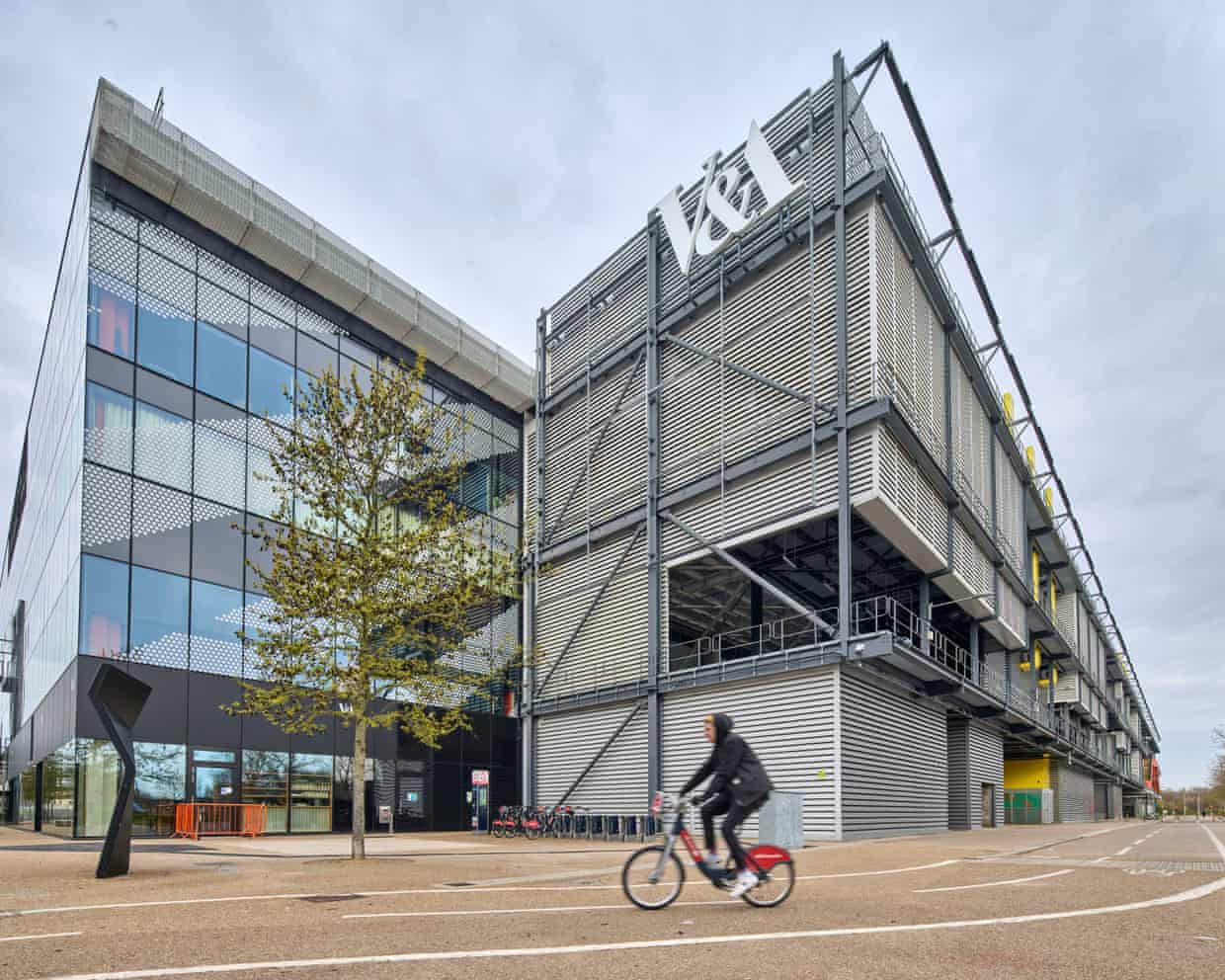
V&A East Storehouse and Norwich Castle among finalists for museum of the year

Letter: Sir Neil Cossons obituary

‘Women want to experience pleasure’: how the female gaze caught the attention of film, TV and fiction

Yann Martel: ‘I hate the rich people of this world – of which I’m one, because of Life of Pi’

The Guide #239: Two successful seasons in, The Pitt has resuscitated the medical drama
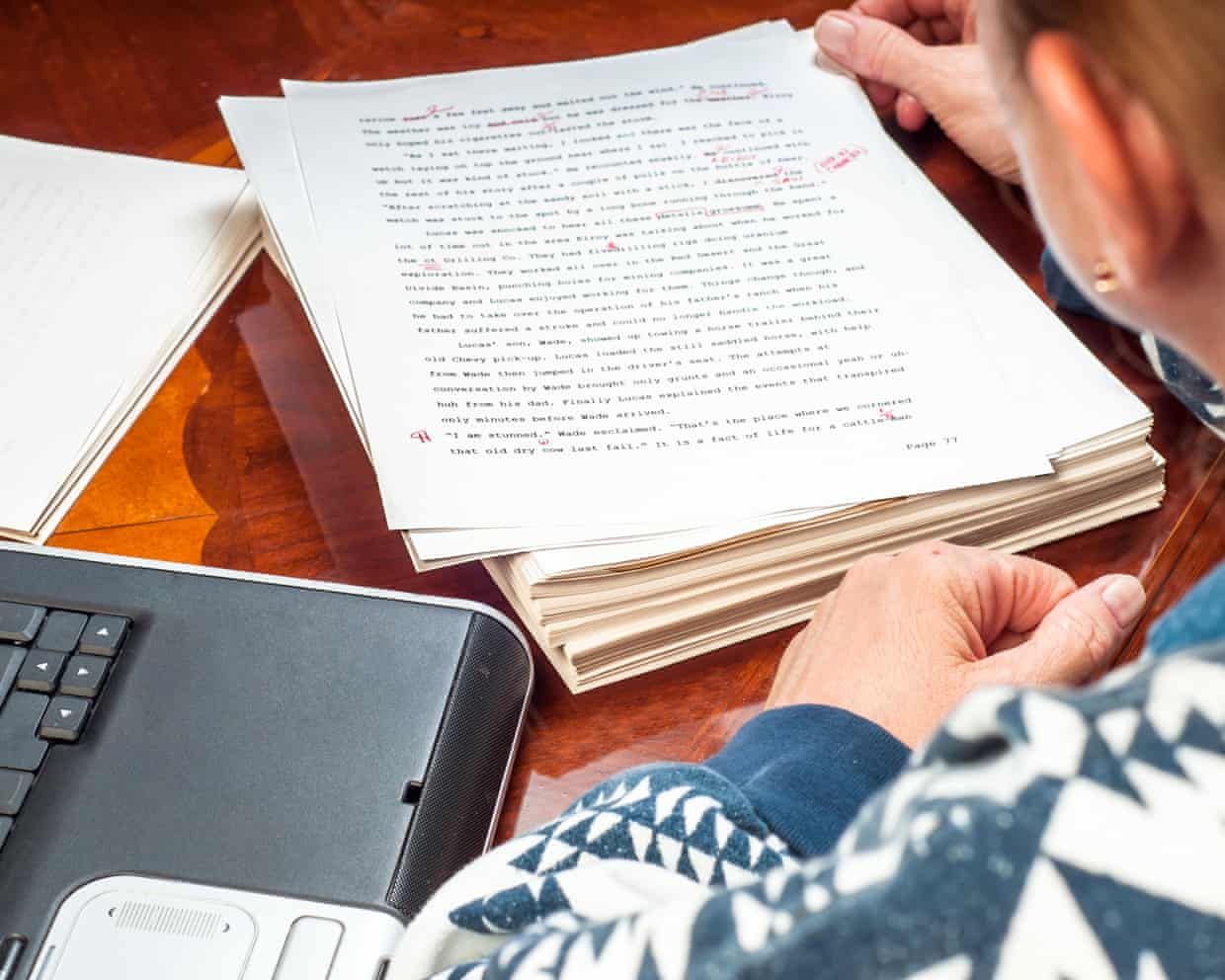
Winners and judges out of pocket as £20,000 writing awards appear to have closed