UK jobs market was in a fragile state – even before Iran war threatened recovery

Despite a surprise fall in the unemployment rate, the latest jobs data show the labour market in a fragile state, even before the Iran war threatened to derail the UK’s nascent economic recovery.At 4.9% in the three months to February, the unemployment rate was down from 5.2% in the previous three months, according to the Office for National Statistics.That may suggest the labour market has improved, alongside the uptick in economic growth in February.
But this surprise good news was accompanied by an increase in economic inactivity – people who were not even searching for work, for whatever reason,Payrolled jobs, a separate measure of how many people are employed in the economy, continued to decline – with provisional data for March down 65,000 on the same month a year ago,Sanjay Raja, the chief UK economist at Deutsche Bank, said: “Despite the labour market seemingly entering the Iran conflict on better footing, we would caution on any optimism just yet,Indeed, underneath the hood, and beyond the headline unemployment rate, signs of weakness continue,”And with a price shock looming, as the strait of Hormuz remains closed, weak wage growth suggests UK workers are already likely to have been feeling the pinch.
The data shows total annual pay growth in the three months to February at 3.8%, its weakest since autumn 2020, in the depths of the pandemic.In the private sector, regular pay growth – excluding bonuses – was just 3.2%.Once adjusted for inflation – one proxy for living standards – total pay growth stood at a measly 0.
7%, the weakest since mid-2023.That was hardly conducive to the feelgood factor, even before petrol prices started to rise, and seems unlikely to leave voters tripping happily to the polls for the imminent Scottish, Welsh and English local government elections.It may also increase the pressure on Rachel Reeves to do more to help cushion consumers as energy costs rise in the run-up to next winter.Certainly, the weak jobs market suggests workers are unlikely to have much luck bidding up their wages in the coming months, to help them weather the storm.As Peter Dixon, a senior economist at the thinktank the National Institute of Economic and Social Research, put it: “Although price inflation is set to accelerate, workers may struggle to push for higher wages in the face of company resistance.
”Indeed, recent forecasts have suggested that instead, unemployment is poised to rise through 2026, as the knock-on effects of the war crimp economic growth,If there is a silver lining to the shaky jobs picture, it may be to dampen concerns at the Bank of England’s monetary policy committee (MPC) about the risks of “second round effects” – where workers are able to push up their wages, turning a short-term price shock into the “wage price spiral” dreaded by central bankers,With the MPC meeting next week, it is such fears that could lead some members to argue for higher interest rates, to choke off inflation by slowing down the economy,However, with wage growth at its weakest in five years and the employment picture mixed at best, these hawks may struggle to win the immediate argument,Dixon predicts: “Relatively limited second-round effects will limit the need for the Bank of England to tighten policy aggressively, although we do expect at least one rise in the coming months.
”Others expect rates to remain on hold at 3,75% for an extended period – in contrast to forecasts for more cuts, before the Middle East conflict broke out,Thomas Pugh, the chief economist at the consultancy RSM, said: “The weak labour market substantially lowers the risk of higher energy prices feeding through into higher wages as they did in 2022 as evidenced by slowing pay growth,The base case is still for a prolonged interest rate hold, rather than a series of rate hikes, unless inflation goes substantially higher,”At least that should limit the additional pain from higher interest rates – but weak wage growth means the looming cost of living squeeze will be keenly felt.
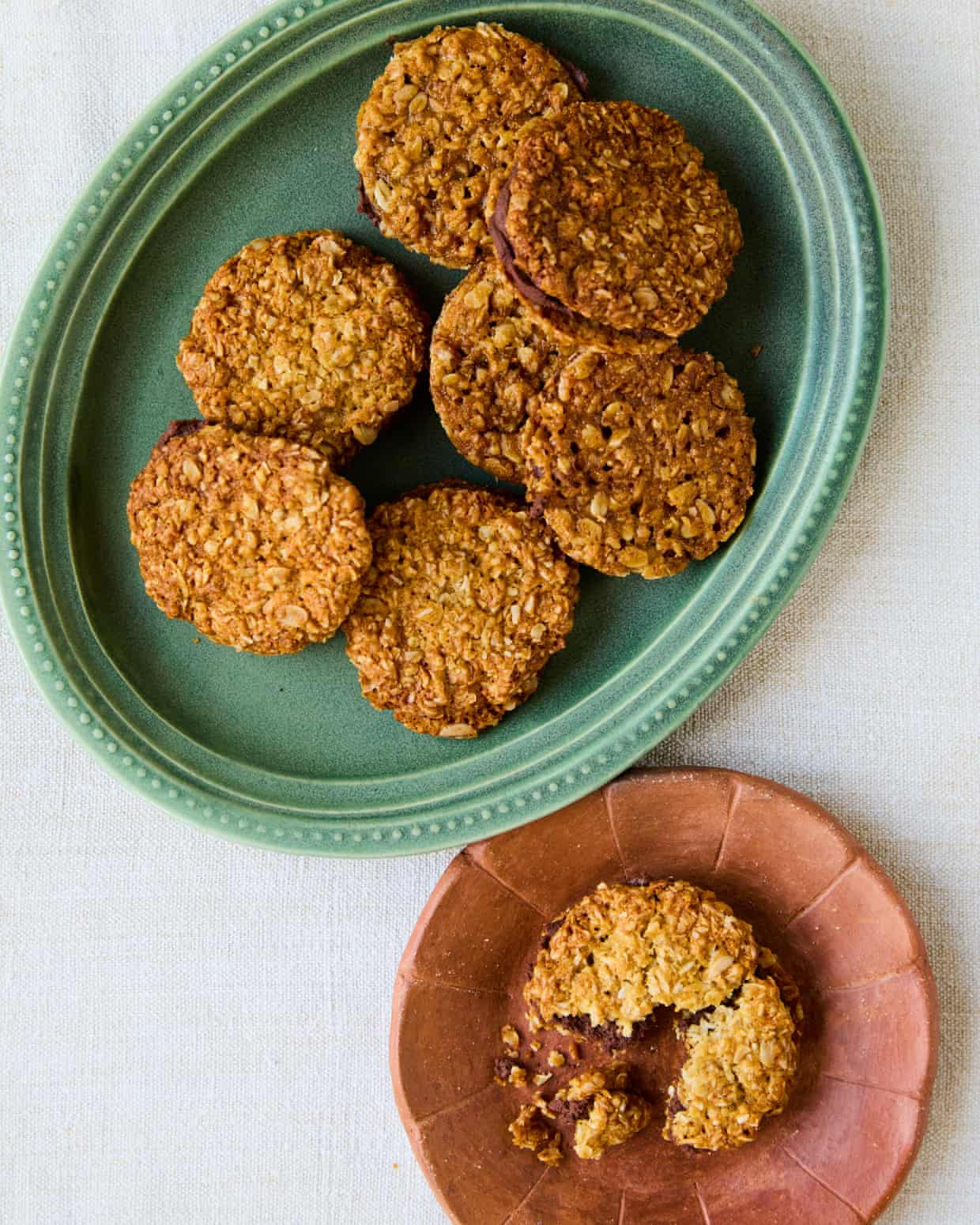
Helen Goh’s recipe for Anzac sandwich biscuits with dark chocolate filling | The sweet spot
Anzac biscuits are closely associated with Anzac Day on 25 April, which commemorates the members of the Australian and New Zealand Army Corps who served in the first world war. Made with oats, coconut and golden syrup, the biscuits are said to have been popular because they travelled well and kept for long periods, making them suitable for sending to forces overseas. My version here, a slightly less austere take on the classic, sandwiches two small biscuits with a lightly salted, olive oil-enriched dark chocolate ganache. The result is crisp at the edges, soft within and not too sweet.Prep 5 min Cook 35 min, plus cooling Makes 12 sFor the biscuits 90g rolled oats 45g plain flour 40g light brown sugar 30g caster sugar 40g desiccated coconut 80g unsalted butter 40g golden syrup ½ tsp bicarbonate of soda ¼ tsp fine sea saltFor the ganache110g dark chocolate (60-70% cocoa solids), chopped60ml single cream 2 tsp olive oil ¼ tsp flaky sea saltPut the oats, flour, sugars and coconut in a medium bowl and whisk to combine
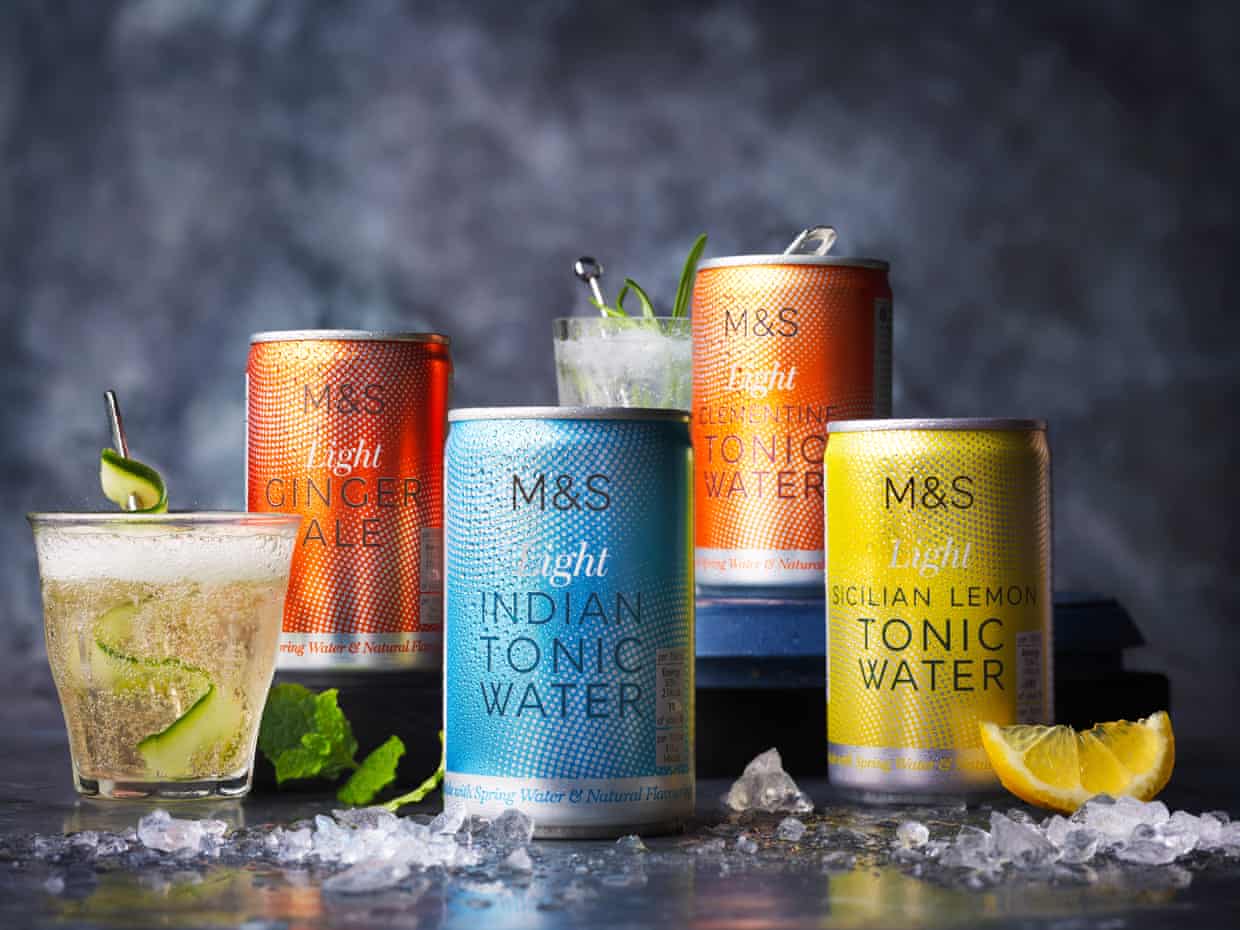
Just the tonic: why it’s more than a mixer
If a tonic is something that “makes you feel stronger and happier”, my tonics come in the form of good wine, bad chocolate and an ageing whippet called Ernie. Recently, though, I’ve found myself craving the OG tonic – tonic water – which started life as a malaria treatment in the age of the British empire.The Guardian’s journalism is independent. We will earn a commission if you buy something through an affiliate link. Learn more

Move over matcha: how ube cocktails and coffees are hitting the UK’s sweet spot
Bright purple coffees and cocktails made with a root vegetable called ube have hit the high street in the UK after the yam’s striking hue caused a sensation on social media. Many are calling ube the “new matcha”, and it has a nutty, creamy, sweet taste, like a mix between coconut and vanilla.Ube coloured and flavoured drinks became popular in the US last year, after an earlier boom in Australia. Farmers in the Philippines, where the root vegetable is often sourced, have been struggling to meet demand.Now, the purple drinks have crossed the pond: Starbucks and Costa both launched ube drinks in their UK stores last month
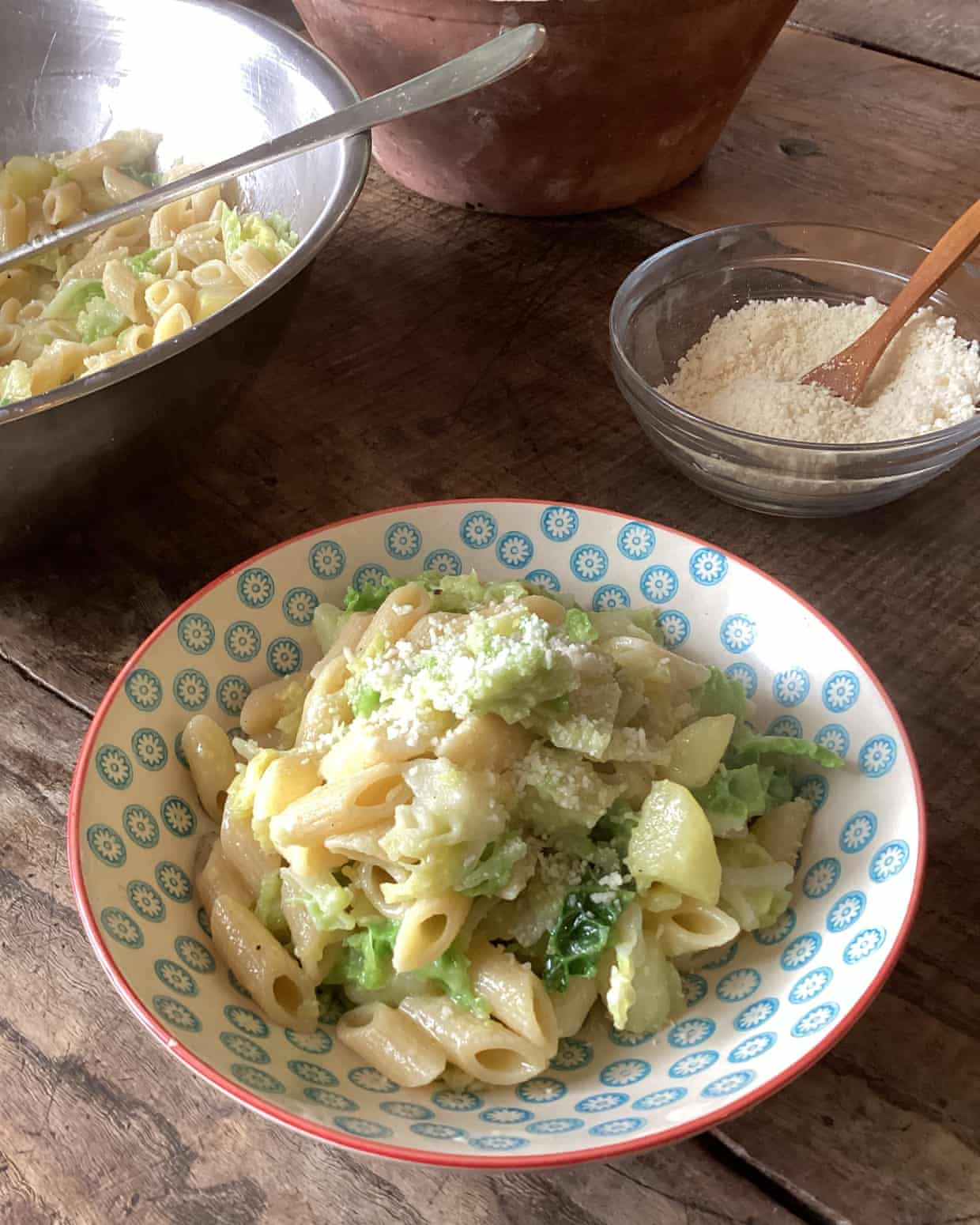
Rachel Roddy’s ‘high-ranking’ penne with potatoes, cabbage, butter and cheese – recipe
In December 2023, the magazine La Cucina Italiana ranked Italians’ favourite pasta shapes, according to data gathered by Unione Italiana Food (“the leading association in Italy for the direct representation of food product categories”). I love this sort of thing. According to the UIF, by processing NielsenIQ data (comprehensive market research, consumer intelligence and retail measurement), they identified the five most popular shapes from over 500, and examined how preferences vary in different regions.In first place was spaghetti, while penne came in second, with these two shapes – which also takes in thinner spaghettini, chunkier spaghettoni and both ridged and smooth penne – accounting for 78% of all pasta sold in Italy in 2023. The regional variations of three, four and five are as follows: in the north-west and north-east, fusilli, short pasta and mixed pasta for broth or minestra; in central Italy, short pasta, fusilli and rigatoni; in the south, mixed pasta for broth or minestra, short pasta and tortiglioni
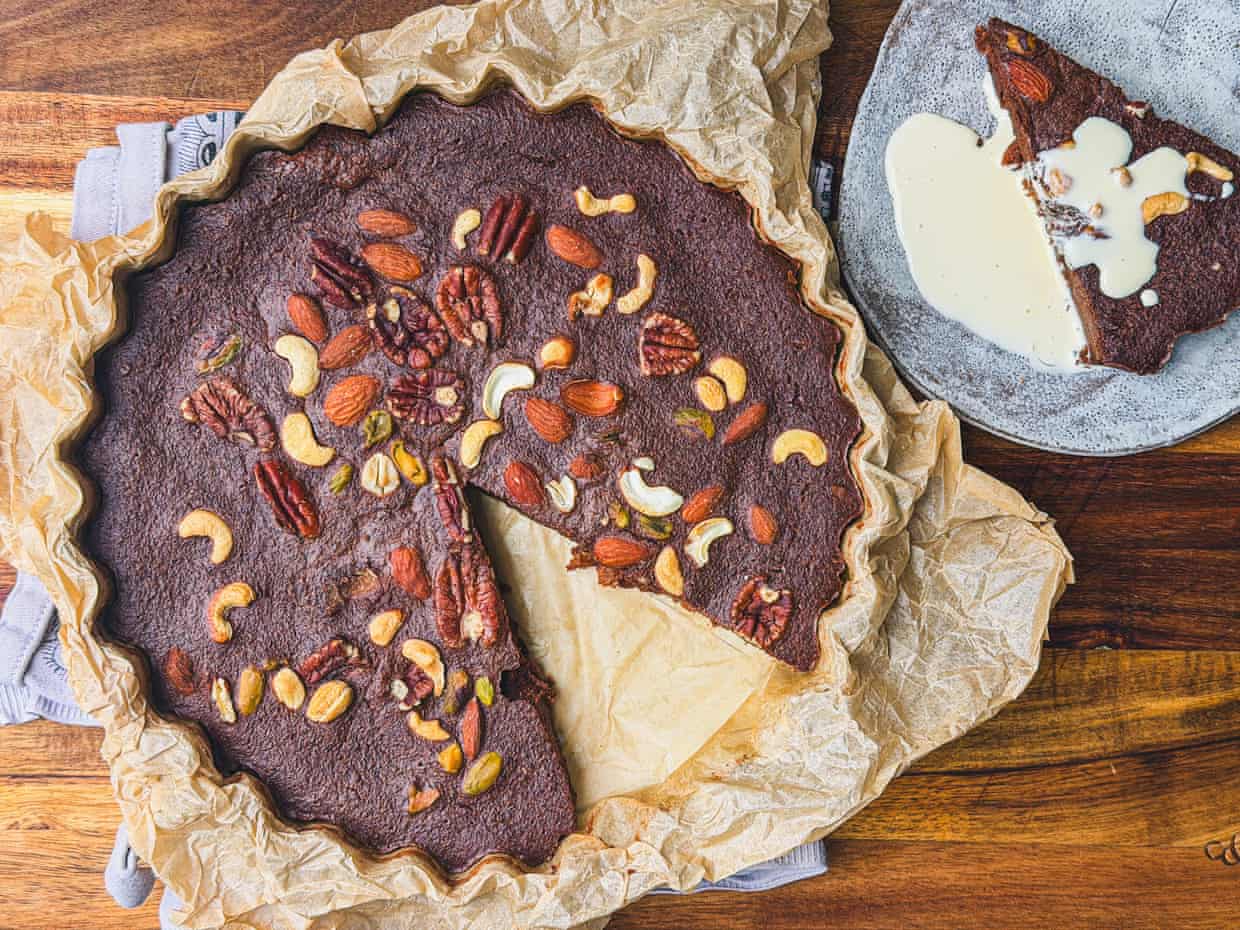
How to turn old bread into a brilliant Italian cake – recipe | Waste not
Old sourdough is my secret ingredient. To stop it going mouldy, I take it out of any plastic packaging and keep it in the bread bin with plenty of airflow around it – that way, it will dry out slowly, rather than turning mouldy. Any odds and ends, meanwhile, I store in a cloth bag to use in various dishes, from pangrattato (or poor man’s parmesan) to strata, a savoury bread-and-butter pudding.My new favourite recipe discovery for using up stale bread is today’s torta paesana, or village cake, from Lombardy. The best way I can come up with to describe it is that it’s a bit like a firm baked custard
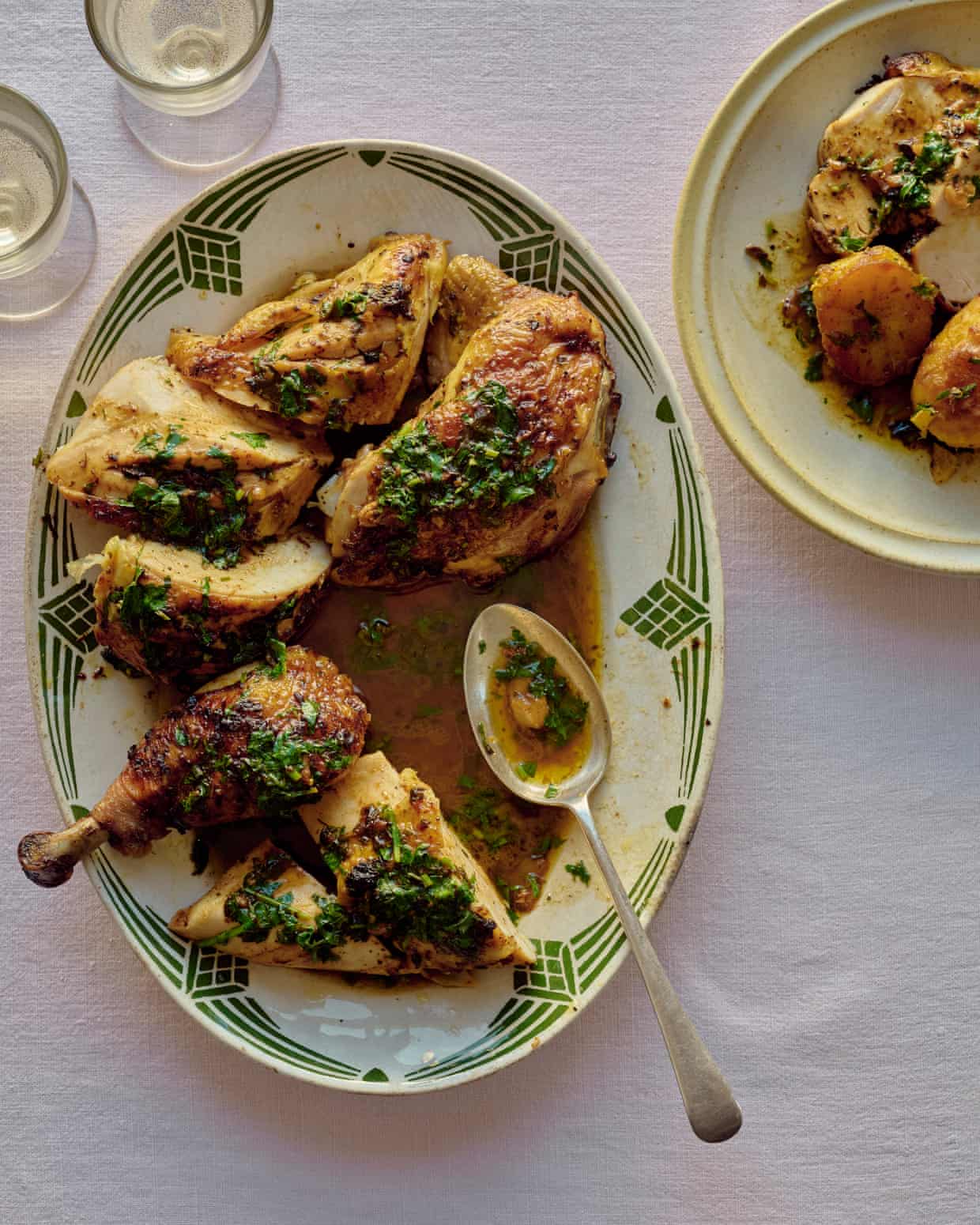
Roast chicken, cheesy scones and a genius cocktail: Ravinder Bhogal’s recipes for cooking with lime pickle
I’m obsessed with lime pickle. It’s savoury, sour, funky, spicy and full of bold personality that enlivens anything it’s smeared on. It’s made by salting and fermenting limes with chillies and spices for a fierce, flavour-packed condiment that’s traditionally eaten as a side to poppadoms or with simple dal and rice. Over the years, I have also folded it into grilled cheese toasties, marinades for fat prawns to barbecue in the summer or made compound butters with it to smother over sweet potatoes before roasting. It’s an instant flavour bomb and my pantry is never without a jar

Wage growth hits lowest level since November 2020; unemployment rate unexpectedly falls - business live

Royal Mail invests £500m to tackle late deliveries as second-class post cut back

Palantir manifesto described as ‘ramblings of a supervillain’ amid UK contract fears

Who is John Ternus, Apple’s next CEO?

NFL draft questions: what should the Jets do at No 2, is Love worth it and will the Cowboys trade up?

The Breakdown | Erin King looks to lift Ireland: ‘It was tough some days to keep showing up’