Boost for artists in AI copyright battle as only 3% back UK active opt-out plan
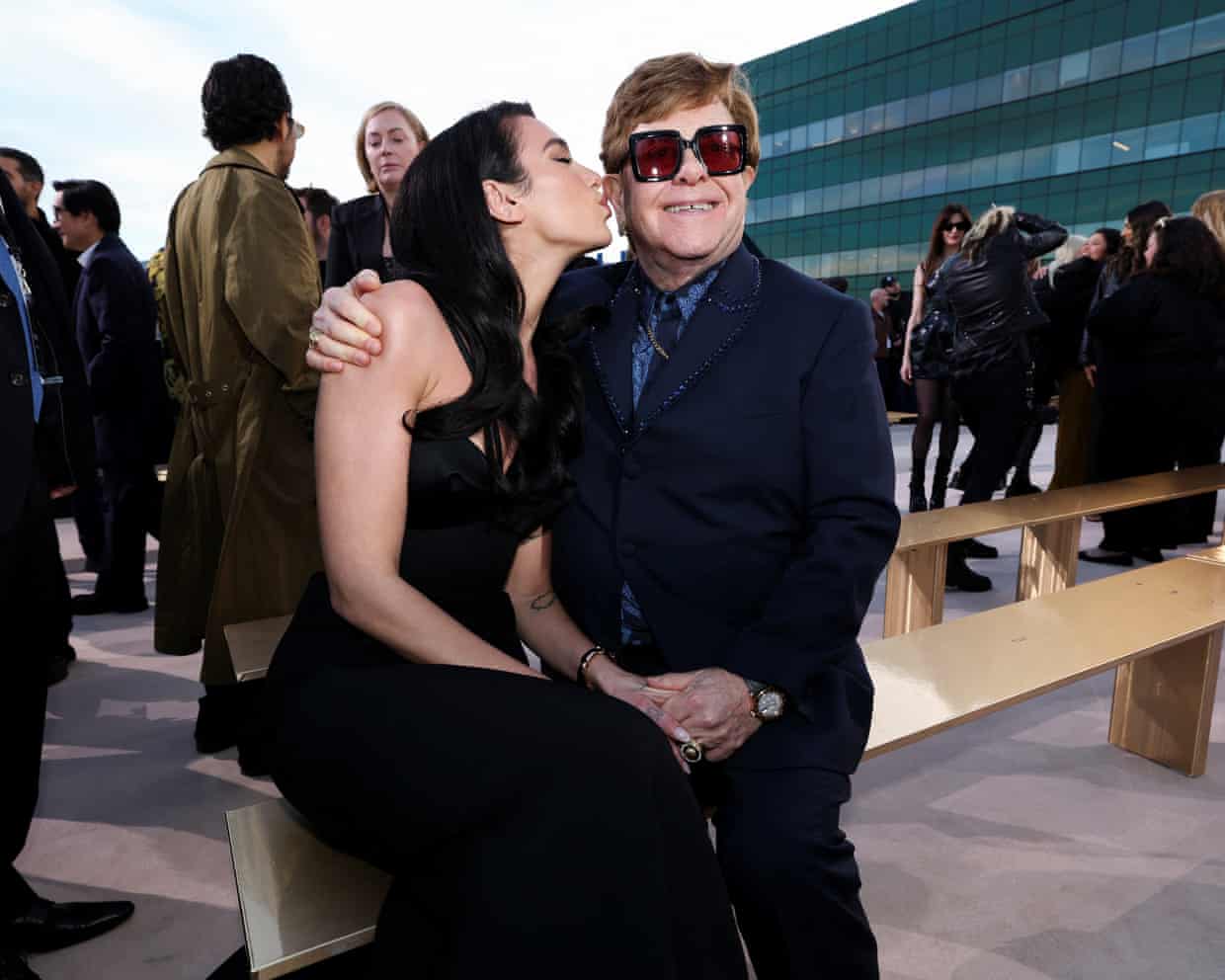
A campaign fronted by popstars including Elton John and Dua Lipa to protect artists’ works from being mined to train AI models without consent has received a boost after almost every respondent to a government consultation backed their case,Ninety-five per cent of the more than 10,000 people who had their say over how music, novels, films and other works should be protected from copyright infringements by tech companies called for copyright to be strengthened and a requirement for licensing in all cases or no change to copyright law,By contrast, only 3% of people backed the government’s initial preferred tech company-friendly option, which was to require artists and copyright holders to actively opt out of having their material fed into data-hungry AI systems,Ministers subsequently dropped that preference in the face of a backlash,Artists who have opposed any dilution of their copyright include Sam Fender, Kate Bush and the Pet Shop Boys.
Campaigners to protect artists’ copyright have voiced fears that ministers have paid too much attention to US tech companies’ interests.The US president, Donald Trump, has said: “We have to allow AI to use that [copyrighted] pool of knowledge without going through the complexity of contract negotiations,” and warned international governments not to “make rules and regulations that … make it impossible” for AI companies to do business.Last month Paul McCartney stepped up the campaign to protect copyright by releasing a new recording, which was almost entirely silent save for some ambient clattering in the studio as a protest against copyright theft by AI companies.Liz Kendall, the secretary of state for science, innovation and technology, told parliament on Monday there was “no clear consensus” on the issue and the government would “take the time to get this right”, and promised to make policy proposals by 18 March 2026.“Our approach to copyright and AI must support prosperity for all UK citizens, and drive innovation and growth for sectors across the economy, including the creative industries,” she said.
“This means keeping the UK at the cutting edge of science and technology so UK citizens can benefit from major breakthroughs, transformative innovation and greater prosperity.“It also means continuing to support our creative industries, which make a huge economic contribution, shape our national identity and give us a unique position on the world stage.”But campaigners for copyright holders said the consultation response set a clear course for the government to take.“This is an overwhelming show of support for the commonsense position that AI companies should pay for the resources they use, and a total rejection of the government’s ‘preferred option’ of handing AI companies the work of the UK’s creatives for free,” said Ed Newton-Rex, a composer and campaigner for copyright fairness.“Liz Kendall should listen to the people and rule out changing copyright law to benefit AI companies.
”Owen Meredith, the chief executive of the New Media Association, urged Kendall to rule out any new copyright exception and end the uncertainty created by “this prolonged process”.“This will send a clear message to AI developers that they must enter into licensing agreements with the UK’s media and creative copyright owners, unlocking investment and strengthening the market for the high-quality content that is the most valuable ingredient in producing safe, trustworthy AI models,” he said.Last month, Kendall indicated she was sympathetic to artists’ demands not to have their copyrighted works scraped by AI companies without payment and wanted to “reset” the debate.“People rightly want to get paid for the work that they do,” she said, and “we have to find a way that both sectors can grow and thrive in future”.
Alan Milburn launches major UK review into rising inactivity among young people
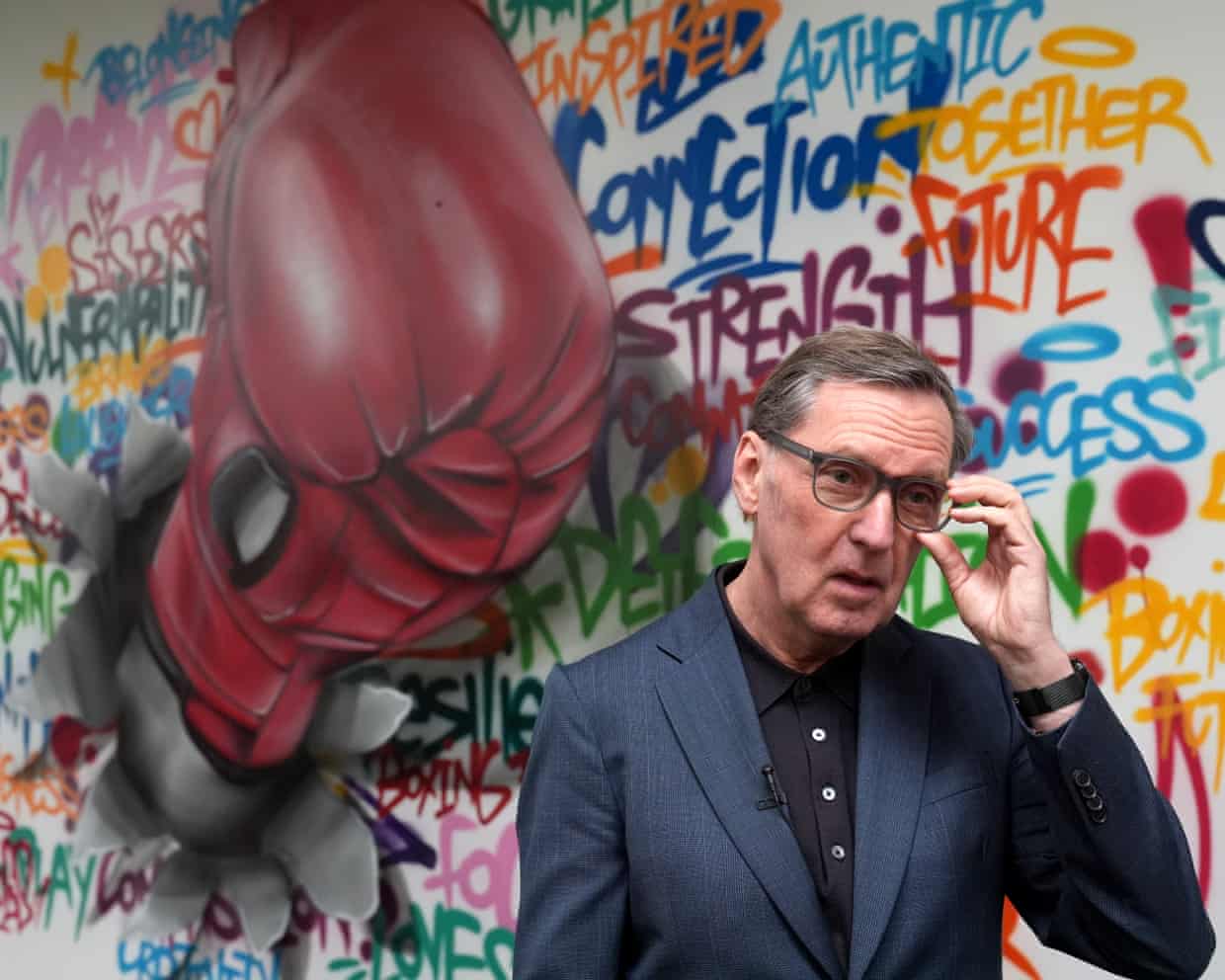
A major review into rising inactivity among Britain’s young people has been launched by the former health secretary Alan Milburn, with a promise not to shy away from “uncomfortable truths” or “radical” policy solutions.A panel of health, business and policy experts, including the former John Lewis boss Charlie Mayfield, ex-Bank of England chief economist Andy Haldane and social welfare expert Dame Louise Casey, will help draw up recommendations.Milburn has also launched a call for evidence from young people and a wide range of experts to help shape the investigation, saying a “coalition of the concerned” must mobilise to save a generation not earning or learning.He is expected to examine the role of mental health issues and disability, after the number of 16- to 24-year-olds receiving health-related benefits soared, with more than a quarter of young people not in education, employment or training (Neet) now citing long-term sickness or disability.The risk of being Neet is more than double if you come from a disadvantaged background and have low qualifications
Officials fear NHS will be hit hard after resident doctors reject latest offer
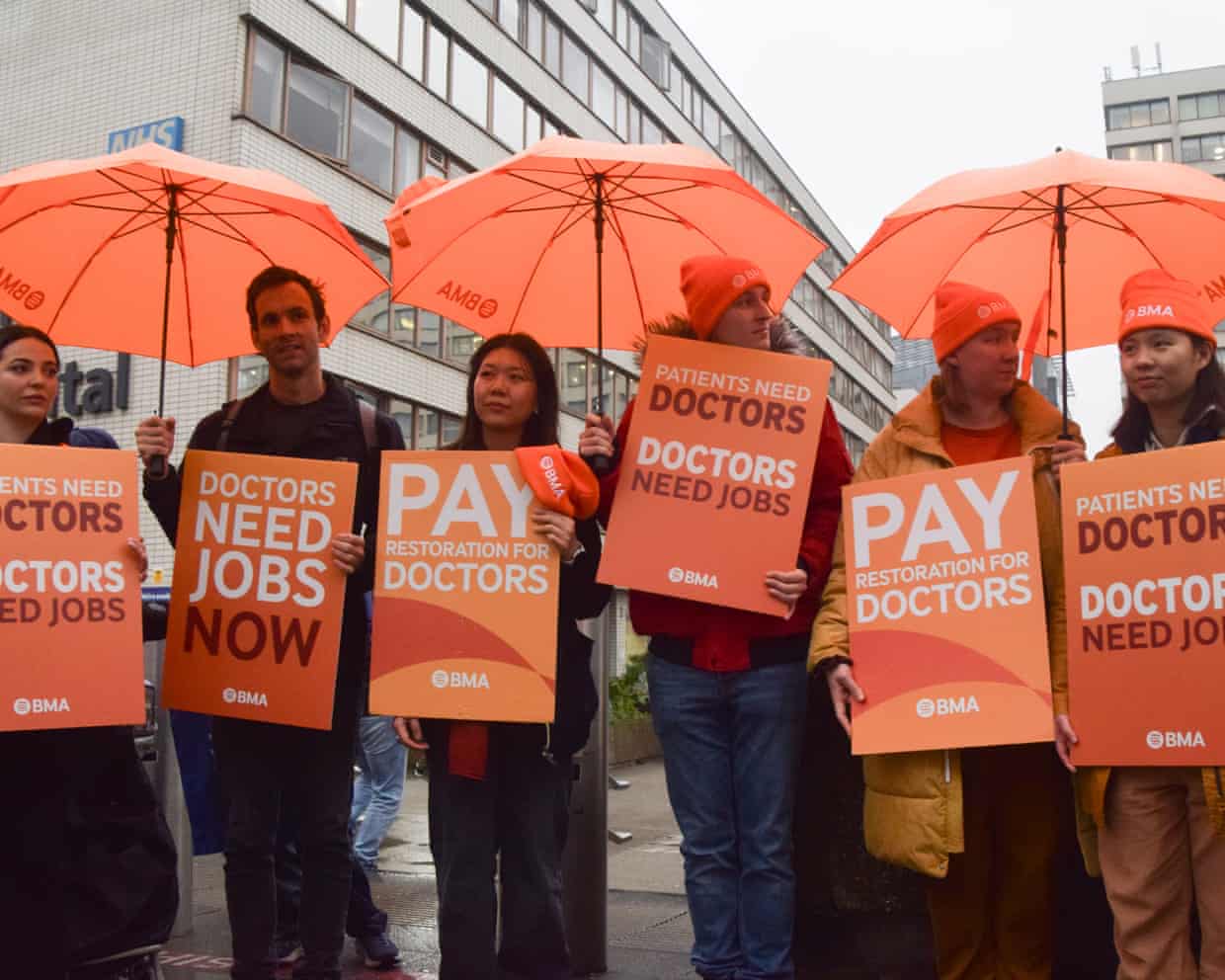
Hospitals are cancelling tens of thousands of appointments and operations after resident doctors voted overwhelmingly to reject a last-ditch government offer to avoid this week’s strike.The health secretary, Wes Streeting, and the British Medical Association (BMA) are being urged to agree to see if an independent mediator can break the deadlock in the almost three-year-old pay and jobs dispute in England.NHS bosses are anxious about how hospital services will cope with what will be the 14th stoppage resident – formerly junior – doctors have staged since March 2023 when it is already struggling to cope with a fast-growing “flu-nami”. They have had to reschedule an estimated 38,500 outpatient appointments and treatments, including surgery, chemotherapy and radiotherapy for cancer.They also fear that consultant (senior) doctors will be too busy covering the work of their more junior colleagues during the strike to help hospitals undertake their traditional pre-Christmas clearout of patients who are well enough to leave, so they can give their beds to others who need to be admitted during the cold snap that usually causes problems during the festive season

The slow death of social housing – and its original purpose | Letters
Your editorial (The Guardian view on England’s social housing system: failing the very people it was built for, 10 December) claims that “social homes were supposed to be for those who couldn’t afford private rents”. That’s not so. Most council estates, such as Becontree and Harold Hill, were built following the first and second world wars to house ordinary working families when decent housing was in dire straits. Privately rented properties were often of poor quality and devoid of basic amenities.The governments then believed it imperative to house ordinary families in good-quality modern housing
Children need mental health care provided by humans, not chatbots | Letter
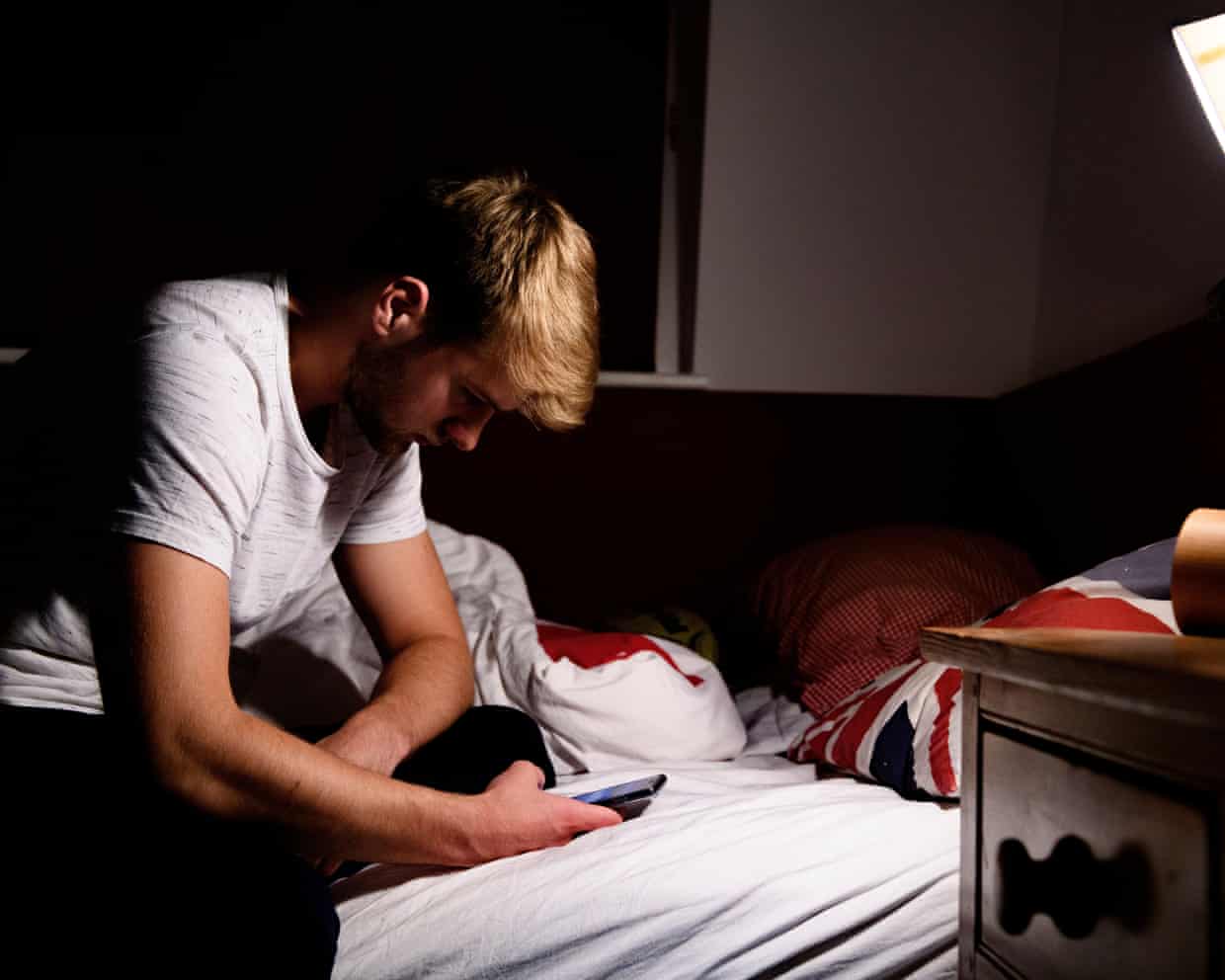
It is absolutely right that children “need a human, not a bot” for mental health support (‘I feel it’s a friend’: quarter of teenagers turn to AI chatbots for mental health support, 9 December). Overuse of AI for mental health support could well lead to the next public health emergency if the government does not take urgent action.We shouldn’t be surprised that teenagers are turning to tools such as ChatGPT in this way. NHS waiting lists are rising, and one in five young people are living with a mental health condition. It is unacceptable that young people who require support for their mental health are unable to access the services they need, before they reach crisis point
Resident doctors in England vote to go ahead with strike
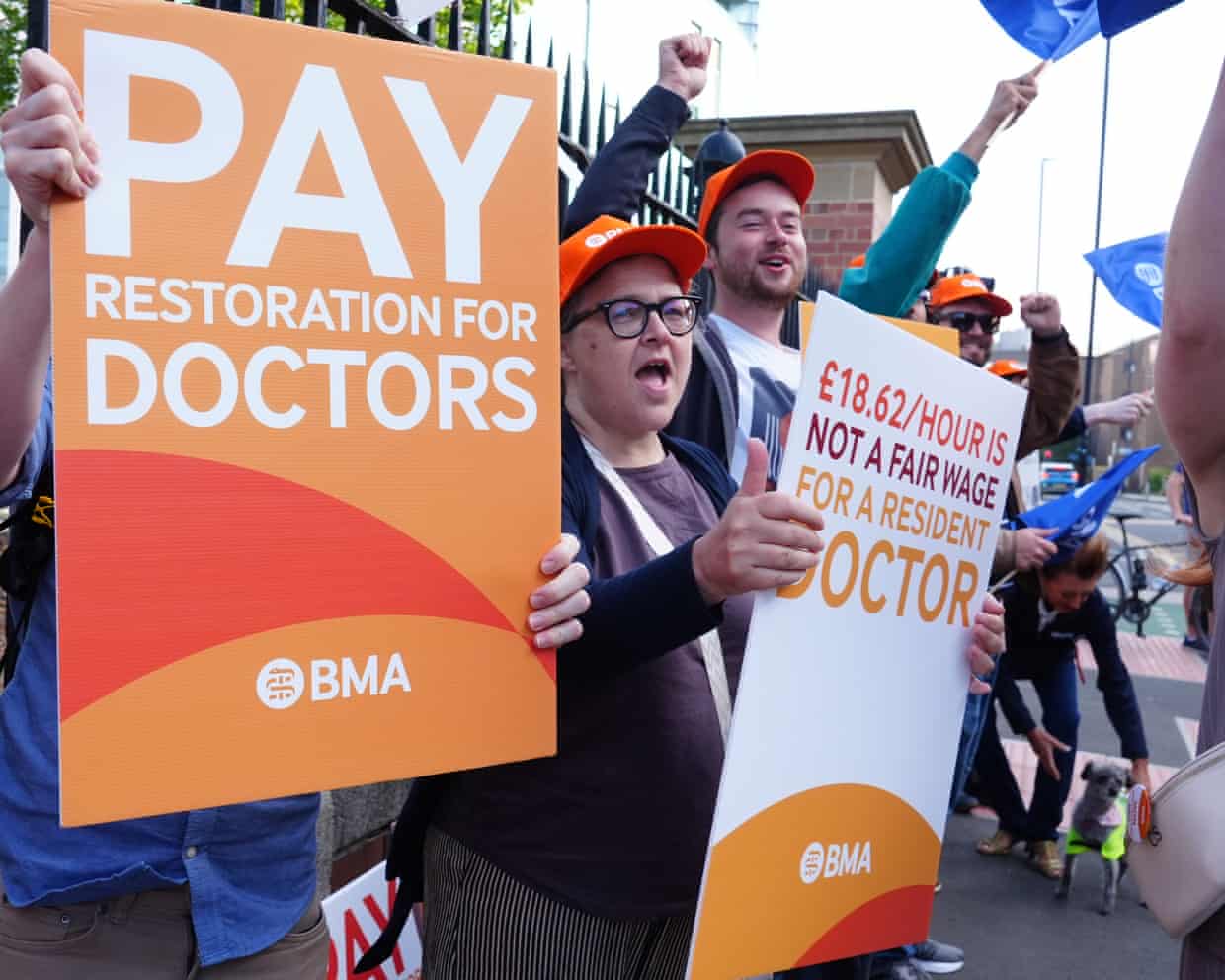
Resident doctors in England will strike as planned this week after they voted to reject the government’s latest offer to end the long-running pay and jobs dispute.Resident doctors – formerly called junior doctors – will strike for five days starting on Wednesday after refusing to accept the deal in a survey by their union, the British Medical Association.The health secretary, Wes Streeting, had proposed the deal last week. It would have increased the number of training places to enable early-career doctors to start training in their chosen medical speciality but not increased their pay for the current financial year.Resident doctors overwhelmingly rejected the offer, by 83% to 17% on a 65% turnout
Tell us: have you ever had an allergic reaction caused by your clothes?
Have you suffered any personal health repercussions you suspect may have been caused by your fashion purchases?Research has shown that synthetic fabrics, particularly from fast fashion retailers, are often treated with a range of hazardous chemicals - including dyes containing heavy metals such as lead, antimicrobial agents, and anti wrinkle treatments - that can cause allergic reactions such as skin irritation or respiratory issues in some people.If you have had an allergic reaction, or more serious health effects, that you suspect have been caused by your clothes we want to hear from you. We want to know what kinds of clothes caused the effect, where you got them from, and whether you faced any longer term impacts. Did you have to seek medical help? Has it changed the way you now approach shopping for clothes?You can share your experience of allergic reactions to clothes using this form. Please include as much detail as possible

The Breakdown | Storming ahead means increasingly little in era of rugby’s comeback kings
Joshua v Paul makes Joe Louis’ ‘Bum of the Month’ look like the Rumble in the Jungle | Sean Ingle
At Square One: inside the big barn that offers English cricket a brighter future
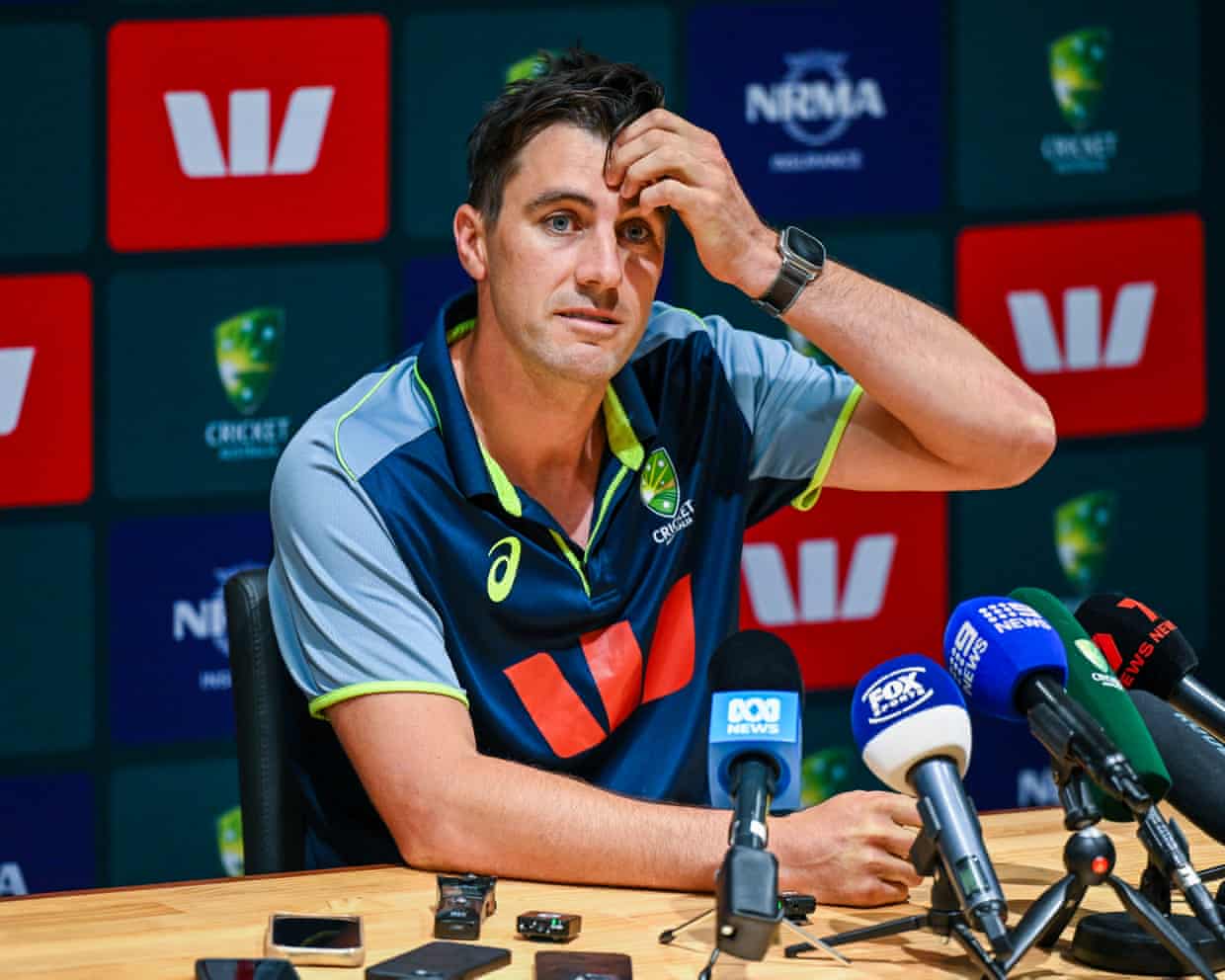
Pat Cummins says Bondi terror attack ‘hit home pretty hard’ as tributes flow before third Ashes Test
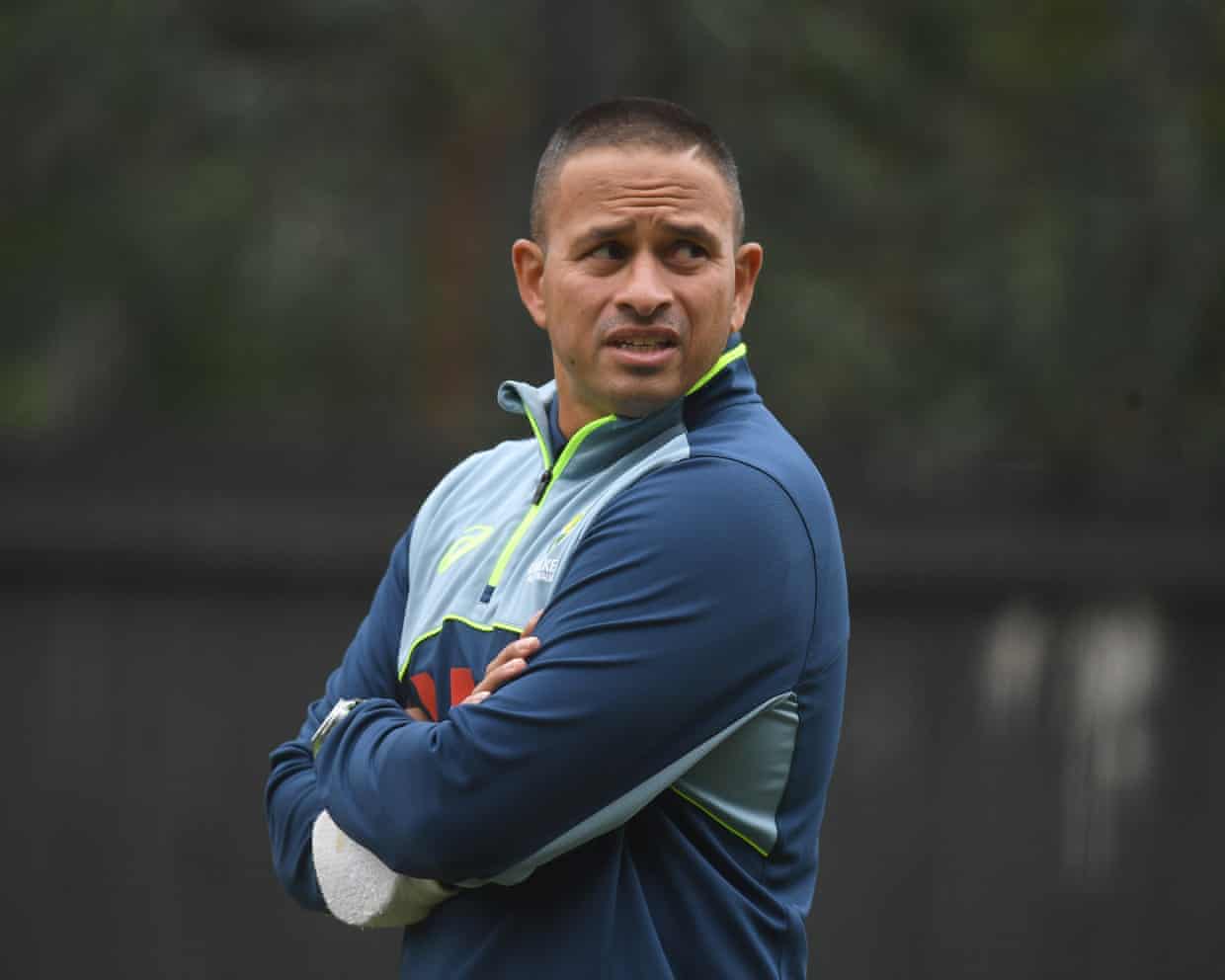
Usman Khawaja left out of Australia’s XI for third Ashes Test in Adelaide
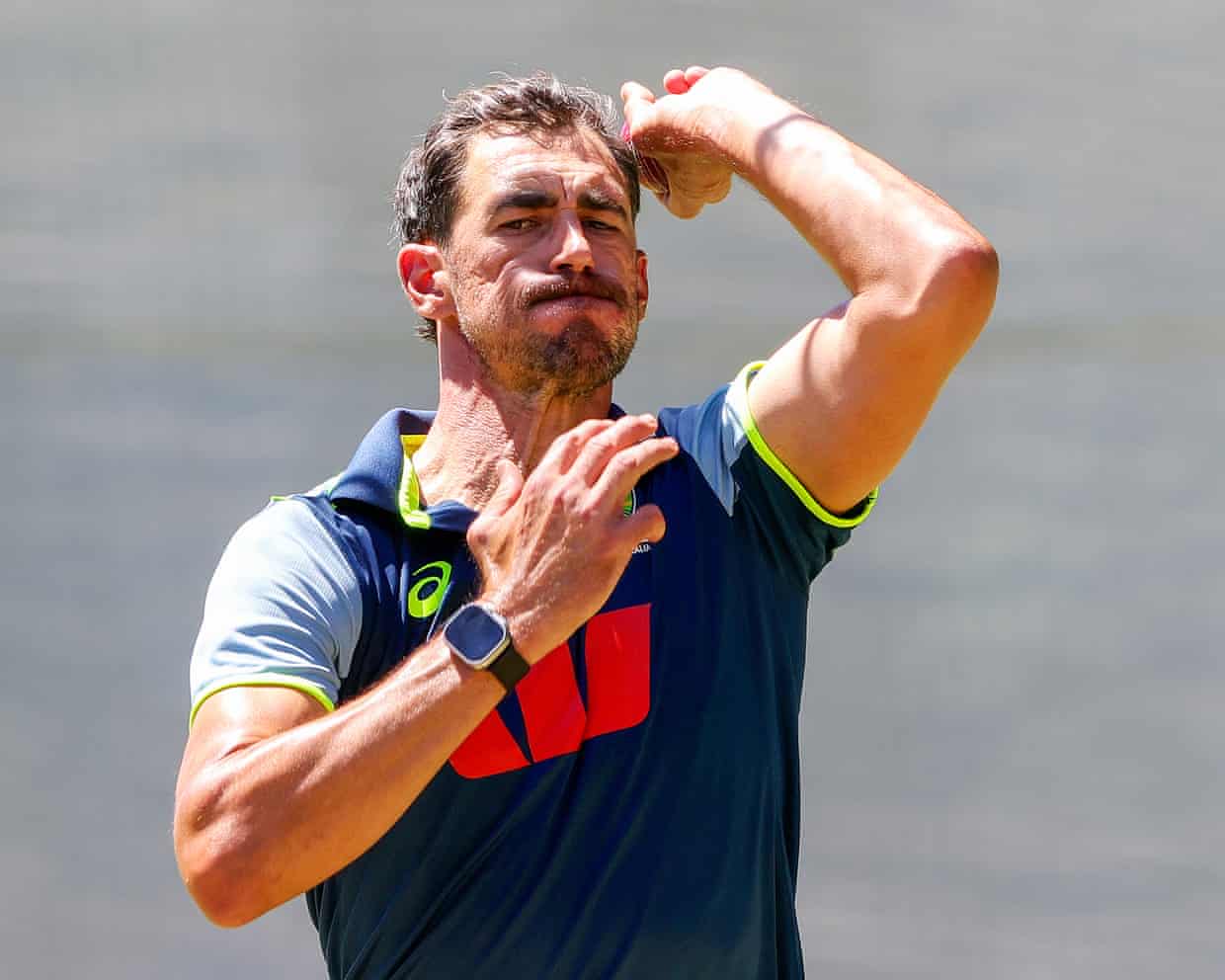
Laying waste to Bazball just offers Australians an extra dollop of Ashes relish | Geoff Lemon