How Alex de Minaur can beat Carlos Alcaraz in Australian Open quarter-final

Alex de Minaur went into his quarter-final with Jannik Sinner at the 2025 Australian Open hopeful that he could make life difficult for the defending champion.Not only did that not happen, but the manner of his one-sided defeat left him wondering if he really had the game to trouble the top players.Fast forward a year and the Australian again finds himself in the last eight, again facing one of the sport’s superstars, this time Carlos Alcaraz.As with Sinner, the head to head doesn’t make pretty reading for De Minaur, with Alcaraz leading 5-0.This, though, is their first grand slam meeting and there is a growing feeling that things can be different.
Perhaps it’s because he’s playing the best tennis of his career.De Minaur enjoyed a slightly longer break than usual in the off-season, spending Christmas at home in Spain for the first time in nearly a decade.He won two matches at the United Cup and here, he has looked better than ever, losing just one set on his way to the quarters.De Minaur takes defeats harder than most.Softly spoken, the 26-year-old gives himself a hard time when he doesn’t play the way he wants to.
But there is a lightness about him this year, a realisation that if he plays the way he wants to play – more aggressively – and it doesn’t work, it’s not a mistake.“I need to give myself a pat on the back,” he said in the off-season.The epiphany – all tennis players know this but it tends to take them a long time to vocalise it – that focusing on results alone is not healthy has lifted his spirits and he seems to be walking taller than his 6ft-frame.Maybe it’s because he’s getting married this year, to fellow tennis player Katie Boulter, that he is seeing things this way.And so he will step out on Rod Laver Arena on Tuesday evening, most likely with the roof closed due to predicted temperatures of more than 40C, confident that he will at least play well.
That belief is backed up by the stats; he’s tied 12th in points won on first serve, with 79%, and tied sixth in points won on second serve, at 62%.Former Wimbledon champion Pat Cash noted that De Minaur has altered his position on the baseline.“He’s not being pushed back behind the baseline,” Cash says.“He’s changed his core positioning.I don’t know exactly when, but certainly at Wimbledon, he was pretty good at that.
And here he has just really nailed it.It’s really suddenly starting to work.Which means he looks like he’s attacking more, getting the ball back faster because of his core position.It’s very Andre Agassi.”His returns have always been a strength, but De Minaur is taking things to a new level here.
Across his four matches, he’s won 40% of points on his opponent’s first serve, the best in the field.On second serve, he’s tied 10th, with 57%.He’s going to need to return well, because Alcaraz has been serving especially well this fortnight, making 68% of first serves, enabling him to establish his superiority in the rallies, from where he can unload on his stunning groundstrokes and dictate the points.Watching Alcaraz, it appears he has been playing within himself, not going for too much.He’ll need all his energy against De Minaur, who is perhaps the only man who covers the court even better than the world No 1.
The squeaking of his shoes scuttling around the baseline at breakneck speed has been one of the sounds of this Australian Open.The key for De Minaur, though, won’t be his speed or his returns.It will surely be his serve.Against Sinner last year, he pressed too much, missing way too many first serves, allowing Sinner to attack his second.In his two most recent battles with Alcaraz, his first serve percentage was just 52%.
In his four matches at Melbourne Park, he’s averaging 62%.It should help him that the match is at night and likely to start with the roof closed, denying Alcaraz the extra spin created by the heat of the day.Instead, conditions may help the Australian’s flatter groundstrokes shoot through.For all his brilliance, Alcaraz has yet to make it past the quarters here either, so it’s not a place he feels totally at home yet.De Minaur has long said playing in Australia is a privilege, not pressure.
For a long time, it seemed like those were just words, that if he repeated them enough, he might believe them too.For the first time, there is genuine belief that he can get the job done.

Ignore the snobbery and get into blended whisky
We have Robert Burns to thank for perhaps the greatest poem about any dish ever – a poem so good that it inspires an entire nation to dedicate an evening of each year to eating haggis, even though most people find it kind of gross.The Guardian’s journalism is independent. We will earn a commission if you buy something through an affiliate link. Learn more.No? If the “Great Chieftan o’ the Puddin-race” were that delicious, we’d all be eating it all the time, surely? And yet Burns’ Address to a Haggis is enticing enough to dispel any such doubts just once a year
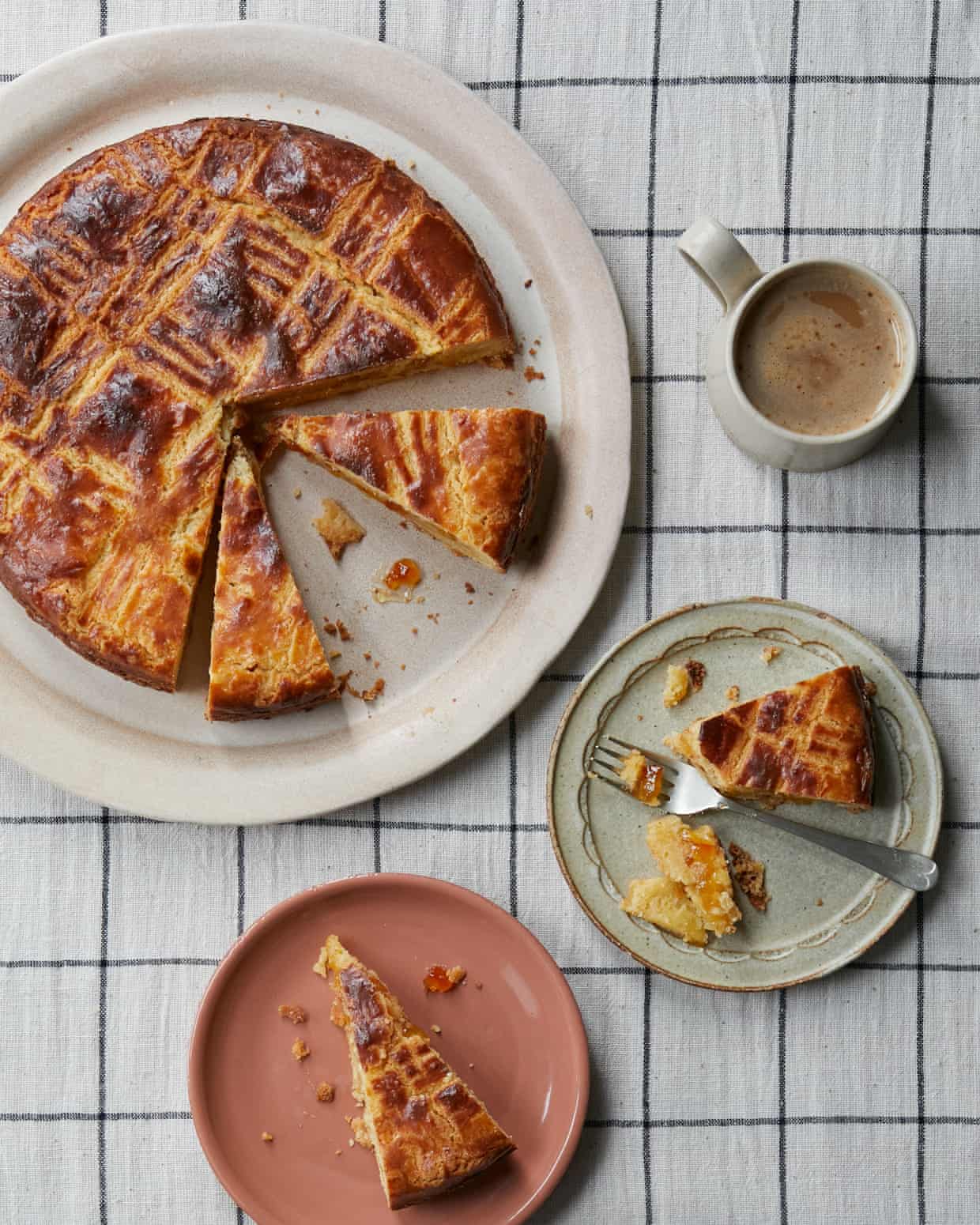
Helen Goh’s recipe for Breton butter cake with marmalade | The sweet spot
A Breton butter cake is a proud product of Brittany’s butter-rich baking tradition: dense, golden and unapologetically indulgent. True to its origins, my version uses salted butter, with an added pinch of flaky salt to sharpen the flavour. It also takes a small detour from tradition: a slick of marmalade brings a fragrant bitterness, while a handful of ground almonds softens the overall richness and lends a tender crumb. The result is still buttery and luxurious, but with a brighter, more aromatic edge.Brief stints in the freezer help firm up the dough between layers, making it easier to spread the marmalade without disturbing the base
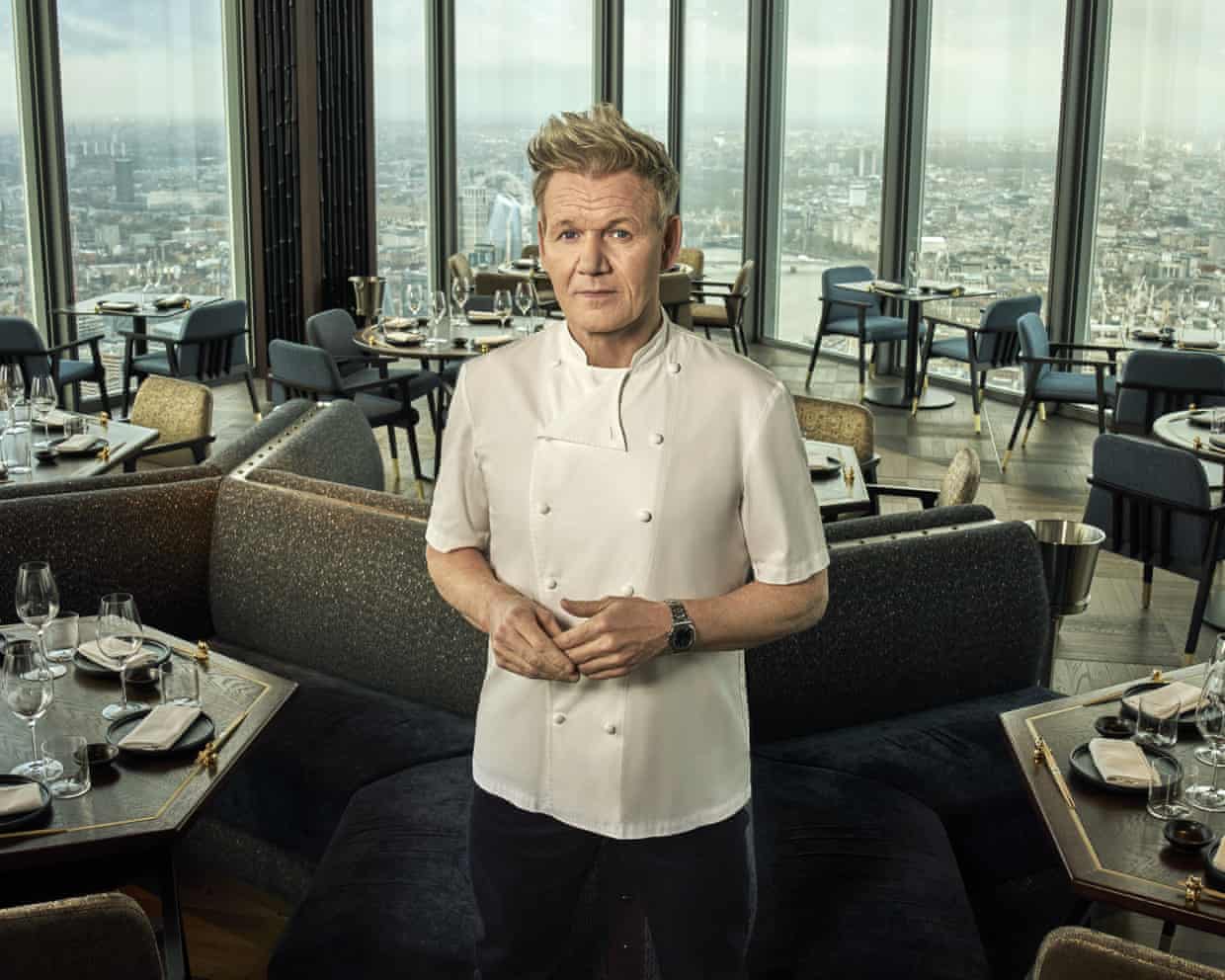
Gordon Ramsay says tax changes will make restaurants ‘lambs to the slaughter’
The celebrity chef Gordon Ramsay has accused the government of cooking up a kitchen nightmare at restaurants across the country with tax changes that he says will make hospitality businesses “lambs to the slaughter”.Ramsay, whose company operates 34 restaurants in the UK including Bread Street Kitchen, Pétrus and Lucky Cat, said the industry was “facing a bloodbath”. He said restaurants were closing every day as a result of rising business rates, which came on top of higher energy, staffing and ingredient costs and little growth in consumer spending.“I’ve never seen it so bad,” Ramsay told the Standardnews site. “When I look ahead to April, when the budget measures come in, I think those of us in hospitality are lambs to the slaughter
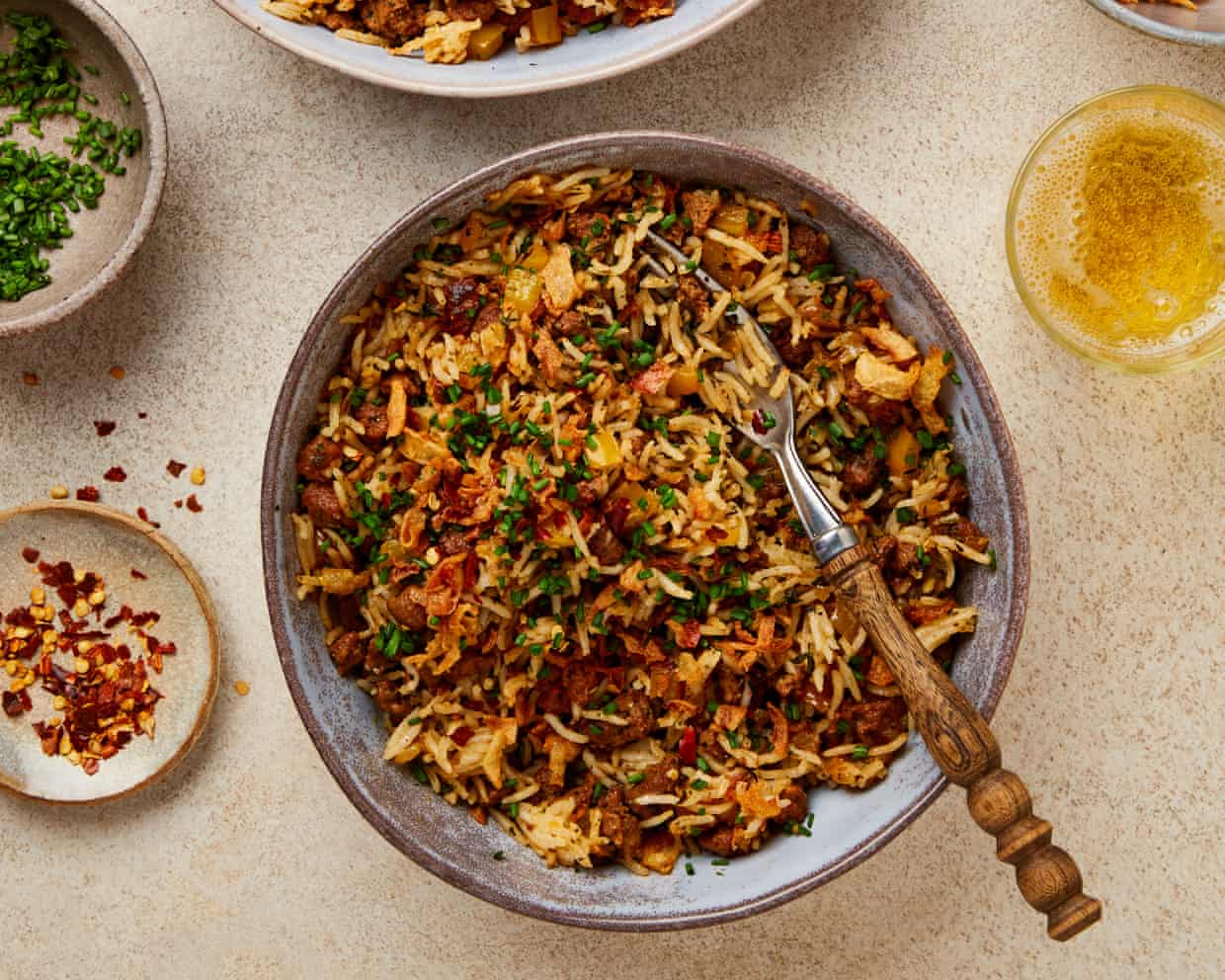
No more sad sandwiches and soggy salads: here’s how to make a proper packed lunch
Even if you have no truck with Blue Monday, Quitter’s Day or any of the other new-year wheezes concocted by enterprising marketeers, the last weeks of January can feel like a bit of a confused slog. Seasonal colds and lurgies abound. The weather is generally at its rain-lashed and blackly overcast worst. Well-intentioned attempts at self-improvement or abstemiousness are starting to creak in the face of a desire for whatever scraps of midwinter comfort we can find.Nowhere is this more apparent than when it comes to food and, more specifically, the daily puzzle of how to have something nourishing as a working lunch

Rum is booming but only Jamaican classics have the true funk
After Hurricane Melissa hit Jamaica last October, rum lovers anxiously awaited news from the island’s six distilleries. Hampden Estate, in the parish of Trelawney to the north, was right in the hurricane’s path, and the furious winds deprived its historic buildings of their roofs and the palm trees of their fronds. Then came more alarming rumours: the dunder pits had overflowed.The Guardian’s journalism is independent. We will earn a commission if you buy something through an affiliate link
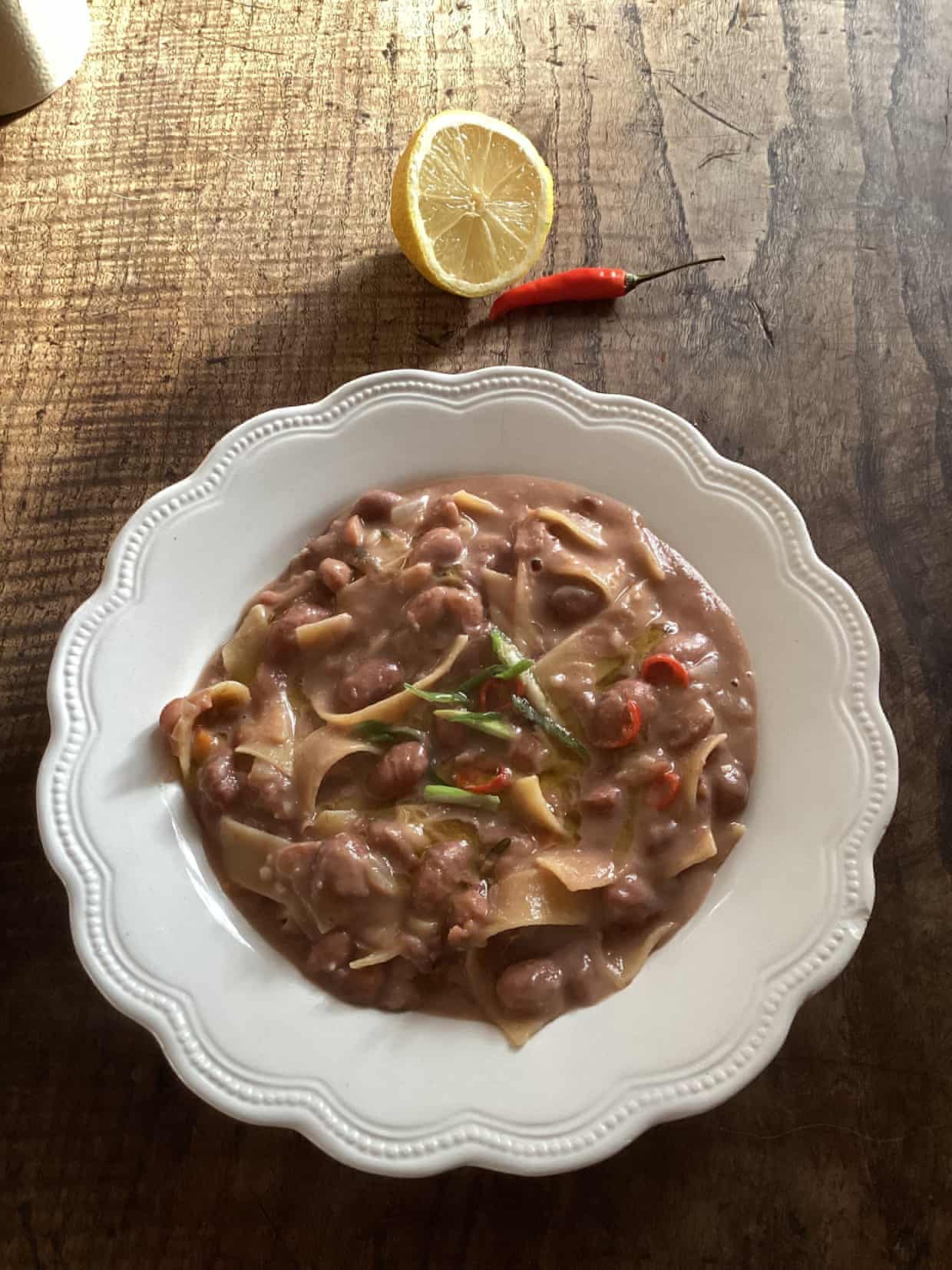
Rachel Roddy’s recipe for pasta e fagioli with coconut, spring onion, chilli and lemon | A kitchen in Rome
Throughout the 1990s and into the early 2000s, under the banner of story, art and folklore, the Roman publishing house Newton Compton published a series of 27 books about regional Italian cooking. Some, such as Jeanne Carola Francesconi’s epic 1965 La Cucina Napoletana, were reprints of established books, while others were specially commissioned for the series. There is considerable variation; some of the 20 regions occupy 650 densely filled pages, sometimes spread over two volumes, while other regions have 236 pages with larger fonts, with everything in between. All of which is great, although I can’t help feeling affectionate towards the regions with 14-point font.In the face of the vast variation of regional culinary habits, knowledge and rituals, I also feel affectionate towards the common traditions; those that are specific to a place, but at the same time that cross local and national borders, as well as for the stories of the ingredients

My cultural awakening: A Queen song helped me break free from communist Cuba
From Saipan to Take That: your complete entertainment guide to the week ahead

Tell us your UK town of culture nomination

‘The Village of the Damned was shot here – then George Harrison bought a house’: our UK town of culture nominations

R&B star Jill Scott: ‘I like mystery – I love Sade but I don’t know what she had for breakfast’

Letter: Colin Ford obituary