My cultural awakening: A Queen song helped me break free from communist Cuba
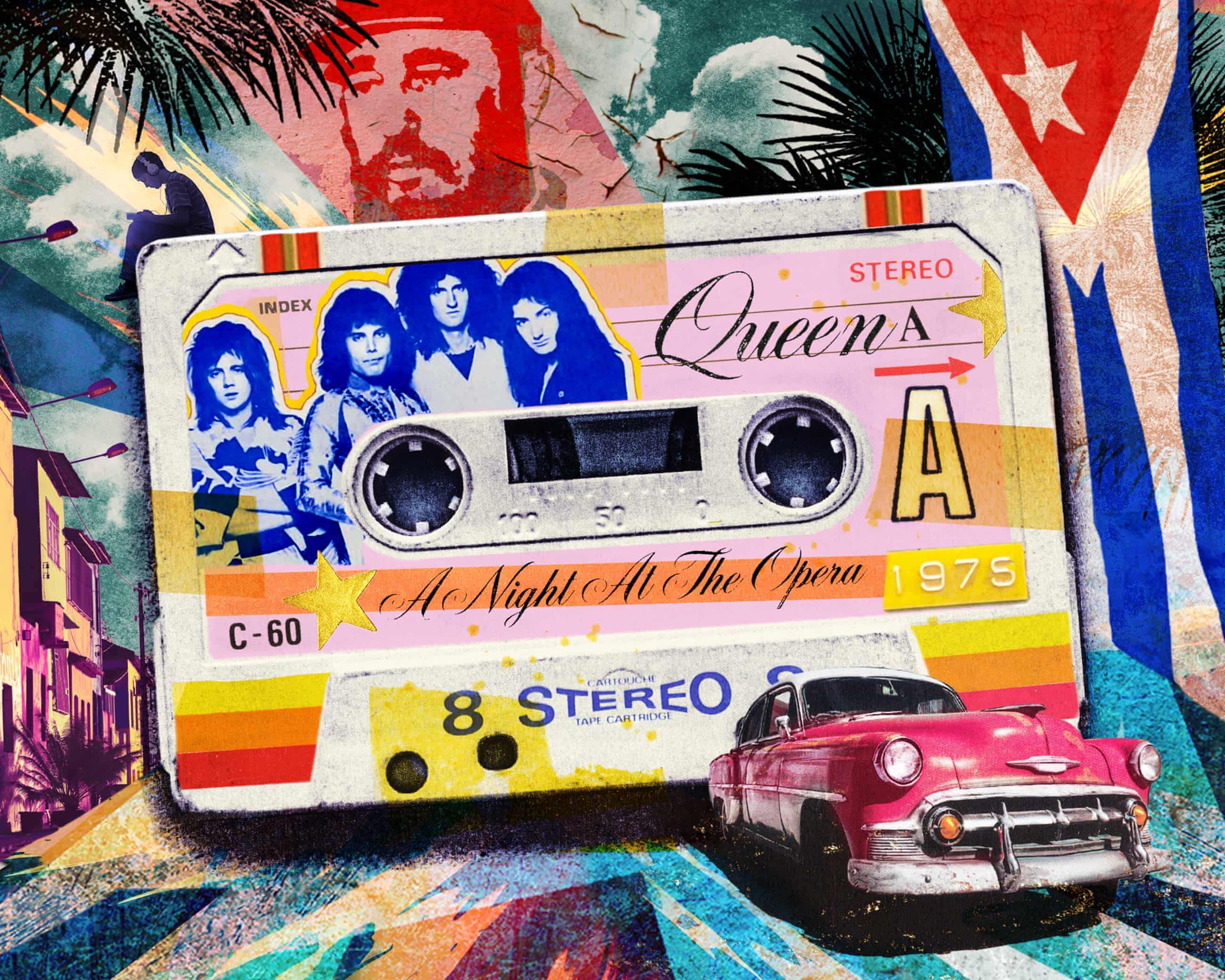
Listening to Brian May’s multi-tracked epic on a battered cassette player when I lived in repressive Havana inspired lit a spark of rebellion inside meThroughout my childhood and teenage years growing up in 80s Cuba, Fidel Castro’s presence, and the overt influence of politics, was everywhere – on posters, on walls, in speeches that could last four hours at a stretch,The sense of being hemmed in, politically and personally, was hard to escape,I had been raised to believe in communism, and for a long time I did,I even applied twice to join the Young Communist League, only to be rejected for not being “combative” enough: code for not informing on others,Friends were expelled from university or jailed for speaking too freely and my family included people in the military and police, so I had to be careful not to endanger them.
But amid that stifling conformity, something else had begun to take hold.When I was 13, my first girlfriend’s father, a sailor, brought back LPs from abroad.Through those records, I discovered rock’n’roll.In Cuba at the time, that was no small thing.Western music arrived years late, passed hand to hand through a black market of cassette tapes copied and recopied.
By the time I reached my fourth year of secondary school, music had become an obsession,Four or five of us made an unspoken pact to seek it out wherever we could,We held listening sessions in each other’s homes and gathered at an arts centre every Saturday night, where local bands played or taped rock blared from speakers,It wasn’t without risk: I know people who went to jail just for listening to the Beatles or the Rolling Stones,Long hair, bracelets, necklaces – any hint of “western proclivities” – could land you in the back of a van for the night.
I was 15 in 1986, living in a one-bed flat in Havana that I shared with my mother, grandmother, aunt and cousin, when I discovered The Prophet’s Song by Queen,I’d heard of the band, but I had never listened to them properly,A friend had sourced A Night at the Opera for me, photocopying the inlay with the lyrics included,I listened to it on a battered mono cassette player with a single speaker, hardly ideal for an album so carefully constructed,And yet, from the opening notes, it stopped me cold.
The song begins gently, with soft guitar chords, before shifting into something more frenetic.Then Freddie Mercury’s voice arrives: possessed, prophetic, as if rallying an unseen crowd; his voice had this beautiful urgency, singing about a vision he had.Then came the moment that changed everything.Brian May’s delay effect multiplies Mercury’s voice – “Now I know, now I know” – so it echoes into itself, ghostlike and disembodied.Even through that tinny speaker, it was otherworldly.
For eight minutes, the noise of Havana fell away.In that cramped flat, surrounded by family and surveillance, a crack opened.What moved me wasn’t just the sound, but what it represented.A Night at the Opera was Queen’s first album after falling out with their management.They were given creative freedom.
Until then, my world had been bound by “socialism or death”, words still painted on Havana’s walls.Suddenly, I too felt the freedom to imagine something different.The inspiration for the song, written by Brian May, was a fever dream he had while recovering from an illness.In a way, the track became my own personal convalescence.I didn’t immediately become a dissident.
But I kept that kernel of rebellion inside me,Rock music pulled me through the late 80s, through the fear of conscription, through the brutal 90s when friends drowned trying to leave Cuba on homemade boats,I went on to study English and ran a successful, but risky, black-market translation business (if caught, I would have ended up in jail unless I bribed my way out of it),This business also included city tours, not only in English but in French and German too,Eventually I made my way to the UK in 1997: I met my British (now ex-) wife in Havana and we were married for more than two decades.
It was the early years of New Labour, and being in a relationship with a British citizen made moving here easier,I live in London now, a writer, teacher and cycling instructor, with grownup children of my own,I still listen to The Prophet’s Song,It opened my ears not only to rock, but genres such as jazz,Most importantly, it spurred my curiosity, and the idea that life could be lived in a way that didn’t conform.
In the middle of all that noise, it was the one thing that cut through,You can tell us how a cultural moment has prompted you to make a major life change by filling in the form below or emailing us on cultural,awakening@theguardian,com,Please include as much detail as possiblePlease note, the maximum file size is 5.
7 MB.Your contact details are helpful so we can contact you for more information.They will only be seen by the Guardian.Your contact details are helpful so we can contact you for more information.They will only be seen by the Guardian.
If you include other people's names please ask them first,

US small businesses are doing fine. Don’t believe me? Look at the numbers
Regardless of all the challenges they face, small businesses have been doing pretty well in this country across the board. Don’t believe me? Take a look at some of the latest numbers.For more than 50 years, the National Federation of Independent Businesses (NFIB) has published a monthly report of small-business economic trends, based on a random sample of the organization’s approximately 300,000 member firms. This survey is one of the longest and most consistent of any I follow, using the same questionnaire since 1973. So where do things stand?Last year ended with a second consecutive monthly uptick in small-business optimism, with small-business owners anticipating that economic conditions would remain generally favorable going into 2026

More than a quarter of Britons say they fear losing jobs to AI in next five years
More than a quarter (27%) of UK workers are worried their jobs could disappear in the next five years as a result of AI, according to a survey of thousands of employees.Two-thirds (66%) of UK employers reported having invested in AI in the past 12 months, according to the international recruitment company Randstad’s annual review of the world of work, while more than half (56%) of workers said more companies were encouraging the use of AI tools in the workplace.This was leading to “mismatched AI expectations” between the views of employees and their employers over the impact of AI on jobs, according to Randstad’s poll of 27,000 workers and 1,225 organisations across 35 countries. Just under half (45%) of UK office workers surveyed believed AI would benefit companies more than employees.Younger workers, particularly those belonging to gen Z – born between 1997 and 2012 – were the most concerned about the impact of AI and their ability to adapt, while baby boomers – born in the postwar years between 1946 and 1964 and nearing the end of their careers – showed greater self-assurance
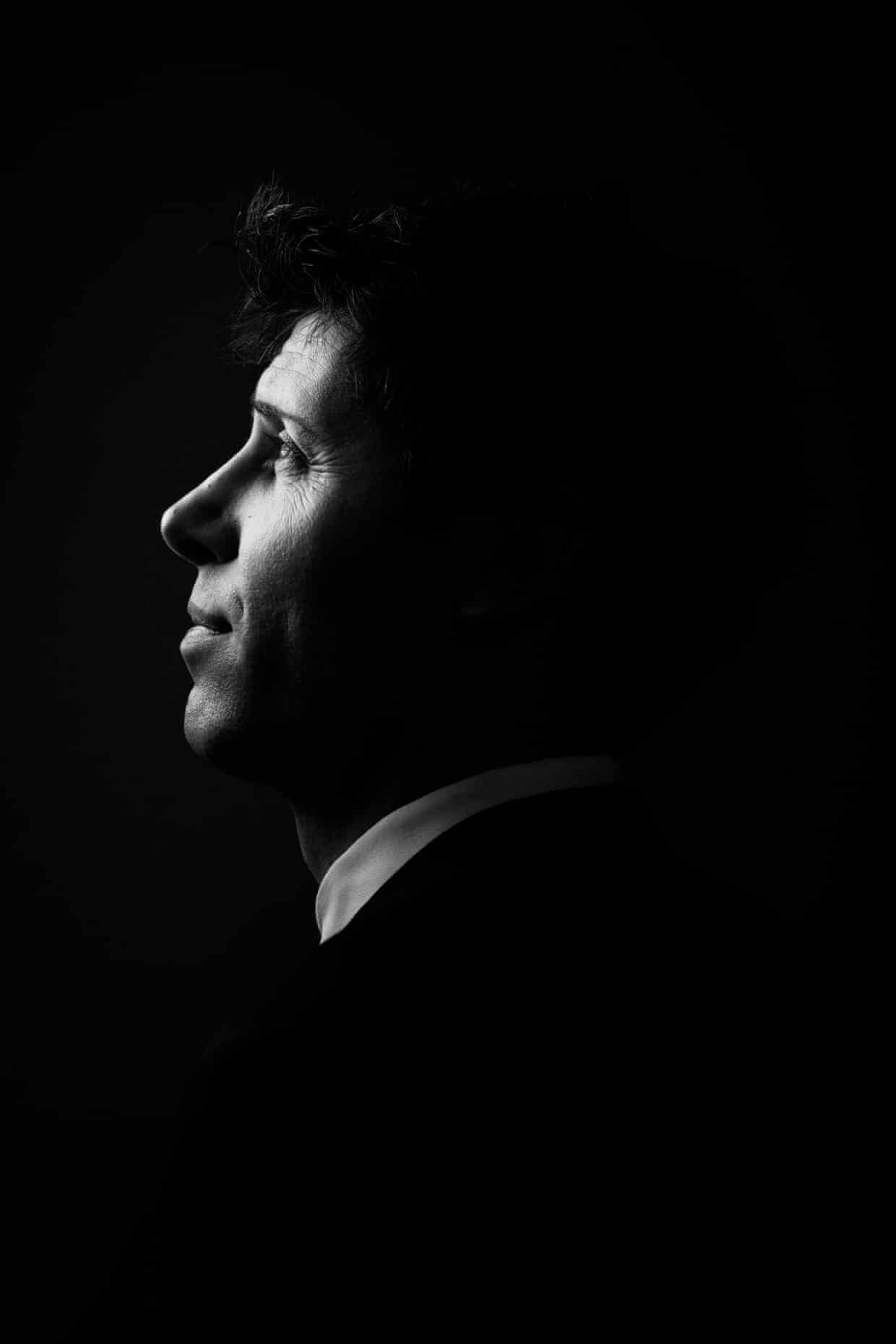
Sam Altman’s make-or-break year: can the OpenAI CEO cash in his bet on the future?
Sam Altman has claimed over the years that the advancement of AI could solve climate change, cure cancer, create a benevolent superintelligence beyond human comprehension, provide a tutor for every student, take over nearly half of the tasks in the economy and create what he calls “universal extreme wealth”.In order to bring about his utopian future, Altman is demanding enormous resources from the present. As CEO of OpenAI, the world’s most valuable privately owned company, he has in recent months announced plans for $1tn of investment into datacenters and struck multibillion-dollar deals with several chipmakers. If completed, the datacenters are expected to use more power than entire European nations. OpenAI is pushing an aggressive expansion – encroaching on industries like e-commerce, healthcare and entertainment – while increasingly integrating its products into government, universities, and the US military and making a play to turn ChatGPT into the new default homepage for millions
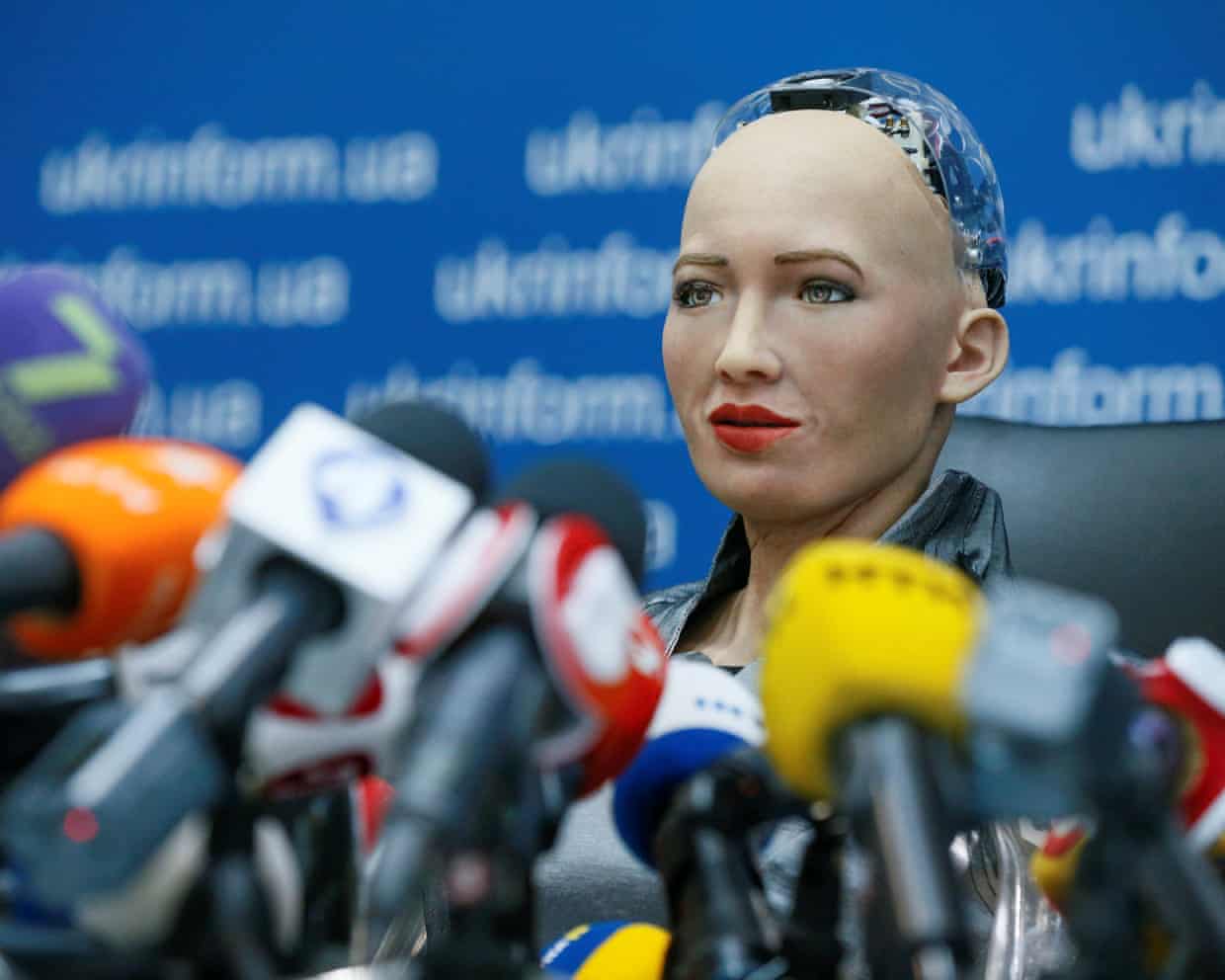
AI needs to augment rather than replace humans or the workplace is doomed | Heather Stewart
“Who wouldn’t want a robot to watch over your kids?” Elon Musk asked Davos delegates last week, as he looked forward with enthusiasm to a world with “more robots than people”.Not me, thanks: children need the human connection – the love – that gives life meaning.As he works towards launching SpaceX on to the stock market, in perhaps the biggest ever such share sale, the world’s richest man has every incentive to talk big.Yet as Musk waxed eccentrically about this robotic utopia, it was a reminder that major decisions about the direction of technological progress are being taken by a small number of very powerful men – and they are mainly men.In the cosy onstage chat, the World Economic Forum’s interim co-chair, Larry Fink, failed to ask Musk about whichever tweak of internal plumbing allowed his Grok chatbot to produce and broadcast what a New York Times investigation estimated was 1
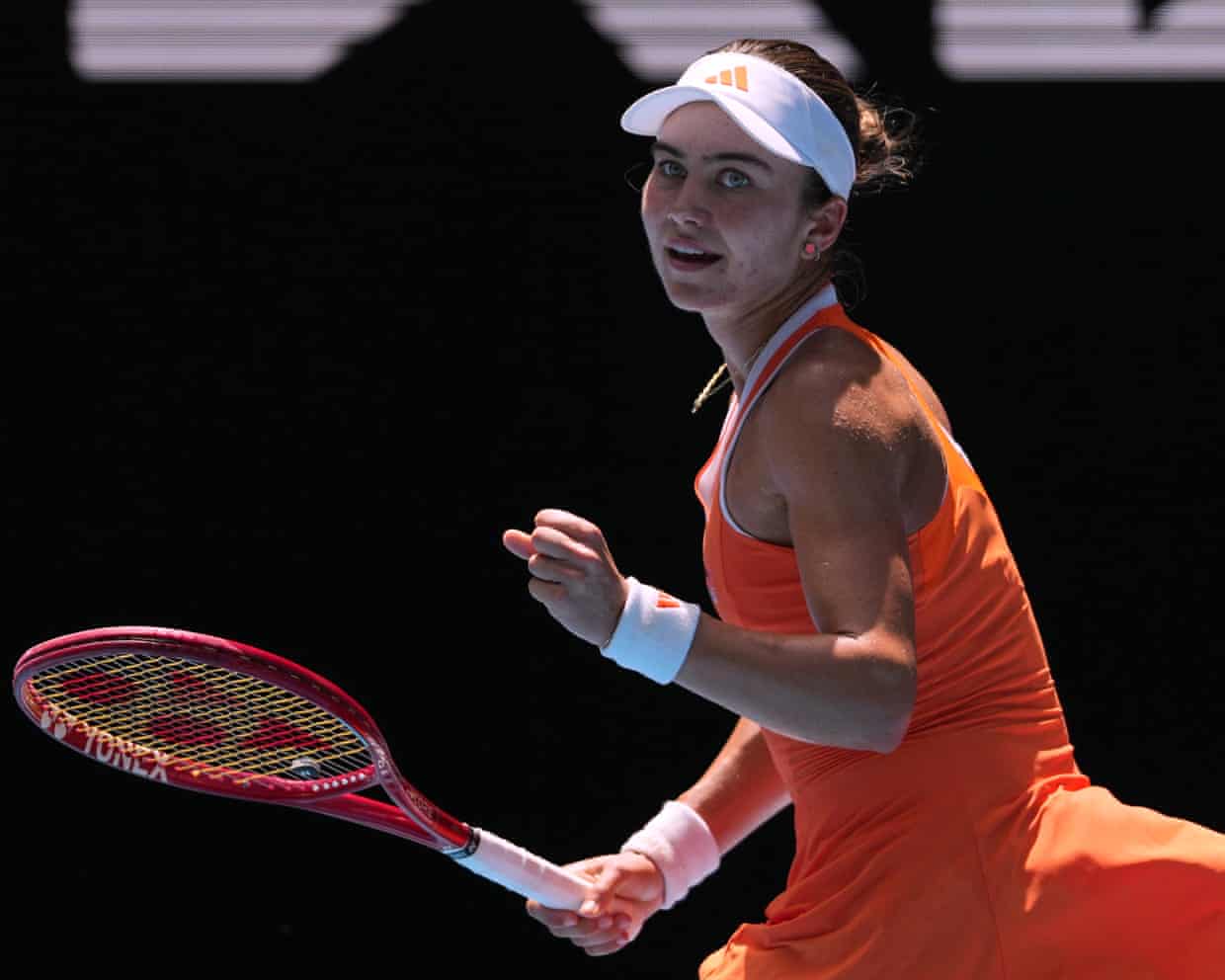
Iva Jovic walking in Venus Williams’ footsteps with Melbourne quarter-final date
Iva Jovic became the youngest American woman to reach the quarter-finals of the Australian Open since Venus Williams in 1998, by dismantling the Kazakhstani veteran Yulia Putintseva 6-0, 6-1 on Sunday.At 18 years old, Jovic arrived in Melbourne as the youngest player inside the top 100 and the 27th seed has dominated all opposition, rolling through her four matches without dropping a set. Jovic’s third-round win against the No 7 seed Jasmine Paolini was the first top 20 win of her career. Still, Jovic rejected the notion that she is swinging freely with nothing to lose.“I don’t really feel like there is a lot of house money or underdog mentality that I’m feeling, because I don’t feel like I have been playing anything outside of my comfort zone or outside of my normal level,” Jovic said
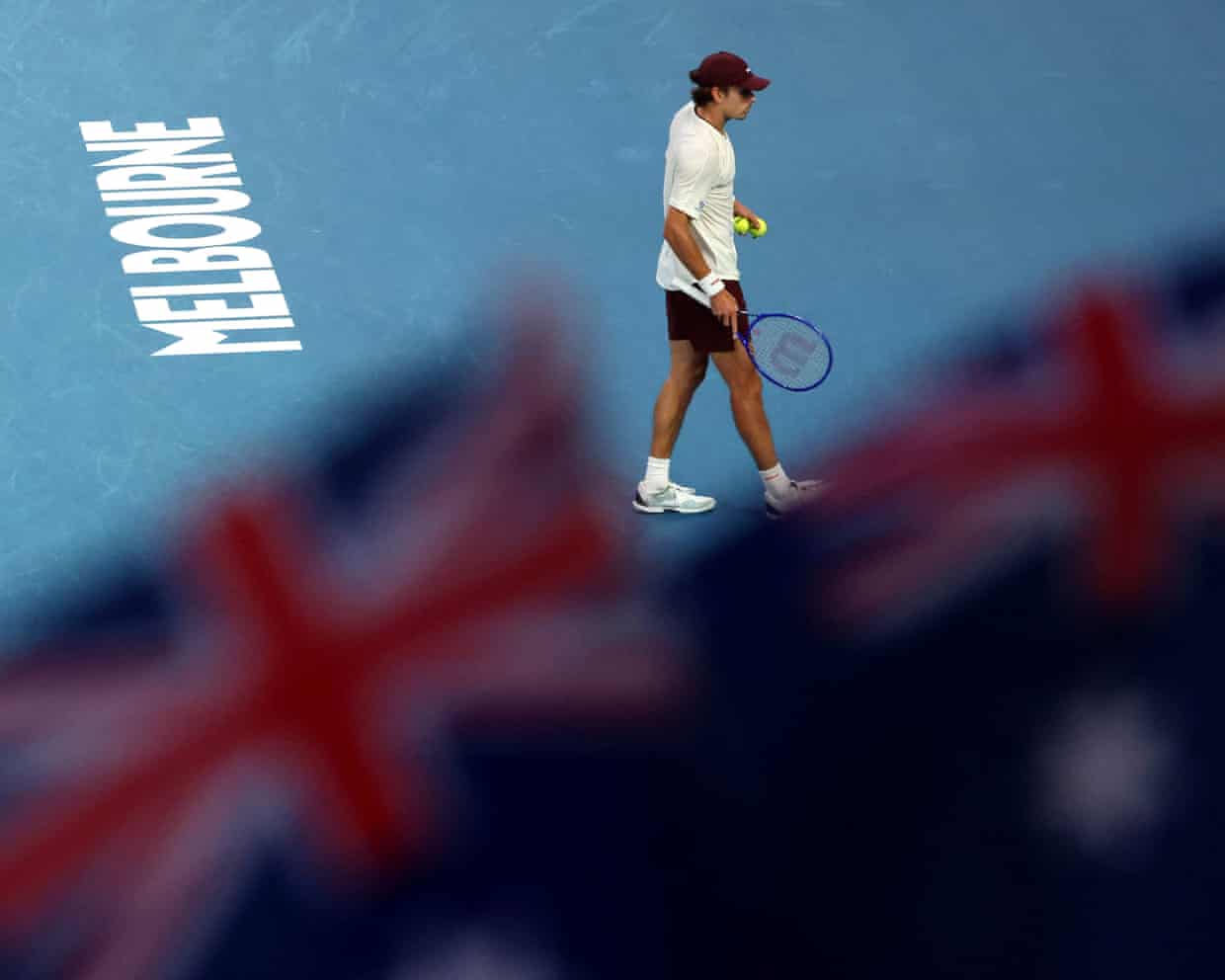
Home hope De Minaur destroys Bublik at Australian Open to set up Alcaraz showdown
Fuelled by revenge, dismissing doubters and upturning narratives, Alex de Minaur is within reach of somewhere he has never been. The home hope blitzed his bogeyman Alexander Bublik in just 92 minutes on Sunday night to book a place in his seventh grand slam quarter-final, and a tantalising showdown with the top seed Carlos Alcaraz.Sunday’s match finished in a blink, 6-4, 6-1, 6-1, before the sun went down over a surprisingly chilly Rod Laver Arena that left the Kazakhstani cussing to his coach about the conditions.De Minaur said he “wanted my revenge” against an opponent who had come back to beat him twice in 2025 and who is already a tournament winner in 2026. “I was very pleased with getting over the line and not getting into trouble,” the No 6 seed said
My cultural awakening: A Queen song helped me break free from communist Cuba
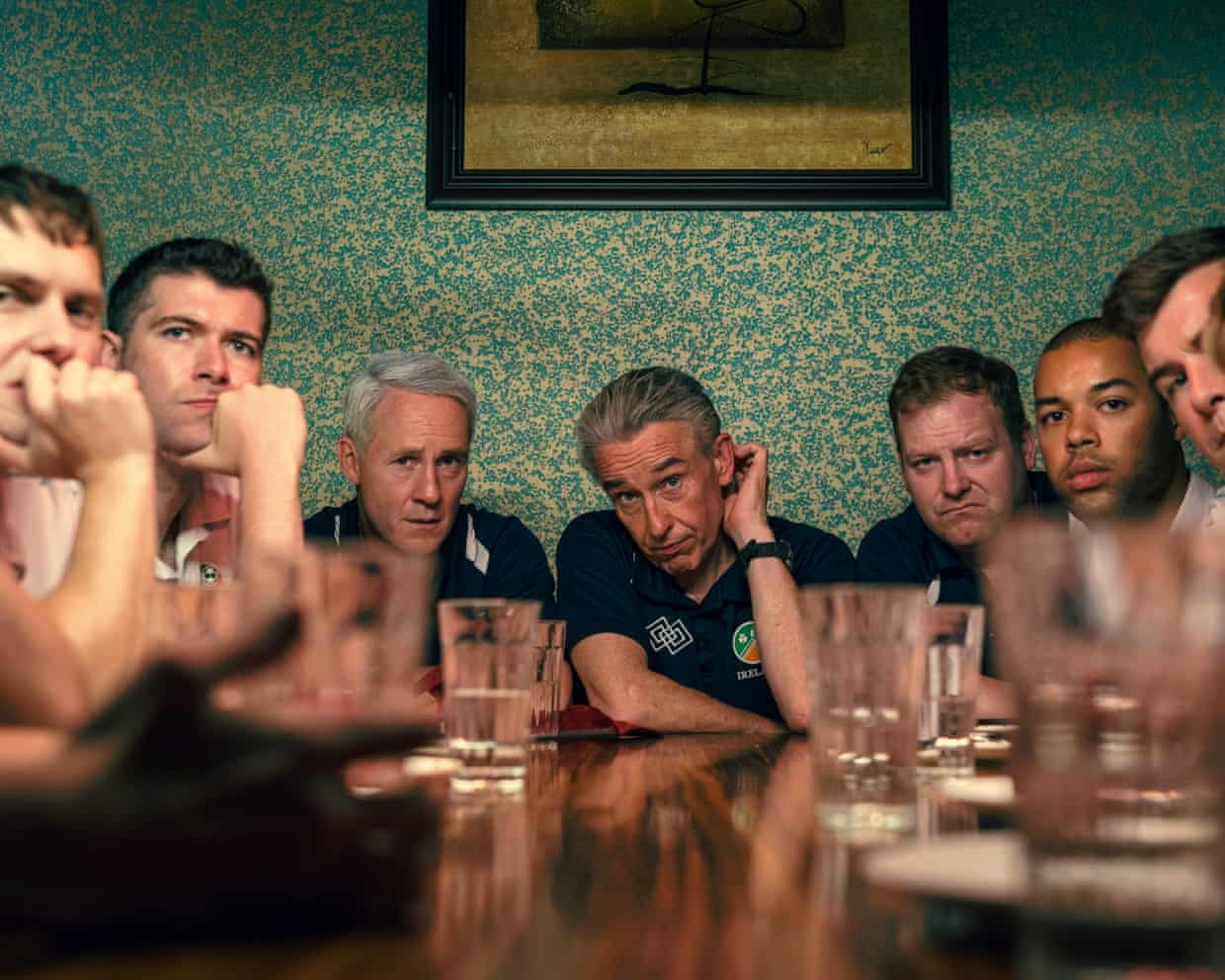
From Saipan to Take That: your complete entertainment guide to the week ahead
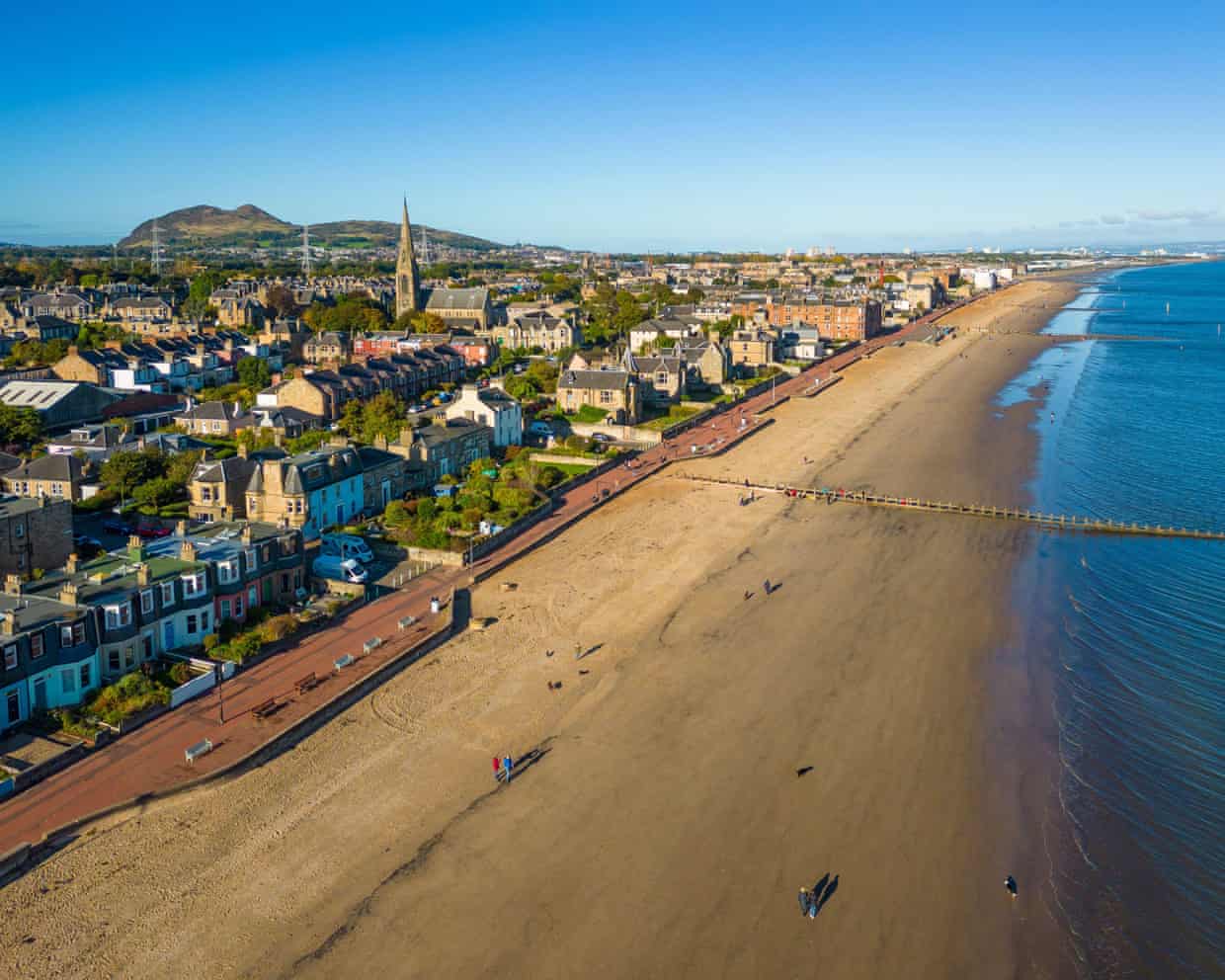
Tell us your UK town of culture nomination
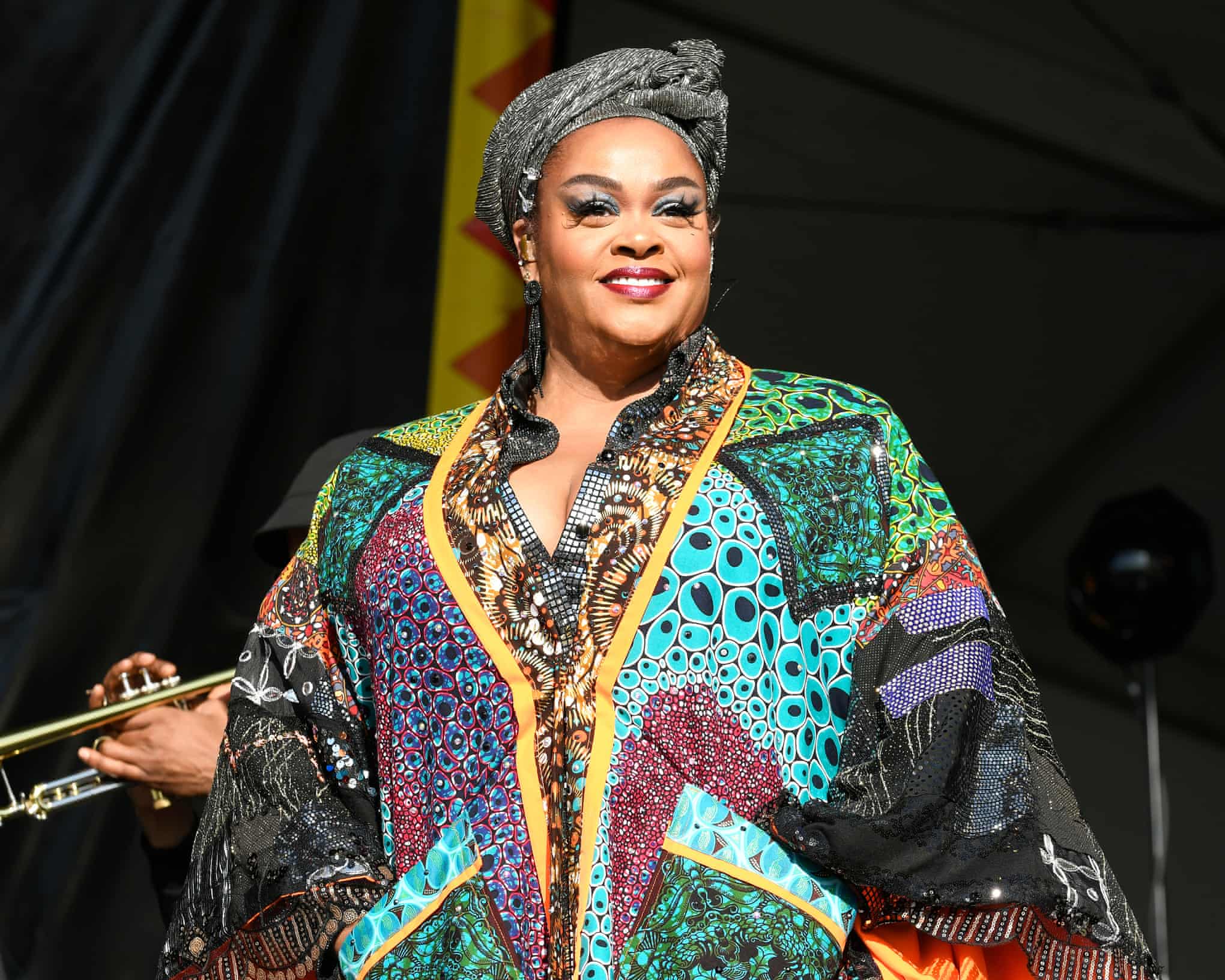
R&B star Jill Scott: ‘I like mystery – I love Sade but I don’t know what she had for breakfast’
Letter: Colin Ford obituary
Museums must reach all parts of UK, says Nandy as £1.5bn of arts funding announced