England’s aerial prowess is no longer a secret and Borthwick’s men have been overtaken | Ugo Monye

During their 12-match winning run, when England were at the peak of their powers, they were setting the bar when it came to the kicking game.Steve Borthwick’s side adapted fastest to the law changes around escorting and reaped the rewards as a result.There are plenty of reasons why that winning run has come to an end in spectacular fashion but the fact that other nations have caught up and overtaken England is a significant one.Part of the problem is personnel.Immanuel Feyi-Waboso’s absence is a huge blow in this championship and for all Henry Arundell’s qualities, he does not have the same aerial prowess.
Tom Roebuck has been in and out, coming back from an injury, so England just haven’t had the same cattle.But it’s clear to me that their rivals have put in the work to get up to speed and are reaping the rewards.France are the best at it.They’re the best at most things, they’ve scored eight tries from their own half, the most from first phase and have developed into the leading nation when it comes to the aerial contest.It’s important to remember that we’re not just talking about winning the ball cleanly in the air.
What France have done so well is the deliberate placement of their “slip catchers”, sending runners beyond the ball and ready to pounce on it if it has been tapped back by the defending team.Think Henry Pollock’s try against Australia in the autumn – it’s something that France are now the masters of.I’ve used a cricket term to describe it but in football parlance, it’s all about winning the second ball.For Italy, Louis Lynagh has been exceptional in the air so far so England must be on their mettle on Saturday.England have not been able to develop or evolve their kicking game from the autumn and it’s tempting to say that they haven’t adapted in the Six Nations and moved away from it when it’s been ineffective.
With Borthwick ringing the changes this week for a must-win match against Italy, you wonder if there will be a change in gameplan.But then, can we really say what England’s gameplan has been in the last two matches? I’m not sure we’ve seen it because they’ve found themselves under the pump and chasing the match so early on.If Italy can turn the screw and make England chase the game again, there is every chance they will expose some scar tissue.Ellis Genge said after the Ireland match that Andy Farrell’s men had done exactly that and there are a few players in this England team who are not all that familiar with the pressure cooker of Test match rugby.As a result, it is so important that England start fast and build their way into a lead in Rome.
It’s so hard to identify the key factors behind a fast start – if you could, you would bottle it and be a rich man.I’ve been in dressing rooms where the mood just felt right, the tone of everything was spot on and you take to the field and nothing goes as planned.And, similarly, the opposite can happen.Everything feels out of kilter but as soon as the whistle goes, it all just clicks.If I were to really simplify it, I would look at what Dan Sheehan said after Ireland’s performance at Twickenham.
Essentially, you’ve got to get into fifth gear as quickly as possible and stay there for as long as you physically can.It’s a challenge I know these England players will be looking forward to because these two weeks will have been so difficult.Actually getting out on to the pitch again will feel like a relief.They will have gone home for a few days after the Ireland defeat to chew on things but you never really process it until you’re back together, conducting the inquest.And you’ll never be able to move forward unless you are brutally honest.
I remember going into meetings fully expecting to be called out but you have to be that forthright and honest if you’re going to develop,Clearly those conversations have been had and clearly Borthwick has seen fit to make sweeping changes,I like the fact that he has done so – I even suggested that after the Ireland loss he should change every position in the backline and that’s precisely what he’s done,You can call it a risk, to change so many players all at once, but to be frank, it would have been more of a risk to stand by those who have evidently underperformed,Finally, I just want to set the record straight.
I was at last week’s World Rugby, Shape of the Game meeting and it’s important to make clear that at no point were there discussions about “depowering the scrum” or anything like that,Claims emerged in the French press, quoting the former referee Mathieu Raynal, that it was the case and the narrative has developed that France and South Africa are defending the traditional values of the game while Australia and New Zealand want something akin to rugby league,There were three areas for discussion: the scrum, the maul and the TMO,In all discussions, the consequence of any potential law tweak or law introduction was never to in any way depower the scrum,I just can’t get my head around Raynal’s decision to speak out of class.
Those meetings were supposed to be a forum to be open for robust discussions,I’m a big fan of Raynal, he was a brilliant referee, but I just couldn’t believe that,
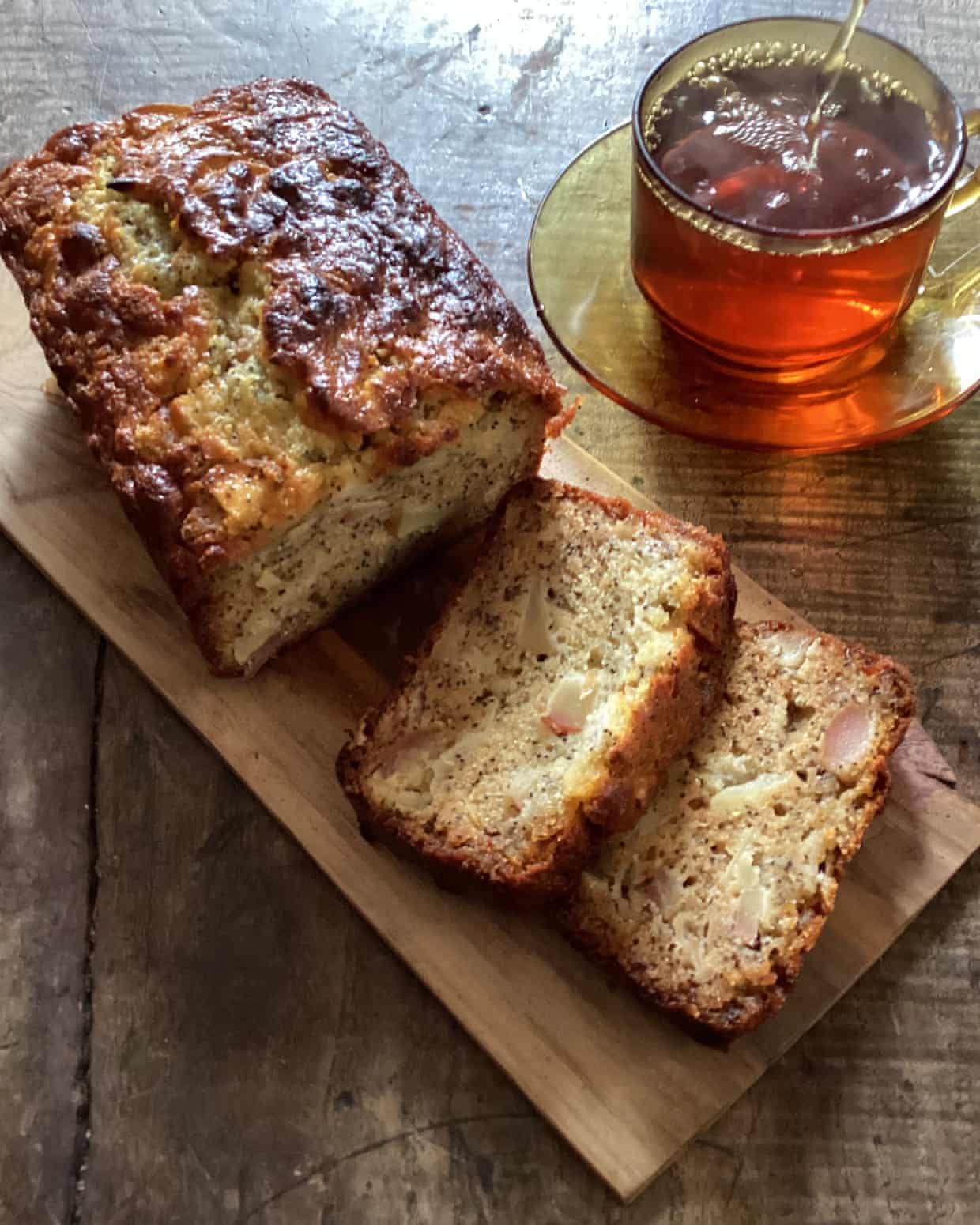
Rachel Roddy’s recipe for apple, honey and poppy seed cake | A kitchen in Rome
Honey is, among other things, a successful embalming agent. It is also a humectant, which isn’t an eager cyborg, but one of many short-chained organic compounds that are hygroscopic, meaning they attract and hold water, which in turn prevents hardening and encourages softness. Other hardworking humectants are glycerine, which is what keeps face creams creamy and hydrating, and sorbitol, which ensures toothpaste can be squeezed and smeared all over the sink and on the mirror. Honey, though, is the humectant that’s most suitable for this week’s recipe: a one-bowl, everyday cake inspired by my neighbour’s Polish honey cake, miodownik, combined with the tortino di mele e papavero (apple and poppy seed cake) enjoyed at a station bar in Bolzano.Not only does honey keep the cake moist, its sweetness comes largely from fructose, which is naturally sweeter than refined sugar, so the perception of sweetness is much greater even when less is added

My whey: dairy milk back on menu as protein boom cuts demand for plant-based alternatives
Gabriel Morrison hadn’t touched dairy milk for a decade until he read the ingredients label on his cheap carton of oat milk.“It’s [so much] canola oil and you imagine that in your glass, and imagine discovering that much olive oil, you’re like, that’s actually really gross,” he says.“I was just like, ‘ooft, I should stop this’.”The 28-year-old cinematographer had exclusively drunk soy, then almond, then oat milks since 2015 but had started worrying about processed foods – despite expert reassurance.In early 2025, with his housemate already buying cheaper dairy, he gave the old classic another look
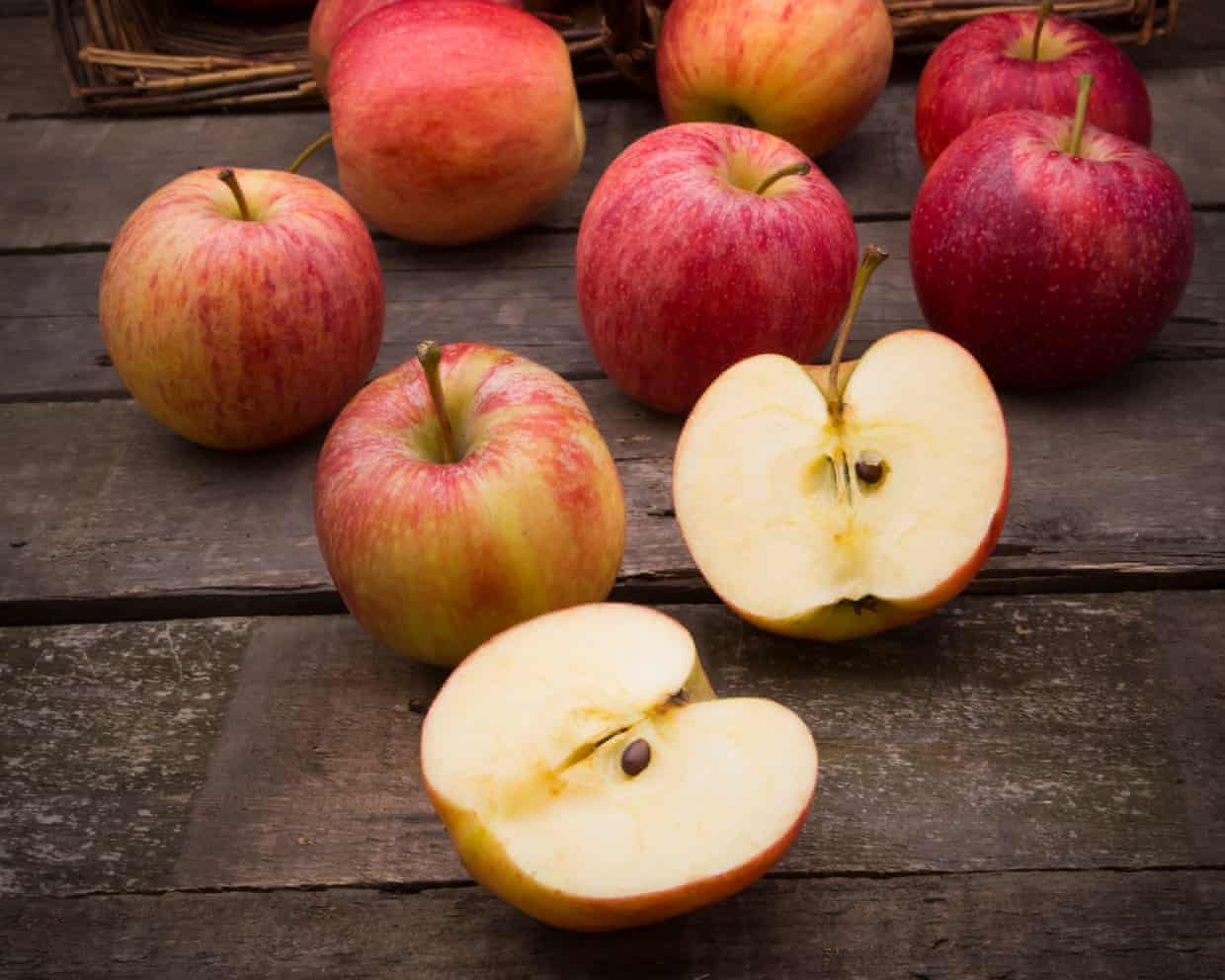
It’s crunch time! Gala apples and nashi pears among Australia’s best-value fruit and veg for March
It’s a core month for pome fruit, with apples, pears and quince all heralding the start of autumn. “The first cab off the rank is the gala – a big sweet and juicy apple,” says Graham Gee, senior buyer at the Happy Apple in Melbourne.Granny smith, jazz and kanzi apples will come in during March too, and “Australia’s most popular variety, the pink lady, generally starts in April,” he says.Royal gala apples are between $5 and $8 per kilo at supermarkets. They’re $7 to $9 per kilo at Sydney’s Galluzzo Fruiterers, and Gee is selling them for about $3 to $5 per kilo; Spudshed in Perth is selling bags of prepacked new season apples for $3
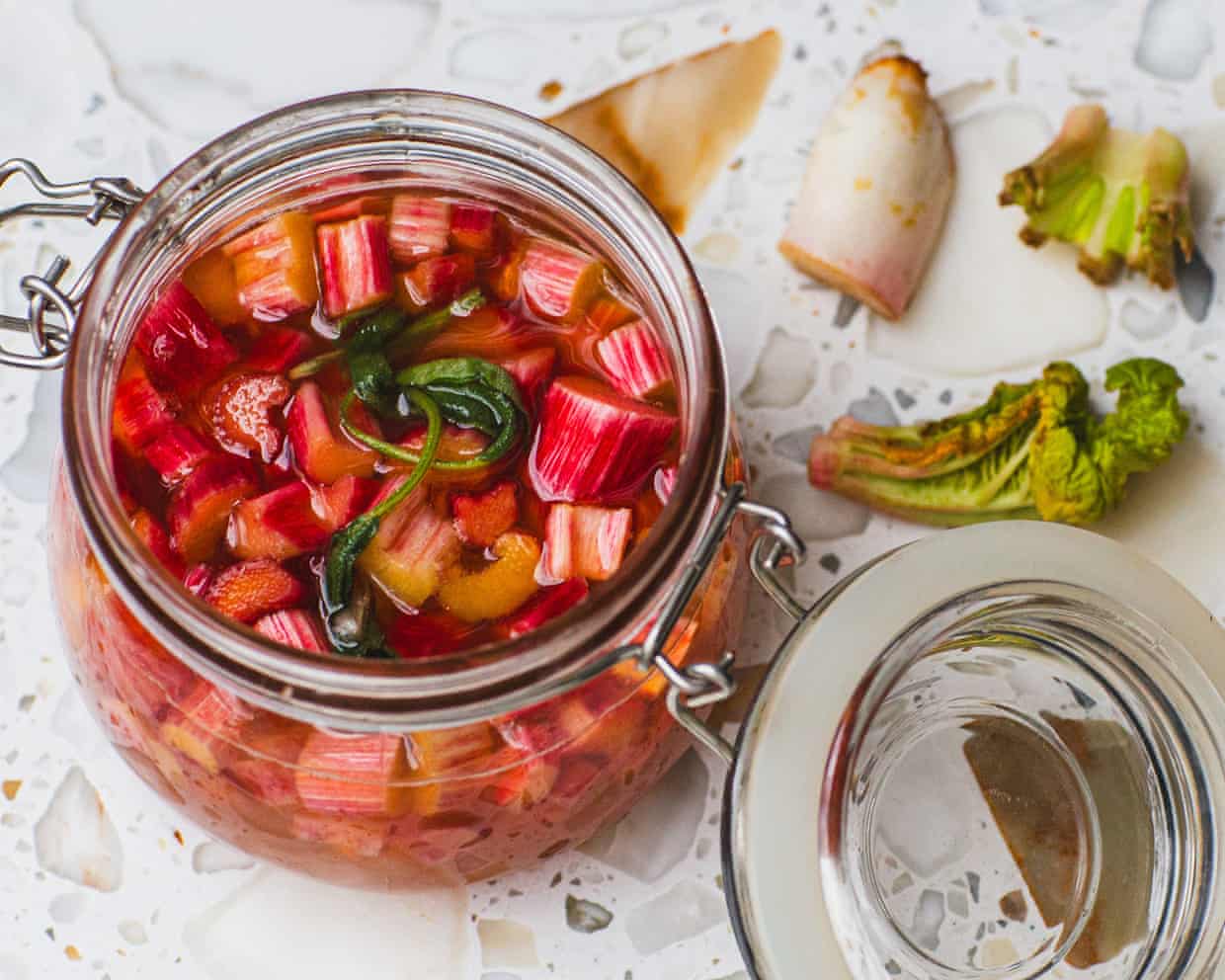
How to turn limp rhubarb into tasty jam – recipe
Rachel de Thample is one of my food heroines. She’s the author of six books, and has also been course director of the College of Naturopathic Medicine’s natural chef diploma, head of food for Abel & Cole and commissioning editor of Waitrose Food Illustrated, among so much else. She trained with the likes of Marco Pierre White, Heston Blumenthal and Peter Gordon, and now teaches fermentation and gut health at River Cottage HQ, where I cut my own teeth in teaching eco-gastronomy more than 20 years ago. While researching honey fermenting recently, I came across her recipe in River Cottage’s Bees & Honey Handbook, which I’ve adapted here so you can make as much as you like using a variety of aromatics.The Guardian’s journalism is independent
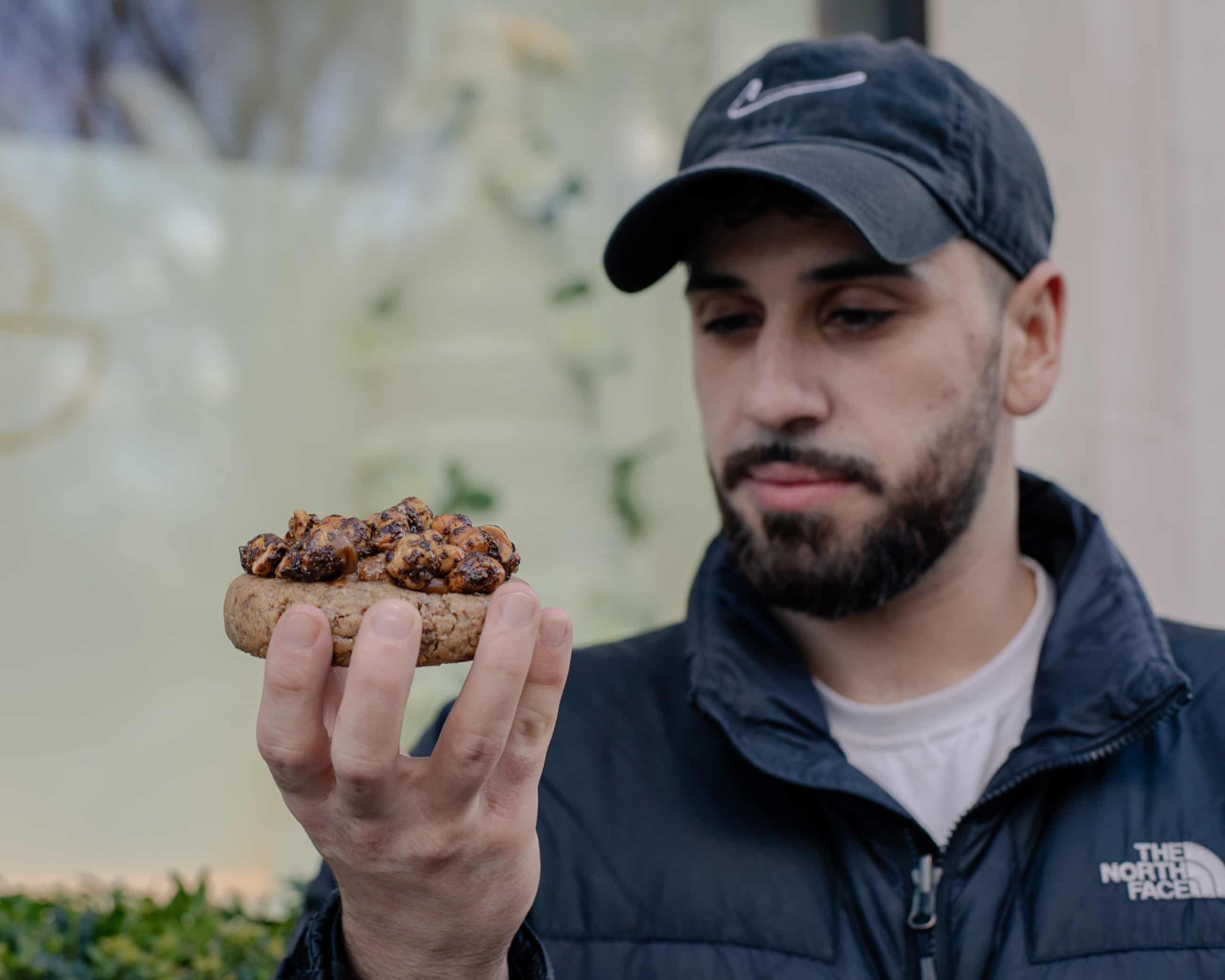
£25 for a cookie? What the baffling luxury bakery boom tells us about Britain
Amid a cost of living crisis, pricey patisserie is all the rage – and not just in London. Our reporter goes on a crawl to find out if a tart can really be worth £45There was a time when you could get a stuffed vanilla cream slice or a neon-pink Tottenham cake for about £1 on the leafy, residential corner of Hackney, east London, where I stand today. But the branch of Percy Ingle bakery that was here for nearly 50 years is gone. In its place sits Fika, a cafe where a cinnamon bun costs £4.20 and a pistachio croissant will set you back nearly £5
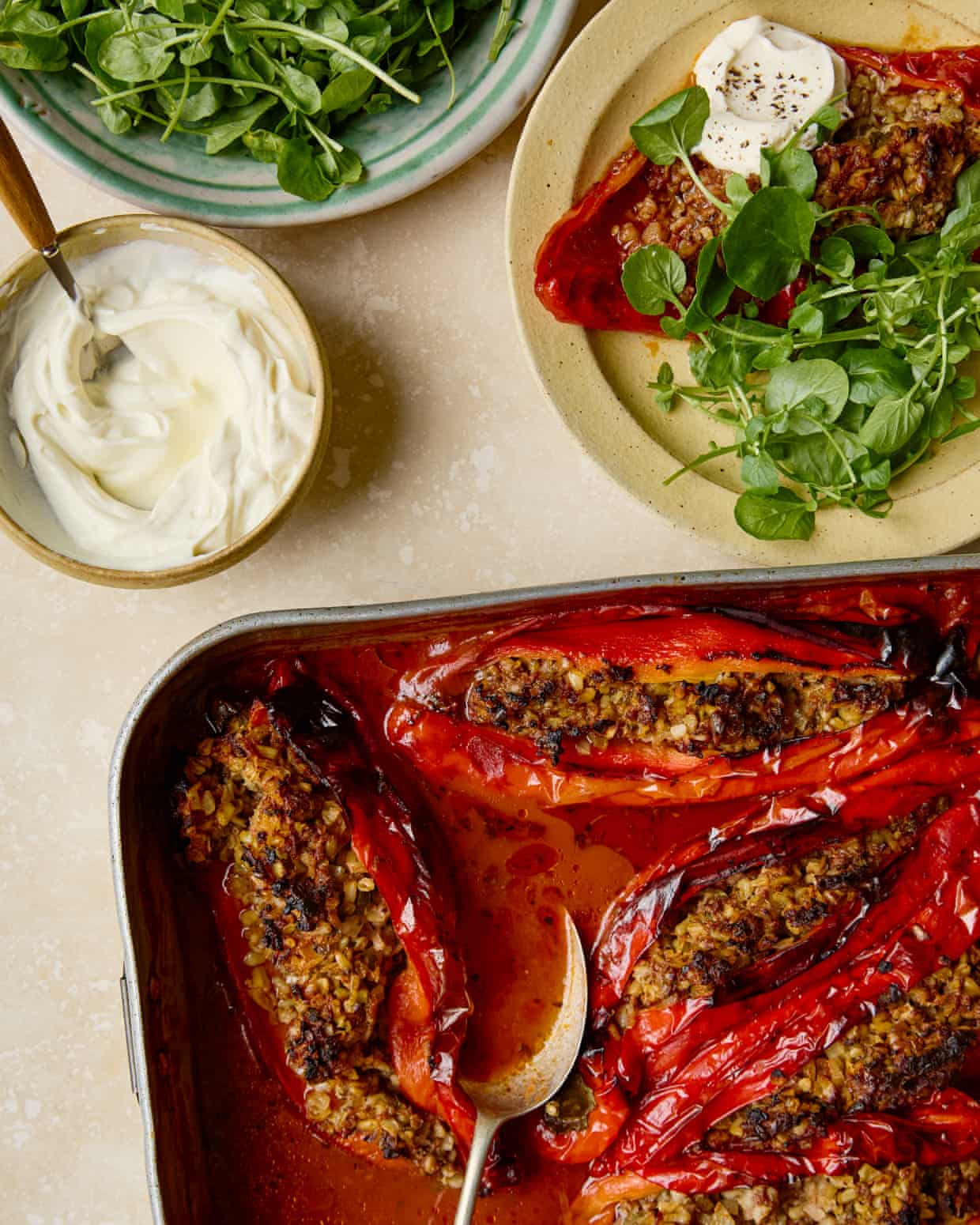
Stuffed peppers and aubergine dip: Sami Tamimi’s recipes for savoury Palestinian snacks
I still remember, when I was a kid, the end of spring and early summer when markets in Jerusalem and across Palestine overflowed with freshly harvested freekeh. As you approached, the air carried a smoky, earthy aroma. Freekeh is an ancient grain, a staple across the Middle East and Turkey, made from green wheat roasted over open fires to burn off the husks, which gives it the characteristic nutty flavour. The name comes from the Arabic freek, meaning “to rub”, which describes how the grains are cleaned, dried, cracked and stored for the year.Throughout the Middle East and Palestine, mahashi (stuffing vegetables) is a true labour of love, creating dishes that are designed to be shared

UK’s private dentistry market faces review after price jumps of more than 23%
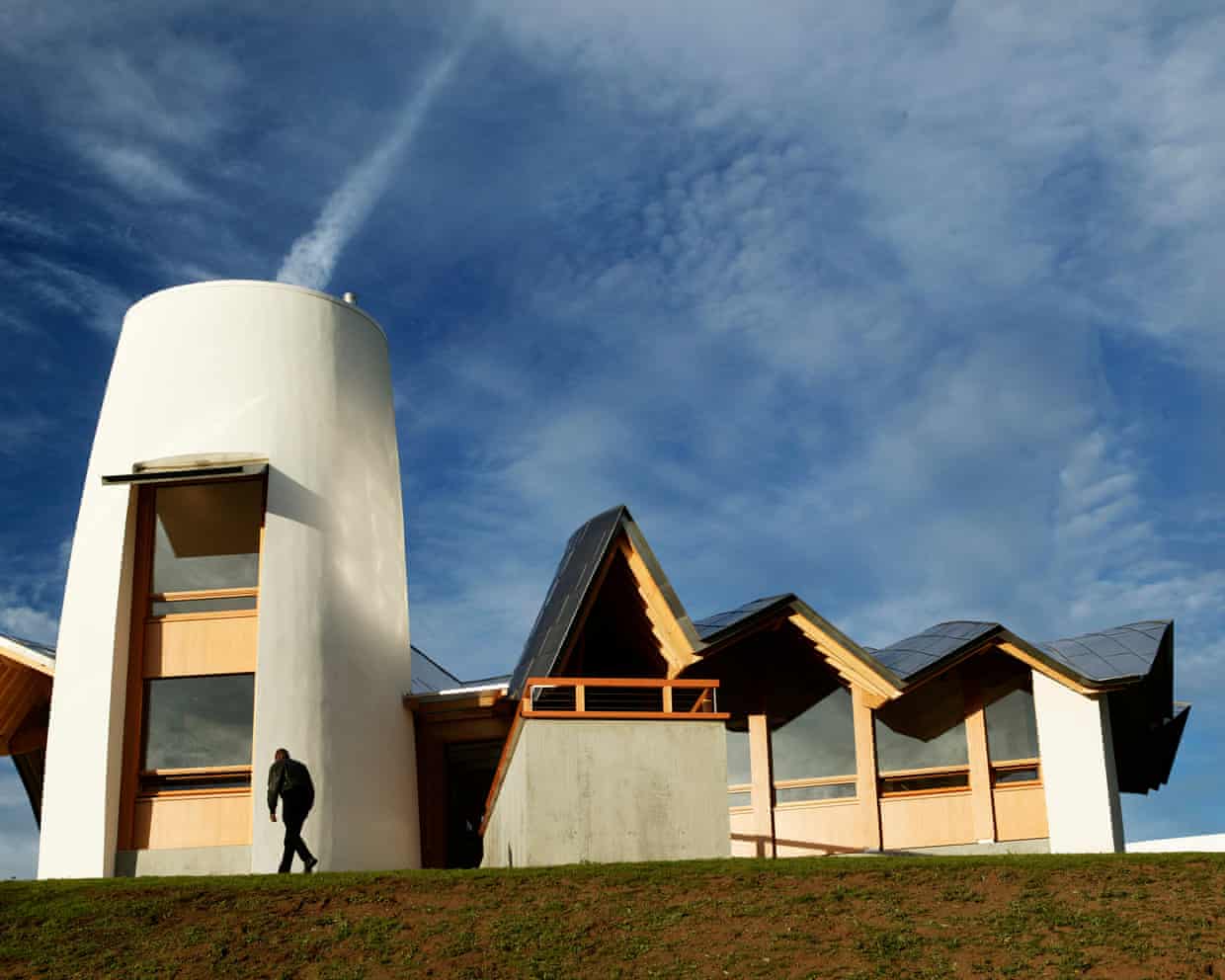
‘A space of their own’: how cancer centres designed by top architects can offer hope

UK government ‘effectively allowed’ child sexual abuse, campaigners say

Circumcision classed as potentially harmful practice in new CPS guidance

Scientists laud potentially life-changing drug for children with resistant form of epilepsy

More than 220m children will be obese by 2040 without drastic action, report warns