Rachel Roddy’s recipe for apple, honey and poppy seed cake | A kitchen in Rome
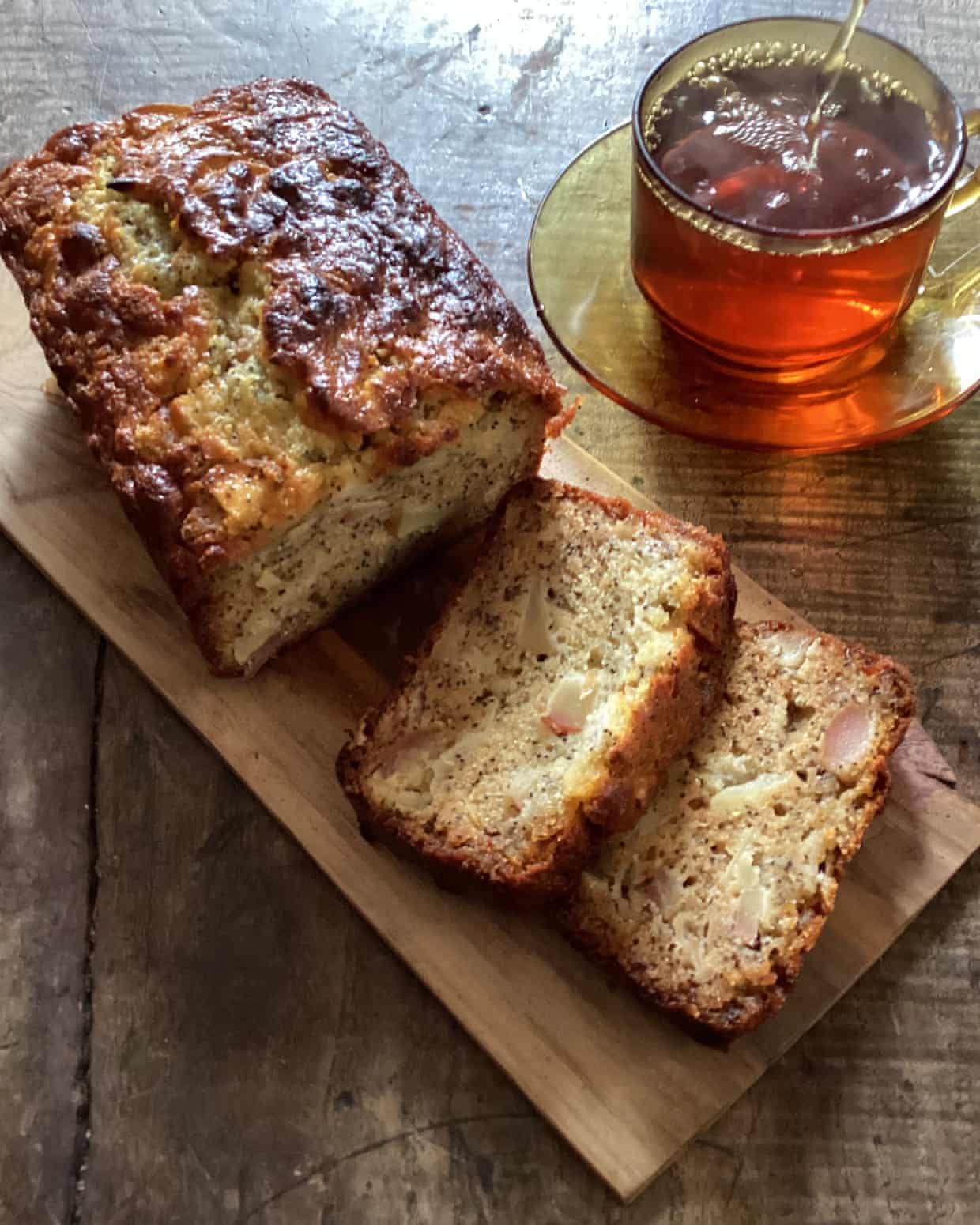
Honey is, among other things, a successful embalming agent.It is also a humectant, which isn’t an eager cyborg, but one of many short-chained organic compounds that are hygroscopic, meaning they attract and hold water, which in turn prevents hardening and encourages softness.Other hardworking humectants are glycerine, which is what keeps face creams creamy and hydrating, and sorbitol, which ensures toothpaste can be squeezed and smeared all over the sink and on the mirror.Honey, though, is the humectant that’s most suitable for this week’s recipe: a one-bowl, everyday cake inspired by my neighbour’s Polish honey cake, miodownik, combined with the tortino di mele e papavero (apple and poppy seed cake) enjoyed at a station bar in Bolzano.Not only does honey keep the cake moist, its sweetness comes largely from fructose, which is naturally sweeter than refined sugar, so the perception of sweetness is much greater even when less is added.
I have suggested 160g, but adjust as you see fit,The small amounts of amino acids in honey also mean that the chemical Maillard reaction is more pronounced as the cake bakes, resulting in caramelisation and a crust the colour of chestnut, as well as a deep, nutty flavour,While I am sure all varieties of honey will work well, I can particularly recommend chestnut honey and Greek pine honey, both of which have complicated, almost malty notes that pair well with the apple and the pleasing, slightly bitter but also soil-like taste of poppy seeds,When it comes to choosing the type of apple (for this, and generally), I hear Jane Grigson’s advice in her Fruit Book: avoid anything too shiny – bright red, shiny apples (tough skin and woolly flesh) or bright green, shiny apples (tough skin, sour flesh) – and instead remember that there are more than 3,000 varieties, so try as many as possible,As with honey, I think most good-tasting eating varieties will work here, but special mention must go to those with sweet but creamy, drier flesh: russets, cox’s orange pippin or mela annurca, a little Italian variety with speckled red skin.
I don’t peel the apples for this – I like the colour and texture that the skin gives to the final cake – but if the skin seems annoying, do cut it off, then slice the fruit thinly by hand or with a mandoline,The best way to test for doneness is to use a strand of raw spaghetti: stick it into the centre crack and it should come out relatively clean,Leave the cake to cool a little before lifting it out of the tin and leaving to cool a little more,Cut into thick slices and serve with a cup of tea and maybe a spoonful of thick cream sweetened (and turned every so slightly gold in colour) with a spoonful of honey,Make 1 22cm cake100g room-temperature butter 8 tbsp (160g) honey 3 eggs 140ml whole milk 220g plain or wholemeal flour, or a mix of the two5 tsp poppy seeds 2 tsp baking powder1 pinch fine salt 1 large (or 2 small) red apples, unpeeled, quartered, cored and cut into thin slices 4 tbsp demerara sugarUsing a whisk, beat the butter and honey to make a smooth cream, then beat in the eggs one by one.
Add the milk, and whisk again until you have a smooth batter.Add the flour, poppy seeds, baking powder and a pinch of salt, and mix well.Add the apple slices, then scrape into a lined or buttered and floured 22cm baking tin and sprinkle the top with the demerara sugar.Bake in a 180C (160C fan)/350F/gas 4 oven for 40 minutes, or until a skewer or strand of spaghetti comes out clean.The presence of honey means the cake will brown deeply, maybe before the batter has had a chance to cook though, so keep an eye and, if need be, cover the cake lightly with a foil tent for the last 15 minutes.
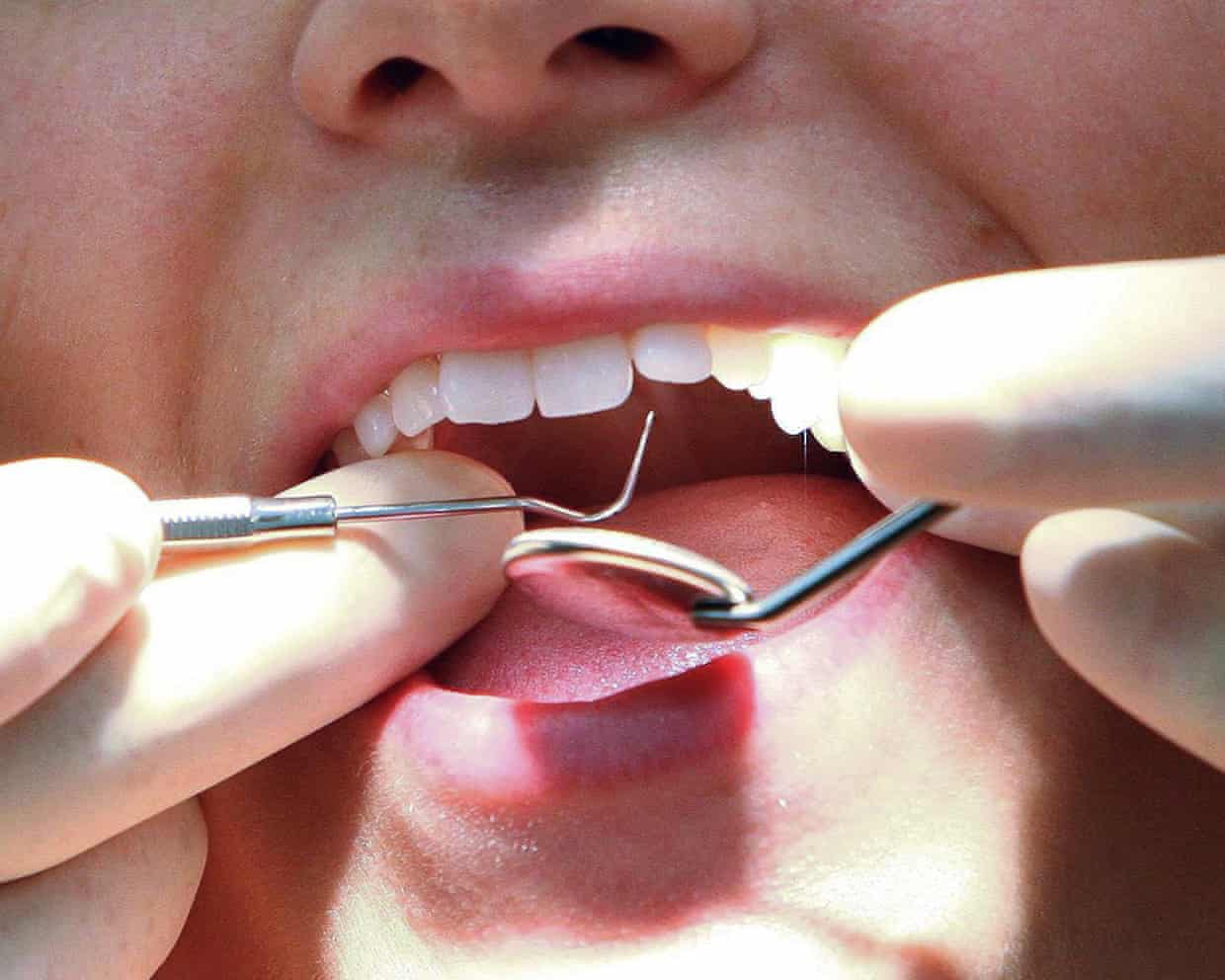
UK’s private dentistry market faces review after price jumps of more than 23%
The UK’s competition watchdog has launched a review into the £8bn private dentistry market after the price of a consultation increased by nearly 25% over a two-year period.One in five people in Great Britain sought private dental care in 2024 in part because they could not access NHS treatment. Announcing its investigation, the Competition and Markets Authority (CMA) said it wanted to make sure the market was “working well for UK consumers”.The CMA said dentistry played “a critical role in people’s health and wellbeing” and that demand for private services had risen sharply in recent years. Against this backdrop the regulator pointed to independent price data that showed average prices had “increased significantly”
‘A space of their own’: how cancer centres designed by top architects can offer hope
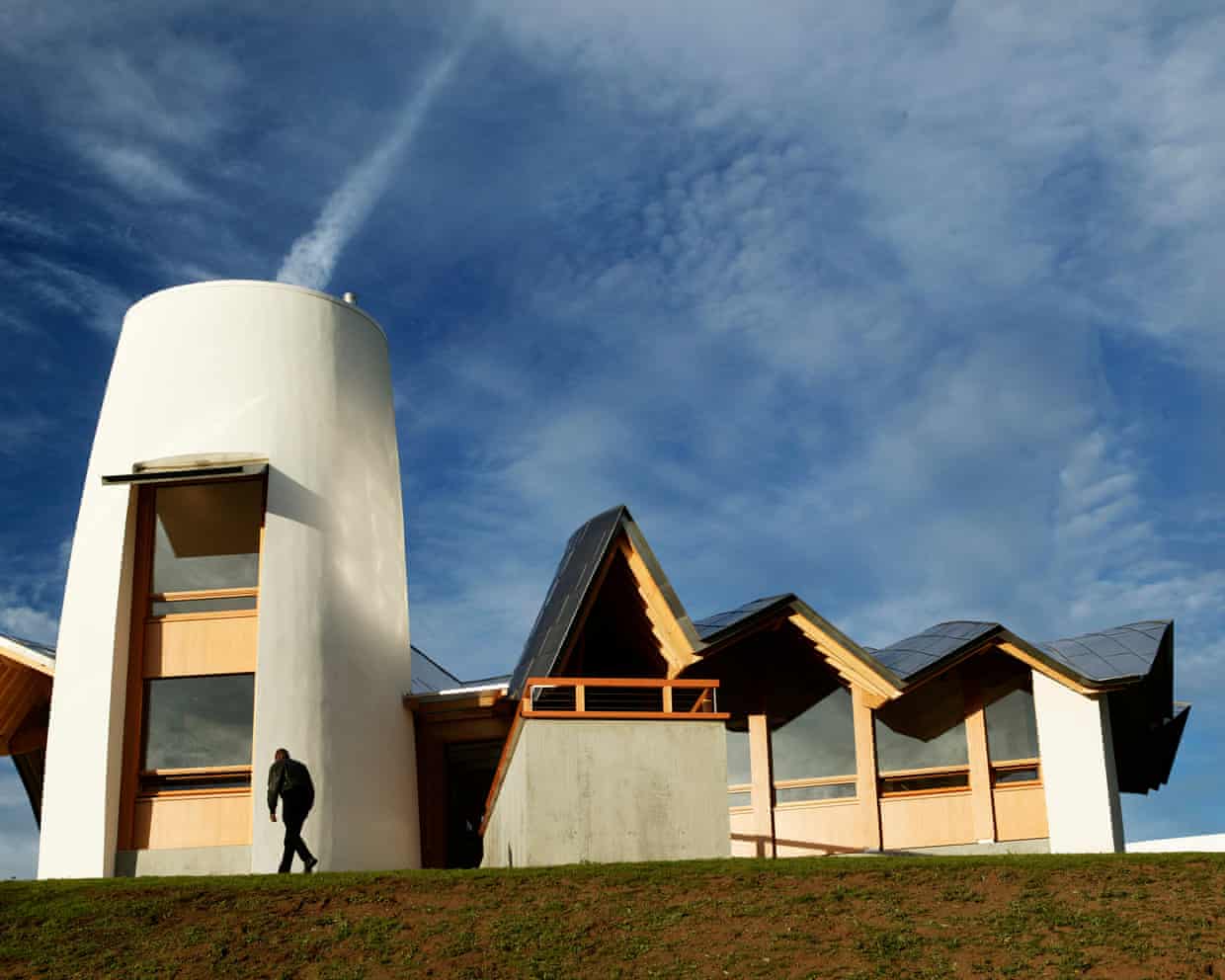
Maggie Keswick Jencks received her weekly breast cancer treatment in a windowless neon-lit room in Edinburgh’s Western general hospital. Her husband, the renowned landscape designer Charles, later described it as a kind of “architectural aversion therapy”.It was then, in the early 1990s, that the Scottish artist and garden designer imagined her own blueprint that would allow cancer patients “a space of their own” within the alienating, clinical confines of the hospital estate, one where they might “not lose the joy of living in the fear of dying”.The first Maggie’s Centre opened in Edinburgh in 1996, a year after her death, designed by Richard Murphy and housed in a converted stable block in the Western general grounds.Three decades on, there are more than 30 of these hospital-adjacent cancer support centres across the UK and overseas, and this legacy of conscious design is celebrated in a free exhibition at the V&A Dundee from Friday

UK government ‘effectively allowed’ child sexual abuse, campaigners say
Campaigners have accused the UK government of in effect allowing child abuse to continue by having an “inconsistent and arbitrary” approach to implementing recommendations from a seven-year statutory inquiry.The claim was made at the high court in London, where a judge said a legal action against the Home Office could continue.The Maggie Oliver Foundation is taking action over the government’s alleged failure to adopt all the changes recommended by the independent inquiry into child sexual abuse (IICSA), which conducted investigations between 2015 and 2022.At a hearing on Thursday, Mr Justice Kimblin allowed the legal action to continue, saying it was arguable that the foundation had a “legitimate expectation” that the government would implement the recommendations. The Home Office is defending the claim
Circumcision classed as potentially harmful practice in new CPS guidance
Circumcision has been classed as a potentially harmful practice in new official guidance for criminal prosecutors in England and Wales, but controversial plans to class it as possible child abuse have been dropped.The Crown Prosecution Service (CPS) decided against including circumcision alongside dowry abuse, witchcraft and female genital mutilation in its new guidance on honour-based abuse, after objections from Jewish and Muslim groups when the plans were revealed by the Guardian.Instead it has included a similar section on circumcision in updated guidance on offences against the person. It says: “In certain circumstances, such as the procedure being carried out by those falsely claiming to be suitably qualified practitioners or carried out in non-sterile conditions, it can cross the line into a harmful practice.”Prosecutors are advised to consider child cruelty offences under the Children and Young Persons Act 1933 or assault offences under the Offences against the Person Act 1861
Scientists laud potentially life-changing drug for children with resistant form of epilepsy
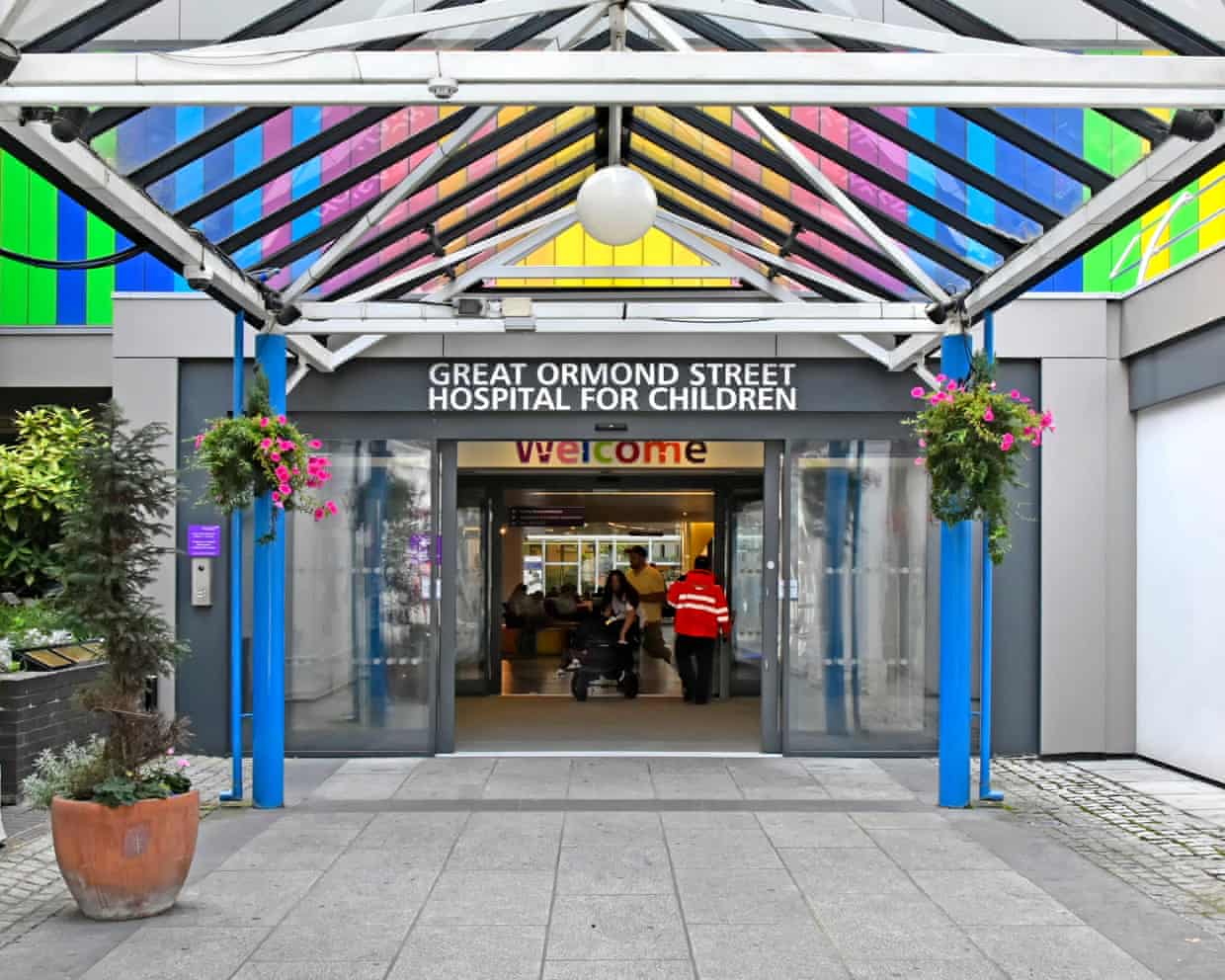
Scientists have hailed a potentially life-changing drug for children with a hard to treat form of epilepsy, after promising early clinical trial results.Dravet syndrome is a genetic disorder which causes treatment resistant epilepsy and is often accompanied by speech and developmental delays. About 3,000 people are thought to have the condition in the UK. Current treatments aim to control the number and severity of seizures, but often do not work.These preliminary trials, led by UCL and Great Ormond Street hospital (GOSH), found that the drug appeared to be safe and well tolerated by the 81 children taking part
More than 220m children will be obese by 2040 without drastic action, report warns
Without drastic action more than 220 million children could have obesity by 2040, an international report has warned.Globally, in 2025 about 180 million children were obese. But new figures from the World Obesity Federation suggest that by 2040, about 227 million of all five- to 19-year-olds will have obesity and more than half a billion will be overweight.According to the federation’s 2026 world obesity atlas, that would mean that at least 120 million school-age children would have early signs of chronic disease caused by their high body mass index (BMI).Someone is classed as obese if their BMI is 30 or above, and overweight if it is above 25
Actor reaches settlement with Old Vic theatre over Kevin Spacey assault claims

‘Excellence’: Smithsonian exhibit celebrates HBCUs amid attacks on Black history

Jon Stewart on US attacks in Iran: ‘A war with no clear purpose, no end in sight’
‘My guitar was mangled – like my life!’ Goo Goo Dolls on how they made epic ballad Iris

My cultural awakening: Leonardo da Vinci made me rethink surgery – I’ve since mended more than 3,000 hearts
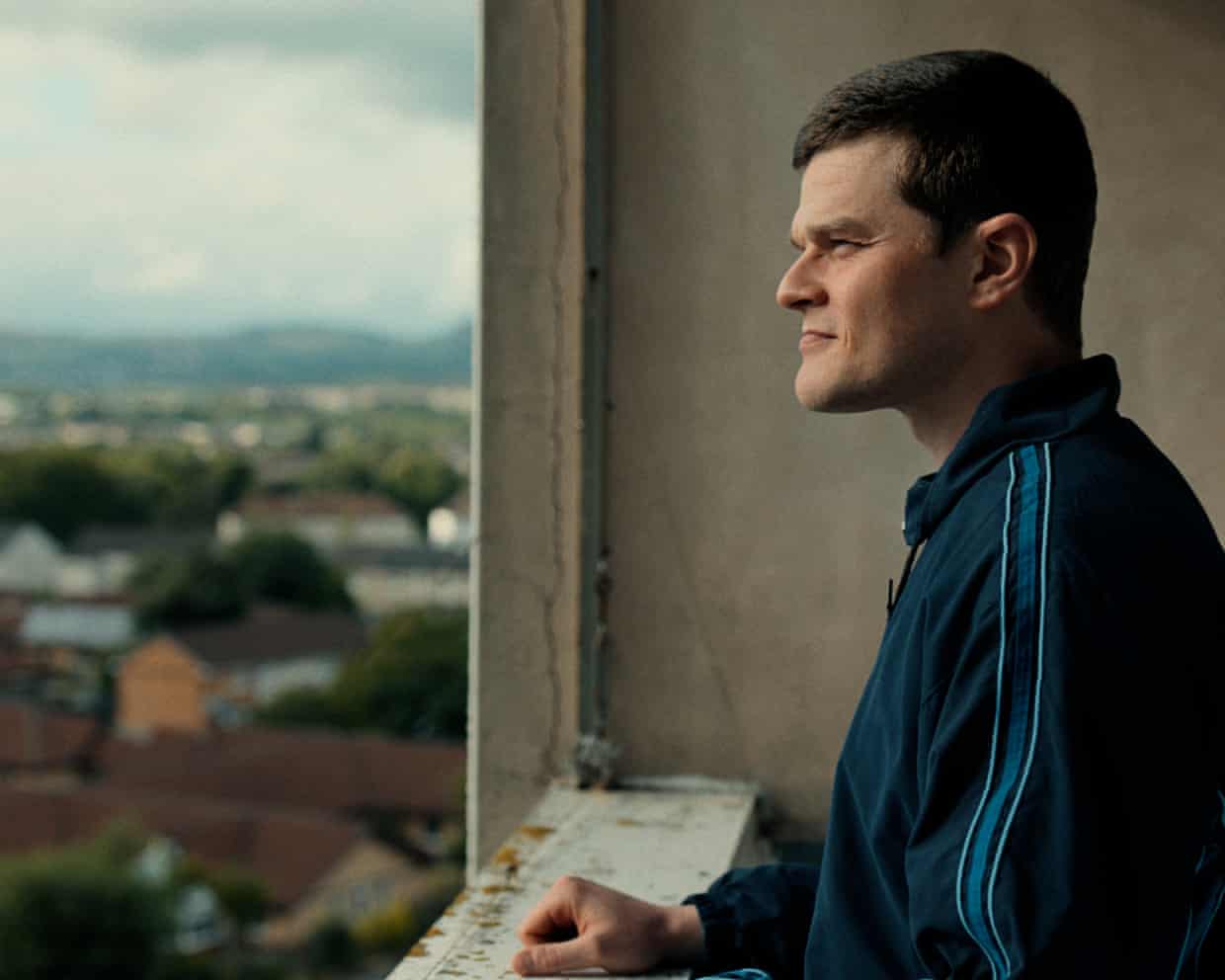
The Guide #232: From documentary shock to Bafta acclaim – how the screen shaped our understanding of Tourette’s