The Spin | Going for gold? Why China’s female cricketers may benefit from Olympic aim
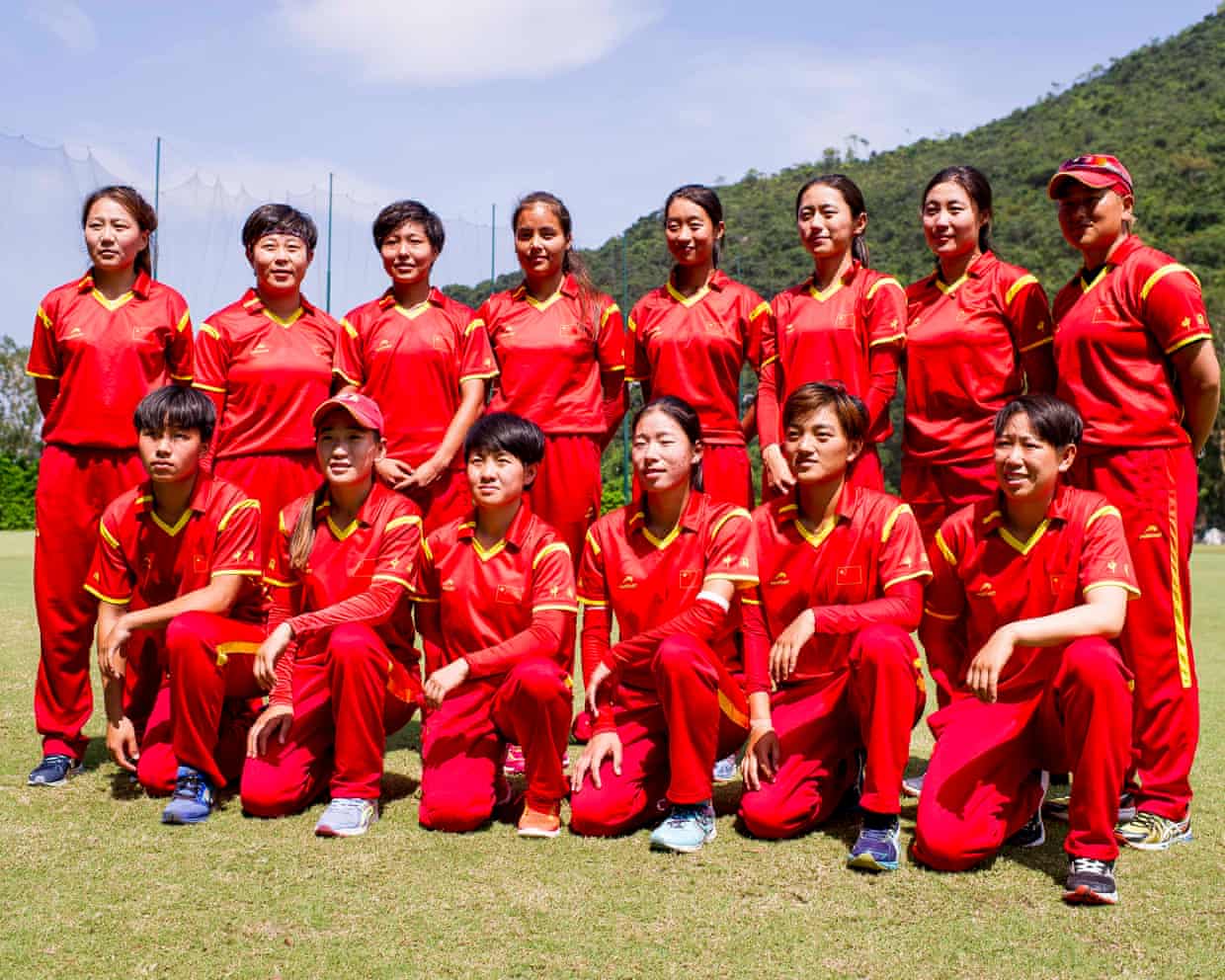
The Cambridge wind had a February chill, and the trees at Fenner’s were still without any spring decoration, but the old bleachers to the side and the pavilion, largely unchanged since the 1980s, were reminders of a new season just a turn of the calendar away.Fenner’s cricket ground sits next door to Hughes Hall, where the Cricket Research Network held their third annual conference last week.The organisation, headed by Raf Nicholson, sometimes of this parish, is a place for cricket academics to exchange ideas, and the conference a chance for rest of us to put an ear to the door of data and detail.Of the many fascinating presentations, the most eye-popping, at least to someone untutored in Chinese sport, was from Max He, who had come all the way from Xi’an Jiaotong University in Shaanxi province, in the north-west of China.He told of a world turned upside down, where cricket is seen as a female sport and one that absorbs not only the resources, but also the glory and the story-telling – both anecdotally and officially.
The women’s team play more games, have more staff, win more matches.They practise more frequently on turf wickets, train more abroad, have better experienced coaches.In reports, women are referred to as “the Chinese team,” while the men are defined by their sex and treated as something of a joke, the upended version of Len Hutton’s 1963 opinion on women’s cricket: “Absurd, like a man trying to knit.”State feminism in Chinese elite sport, said He, “is underpinned by the logic that medals are gender neutral units of political capital and the means for international recognition.Over time, this creates an instrumental equality, the promotion of women’s sport as an efficient pathway to maximise China’s performance in the global medal race.
”The direction of Chinese sport changed after they came back with only five golds from the 1988 Seoul Olympics,He told of how the General Administration of Sport of China then decided to invest in sport according to the “five-word principle” – small, fast, women, water and agile,The glittery dividends have become clear,In the last four summer Olympics – London, Rio, Tokyo and Paris – China have won 143 golds, 62,2% of them around female necks.
Women have also made up the majority of the athletes on Chinese teams – peaking at Tokyo, where 69,1% of the Chinese team were female,Though China won’t make the six male and female teams due to play in LA as cricket returns to the Olympics after a 128-year hiatus (the five highest-ranked nations in Asia, Oceania, Europe, Africa and the Americas plus a global qualifier), the possibility of a future place, if the competition widens, dangles in the wind,While the women’s team are hardly threatening the world order, lying in 45th place in the latest ICC rankings of T20 nations, the men’s team languishes in 91st, squeezed between Saint Helena and Lesotho,The treatment and self-image of the two teams is such a role reversal of the norm that when He quoted from Chinese players it provoked laughter in the room, a kind of guilty shock that will be familiar to anyone who has read The Power by Naomi Alderman.
One Chinese female player interviewed complained that the men “never win a single game in the Asian Games” and another felt that “women deserve more opportunities”.A third, after losing a game, said she “felt better after a teammate told me: ‘It’s all right, men cannot win a single game’.”Mohammad Ramzan, who played one Test for Pakistan in 1987, and is now the coach of the Chinese men’s team, told He: “We never play any (T20) matches since the 2024 East Asia Cup.Not a single one.Ladies play four or five matches in June (2025) in Japan, and played against some good teams here [at Hangzhou ZPU cricket ground].
”A woebegone male player perhaps summed up the group spirit: “It is rational to invest in women more as men have little hope.” It is a dynamic that He summed up as “group charisma and group disgrace” with female cricketers emerging as the established team, albeit in a sport that is not a priority either for the Chinese Communist party or the people.The worldview was further twisted by a former women’s coach telling He that the ICC are dissatisfied with China’s strategy of “allocating too many resources to women’s cricket” and “not developing cricket seriously”.This inverted version of the game floated like a lost piece of a jigsaw above the rest of the conference, as a succession of speakers examined women’s cricket in other places around the globe.Delegates were asked to consider whether the professionalisation of the women’s game was going to end up with women being sidelined, as they were when the ECB swallowed up the Women’s Cricket Association, as well as looking at the legacy of this summer’s World Cup and the experience of rapid professionalisation and The Hundred on female players.
There was also an examination of the pinkification of the Women’s World Cup final at the MCG in 2020, by Hannah Thompson-Radford, while Anand Rampersad from the University of West Indies opened the door on the development of women’s cricket in the Caribbean.This included the elbowing out of the West Indies Women’s Cricket Federation pioneers and how the frailty of the women’s game hid behind the triumph of the 2016 T20 World Cup.A narrative that somehow seemed more familiar.This is an extract from the Guardian’s weekly cricket email, The Spin.To subscribe, just visit this page and follow the instructions
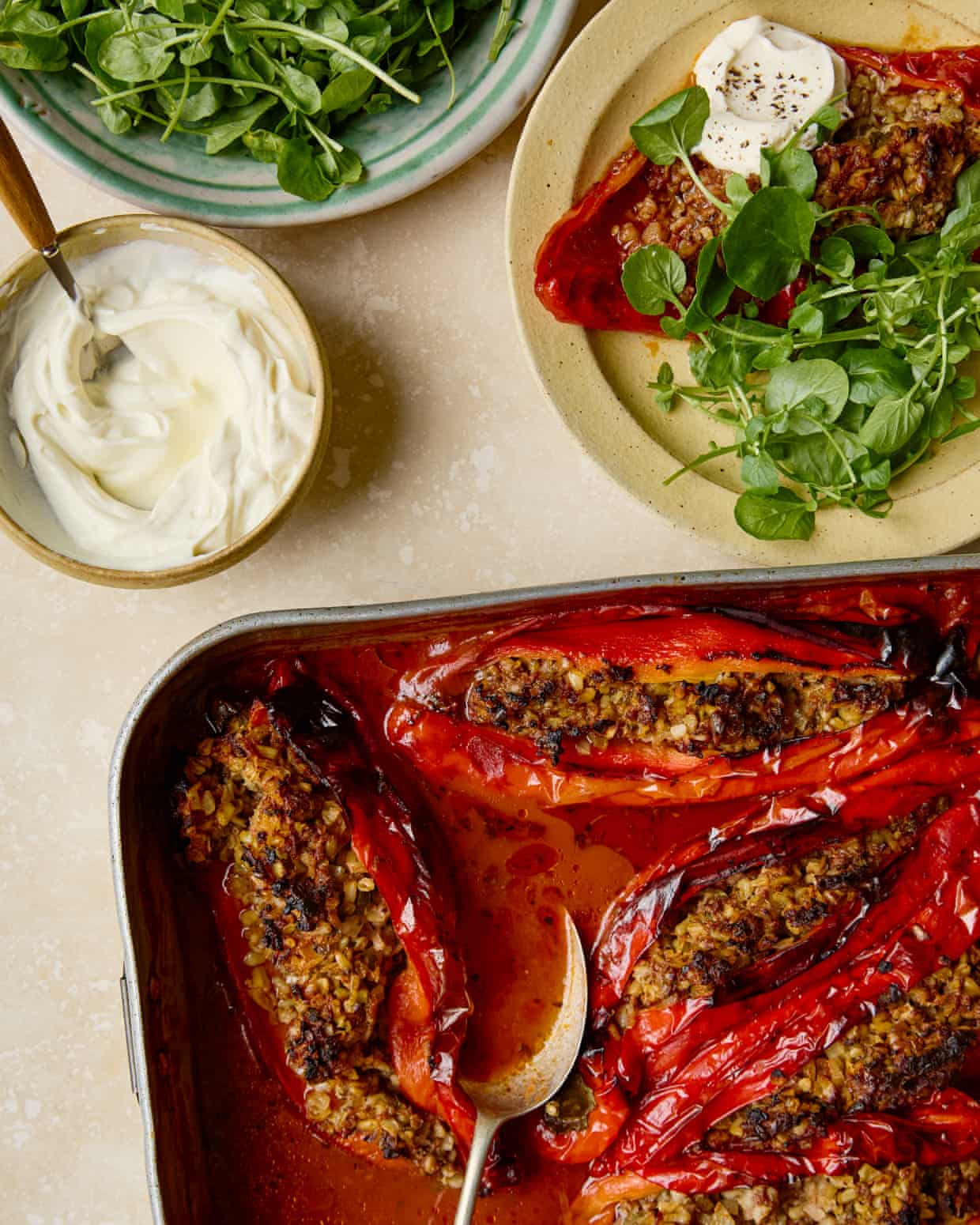
Stuffed peppers and aubergine dip: Sami Tamimi’s recipes for savoury Palestinian snacks
I still remember, when I was a kid, the end of spring and early summer when markets in Jerusalem and across Palestine overflowed with freshly harvested freekeh. As you approached, the air carried a smoky, earthy aroma. Freekeh is an ancient grain, a staple across the Middle East and Turkey, made from green wheat roasted over open fires to burn off the husks, which gives it the characteristic nutty flavour. The name comes from the Arabic freek, meaning “to rub”, which describes how the grains are cleaned, dried, cracked and stored for the year.Throughout the Middle East and Palestine, mahashi (stuffing vegetables) is a true labour of love, creating dishes that are designed to be shared

Australian supermarket muesli bars taste test: the worst is ‘both dry and moist’
During a blind taste test of 19 muesli bars, for the first time in his life Nicholas Jordan asks: ‘Is this too much cinnamon?’Get our weekend culture and lifestyle emailIf you value our independent journalism, we hope you’ll consider supporting us todayI have a long history with muesli. Muesli bars were a recess staple during my school years. As a uni student, I made muesli in 20kg batches and sold it from my sharehouse back yard like a drug dealer. In lockdown, I started an Instagram account where I would review and rate a different muesli every three or four days (I am the only contributor to the hashtag #mueslireviewsli). Even before this taste test, I would guess that I’ve tried more than 80% of all the muesli and muesli bar brands available in my area
Why do my potatoes go black after cooking? | Kitchen aide
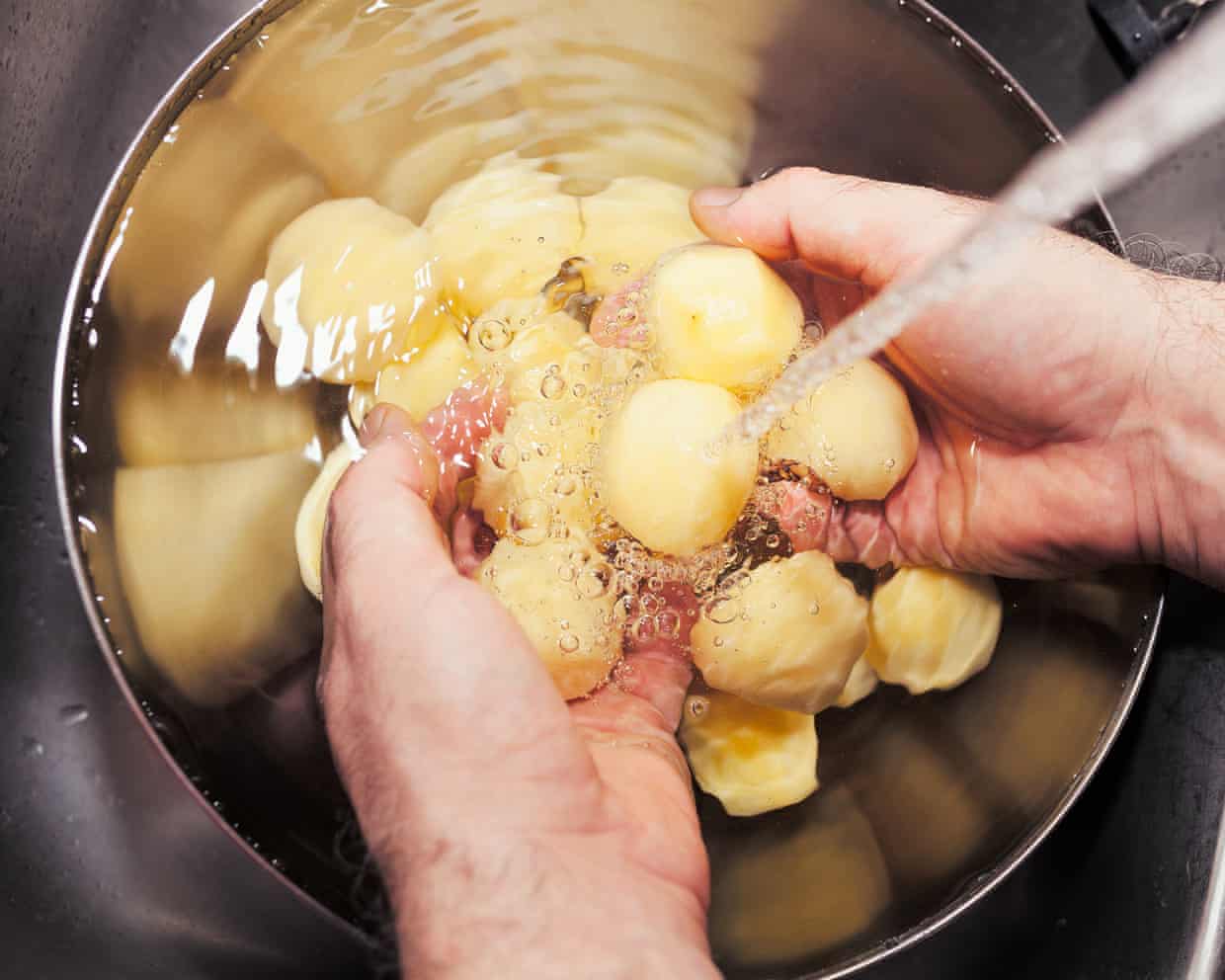
Why do some potatoes turn black on cooking, and how do I stop this happening? I usually leave them to cool in the cooking water, but should I plunge them in cold water instead?”Jean, Hampshire“We’ve all been there,” sympathises spud queen Poppy O’Toole. “It’s a harmless chemical reaction,” the author of The Potato Book continues, “but it looks rank and only gets worse with the slow cooling process that Jean’s using.” But let’s wind things back for a moment. According to the food science guru Harold McGee, in his bible On Food & Cooking, the darkening of cooked potatoes “is caused by the combination of iron ions, a phenolic substance [chlorogenic acid] and oxygen, which react to form a pigmented complex”. So what’s the solution? Make the pH of the water “distinctly acidic”, which McGee does by adding cream of tartar or lemon juice “after the potatoes are half-cooked”

‘Where the magic really happens’: the influencers out to celebrate – and save – Britain’s ‘proper boozers’
The Calthorpe Arms on Gray’s Inn Road is a fairly atypical central London pub. With patterned red carpets, brass fittings, leather bar stools, a pool table and Christmas tinsel still hanging in early February, it feels very much a “local”, although on a Thursday evening it’s busy with the post-work crowd.It’s the fifth time Niall Walsh, who works nearby and runs the Proper Boozers Instagram account, has visited in recent months. “It’s just off the beaten track, but easy to get to,” Walsh says over a pint of Harvey’s. “You can get a real, authentic pub experience
Stuffed battered chillies and chilli cheese toasties: Maunika Gowardhan’s favourite Holi snacks – recipes
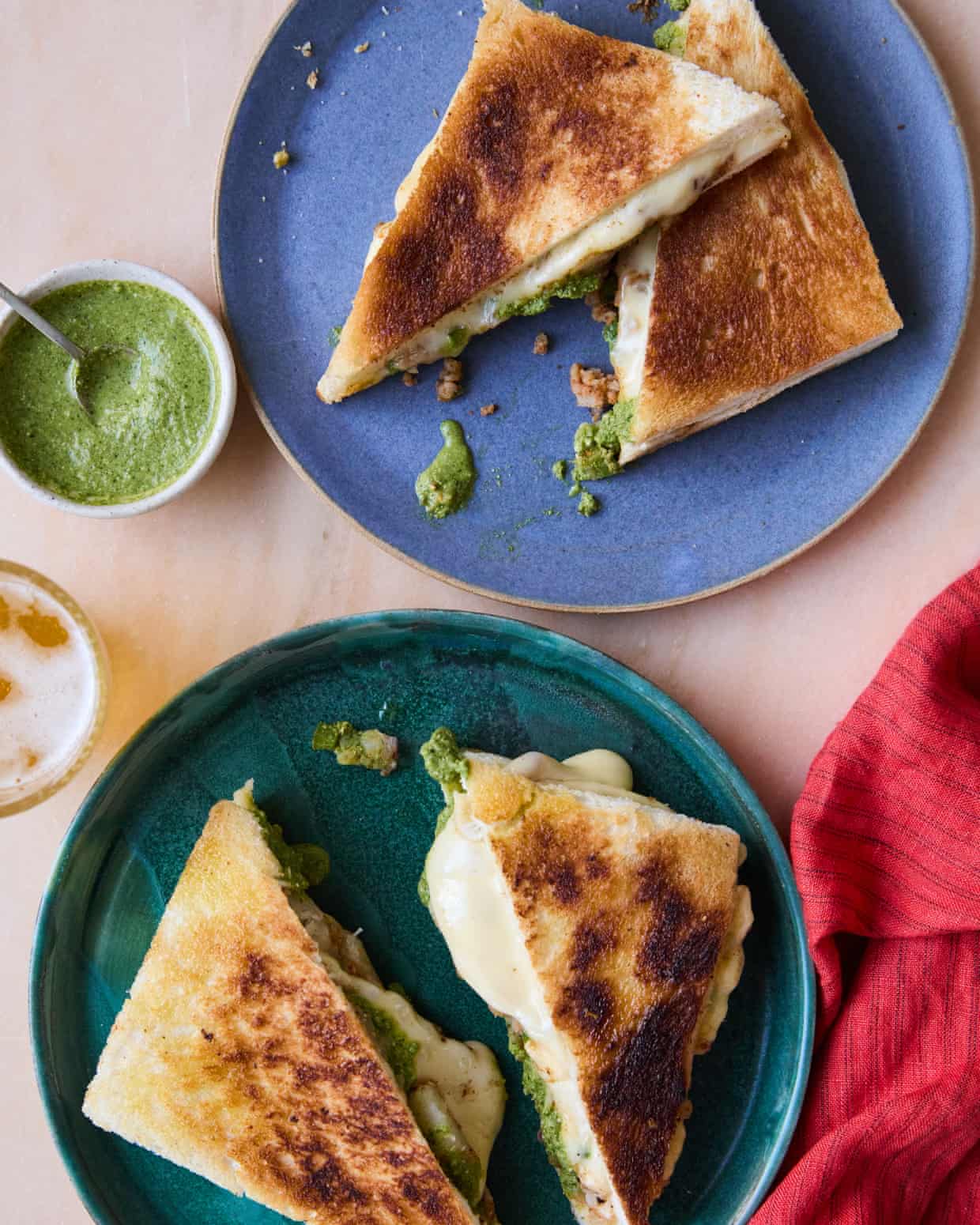
Celebrate Holi, the festival of colours and the arrival of spring, with sumptuous, delicious and addictive snacks. The bharwa mirchi pakode ki chaat is full of flavour and topped with tamarind, green chutney and chaat masala. Alongside it, a street-food favourite from my home town of Mumbai: the classic chilli cheese toastie stuffed with potato, peppers and green chutney. Both are the sort of dishes you can eat at any time of day, and the unifying ingredient is the humble potato, which I feel is the backbone of Indian cooking, be it in curries, stir-fries, flatbreads, snacks and even raitas.I’d happily eat this delicious street-food classic on any day of the week
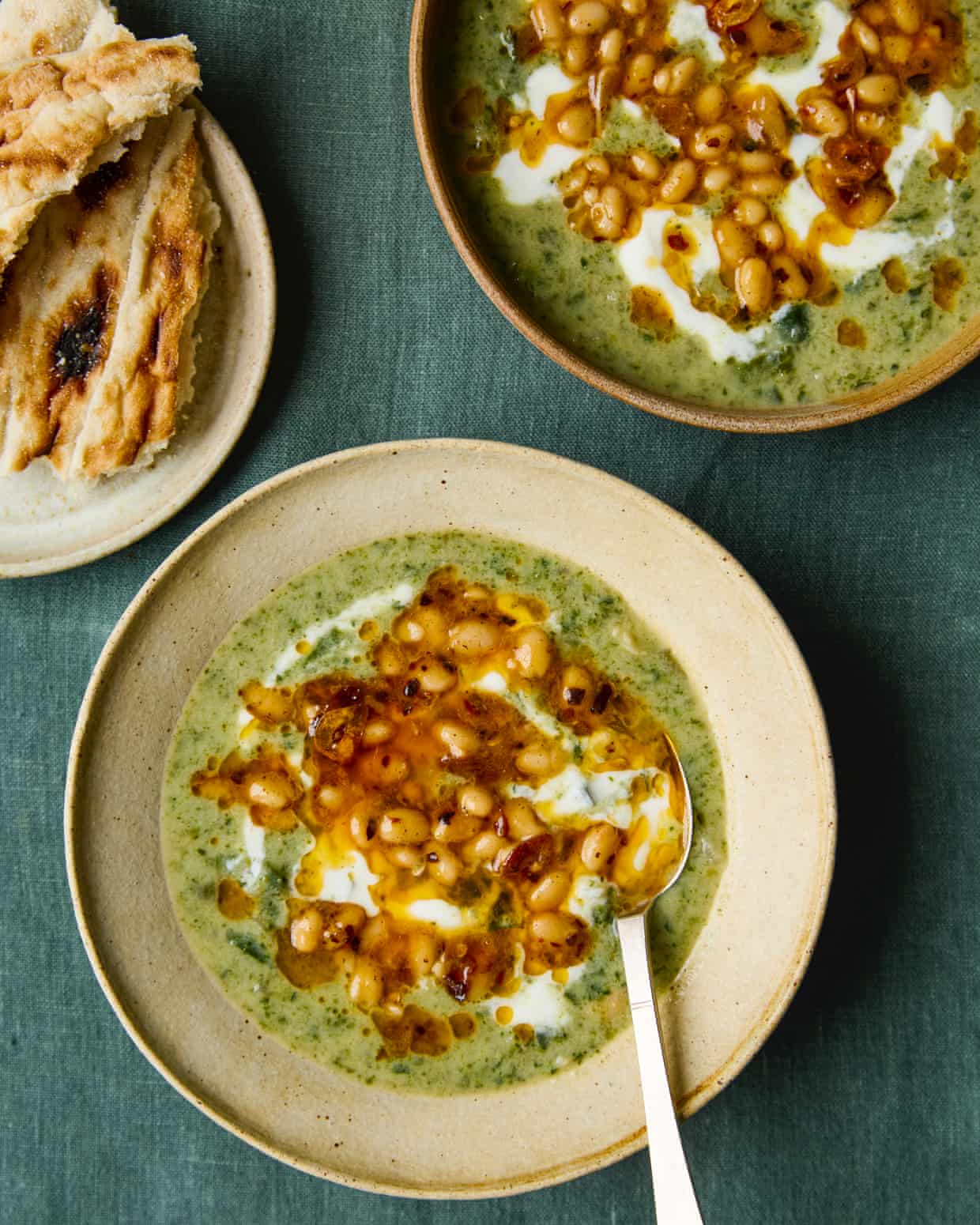
Rukmini Iyer’s quick and easy recipe for chard borani soup with yoghurt, crispy garlic and beans | Quick and easy
I am emphatically not a dip person (see also: salad), but the first time I tried chard borani, a Persian dip made with chard and yoghurt, I became so obsessed that we’ve been having it on repeat at home ever since. Today, I’m sharing my soup version, thickened with beans and topped with crisp garlic and brown butter. It’s perfect served with flatbreads, and takes just minutes to put together: a homage to the excellent original.If you’re making this in advance, reheat it very gently so as not to split the yoghurt.Prep 15 min Cook 30 minServes 3-42 tbsp olive oil 1 large onion, peeled and roughly sliced2 garlic cloves, peeled and finely grated400g rainbow or Swiss chard, stems roughly chopped, leaves roughly sliced2 tsp sea salt flakes 1 400g tin haricot beans, drained and rinsed (260g drained weight)Juice of ½ lemon150g natural or greek yoghurt, at room temperature , plus extra to serve For the crisp garlic butter 40g salted butter2 garlic cloves, peeled and finely sliced2 tsp aleppo pepper (optional)Heat the oil in a large, wide-based pan, add the onion and stir-fry on a medium to high heat for five minutes

UK motor fuel prices rise since Middle East conflict began, and energy bills could jump 10% in July – business live

War in Middle East ‘could wipe out growth in UK living standards’

Europe’s next-generation fighter jet project may collapse if row continues, says warplane maker

Google faces lawsuit after Gemini chatbot allegedly instructed man to kill himself
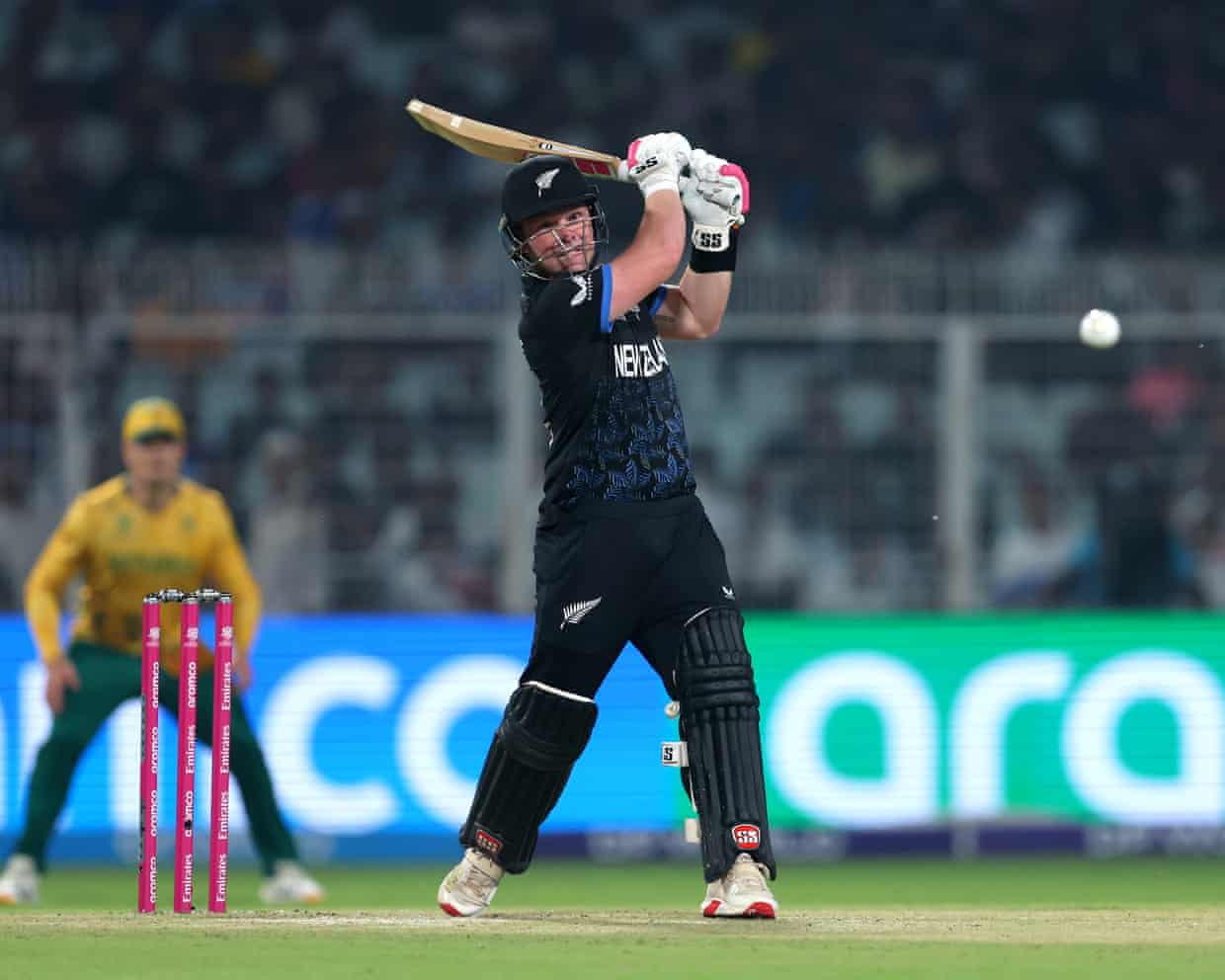
South Africa v New Zealand: T20 World Cup cricket semi-final – live
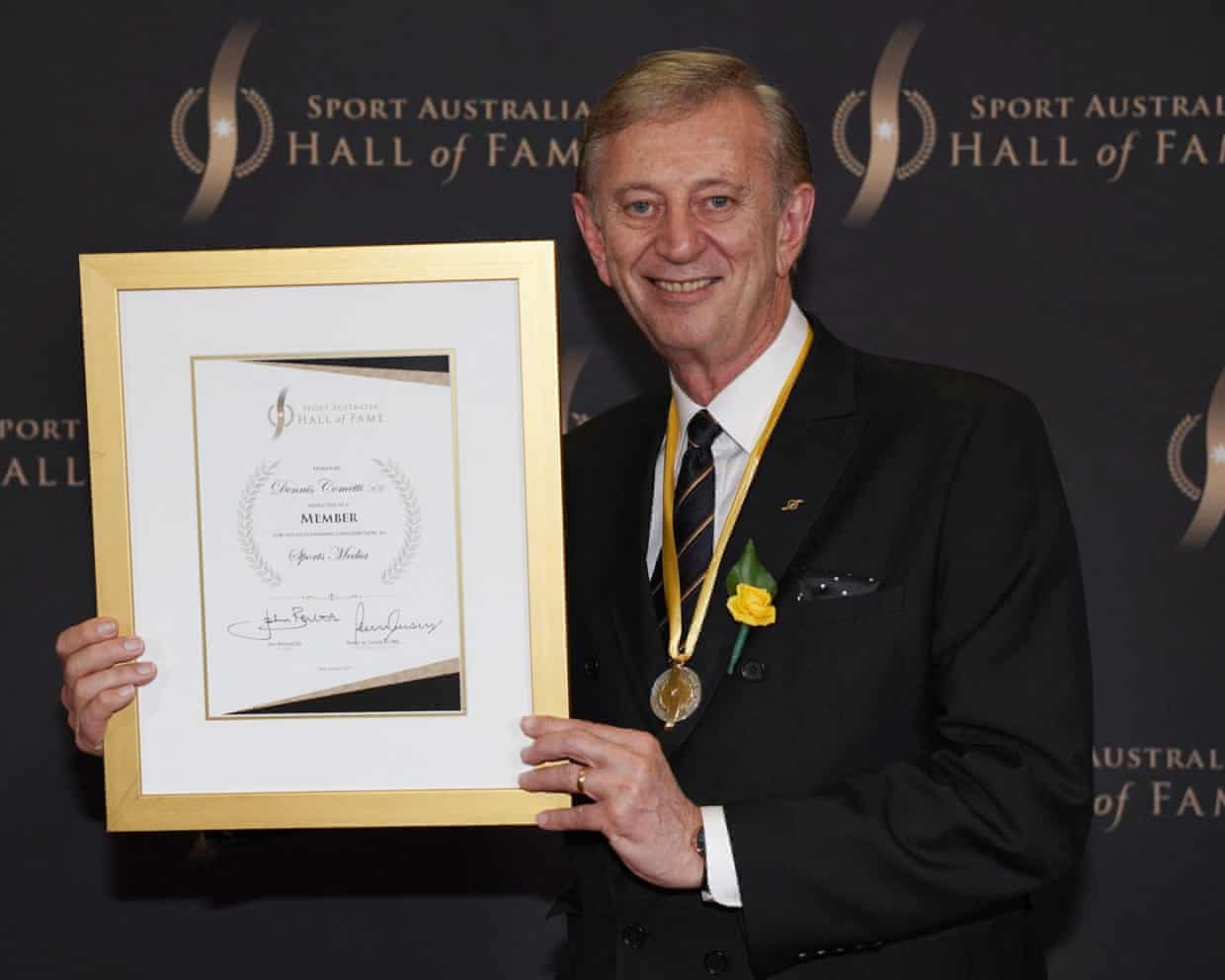
Dennis Cometti was erudite, funny and engaging. His witticisms could fill a library