Europe’s next-generation fighter jet project may collapse if row continues, says warplane maker
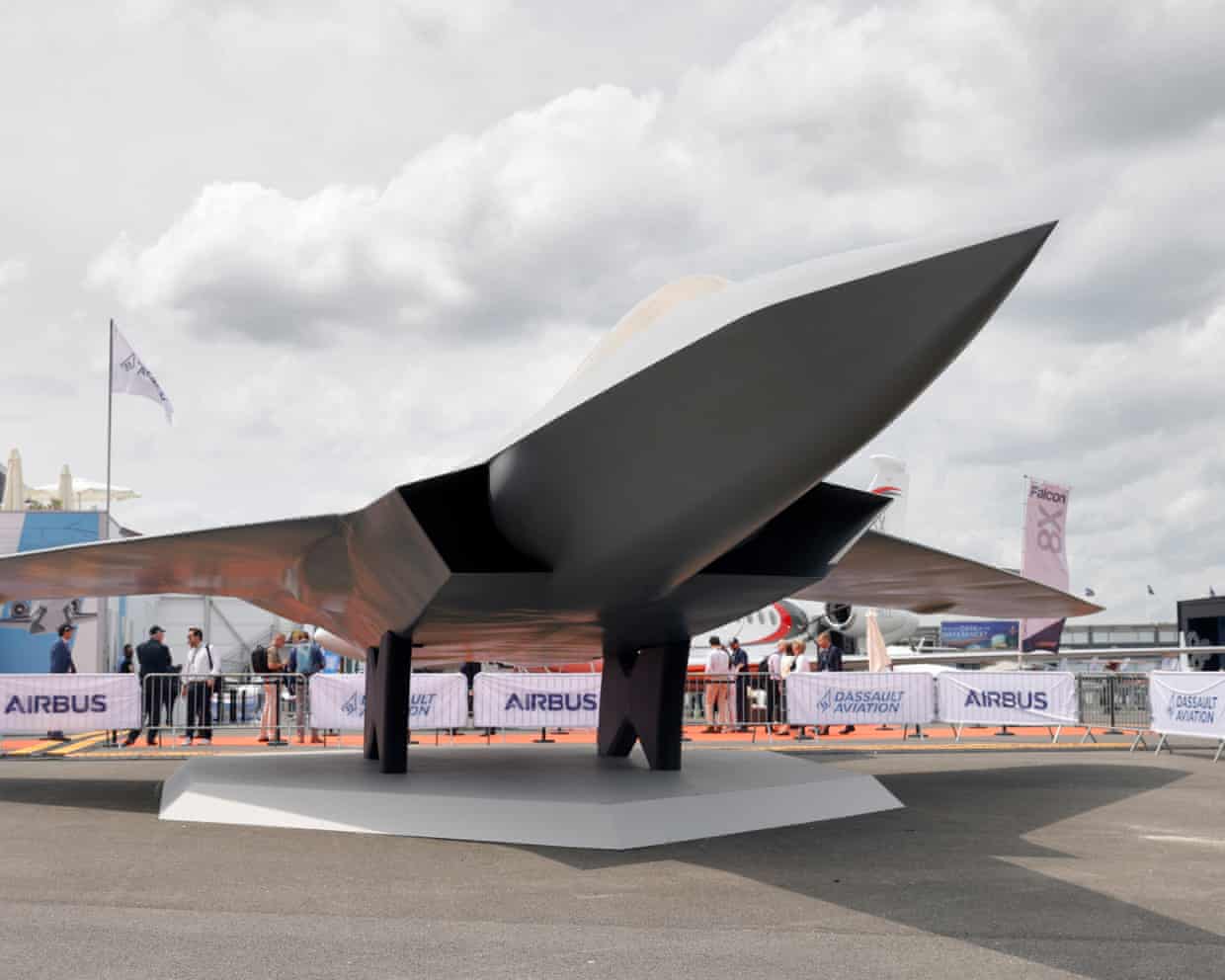
France and Germany’s next-generation fighter jet project could soon be “dead”, one of the two companies tasked with delivering it has warned, amid a worsening corporate rift over who gets to build the aircraft,Dassault Aviation, France’s leading warplane maker, said Airbus’s defence arm – which represents Germany and Spain – needed to cooperate on the €100bn programme otherwise it would collapse,“Airbus doesn’t want to work with Dassault, full stop,I take note,I never said I didn’t want to work with Airbus or with the Germans,” said Éric Trappier, Dassault’s chief executive, via an interpreter while presenting the company’s financial results on Wednesday.
“If Airbus maintains its position of not wanting to work with Dassault, the matter is dead,” he added.The two companies have been locked in a dispute over how to share the work on the jet component of the Future Combat Air System (FCAS), with Dassault claiming it should take the lead and that Airbus should take a backseat.The wide-ranging project, which will also include autonomous drones and a futuristic “combat communications cloud”, was announced nearly nine years ago but has since come to represent Europe’s inability to cooperate effectively on defence as the region seeks to rearm.Trappier said: “Dassault was the selected leader … I understand that Airbus doesn’t like that decision but we are making sure that we comply with the contract.”He also disputed the assertion by the German chancellor, Friedrich Merz, that the planned warplane did not suit Germany’s needs.
The German military did not need a nuclear-capable fighter, while France did, Merz said last month, insisting it was “not a political dispute” but a technical one between the two countries.Trappier said: “I’ve heard what the chancellor said.I know that he’s now talking about having two planes instead of one.And that could be explained by the fact that there are different operational needs [between the two countries].“My highest authorities here in France say we have similar operational needs and that there is agreement at an operational level.
”Last month, Guillaume Faury, Airbus’s chief executive, also suggested splitting the scheme into two separate warplanes to keep the other components alive.France, Germany and Spain are expected to decide soon whether to move to the next stage of the programme, or drop the jet and move forward with the other elements.There have also been suggestions Germany could leave the project in favour of Britain’s rival global combat aircraft programme (GCAP), also known as Tempest.The warplane, which is being developed with Italy and Japan, is due to take to the skies five years earlier than the FCAS, in 2035.Tufan Erginbilgiç, the boss of Rolls-Royce, which is building the engines for the British jet, told the Guardian he would “definitely be open” to Germany joining the scheme.
Maritime and port workers: how is the Middle East conflict affecting you?
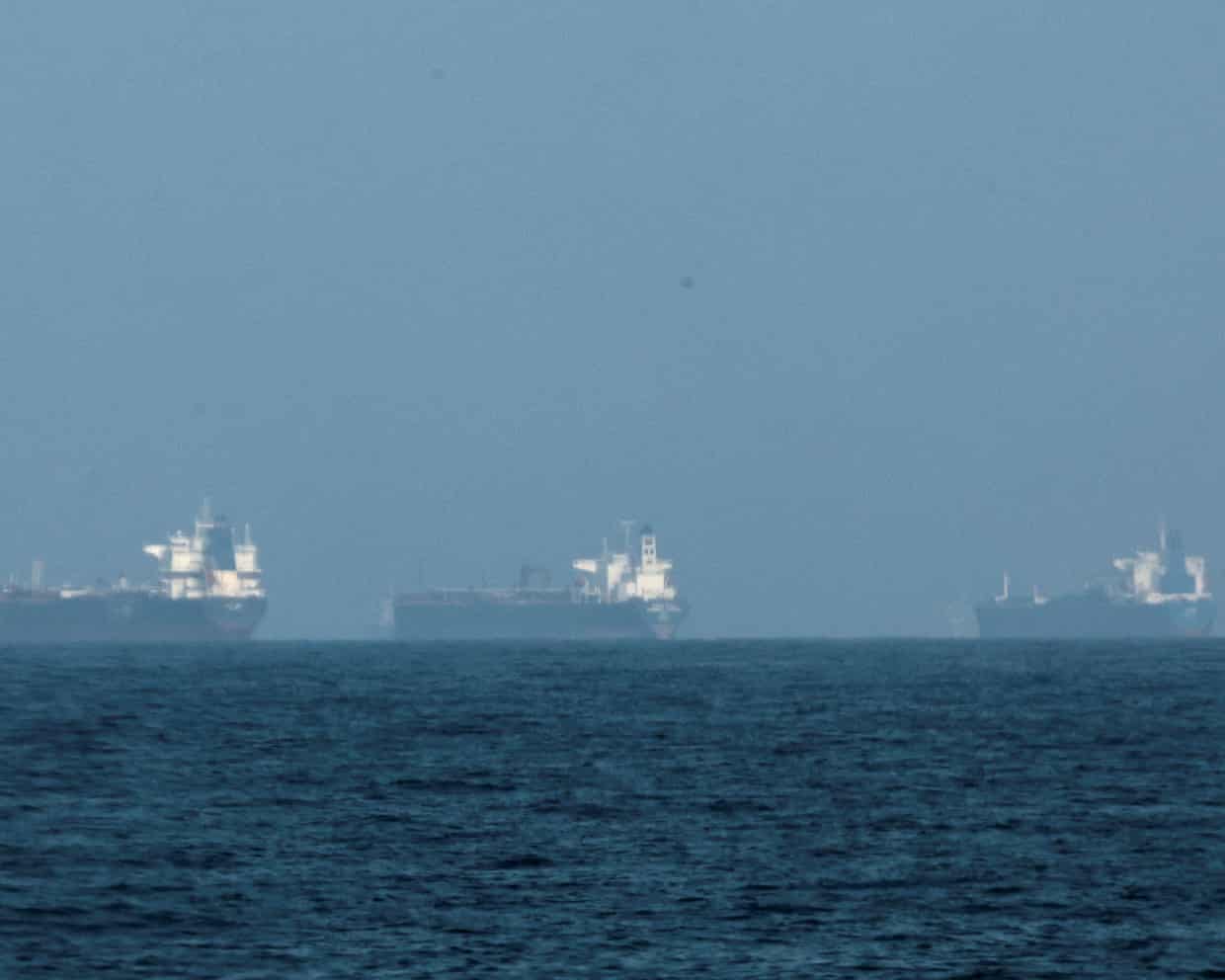
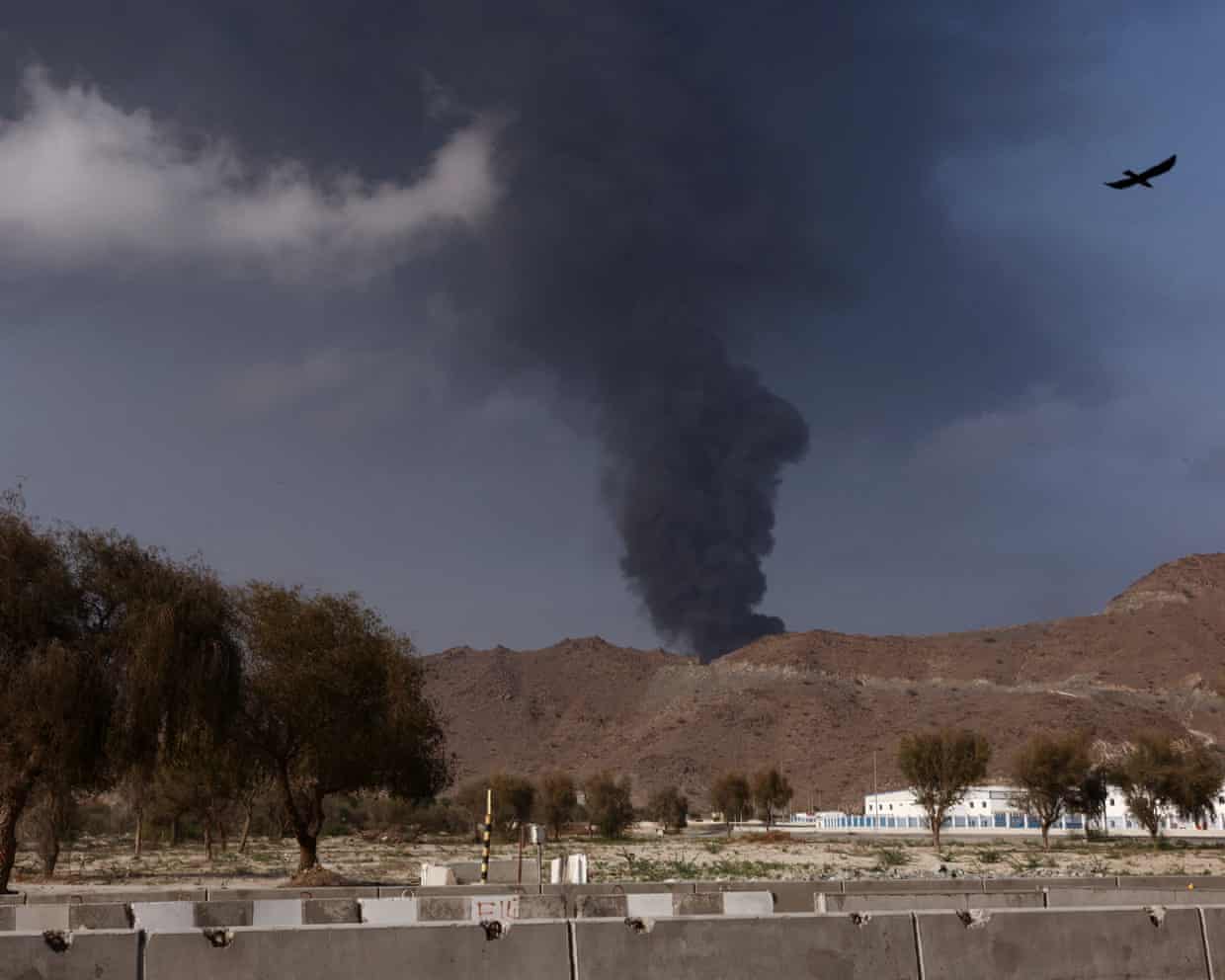
The conflict in the Middle East is disrupting shipping across the region, including in the Strait of Hormuz, one of the world’s busiest maritime routes.Maritime traffic through the strait, the narrow channel linking the Persian Gulf with the Gulf of Oman, has effectively been closed since strikes on Iran began. Some vessels have been diverted or delayed and ports and shipping companies are dealing with heightened security concerns and uncertainty.Meanwhile, at least six major cruise ships, each carrying thousands of tourists, are anchored in or close to harbours across the region, their passengers confined to the shipsWe would like to hear from maritime workers, port staff and shipping crews about how the situation is affecting your work.You can get in touch with us confidentially by using the form below or by messaging us
Labor says Australia won’t run out of fuel due to the Iran conflict. So how much do we have and how long will it last?
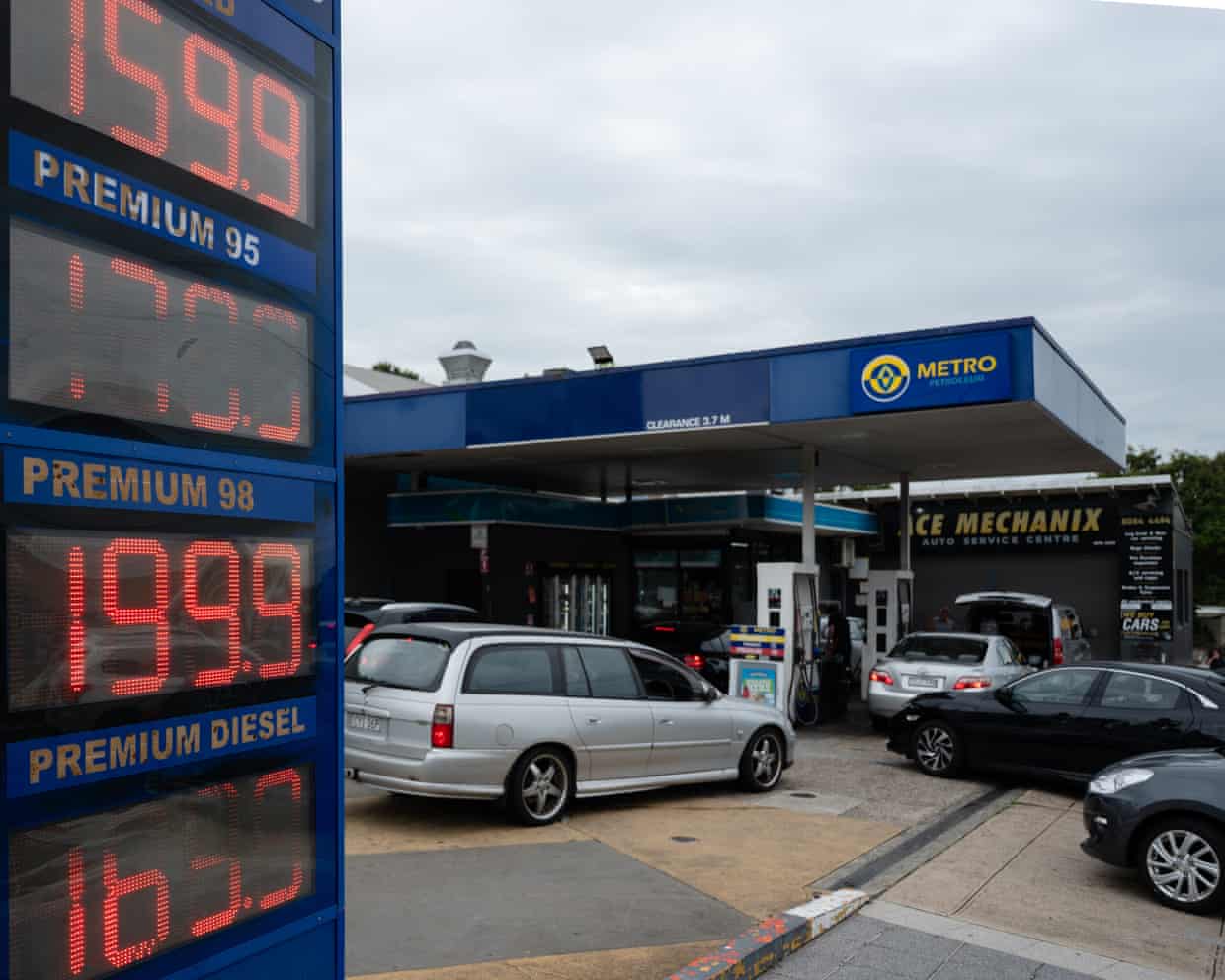
“There is no need to panic-buy petrol.”Those words from the treasurer, Jim Chalmers, on Wednesday were a bid to reassure Australians that the US-Israeli war on Iran did not mean our nation was about to run out of fuel.There has been some breathless reporting of Costco service stations running out of petrol, and long lines at other servos as motorists rush to fill up before the anticipated price rises.Three days after the start of missile strikes on one of the world’s biggest oil producers, Chris Bowen, the energy minister, on Tuesday suggested that the only thing to fear was fear itself.“There are real challenges, but there is no need for panic-buying; that will just make the situation worse,” Bowen said, in advice reminiscent of the Covid toilet paper shortages
UK oil firm fined £13m for repeatedly publishing inaccurate financial results
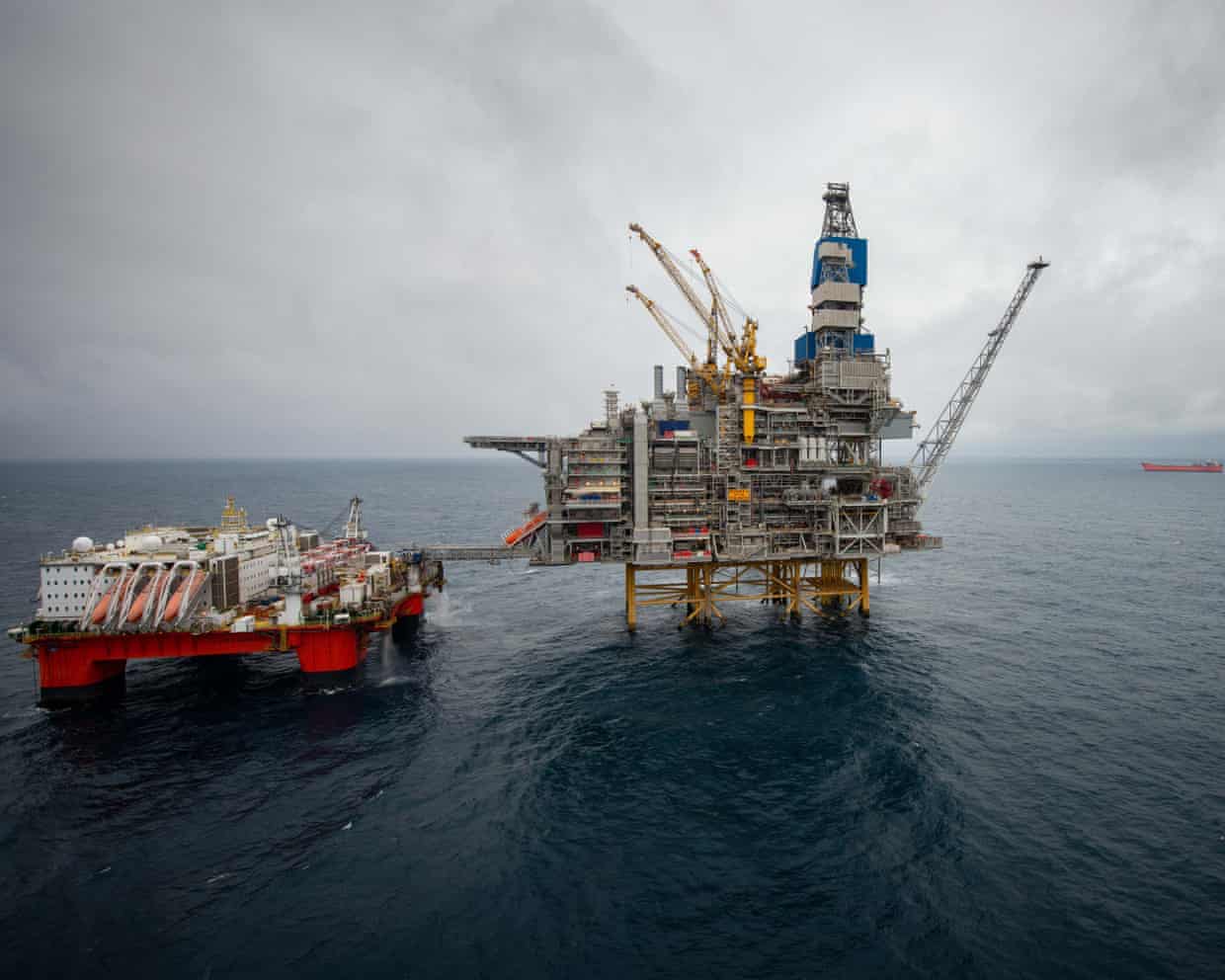
John Wood Group has been fined nearly £13m for repeatedly publishing inaccurate financial results.The FTSE-listed oil and has engineering company, which is soon to be bought by a Dubai-based rival, has previously admitted that “cultural failings” led to information being kept from auditors.On Wednesday, the Financial Conduct Authority handed Wood Group a £12.9m fine for inaccurate reporting between January 2023 and November 2024. The watchdog began an investigation into the firm in June last year

Workers at top 20 US low-wage firms rely on public assistance, report says
Many workers at some of the largest US corporations have no choice but to rely on healthcare and food assistance because of low wages, even as CEO compensation continues to grow, according to a new report released Wednesday.The report, published by the Institute of Policy Studies, focuses on 20 of the S&P 500 corporations that have primarily US-based workforces and report the lowest median wages of the group.Collectively, this “Low-Wage 20” employs 6.7 million people in the US. The median pay at a majority (75%) of the companies is lower than the income minimum for a family of three to be eligible for Medicaid in most states

UK supermarket chain Iceland drops trademark dispute with Iceland
The UK supermarket chain Iceland has abandoned its decade-long trademark battle with Iceland and instead promised a “rapprochement discount” for shoppers in the country.After the budget grocery chain suffered its third legal loss last year, its executive chair, Richard Walker, said on Wednesday that it would draw a line under the dispute.Lord Walker told the Financial Times he would take “the couple of hundred grand we would have spent in legal fees in the fourth and final round in the EU court and reapply that to a rapprochement discount to the good Icelandic people. It’s something I’m going to do.”The discount is expected to take the form of shopping vouchers that Icelandic people can use at the frozen food retailer
UK borrowing costs jump again on fears Iran conflict will curb growth
UK borrowing costs jumped for a second day on Tuesday as the potentially damaging effects of the Iran conflict spooked investors concerned that growth will stall across the major industrial economies.Investors fear inflation will rise, driven by rising oil and gas prices, hitting businesses and households just as they are recovering from a long period of elevated inflation.Analysts said higher energy costs were likely to lead to price rises, forcing central banks to delay expected cuts in interest rates until later this year.Brent crude passed $83 a barrel on Tuesday, up from about $60 in December.The government had hoped that last month’s decline in inflation to 3% and a faster fall in Whitehall’s annual spending deficit would further push down the interest on UK debt

European stock markets rally after report of ‘secret outreach’ by Iran to try to end war

Small investors turn on James Watt after BrewDog co-founder admits ‘many mistakes’

X to ban users from earning revenue if they post unlabelled AI-generated war videos

Nvidia and UK Wealth Fund invest in British autonomous driving startup Oxa
Luke Donald to remain Europe’s Ryder Cup captain and go for historic three-peat

The Spin | Going for gold? Why China’s female cricketers may benefit from Olympic aim