What Australian sport can learn from queer ice hockey hit Heated Rivalry

Heated Rivalry, the viral queer ice hockey romcom that hit our screens in November, might be doing more than just capturing hearts and winning over hockey fans.With increased attendance at NHL games in North America and interest in the sport in Australia spiking, the power of inclusive and diverse storytelling in a sport setting is showing the industry a new playbook.Based on a book series by the Nova Scotian romance author Rachel Reid, the rivals-to-lovers tale of two fictional ice hockey players – Canada’s Shane Hollander and Russia’s Ilya Rozanov – explores queer love and acceptance in men’s professional sport.Written by an ice hockey fan uncomfortable with the hypermasculine attitude that often pervades the sport, Heated Rivalry has not only become one of the most talked about television events of the year, but demonstrates popular culture’s power to drive change.Men’s professional sport is often dominated by a culture of hypermasculinity and homophobia is rife, with very few male athletes choosing to come out, even in retirement.
In Australia, the NBL’s Isaac Humphries and the A-League footballer Josh Cavallo have led the way in being active and out athletes.However, as shown by Cavallo’s accusations of homophobia after his departure from Adelaide United, there is a long way to go to demonstrate genuine acceptance for queer people in sport.That’s where Heated Rivalry is doing something different.While it’s a romcom, it depicts a sporting environment where queer stories shine.“Too often LGBTIQA+ athletes are hidden, silenced, or openly vilified,” says Dr Ryan Storr, a diversity and inclusion expert and founder of The Diversity Storr.
Storr highlights the importance of exploring diverse stories in sport and the power these narratives have to highlight the issues queer athletes face,“The show did really did a great job in showcasing the love story, but also the athletes’ private lives and the things closeted athletes have to go through on a day-to-day basis,It is exhausting, stressful – and we know through research that it leads to poor mental health outcomes,”Storr says Australian sport can take lessons from a show like Heated Rivalry, such as to be more inclusive,“The Australian sport sector has made a great start, with increased activity in this space in the past couple of years – from pride rounds and activations, to the development of participation programs for LGBTIQA+ people, and inclusive policies around trans and gender diverse athletes,” Storr says.
“But I think some sports still view this type of diversity and the various communities as too difficult, and that there is no market for LGBTIQA+ players and fans.“[Heated Rivalry] shows there is absolutely a market and strong business case to adopt LGBTIQA+ inclusive practices and cultures, which will not only benefit LGBTIQA+ communities, but the wider fandom and sport community too.”Sports romance is part of a broader trend, with shows such as Drive to Survive and Taylor Swift’s attendance at NFL games providing a pop culture-led entry point to sport.The question is: are sports ready and willing to change to accommodate more diversity and inclusion?Heated Rivalry is a Canadian show, depicting a popular North American sport, so it is hard to imagine a culture so far removed from Australia driving impact here.“Hockey culture in Canada is fraught with problems, and recently we’ve learned about how it’s systemic.
So, I don’t necessarily think that is something to try and replicate,” says Dr Kyle Rich, an associate professor of sport management at Brock University in Canada.“Hockey has a really strong image and association here – our five-dollar bill has an image of kids playing hockey on a frozen pond.But with this imagery comes a lot of baggage.Hockey is plagued with a culture of toxic masculinity and misogyny.”While a niche sport in Australia, ice hockey enjoys a strong community.
There are established queer clubs in Melbourne working to make hockey more inclusive and challenge some of the sport’s cultural problems,“We’re seeing a lot of interest coming in from people interested in Heated Rivalry and this really demonstrates one thing to me: our queer community really wants to play sport, but often doesn’t see themselves in it,” says Kade Matthews, founder of Southern Lights Ice Hockey in Melbourne,“Heated Rivalry gives people the courage to get in contact with us because they’ve finally seen a version of sport – that conveniently is ice hockey in our case – that includes them,It’s friendship and acceptance over results, it’s feeling you have a space over fighting for a spot in a squad,We’re all humans first, athletes second.
”The sports romance audience overlaps heavily with the self-professed category of 20% of Australians being “sports haters”, which includes young women.This same market segment comprises some of the most frequent and most engaged social media users, which at least in part explains the fan-led response and popularity explosion for a show made in Canada with a modest budget, unknown actors and minimal marketing.Australian sporting organisations can take some lessons in how to leverage such interest.For example, the Canadian ice hockey team’s social media manager met the moment and embraced the crossover opportunity by engaging with fans’ desire to source the fleece Hollander wore at the show’s fictionalisation of the 2014 Winter Olympics.In joining the conversation and pitching to have the fleece merchandise manufactured in real life for the upcoming Milano Cortina Winter Games, the social media manager brought in new fans and amplified Team Canada’s profile.
Heated Rivalry shows there is an enormous under-serviced market hungry for diverse, quality content and that the sporting clubs and organisations already doing the work need more support.“The heavy lifting is currently being done by volunteers at clubs like Southern Lights, always with our own resources, from our own people.It’s time for these organisations to get on board, listen to the clubs already doing the work, and proactively support them,” Matthews says.

Circumcision kits found on sale on Amazon UK as concerns grow over harm to baby boys
Circumcision kits have been found on sale on Amazon UK, highlighting lax regulation as concerns grow about deaths and serious harm to baby boys.In December, a UK coroner issued warnings about insufficient circumcision regulation after the death in 2023 of a six-month-old boy, Mohamed Abdisamad, from a streptococcus infection.In a prevention of future deaths report, Dr Anton van Dellen, assistant coroner for west London, highlighted how “any individual may conduct a non-therapeutic male circumcision (NTMC) without any prior training”, with “no requirement for any infection control measures [and] no requirements for any aftercare”, adding that “action should be taken to prevent future deaths”.The Department of Health and Social Care has until the end of February to respond.The Guardian found “Plastibell” kits, in various sizes, on sale for £200 on Amazon in January

One in four UK teenagers in care have attempted to end their lives, study says
One in four teenagers in care have attempted to end their own life, and are four times more likely to do so than their peers with no care experience, according to a landmark study.The research analysed data from the millennium cohort study, which follows the lives of 19,000 people born in the UK between 2000 and 2002, and considered how out of home care, including foster, residential and kinship care, affected the social and mental health outcomes of the participants.More than one in four (26%) 17-year-olds who have lived in foster or residential care have attempted to end their own lives, the analysis found, compared with only one in 14 (7%) of teenagers with no experience of being in care.Although previous research has found that about 7% of UK children have attempted suicide by the age of 17, this study, conducted by academics from the UCL Centre for Longitudinal Studies and funded by the Nuffield Foundation, is the first to calculate the elevated suicide risk teenagers with care experience have.Lisa Harker, the director of the Nuffield Family Justice Observatory, said the fact that one in four care-experienced children had attempted suicide was a “national emergency”

Five minutes more exercise and 30 minutes less sitting could help millions live longer
Just five extra minutes of exercise and half an hour less sitting time each day could help millions of people live longer, according to research highlighting the potentially huge population benefits of making even tiny lifestyle changes.Until now, evidence about reducing the number of premature deaths assumed that everyone must meet specific targets, overlooking the positives of even minor increases in physical activity.Moderate-intensity physical activity such as brisk walking for an extra five minutes a day was associated with an estimated 10% reduction in deaths, the study of 135,000 people from the UK, US, Norway and Sweden found.Researchers led by the Norwegian School of Sport Sciences also found reducing sedentary time by 30 minutes a day was associated with an estimated 7% reduction in all deaths.The greatest benefit was seen if the least active 20% of the population increased their activity by five minutes each day

NHS spending up to £19k a time treating people suffering after overseas surgery, research finds
The NHS is spending up to almost £20,000 a time treating people who have suffered serious setbacks after having medical procedures abroad, research has found.Hospitals are having to “pick up the pieces” when things go wrong for the growing number of Britons going overseas for weight loss surgery, breast enlargements or other operations.As many as 53% of those who do end up with complications such as infections, organ failure and wounds that do not heal, according to a study published in the journal BMJ Open.Some people need a stay in intensive care, further surgery and large amounts of antibiotics in order to recover from botched treatment they have paid for in another country, researchers found.Patients have ended up in a UK hospital for as long as 45 days as a result of complications that arose after an operation to lose weight and even longer – 49 days – after cosmetic surgery

LGB+ people in England and Wales ‘much’ more likely to die by suicide than straight people
LGB+ people are much more likely to die by taking their own lives, drug overdoses and alcohol-related disease than their straight counterparts, the first official figures of their kind show.The 2021 census in England and Wales asked people aged 16 and above about their sexual orientation for the first time. The Office for National Statistics (ONS) has now analysed differences in causes of mortality from March 2021 to November 2024. The ONS research uses the acronym LGB+ rather than LGBTQ+.It found that people who identified as gay, lesbian, bisexual or “other” sexual orientation had 1

Football fan took his own life after using illegal ‘predatory’ betting sites, inquest told
A football fan took his own life after his love of the sport fuelled a gambling addiction that led him to bet with illegal offshore operators that “prey on” vulnerable people, a coroner has heard.Ollie Long, from Wendover in Buckinghamshire, died in February 2024, aged 36, after struggling with his addiction for eight years.In statements read by Long’s sister, Chloe, East Sussex coroner’s court in Lewes heard the “endlessly kind” Liverpool FC fan had started gambling through his passion for football and won £15,000 through a sign-up offer.She said the gambling websites he went on to use were “highly addictive, predatory systems designed to exploit”.The court heard the sites included illegal offshore operators that target UK consumers who have signed up with the the country’s self-exclusion scheme, GamStop, promoting themselves online as “Not on GamStop”
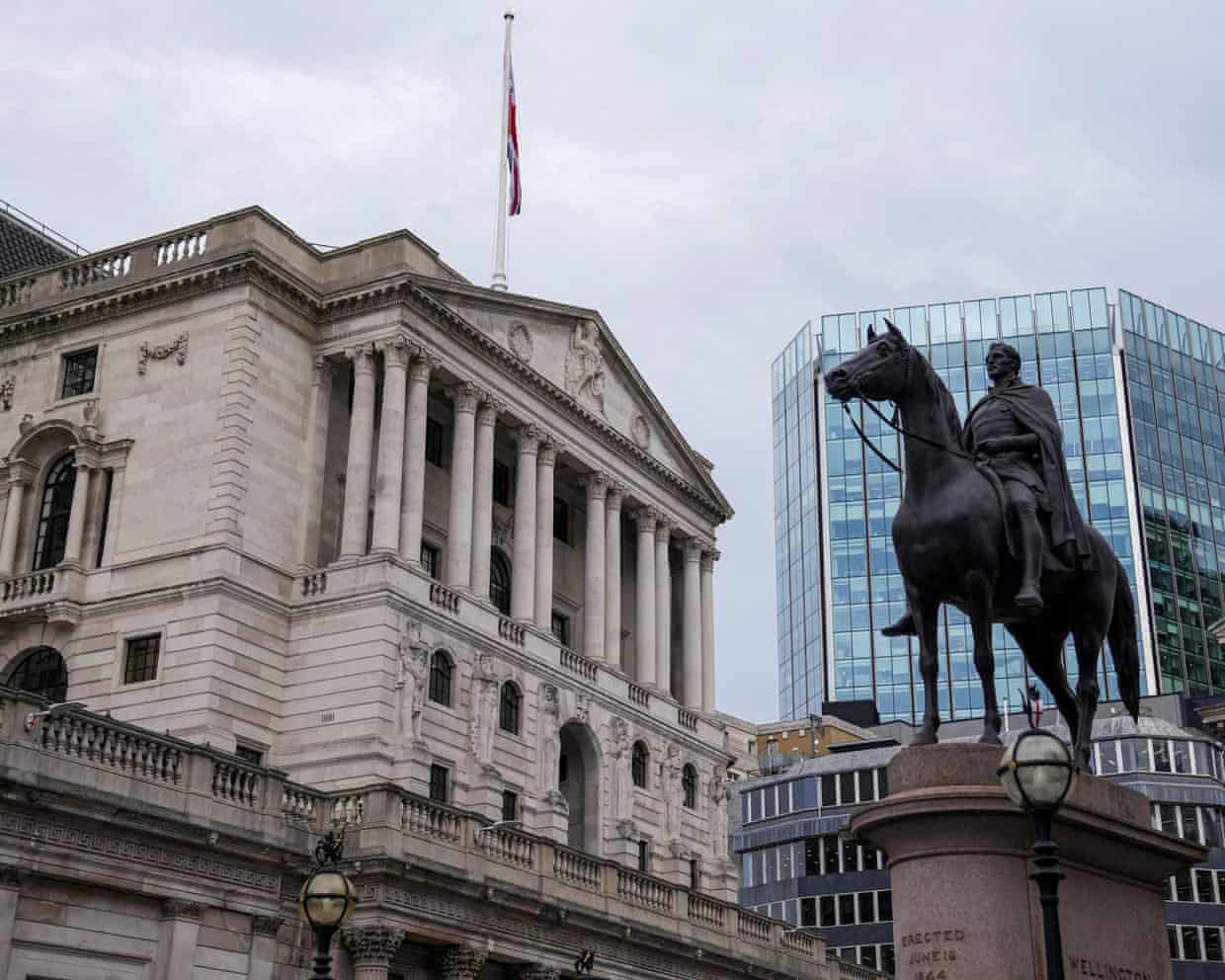
Falling inflation this year should smooth way for more interest rate cuts, says Bank of England policymaker - as it happened
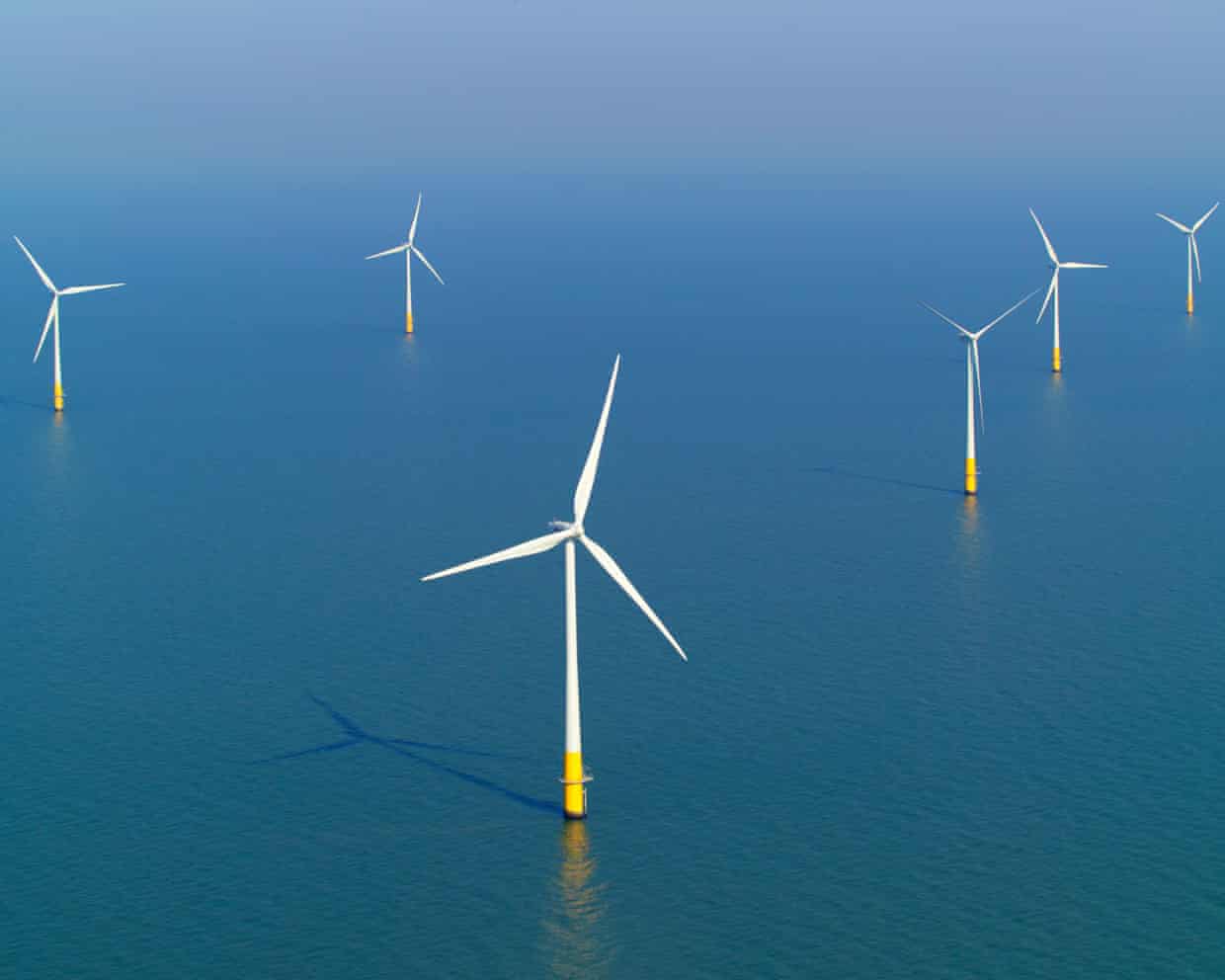
Will Great Britain’s offshore wind subsidy auction mean lower energy bills?
Saks Global files for bankruptcy after takeover leads to financial collapse

BP to take hit of up to $5bn on green energy as it refocuses on fossil fuels

McKinsey asks graduates to use AI chatbot in recruitment process
Coca-Cola reportedly abandons plans to sell Costa Coffee chain