NHS spending up to £19k a time treating people suffering after overseas surgery, research finds

The NHS is spending up to almost £20,000 a time treating people who have suffered serious setbacks after having medical procedures abroad, research has found.Hospitals are having to “pick up the pieces” when things go wrong for the growing number of Britons going overseas for weight loss surgery, breast enlargements or other operations.As many as 53% of those who do end up with complications such as infections, organ failure and wounds that do not heal, according to a study published in the journal BMJ Open.Some people need a stay in intensive care, further surgery and large amounts of antibiotics in order to recover from botched treatment they have paid for in another country, researchers found.Patients have ended up in a UK hospital for as long as 45 days as a result of complications that arose after an operation to lose weight and even longer – 49 days – after cosmetic surgery.
It costs NHS hospitals between £1,058 and £19,549 to treat such cases, according to a review of evidence undertaken by Welsh researchers led by Dr Clare England of Health Technology Wales.Prof Vivien Lees, the vice-president of the Royal College of Surgeons of England, said: “Too often people are drawn in by cut-price deals and glossy online marketing, only to return with serious, sometimes life-changing complications.“When things go wrong, the NHS is left to pick up the pieces, often in emergencies and without full information about what surgery was done or by whom.That puts patients at risk and adds avoidable pressure to already stretched services.”Dr England and colleagues analysed 37 previously published studies on 655 patients the NHS treated during 2011-2024 for post-operative complications related to surgery abroad.
Most had had either a weight loss (385) or cosmetic (265) operation.The total number of Britons who pay for medical treatment abroad is unknown but at least 348,000 were thought to have done so in 2022, the paper says.Women make up 90% of health tourists and the average age overall is 38, but they have ranged in age from just 14 to 69.Turkey is by far the most common destination, accounting for 61% of all such trips.People also travel to have a tummy tuck, hip or knee replacement, eye surgery and dental treatment.
Cheap air fares, online advertising by medical providers abroad and difficulties obtaining NHS help have driven a surge in medical tourism over the last 20 years, the researchers say,“Treatment of complications due to onward medical tourism can be costly and made more complicated because full information about the initial surgery may be unavailable”, the paper adds,Andrew Rankin, a trustee of the Joint Council of Cosmetic Practitioners, said the demand for aesthetic procedures “is largely social media driven in a way that creates inappropriate body image concerns, often supported by celebrities, upon which misleading advertising then capitalises”,A Department of Health and Social Care spokesperson said: “Too many people are being lured overseas for cheap cosmetic procedures, only to come home with life-changing complications that – as this report shows – end up costing the NHS thousands of pounds,”It launched a campaign last year in association with TikTok to warn would-be medical tourists to be aware of the risks involved as part of an attempt to improve the safety of cosmetic treatments as a whole.

UK government rolls back key part of digital ID plans
Ministers have rolled back plans for a central element of the proposed digital ID plans, leaving open the possibility that people will be able to use other forms of identification to prove their right to work.This will mean that the IDs, announced to some controversy in September, will no longer be mandatory for working-age people, given that the only planned obligatory element was to prove the right to work in the UK.While officials said this was not a U-turn, just a tweak before a detailed consultation on how the system will function, it will be viewed as the latest in a series of policy changes, including on business rates and inheritance tax for farmers.When Keir Starmer announced the proposal for digital IDs by 2029 they were billed as voluntary, with the exception that they would be mandatory for people to show they were legally allowed to work.This was portrayed by the prime minister as a main benefit of the plan
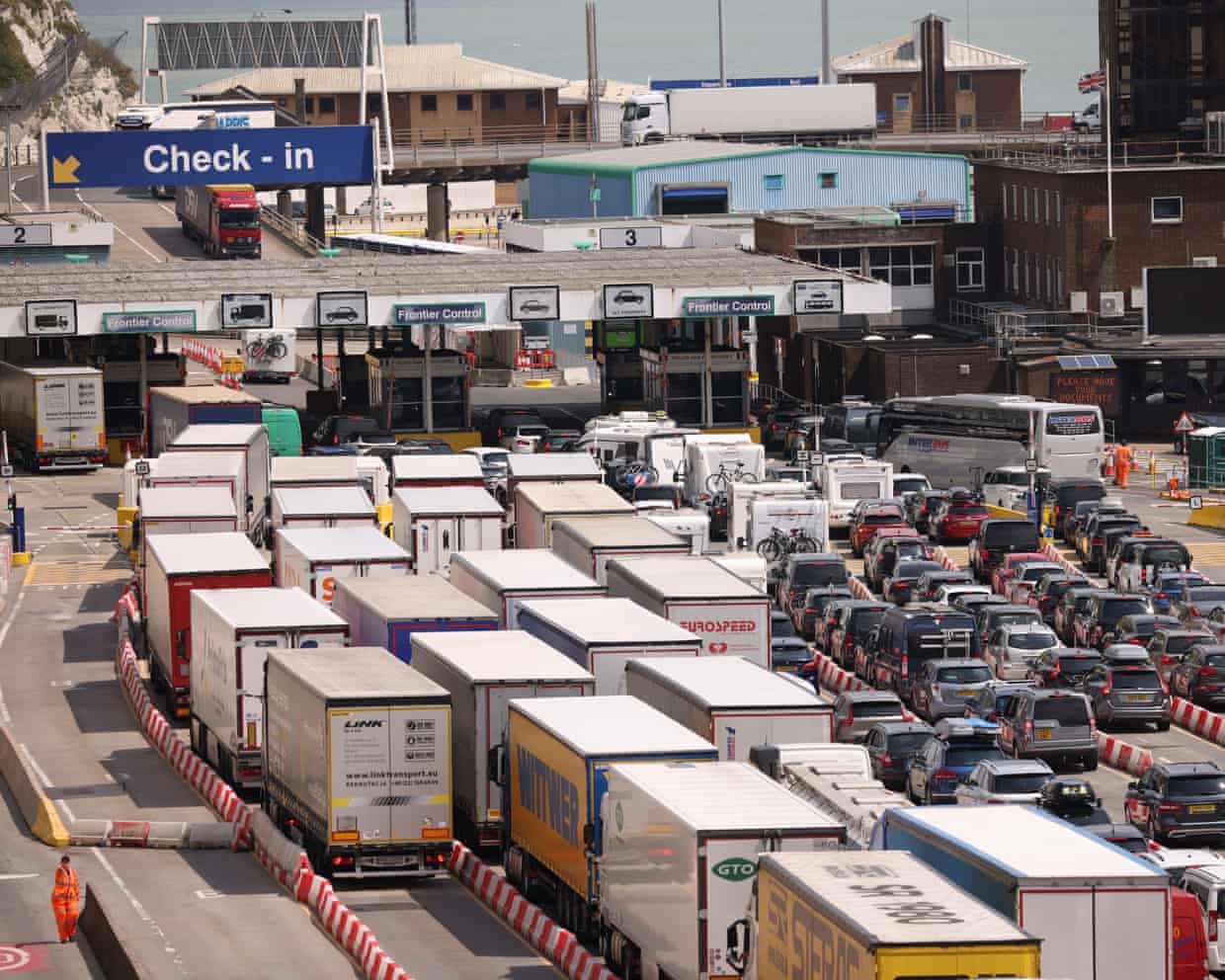
‘I’ve had vets chasing lorries down the motorway’: The ‘hell’ of post-Brexit paperwork
British vets have been forced to chase lorries down the motorway on their way to Dover due to the “pure hell” of Brexit paperwork needed by inspectors in Calais, MPs have been told.Toby Ovens of Broughton Transport told the business and trade committee that Brexit has been a costly and logistic nightmare, and hopes of a reset with the EU represented “light at the end of the tunnel”.Brandishing a wad of paperwork with 26 stamps compared with one sheet needed before Brexit, Ovens criticised the post-Brexit bureaucracy he faced when shipping lamb and beef to the continent.“I’ve had vets chasing lorries down the M4 because they have suddenly realised they didn’t put the stamp in the right place on a piece of paper.”His worst experience was a truck full of frozen meat held in Calais for 27 days due to a “paperwork error”
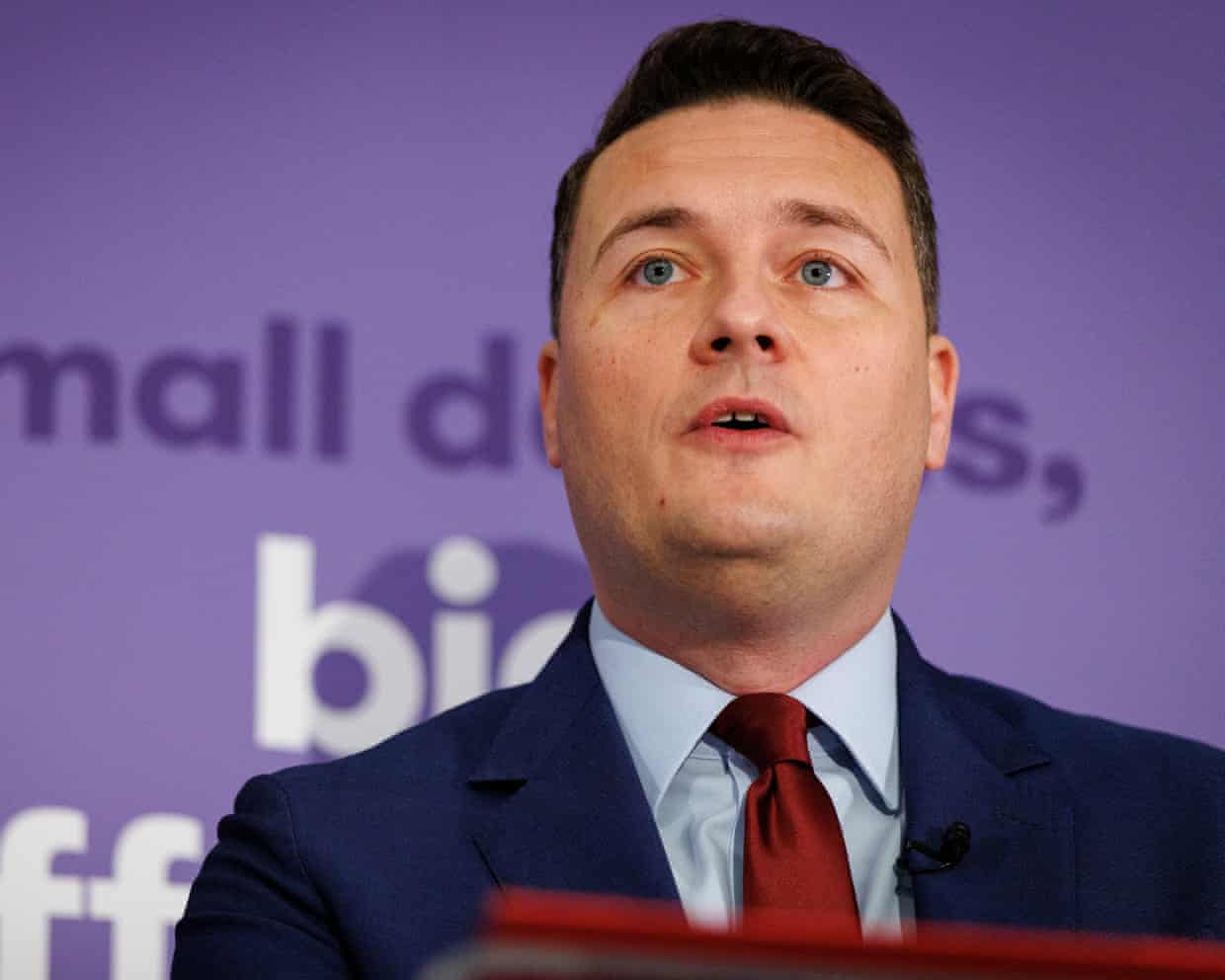
Wes Streeting attacks centre-left for ‘excuses culture’ of blaming civil service
Wes Streeting has criticised the centre-left for an “excuses culture” that blames the UK’s slow pace of change on Whitehall officials and interest groups.As No 10 prepares to make a fresh attempt at civil service reform, the health secretary said politicians were not “simply at the mercy of forces outside of our control”.“Where there aren’t levers, we build them. Where there are barriers, we bulldoze them. Where there is poor performance, we challenge it,” he told the Institute for Government conference
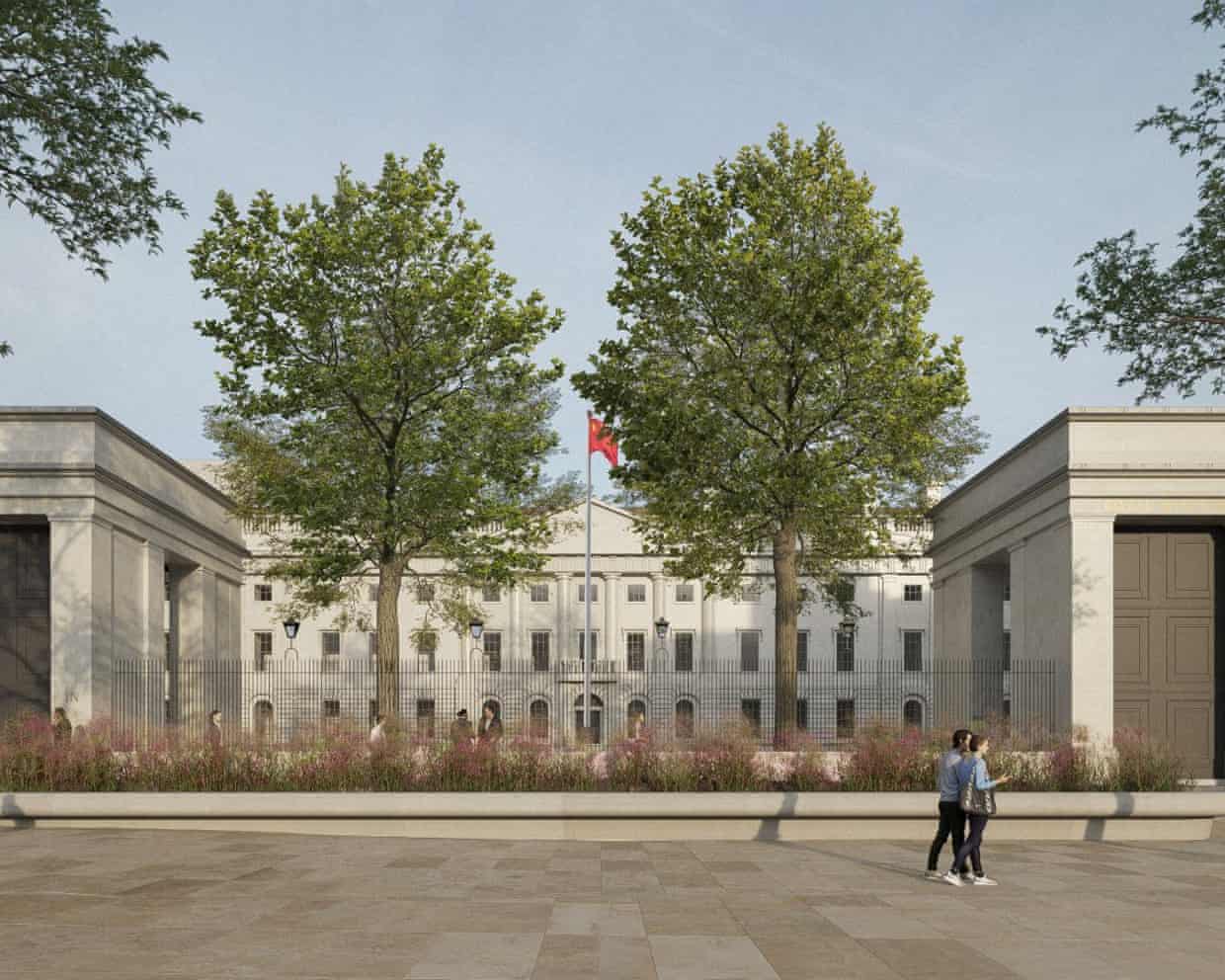
China’s London super-embassy almost certain to get go-ahead next week
A vast new Chinese embassy complex in east London is almost certain to be formally approved next week despite renewed worries among Labour MPs about potential security risks and the effect on Hong Kong and Uyghur exiles in the capital.The green light for the super-embassy at Royal Mint Court near Tower Bridge would smooth relations before Keir Starmer’s visit to China, which is expected to take place at the end of January, but officials insist there has been no political input in the planning process.It would be a controversial move, with a series of Labour MPs expressing concern in the Commons on Tuesday over the plans for the complex, which spans 20,000 sq metres.Answering an urgent question from the shadow Home Office minister, Alicia Kearns, the planning minister, Matthew Pennycook, whose department is responsible for the process, said he could not comment on what was a “quasi-judicial” process.Kearns secured the question after a report in the Daily Telegraph that unredacted plans for the embassy showed a network of more than 200 subterranean rooms, one of them alongside communication cables taking information to the City of London
UK politics: Tories call for block on Chinese super-embassy amid claims of hidden chamber near sensitive cables – as it happened
Responding to Pennycook, Alicia Kearns, a shadow Home Office minister, said she was disappointed by the fact that she just got a “technocratic history lesson” from the minister.She went on:208 secret rooms and a hidden chamber just one metre from cable serving City of London and the British people. That is what the unredacted plans tell us that the Chinese Communist Party has planned for its new embassy if the government gives them the go ahead. Indeed, we now know they plan to demolish the wall between the cables and their embassy cables, in which our economy is dependent.Kearns said this would mean the Chinese could have access to “cables carrying millions of British people’s emails and financial data”, and she said this meant they would have “a launchpad for economic warfare against our nation”
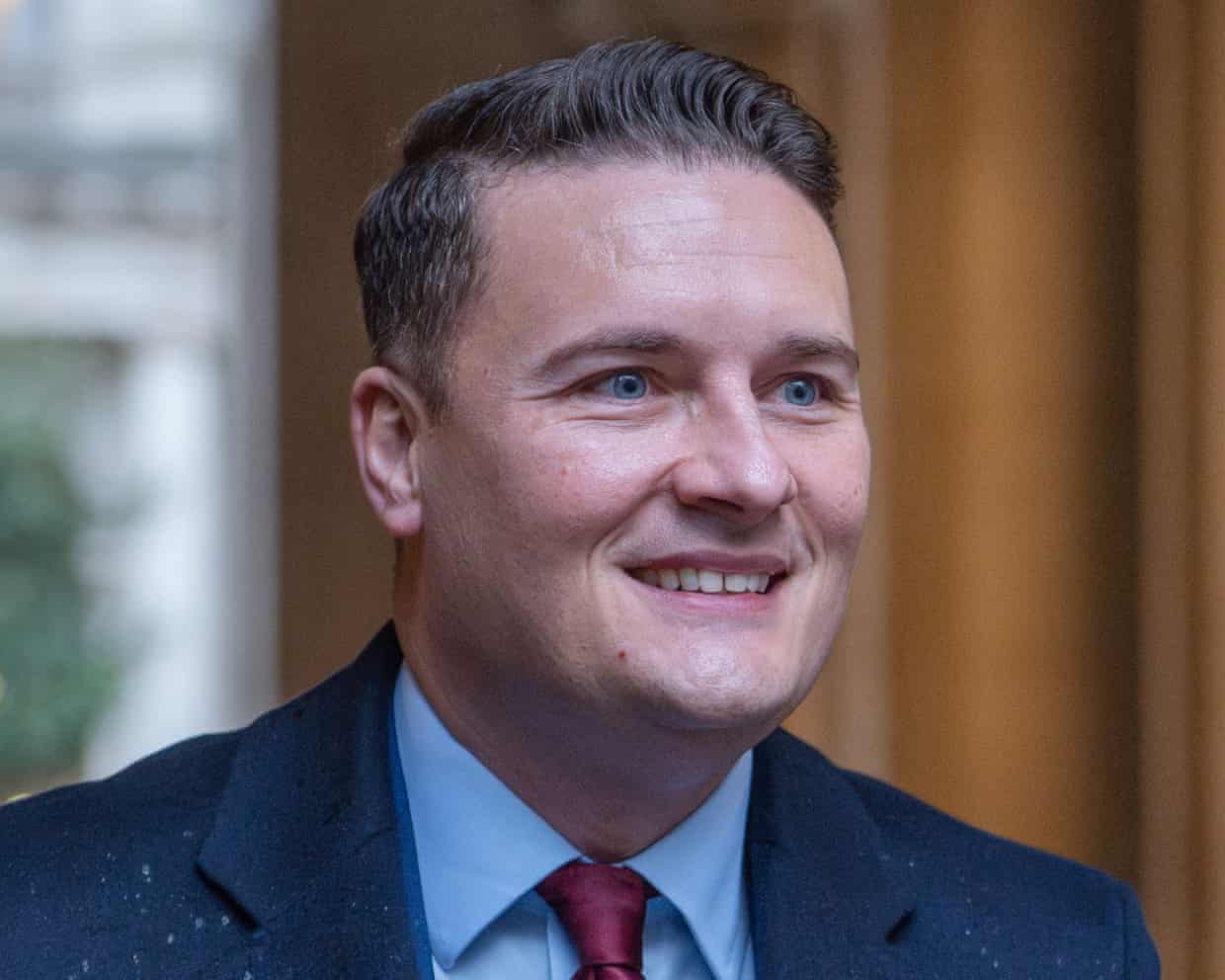
Wes breaks cover to challenge Keir – without even mentioning him | John Crace
There must be a happy medium somewhere. Some ministers you can’t get to shut up, others refuse to say a word. On balance, Keir Starmer probably prefers it when they say next to nothing. On the grounds there is probably less that can go wrong. He likes it best when he is the one doing the talking as he is more in control of the message

Labour still faces risks on energy despite ‘record’ wind power auction | Nils Pratley

Trump hits back at JP Morgan CEO’s defence of Federal Reserve

My work went from air-conditioned offices to delivering food on a bike. The culture shock is significant | David Rayfield
Young people, parents and teachers: share your views about Grok AI

England seek new head coach for Rugby League World Cup after Shaun Wane leaves

What Australian sport can learn from queer ice hockey hit Heated Rivalry