Bielle-Biarrey and France power past Italy to keep Six Nations grand slam hopes alive

France pulled clear at the top of the Six Nations table and kept their grand slam ambitions on track with a hard-fought victory against Italy on Sunday,The Azzurri had unfinished business in Lille,It was two years ago in the northern city that Les Bleus, still in the midst of a post-World Cup hangover, miraculously escaped with a draw after being outplayed by the visitors,For the French, that quasi-defeat prompted a complete rejuvenation of the team which yielded immediate results,France were now an entirely different beast, as they showed their cross-Alpine neighbours in the Rome drubbing last year.
Italy, however, were also riding high after two impressive opening displays in the tournament this year.Les Bleus initially looked to be putting together another first-half frenzy of tries.It was the inevitable Louis Bielle-Biarrey who went over first, latching on to Antoine Dupont’s kick through to score for a record-breaking eighth consecutive Six Nations fixture.France’s second came after an intricate 50-22 found by Thomas Ramos, who was deputising at fly-half for the injured Matthieu Jalibert.Emmanuel Meafou eventually powered over after a few phases for his first try for his country.
The inclusion of Meafou and Thibaud Flament, both starting for the first time in this year’s tournament, effectively neutralised the Italian power that had caused issues for Ireland last week.Gonzalo Quesada’s men did not go under though and responded with several forays into the French 22.Poor handling and a lightning-quick France defence would invariably stop them in their tracks.The storm of Azzurri attacks was eventually brought to a end when Dupont snatched the ball away from an airborne Tommaso Menoncello.In the ensuing counter Émilien Gailleton, picking up Bielle-Biarrey’s scuffed kick, tore through the Italian defence before finding Ramos for a finish in the corner.
This time Italy did come up with a response.Ramos, desperately covering back after Menoncello’s kick upfield, could only flick the ball to his full-back stand-in.Théo Attissogbe, who opted to run from his try line, was soon swarmed by the Italian chasers.Ange Capuozzo would finally turn Italy’s territorial domination into points by pouncing on to a ball which was trickling over the line.Paolo Garbisi’s converted penalty minutes later gave further credence to the idea of an Italy comeback after the break, even if it was immediately followed by another spilled ball from a kick-off.
In any case, the Azzurri were showing that they were well worth the respect their hosts were showing them,The second half saw a reversal in the dynamics of the match, with France instead keeping Italy in their own 22 but squandering one chance after another to clinch the bonus point,Successive spills, from Attissogbe, then Fabien Brau-Boirie, then Bielle-Biarrey, meant the hosts were still not out of sight by the time the match entered its final ten minutes,It was only once Louis Lynagh was sent to the sin bin for a deliberate knock-on that space emerged for France to open their second-half account,The passage of play that immediately followed the Italy winger’s departure saw the Toulon wing Gaёl Dréan round off an impressive first cap with his first try, set up by a cross-field kick from Ramos.
The Toulouse man was again involved again for the fifth try just before full-time, finding Gailleton with a long pass.The Pau centre burst past one defender and finished while being tackled by another to extend France’s resounding lead.“I don’t care if I’m not scoring tries,” Dupont said on the eve of the match when asked about his drought on the international stage.“I enjoy myself in another role,” he added, one where scoring “is not really the aim”.On Sunday evening, the captain will have done (and tried) everything but go over the line himself, and was the standout performer in a decidedly inconsistent French display.
A second grand slam of the Fabien Galthié era is now within reach, but it may not be the formality it seemed.

The feast before the fast … my pre-Lent indulgent recipes
In terms of religious food festivals, this week is kind of a double whammy. First up was pancake day, which is always a whole-day affair in our kitchen, with both sweet and savoury stations, crepe pans and all the toppings (you can always rely on Felicity Cloake for a foolproof recipe). And, because of the way the calendars fall this year, we are also celebrating Orthodox Maslenitsa, or cheesefare, week at the same time.OK, so the sentiment is pretty much the same (it’s the week before the start of Lent, when people ease into their strict fasting period), but these two celebrations can often be weeks apart (blame the battle of the Gregorian and Julian calendars). For those of Orthodox faith, last week was all about eating meat, and this week is all about dairy
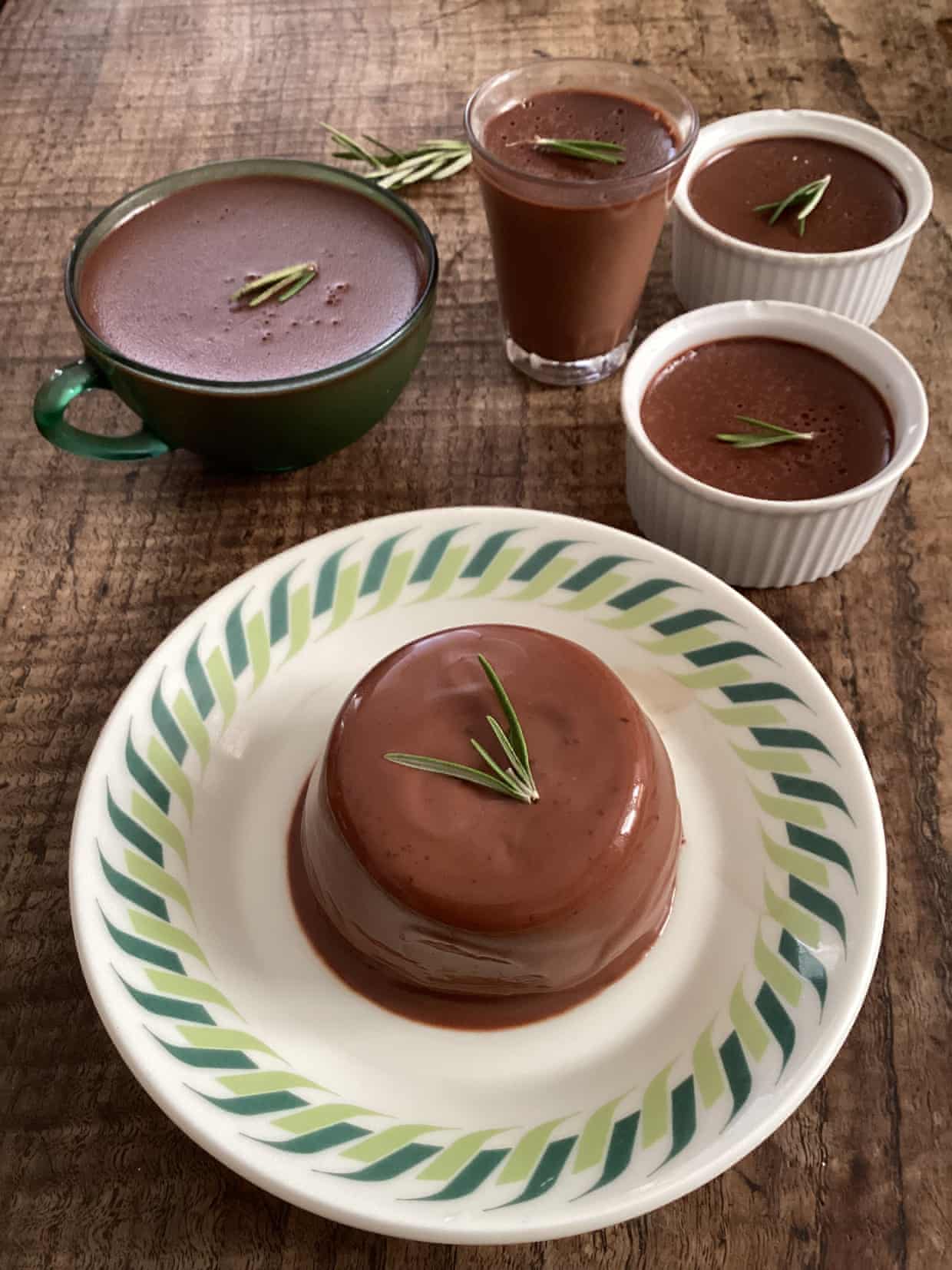
Rachel Roddy’s recipe for chocolate and rosemary panna cotta | A kitchen in Rome
The pungent and lingering aromas of familiar kitchen herbs – oregano, rosemary, sage, thyme, bay, lavender, mint – seem purposely made to donate their landmark volatiles to our everyday lives and food. In fact, their design is not for domestic calm and onion basket or fridge drawer neglect, but for uncultivated wilds. In particular the limestone terrain of the Mediterranean, where their defining smells are hardcore chemical defences, with every small, tough leaf or needle loaded with enough volatiles to deter both predators and competitors.Rosemary is particularly kick-arse in this respect, with those volatiles (mostly organic compounds called terpenoids) synthesised and stored in minuscule glands that project from the surface of each dark green needle, which breaks when brushed against or bitten, releasing an intense, hot, bitter shot. It’s the evergreen equivalent of carrying personal defence spray
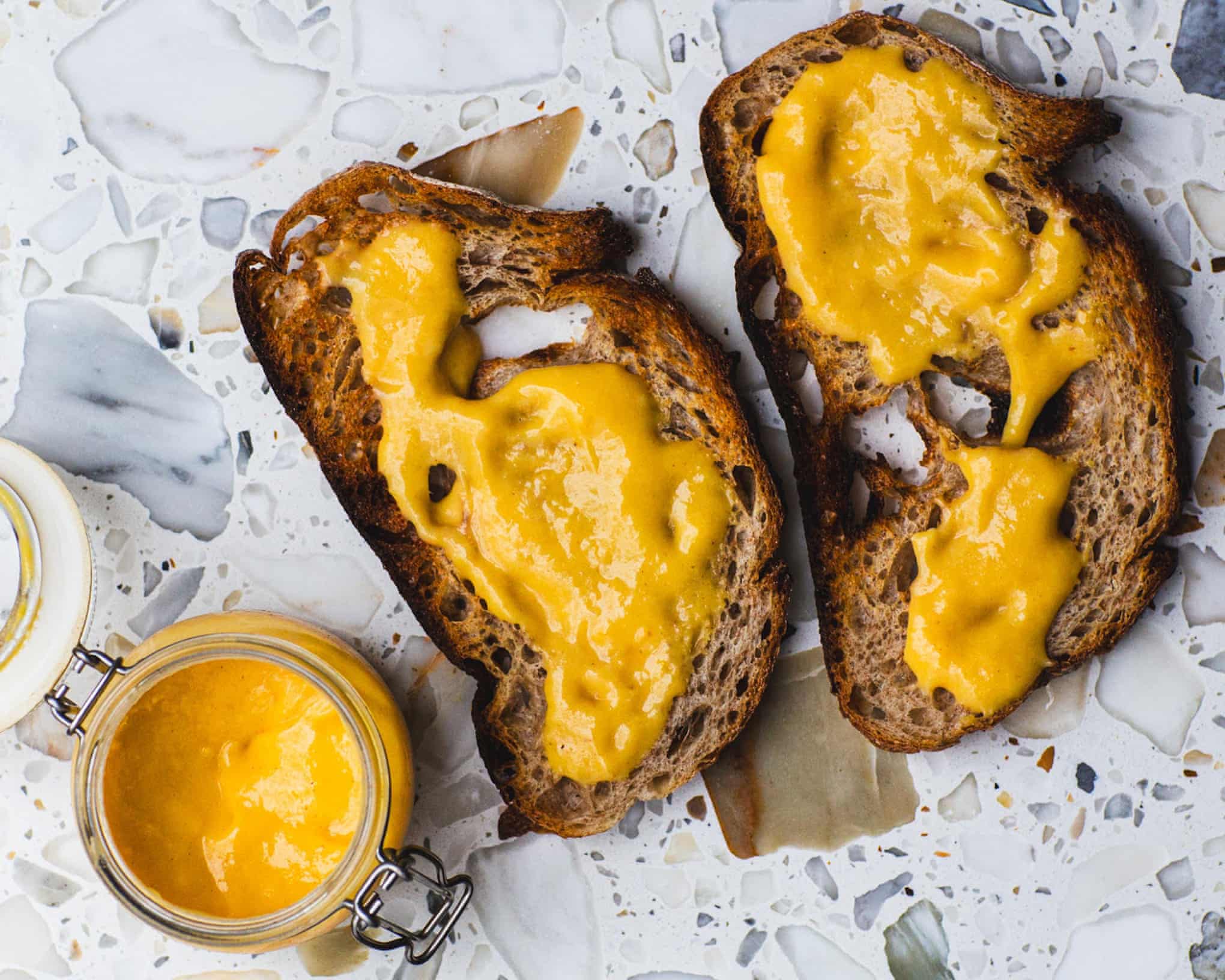
How to turn any leftover fruit into curd – recipe
You can make curd with almost any leftover fruit, as long as you add a little lemon juice for acidity and blend it to that familiarly special smooth textureI love ingenious recipes like curd that have the superpower to turn a tired piece of fruit or a forgotten offcut into something utterly decadent. Lemon curd is the original and a classic, but you can make curd with almost any fruit, as long as you add a little lemon juice for acidity. Each version is intense, indulgent and dreamy. So, please approach with caution: this spread is deeply moreish, in the best possible way.When testing this recipe, I had some leftover frozen mango that had been accidentally defrosted on the counter, a sad golden kiwi and some wrinkled grapes, so I split the recipe and made three small batches of different curds

‘Food porn’: are sexy meal pics ruining the restaurant industry?
Name: Food porn.Age: Entered common parlance around the 1980s – Rosalind Coward used the term in her 1984 book Female Desire (one of its earliest documented uses).Appearance: A total restaurant killer.Your thesis is that nice-looking food is destroying the restaurant industry? Yes, and I’m sticking with it.Why? Because if you make your food look nice, it attracts the wrong sort of customers, that’s why
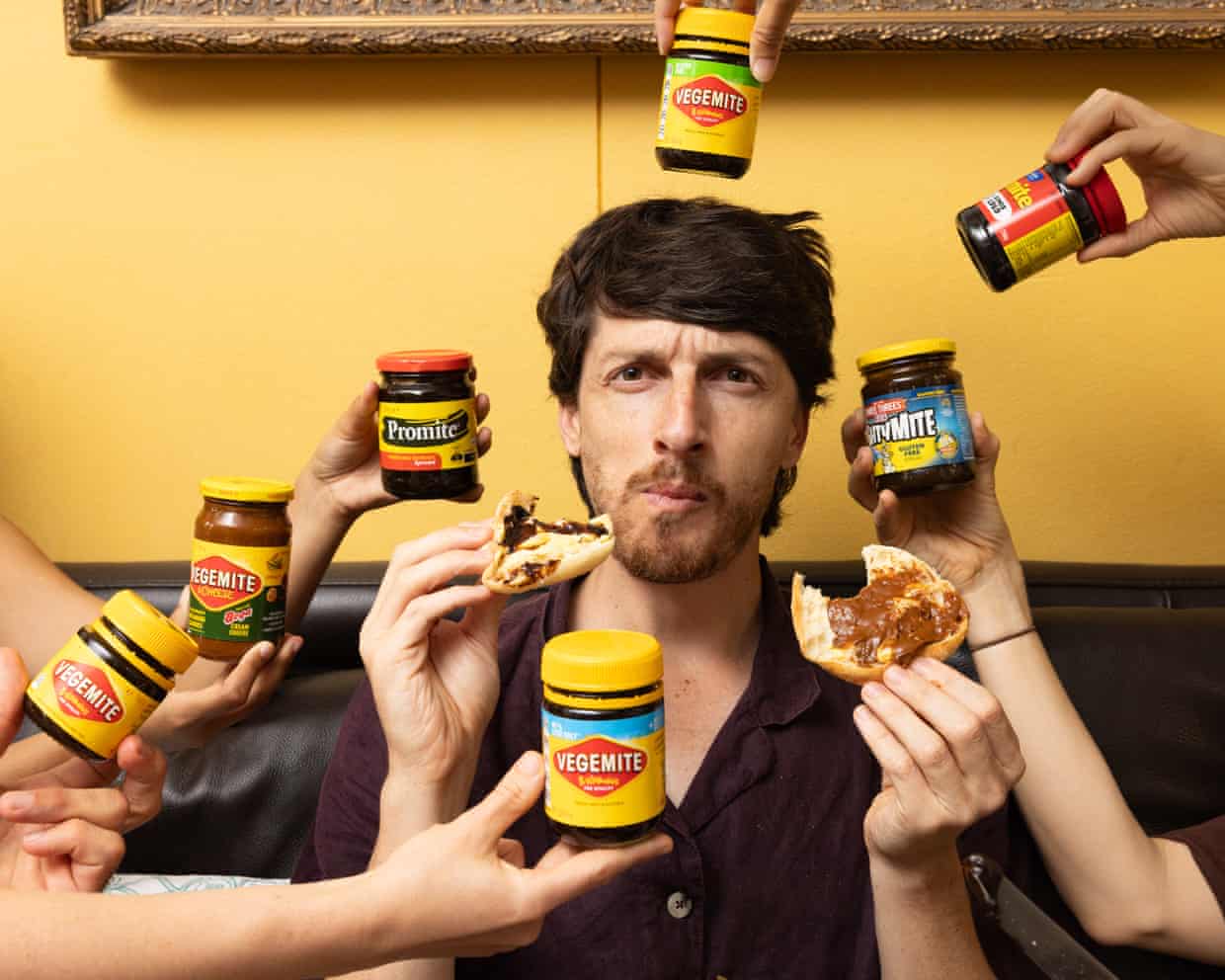
In a taste-test battle of supermarket mite-y bites, which will win? (Spoiler: it isn’t Vegemite)
At the end of most taste tests, I have a clear idea of winners and losers, and I’m usually confident enough in the findings that I’d bet if I repeated it 100 times, with a different set of testers, the results would be similar. This is not a normal taste test.After blind tasting eight yeast spreads, readily available at Australian supermarkets, I don’t even know what my favourite is, let alone which are the best and worst.In Australia it is impossible to taste yeast spreads without comparing them with Vegemite, for better or worse. So this isn’t really a yeast spread taste test, it’s a taste test of Vegemite and things that taste like it
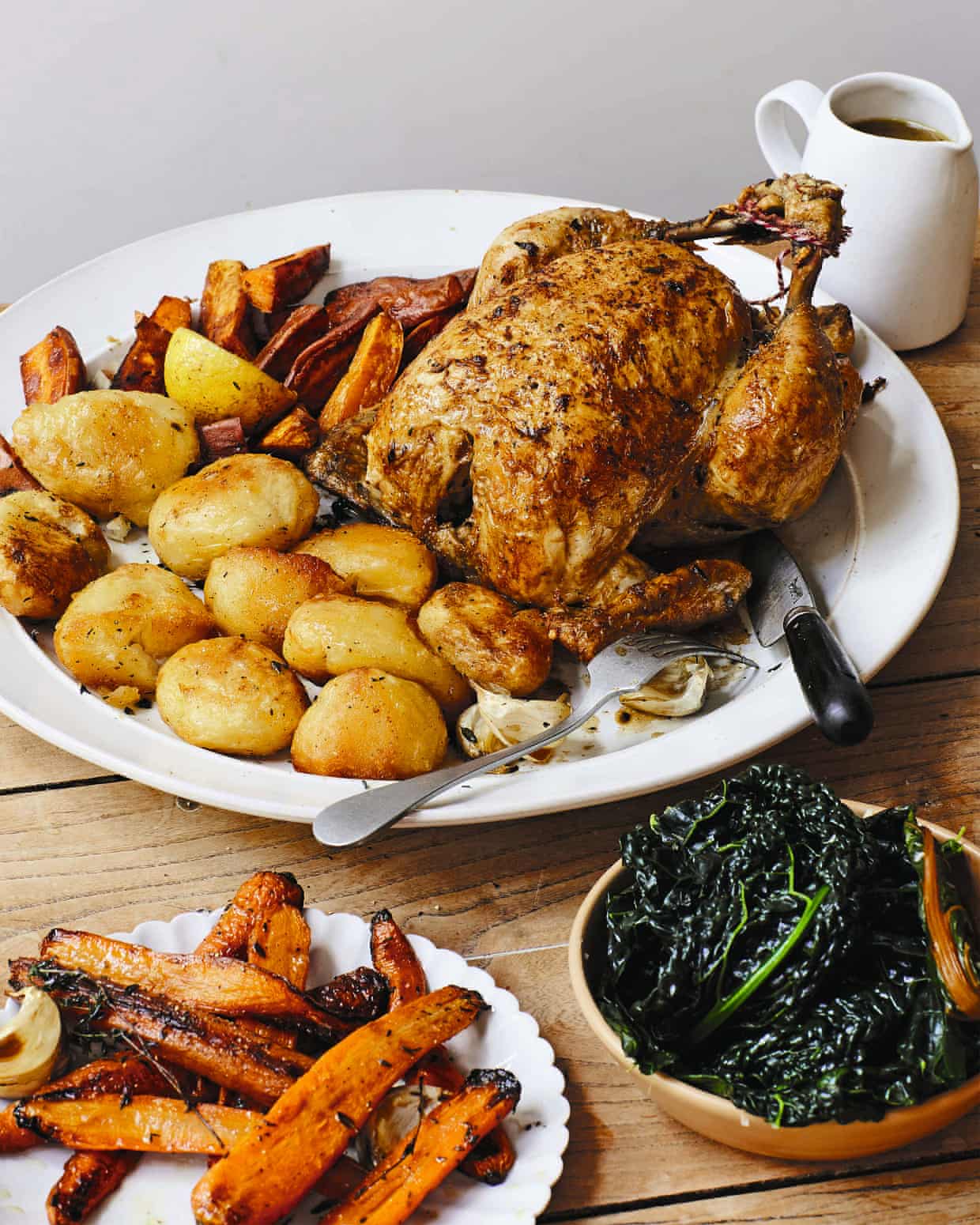
The secret to perfect roast chicken | Kitchen aide
What’s the best way to roast a chicken?Nicola, by email “Fundamentally, people overcomplicate it,” says Ed Smith, who has, rather conveniently, written a new book all about chicken, Peckish. “Yes, you can cook it at a variety of temperatures, use different fats, wet brine or dry brine, etc etc, but, ultimately, if you put a good chicken in the oven and roast it, you will have a good meal.”To elaborate on Smith’s nonchalance, he has three key rules: “One, start with a good chicken: free-range, ideally slow-reared and under the 2kg mark – small birds just roast better, I think.” Second, it doesn’t need as long in the oven as you might think. “Whatever it says on the packet will be too long,” says Smith, who roasts his chicken for about 50 minutes in a 210C (190C fan) oven

High energy prices threaten UK’s status as manufacturing power, business groups say

Don’t be fooled by recent good news, the UK economy is still in a precarious state

‘Doubling down on meat’: is the UK’s love affair with vegetarian food over?

Stock markets rally and US dollar dips after supreme court rules against Trump’s sweeping tariffs; Hat-trick of good UK economic news – as it happened
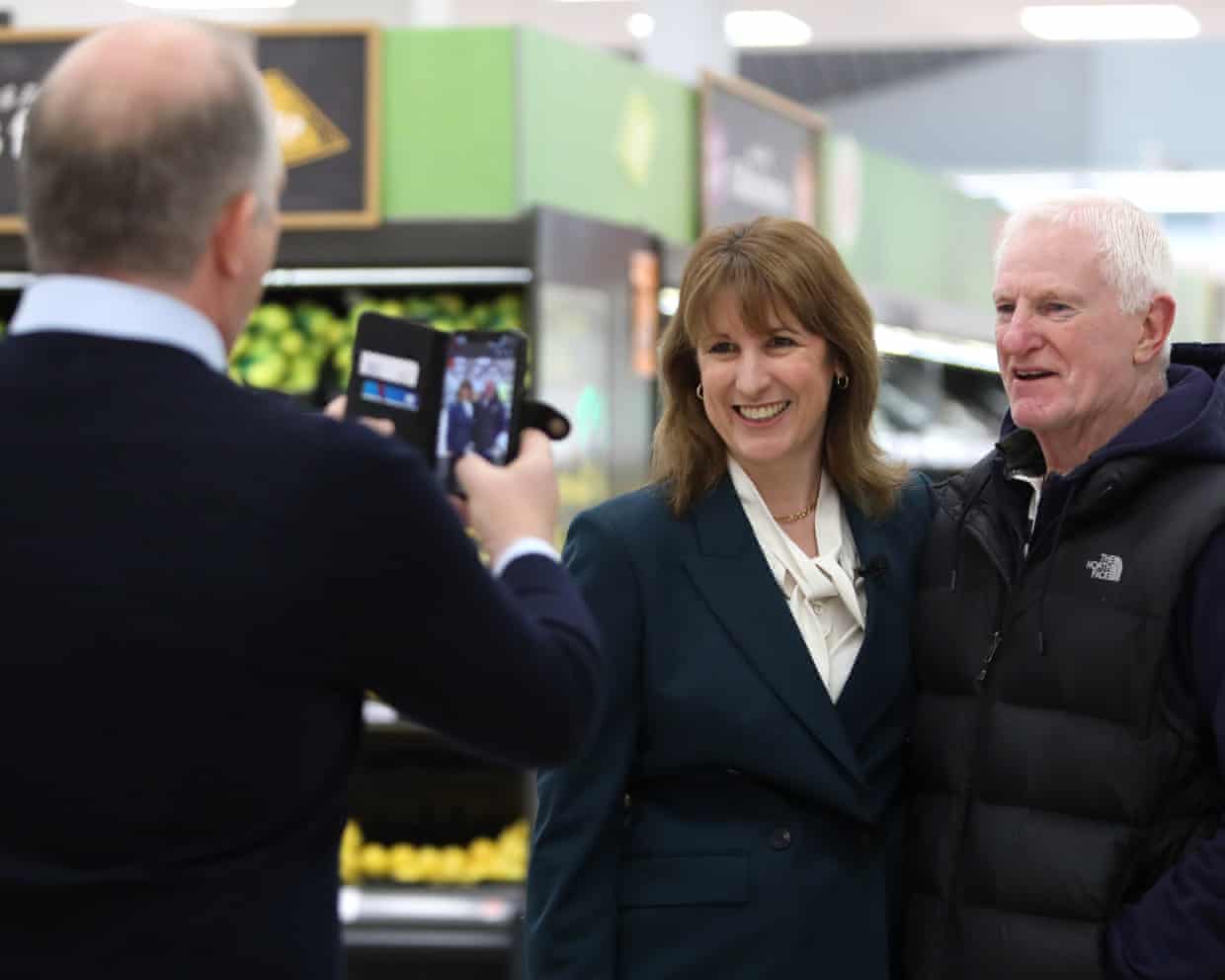
Brighter UK economy gives Reeves a springboard for March statement
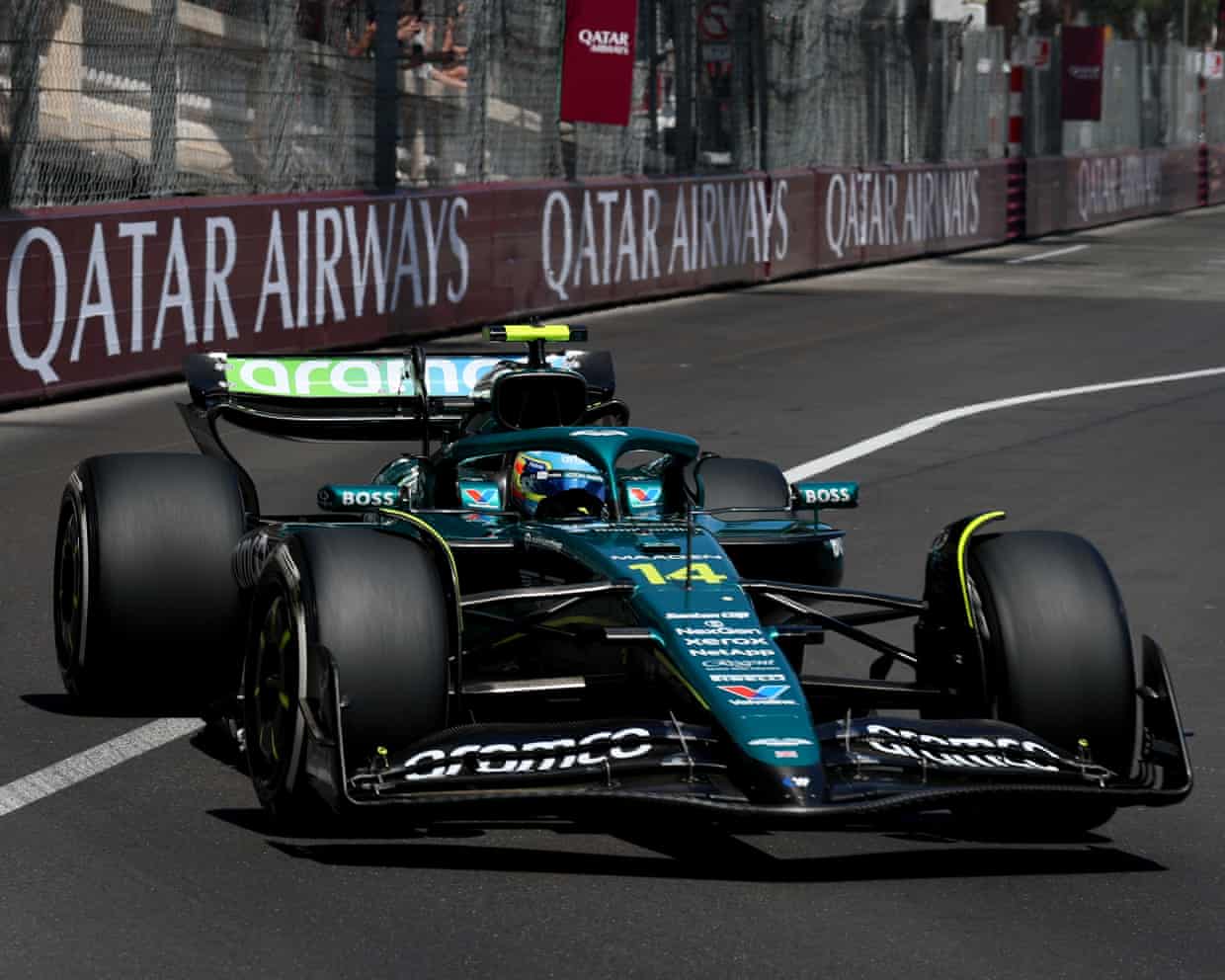
Aston Martin issues another profit warning and sells F1 naming rights for £50m